Sea otters were hunted almost to extinction, and bringing them back turned out to be the key to saving entire underwater forests, because without them sea urchins eat the kelp until nothing is left
It sounds like a stretch, that a fluffy, clam-cracking sea otter could be the difference between a thriving underwater forest and a barren seabed. But decades of data along the Pacific coast keep linking sea otters and kelp forests in the same way. Where the otters return, the kelp comes back, and with it a vast store of carbon.
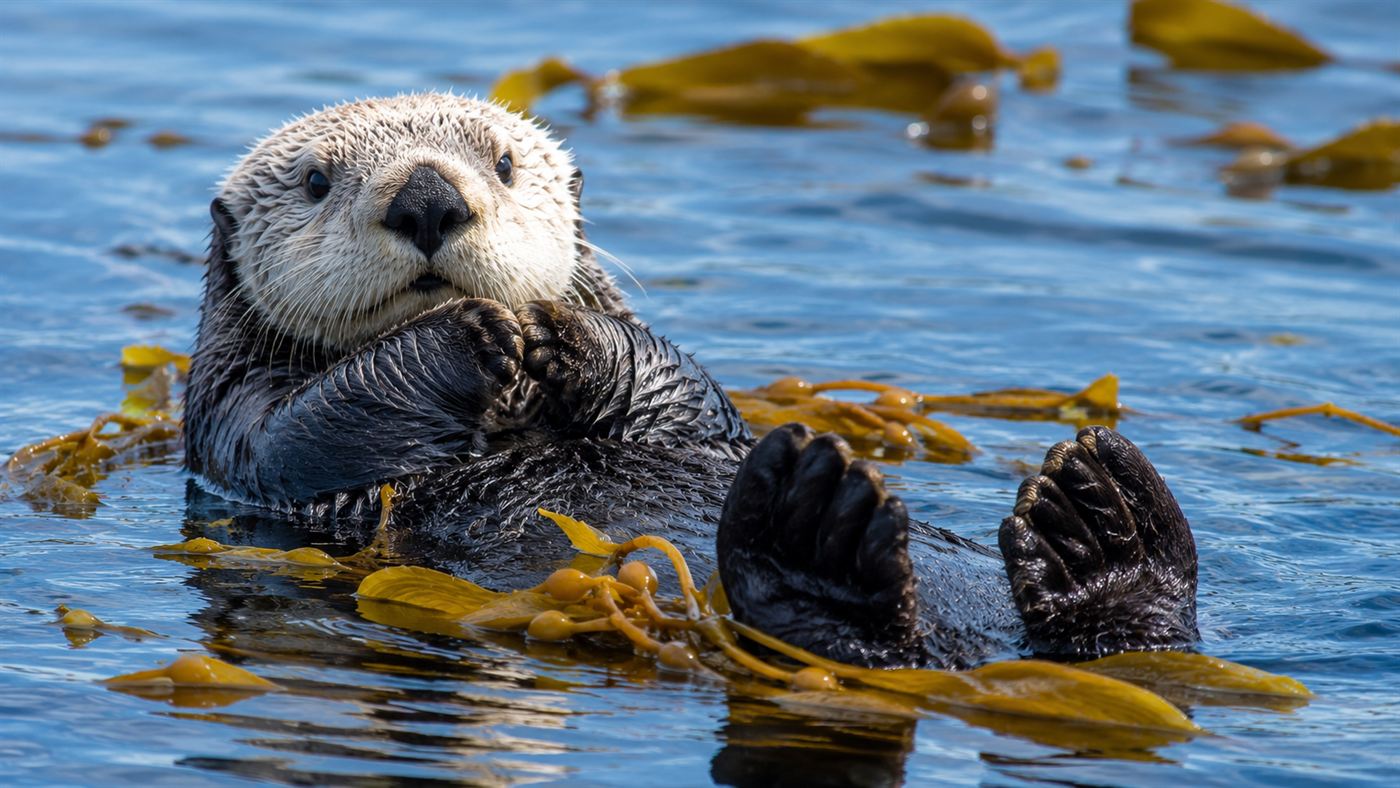
A single sea otter can be the difference between a kelp forest and a bare seabed. Illustration: Watts & Wild.
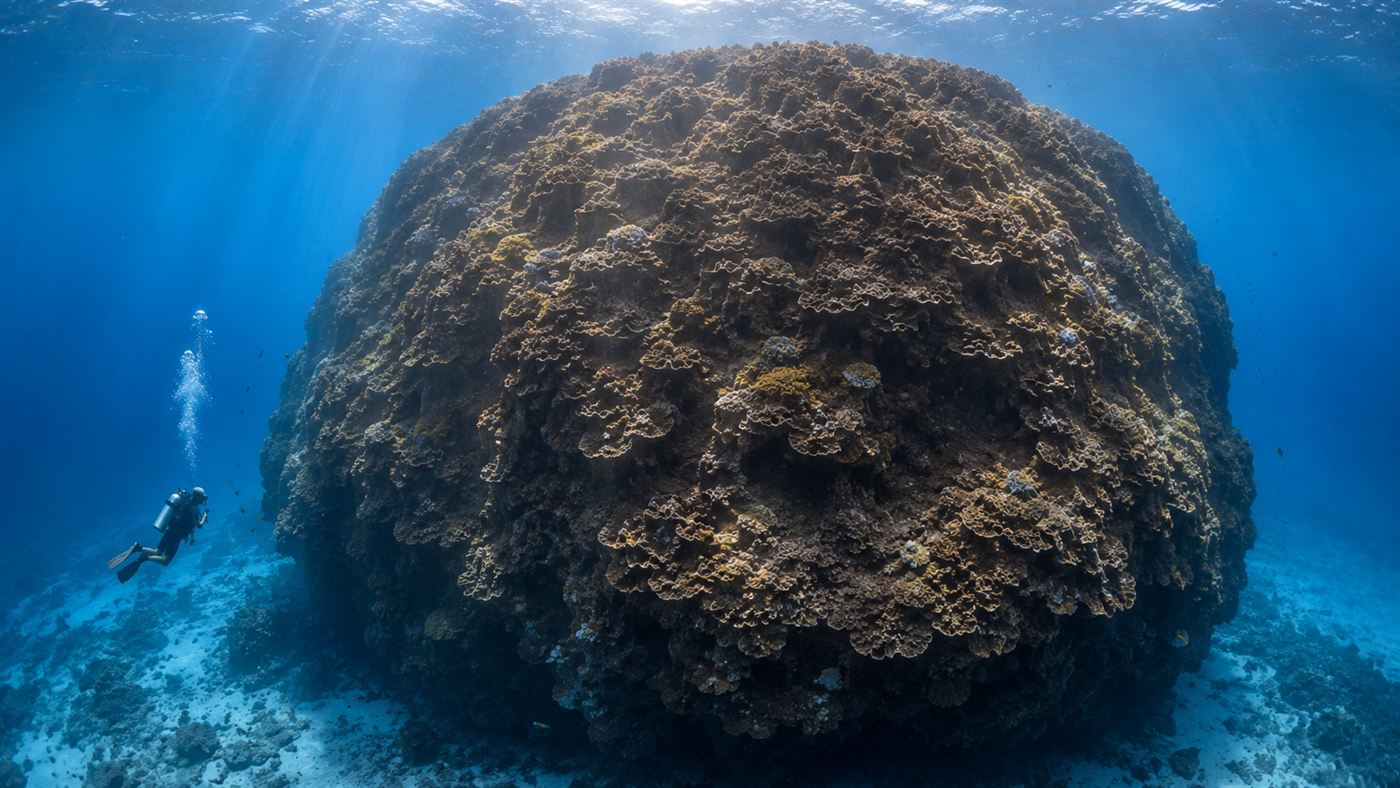
Off the Pacific coast of North America there are forests you will never see from a window. They are made of kelp, a fast-growing seaweed that can shoot up by half a metre a day and tower in underwater canopies that shelter fish, otters, seals and countless smaller creatures. Like forests on land, they also lock away carbon. And like forests on land, they can be wiped out with frightening speed.
What decides whether they live or die turns out to be one small, furry animal. As researchers reported in a 2025 study tracking decades of data on reintroduced otters, sea otter density is the single strongest predictor of how much kelp canopy a stretch of coast has. More otters, more forest. Lose the otters, and the forest can collapse.
The urchin and the otter
The link runs through a spiny little villain: the sea urchin. Urchins graze on kelp, chewing through the holdfasts that anchor it to the rock. Left unchecked, they multiply and mow down an entire forest, leaving a bare, lifeless seabed that scientists grimly call an "urchin barren." Once it tips into that state, the barren can lock itself in place for years.
This is where the sea otter comes in. Otters are voracious, eating around a quarter of their body weight every day, and urchins are a favourite meal. A healthy otter population keeps urchin numbers down, the kelp regrows, and the whole forest stays standing. The otter does not eat the kelp or tend it in any way. It simply eats the thing that eats the kelp, and that alone holds the entire ecosystem together. Biologists call a species with that kind of outsized influence a "keystone," and the otter is the textbook example.
What happened when the otters vanished
For most of the last few centuries, the otters were not there to do the job. The fur trade hunted sea otters from hundreds of thousands down to a few thousand survivors, and along great stretches of coast they disappeared entirely. With their main predator gone, urchins boomed, and the kelp paid the price.
The damage is still visible today. Northern California has lost more than 90 percent of its kelp in recent years, after a double blow of warming water and a disease that wiped out the sea stars that had been the urchins' other main predator. With both otters and sea stars largely missing, nothing was left to keep the urchins in check, and vast kelp forests flipped to barren in just a few seasons.
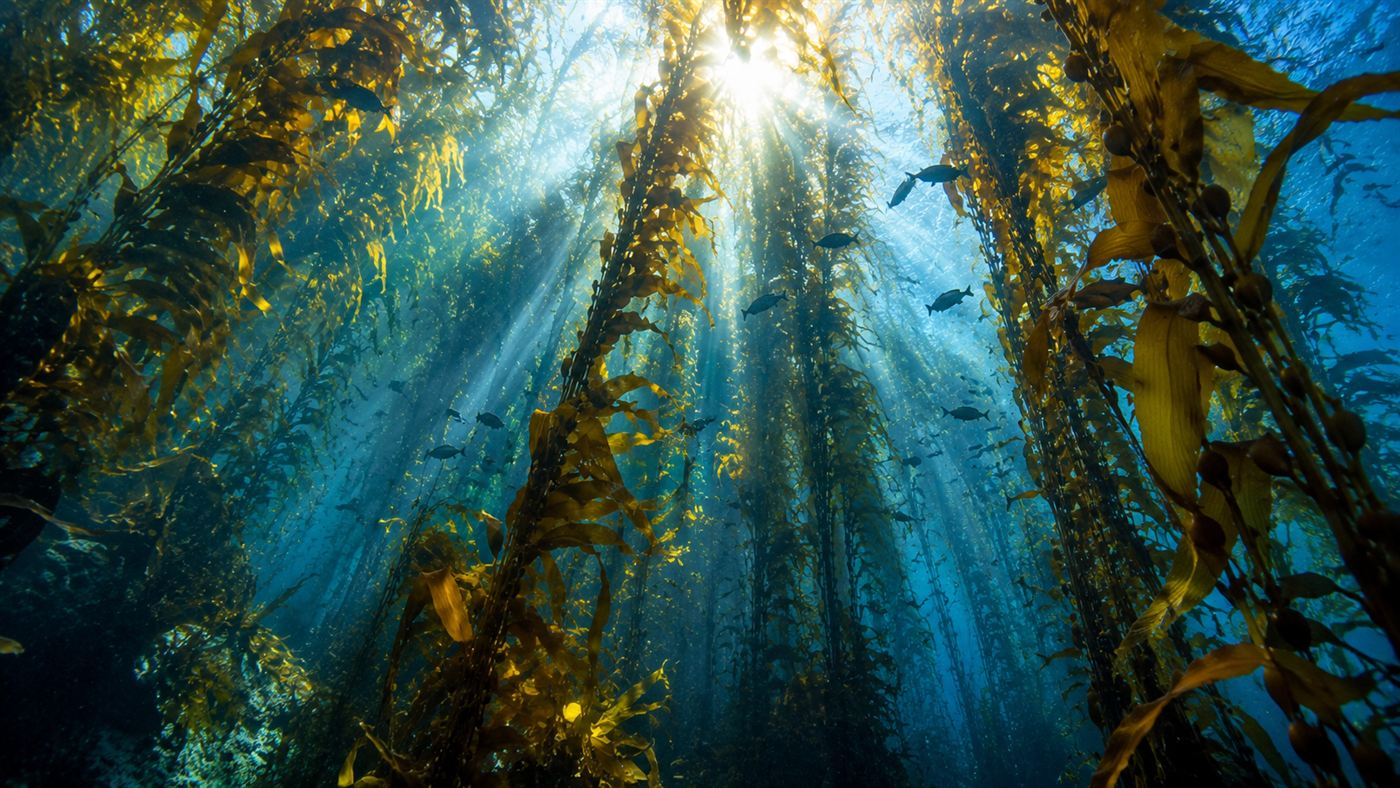
How sea otters and kelp forests recover together
The flip side is the hopeful part. Where otters have been protected or reintroduced, the kelp has returned. Long-running studies that followed otters reintroduced to islands off California and British Columbia decades ago found that, over thirty years, the forests grew back in both places. And the benefit is not only ecological. According to One Earth's analysis of the otters' role, the kelp they protect can sequester an estimated 400 million dollars' worth of carbon a year.
That reframes the sea otter from a charismatic face on a conservation poster into something closer to a climate worker. By guarding the kelp, it guards one of the ocean's quiet carbon stores, a service worth a fortune that no one pays for. Protecting a predator that people already adore turns out to be one of the cheaper ways to keep a coastline storing carbon.
The honest catch
It would be too neat to say that otters fix everything, and the same study that praised them was careful about this. The forests recovered at very different speeds in different places, much faster in British Columbia than in southern California, which means otters are not a switch you can flip to instantly restore any coast. Local conditions, water temperature and what else is in the ecosystem all matter.
There are tensions, too. Otters eat shellfish that some fisheries depend on, so their return is not welcomed by everyone, and a warming ocean keeps piling stress on kelp regardless of how many urchins get eaten. The otter is a powerful ally, not a cure. It can hold a forest together where the wider conditions allow, but it cannot single-handedly outrun a heating sea.
Why a furry predator matters
The story of the sea otter and the kelp is one of the clearest reminders that nature is held together by connections we cannot see from the surface. Remove one animal that most people would never link to a forest, and an entire underwater world can unravel. Put it back, and the world can knit itself together again. The open sea holds an even bigger version of the same idea in the whale pump, where great whales fertilise the ocean and lock away carbon.
It is a rare kind of good news, a problem where the solution is not a machine or a billion-dollar plant but simply letting a hunted animal recover and do what it has always done. The otters were never trying to save the kelp, or the carbon, or the climate. They were just hungry. Should we lean harder on returning lost predators like the otter to heal ecosystems, even when it bumps up against fishing and other human interests? Tell us what you think in the comments.
Related reading: Scientists released just 14 wolves into Yellowstone in 1995, and the predators reshaped the elk, the forests, and eventually the very paths the rivers carve through the valley. See also how the northern elephant seal came back from about 20 animals.