In the early 1950s, malaria was endemic across the interior of North Borneo, the territory that would later become Sabah and part of Malaysia. The disease killed thousands of people each year and kept entire communities in a cycle of illness that made farming, schooling, and economic life nearly impossible. The World Health Organization, newly founded after World War II and buoyed by early successes against malaria in Europe and elsewhere, launched a control programme across the island. The tool was DDT. Sprayed onto the interior walls of homes, it killed the Anopheles mosquitoes that transmitted malaria and it worked. Cases fell sharply. The programme was considered a success, until it triggered the chain of events now remembered as Operation Cat Drop in Borneo.
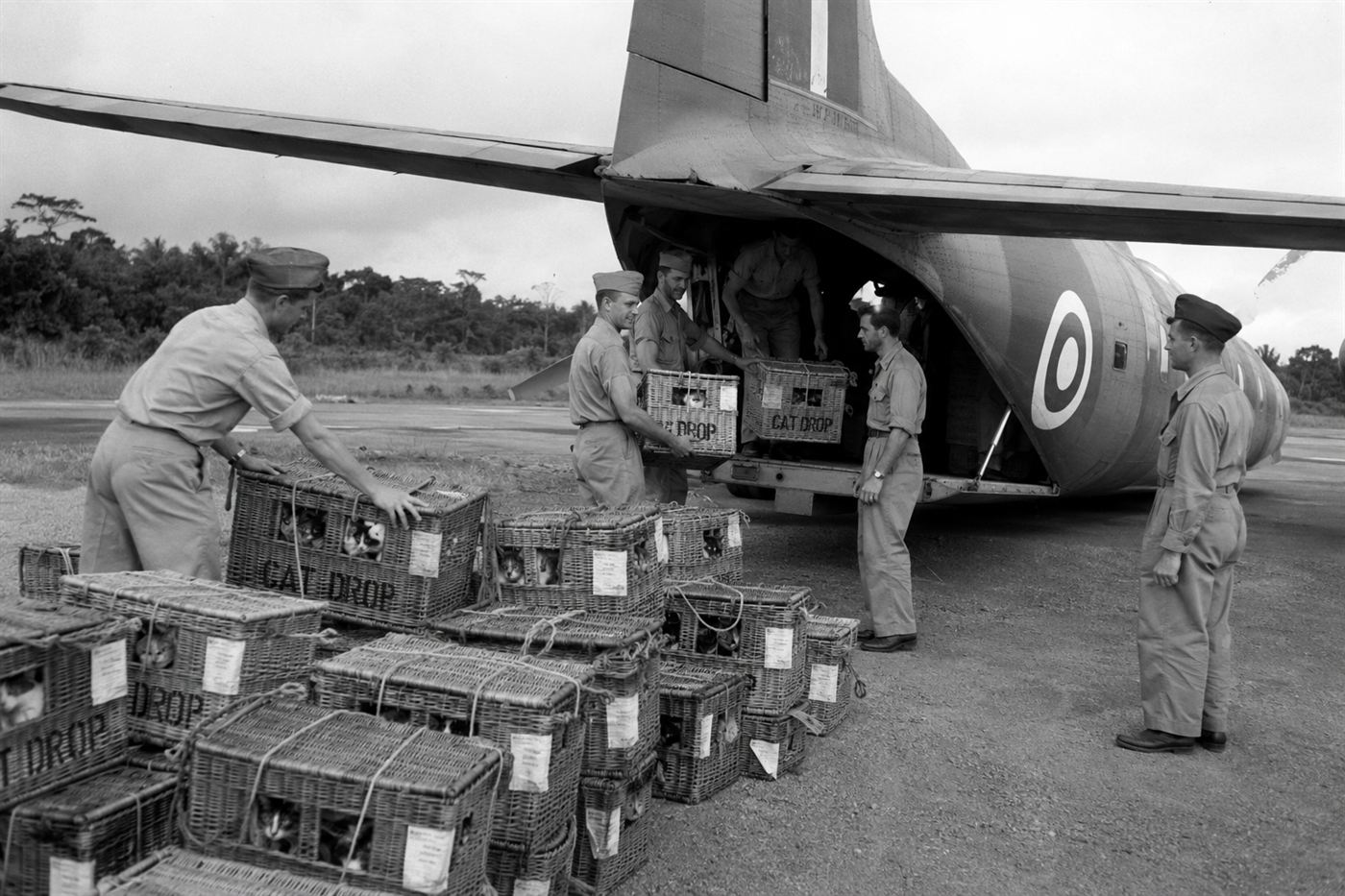
Then the roofs started collapsing. Then the cats started dying. Then the rats came in. And eventually, the Royal Air Force found itself loading cats into wicker baskets and dropping them by parachute over villages so remote that there was no other way to reach them. The episode, known as Operation Cat Drop, became one of the most famous examples of unintended ecological consequences in the twentieth century.
The Borneo DDT campaign began in 1953 as a WHO malaria effort that worked. DDT cut malaria cases sharply. It also killed the insects that cats ate, then the cats. Rats flooded in. The RAF dropped replacement cats by parachute into jungle villages.
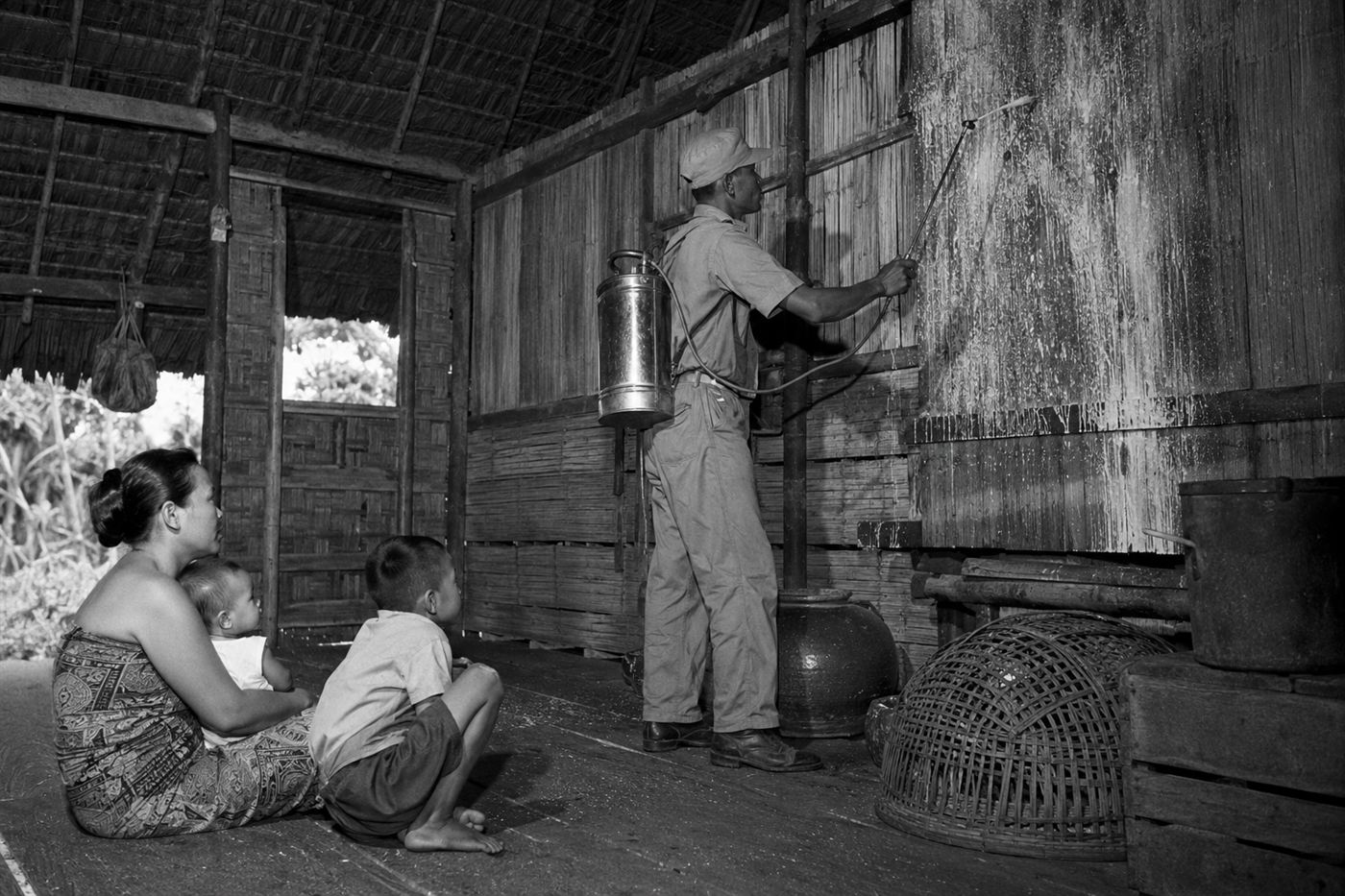
Why did the World Health Organization spray DDT across Borneo in the 1950s?
Malaria had shaped life in Borneo for centuries.
The Anopheles mosquito, which transmits the Plasmodium parasite responsible for the disease, thrived in the warm, humid, forested interior of the island.
After World War II, DDT was widely available and had already proven effective against malaria in military campaigns across the Pacific and in Italy.
The insecticide worked by attaching to the nervous system of insects and killing them on contact.
The WHO's global malaria eradication programme, launched in 1955, placed DDT at the centre of its strategy: spray the interior walls of homes where mosquitoes rested after feeding, and the mosquitoes would die before they could transmit the disease.
In Borneo, the campaign was successful by its own measurement.
Malaria cases dropped significantly in the communities where indoor residual spraying was applied.
The DDT programme saved lives.
That is not in dispute.
What the programme's planners did not anticipate was what the DDT would do to everything else in the food chain.
What happened to the Borneo food chain after DDT was sprayed?
DDT does not target only Anopheles mosquitoes.
It kills most insects it comes into contact with.
Among those insects in the Borneo villages were Braconid wasps, small parasitoid wasps that lay their eggs inside the caterpillars of a moth called Opogona.
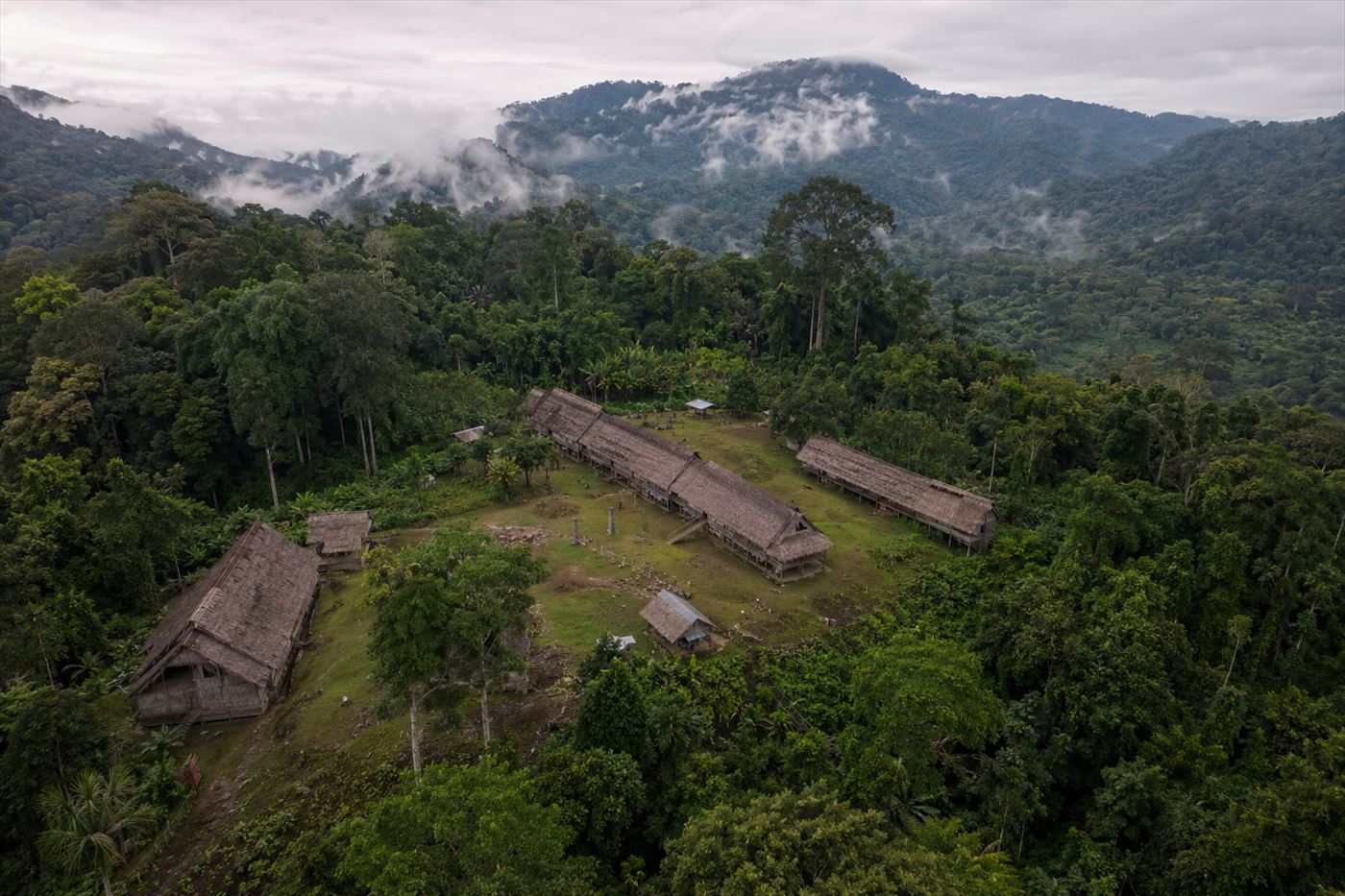
Opogona caterpillars eat the leaves of palm and other plants used to make the thatched roofs of traditional Dayak longhouses.
Under normal conditions, the Braconid wasps kept the Opogona caterpillar population under control.
The DDT killed the wasps.
The caterpillars, suddenly free of their primary predator, multiplied.
They ate through the thatch.
Roof after roof began to sag, weaken, and then collapse in village after village across the affected areas.
The villagers who had been spared malaria now found themselves without shelter.
This is the mechanism of a trophic cascade: removing one species from a food web does not stay contained to that species.
The effects ripple up and down the chain in ways that are difficult to predict.
The DDT trophic cascade in Borneo was only beginning.
How did DDT poisoning kill the cats of Borneo?
DDT accumulates in fat tissue.
It does not break down quickly in living organisms.
When an insect absorbs a small dose of DDT without dying, the chemical stays in its body.
When a lizard or gecko eats hundreds of those insects, it accumulates a much larger dose.
When a cat eats many geckos, it concentrates the dose further still.
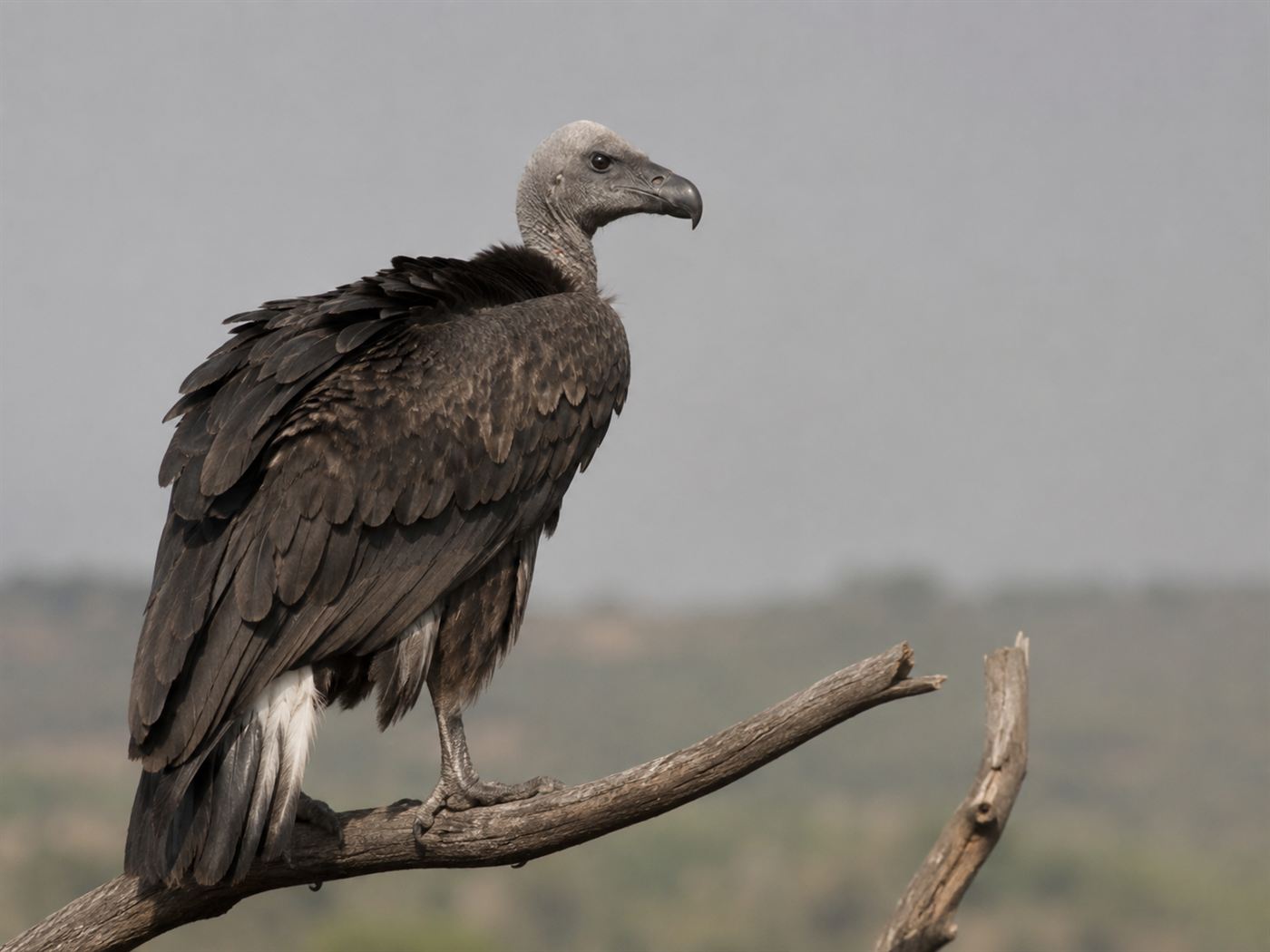
This process is called bioaccumulation, and it is the same mechanism that later drove the collapse of India's vulture population in the 1990s and 2000s, when diclofenac given to cattle accumulated to lethal doses in vultures that ate the carcasses.
In Borneo, the DDT that had been sprayed on walls to kill mosquitoes was working its way up through insects to geckos to cats.
The cats began showing neurological symptoms: tremors, disorientation, paralysis.
They died.
Village after village lost its cats.
The rats, no longer hunted, began to breed without constraint.
Rats in large numbers carried diseases of their own: leptospirosis, typhus, and in some accounts, a threat of sylvatic plague from rat fleas.
The communities of North Borneo had traded malaria for collapsing roofs and rat-borne illness.
A programme that had saved thousands of lives from one disease was creating the conditions for new deaths from others.
What was Operation Cat Drop in Borneo and why did the RAF parachute cats?
The problem was clear: the villages needed cats.
The solution was straightforward in principle but complicated in practice.
North Borneo's interior was largely accessible only by air.
Roads through the jungle did not reach most affected villages.
The British military had a presence in the region as part of operations in Malaya, and the Royal Air Force had aircraft capable of reaching the remote interior.
Cats were collected, placed into wicker baskets, and flown over the jungle.
Over remote villages, the baskets were parachuted down to waiting communities.
Operation Cat Drop, as the effort became known, is thought to have delivered thousands of cats to the affected areas over a period of several years in the late 1950s and early 1960s.
The image of cats floating down through Borneo jungle in parachuted baskets became the defining story of what DDT had wrought.
It spread through conservation circles, ecological literature, and public memory as a shorthand for the concept that solving one problem by brute force can create several others downstream.
The trophic cascade that DDT had started in Borneo required a trophic repair: putting back, by parachute, the apex predator that had been removed by chemistry.
What did the Borneo DDT trophic cascade teach the world?
The Borneo story arrived at the same moment as a broader reckoning with DDT.
Rachel Carson published Silent Spring in 1962, a book that documented DDT's effects on bird populations, eggshell thinning, and bioaccumulation throughout the food chain.
The Borneo operation was not in Carson's book, but the mechanism she described, DDT accumulating through trophic levels and poisoning apex predators, was exactly what had happened to the cats in Borneo.
The DDT trophic cascade in Borneo became a teaching case in ecology departments around the world.
It demonstrated that an intervention in a complex system carries ripple effects that cannot always be predicted from the intervention itself.
The WHO changed its approach over the following decades, moving from blanket DDT application to more targeted indoor residual spraying programmes designed to minimise environmental exposure while preserving the anti-malarial benefit.
The trophic cascade concept, developed partly in response to events like Borneo, now underpins conservation biology, restoration ecology, and the science of rewilding.
It is the reason that the return of wolves to a landscape can change the behaviour of deer, which changes where plants grow, which changes riverbanks: every link in the food chain pulls on every other.
In Borneo, the chain was pulled in the wrong direction by DDT, and the correction required cats falling from aeroplanes.
The honest catch
Operation Cat Drop is one of the most retold stories in ecology, and some of the details have grown in the telling.
The number of cats is quoted variously as hundreds, thousands, and sometimes 14,000 across different sources.
The role of parachuting versus ordinary ground transport in delivering the cats is not precisely established in primary sources.
The trophic cascade in Borneo was real: the DDT killed the wasps, the caterpillars damaged the roofs, the bioaccumulation killed the cats, and the rats proliferated.
But the clean narrative of a single chain of events, from DDT spray to parachuted cats, compresses what was actually a messy, multi-year, localised response to a series of separate problems.
Rachel Carson did not cite Borneo in Silent Spring, which is sometimes read as a sign that the story was not yet fully understood or documented at the time of publication.
DDT itself remains contested.
The Stockholm Convention of 2001, which banned DDT for agricultural use globally, still permits its use for malaria control through indoor residual spraying, because the alternative, untreated malaria, kills more than 600,000 people per year.
The Borneo story is a genuine cautionary tale about trophic cascades and unintended consequences.
It is not a story about DDT being simply bad.
It is a story about using a powerful chemical without fully understanding the system it was being deployed in, which is a different lesson and a harder one.
Sources
The cats that fixed Borneo were parachuted in to repair damage caused by a solution to a different problem. Have you ever fixed something by breaking something else?