The Iberian lynx was the world's most endangered cat, down to about 62 adults two decades ago, and after a 20-year rescue it has bounced back past 2,000 and off the endangered list
Twenty years ago you could have fit almost every Iberian lynx left alive into a couple of rooms. Fewer than a hundred remained, and the tuft-eared cat was sliding toward becoming the first feline to vanish since the sabre-tooth. Then came the Iberian lynx recovery, one of conservation's great comebacks.
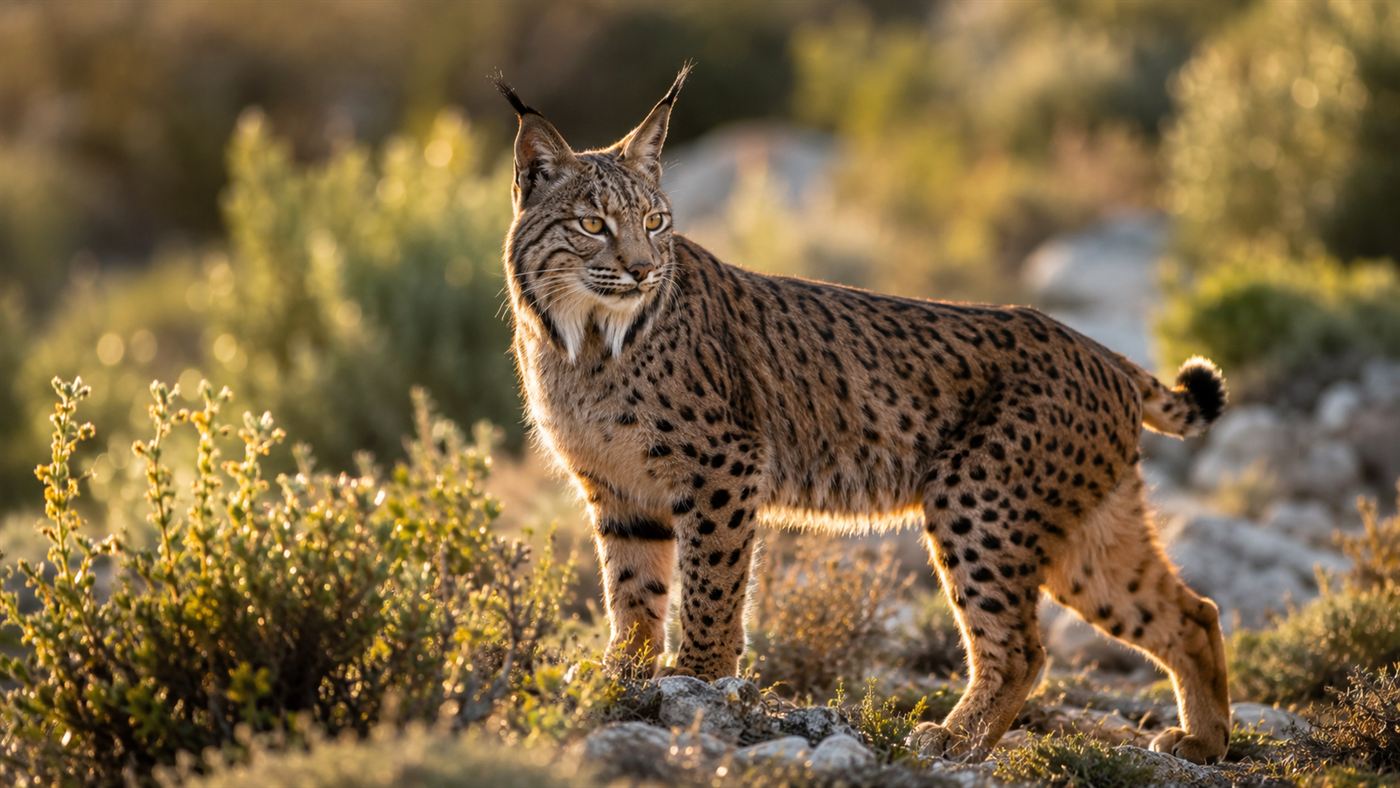
The Iberian lynx has gone from the brink of extinction to more than 2,000 animals. Illustration: Watts & Wild.
In June 2024, the International Union for Conservation of Nature moved the Iberian lynx from Endangered to Vulnerable on its Red List. That sounds like a small bureaucratic step, but for anyone who knows the animal it is enormous. Two decades earlier this cat was the most endangered feline on the planet, and serious biologists were quietly preparing for it to disappear altogether.
The Iberian lynx is a striking animal, smaller than its northern cousins, with a leopard-like spotted coat, a stubby black-tipped tail, and the dramatic tufted ears and bearded face of a much grander cat. It lives only in Spain and Portugal, and by the early 2000s it had been pushed into a couple of last refuges in Andalusia.
A cat on the edge of oblivion
At its lowest point, around 2001 and 2002, the entire species had collapsed to roughly 62 breeding adults, scattered across just two isolated pockets of southern Spain. A handful of road deaths or one bad disease season could have finished it. It was, by any measure, a candidate to become the first cat species driven extinct in the modern era.
Several things had ganged up on it at once. Its scrubland habitat was being cleared and fragmented, roads sliced through its territory, and, most damaging of all, its near-total food source collapsed. The lynx is a fussy eater that depends on the European rabbit, and waves of disease had gutted rabbit populations across Iberia, pulling the cat's only real meal out from under it.
How you rebuild a species
What turned it around was not luck but a long, expensive, patient rescue, much of it funded through two decades of the European Union's LIFE programme, which has poured money into Iberian lynx recovery since the early 2000s. Captive breeding centres were set up to raise cubs, and conservationists worked just as hard on the unglamorous side: rebuilding the rabbit warrens the cat needed to survive.
Then they put the cats back. Since 2010, more than 400 captive-bred and translocated lynx have been released into carefully prepared areas of Spain and Portugal, re-establishing populations in places the animal had vanished from. Road underpasses and fencing were added to cut the death toll, and landowners were brought into the scheme so the cat had somewhere safe to spread into.
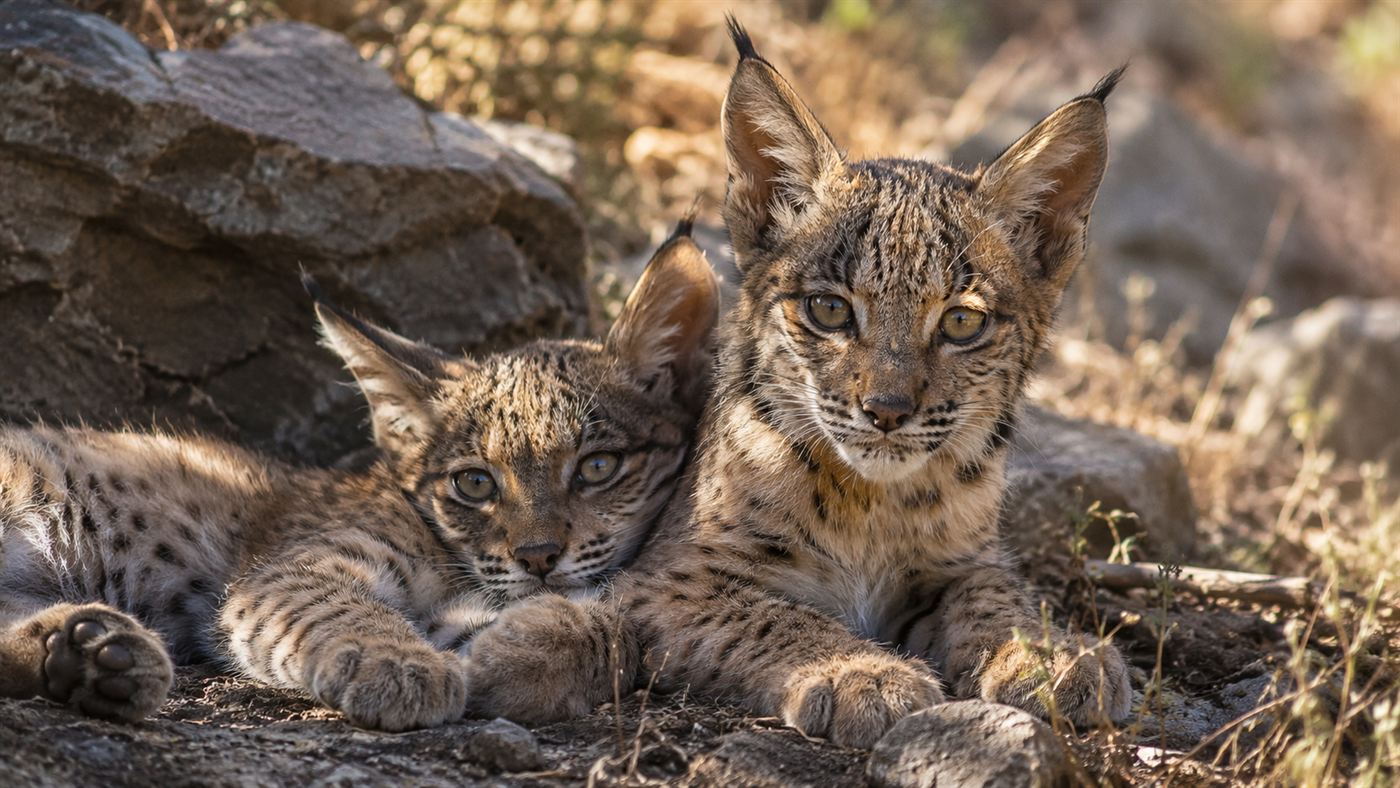
The numbers behind the Iberian lynx recovery
The recovery curve is steep. The IUCN reported that the lynx climbed from 62 mature individuals in 2001 to more than 2,000 animals of all ages by 2024, with the range expanding from around 449 square kilometres in 2005 to over 3,300 today. It is one of the fastest recoveries of a wild cat ever recorded.
And it has not stopped. According to the latest joint Spanish and Portuguese census, the population reached an estimated 2,401 lynx in 2024, a 19 percent jump in a single year, with 844 cubs born and new breeding territories opening up in regions like Murcia and Castilla y León. A species that was almost a ghost is now spilling into landscapes it had not touched in living memory.
Why one cat matters so much
The lynx is not just a pretty face to be saved for its own sake. As the top predator of the Mediterranean scrub, it keeps smaller predators like foxes and mongooses in check, which in turn protects other vulnerable species lower down. A healthy lynx population is shorthand for a healthy landscape, which is exactly why so much effort went into it.
It also matters as proof. The Iberian lynx is now one of the clearest examples on Earth that extinction is not always a one-way door. With enough money, enough time, and a plan that fixes the whole system rather than just the animal, a species can be pulled back from the very edge. That lesson travels far beyond Spain.
The honest catch
It would be a mistake to call the job done. The lynx is still listed as Vulnerable, not safe, and its recovery sits on a worryingly narrow base. The cat remains almost entirely dependent on one prey animal, the European rabbit, whose numbers can crash with a single new strain of disease. If the rabbits fall, the lynx falls with them, and that risk has not gone away.
The roads are the other quiet killer. Even in a record year, traffic remains the leading cause of lynx deaths, with around 144 killed on Spanish roads in 2023. The population is also descended from that tiny founder group, which leaves it genetically thin and vulnerable to inbreeding. The comeback is real, but it is a rescue that still has to be actively maintained, not a victory anyone can walk away from.
Why the lynx's rebound matters
For a generation of conservationists, the Iberian lynx was the animal they expected to lose. Instead it has become the one they point to when they need to argue that the effort is worth it. From about 62 adults to more than 2,000 in twenty years is not a miracle, it is the result of money, patience, and a refusal to give up on a single stubborn cat.
The next test is whether the same recipe can be stretched to the many other species hovering where the lynx once was. If a country can bring its most endangered cat back from 62 animals, what is our excuse for letting any species slip away? Tell us what you think in the comments.