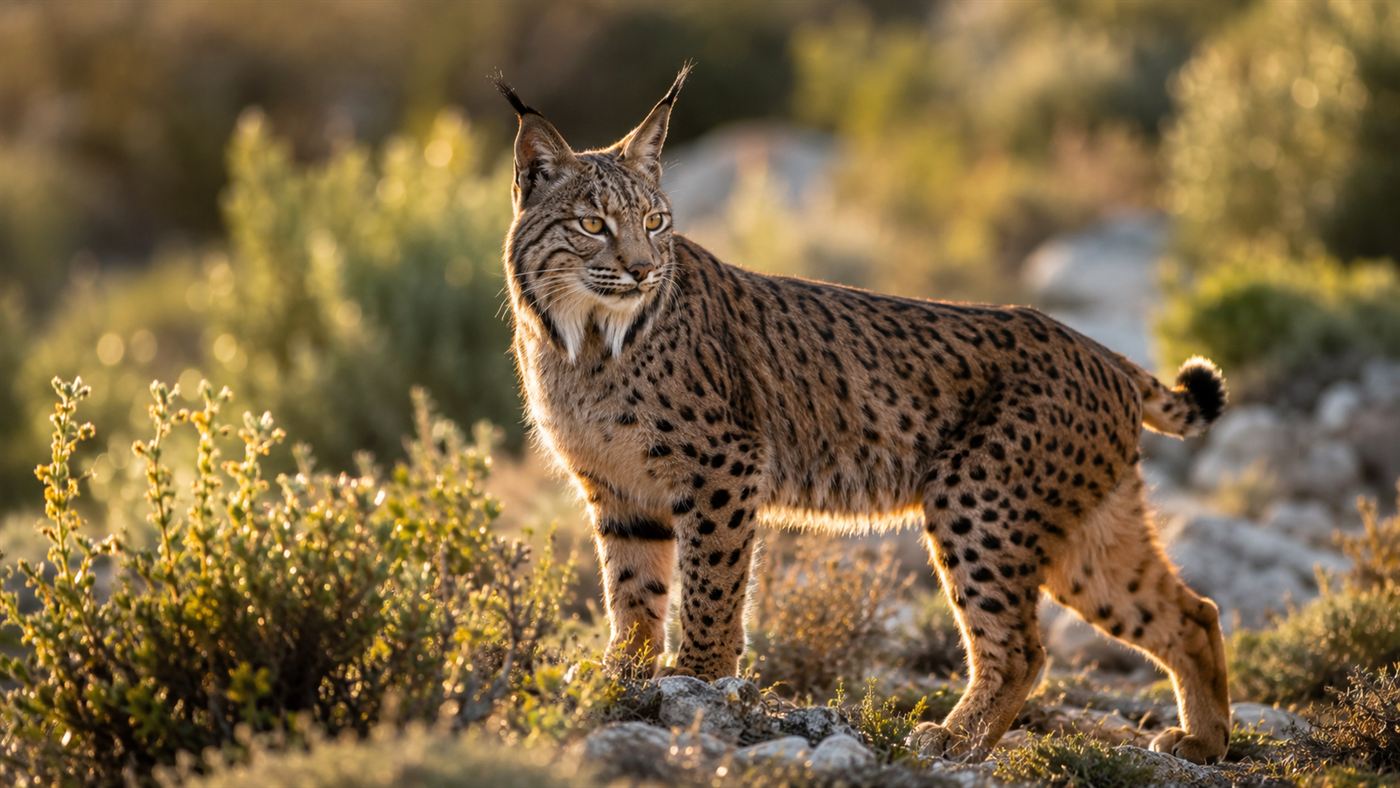
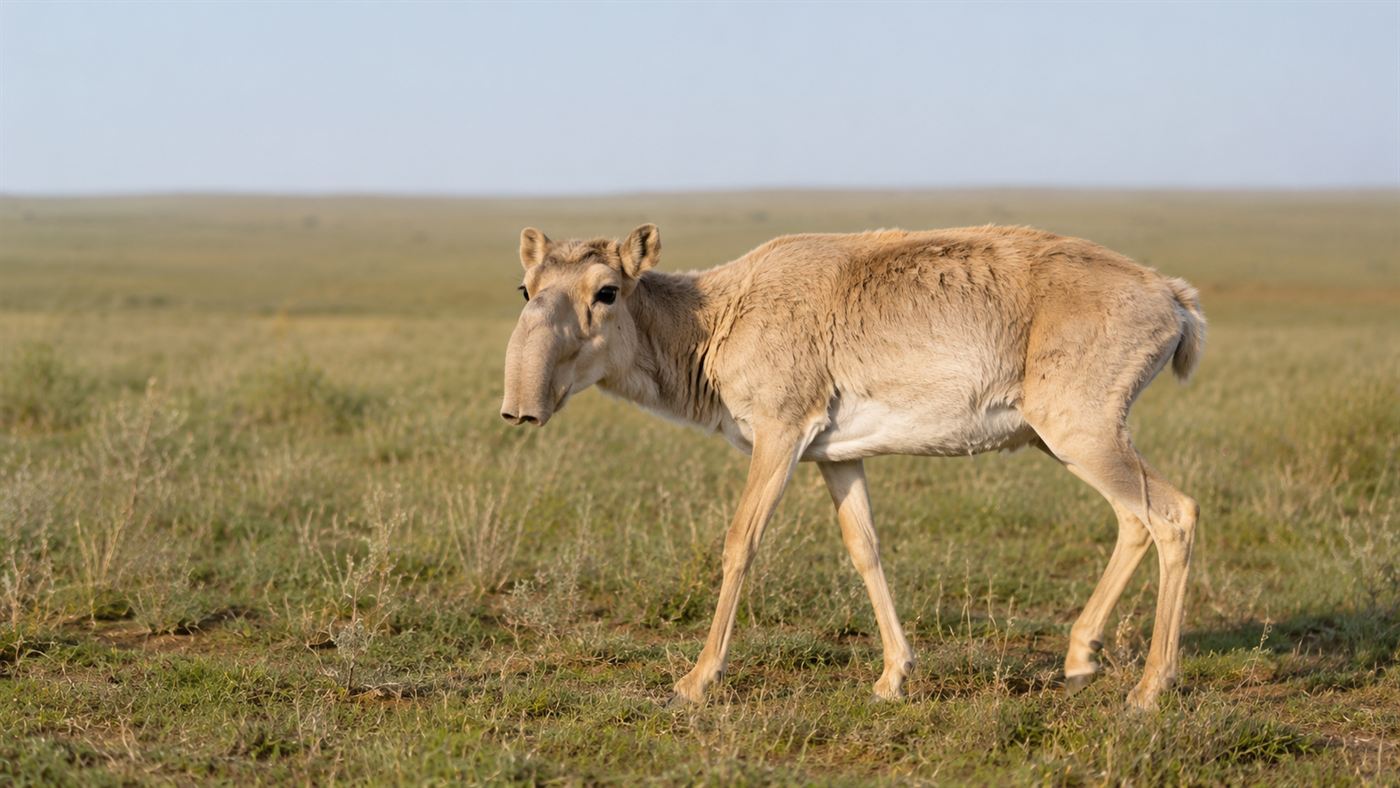
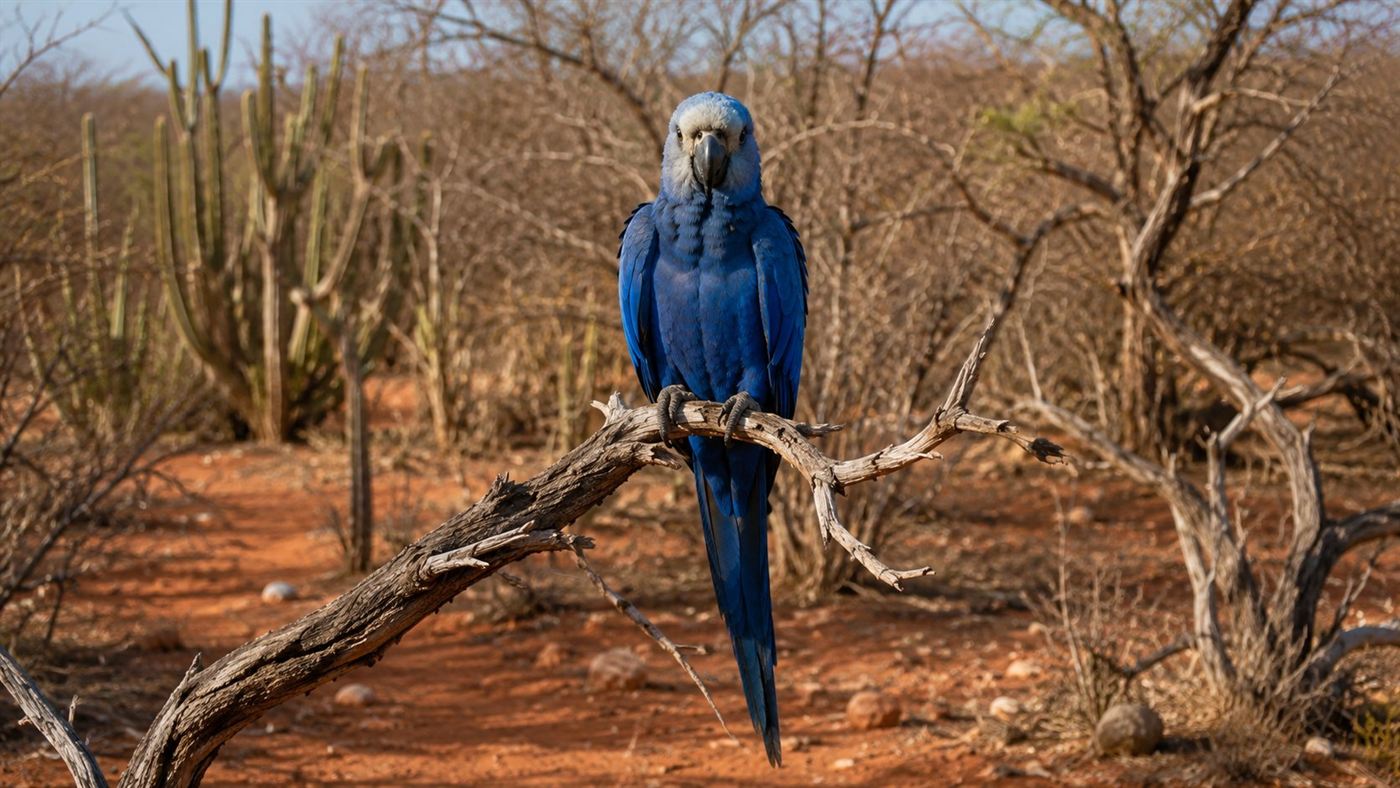
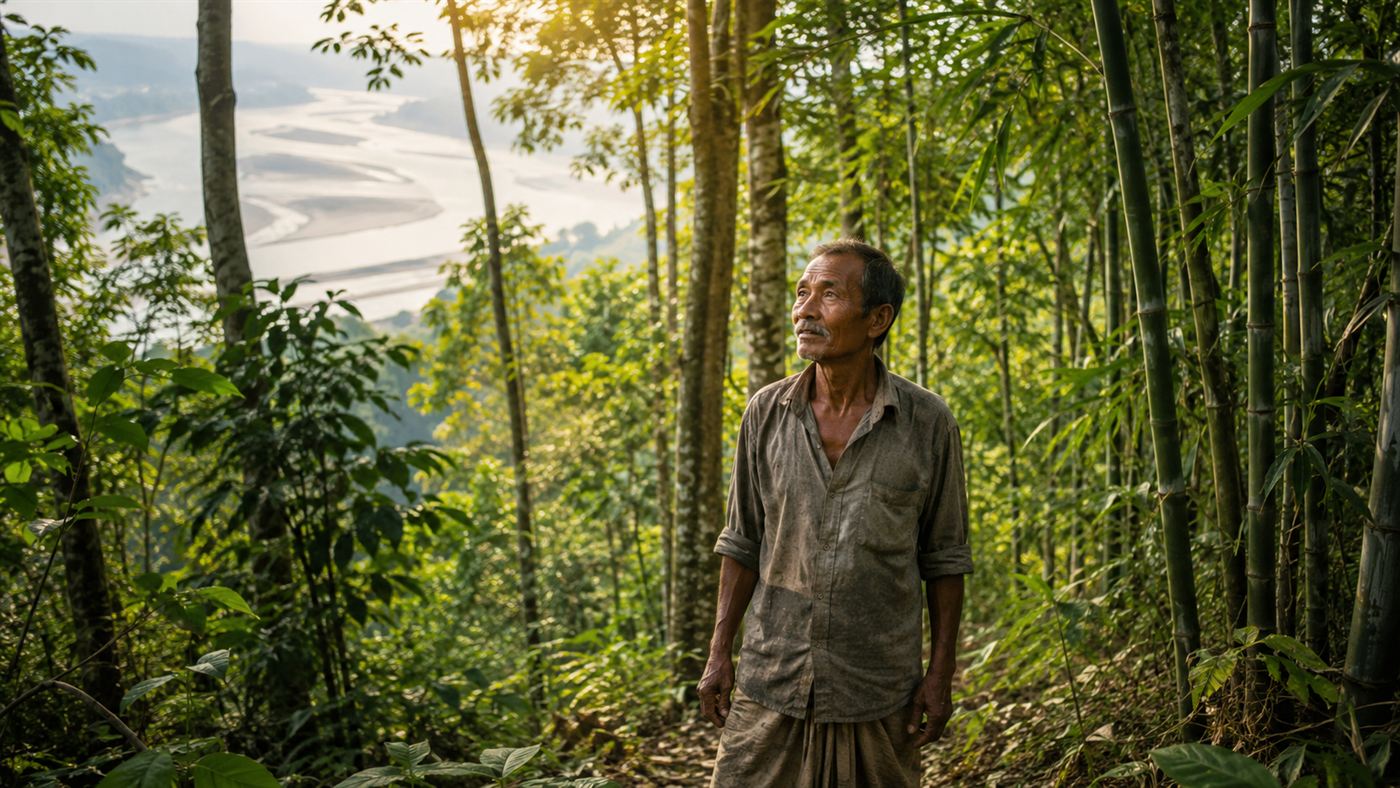
India lost its last cheetahs in the 1950s, so it flew big cats in from Africa, and for the first time in about 75 years cheetah cubs are being born on Indian soil
For about seventy years, the fastest land animal on Earth had been missing from India entirely. Now there are cheetahs in India again, not the original Asiatic cheetah but African cousins flown in by the planeload, set loose in an old hunting ground, and quietly raising cubs again. It has been thrilling, and far from painless.
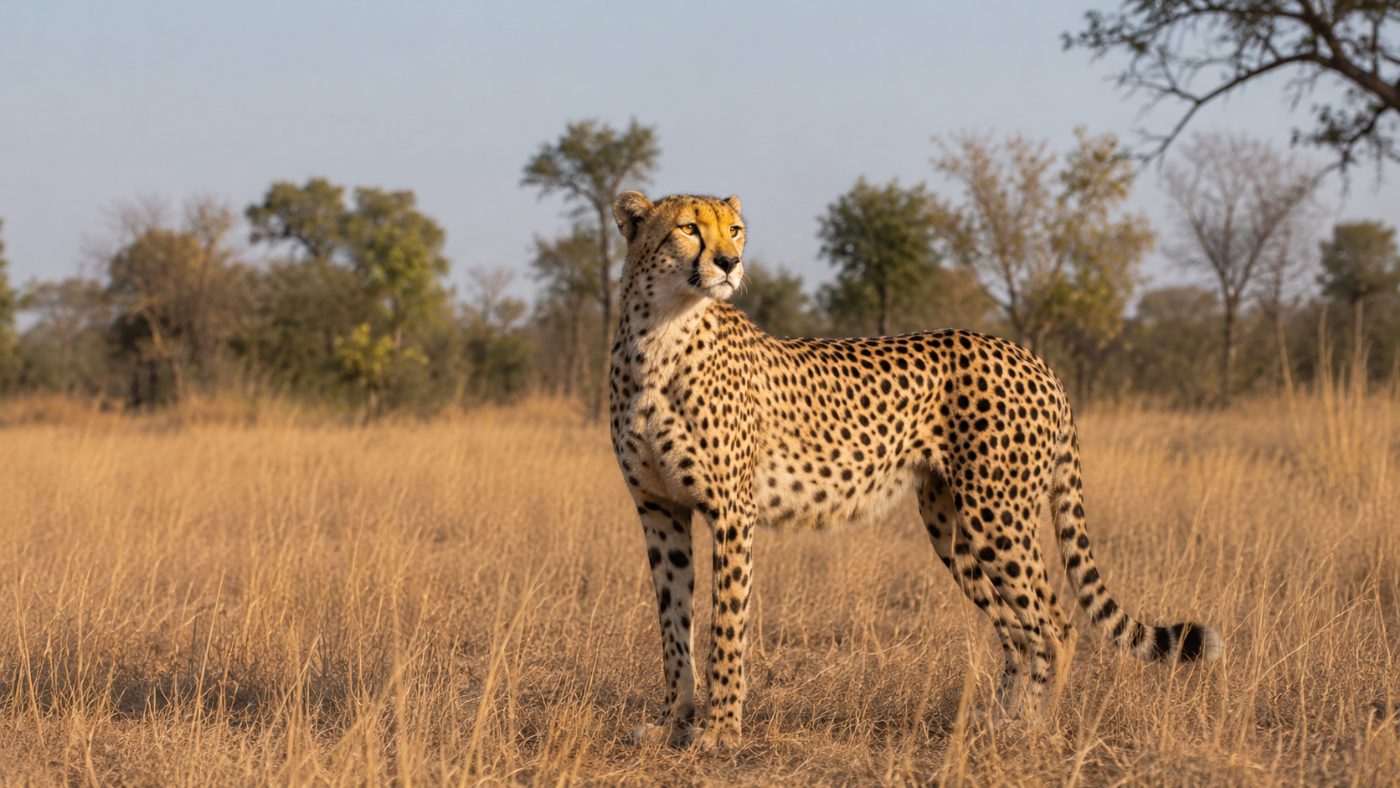
A cheetah on the grasslands of Kuno National Park, where the species had been absent for 70 years. Illustration: Watts & Wild.
The cheetah is the only large mammal India is known to have driven entirely to extinction in modern times. The last few were shot in the central forests in the 1940s, and by 1952 the country formally declared the species gone. For seventy years, the dry grasslands that once held the world's fastest animal held none at all. Then, in September 2022, a plane touched down carrying eight of them.
The cats were not the original Asiatic cheetahs, which now cling on only in tiny numbers in Iran, but their African cousins, brought first from Namibia and then from South Africa. As widely documented, it was the first time a large carnivore had ever been moved between continents to refound a population, released into Kuno National Park in the state of Madhya Pradesh. And against the doubts of many scientists, the experiment soon delivered the one thing that matters most: cubs.
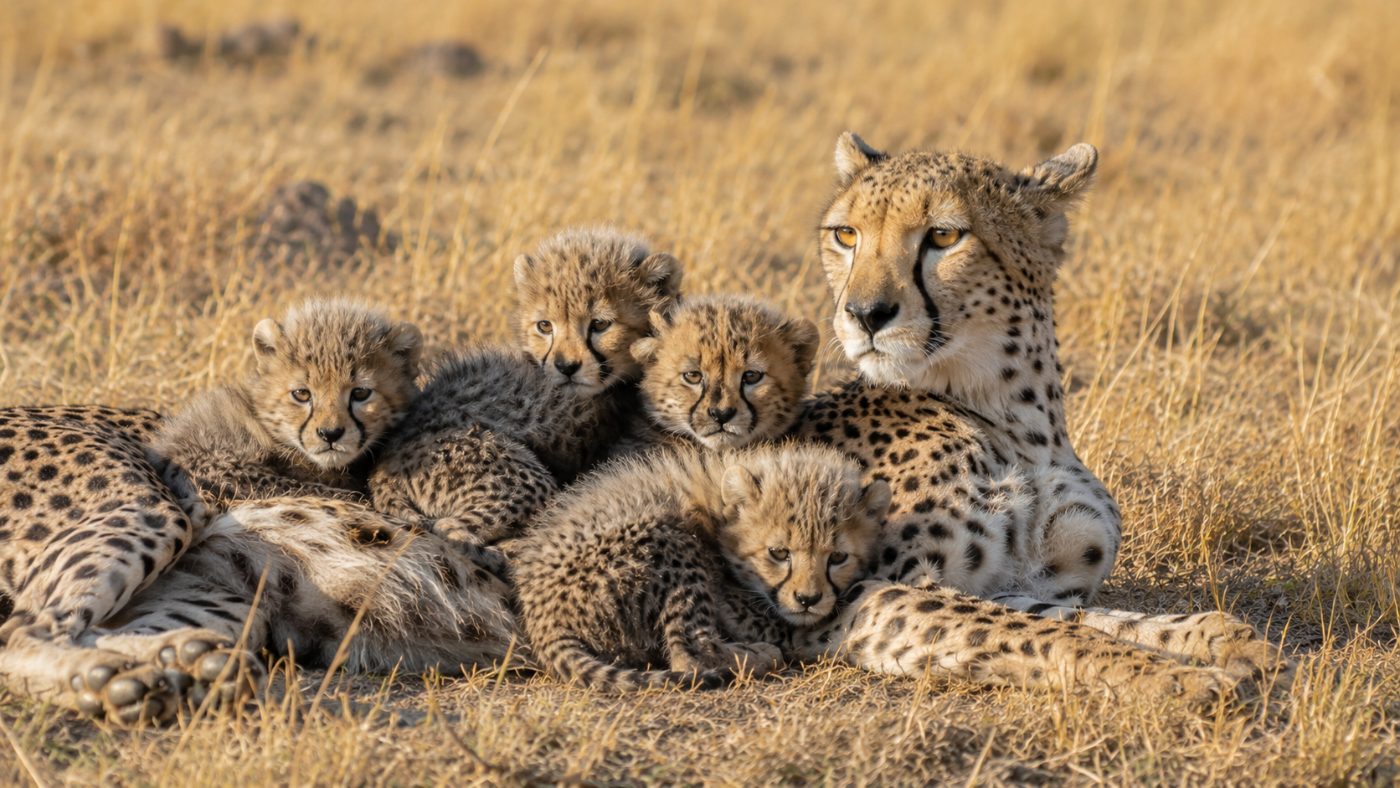
Cheetahs in India have cubs for the first time in 75 years
In March 2023, a Namibian female gave birth at Kuno, and the sound of cheetah cubs returned to India for the first time in roughly three quarters of a century. More litters followed, year after year. As The Federal has tracked the programme, by late 2025 around 30 cheetahs lived in India, and most of them were now born there rather than imported.
In 2025 came a quieter but important milestone: a cheetah that had itself been born in India had cubs of its own, the first of a second Indian-born generation. For a project that began with a single planeload of foreign animals, a homegrown family tree is exactly the kind of slow proof that it might one day stand on its own.
How you move a species between continents
Refounding a population is not as simple as opening a crate. Wild cheetahs were caught in Africa, checked, sedated and flown thousands of kilometres on a chartered flight, then held in quarantine and large soft-release pens to let them adjust to Indian prey, parasites and heat before being allowed into wider ground. It is slow, nervous, expensive work, and every animal is watched almost constantly.
The ambition is much bigger than one park. India wants to build a connected metapopulation of 60 to 70 cheetahs spread across several reserves, more than 17,000 square kilometres in all, by 2032. A second site, the Gandhi Sagar Wildlife Sanctuary, took its first cheetah in 2025, and a fresh group arrived from Botswana to widen the gene pool. The plane to Kuno, it turns out, was only the first of many.
The honest catch: a fast cat and a high death toll
This has not been a clean triumph, and it would be dishonest to tell it as one. Between 2022 and 2024 at least nine adult cheetahs and several cubs died at Kuno. The causes read like a list of everything that can go wrong: kidney failure from dehydration, infections from wounds that their own radio collars rubbed raw in the humid monsoon, injuries from hunting, and at least one cat apparently killed by a leopard.
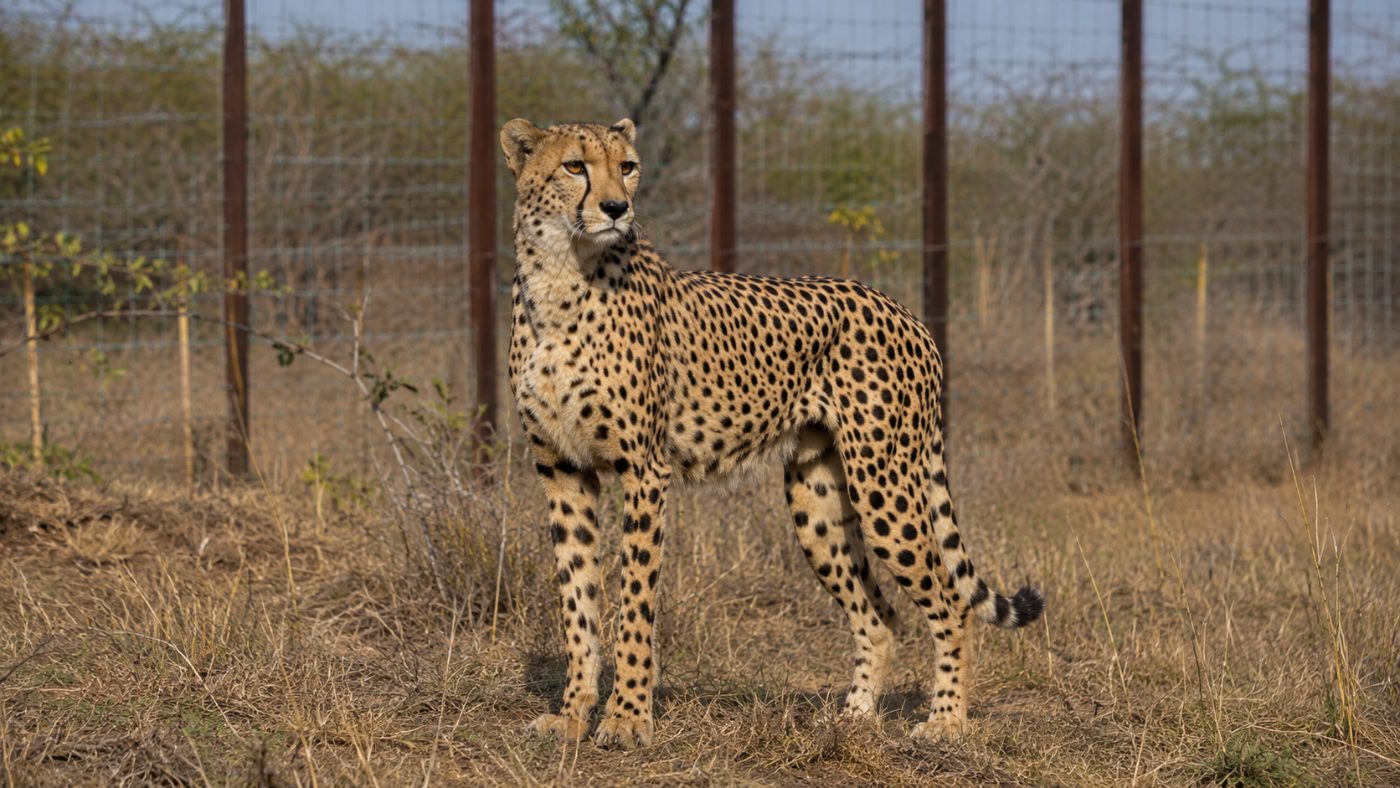
There is a second, quieter problem. For much of the project the surviving cheetahs have been kept inside fenced enclosures rather than truly ranging free, partly to protect them, which rather undercuts the word "wild" in rewilding. Respected voices have been blunt about the risks. The veteran zoologist K. Ullas Karanth dismissed the effort as a "public relations exercise," warning that India's crowded landscapes, packs of feral dogs, resident leopards and shortage of large wild prey could keep killing cheetahs and force the country to import more or less forever. Supporters answer that the steady run of births is already proving the gloomiest predictions wrong.
Why bring a cheetah back at all
Behind the spectacle is a serious idea. India's grasslands and scrub savannas are some of its most overlooked landscapes, often written off as wasteland and lost to farming and plantations. A returning top predator gives those habitats a famous face, and a reason to protect them along with the bustards, gazelles and other species that quietly depend on them. Whether or not the African cheetah ever truly runs free across India, it has dragged the country's forgotten grasslands, and a long-lost animal, back into the national conversation.
Bringing a vanished animal home has been thrilling and messy at once, a gamble that has already cost lives even as it has made new ones. Is it worth flying a species halfway around the world to undo an old extinction, or should that effort and money go to the animals a country still has? Tell us what you think in the comments.
See also: how Argentina's jaguar reintroduction brought big cats back to the Iberá wetlands after 70 years.