The concrete in the Hoover Dam would have taken 125 years to cool on its own, so engineers ran 900 kilometres of ice-water pipes through it
Concrete gives off heat as it sets, and in a wall as colossal as the Hoover Dam that heat becomes a deadly problem. Poured as one solid block, the dam's concrete would have spent more than a century slowly cooling and tearing itself to pieces. The fix the engineers came up with, in the depths of the Great Depression, was as audacious as the dam itself.
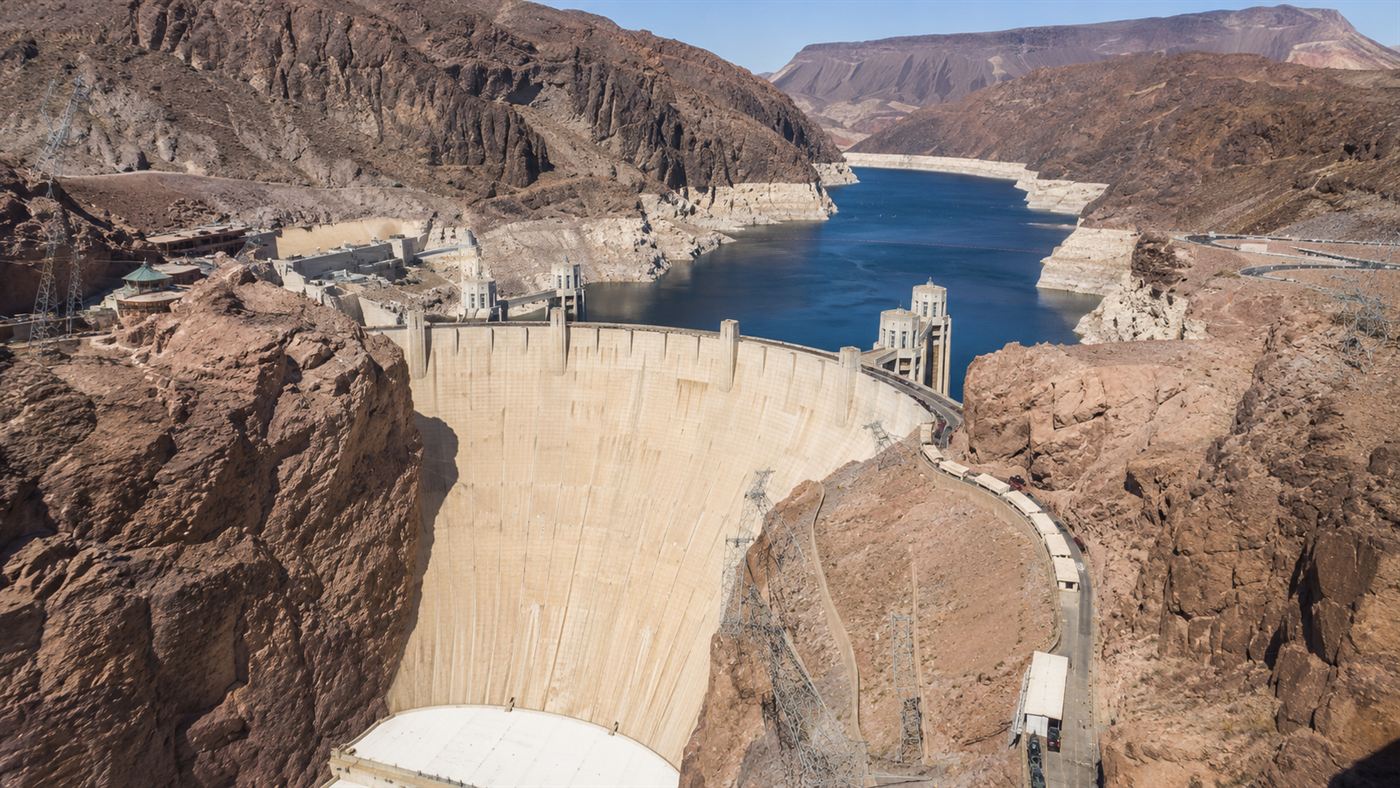
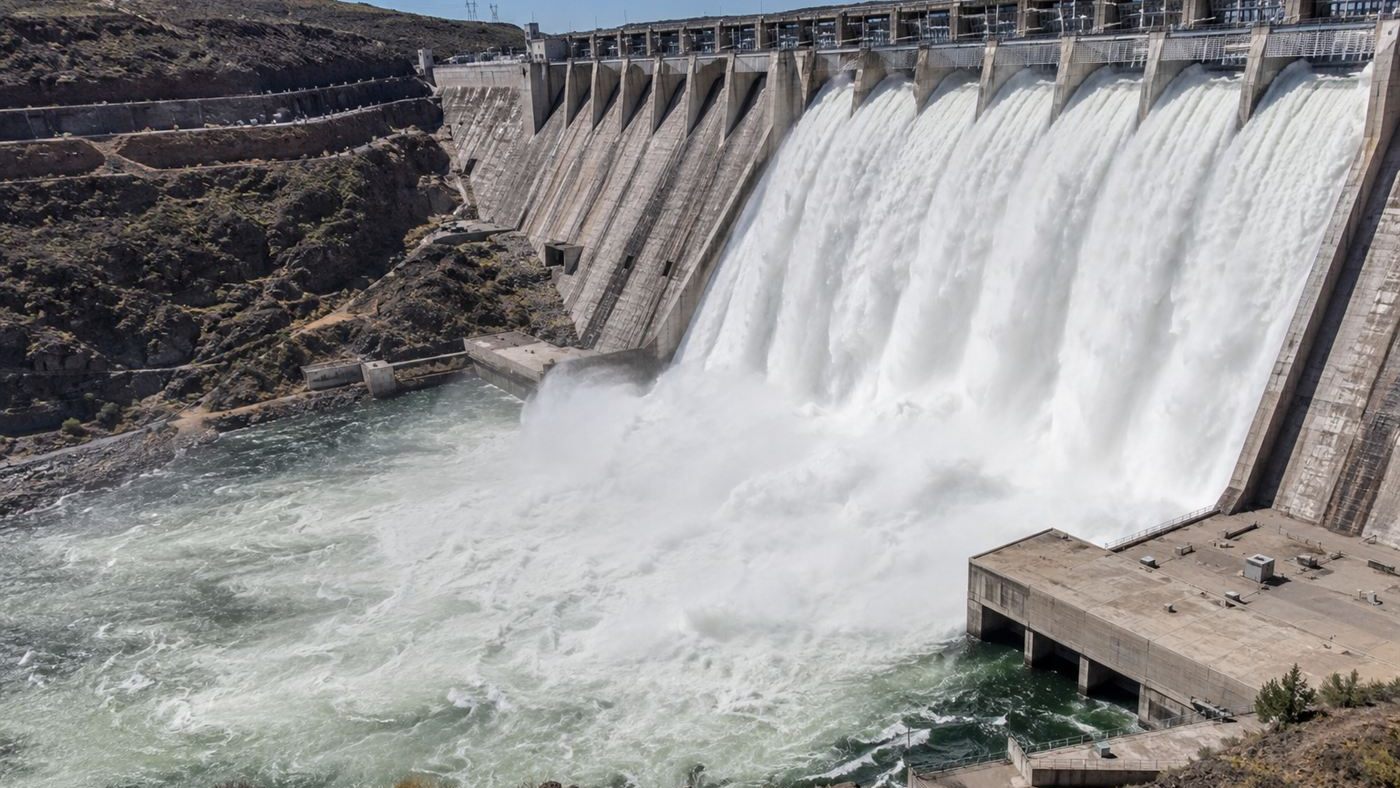
The Hoover Dam, wedged into the Black Canyon of the Colorado River. Illustration: Watts & Wild.
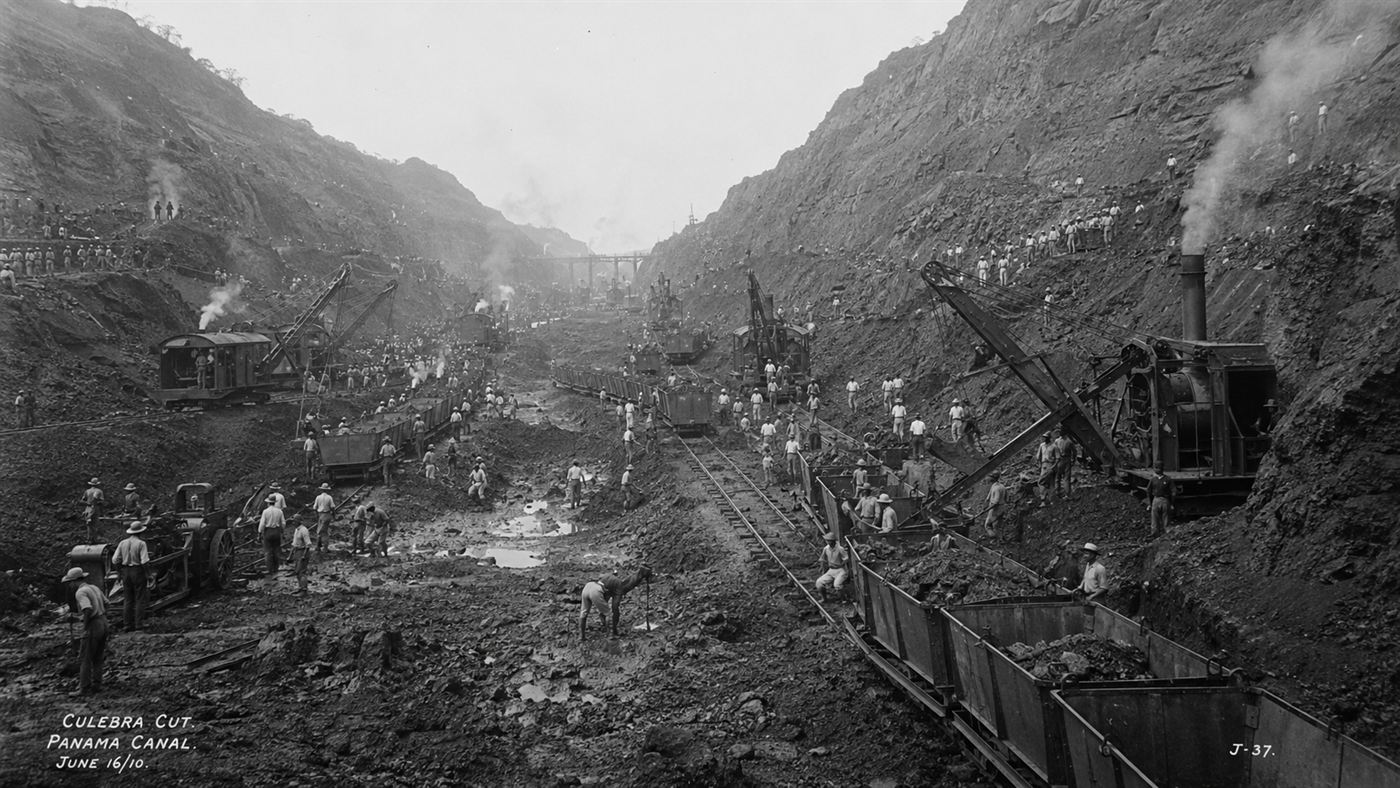
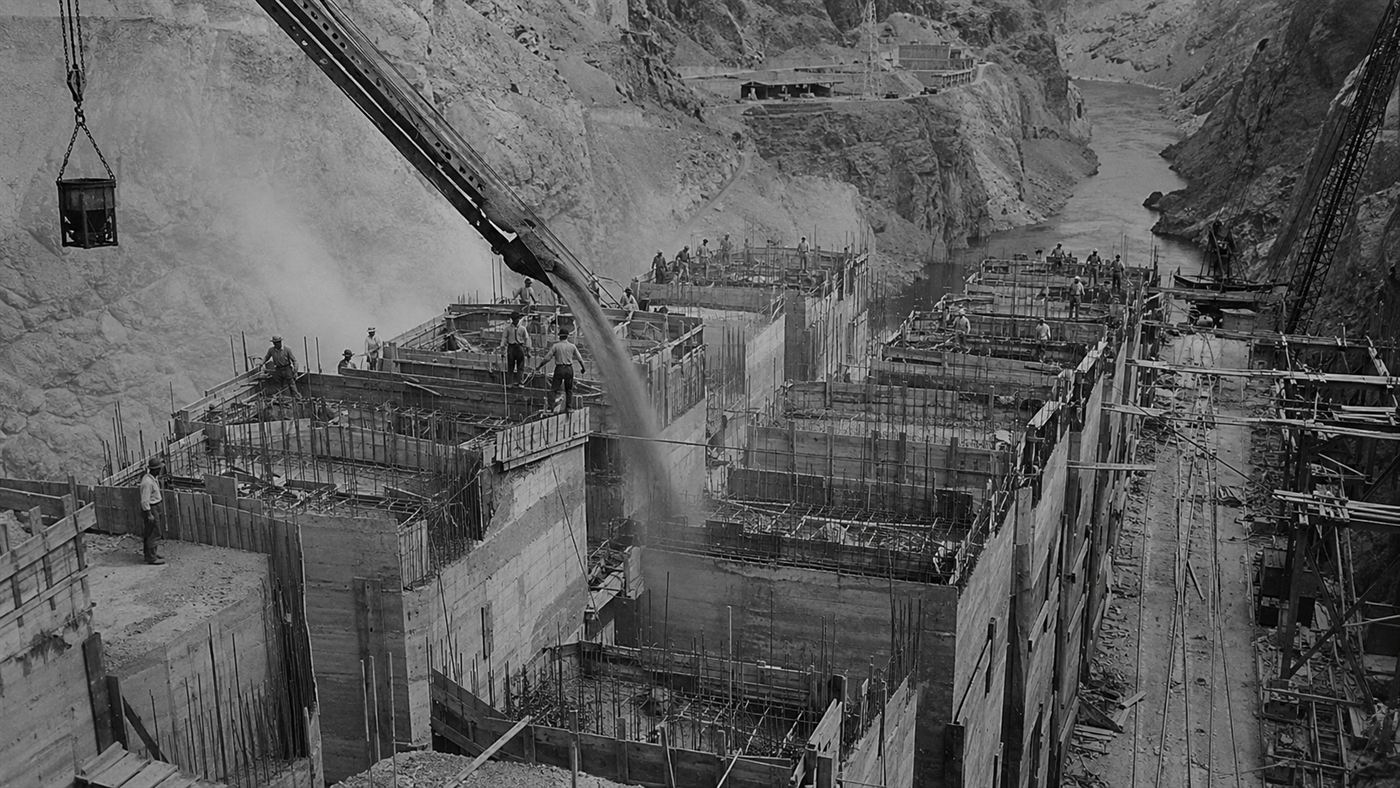
The dam was built between 1931 and 1936, a vast government project flung up in the worst years of the Depression to tame the wild Colorado River, generate electricity and provide water to the dry American south-west. It is a wall of concrete more than two hundred metres high, holding back Lake Mead, and pouring it took something like three and a quarter million cubic yards of the stuff.
That much concrete is not just a building material; it is a chemical furnace. As cement hardens it releases heat, and in a single mass that size the heat has nowhere to go. The engineers ran the numbers and got an alarming answer: left to cool naturally, the core of the dam would still have been warm 125 years later, and the uneven shrinking would have cracked the whole structure apart long before then.
How they cooled the Hoover Dam's concrete
The solution was two-fold and brilliant. First, instead of one giant pour, they built the dam as a stack of interlocking concrete blocks, like a colossal set of children's bricks, so each could cool on its own. Second, and this is the astonishing part, they threaded the blocks with pipe. As MaxTour describes it, more than 580 miles of one-inch steel pipe were embedded through the concrete, and ice-cold water was pumped through them to draw the heat away.
To chill all that water they built an ammonia refrigeration plant right there in the canyon, a facility powerful enough to churn out the equivalent of a thousand-pound block of ice every day. Once a section of concrete had cooled and shrunk to its final size, the pipes inside it were pumped full of grout and sealed forever. In effect, the dam was air-conditioned from the inside while it was being born.
The men who dangled off the cliff
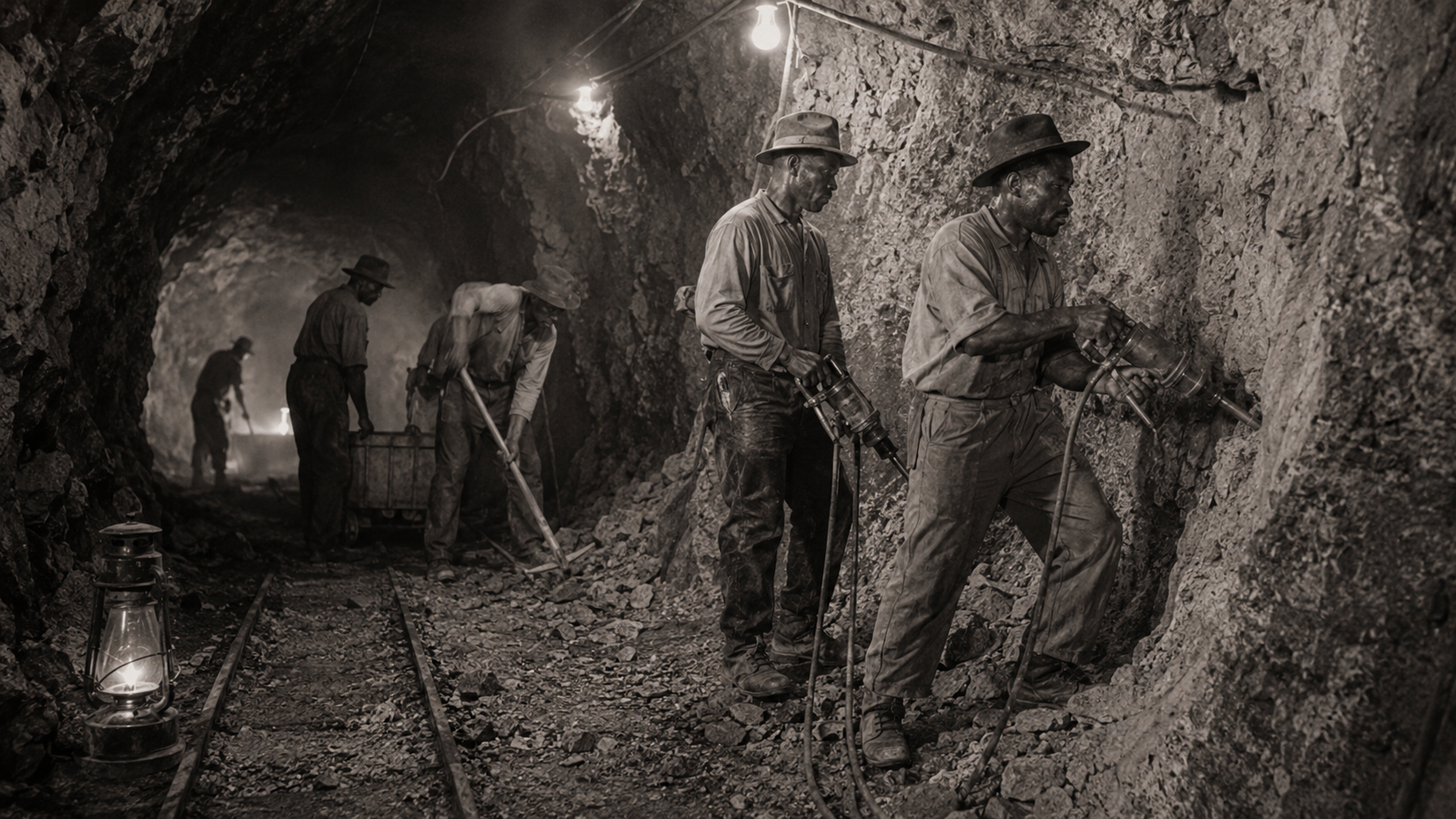
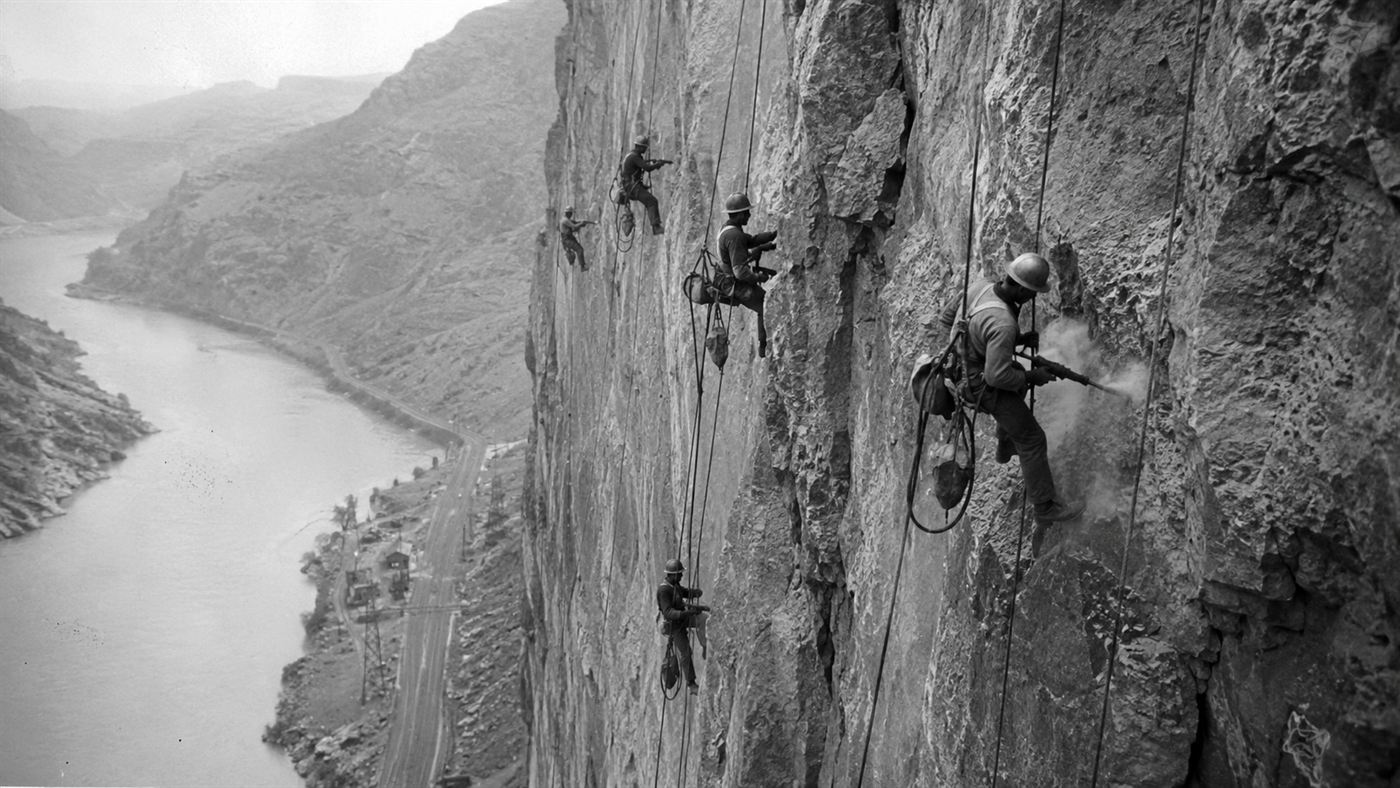
The concrete is the clever story, but the human one is up on the canyon walls. Before any dam could go in, the loose, crumbling rock of the gorge had to be stripped away, and that job fell to a breed of worker called the high scalers. Hanging on ropes hundreds of feet up, they swung out across the bare rock face with jackhammers and sticks of dynamite, prising off anything that might later fall.
It was about the most dangerous work on the site, and the high scalers became its folk heroes, swinging like acrobats above the river while crowds of out-of-work men below would have killed for their jobs. They were resourceful too: with no safety gear provided, some invented their own hard hats by dipping cloth caps in tar and letting them set into a shell, a trick that helped give the world the modern hard hat.
Are there bodies in the Hoover Dam?
No, despite the famous campfire tale. The concrete was laid down in thin layers, nowhere near deep enough to swallow a person, so the idea of workers entombed in the dam is pure myth. People did die building it: as the record of the project notes, around ninety-six died in construction accidents by the official count, in rockfalls, drownings and machinery accidents, but every body was recovered. The dam is a memorial to them, not a tomb.
The honest catch
The Hoover Dam earns its legend, but a few myths and shadows are worth naming. The "bodies in the concrete" story is false, and so is the related idea that the concrete is somehow "still curing" today, the cooling pipes did their job and the dam set decades ago. The official death toll of ninety-six is also widely thought to undercount the true human cost, because dozens more deaths from illness, including suspected carbon-monoxide poisoning in the airless diversion tunnels, were recorded in ways that kept them off the construction list and away from liability. And the dam's deeper legacy is genuinely double-edged: it powered the rise of the modern south-west, but it also remade the Colorado River for good, and that river is now so over-promised and drought-stricken that Lake Mead has fallen to record lows. The engineering that cooled a mountain of concrete with ice was extraordinary. What we asked the river to do for us turned out to be the harder problem.
A wall of concrete that would have cooked for a century, tamed with an ice plant and 900 kilometres of pipe. Is the Hoover Dam the high-water mark of American engineering, or a warning about asking too much of one river? Tell us what you think in the comments.
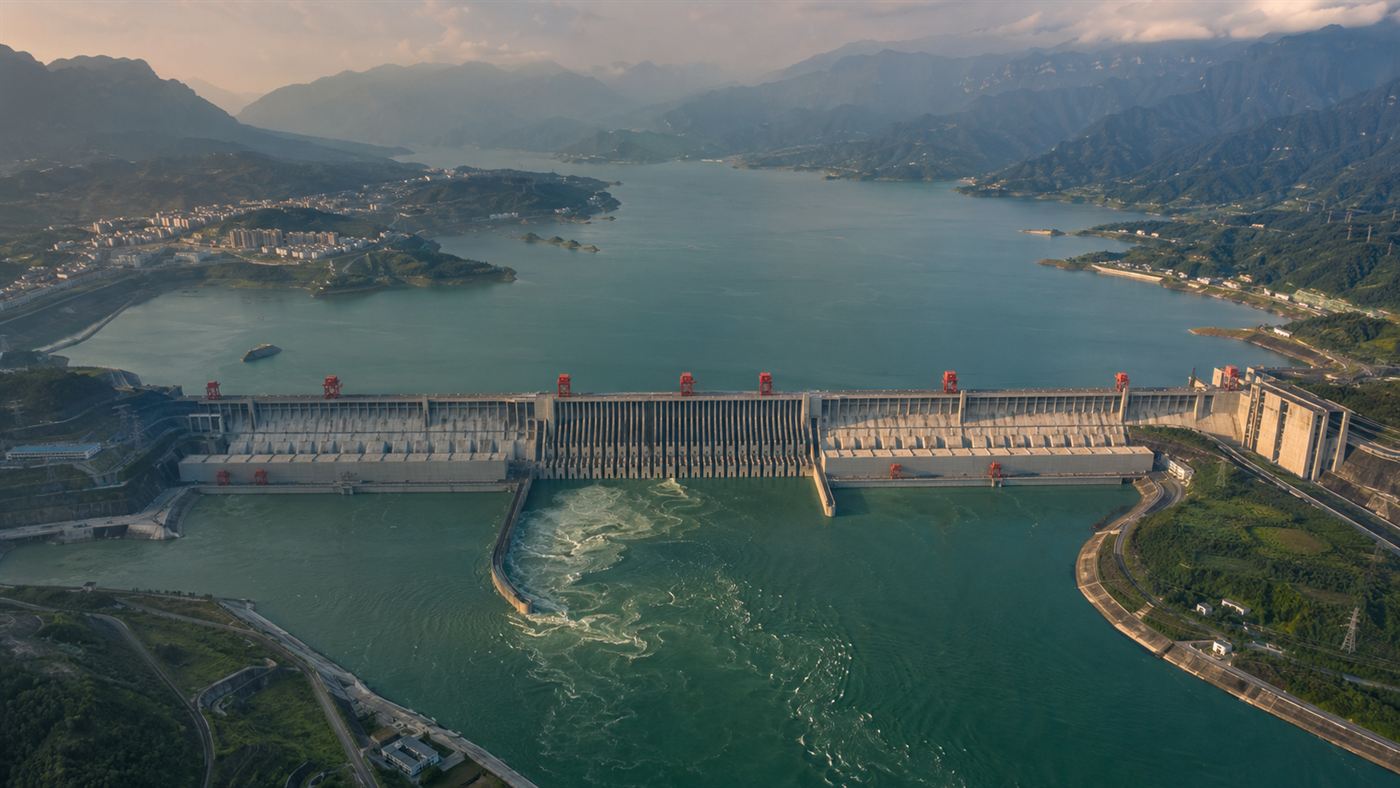
Related reading: A far bigger dam took the same idea to a scale that nudged the planet itself, or how Niagara Falls became the first great power plant and gave us the modern grid.