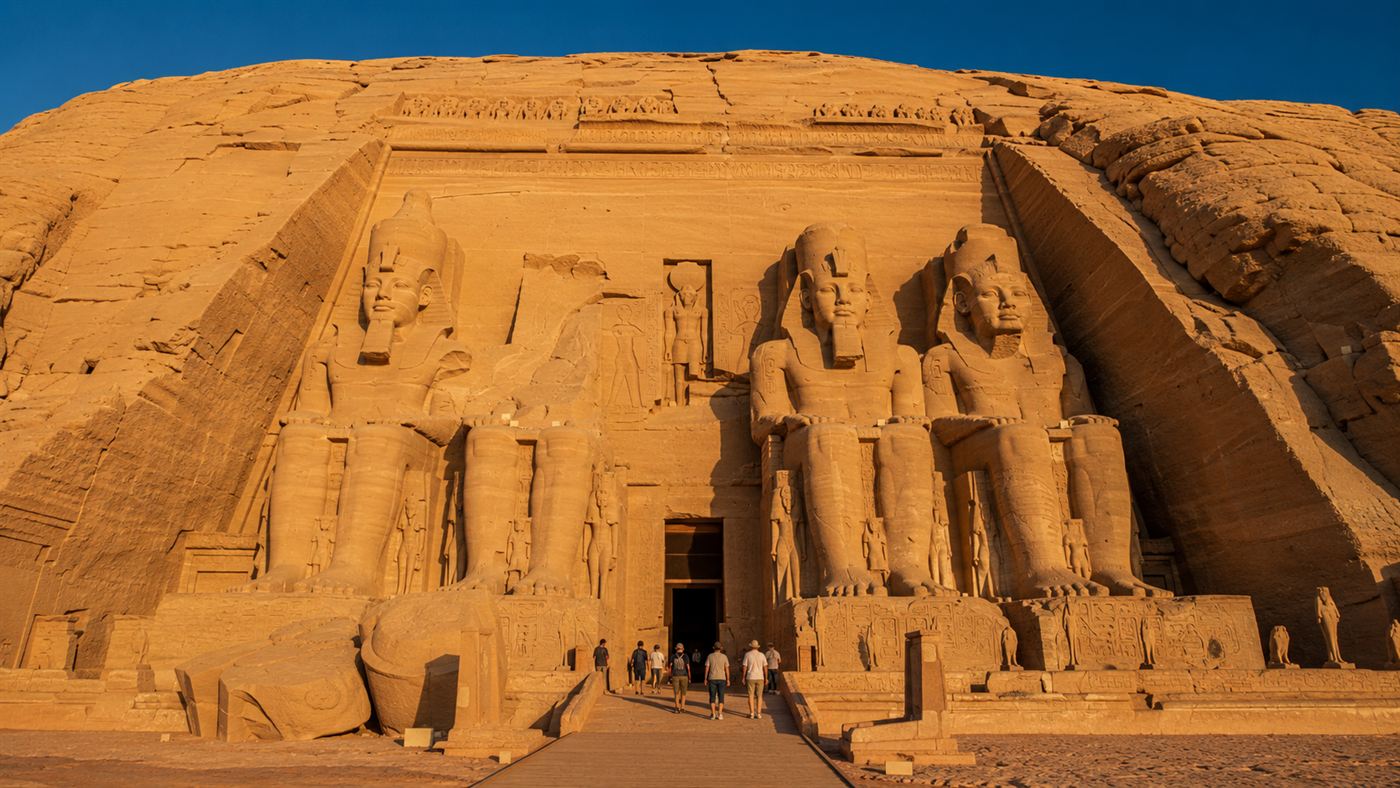
Rather than climb over the Alps, engineers drove the world's longest tunnel straight through their base, under 2.3 kilometres of solid rock
For more than a century, trains crossing the Alps had to grind up and over the mountains on twisting tracks. The Gotthard Base Tunnel threw that idea out. Instead of going over the Alps, Switzerland decided to go straight through the bottom of them, boring a flat railway 57 kilometres long beneath two and a half kilometres of solid rock.
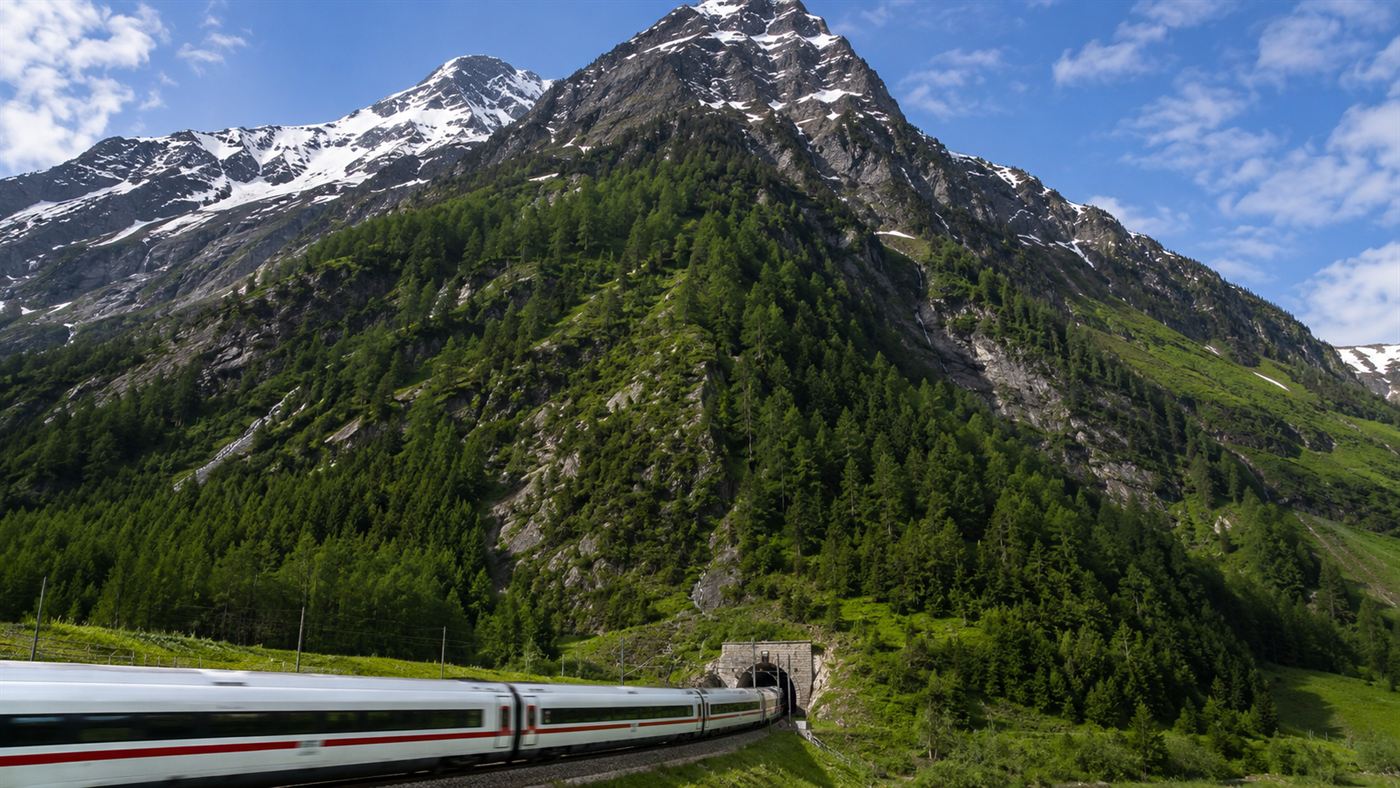
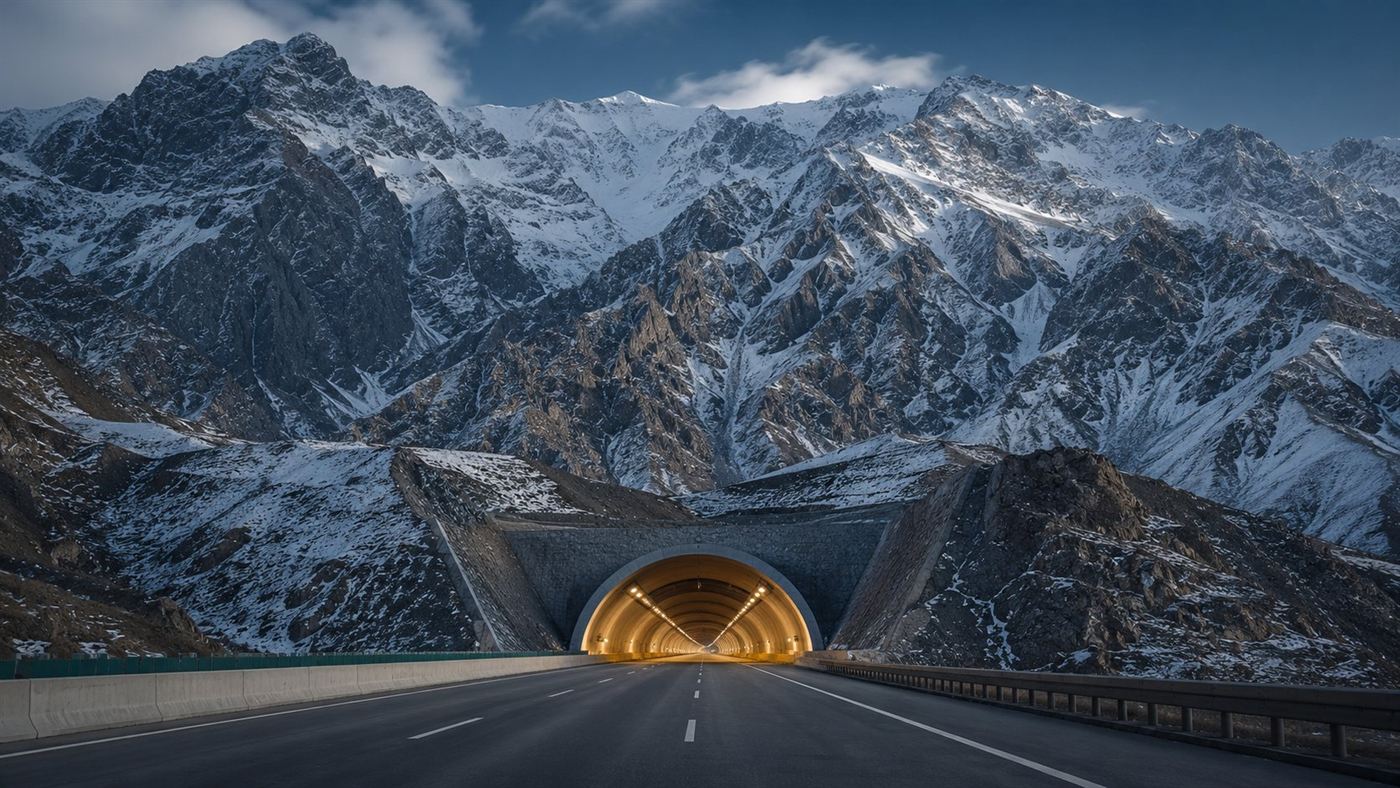
A train enters the tunnel at the foot of mountains that rise kilometres above it. Illustration: Watts & Wild.
The idea of a "base tunnel" is the whole trick. An ordinary mountain railway has to climb to reach a pass, which means steep gradients, tight curves, slow heavy trains and a lot of fighting against gravity. A base tunnel skips the climb entirely by burrowing in low down on one side and coming out low down on the other, leaving the train to run flat and fast the whole way, as if the mountains were not there.
To do that under the Gotthard massif meant accepting a staggering amount of rock overhead. At its deepest the tunnel runs about 2.45 kilometres below the surface, with as much as 2,300 metres of mountain pressing down from above. That is not just a record on paper; it shapes everything about how the thing had to be built.
What it took to dig the Gotthard Base Tunnel
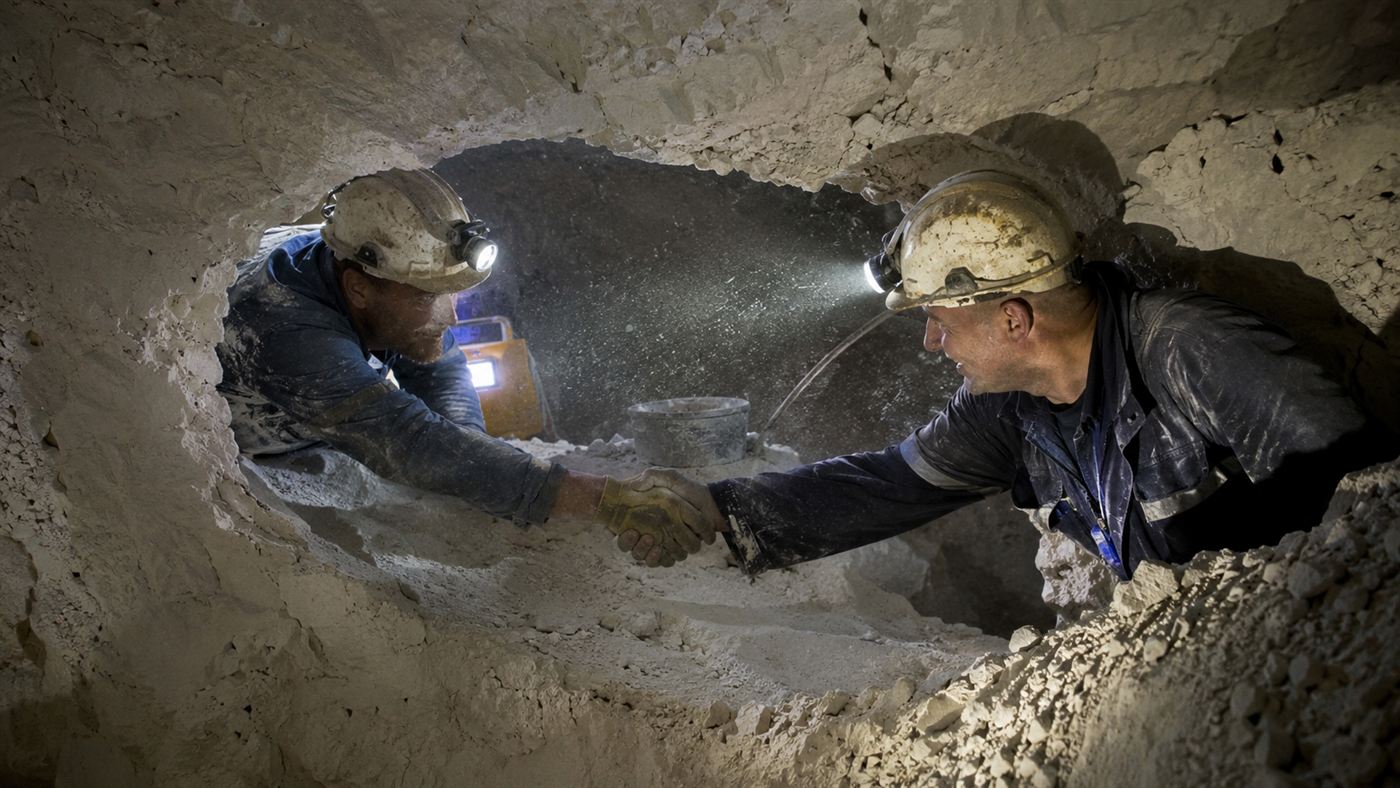
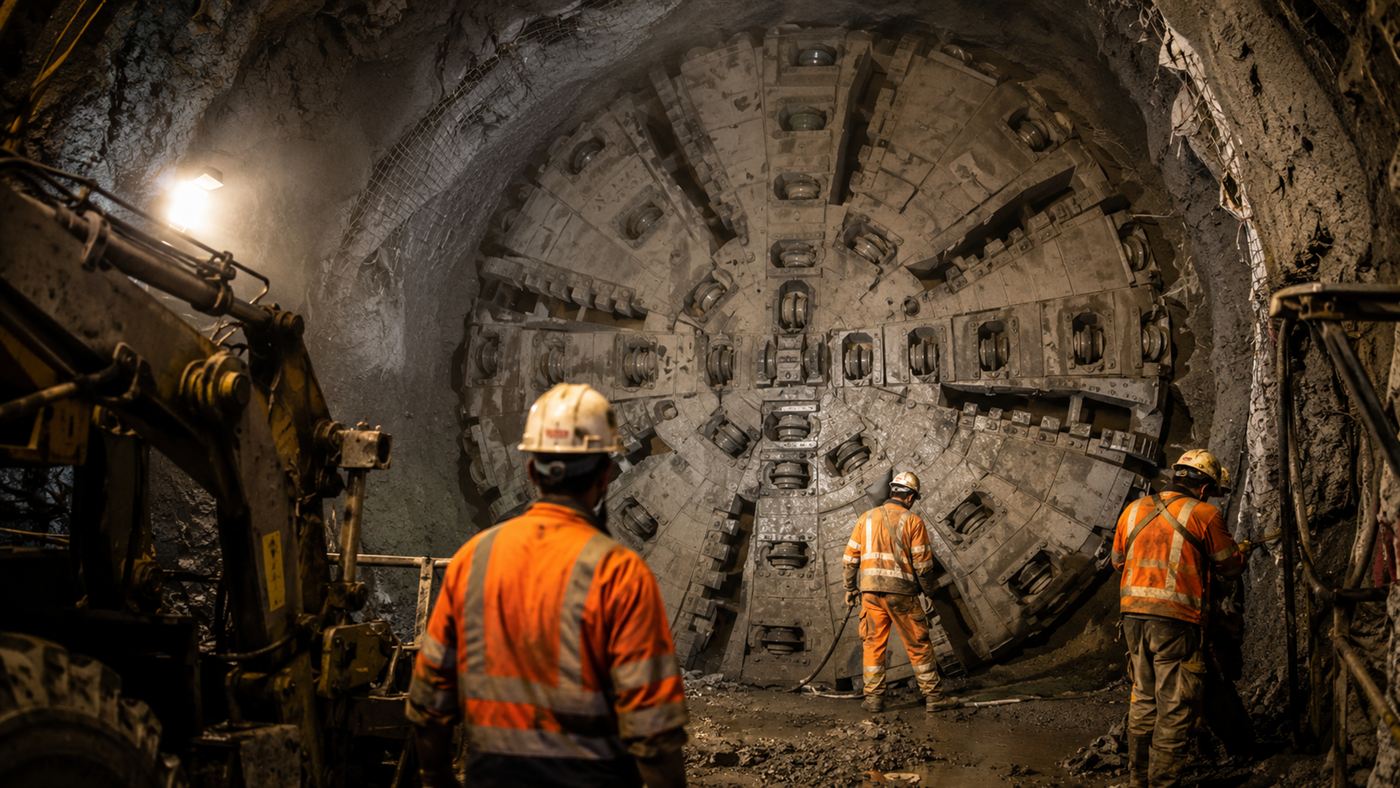
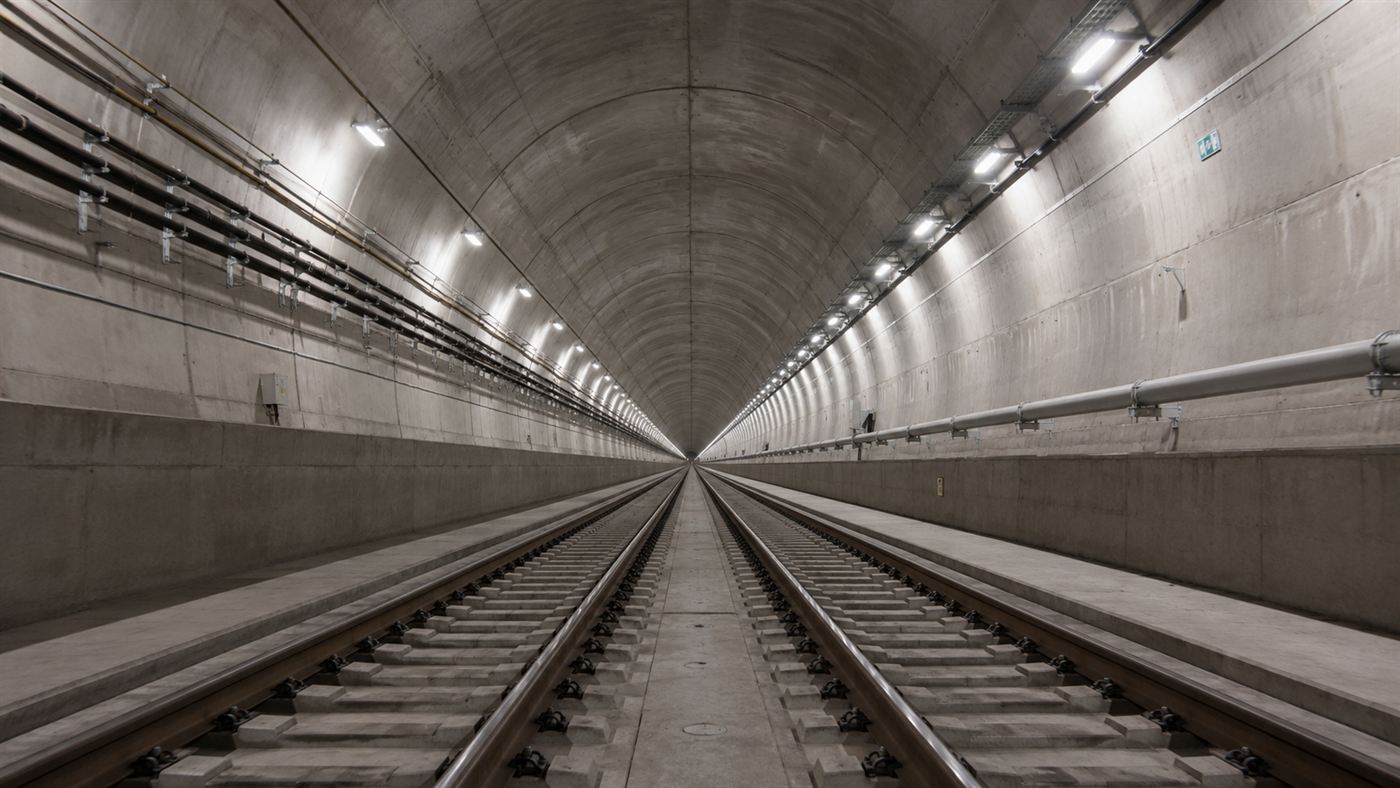
Work started in 1999 and did not finish for seventeen years. Crews bored from several points at once, some using giant tunnel-boring machines that ground forward metre by metre, others blasting through rock too broken or too hard for the machines. As Britannica records, the result is the world's longest and deepest railway tunnel, two parallel single-track tubes running 57 kilometres each, taking the longest-tunnel crown from Japan's undersea Seikan Tunnel.
Deep down, the mountain fights back. The rock at the bottom sat at around 45 degrees Celsius, hot enough that the working faces had to be cooled just so people could labour there. In places the stone behaved like a slow liquid, squeezing inward and trying to close the tunnel, and the crews had to fight zones of crumbling rock that engineers had dreaded for decades.
The cost in money and lives
None of this was cheap or safe. The project cost in the region of twelve billion Swiss francs and moved something like 28 million tonnes of excavated rock out of the mountain. At the peak of construction about 2,400 people were working on it at once, deep underground in heat, dust and noise.
Nine of them did not come home. Workers were killed in accidents across the different sections of the dig, and a memorial at the tunnel honours them by name. It is a sobering number, and yet it is also a kind of grim progress: the old Gotthard rail tunnel, dug through the same mountains in the nineteenth century, is thought to have cost around two hundred lives.
How long is the Gotthard Base Tunnel?
It runs 57.1 kilometres from end to end, which makes it the longest railway tunnel anywhere in the world, and at up to 2.45 kilometres below the peaks it is also the deepest. Trains pass through it in around twenty minutes, travelling flat and straight where passengers above ground would be staring up at glaciers.
Why a flat tunnel changes everything
The point of all that effort is not really the record. It is freight. Switzerland sits in the middle of Europe, and for decades a river of lorries ground over the Alpine passes, choking valleys with traffic and fumes. The Swiss voted to push that freight onto the railways instead, and a fast, flat, high-capacity tunnel through the mountains is what makes it possible to haul heavy goods trains from Germany to Italy without crawling over a single summit.
As VOA reported when it opened in 2016, the tunnel cut about an hour off the journey between Zurich and Milan and let far heavier trains run far faster. The tunnel is, in a sense, a piece of climate policy made of concrete and rock, a bet that the cleanest way through the Alps is to go quietly underneath them.
The honest catch
It is worth keeping the romance in check. Seventeen years and twelve billion francs is an enormous commitment that only a wealthy, determined country could make, and the benefits depend on policies that actually force freight off the roads rather than just offering it a nicer option. The tunnel's grand opening in 2016 was a famously strange affair, a sprawling avant-garde dance ceremony, watched by Europe's leaders, that struck many viewers as bizarre rather than triumphant. And impressive as "longest and deepest" sounds, records like these tend to stand only until the next country with mountains and money decides to beat them. What is not in doubt is the engineering. Driving a flat, fast railway through the roots of the Alps, under more than two kilometres of rock, is about as bold as civil engineering gets, much like the Qinghai-Tibet Railway that runs across frozen ground at over 5,000 metres.
A flat railway 57 kilometres long now runs beneath two and a half kilometres of Alpine rock. Is the Gotthard Base Tunnel the smartest way to cross a mountain range, or an extravagance only Switzerland could justify? Tell us what you think in the comments.
Related reading: Another record-breaking bore, the undersea tunnel that joined Britain to mainland Europe.