The dam that helped win the war and build the atomic bomb also drowned one of the greatest salmon runs on Earth and a Native nation's heart
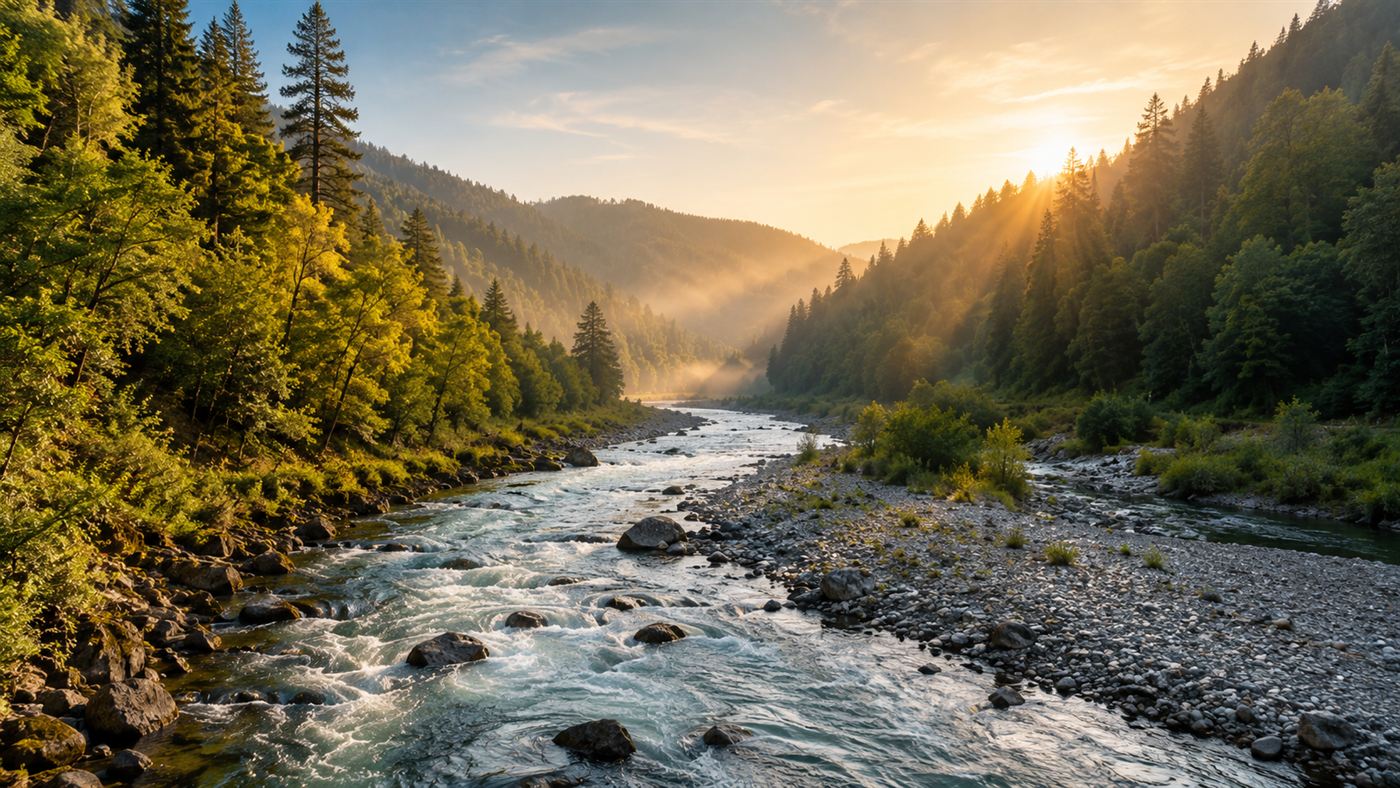
The Grand Coulee Dam on the Columbia River is a monument to what big engineering can do, and to what it can destroy. Its power helped win the Second World War and make the first atomic bombs. Its concrete also blocked the river forever, ending salmon runs and a Native fishery that had fed people for thousands of years.
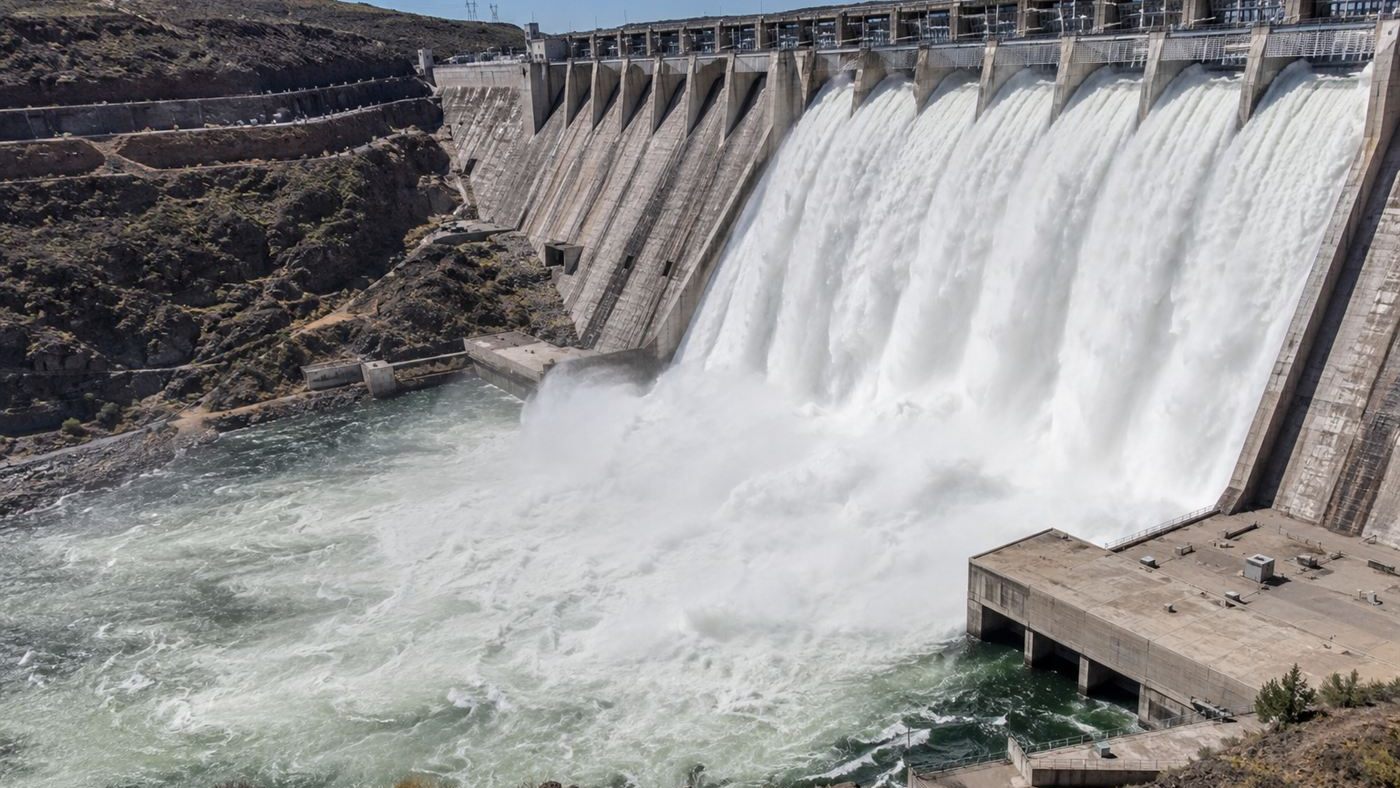
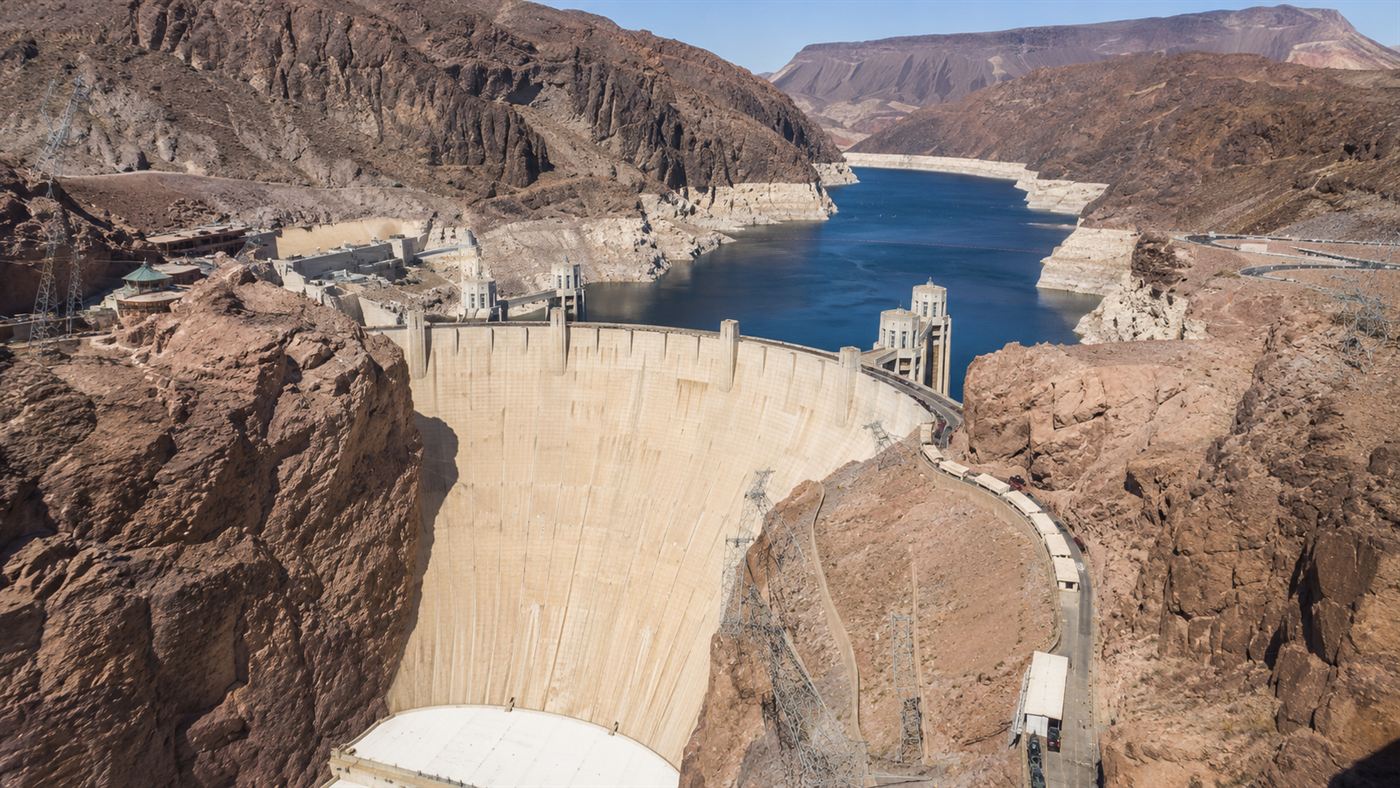
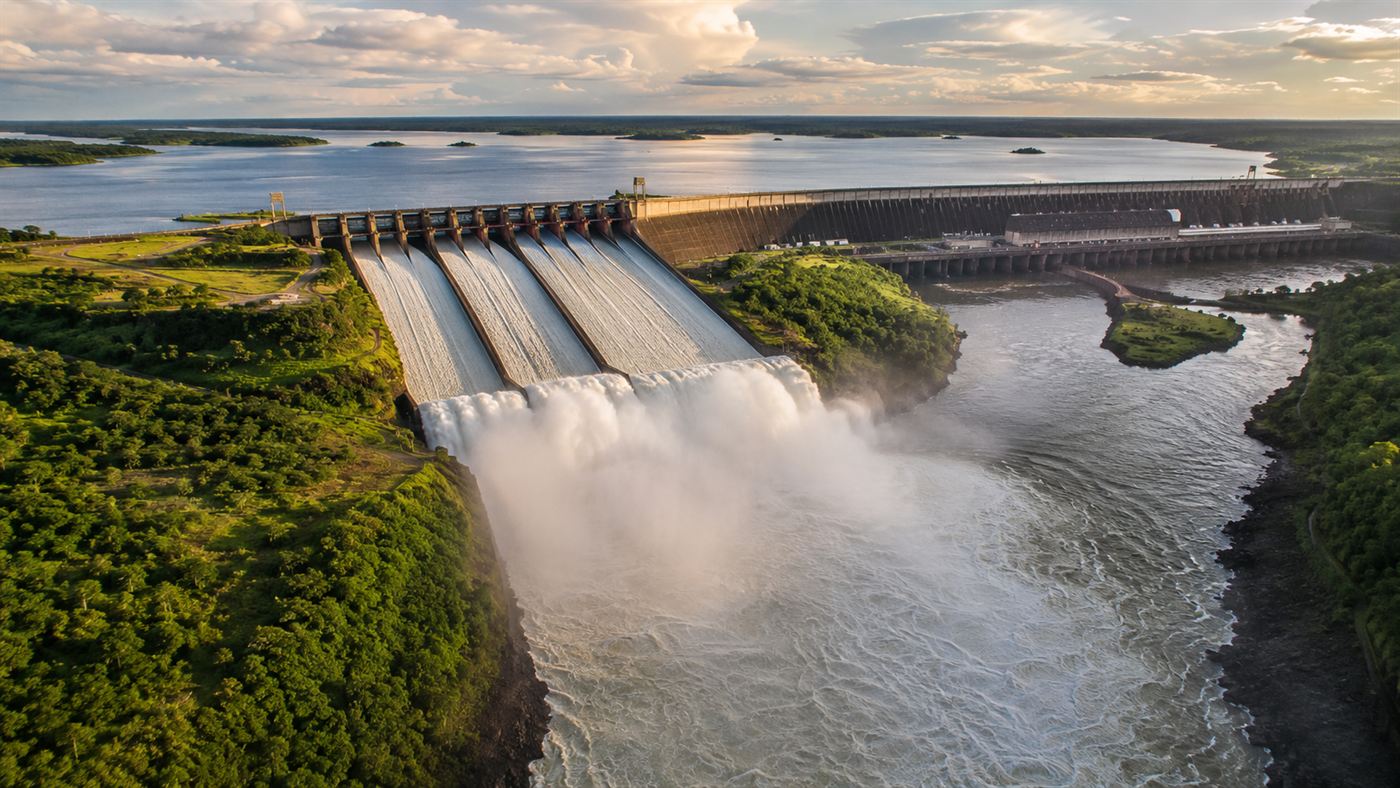
Grand Coulee Dam, the largest power station in the United States. Illustration: Watts & Wild.
Begun in the depths of the Great Depression in 1933 and finished in 1942, Grand Coulee was conceived as a New Deal project to tame the Columbia, irrigate the dry interior of Washington State and put men to work. It succeeded on a colossal scale. With its later additions, it became the largest power station in the United States, a wall of concrete holding back a reservoir more than a hundred miles long.
Its timing turned out to be fateful. The dam's generators came on just as the world went to war, and the torrents of cheap electricity it produced were exactly what a wartime economy needed.
What Grand Coulee Dam powered
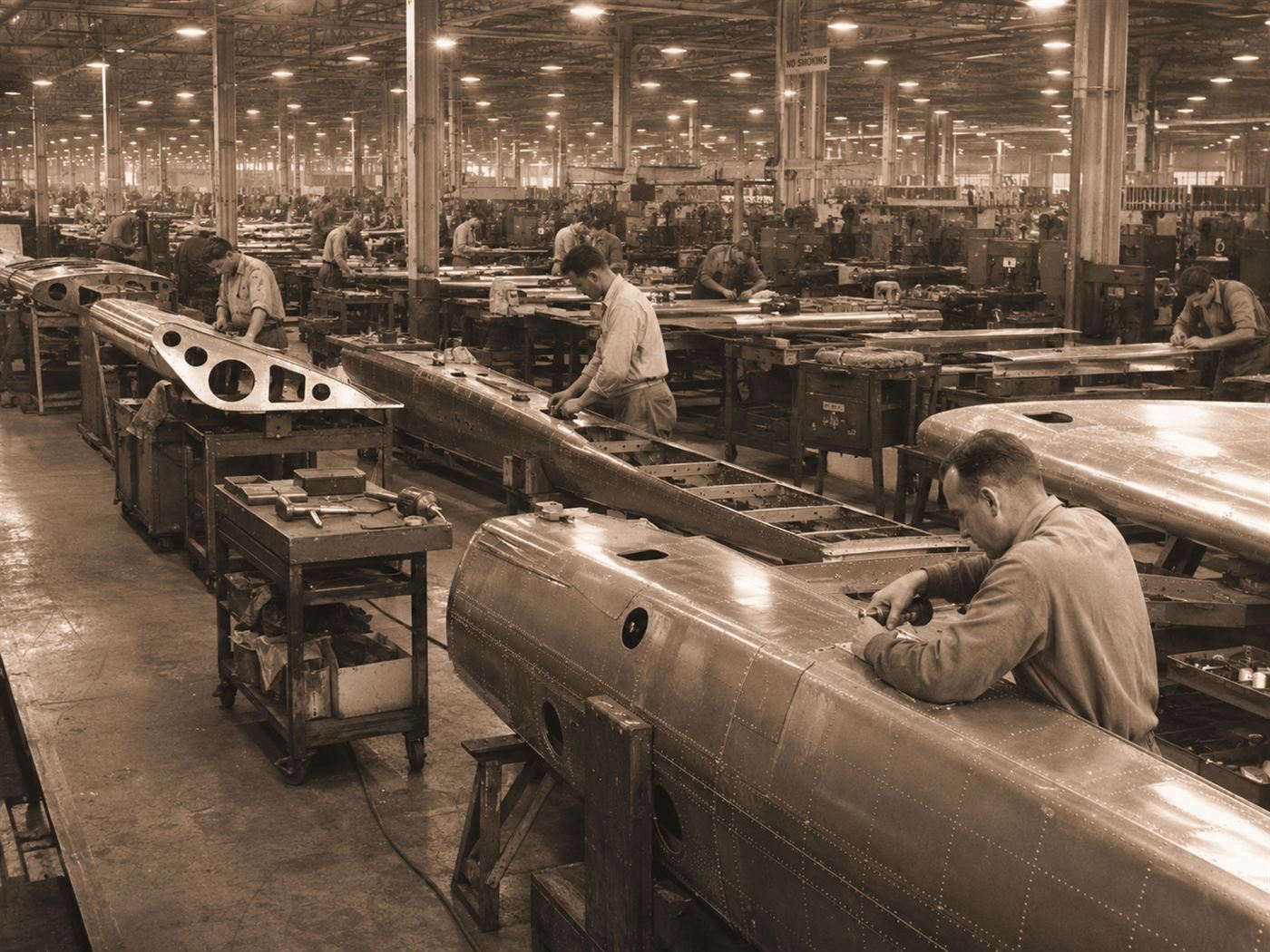
The list of what that power built is staggering. As the National Park Service notes, Grand Coulee's electricity fed the aluminium smelters and aircraft factories of the Pacific Northwest, including the Boeing plants turning out warplanes, and the shipyards building vessels for the fight. Aluminium, in particular, was the metal of the air war, and it took enormous amounts of electricity to make.
Then came the most secret use of all. From 1943 the dam's power helped run the Hanford site downriver, where reactors bred plutonium for the Manhattan Project. As American RadioWorks recounts, Grand Coulee was central to the wartime electricity that made Hanford possible, and Hanford's plutonium went into the bomb that destroyed Nagasaki. A dam built to grow crops and end a depression had become a pillar of the atomic age.
The Ceremony of Tears
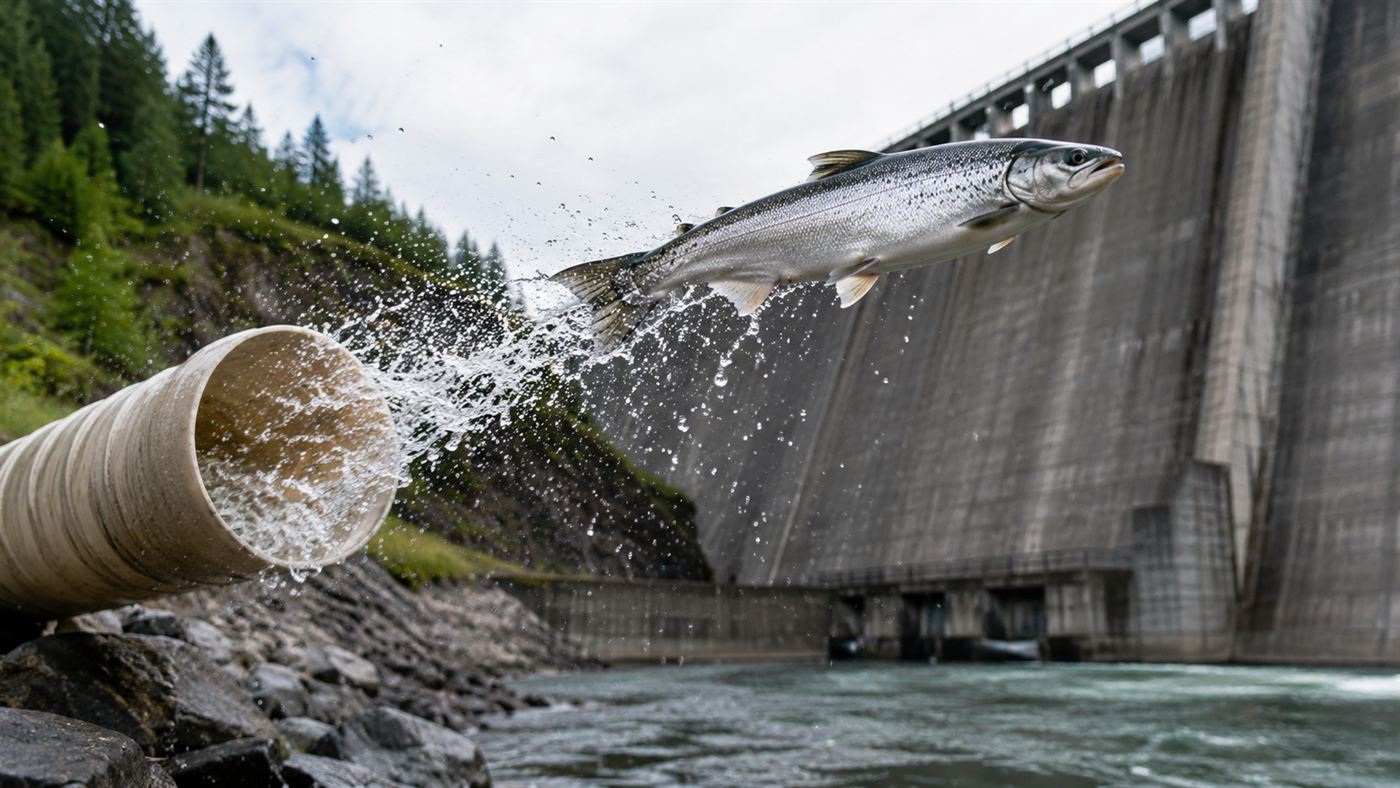
For all it gave, the dam took something irreplaceable. The Columbia was one of the great salmon rivers of the world, and its fish climbed far inland to spawn. Grand Coulee, at around 168 metres tall, was simply too high for any fish ladder, and so none was built. The dam slammed the door on salmon for good, cutting them off from more than a thousand miles of the upper Columbia and its tributaries.
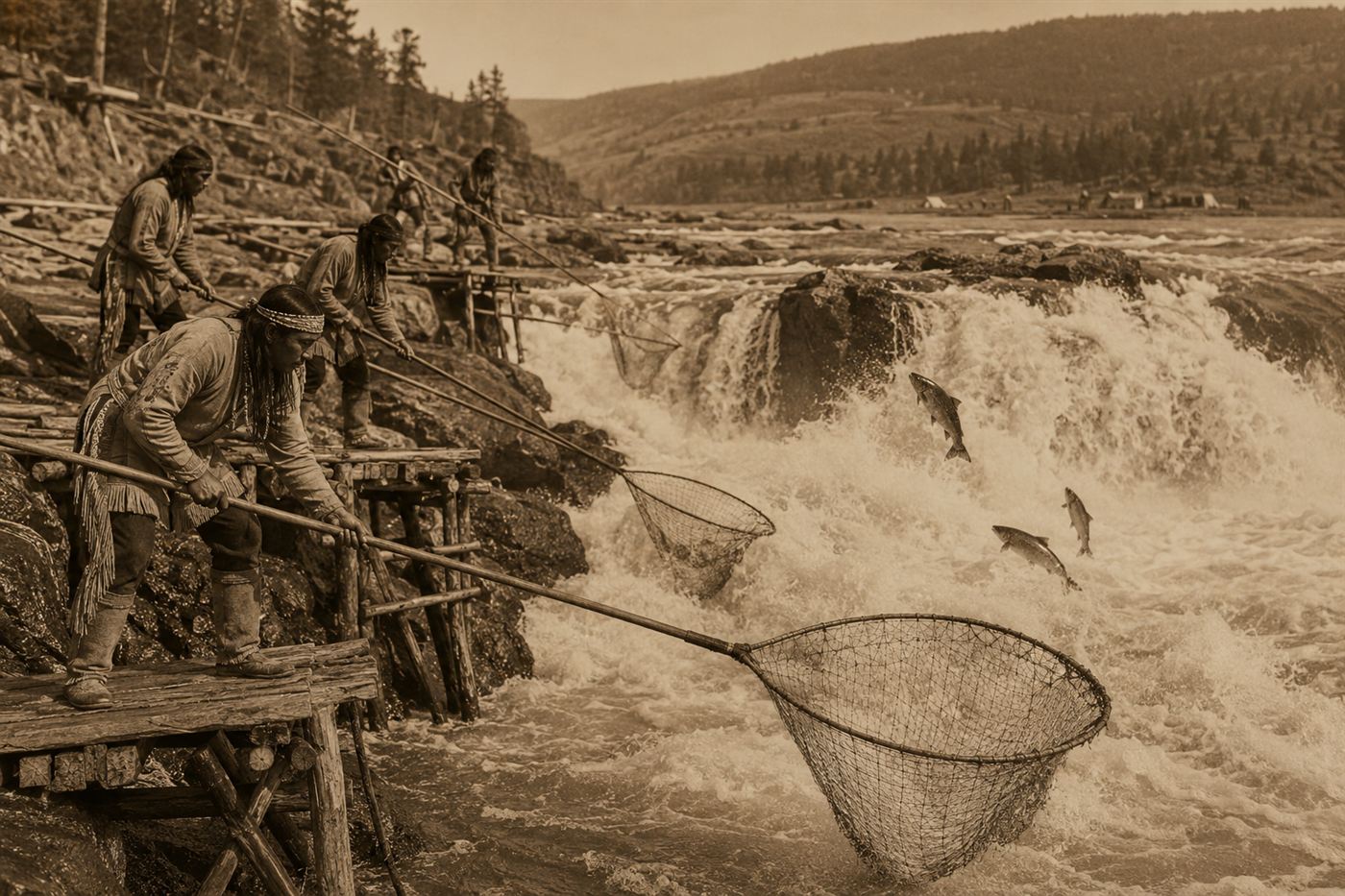
At the heart of that loss was Kettle Falls, a thundering cascade that had been one of the most important Native American fishing places on the continent, where people had gathered for millennia to net salmon by the hundreds of thousands each year. The rising reservoir drowned it. As HistoryLink records, in June 1940 the Colville and neighbouring tribes held a three-day "Ceremony of Tears" at Kettle Falls, mourning the end of a way of life as the water rose over the falls and their fishery.
The song and the silence
The contrast was captured, unintentionally, in song. In 1941 the folk singer Woody Guthrie was hired to celebrate the dam and the river, and in a single month he wrote dozens of songs, among them "Roll On, Columbia," now the official folk song of Washington State. They are stirring, optimistic anthems to progress and public power, and for many people they still define the dam.
But they sit uneasily beside the Ceremony of Tears held just upstream a year earlier. The same river inspired a celebration in one telling and a funeral in another, depending entirely on whether you were gaining the electricity or losing the salmon. Both songs, the joyful and the grieving, are true.
The honest catch
It would be wrong to flatten this into a simple villain story, and equally wrong to wave the costs away. Grand Coulee genuinely did help win a war, build a region and bring irrigation and power to millions, real and lasting goods. The decision to skip a fish ladder was deliberate, made because the dam was so tall and the cost so high, not out of malice, but the result was the permanent loss of the upper river's salmon all the same.
The treatment of the tribes is the hardest part. The Colville and Spokane lost their fishery, their gathering places and lands to the reservoir, and meaningful compensation took an extraordinarily long time to arrive, with major settlements only decades later. Today there are efforts to reintroduce salmon above the dam, a tentative attempt to undo a small part of what was done. The dam still stands, still generates, and still divides opinion, because it was never only one thing.
Why a celebrated dam still divides
The Grand Coulee Dam endures as one of the clearest examples of the bargain at the heart of big infrastructure. We got cheap, clean, abundant electricity and the industrial muscle to win a war, and we paid for it with a river's wildlife and a people's heritage. The trade was real on both sides, and pretending otherwise, in either direction, misses the point.
It is worth holding both halves of that story at once. When the benefits are this large and the losses this deep, how should we weigh a dam like Grand Coulee? Tell us in the comments.
Related reading: Eighty years later, the largest dam removal in history set another river free, and the salmon came back within days.