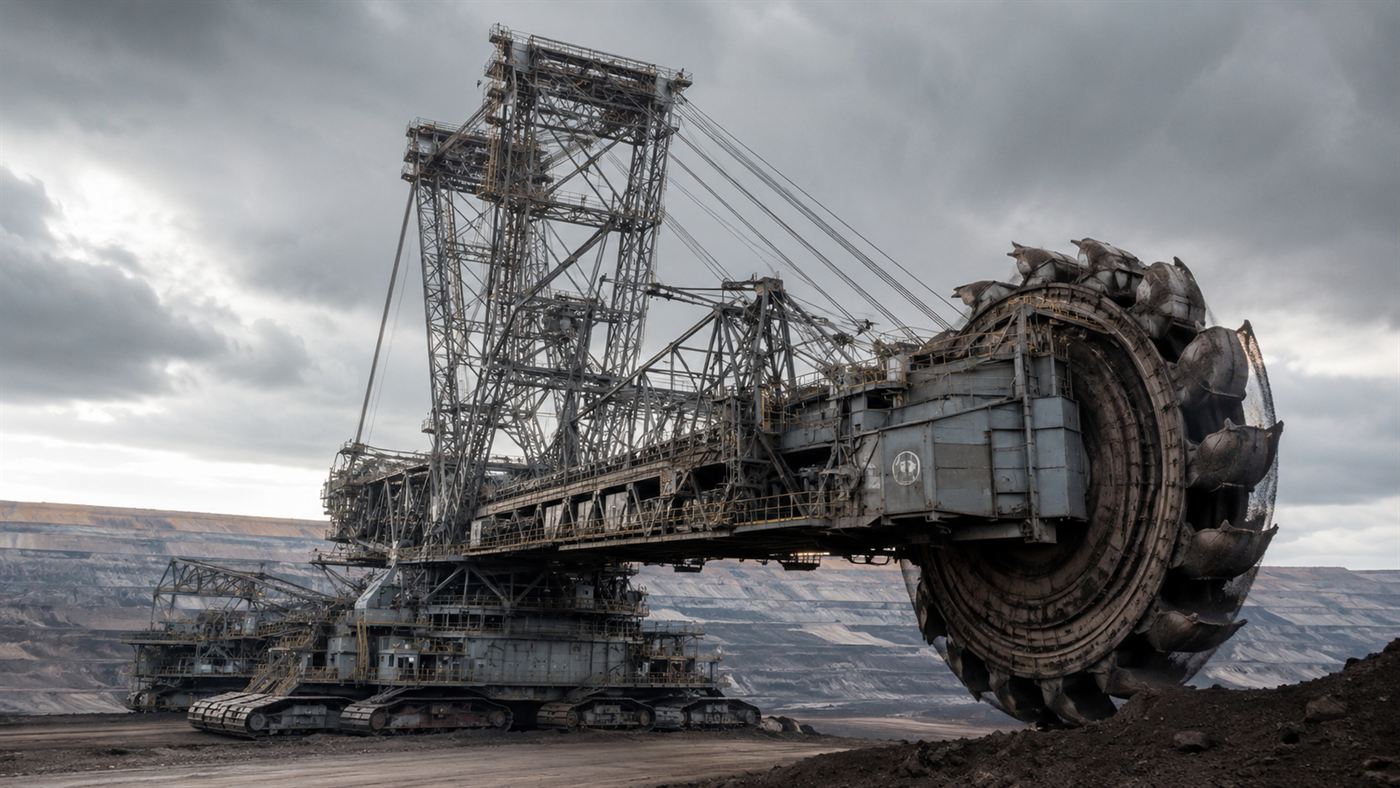
The Hawks Nest Tunnel disaster: workers dug a mountain of pure silica with no masks, and hundreds died of dust in their lungs within five years
It was sold as a triumph of engineering, a three-mile tunnel bored through a West Virginia mountain to power a metals plant. But the rock was nearly pure silica, the men drilling it were given no protection, and the dust they breathed turned their lungs to scar tissue. Many were dead within a year.
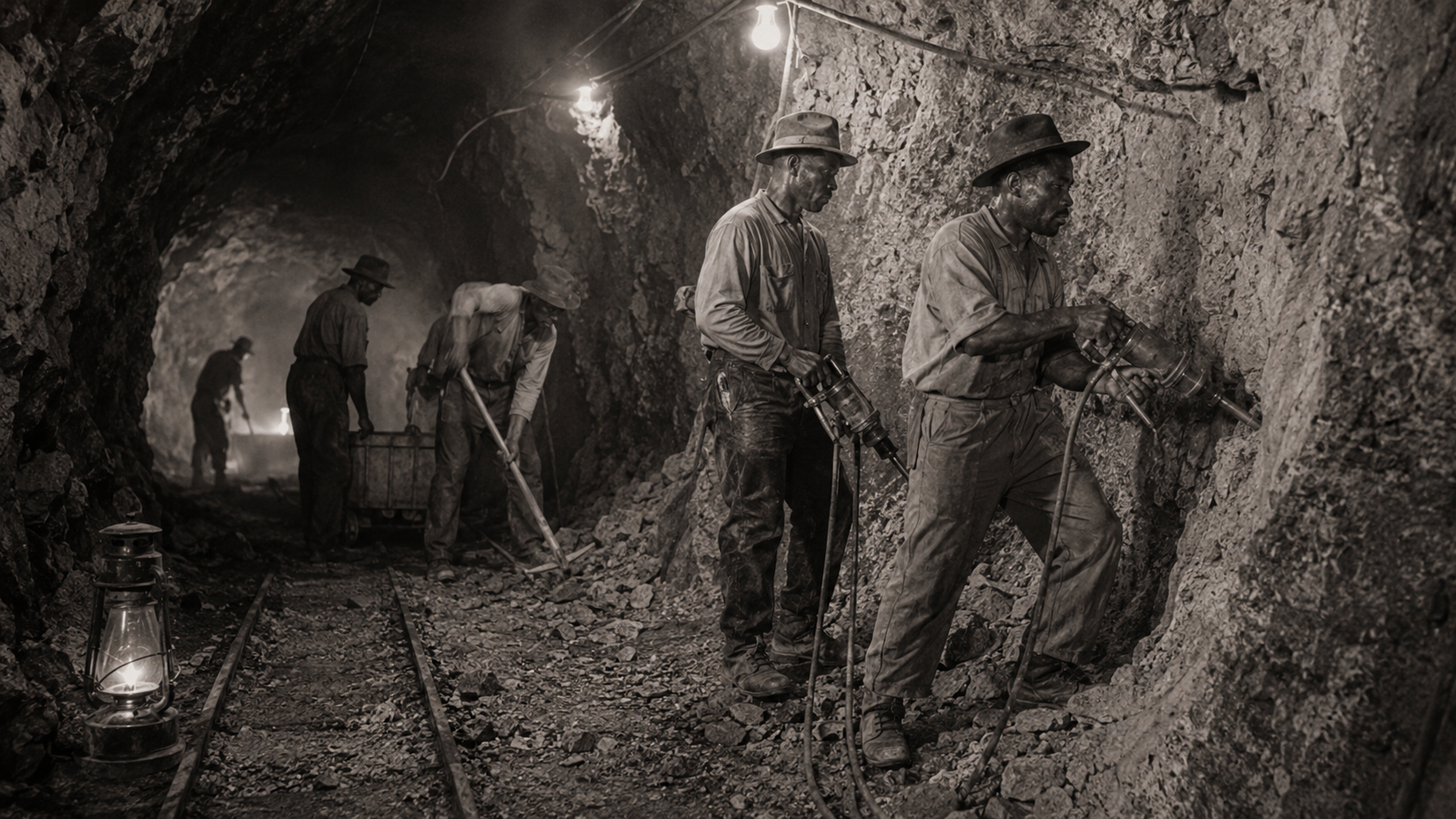
Thousands of men drilled the tunnel through clouds of rock dust, with no masks and no breaks. Illustration: Watts & Wild.
The Hawks Nest Tunnel disaster is often called the deadliest industrial disaster in American history, and yet most people have never heard of it. It happened deep inside a mountain near Gauley Bridge, West Virginia, in the early 1930s, and the men who paid for it with their lives were almost all poor Black migrants from the Deep South. Most were buried in unmarked graves, their names lost, their deaths denied for years.
Here is the short version. Between 1930 and 1931, a contractor drove a three-mile water tunnel through Gauley Mountain to feed a hydroelectric plant for a Union Carbide subsidiary. The rock was loaded with silica. Workers drilled it dry, breathed the dust, and died of acute silicosis, some within months. The toll has never been settled, but it runs into the hundreds.
What was the Hawks Nest Tunnel disaster?
The project began on March 31, 1930. A company called New Kanawha Power, created by Union Carbide, hired the contractor Rinehart and Dennis, the lowest of 35 bidders, to divert the New River through the mountain and down to a power station at Alloy. The plan was to generate cheap electricity for making ferroalloys, the metals that go into steel.
Around 4,800 men worked the job, roughly 3,100 of them Black, most recruited from the South with the promise of steady wages during the Depression. They worked ten-hour shifts in a tunnel filling with a fine white powder. Workers later testified that the dust turned their drinking water white, that there were no breaks, and that men were sometimes driven back to the rock face at gunpoint.
A mountain of silica that was worth a fortune
What makes this story so bitter is what the rock turned out to be. The mountain held a thick vein of unusually pure silica, the exact mineral Union Carbide needed to make ferrosilicon. So the company did not just dig through it and discard the spoil. It mined the silica and sold it, turning the tunnel into a second source of profit on top of the power it would carry.
That changed the incentive in the worst possible way. The purer and finer the silica, the more dangerous it is to breathe, because the sharp microscopic particles lodge in the lungs and never come out. The very feature that made the rock valuable to the company is the feature that made it lethal to the men cutting it. They were sent faster and deeper into the thing that was killing them.
Why didn't the workers wear masks?
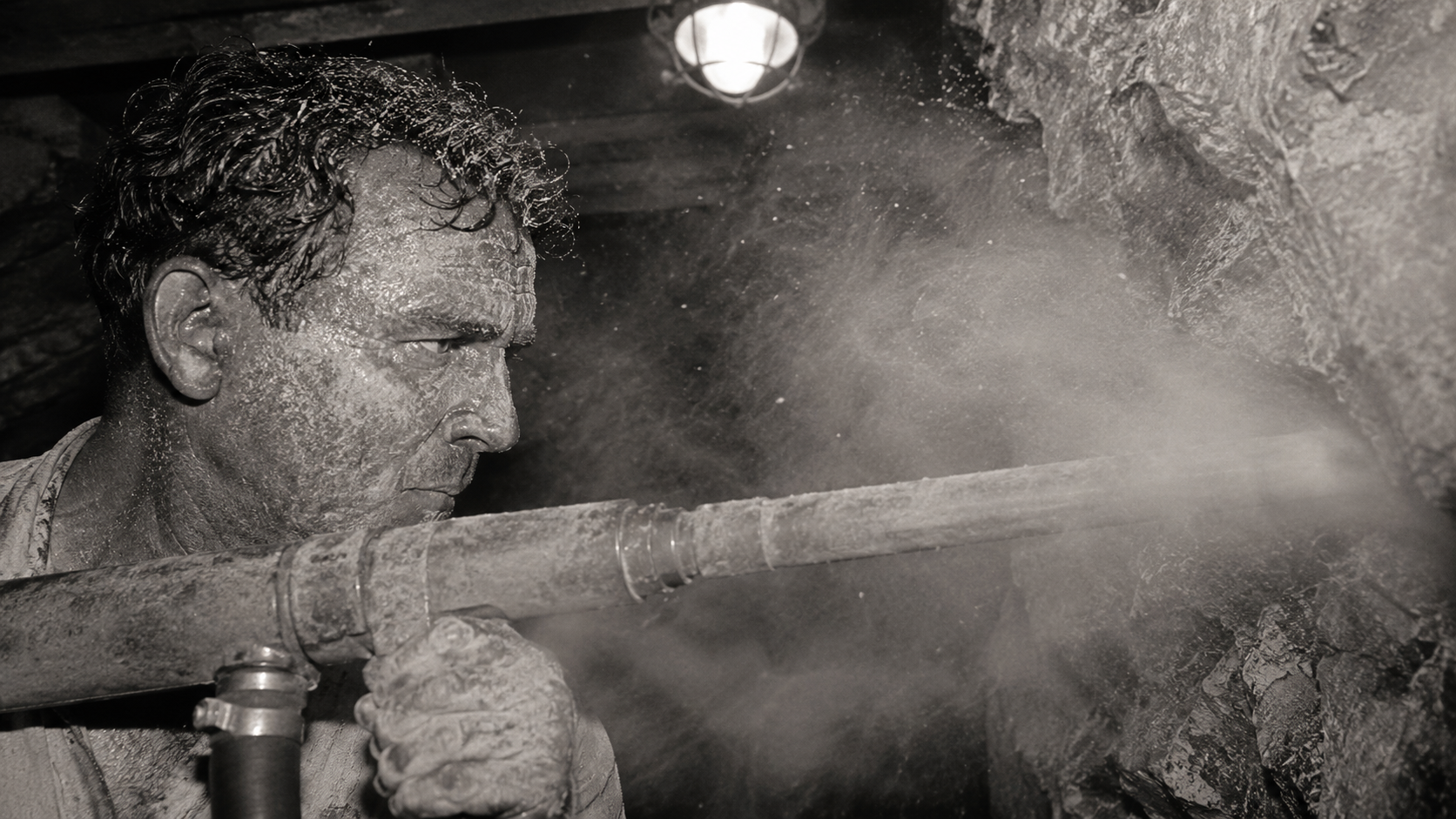
Because the company chose not to protect them. A simple, well-known method called wet drilling, running water onto the drill bit, knocks most of the dust out of the air. It was standard practice in mines elsewhere by then. At Hawks Nest it was largely skipped, because it was slower and cost more, and speed was everything.
The detail that still stings is this. When inspectors and engineers went into the tunnel, witnesses said, the managers wore respirators. The men drilling the rock all day got nothing. Acute silicosis, which normally takes years to develop, was hitting these workers in months because the dust was so thick. According to Union Carbide's own records, around 80 percent of the workforce fell ill, died, or walked off the job within six months.
The graves nobody counted
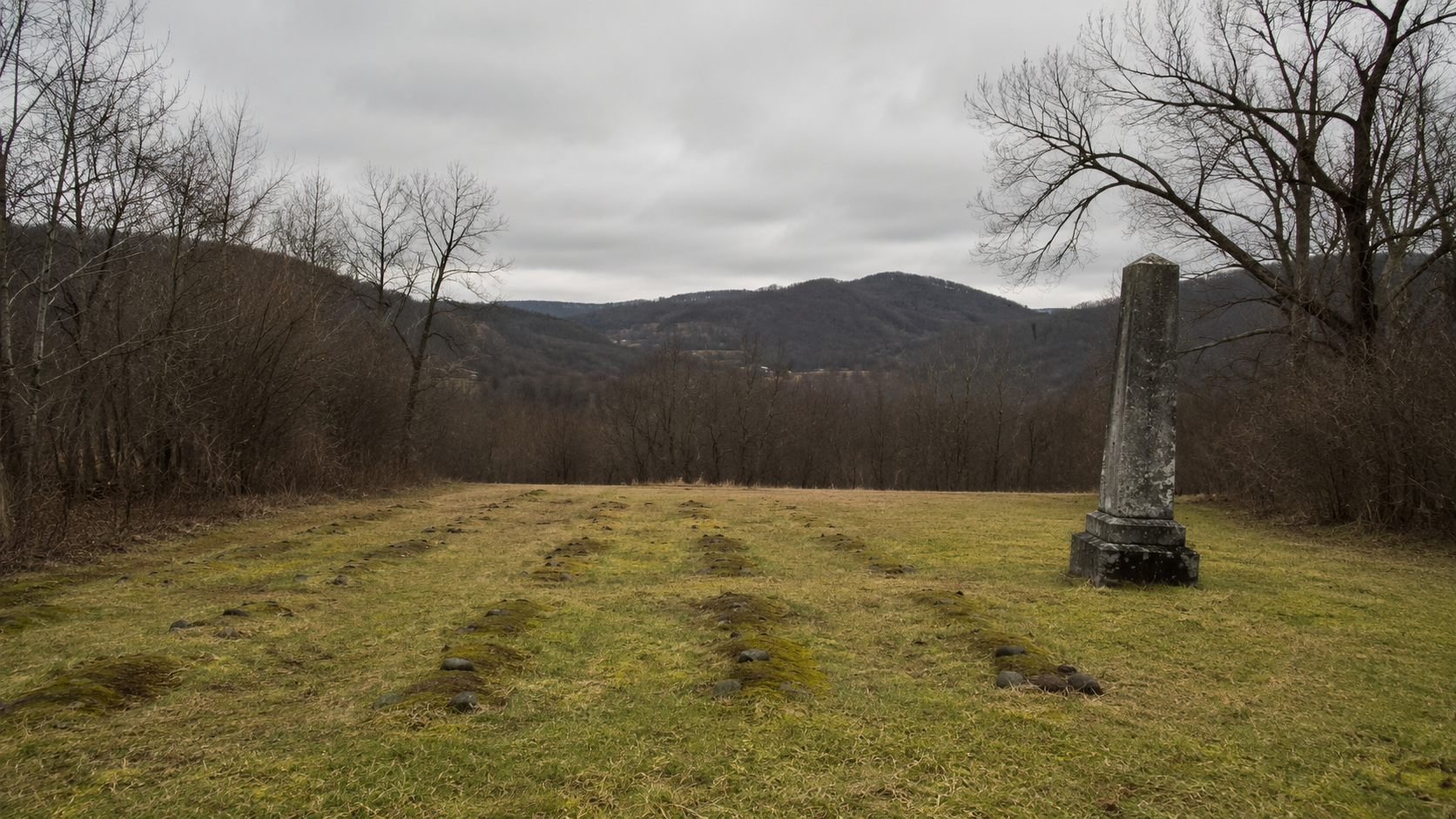
When the men collapsed, many were simply sent away. Some died in makeshift camps, some on the trip home, some back in the South far from any record that tied them to the tunnel. A local undertaker was paid to bury Black workers in a field, dozens to a plot, with no headstones. For decades, no one even knew how many bodies were there.
This is why the death count is still argued over. Union Carbide admitted 109 deaths. A 1936 congressional hearing put it at 476. The physician Martin Cherniack later estimated 764, and some researchers believe the real figure, counting men who died at home, passed 1,000. A House labor committee concluded the tunnel was "begun, continued, and completed with grave and inhuman disregard of all consideration for the health, lives and futures of the employees."
The honest catch
It is worth being careful with the legend, because the truth is damning enough without it. The exact death toll genuinely is unknown, and the highest figures are estimates, not counts. Silicosis was poorly understood in 1930, and some of the danger came from ignorance as much as malice. The "gunpoint" and "buried alive" stories that circulate online mix real testimony with later embroidery.
But the core is solid and was confirmed under oath. The rock was silica, the company knew silica was dangerous, the cheap protection existed and was withheld from the men who needed it most, and the people who suffered were chosen partly because they were poor, Black, and far from home. The tunnel itself, meanwhile, still carries water and still makes power today.
Why the Hawks Nest Tunnel disaster still matters
The disaster did force a reckoning. The 1936 hearings helped establish acute silicosis as a recognized occupational disease and pushed states toward compensation laws and dust controls that later fed into national workplace-safety rules. The poet Muriel Rukeyser visited in 1936 and turned the testimony into a documentary poem, The Book of the Dead, one of the few places the workers' own voices survive.
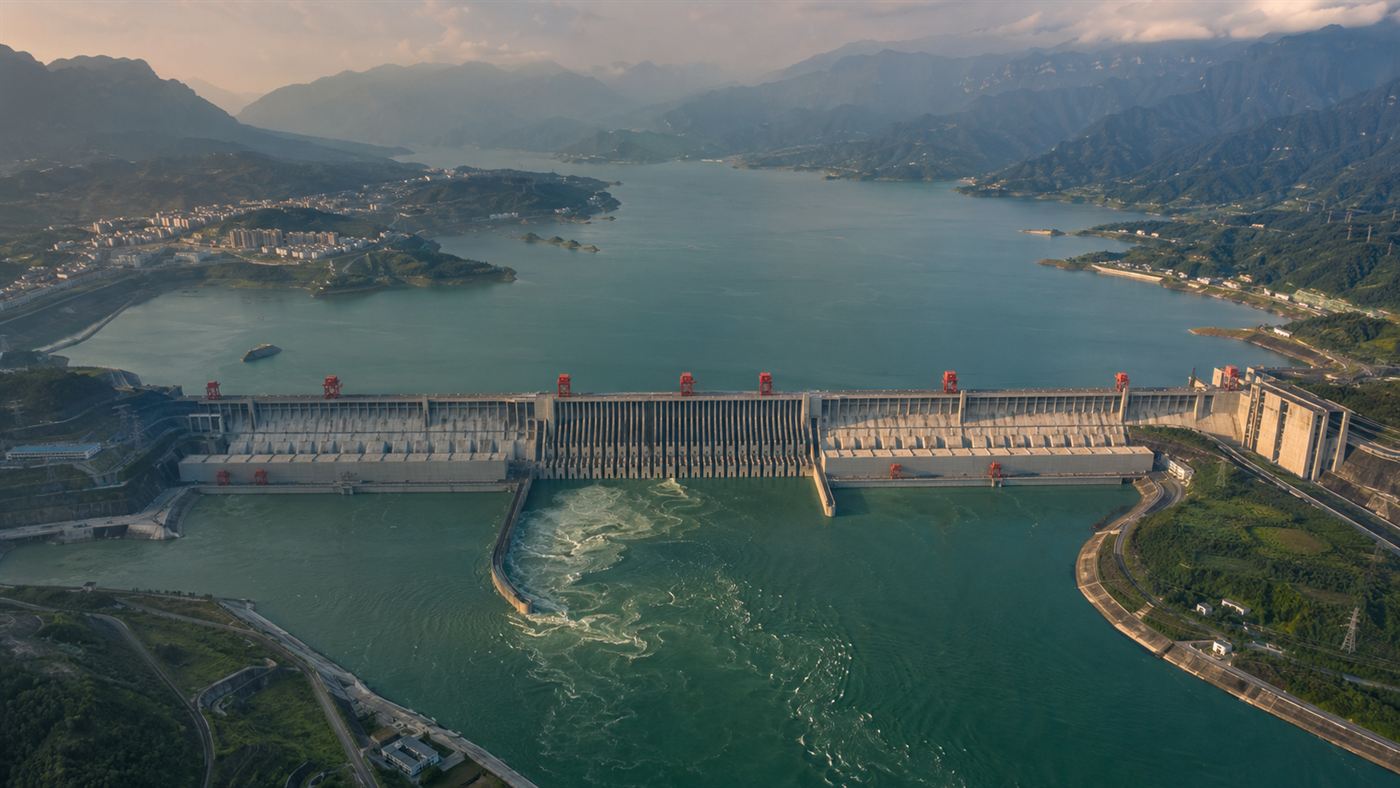
Look at the mega-builds we celebrate, the dams and tunnels and towers, and the names attached to them are almost always the engineers and the financiers. Hawks Nest is the reminder that the people who actually cut the rock are usually the first to be forgotten, and sometimes they are forgotten on purpose. The tunnel works. That was never the question.
A tunnel that still carries water and still makes power cost hundreds of men their lives, and most of their names were never written down. Should the workers who die building our greatest structures be remembered the same way we remember the engineers? Tell us what you think in the comments.
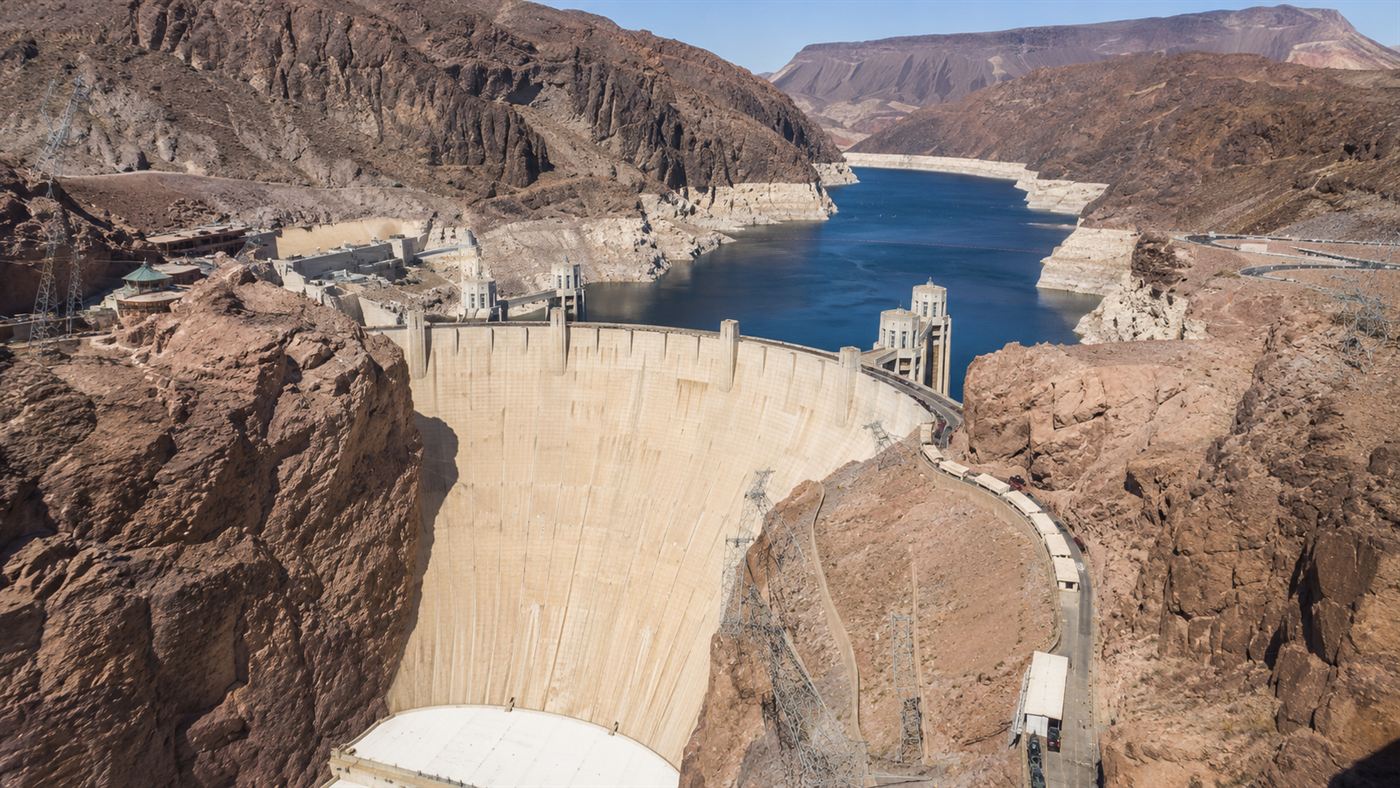
Related reading: Hoover Dam was built in the Depression too, and the official death toll there is just as contested, or the Hallandsås tunnel, where a toxic sealant poisoned cattle and workers in Sweden. See also the Hoosac Tunnel, the Bloody Pit that took two hundred lives.