Nikola Tesla had been mocked and nearly ruined, but in 1895 his alternating current was chosen to harness Niagara Falls, and the modern electrical grid was born
For a century people had stared at the thundering water and thought the same thing: what a waste of power. When engineers finally tamed Niagara Falls in 1895, they did not just light a few nearby towns. They settled a bitter feud over the future of electricity and quietly invented the world we plug into today.
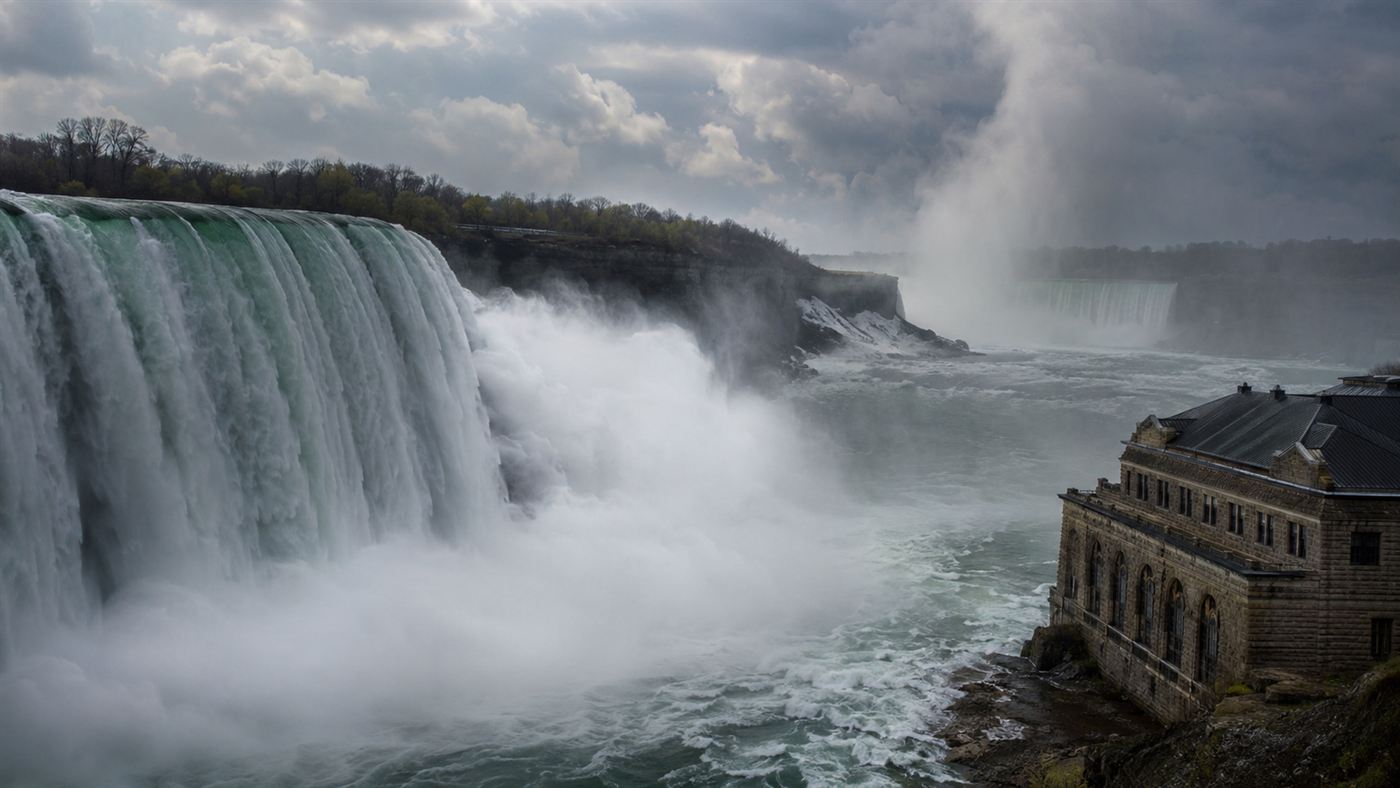
Niagara Falls, whose immense power was first harnessed at scale in 1895. Illustration: Watts & Wild.
The power of Niagara Falls is almost violent to stand near, thousands of tonnes of water hurling themselves over the edge every second. For generations, industrialists dreamed of putting that force to work, but nobody knew how to move its energy anywhere useful. Solve that, and you would not just win a contract. You would decide how the whole world would be powered.
As the record of the Adams Power Plant shows, the station completed at Niagara Falls in 1895 was the first large-scale alternating current generating plant in the world. It was backed by some of the richest men in America, fought over by rival inventors, and built on the ideas of a man who had been all but written off. And it changed everything.
The short version: In 1895 the Adams Power Plant at Niagara Falls became the first big alternating current power station. Built on Nikola Tesla's polyphase patents and Westinghouse engineering, it sent electricity to the city of Buffalo more than twenty miles away, settling the war of the currents in favor of AC and creating the template for the modern electrical grid.
A waterfall too big to waste
By the late 1800s, harnessing Niagara had become a kind of grand challenge, the Everest of engineering. A group of wealthy investors, including J.P. Morgan and members of the Vanderbilt and Astor families, formed a company to finally do it, and they were serious enough to convene an international commission of top scientists to judge the best way forward.
The hard part was never the falling water. Water wheels and turbines could capture Niagara's force easily enough. The real problem was distance. The energy was useless sitting at the falls, because the towns and factories that could use it were miles away, and in the 1890s nobody had ever moved electric power that far. Whoever solved transmission would own the future of hydroelectric power.
The war between two kinds of current
That question sat at the heart of the most famous rivalry in the history of technology, the war of the currents. On one side stood Thomas Edison, championing direct current, the DC system he had built his empire on. DC was proven and familiar, but it had a crippling flaw: it could not be sent more than a short distance before it faded away.
On the other side was George Westinghouse, betting on alternating current, or AC, which could be stepped up to high voltage, pushed for miles along wires, and stepped back down for use. For Niagara, where the whole point was to send power far, AC was the obvious answer, and in 1893 the great contract went to Westinghouse. It was a hammer blow to Edison, and a turning point for how the world would wire itself.
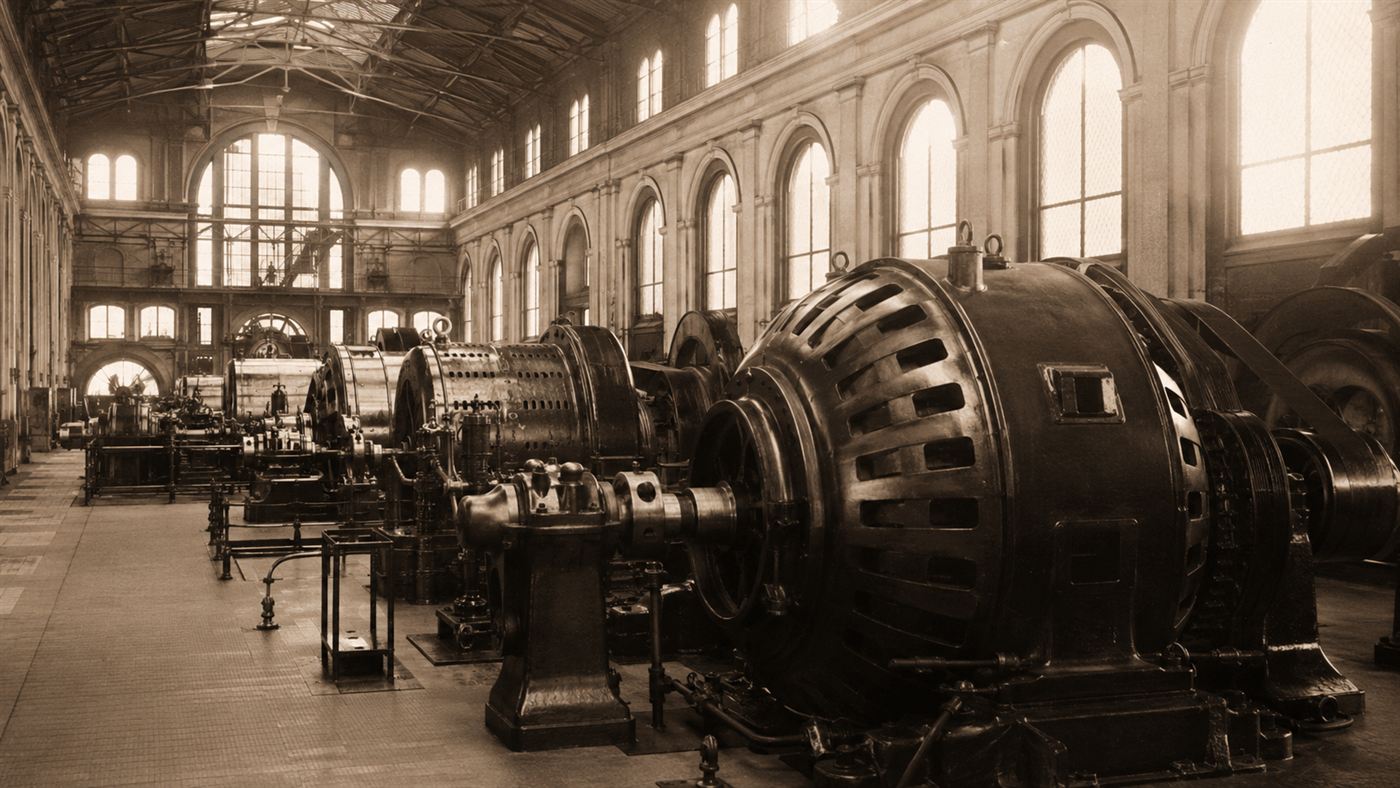
Tesla's machine at the falls
The technology that made it all work belonged to Nikola Tesla. Westinghouse had licensed Tesla's polyphase system, a set of patents describing how to generate, transmit and use alternating current with the motors and machinery a modern grid needs. Without those ideas, there was no practical way to turn Niagara's water into usable, far-reaching power.
For Tesla, it was personal. As a boy in Europe he had seen an engraving of Niagara Falls and told his uncle that one day he would harness that water. Now, after years of financial struggle and public ridicule during the currents feud, his system was being installed to do exactly that. The Adams plant's generators, producing power on a scale never seen before, were the vindication of a lifetime's stubborn belief.
The night Niagara Falls lit up Buffalo
The plant proved itself in stages. In 1895 it delivered its first commercial power to a factory right beside the falls, the Pittsburgh Reduction Company, later famous as the aluminum giant Alcoa, which needed cheap electricity to smelt metal. That alone was a milestone.
But the moment that made history came in November 1896, when power from Niagara Falls surged more than twenty miles down the wires to the city of Buffalo and lit it up. Sending electricity that far had never been done, and its success was celebrated as the dawn of a new age. The falls were no longer just a wonder to look at, they were a power station serving a distant city, and everyone could see that this was how the future would run.
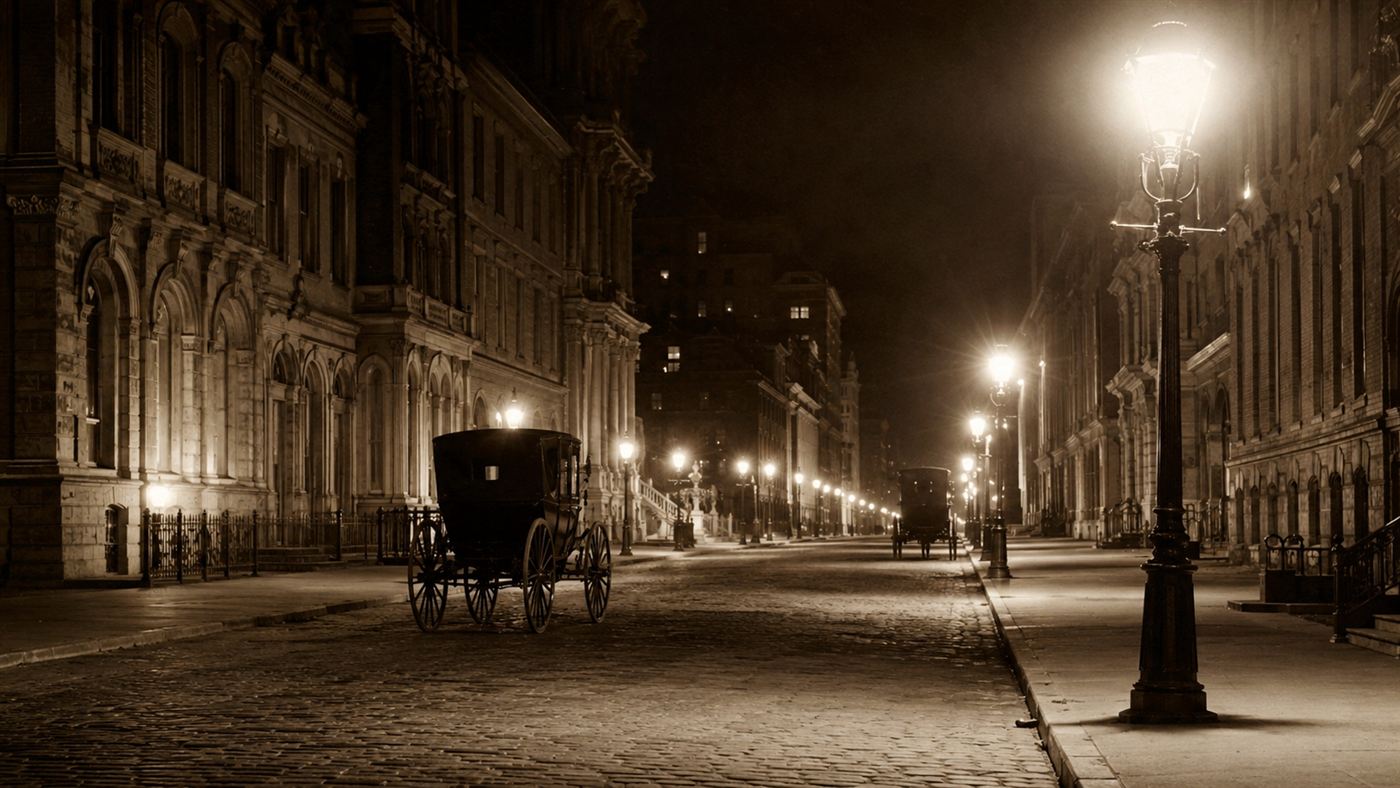
How a power plant became the grid
The importance of Niagara was not just that it worked, but that it was a blueprint. It showed the whole world a repeatable formula: generate electricity in bulk at one central place, raise it to high voltage, send it long distances by alternating current, and step it down to power cities and industry at the far end. That description is, essentially, the electrical grid we still rely on.
Within a few decades, versions of the Niagara model were spreading across countries and continents, and the argument over AC versus DC was effectively over. Modern life, with its always-on lights, motors and machines fed from faraway power stations, traces a direct line back to this one plant at the edge of a great waterfall. Few single buildings have shaped daily life so completely.
The honest catch
The story is often told as Tesla the lone genius single-handedly taming Niagara, and that is too neat. The plant was the work of a large team, Westinghouse's engineers, the scientists of the international commission, the designers of the giant generators and many others. Tesla's patents were essential, but he was one crucial figure among many, and he personally reaped little of the fortune the work created.
It is also worth remembering the cost. The money came from robber barons chasing profit, one of the first big customers was an aluminum smelter, and harnessing the falls meant diverting an ever-growing share of their water into pipes and turbines, something that continues today. None of that erases the achievement. A wild waterfall was turned into the first true engine of the electrical age, and the hum of every city since owes it a debt.
A waterfall became the first real engine of the electrical age, and we have lived on that idea ever since. Does the Niagara plant deserve to be remembered as the true birthplace of the modern grid, or do we give one building and one inventor too much credit? Tell us what you think in the comments.
Related reading: Tesla's other Niagara dream, the tower that tried to beam power through the air, or Edison's Pearl Street Station, the first power plant, which began it all.
More from Watts & Wild
More in Energy →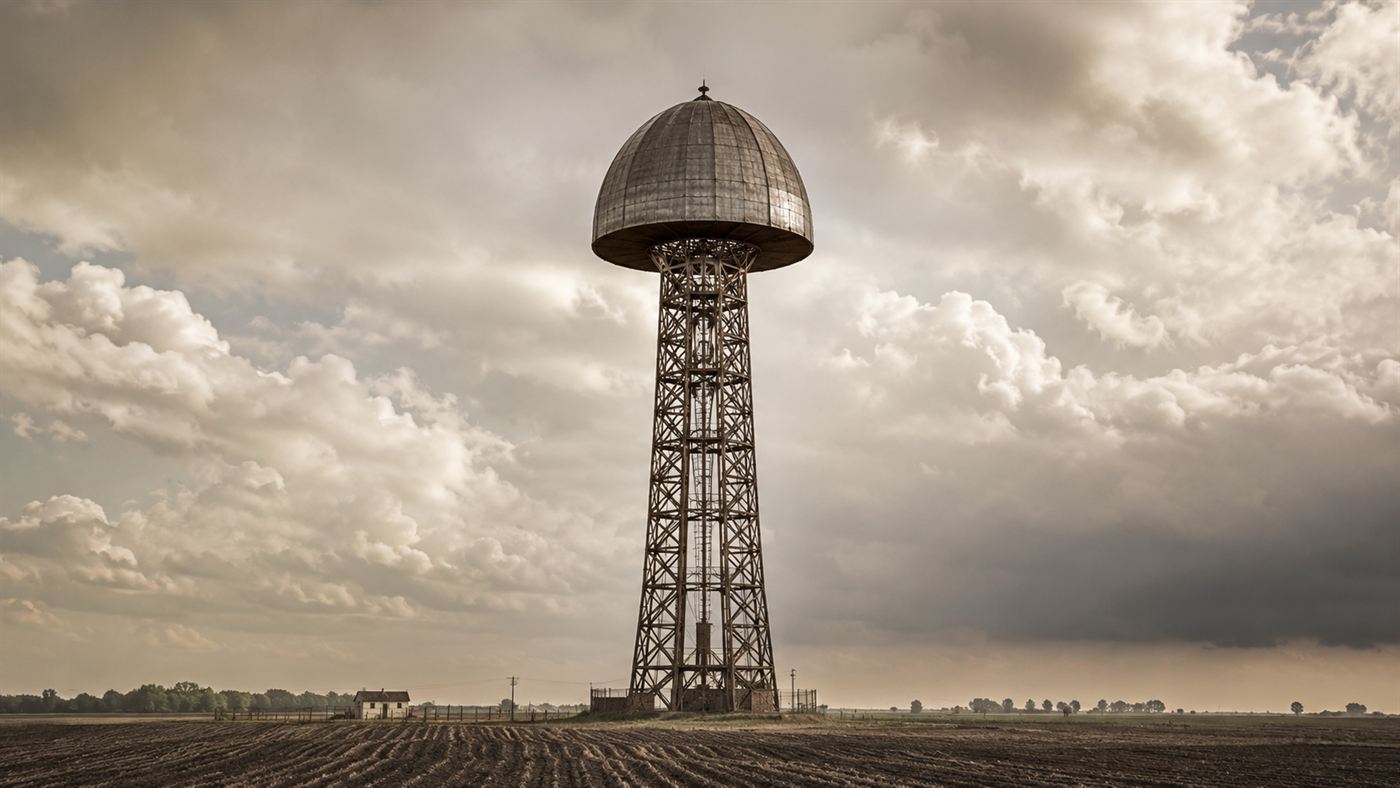

Bruno writes about energy history, industrial disasters, and the people who shaped the technologies we take for granted. He is based in Brazil.