The tallest thing humans have ever moved is a concrete tower taller than the Eiffel Tower, floated upright across the North Sea in 1995
Imagine taking something taller than the Eiffel Tower and heavier than a small mountain, standing it upright in the open ocean, and towing it 200 kilometres across some of the roughest water on Earth. That is exactly what Norway did with the Troll A platform, the tallest structure people have ever moved from one place to another.
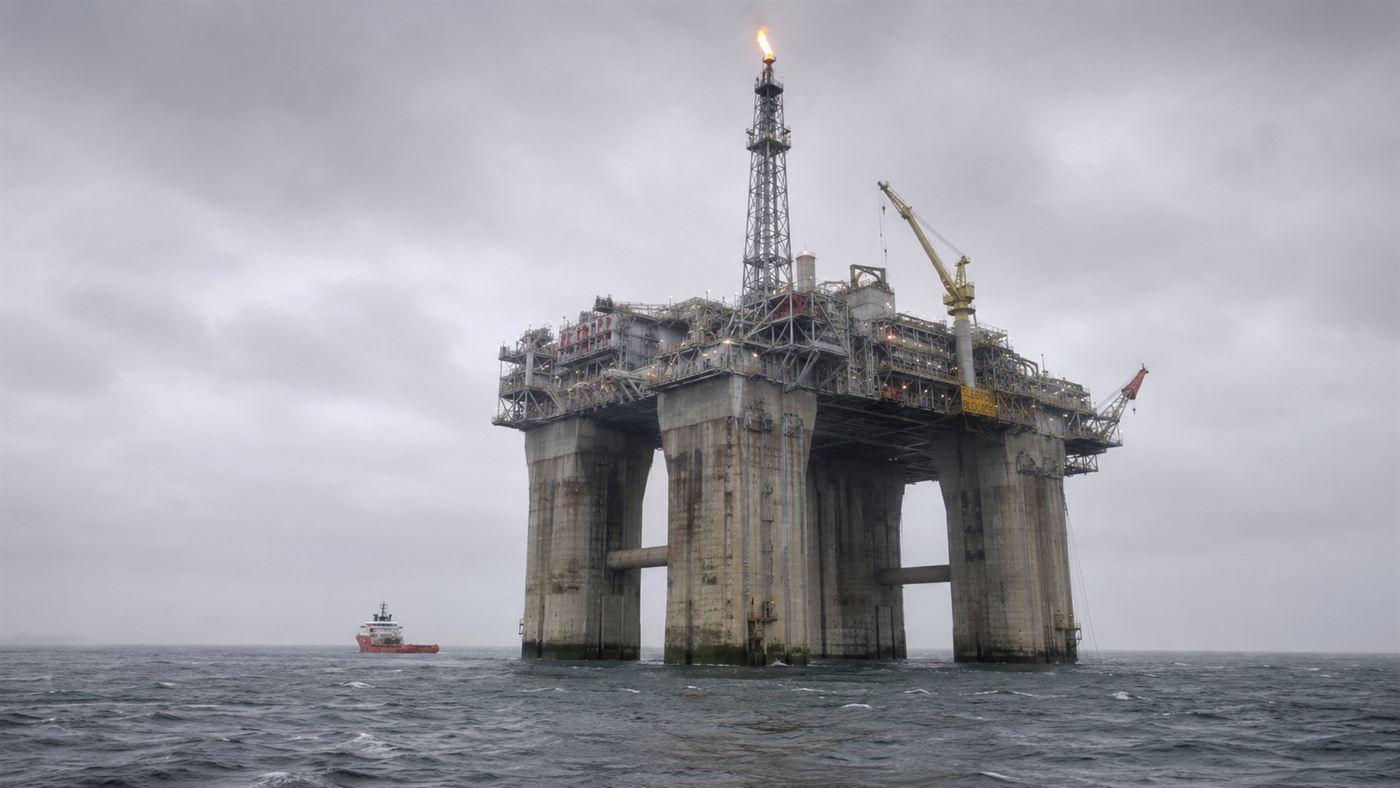
The Troll A platform, most of its 472 metres hidden beneath the North Sea. Illustration: Watts & Wild.
Troll A is a gas platform, built to pump natural gas from the Troll field off the west coast of Norway, which holds a huge slice of the country's reserves. To reach the gas it had to stand in water around 300 metres deep, and to do that it is a giant. From the bottom of its concrete legs to the top of its deck it measures 472 metres, taller than the Eiffel Tower, and it weighs in the region of 656,000 tonnes. Troll A stands on the seabed, but other gas giants float, like Prelude FLNG, the largest floating structure ever built.
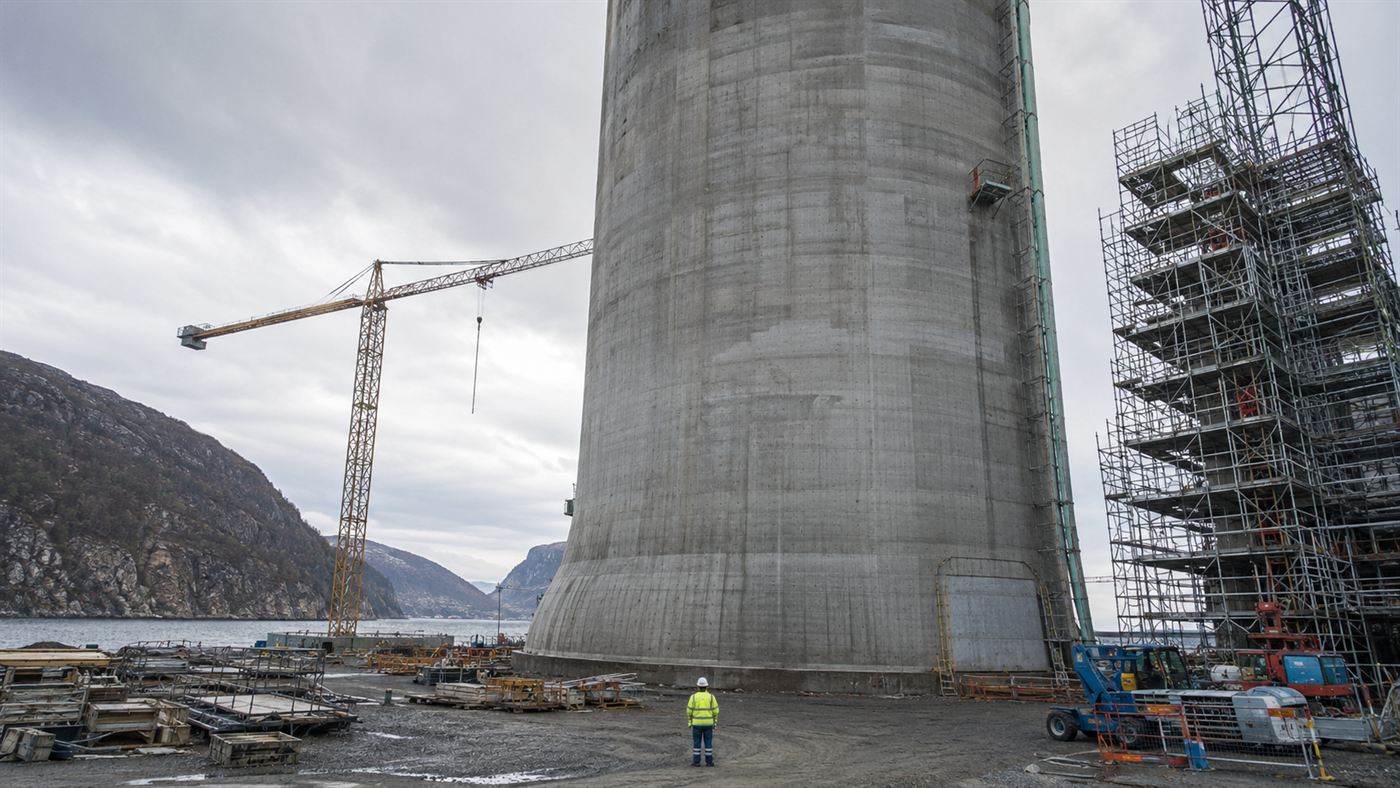
Numbers that large stop meaning much, so try it another way. The platform weighs about as much as a thousand fully loaded jumbo jets. As NES Fircroft details, its legs were cast from steel-reinforced concrete more than a metre thick, poured in one continuous go, using a quarter of a million cubic metres of concrete. And almost all of that towering structure is designed to sit below the waves, with only the working deck in the daylight.
How the Troll A platform crossed the sea
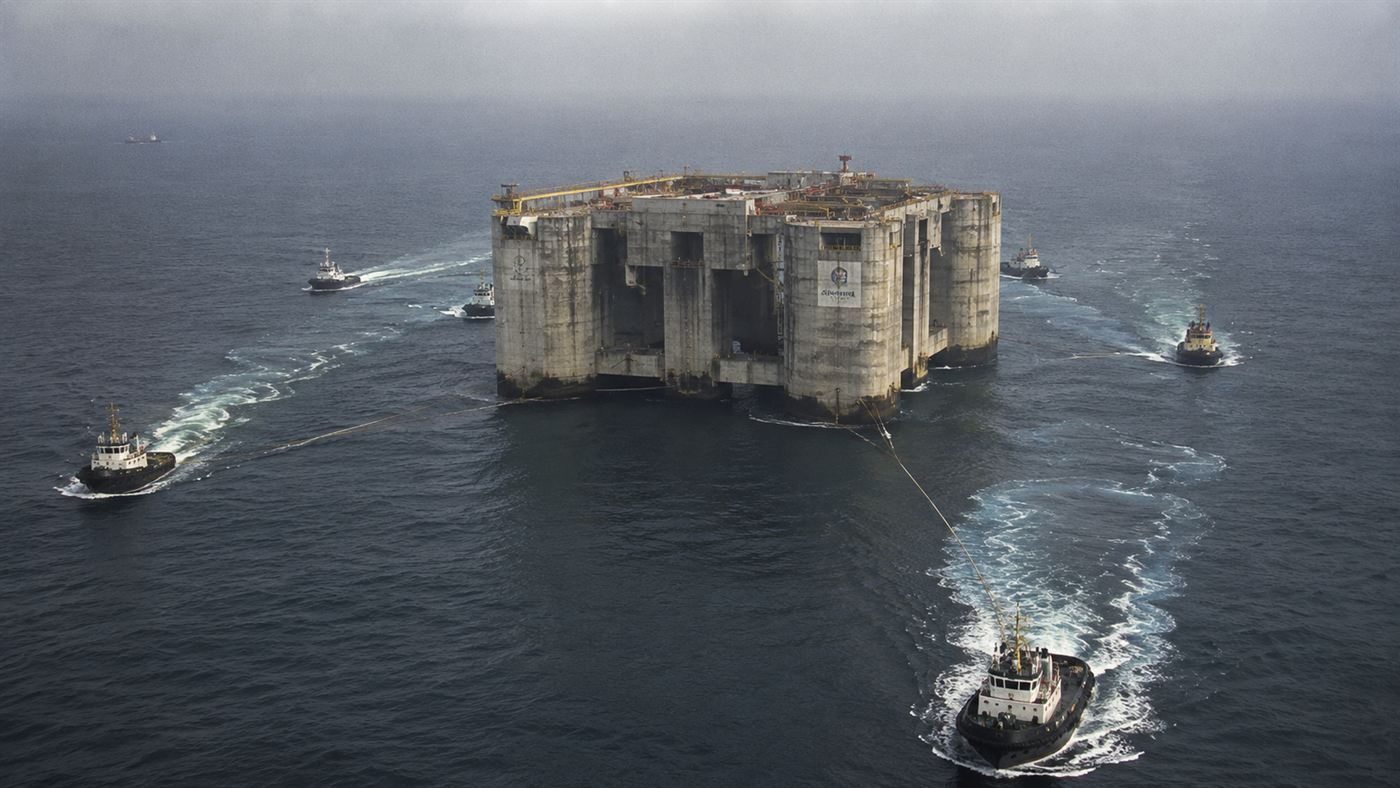
The truly astonishing part is not building it but moving it. Troll A was constructed in a sheltered Norwegian fjord and then had to be delivered to the gas field far out in the North Sea. So in May 1995 the whole thing was floated upright, like an impossibly tall buoy, and a fleet of tugs began towing it out to sea. As ZME Science notes, it remains the tallest structure ever moved relative to the surface of the Earth.
The tow took about a week, and it gripped the country: Norwegians watched on television as their giant inched across the water. Out at the field it was carefully ballasted, flooding its hollow legs in a controlled way so that it sank slowly and settled onto the seabed exactly where it was meant to, in some 300 metres of water.
How does the Troll A platform stay upright?
This is the clever bit. Most offshore platforms are nailed to the seabed with piles driven deep into the mud. Troll A uses none. It is what engineers call a gravity-base structure, which means it simply sits on the seafloor under its own colossal weight. Once it had settled, its base pressed dozens of metres into the soft seabed, and there it has stood, held down by nothing but gravity, for thirty years.
That sounds precarious until you remember the mass involved. An object weighing well over half a million tonnes does not get pushed around by waves and currents, even in the North Sea. The platform was designed to keep producing for around seventy years, and it has handled everything the ocean has thrown at it.
Why moving it counts as a record
Plenty of structures are taller than Troll A, and plenty are heavier. What makes it special is the combination: nothing else this big has ever been picked up and relocated in one piece. Skyscrapers stay where they are built; this one was built in a fjord and delivered hundreds of kilometres away, standing the whole time. That is why it keeps turning up on lists of the largest objects humans have ever moved, and why its slow walk across the sea is still shown as a wonder of engineering.
The honest catch
Records like this come with footnotes. "The largest object ever moved by man" is a phrase that gets thrown around loosely, and depending on exactly what you measure, weight, displacement or height, other monsters such as giant floating gas plants can claim a share of the title; Troll A's clearest crown is as the tallest structure ever moved. It is also worth being honest about what it is for. This astonishing machine exists to extract natural gas, a fossil fuel, and however brilliant the engineering, that sits awkwardly in a warming world. None of which takes away from the sheer nerve of the thing. Building a tower taller than the Eiffel Tower and then floating it upright across the sea remains one of the boldest moves civil engineering has ever pulled off.
A concrete tower taller than the Eiffel Tower was floated upright and walked across the North Sea, and it still stands there held down by nothing but its own weight. Is the Troll A platform the most impressive thing humans have ever moved, or just the heaviest show of brute engineering? Tell us what you think in the comments.
Related reading: Another giant of European engineering, the railway tunnel driven straight through the base of the Alps.