The man who built the Suez Canal was defeated in Panama by a mosquito, and 22,000 deaths later a doubted army doctor finished what he could not
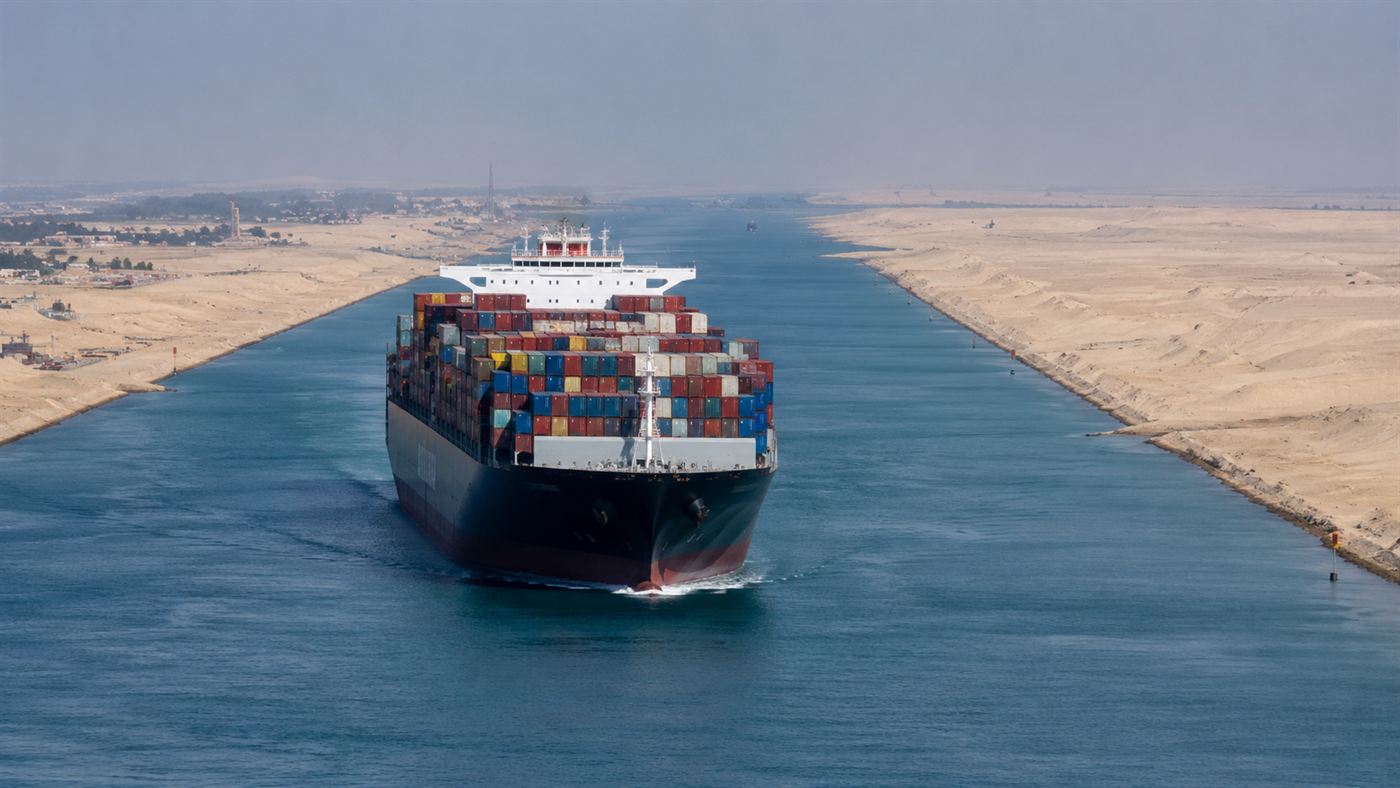
Ferdinand de Lesseps had already done the impossible once, cutting the Suez Canal through the Egyptian desert. So when he set out to slice through Panama, the world assumed he would win again. Instead the Panama Canal construction became one of history's deadliest building projects, and the thing that beat him was not rock or river but an insect the size of a fingernail.
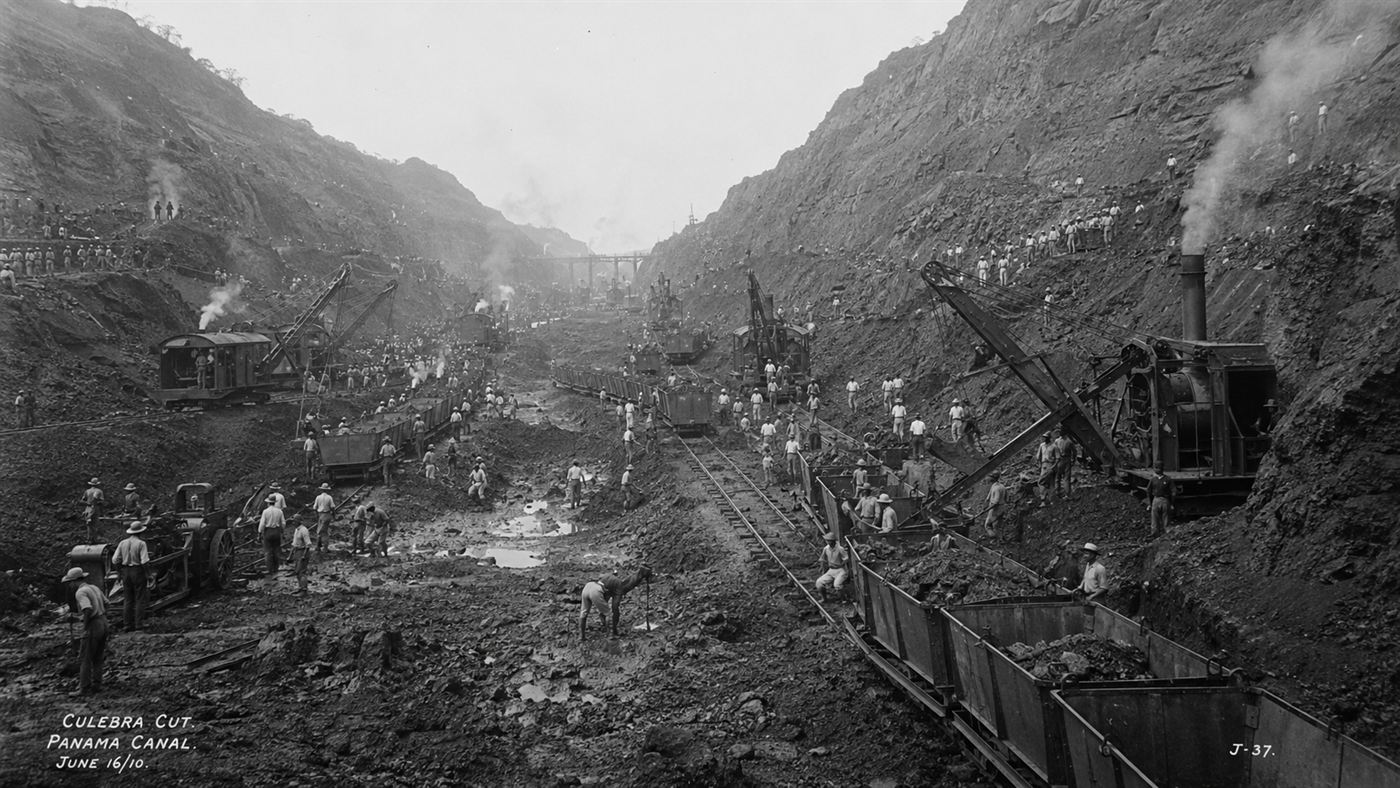
Digging the Culebra Cut, the deepest and hardest stretch of the canal. Illustration: Watts & Wild.
The French began work in 1881, full of confidence and skilled engineers, planning a sea-level channel like the one that had made de Lesseps a national hero. Panama, though, was nothing like the dry sands of Suez. It was dense, wet, mountainous jungle, cut by the unpredictable Chagres River, and above all it was riddled with two diseases that killed faster than any landslide.
Yellow fever and malaria tore through the workforce. Roughly three-quarters of the French engineers who arrived died within their first three months. Nobody understood why, because nobody yet knew that mosquitoes carried the sickness. In a cruel irony, hospital staff stood the legs of patients' beds in dishes of water to keep ants away, and those dishes bred the very mosquitoes that were doing the killing.
How disease wrecked the French Panama Canal construction
By the time the French company gave up in 1889, an estimated twenty-two thousand workers had died. The financial wreck was almost as staggering as the human one. The company collapsed in a scandal that wiped out the savings of around 800,000 French investors and shook the government of the day, and de Lesseps, the hero of Suez, ended his life disgraced.
It looked like proof that a canal across Panama simply could not be built. The jungle had beaten the best engineers in the world, and the graves stretching along the route seemed to settle the argument for good. Other dreamed-of canals waited even longer, like the Corinth Canal in Greece, finally cut after two thousand years.
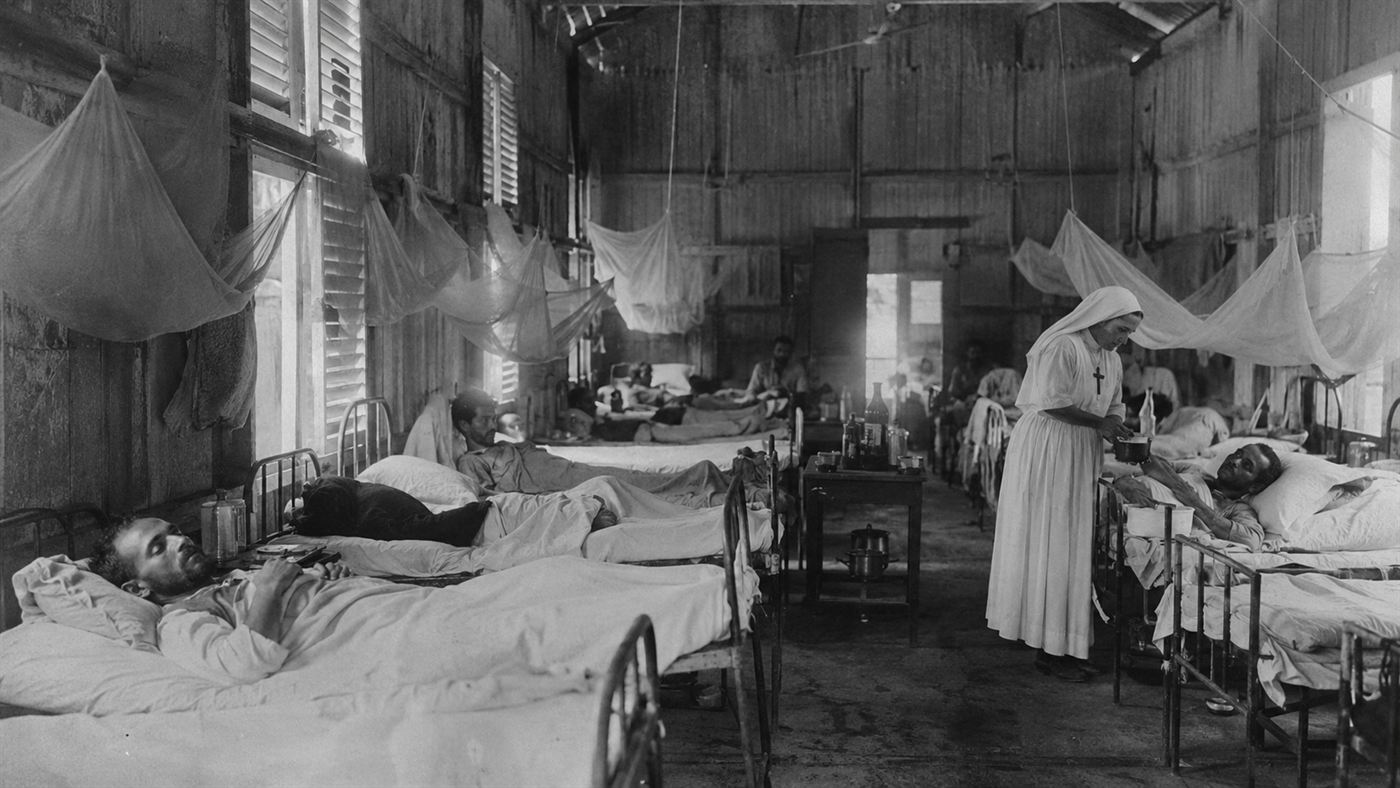
The doctor who saw the real enemy
When the United States took over the project in 1904, it brought something the French had never had: an understanding of how the diseases spread. Recent work by scientists like Carlos Finlay, Walter Reed and Ronald Ross had shown that mosquitoes, not bad air or dirty water, carried yellow fever and malaria. An army doctor named William Gorgas intended to act on it.
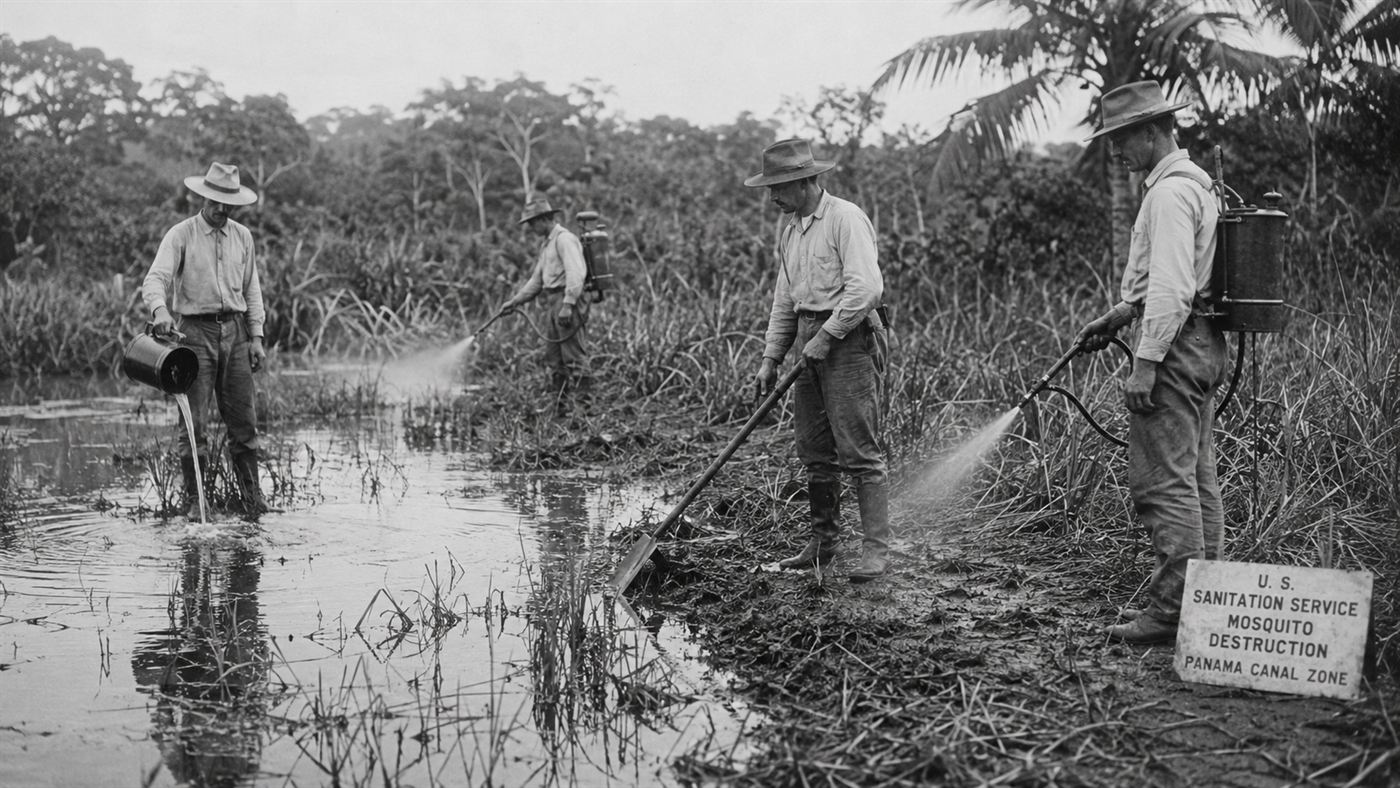
Gorgas launched a sanitation war on the mosquito. As historical accounts of his campaign describe, his teams drained and oiled standing water, fumigated buildings, screened windows and handed out quinine across the Canal Zone. At first officials thought the whole mosquito theory was nonsense and nearly cut his funding, but he pressed on.
What it took to actually finish the canal
The results were astonishing. As Texas Standard has reported, within about two years yellow fever had been wiped out of the Canal Zone and malaria sharply reduced, and the workforce could finally do its job without dying in droves. The Americans also abandoned the doomed sea-level plan and instead built a canal of giant locks fed by a vast artificial lake, Gatun Lake, held back by one of the largest dams of its day.
With the mosquito beaten and the design rethought, the digging that had killed the French became merely gruelling rather than suicidal. The Panama Canal opened in 1914, and it is remembered as a triumph of engineering. Just as truly, it was a triumph of public health, won by a doctor as much as by any engineer.
Why did the French fail to build the Panama Canal?
Mostly because of disease they did not understand. Yellow fever and malaria killed about 22,000 of their workers, the flooding Chagres River fought every attempt to tame it, and the plan for a flat sea-level cut was wildly underestimated. Without knowing the mosquito was the carrier, the French were fighting an invisible enemy they could not even name, let alone defeat.
The honest catch
The neat story of a heroic doctor and clever Americans leaves a lot out. Most of the labour, and most of the dying, fell on tens of thousands of Caribbean workers, who were paid less, housed worse and listed on a separate "silver" payroll from the white "gold" employees. The canal was also made possible by hard-nosed politics: the United States backed Panama's breakaway from Colombia in 1903 precisely so it could control the route, a piece of gunboat diplomacy that still rankles. And Gorgas built on the discoveries of others rather than working alone. The engineering and the medicine were genuinely brilliant. The price was paid mostly by people whose names never made the history books.
The greatest canal builder of his age was beaten by an insect, and a doctor most people have never heard of finished the job. Should we remember the Panama Canal as an engineering wonder or a medical one? Tell us what you think in the comments.
Related reading: Another epic dig, the undersea tunnel that finally joined Britain to Europe.