When the chief engineer of the Brooklyn Bridge was left paralysed by caisson disease, his wife Emily Roebling quietly learned engineering and spent eleven years getting the great bridge finished
The Brooklyn Bridge cost the Roebling family dearly. Its designer died before work began, and his son, the chief engineer, was crippled by the bends. For more than a decade it was his wife, Emily Roebling, who learned the mathematics, ran the site and saw the Brooklyn Bridge through to the end.
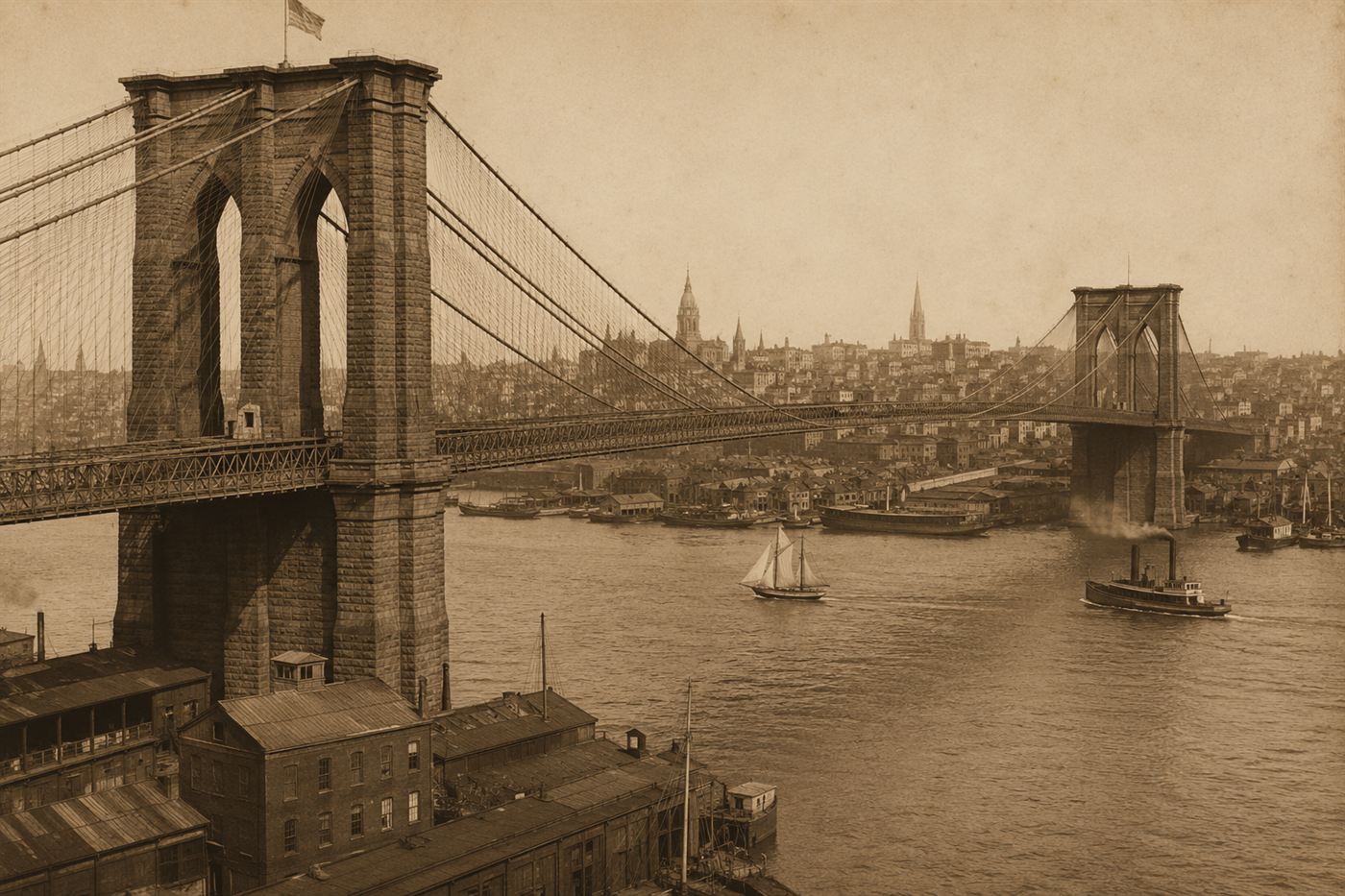
The Brooklyn Bridge, the longest suspension bridge in the world when it opened in 1883. Illustration: Watts & Wild.
The Brooklyn Bridge was meant to be the crowning work of one family. When it finally opened in 1883, it was the longest suspension bridge ever built, its two stone towers rising higher than almost anything in New York. But the path to that opening day ran through one death and one ruined body, and was held together, for more than ten years, by a woman whose name almost nobody knew.
Her name was Emily Warren Roebling. She was not the official engineer of the bridge, and she never claimed to be. Yet without her, one of the most famous structures on Earth might never have been completed at all.
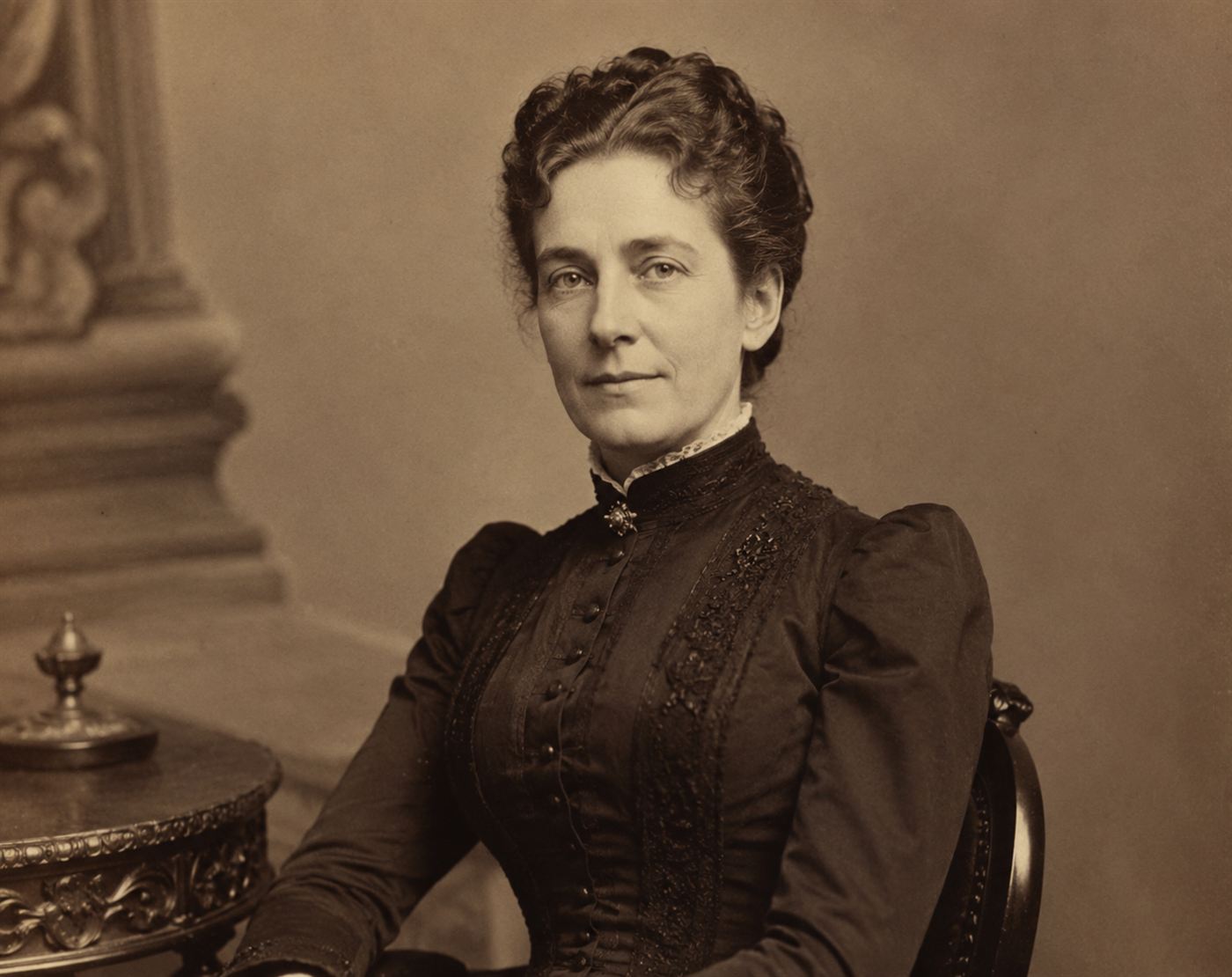
Emily Warren Roebling was the wife of the Brooklyn Bridge's chief engineer, Washington Roebling. After he was disabled by caisson disease around 1872, she studied engineering, relayed his instructions, managed the project on site and dealt with the politics, guiding the bridge to completion in 1883 over more than a decade.
A bridge that broke its builders
The design was the work of John Augustus Roebling, a brilliant builder of wire-rope suspension bridges.
He planned the bridge to leap the East River in a single span longer than any before it, anchored by huge stone towers.
In 1869, before construction had really begun, a ferry crushed his foot against the pilings as he surveyed the site.
He died of tetanus a few weeks later, and the job of chief engineer passed to his son, Washington Roebling.
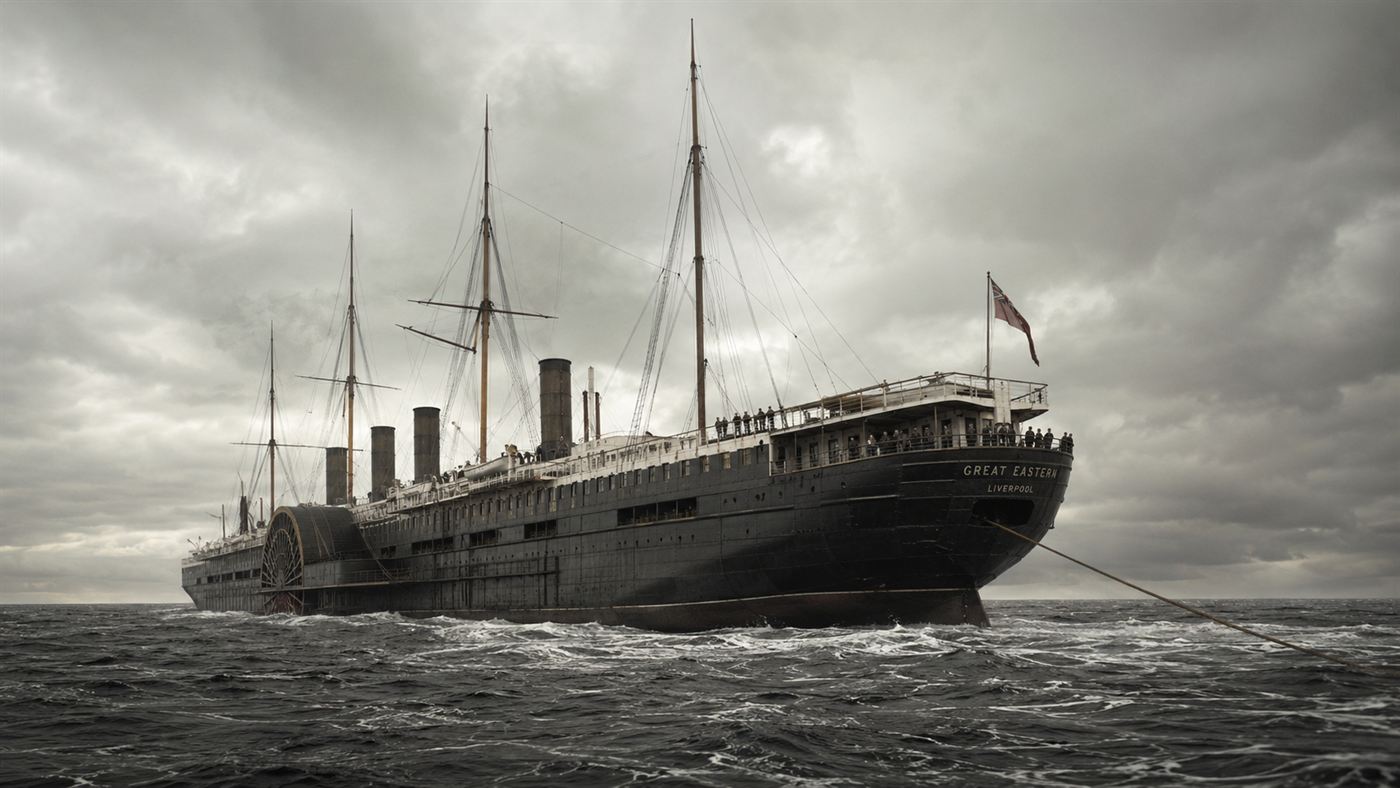
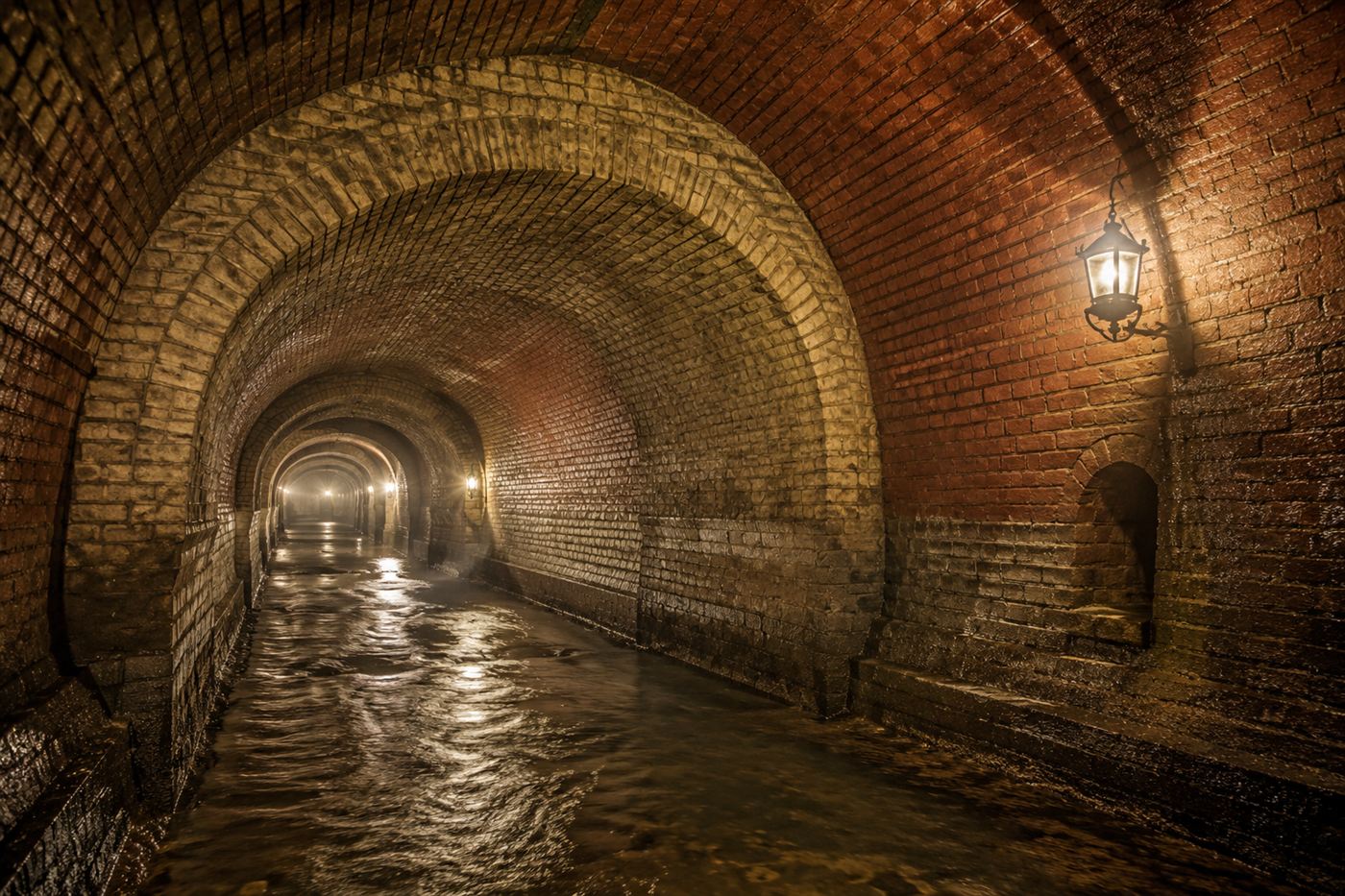
Washington was determined to finish his father's design, the same stubborn ambition that drove the Victorians who built London's great sewers in the same years.
The disease that came from below
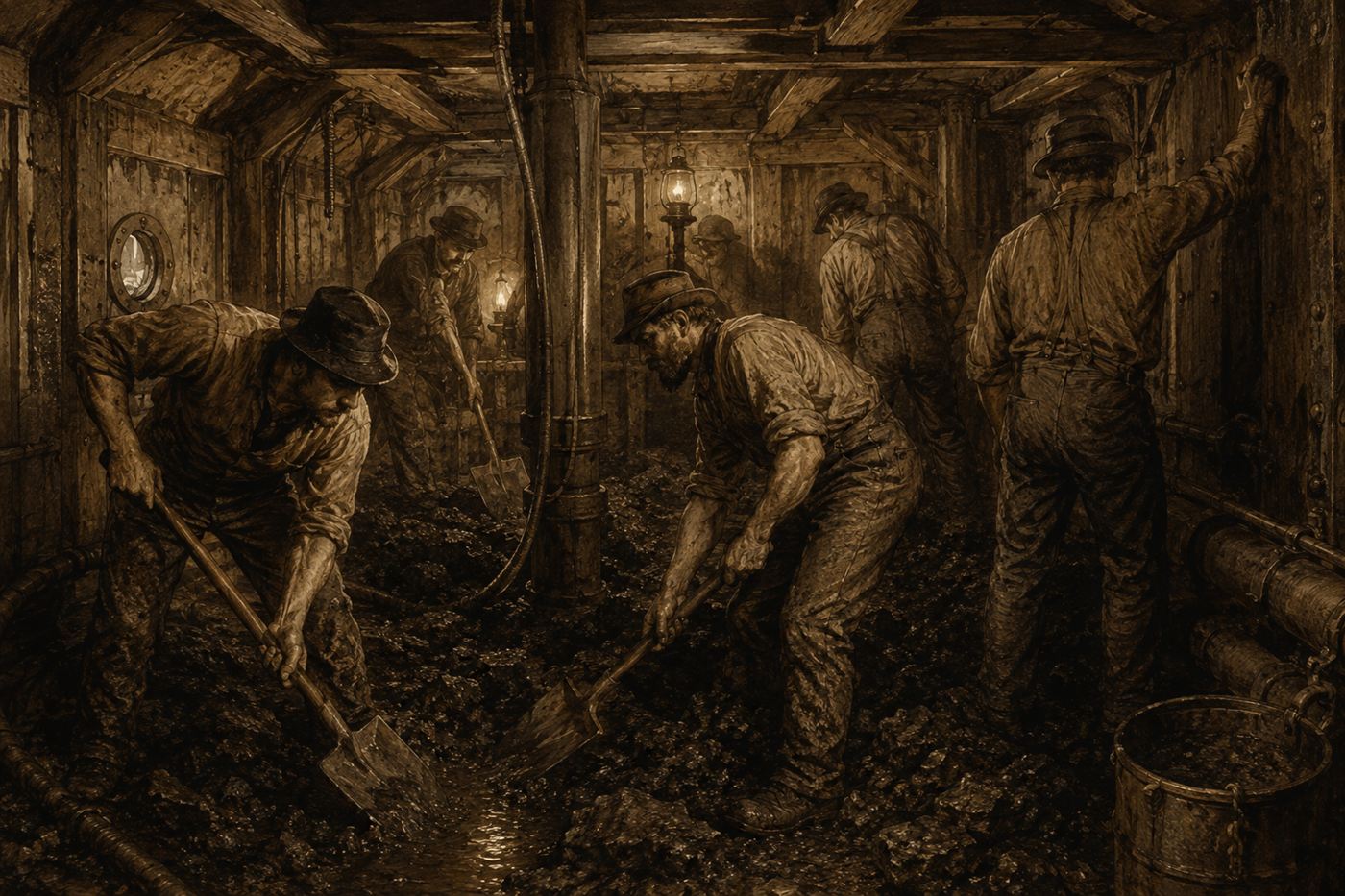
To found the towers, workers had to dig deep below the river inside giant timber boxes called caissons.
Inside them the air was kept under high pressure to hold back the water, and men who came back up too quickly fell desperately ill.
Washington Roebling drove himself down into the caissons again and again, and around 1872 his body gave out.
Partly paralysed, in constant pain and barely able to speak or write, he could no longer go anywhere near the bridge.
Emily Roebling steps in to save the Brooklyn Bridge
This is where Emily Warren Roebling changed the story.
With her husband confined to their home in Brooklyn Heights, she became his eyes, his voice and his hands on the project.
Day after day she carried his instructions to the site and brought back reports, while he watched the work through a telescope from his window.
For more than ten years, the person walking the half-built bridge and talking to the engineers was Emily Roebling.
More than a messenger
It would be easy to call her a go-between, but she was far more than that.
She dealt with the contractors, the suppliers and the city politicians who kept threatening to remove Washington as chief engineer.
She understood the work so thoroughly that many people simply assumed she was the real engineer behind the bridge.
When rivals tried to have her husband fired, Emily Roebling argued his case to the American Society of Civil Engineers and won.
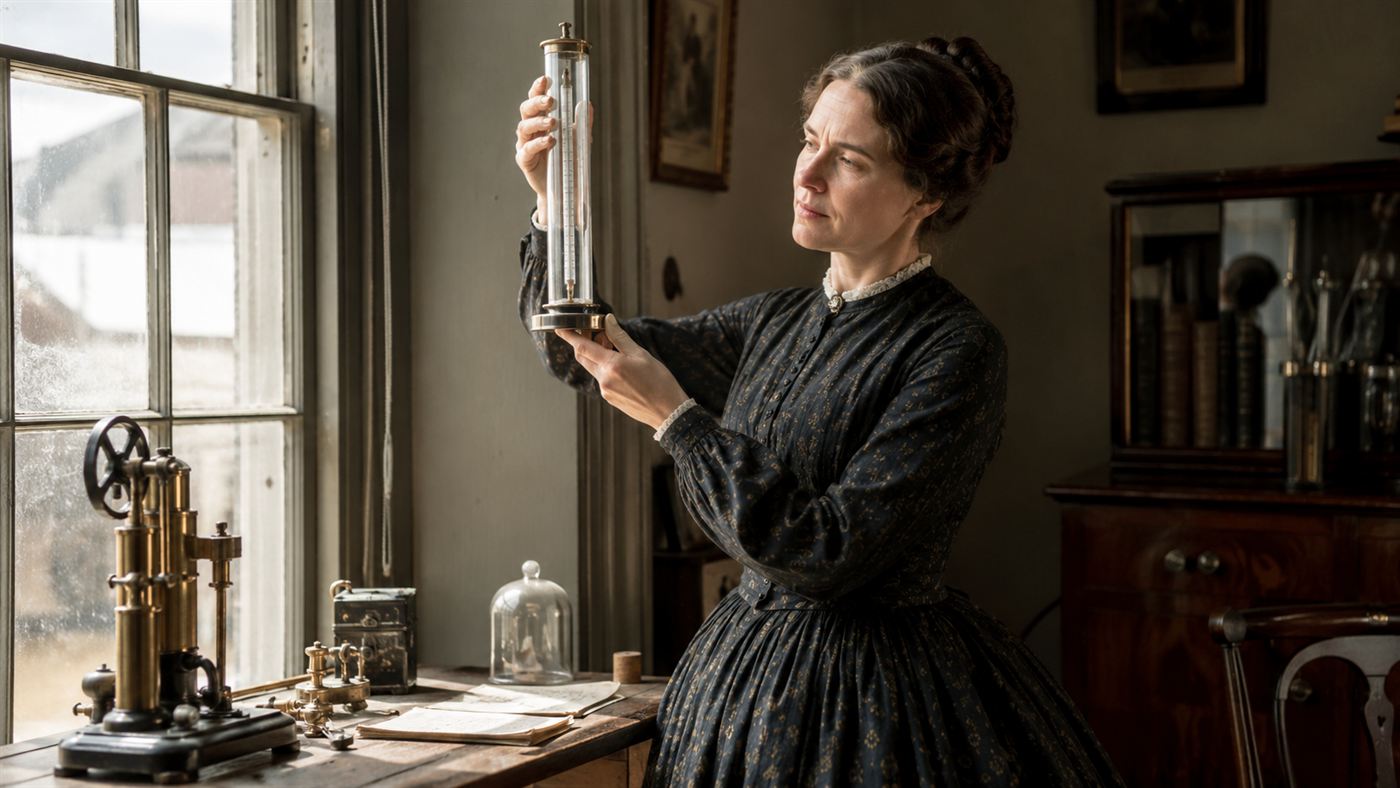
By the end she knew the bridge as intimately as anyone alive, a quiet expertise like that of the forgotten scientist Eunice Foote, written out of the story for a century.
The first to cross
The Brooklyn Bridge opened on 24 May 1883.
President Chester Arthur shook her hand at the celebration that followed.
A plaque on the bridge now remembers all three Roeblings, John, Washington and Emily, together.
More than a century on, her name is finally fixed to the bridge as firmly as its stone towers.
The honest catch
The story is genuinely inspiring, but it is worth handling with care.
Emily was never the official chief engineer, Washington kept the title and the design, and she always credited him as the engineer.
Exactly how much of the technical decision-making was hers rather than his is still debated by historians.
The bridge's true cost was also far higher than one family's suffering, because around twenty to thirty workers died building it, many from the very same caisson disease.
What is not in doubt is that without Emily Roebling holding the project together, the Brooklyn Bridge might never have been finished.
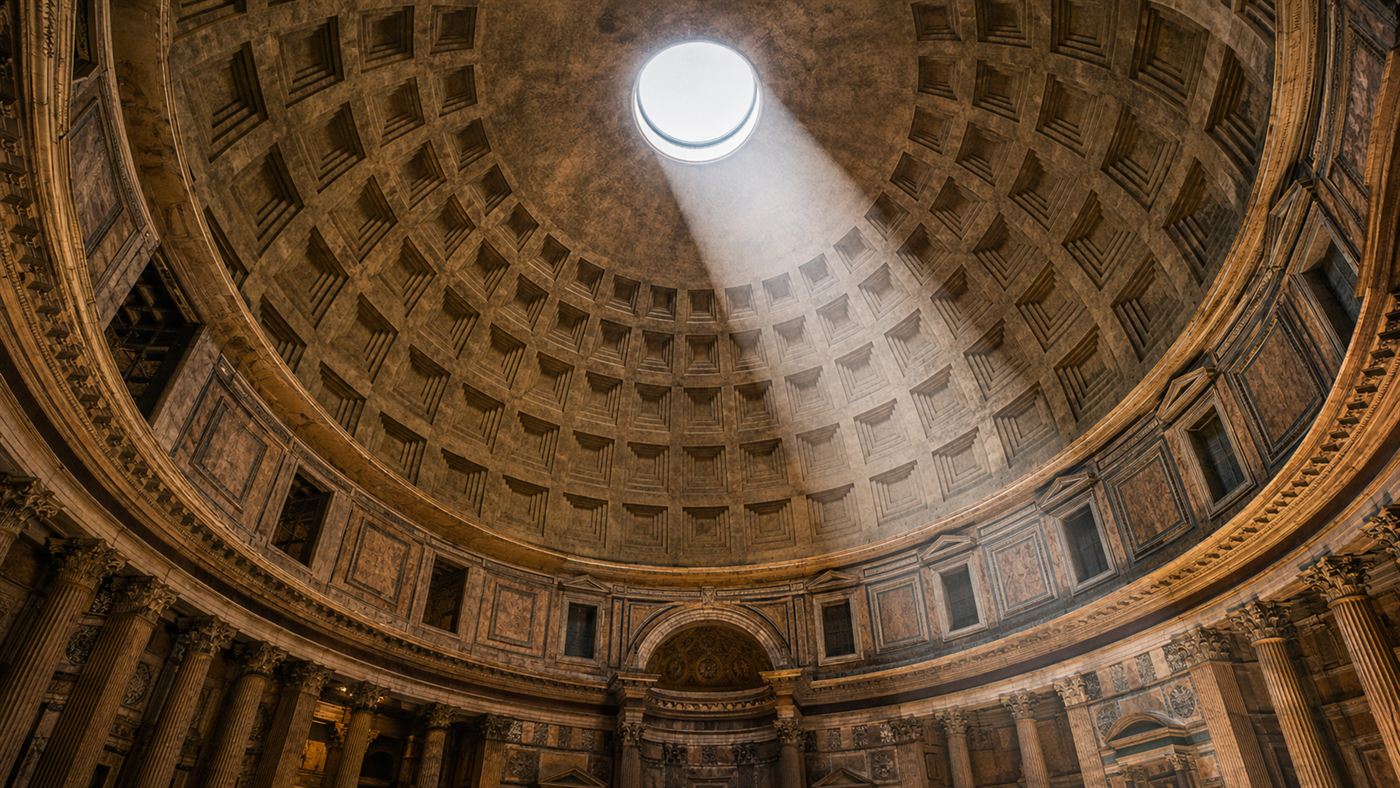
The Brooklyn Bridge still carries the city across the water, its towers as solid as the day they rose, built to last in the way the best ancient engineering still teaches us.
It stands as much for a woman who refused to let her husband's work collapse as for the engineers whose names came first.
Related reading: the Eads Bridge, whose caisson workers suffered the same terrible sickness.
The same is true of the Mohawk ironworkers who later bolted New York's skyline together, high above the river she helped bridge.
How many other people do you think held up the world's great achievements without ever getting their name on the plaque? Tell us in the comments.