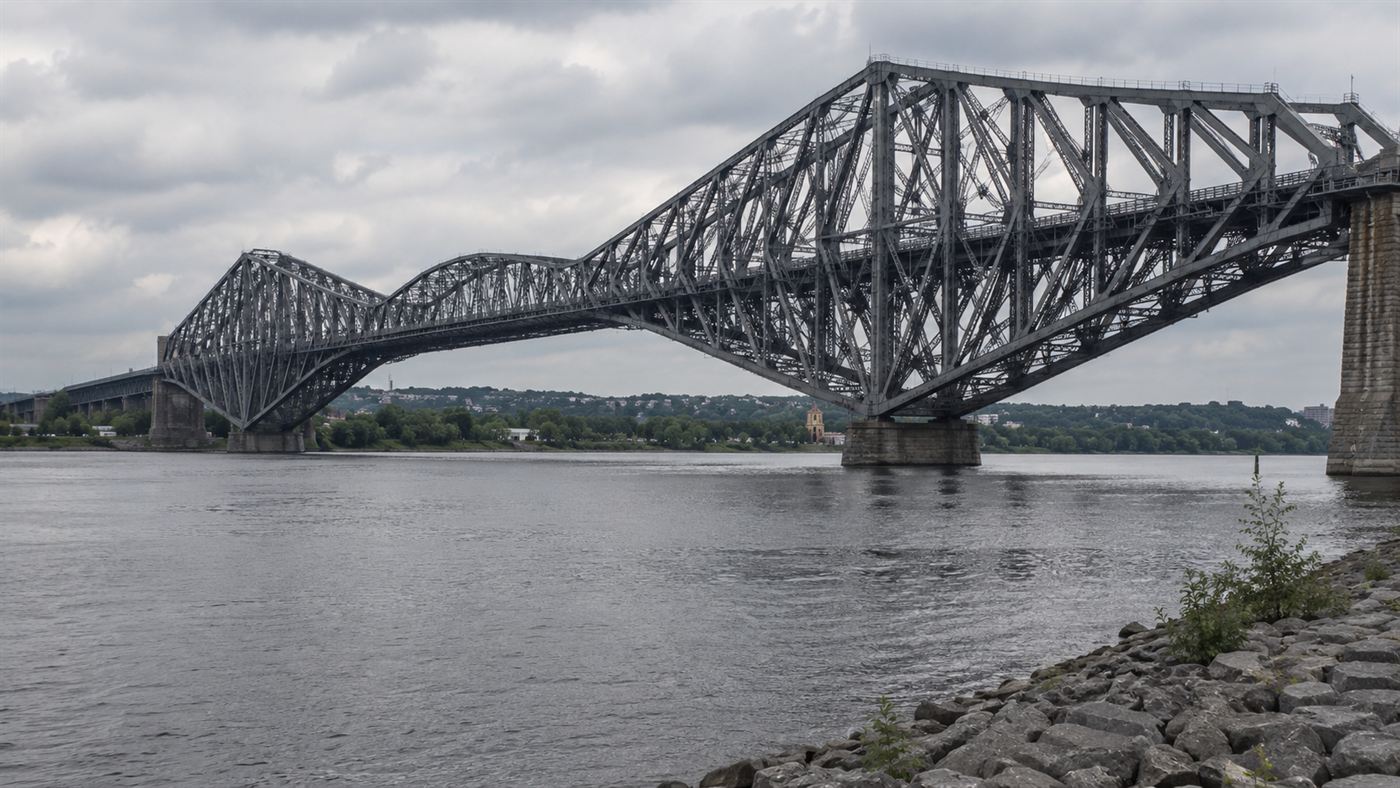
A net under the Golden Gate Bridge caught 19 falling men, who formed a club nobody wanted to join
In the 1930s, building a bridge was expected to kill people, roughly one worker for every million dollars spent. The men who built the Golden Gate decided to fight that grim arithmetic with a single radical idea strung beneath their feet. It saved nineteen lives, and the men it caught started a club you could only join by very nearly dying.
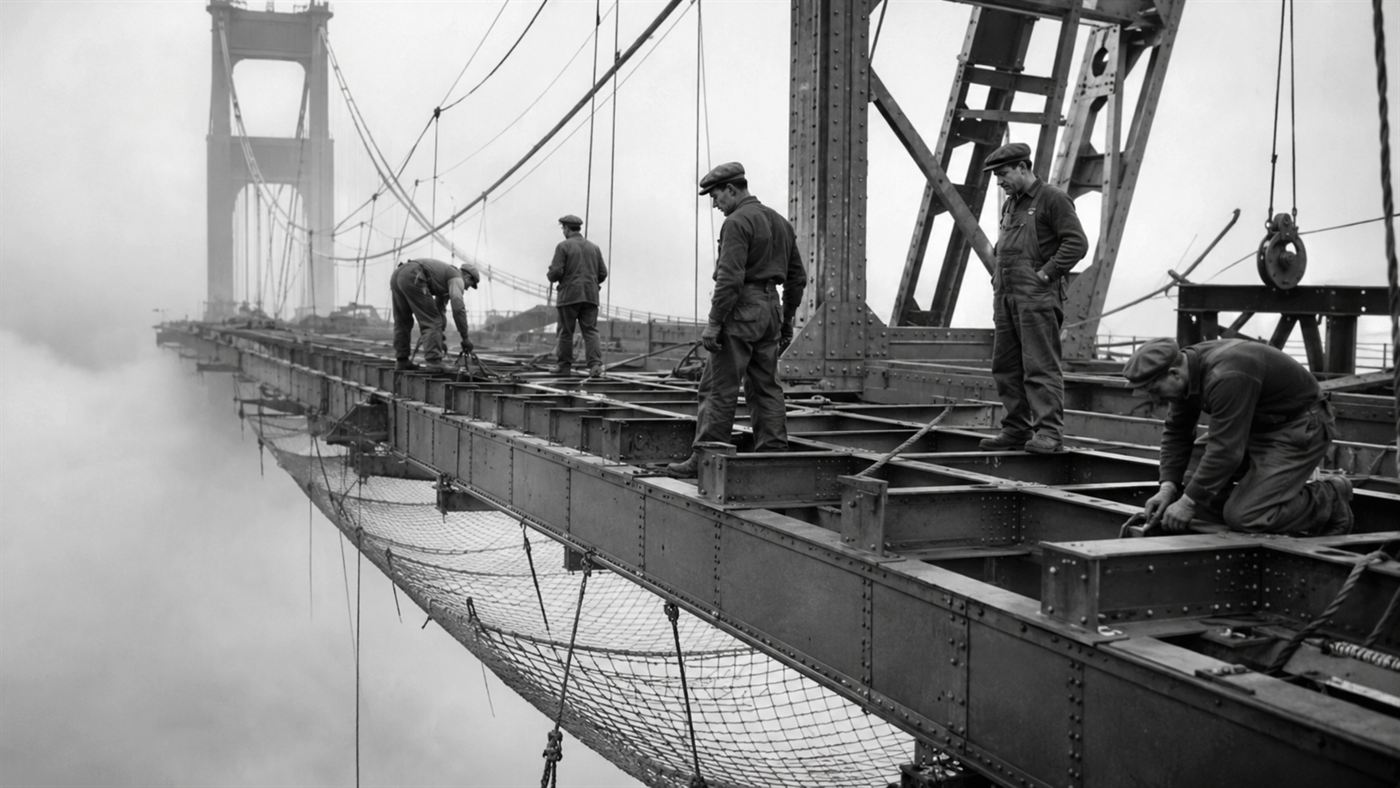
A manila net hung beneath the deck of the Golden Gate Bridge, the first of its kind on a major bridge. Illustration: Watts & Wild.
The Golden Gate Bridge rose across the mouth of San Francisco Bay between 1933 and 1937, in cold fog and brutal winds, at a moment when the rest of the country was sunk in the Great Depression. Its chief engineer, Joseph Strauss, knew that a job this dangerous would normally cost a long line of lives, and he set out to break that rule.
Strauss made hard hats mandatory when almost no one wore them, banned the daredevil showing-off that ironworkers loved, and fired men who turned up drunk. But his boldest move hung in the air below the bridge, a vast net that would either be a costly waste or the thing that sent workers home alive.
The net that changed bridge building
In 1936 the builders strung a safety net under the entire length of the deck, the first time anything like it had been used on a major bridge. It cost around $130,000, a huge sum then, and ran some 3,000 feet long, made of manila rope and hung below the men as they worked. For the first time, a worker who slipped did not simply fall to his death.
Over the months that followed, nineteen men plunged off the bridge and were caught by that net instead of the water far below. They gave themselves a darkly funny name, the Halfway to Hell Club, because each of them had fallen partway to a death the net snatched them back from. Nineteen families kept a father, a husband or a son because someone had dared to spend money on rope.
The day the net failed
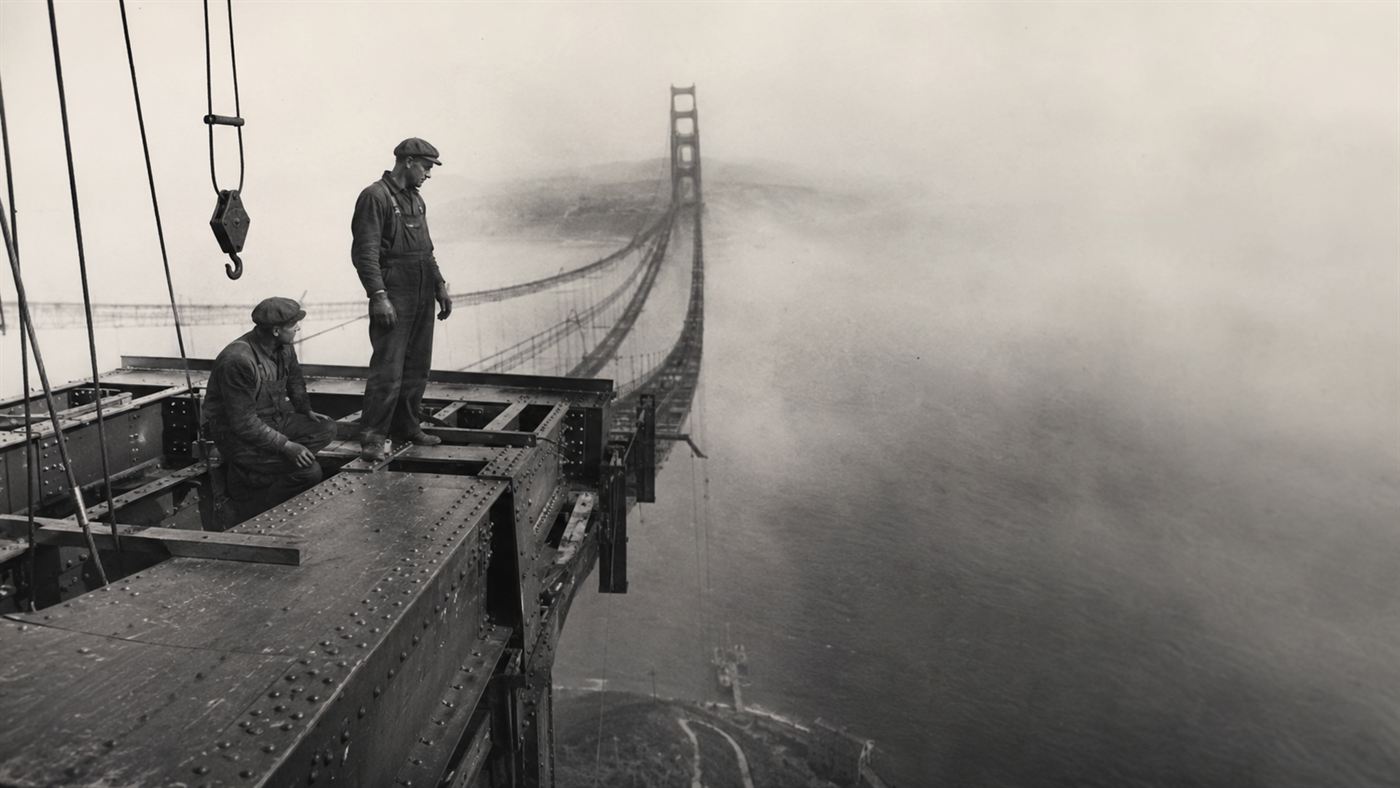
For most of the build, the safety measures worked almost miraculously. By early 1937 only a single man had died, against an expected toll of dozens, an almost unheard-of record for such a dangerous job. And then, on a February morning near the end, the luck ran out.
A heavy work platform tore loose above the net and crashed down into it, and the net could not hold the sudden weight. It ripped away from its fastenings and fell into the strait, carrying twelve men with it. Only two survived; ten were killed in seconds, the same net that had saved nineteen now taking most of the bridge's dead in a single accident. The final toll stood at eleven, still far below what the era expected, but bought at a terrible price.
The engineer written out of the Golden Gate Bridge
There is a second injustice folded into the story, and it has nothing to do with the net. Joseph Strauss is the name carved into the monuments and stamped on the statue at the bridge, but he was not the man who worked out how to make it stand. Much of the brutal structural mathematics was done by a quiet senior engineer named Charles Ellis, who calculated the bridge in obsessive detail.
Strauss, jealous of the credit, pushed Ellis out in 1931 and told him to take time off. Ellis kept working on the calculations anyway, unpaid, and Strauss then largely erased him from the official history of the bridge. It took until 2007, decades after both men were dead, for the bridge district to formally acknowledge that Charles Ellis was the true engineer of the Golden Gate.
The honest catch
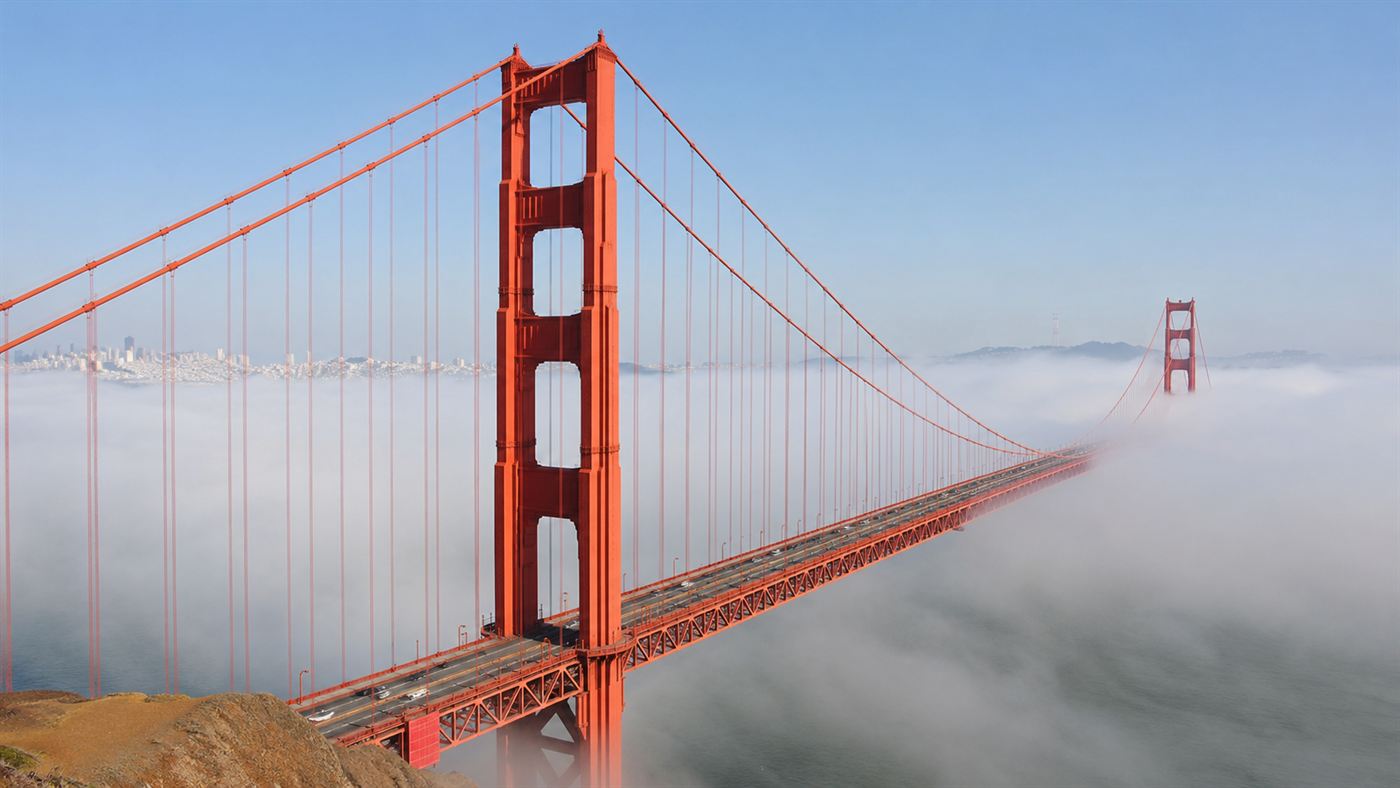
It would be easy to tell this as a simple triumph, and mostly it was. The bridge opened in May 1937, held the record for the longest suspension span in the world for nearly thirty years, and its safety net became standard practice that has saved countless lives since. But the full story is more tangled. The net both saved nineteen and, in failing once, accounted for most of the deaths, and the man who got the glory was not the man who did the hardest thinking.
There is one more turn, a sombre one. In the decades after it opened, the Golden Gate became one of the most used suicide spots on Earth, and for years officials argued over whether to add a barrier. Only recently was a new steel net finally hung beneath the bridge to catch people once more, an echo of 1936 returning almost a century later. The same simple idea, that you can build something to catch a falling human being, has had to be learned twice.
A length of rope strung under a bridge saved nineteen lives, failed once at a terrible cost, and quietly changed how the world builds. Should the men who do the dangerous work, and the engineer who did the maths, get the statue instead of the boss? Tell us what you think in the comments.
Related reading: Emily Roebling, the woman who secretly ran the building of the Brooklyn Bridge.