In 1858 the Thames became an open sewer so foul that Parliament nearly fled, so Joseph Bazalgette built London a sewer system twice as big as it needed, and it lasted 160 years
In the summer of 1858 the Thames became a stinking open sewer, and the Great Stink finally forced London to act. The engineer Joseph Bazalgette answered with a network of sewers so deliberately oversized that it carried the city for 160 years and all but wiped out cholera.
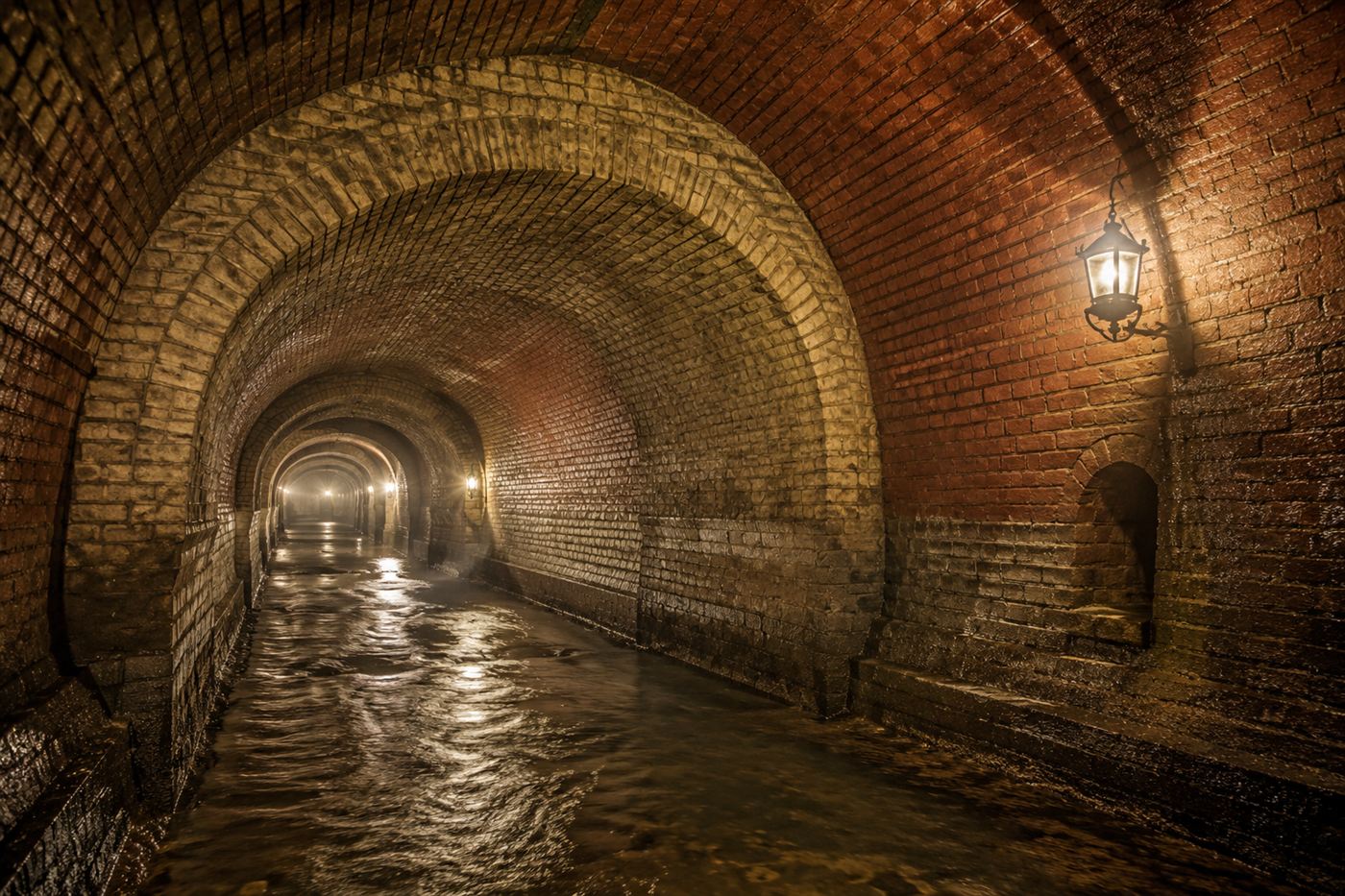
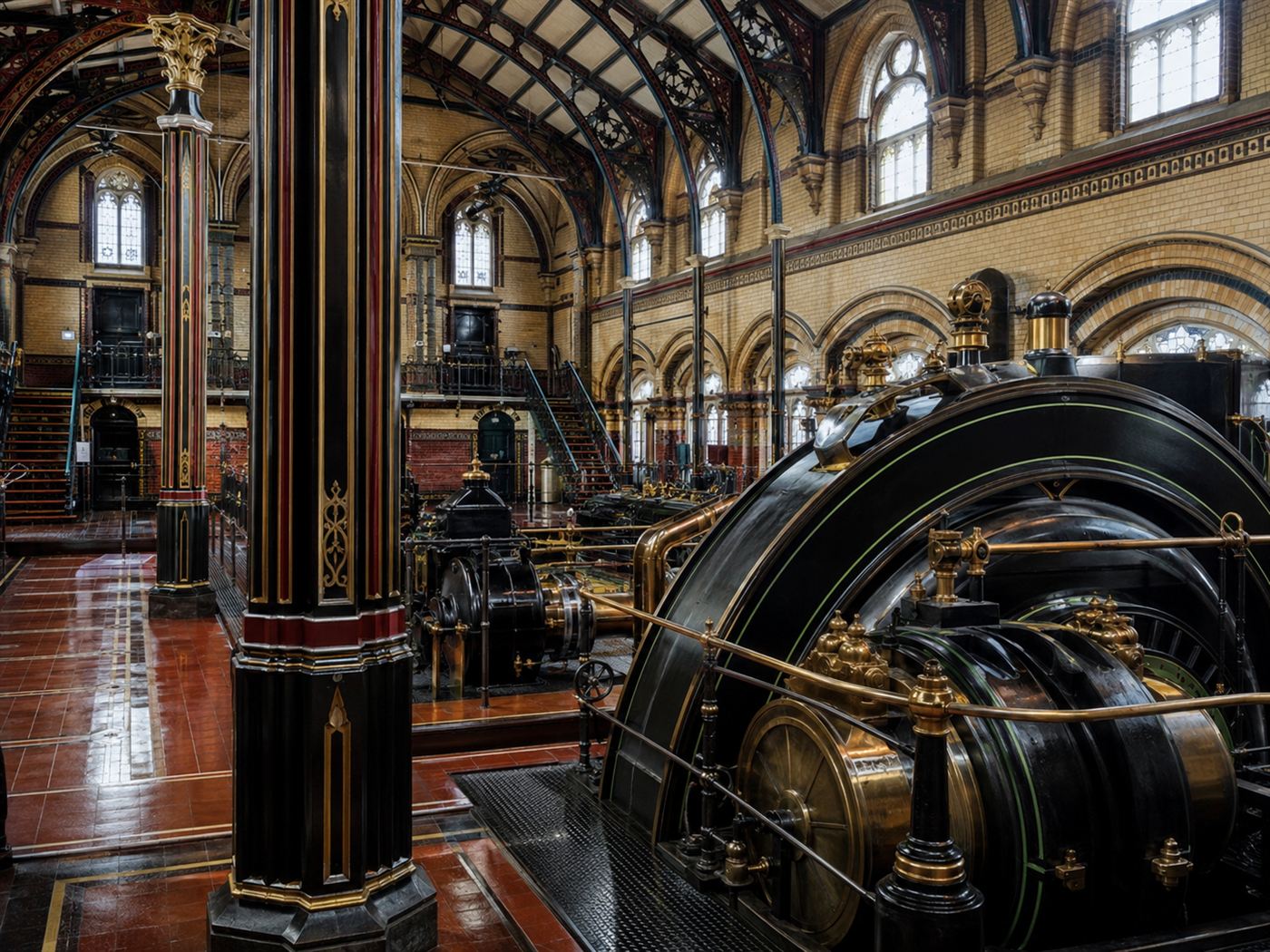
Bazalgette's brick sewers still carry much of London a century and a half later. Illustration: Watts & Wild.
In the hot summer of 1858, the River Thames stopped behaving like a river and turned into something closer to an open drain. Decades of raw sewage had thickened it into a slow, reeking soup, and that June the smell grew so unbearable that members of Parliament, sitting right beside it, soaked the curtains in chemicals and seriously discussed abandoning Westminster. They called it the Great Stink, and it forced the city to build the Bazalgette London sewers that still run beneath the streets today.
The man who fixed it was Joseph Bazalgette, chief engineer of London's Metropolitan Board of Works. His answer was one of the boldest pieces of public engineering of the century, more than 1,800 kilometers of sewers feeding huge brick tunnels that ran along the river and swept the filth far downstream. And he made one decision that turned out to be quietly genius.
Joseph Bazalgette was the Victorian engineer who built London's modern sewer system after the Great Stink of 1858. He designed enclosed brick sewers and riverside embankments that carried waste downstream, which all but ended cholera in the city. He deliberately doubled the size of the pipes, and the system lasted about 160 years, until the Thames Tideway super sewer.
What was the Great Stink?
By the 1850s London was the biggest city on Earth, and all of its waste ended up in the Thames.
Flush toilets were spreading fast, but they emptied into cesspits and drains that simply ran into the river that the city also drank from.
Politicians who had ignored the problem for years suddenly cared, because now it was in their own chamber.
Within weeks they had pushed through the money and the powers to fix the sewers for good, and they handed the job to him.
The engineer who built it twice as big
His plan was to stop the sewage ever reaching the central Thames in the first place.
He laid a set of giant intercepting sewers running parallel to the river, catching the waste before it could pour in and carrying it miles downstream to be released on the outgoing tide.
To bury the biggest of them he reclaimed the muddy edges of the Thames itself, building the Victoria, Albert and Chelsea Embankments, which hid the sewers, created grand new riverside roads, and even made room for the underground railway.
Then came the decision that made him famous among engineers.
As Wikipedia notes, after calculating the pipe diameter London would need, Bazalgette doubled it, reasoning that the works would only be built once and that the unforeseen always happens.
It was the same build-to-last instinct the Romans had taken even further, with a concrete that survives 2,000 years.
That one extra margin is why a system designed for a Victorian city kept working for a London many times larger.
How the sewers beat cholera
The human payoff was enormous, because London had been ravaged again and again by cholera.
Outbreaks in the 1830s, 1840s and 1850s had killed tens of thousands, and once Bazalgette's enclosed sewers carried the waste out of the drinking water, the disease all but vanished from the city.
There is a strange twist in this, because the engineer was acting on the wrong theory.
Like most of his era he blamed disease on miasma, bad air from the stench, rather than on contaminated water, even though the doctor John Snow had already traced an 1854 outbreak to a single polluted water pump.
By attacking the smell, Bazalgette accidentally fixed the real problem, the water, the same kind of invisible public-health rescue that India learned about the hard way when its vultures vanished.
He got the right answer for the wrong reason, and millions of people lived because of it.
The hidden city the Bazalgette London sewers left behind
Most Londoners walk over Bazalgette's work every day without knowing it.
His embankments are now some of the city's most famous riverside streets, and his sewers still form the backbone of London's drainage.
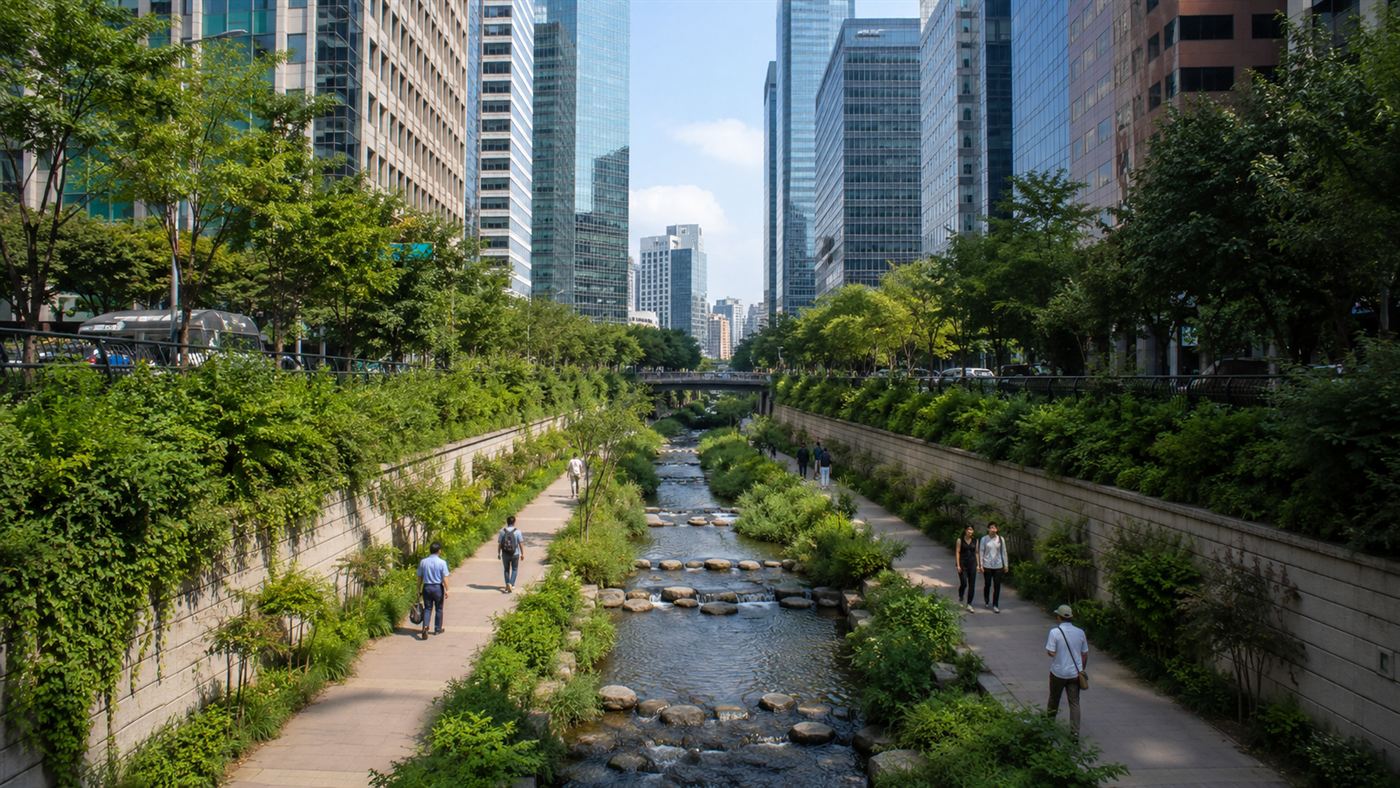
It is the same buried-engineering trick as Seoul's daylighted river, only in reverse, hiding the infrastructure so the city above can breathe.
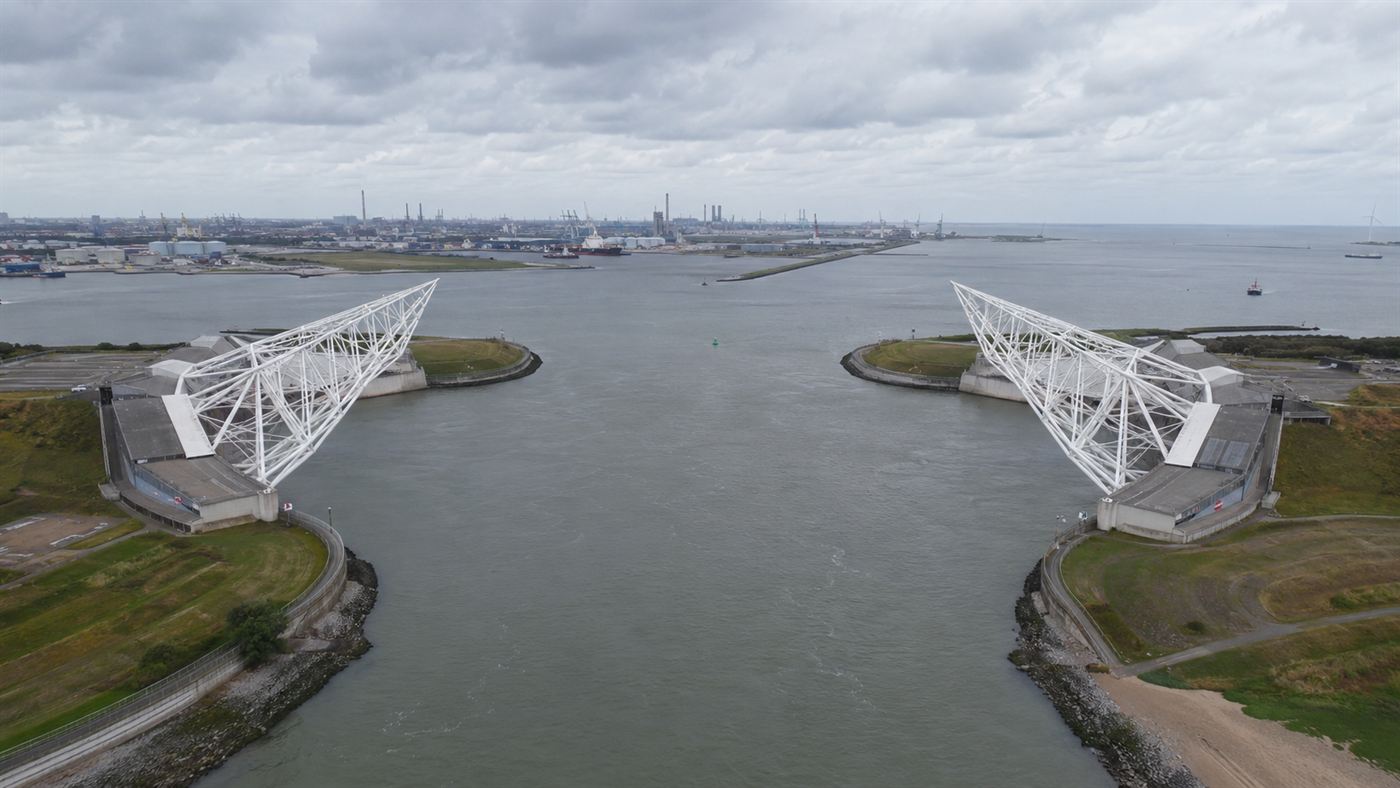
For most of two centuries that hidden network simply did its job, ignored and indestructible, in the same quiet way as the great water defenses of the Dutch coast.
A Victorian engineer had, in effect, future-proofed a capital city.
Why did London need a new super sewer?
The catch is that even doubling was not forever.
London has grown from around two million people in Bazalgette's day to nearly nine million, and his sewers carry both sewage and rainwater in the same pipes.
When it rains hard the combined flow overwhelms the system, and to stop it backing up into homes the network is designed to spill the overflow straight into the Thames, tens of millions of tonnes of it a year.
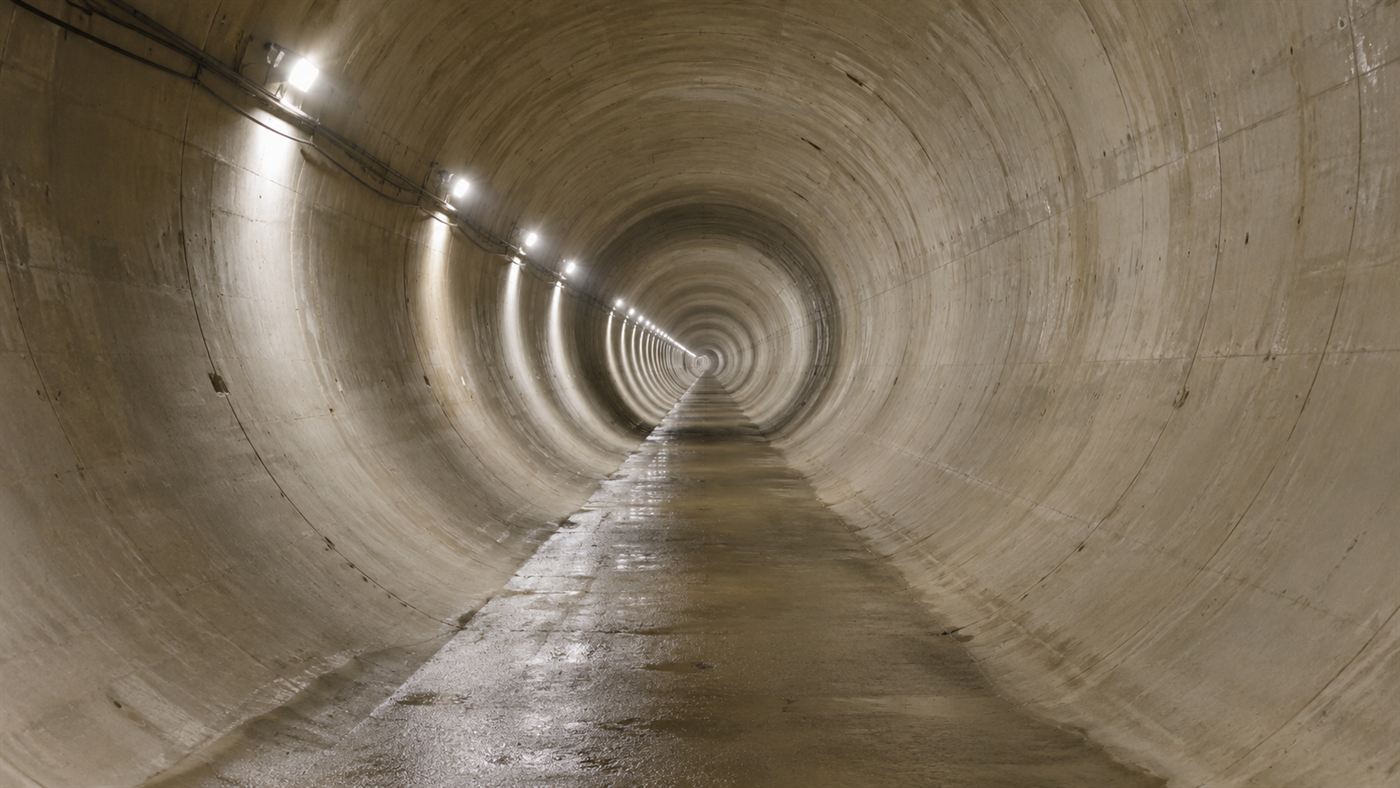
That is why London built the Thames Tideway Tunnel, a 25 kilometer, 7 meter-wide super sewer running deep beneath the river, begun in 2016 and brought into full operation by 2025.
It catches the overflows that the old system now dumps, and fittingly one of the project's champions has been Sir Peter Bazalgette, his great-great-grandson.
The honest catch
The new tunnel is not a free or perfect fix.
The Thames Tideway cost around 4.5 billion pounds, much of it passed on to Londoners through their water bills.
It also does not replace Bazalgette's combined sewers, it just stops the worst of their overflows, so the Victorian system is still doing the heavy lifting underneath.
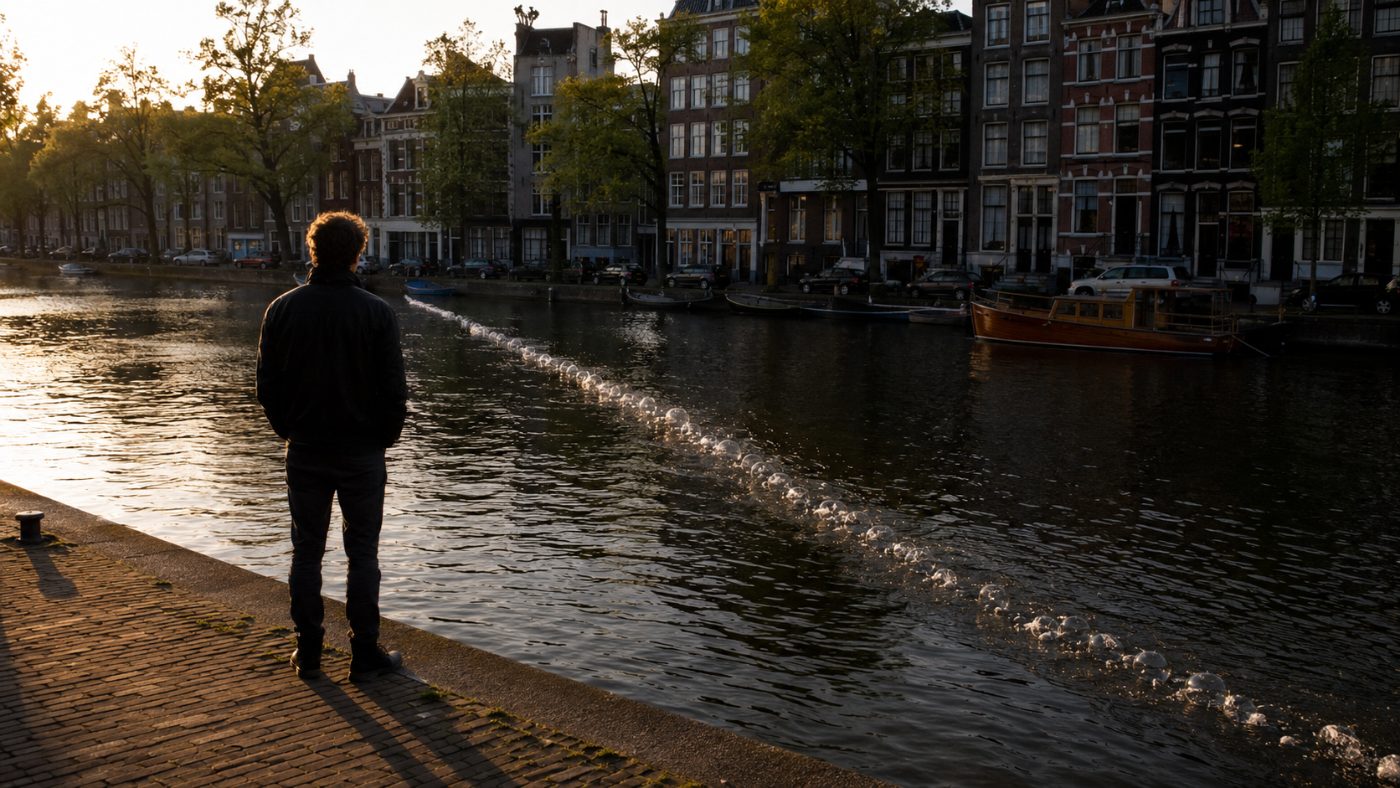
And cleaner overflows do nothing about the farm runoff and floating waste that still foul the wider river, the kind of litter that Amsterdam's bubble barrier traps downstream.
There is even a humbling lesson buried in the praise, because the only reason the problem returned at all is that the city kept growing past every line anyone drew.
Bazalgette doubled his pipes and bought 160 years, which may be about the most any engineer can honestly promise.
The story of London's sewers is really a story about one engineer who refused to build for only the city in front of him.
Joseph Bazalgette guessed at a future he could not see, doubled his numbers to meet it, and gave a capital a century and a half of clean water it never thanked him for.
Should the things we build today, our grids and tunnels and defenses, be deliberately over-built for a future we cannot predict, even when it costs far more now? Tell us in the comments.