The skyscrapers and bridges of New York were raised by Mohawk ironworkers from a reserve near Montreal, men who walked steel beams hundreds of metres up as if on a sidewalk
Some of the most famous buildings on Earth, from the Empire State to the Chrysler, were bolted together high in the air by Mohawk ironworkers. For more than a century, men from the Kahnawake reserve near Montreal have walked the high steel, carrying a dangerous, proud tradition down through the family.
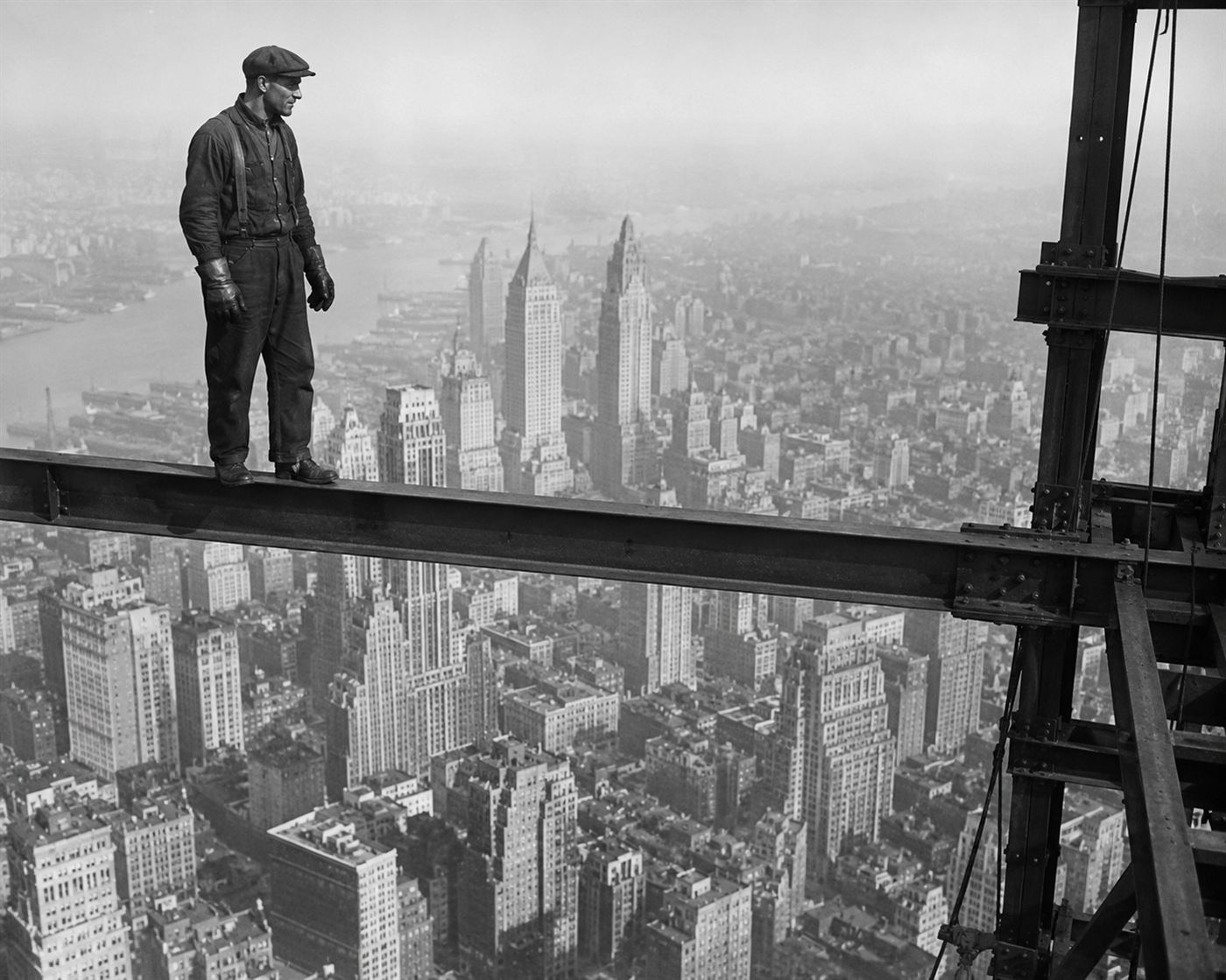
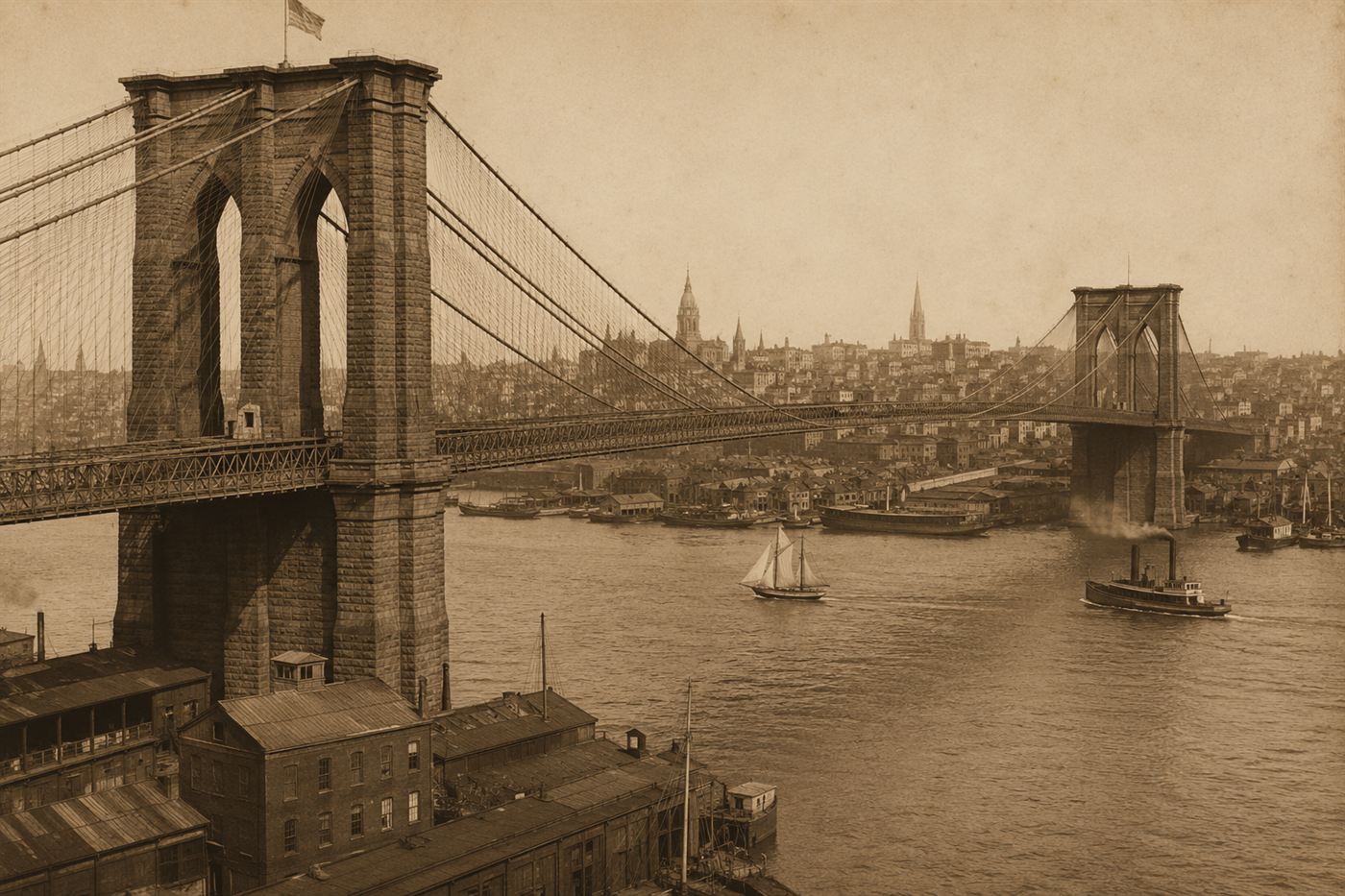
For generations, ironworkers walked the high steel above New York. Illustration: Watts & Wild.
Stand at the foot of the Empire State Building, or the Chrysler, or almost any great bridge in North America, and you are looking at something that Mohawk hands helped raise. For well over a hundred years, Mohawk ironworkers from a few small communities near Montreal have built the continent's skylines, walking narrow steel beams hundreds of metres above the ground.
They became known as the skywalkers. It is a beautiful name, wrapped in a myth that the men themselves are quick to correct, and the real story is better than the legend.
Mohawk ironworkers are members of the Mohawk nation, mainly from Kahnawake and Akwesasne, who have specialised in high-steel construction since the 1880s. They helped build landmarks including the Empire State Building, the Chrysler Building and the George Washington Bridge, and the trade has been passed down through families for generations.
How it began, on a bridge
The story starts in 1886, on a bridge.
A railway bridge was going up across the St. Lawrence River, on land belonging to the Mohawk community of Kahnawake, near Montreal.
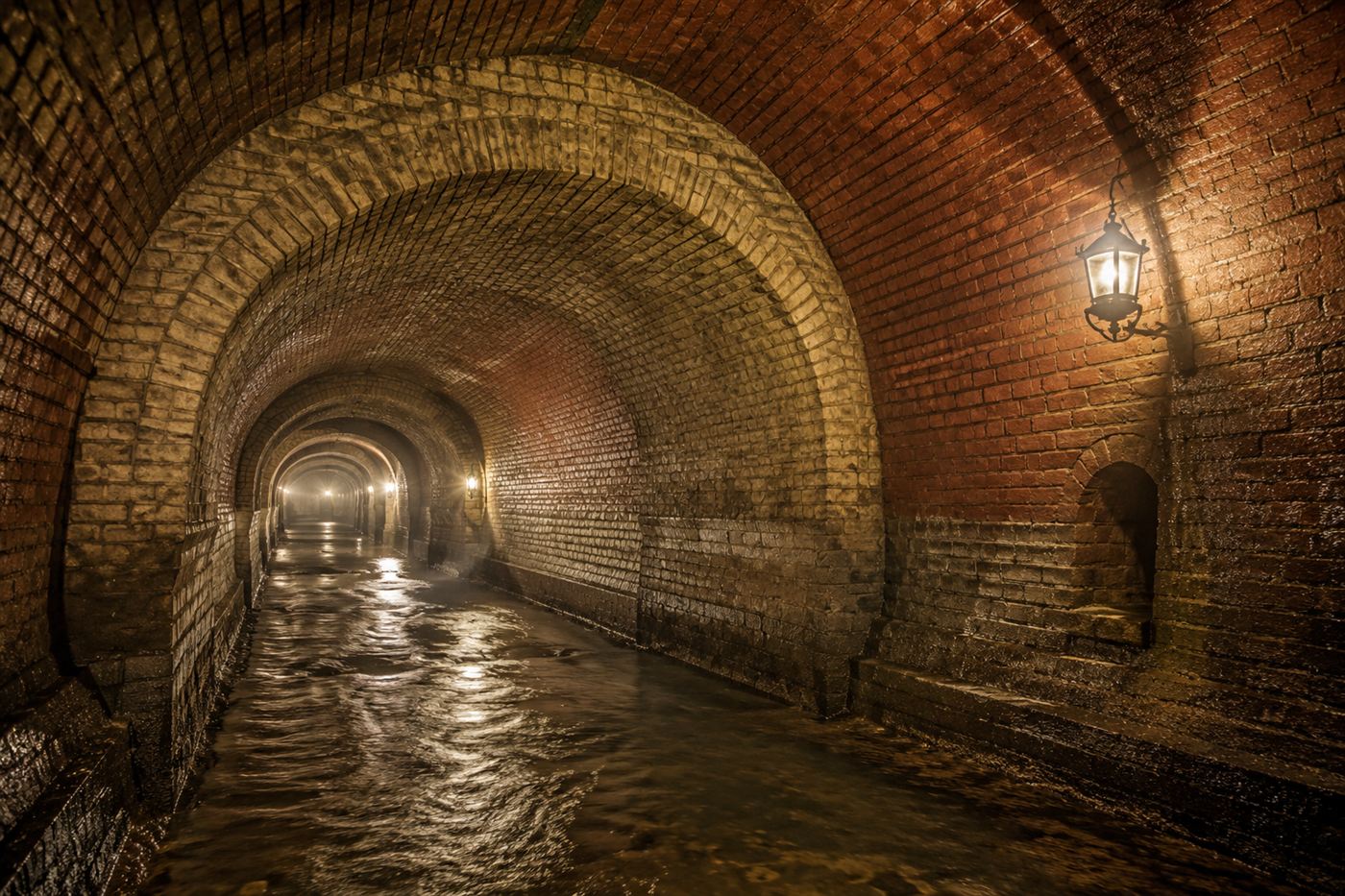
The company hired local Mohawk men as day labourers, but they kept climbing the structure to watch the riveting gangs at work, the same age of bold public works that gave London its great Victorian sewers.
They showed a quick grasp of the trade and an ease on the steel that startled the foremen.
Before long they were being trained as ironworkers, and a tradition was born.
Mohawk ironworkers raising the skyline of New York
Over the following decades, Mohawk ironworkers spread right across North America.
Riveting gangs from Kahnawake and Akwesasne worked the frames of bridges and towers from Montreal to Chicago to San Francisco.
In New York they helped raise the Empire State Building, the Chrysler Building, Rockefeller Center and the George Washington Bridge. Their steelwork was tested in the most dramatic way when a bomber flew into the Empire State Building in 1945 and the frame held.
They were building the modern city just as its Brooklyn Bridge had risen a generation before them.
Later crews worked on the World Trade Center, and after 2001 some came back to help take down the ruins of the towers they had helped put up.
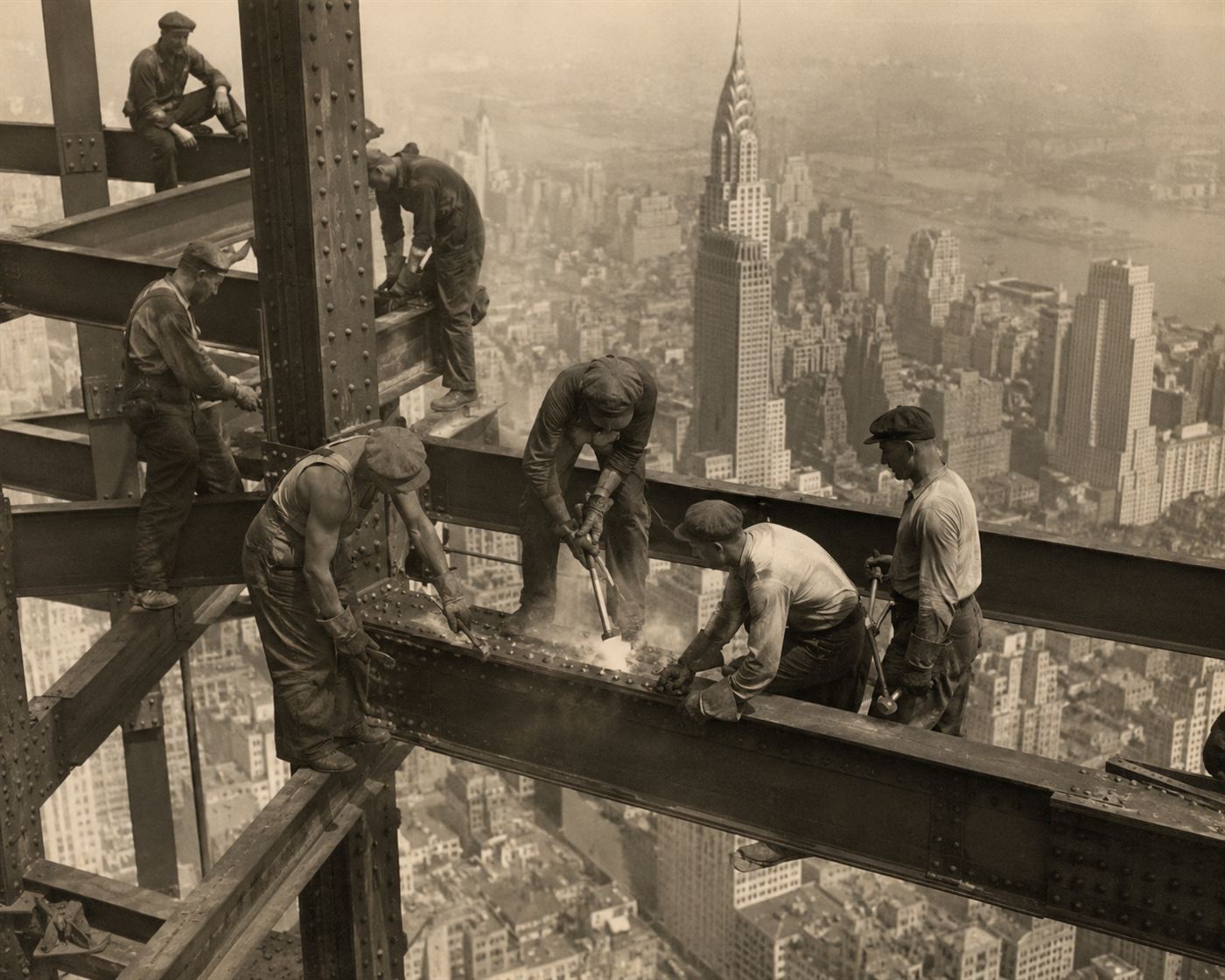
Booming out to Brooklyn
The work meant long stretches far from home.
Within a generation, several hundred Mohawk people lived there, with a bar, a church holding services in their own language, and gangs heading out to the job each week.
They kept their community and their language alive in the middle of the very city they were building.
The steel paid the bills, but the reserve back in Canada always remained home.
The Quebec Bridge disaster
That pride came at a terrible price.
Thirty-three of the dead were Mohawk men from Kahnawake, close to an entire generation of the community's ironworkers.
It left around two dozen widows and scores of children, and back home the graves were marked with crosses cut from steel girders.
After that, the women of Kahnawake insisted the men never again all work the same bridge at once, so that no single accident could ever take so many of them.
Walking the high steel
What made them so good at the work was never a lack of fear.
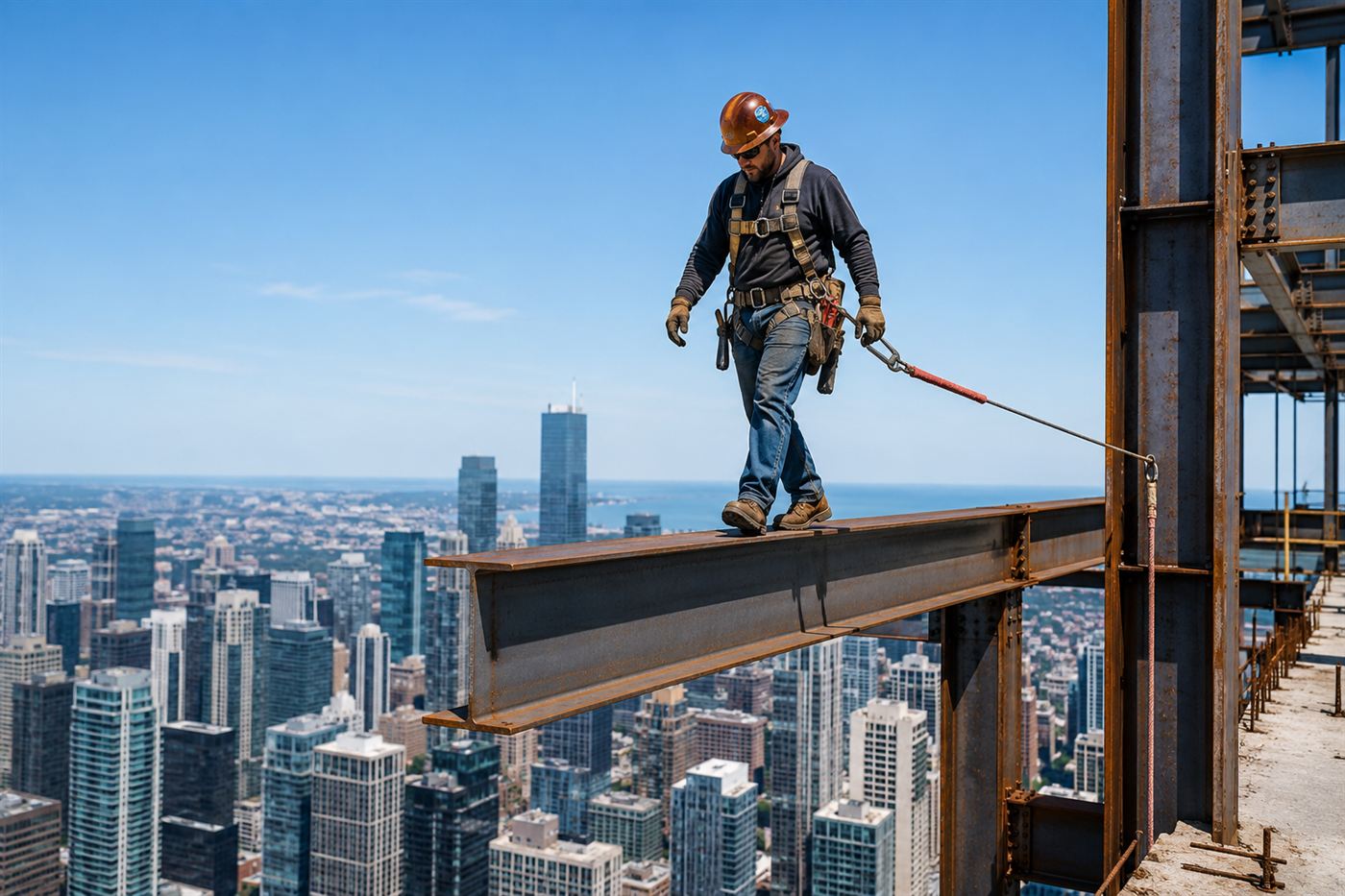
The popular claim that Mohawks feel no fear of heights is a myth, and the ironworkers themselves reject it.
What they had instead was skill, training, balance and a hard-won calm, passed carefully from father to son and uncle to nephew.
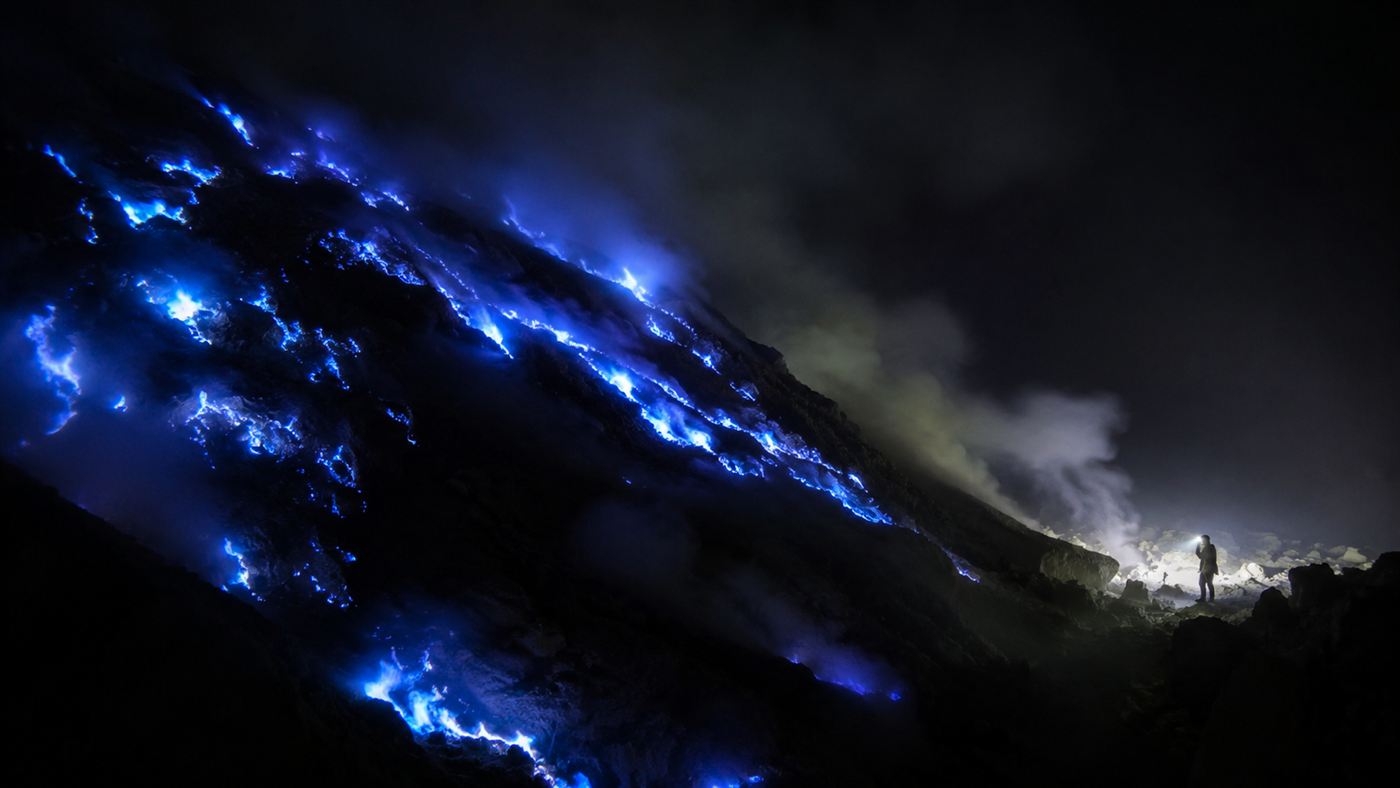
It was dangerous, exhausting work, far more so than any tidy legend allows, closer in its risk to the sulfur miners of Kawah Ijen than to a circus act.
They walked the steel because they were superb at it and proud of it, not because they could not fall.
The honest catch
It is easy to flatten all this into a romantic legend, and that does the Mohawk no favours.
The image of the fearless Indian strips away the years of training and treats hard-earned skill as something mystical.
The work was genuinely perilous, the 1907 disaster was a real tragedy, and the men took it on partly because steady jobs were scarce on the reserve.
Today far fewer Mohawk ironworkers walk the high steel than once did, as the trade and the economy have shifted around them.
What lasts is not a myth but a solid, hard-won legacy bolted into the skylines of a continent.
Look up at the Manhattan skyline, or at countless bridges across North America, and you are looking at the work of Mohawk ironworkers.
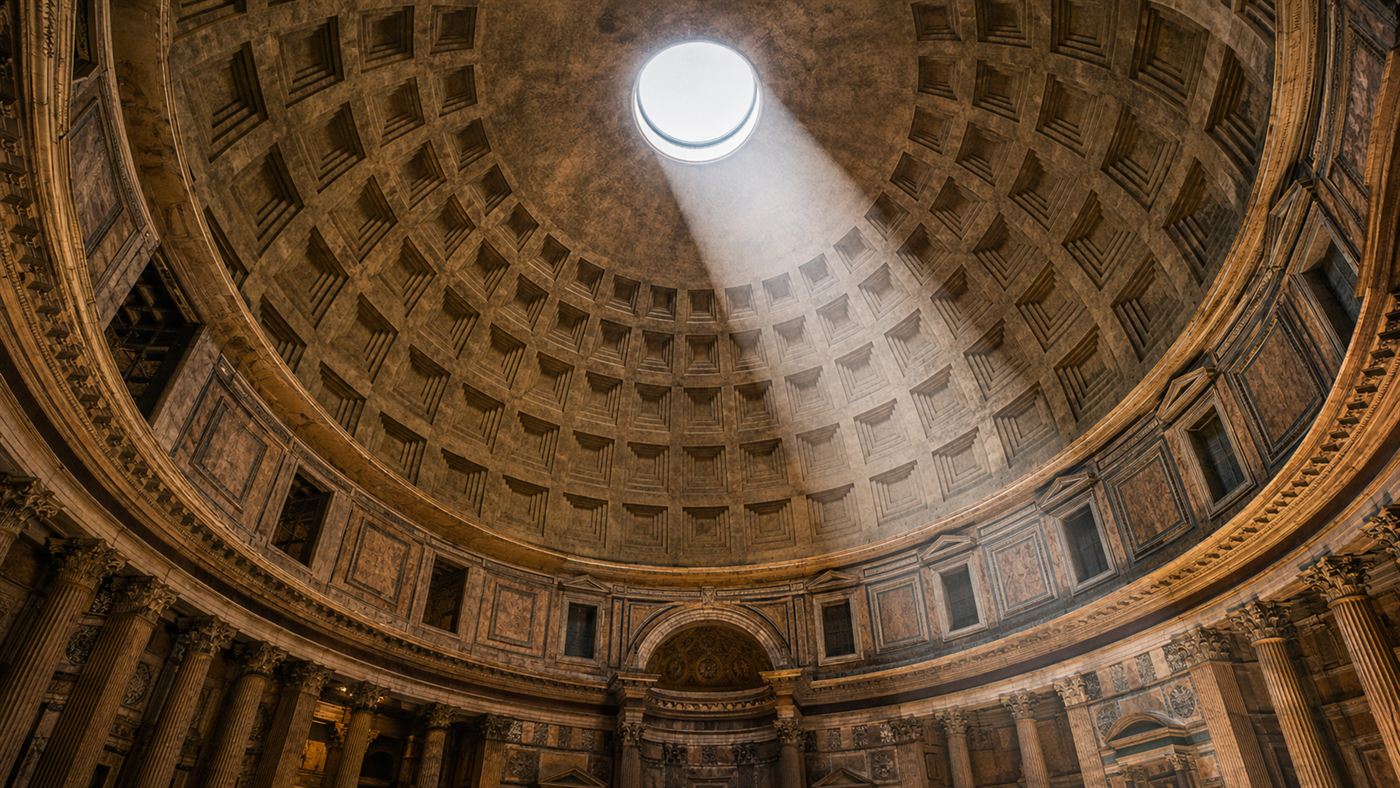
A people pushed to the margins of the continent ended up holding its tallest structures together, beam by beam and generation by generation, in a way built to last like the best ancient engineering.
How many of the landmarks you admire do you think were built by people whose names history never bothered to record? Tell us in the comments.