The largest ship ever built was a famous flop, until it found its purpose laying the cable that shrank the Atlantic from ten days to a few minutes
For most of human history, a message from London reached New York no faster than a ship could sail, about ten days. Then in 1866 a giant, unloved steamship dragged a transatlantic cable across the seabed, and for the first time the two sides of the ocean could speak in minutes.
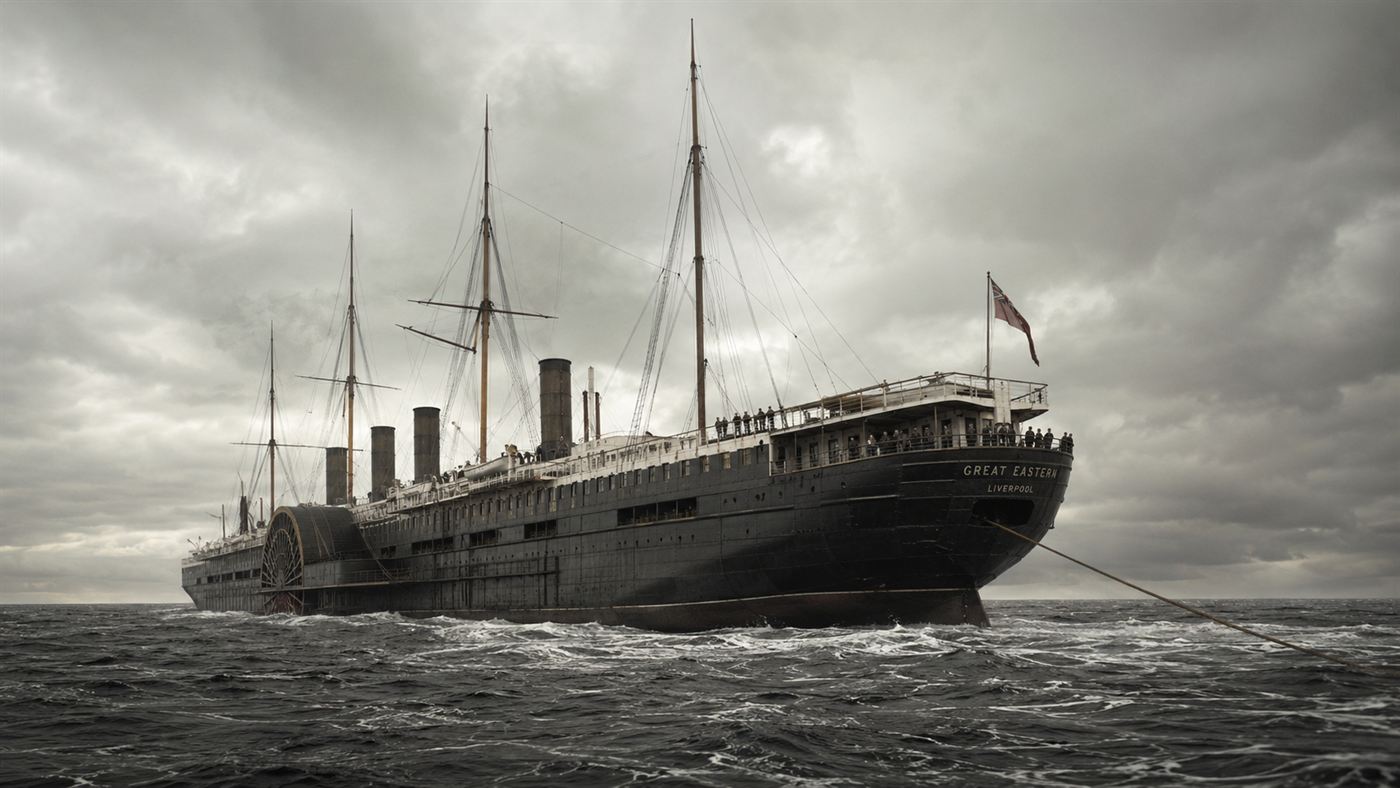
The SS Great Eastern paying cable into the Atlantic. Illustration: Watts & Wild.
The whole thing was driven by a man who had no business attempting it. Cyrus West Field was a retired New York paper merchant, not a scientist or a sailor, but he caught the idea that a telegraph wire could be laid along the floor of the Atlantic and became unable to let it go. In 1856 he founded the Atlantic Telegraph Company and set out to connect two continents that had never exchanged a message faster than the wind.
It did not go well at first. The early attempts read like a catalogue of disasters. In 1857 the cable snapped within a day of leaving Ireland and sank into deep water. Field simply raised more money and tried again.
The merchant who would not quit
In 1858 it briefly looked like triumph. The cable was completed, and Queen Victoria and President James Buchanan exchanged messages across the ocean for the first time, setting off celebrations and fireworks on both sides. But the victory was hollow. As the Science Museum recounts, that first royal message of around 98 words took some 16 hours to send, and within weeks the cable fell silent for good, its insulation destroyed after an electrician pushed too much voltage through it to speed things up.
For Field it was close to ruin. The collapse, so soon after the public rejoicing, led some to whisper that the whole thing had been a stock-market hoax. He had poured years and fortunes into a dead wire on the bottom of the sea, and he kept going anyway. It would take him the best part of a decade and several more attempts before the line stayed alive.
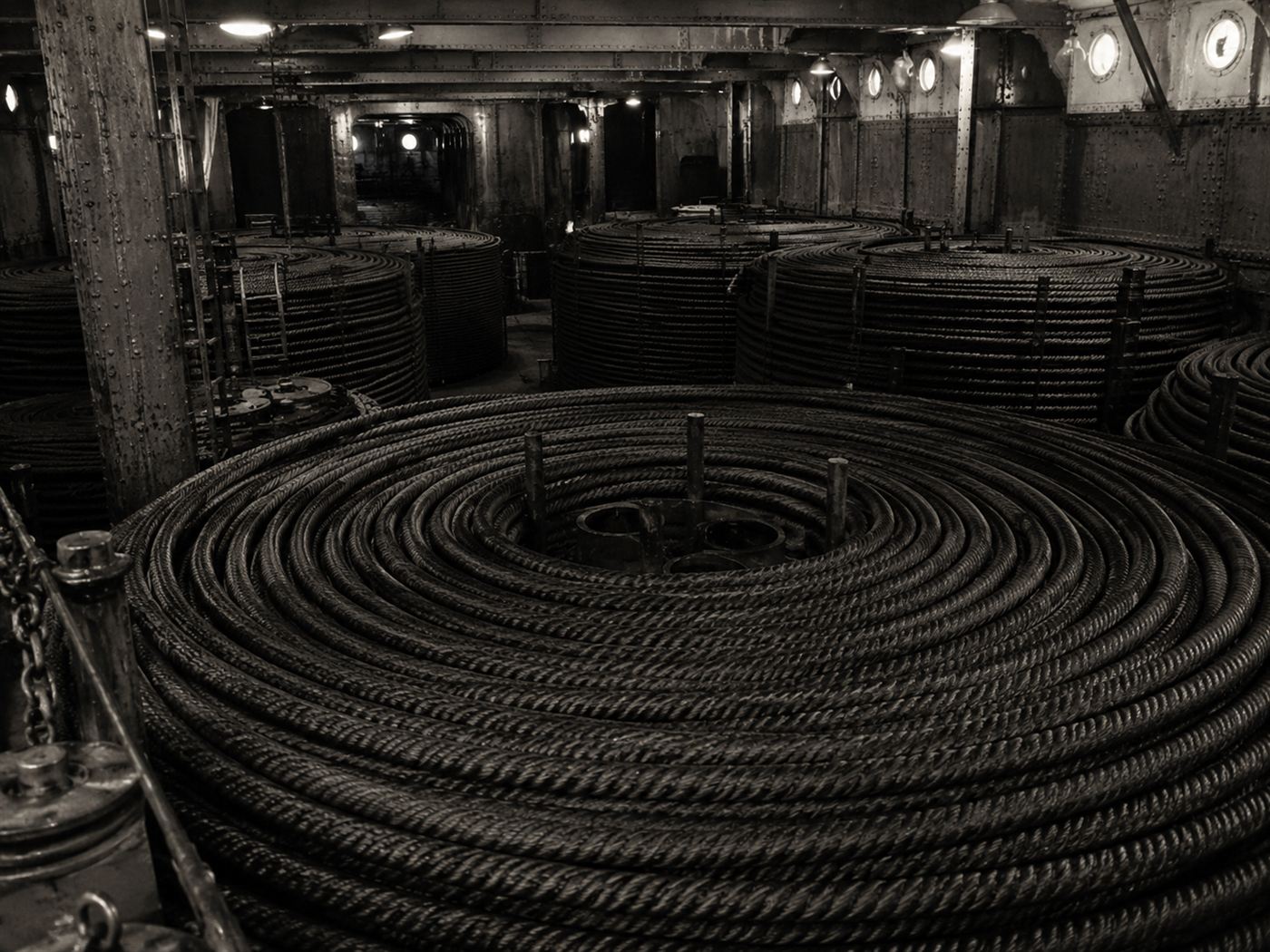
Why the transatlantic cable needed a giant
The breakthrough was as much about a ship as a wire. Laying a cable right across the ocean meant carrying thousands of kilometres of heavy armoured line in one hull, and only one vessel on Earth was big enough: the SS Great Eastern. Designed by Isambard Kingdom Brunel, she was by far the largest ship ever built, intended to carry thousands of passengers, and as a passenger liner she had been a commercial flop, too big and too expensive for the trade she was meant to serve.
The cable saved her reputation. Her vast holds could swallow the entire transatlantic cable at once, so the white elephant of the seas was converted into the only machine that could do the job. In 1865 she set out and very nearly succeeded, but more than a thousand nautical miles from shore the cable parted and slipped away into water kilometres deep, and after days of grappling it was lost.
The wire that worked
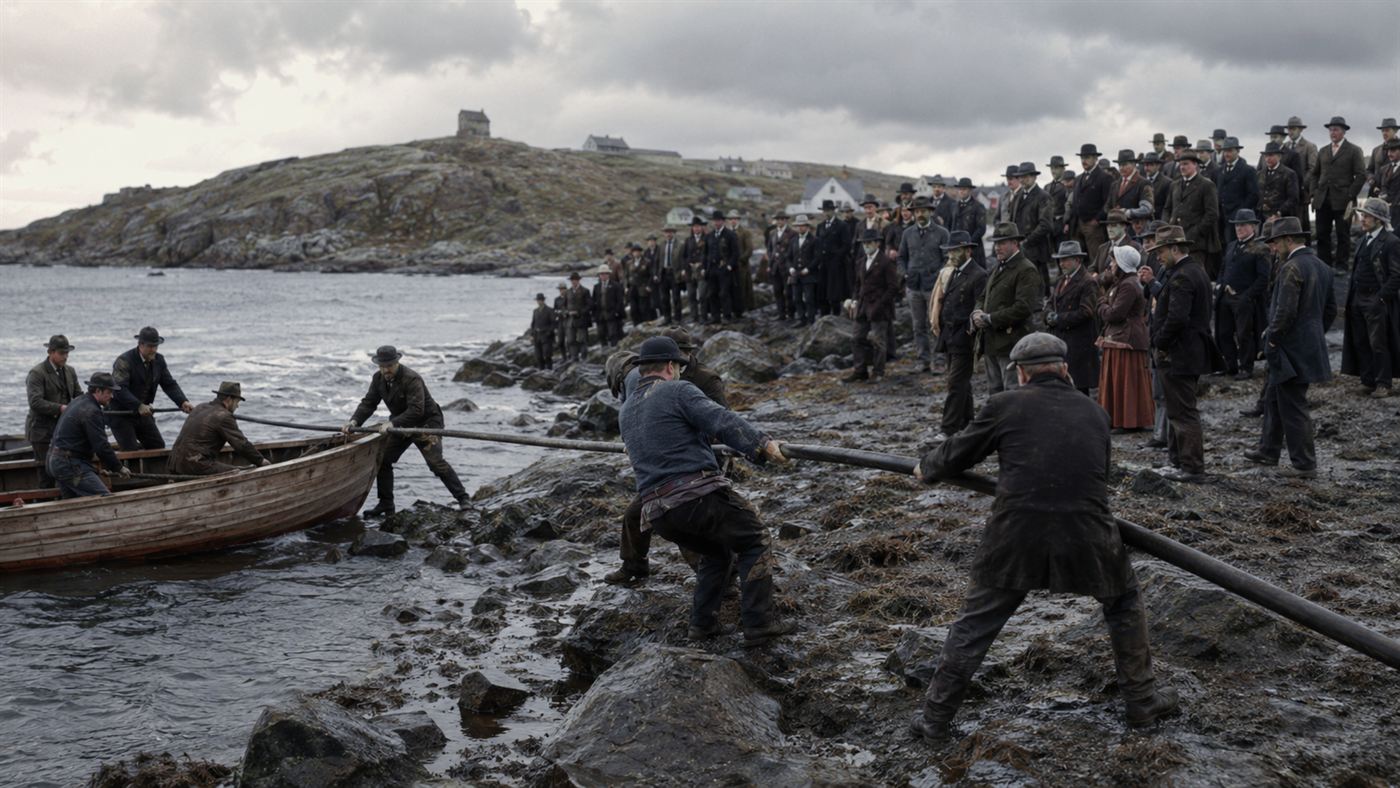
In the summer of 1866 they tried once more. This time everything held. The Great Eastern steamed west paying out cable behind her and reached Heart's Content, a small bay in Newfoundland, on 27 July, with a working line stretched the whole way back to Ireland. The Atlantic had been wired at last.
Then came an encore that sounds almost like showing off. The crew sailed back out, grappled up the broken 1865 cable from the seabed, spliced it and finished that line too, so that two cables now linked the continents. As the IET Archives describe, the 1866 expedition both completed a new cable and recovered and finished the lost one, turning a decade of failure into a double success.
The honest catch
It is tempting to tell this as a clean tale of plucky genius, and it was messier than that. The 1858 cable was less a success than a fiasco, killed in part by an electrician's reckless decision to crank up the voltage, and the public swing from euphoria to suspicion was brutal on Field, who was for a time half hero, half suspected fraud. Calling 1858 the moment the Atlantic was conquered overstates a line that died in weeks. The durable one was 1866.
The Great Eastern, for her part, never really escaped her own story. Laying cable was the one thing she did supremely well, and once that work dried up she drifted through other uses before being broken up for scrap. And the cables themselves, once they worked, became hugely profitable monopolies, so the romance of connecting humankind sat alongside some very hard commercial power.
Why a wire on the seabed still matters
Strip it back, though, and the achievement is staggering. A retired merchant and a failed ship took something that had been true for all of history, that the ocean was a wall sound and news could not cross quickly, and tore it down. After 1866 a government, a trader or a family could send word across the Atlantic and have an answer the same day.
Almost everything we now take for granted, from global finance to the internet's undersea fibre, runs along the path that transatlantic cable first traced. Does it change how you see your instant messages to know the first ocean cable cost one man a decade and several fortunes? Tell us in the comments.
Related reading: When the chief engineer of the Brooklyn Bridge fell ill, his wife quietly learned the engineering and finished the job. See also how Bell's photophone sent speech on a beam of light a century before fiber optics, and how Samuel Morse turned from painting to the telegraph after a letter reached him too late. Today's great buried cables carry power, not words: see the Champlain Hudson Power Express bringing hydropower to New York.