A fish that science was sure had died out with the dinosaurs 66 million years ago was hauled out of the sea alive in 1938, and a young museum curator saved it
The coelacanth was known only as a fossil, a heavy fish pressed into rock up to 66 million years old, and every textbook said it was long extinct. Then in 1938 one came up in a net off South Africa, and a curator named Marjorie Courtenay-Latimer realised she was looking at a living fossil.
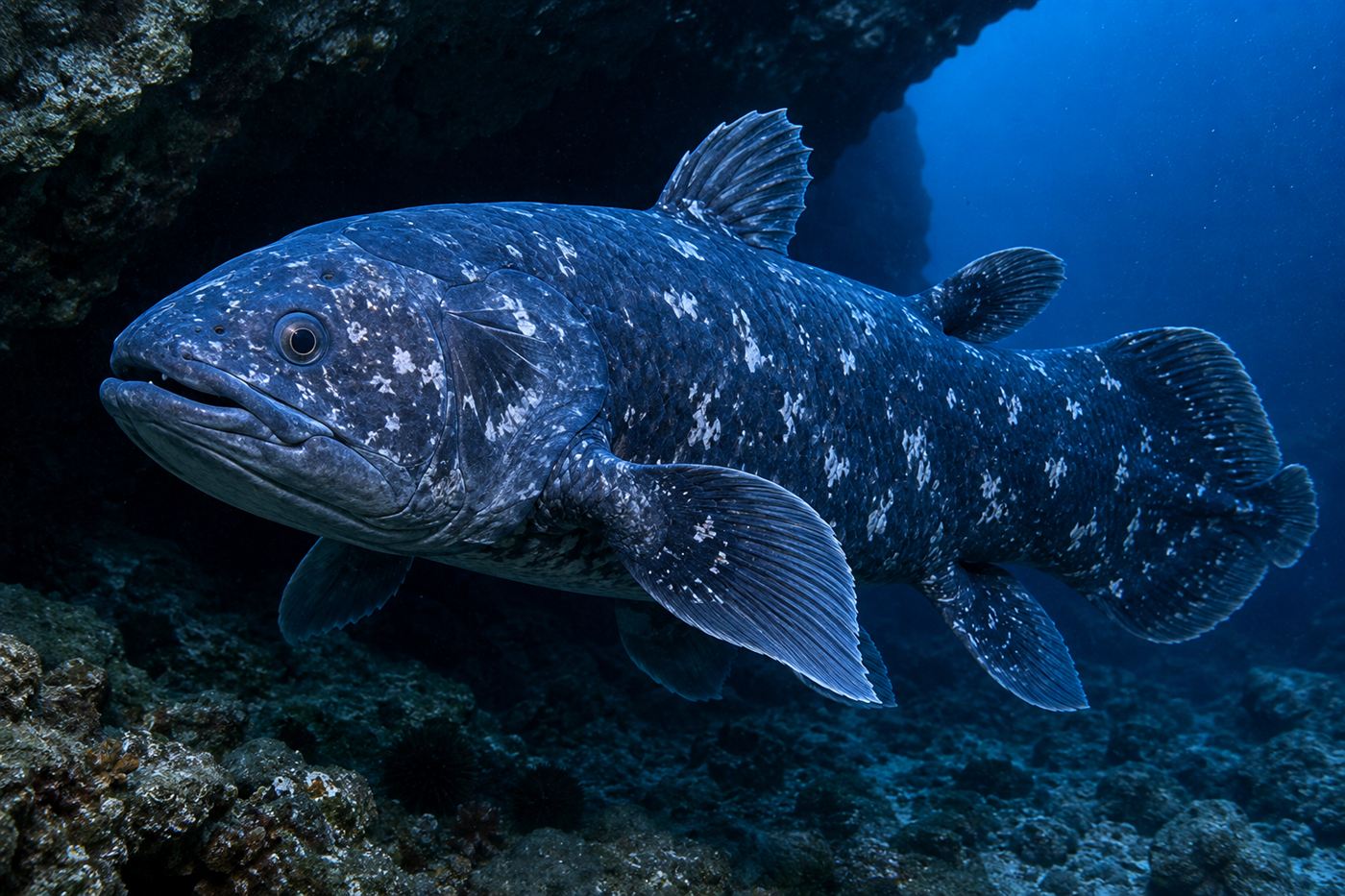
The coelacanth, a deep-sea fish science believed had been extinct for 66 million years. Illustration: Watts & Wild.
The coelacanth is a heavy, steel-blue fish with strange, fleshy fins, and for a long time science knew it only as a fossil, the textbook case of a creature long gone. Its remains turned up pressed into rocks hundreds of millions of years old, and the youngest of them dated to around 66 million years ago, the same moment the dinosaurs vanished. Every textbook agreed the coelacanth had died out alongside them, which is exactly why it became the most famous coelacanth living fossil once one turned up alive.
Then, two days before Christmas in 1938, one of them turned up in a fishing net off the coast of South Africa, very much intact and only recently alive. It should have been impossible.
The coelacanth is a large, lobe-finned fish once known only from fossils up to 66 million years old and assumed extinct. In December 1938 a living one was caught off South Africa, recognised by museum curator Marjorie Courtenay-Latimer, making it the most famous example of a creature found alive long after it was thought gone.
A fish that should not exist
To understand the shock, you have to picture what scientists thought they knew.
The coelacanth lineage stretched back hundreds of millions of years in the fossil record, and then simply stopped.
The youngest fossils were around 66 million years old, so the group was filed away as another casualty of the great extinction that killed the dinosaurs.
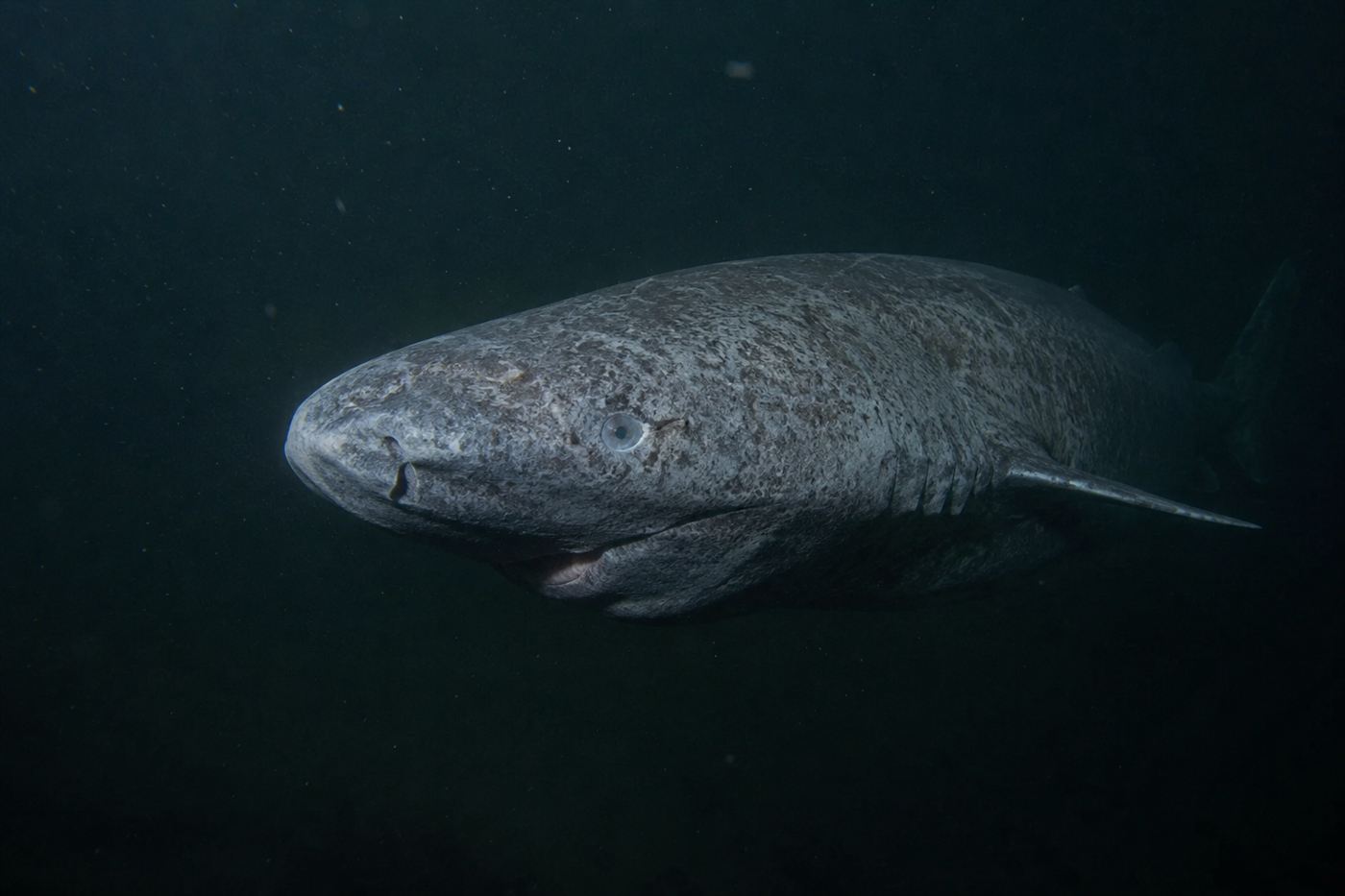
Finding one alive was a little like the deep sea handing back a creature from another age, much as the Arctic still hides the shark that may live 400 years.
It rewrote, in a single afternoon, a story palaeontologists had told for over a century.
The curator who knew it mattered
The fish came ashore at East London, on the coast of South Africa.
The curator of the small local museum, Marjorie Courtenay-Latimer, had asked the trawler crews to call her whenever they caught anything unusual.
She had no idea what it was, but every instinct told her it mattered, so she fought to keep it.
In the southern summer heat, with no tank or chemicals to preserve something so large, the fish began to rot before anyone could identify it.
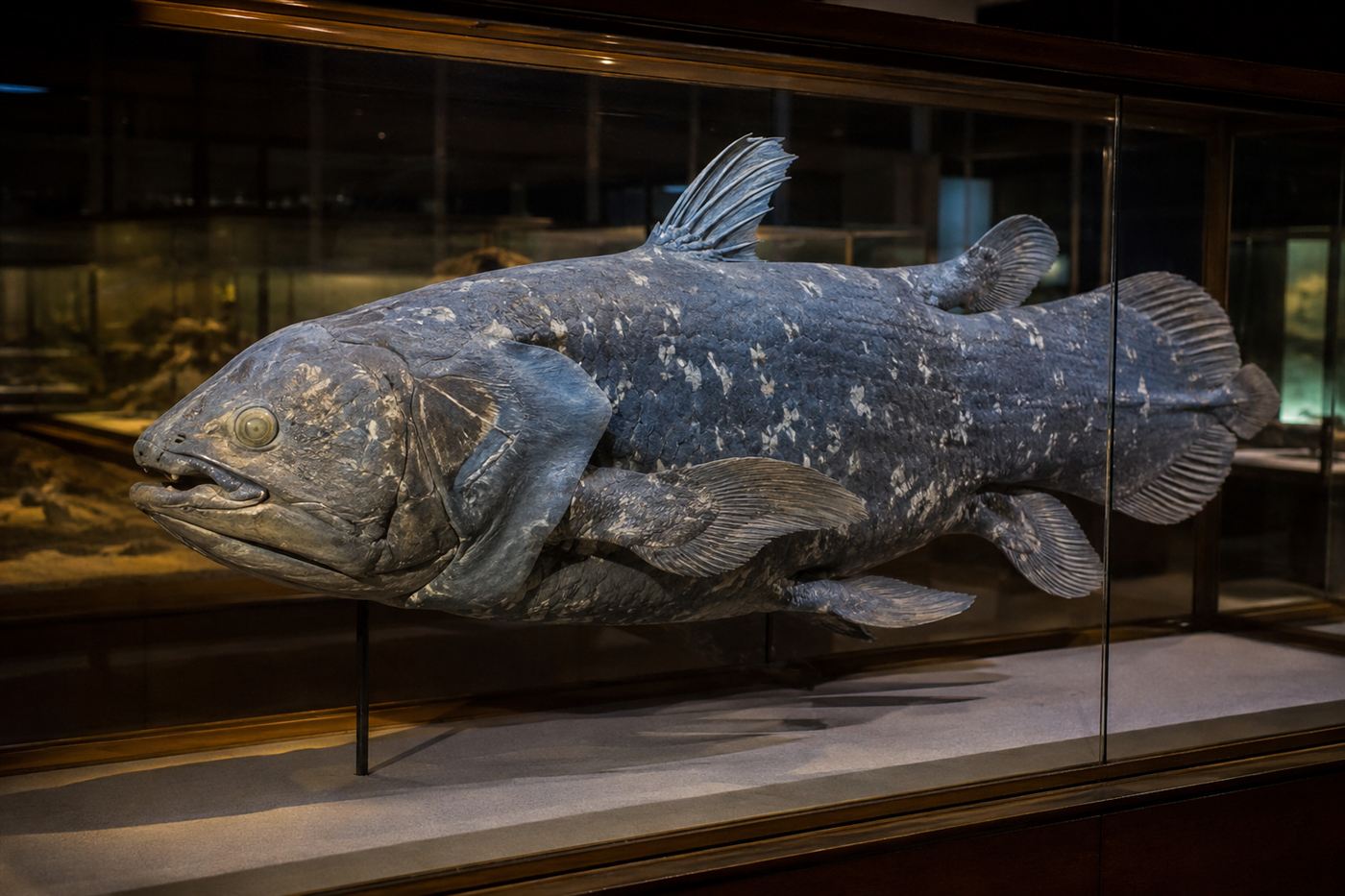
Most important, preserve skeleton and gills
Desperate, Courtenay-Latimer sketched the fish and wrote to the one person she thought might know, the ichthyologist J. L. B. Smith.
By the time he grasped what she had, much of the soft body was gone, but the skin and bones had been saved.
He named the species Latimeria chalumnae, after Courtenay-Latimer herself and the Chalumna river near where it was caught.
A creature known only from ancient stone was suddenly swimming in the present tense.
The coelacanth living fossil, sort of
The coelacanth quickly became the most famous example of a Lazarus taxon, a species that disappears from the fossil record and then turns up again. Other lost animals get a second chance only with human help, like the quagga, a zebra hunted to extinction that breeders are now coaxing back.
It is far from the only one, as the tree lobster of Lord Howe Island, found alive 80 years after rats wiped it out, also proved.
It gives birth to live young, shelters in deep underwater caves, and can grow to around two metres long.
A second species was later found on the far side of the world, off Indonesia, in the 1990s.
For biologists, meeting one was like watching a page of the deep past breathe.
The woman the fish was named for
The discovery made J. L. B. Smith world-famous, and science still remembers his name.
But it was Marjorie Courtenay-Latimer who saw the fish for what it was and refused to let it be thrown away.
Without her eye and her stubbornness, the most celebrated zoological find of the century might have ended up as scrap.
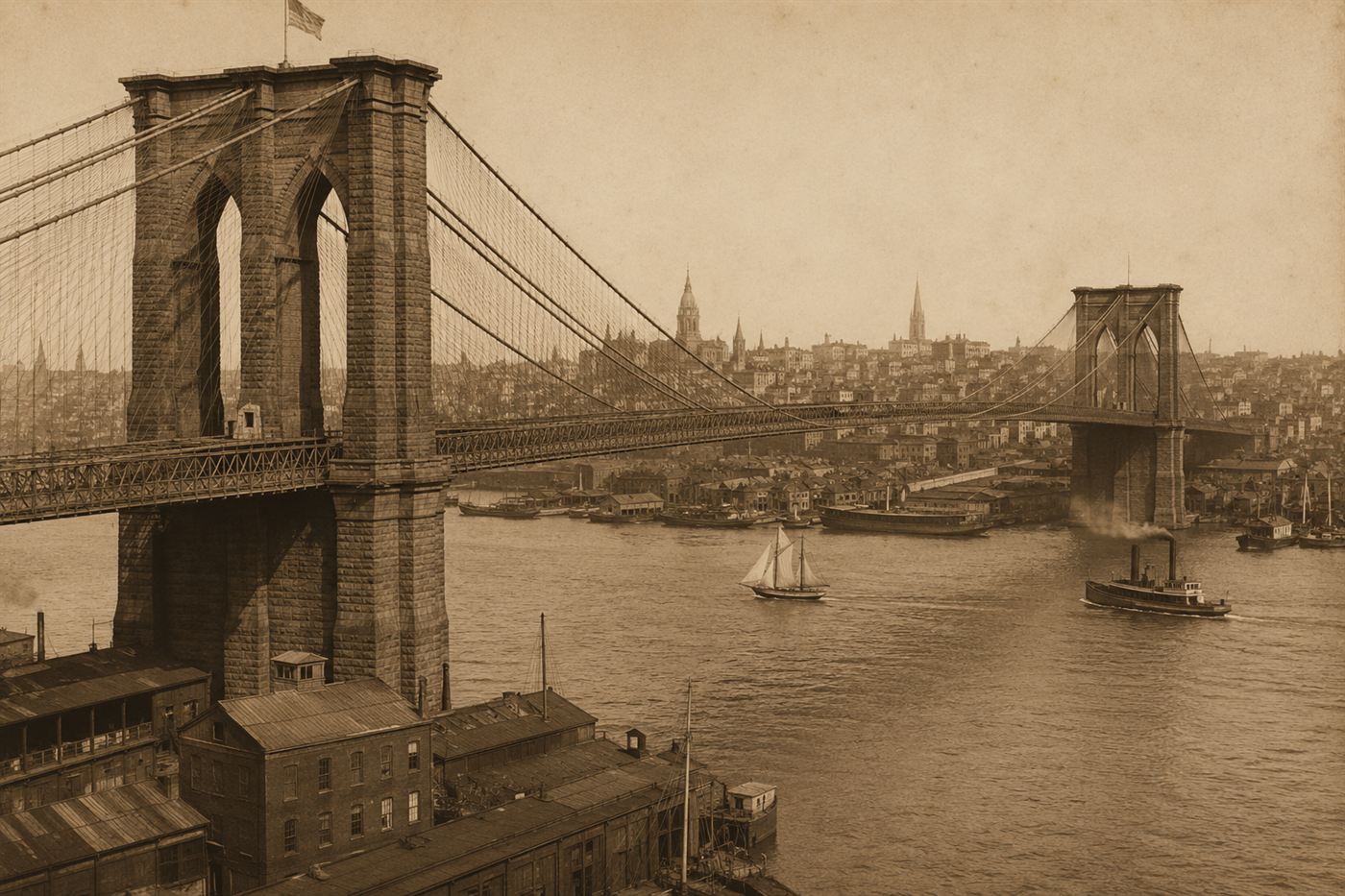
Like other women whose instinct held up a great discovery, she spent decades as a footnote to it, much as Emily Roebling did with the Brooklyn Bridge.
The name Latimeria, at least, is a quiet and permanent piece of credit.
The honest catch
The phrase living fossil is the part to handle with care.
The modern coelacanth is not identical to its ancient relatives, and it has gone on evolving, only slowly.
It was never truly extinct either, it simply lived in deep water where fossils rarely form, so it fell out of the record without falling out of the world.
Today it is genuinely rare, listed as critically endangered and threatened by deep nets and human curiosity.
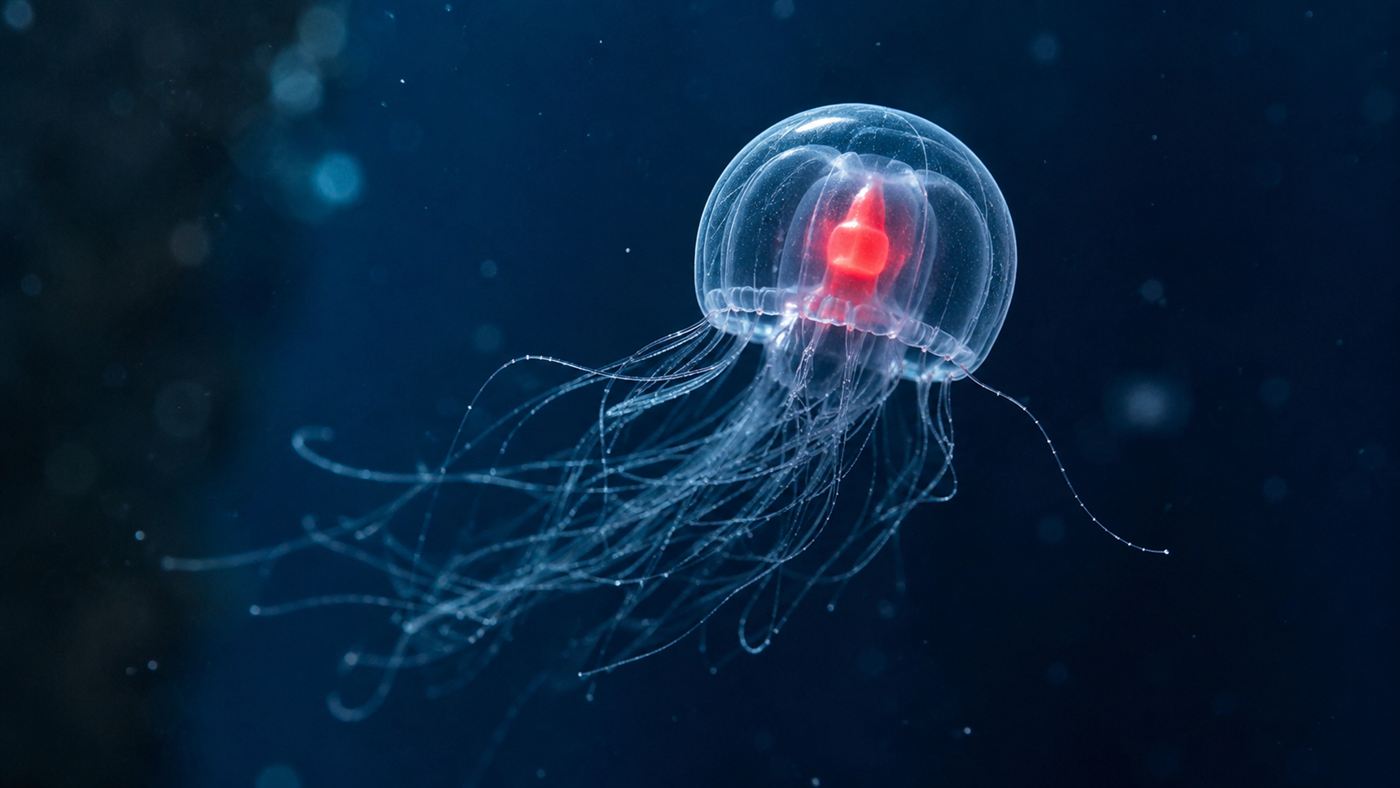
What it really proves is humbling, that the ocean is deep and old enough to hide whole branches of life, the same way biology hides a jellyfish that refuses to die.
Somewhere off the coast of Africa, in caves hundreds of metres down, coelacanths are still drifting through the dark exactly as they were when Courtenay-Latimer first saw one laid out on a museum floor.
A fish written off for 66 million years had been there the whole time, waiting to be noticed, the way the past keeps resurfacing from a shipwreck or the deep.
If a fish this large could hide from science for 66 million years, what else do you think the deep ocean is still keeping from us? Tell us in the comments.