A tree thought extinct for the age of dinosaurs was found alive in a secret canyon, and firefighters risked a hidden mission to save it
For most of modern history the Wollemi pine was known only from fossils, a tree of the dinosaur age that no living person had ever seen. Then in 1994 a hiker abseiled into a hidden canyon and found it growing, very much alive.
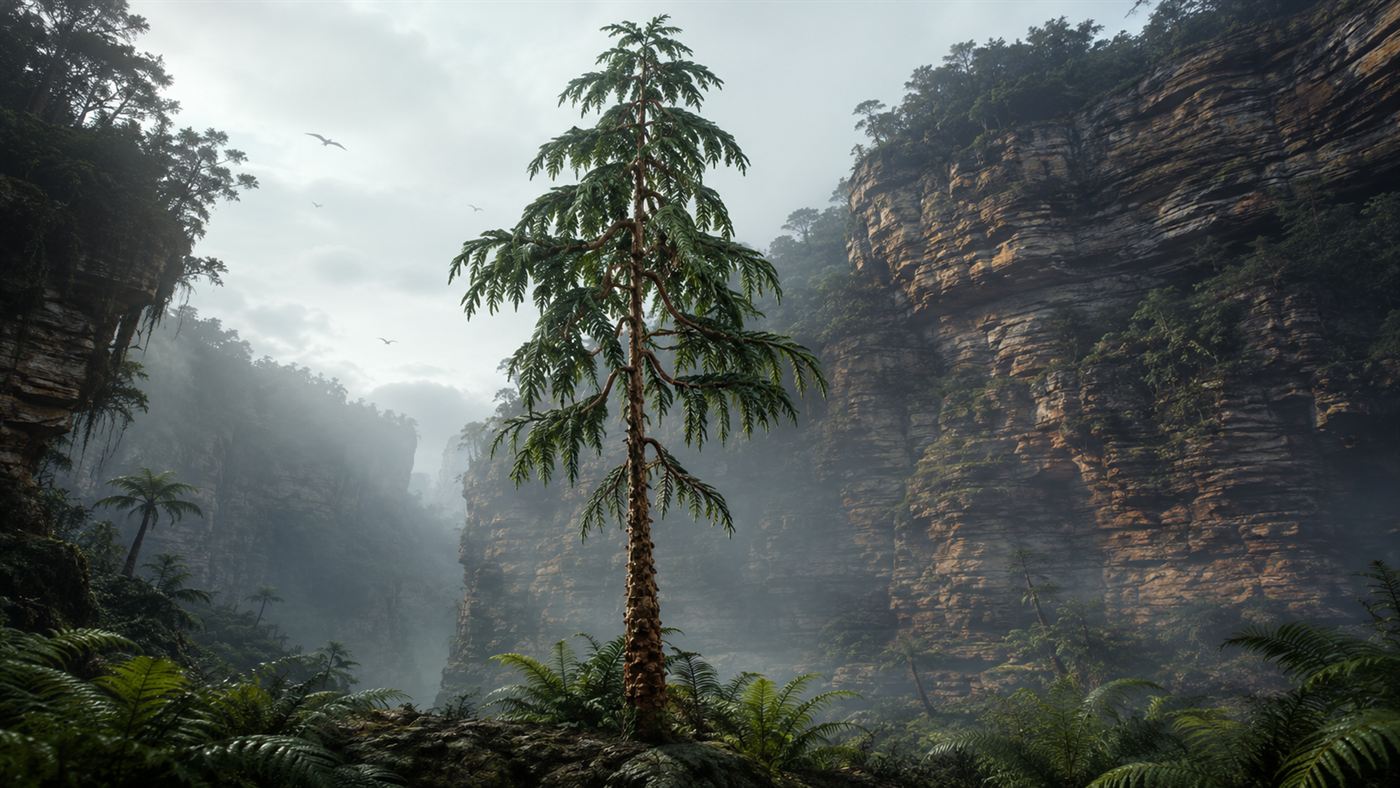
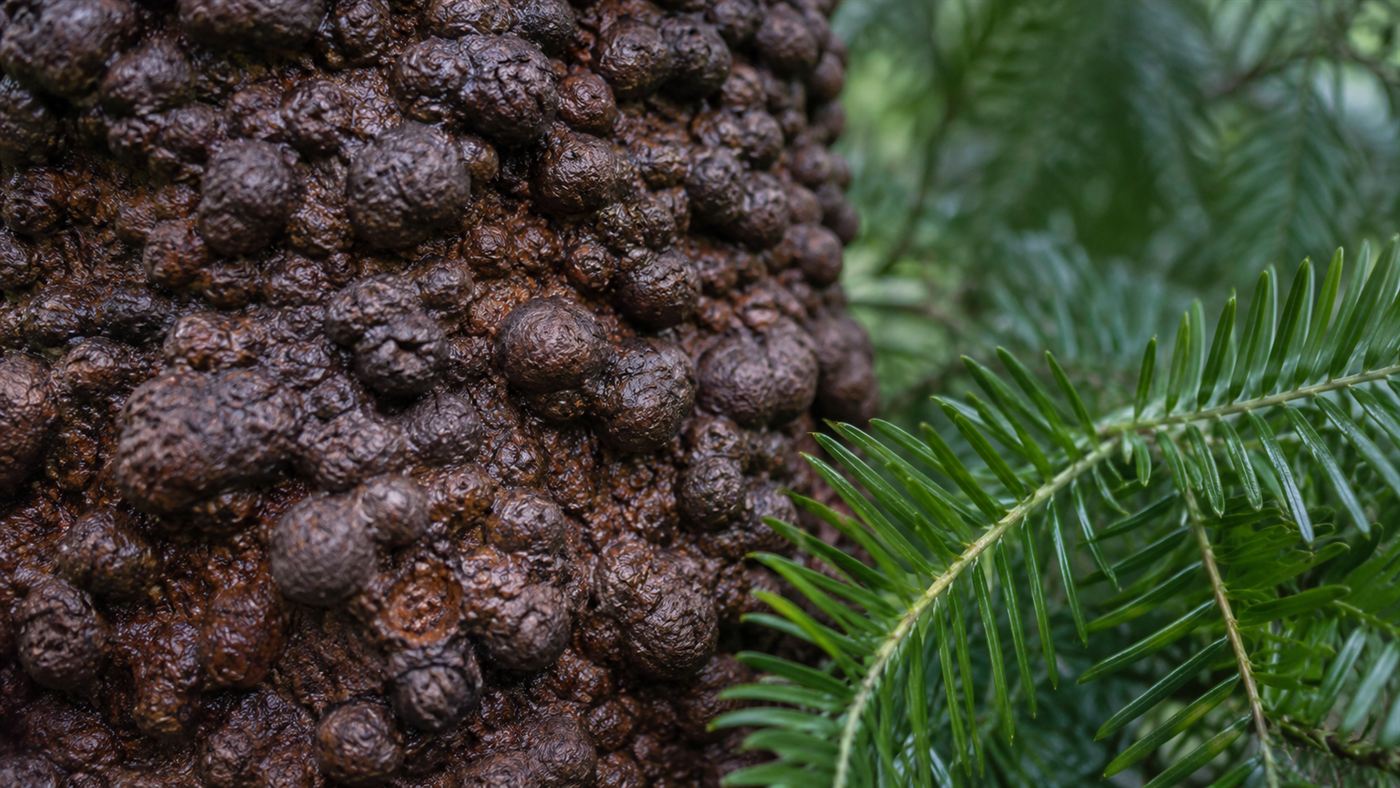
The Wollemi pine looks almost prehistoric, because in a sense it is. Illustration: Watts & Wild.
Some discoveries rewrite a textbook, and a rare few seem to step straight out of one, like the Wollemi pine, the dinosaur tree that scientists were sure had vanished with the great reptiles.
It is one of those plants that turns up where deep time was supposed to have closed the door.
What is the Wollemi pine? The Wollemi pine is a critically endangered conifer whose lineage stretches back to the age of the dinosaurs. It was known only from fossils and assumed extinct, until fewer than a hundred living trees were found in a secret canyon near Sydney, Australia, in 1994.
The Wollemi pine, a dinosaur tree out of deep time
The Wollemi pine belongs to an ancient family of conifers that also includes the monkey puzzle and the Norfolk Island pine.
Its relatives appear in the fossil record going back tens of millions of years, and the lineage is far older still.
For a long time those fossils were all anyone had, and the tree was filed away as long extinct.
It sat in the same mental drawer as the dinosaurs, a thing of deep time and stone, not of living forests.
That assumption held until one summer day in the 1990s.
Found alive in a hidden canyon
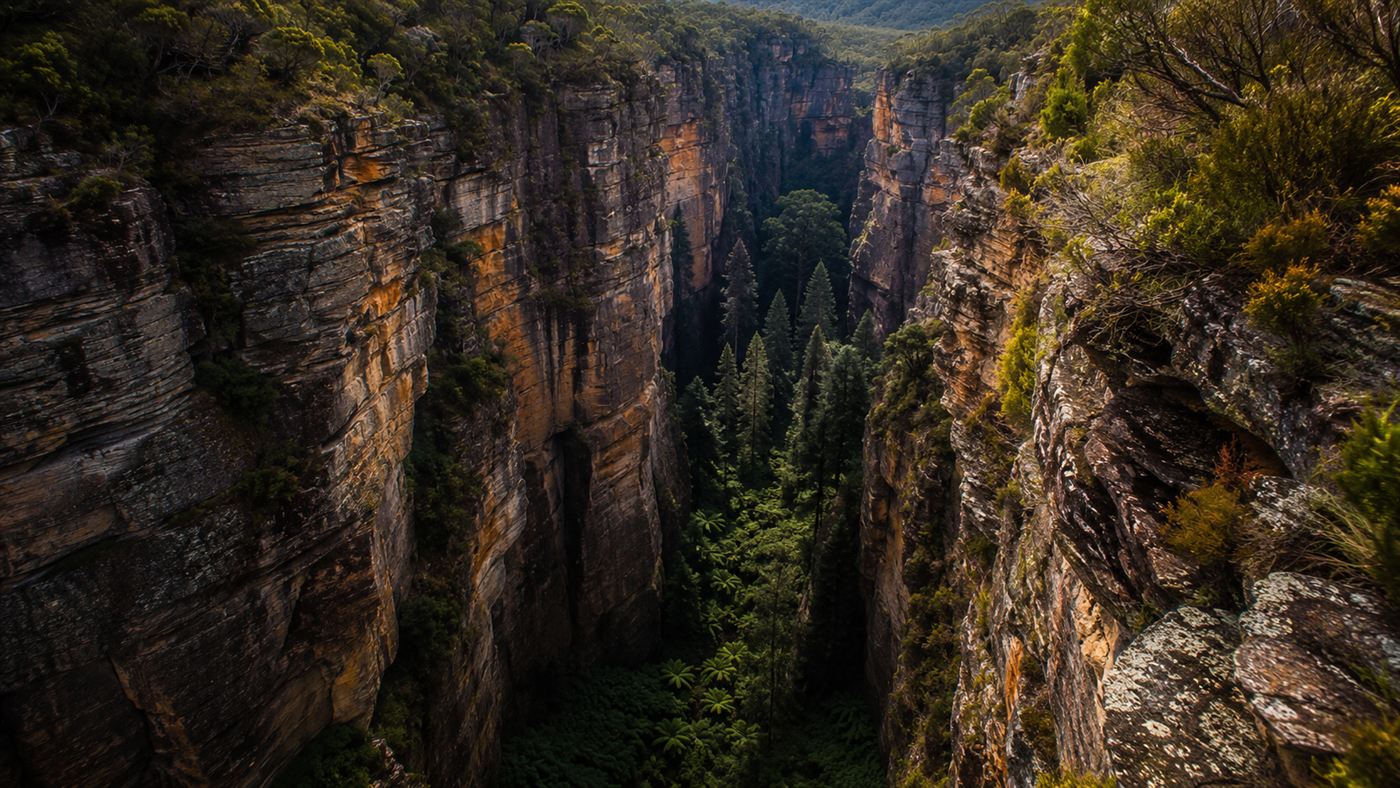
In 1994 a national parks officer named David Noble was exploring a remote gorge in Wollemi National Park, about 150 kilometres from Sydney.
Deep in a narrow canyon he came across a stand of tall, unfamiliar trees and took a sample back to be identified.
To everyone's astonishment, it turned out to be the living version of a fossil, a species new to science and ancient at the same time.
In the wild there are fewer than a hundred mature trees, clinging on in a handful of tiny groves.
An entire species had been hiding in a crack in the landscape, a short drive from a city of millions.
A location kept secret
From the moment it was found, the precise location of the wild grove was treated as a closely guarded secret.
The fear is not so much theft as disease, because a single muddy boot could carry in a root-rotting pathogen that the tiny population could not survive.
So the canyon's coordinates are withheld, and unauthorised visits are treated as a serious threat.
Even researchers and rangers follow strict hygiene rules when they approach the grove.
For one of the most famous trees on Earth, almost nobody is allowed to know where it actually lives.
Saved by selling it, and by firefighters
To stop the species vanishing if the wild grove ever failed, conservationists tried something clever.
They propagated the tree and began selling Wollemi pines in nurseries around the world, so the species now grows in gardens on several continents.
Then came the real test, during Australia's catastrophic bushfire summer of 2019 and 2020.
As the flames closed in, a specialist firefighting team flew in secretly to set up sprinklers and water bomb the gorge, shielding the hidden grove.
The mission worked, and the dinosaur trees came through the inferno scorched but alive.
The honest catch
The fairy tale needs a few careful footnotes.
Calling it a dinosaur tree is loose talk, since it is the lineage that is ancient, not the individual trees standing today.
The wild population remains critically endangered, threatened by fire, by that root-rot disease and by the very visitors drawn to its fame.
The reassuring fact that you can buy one in a garden centre does not save the wild grove, which could still be lost.
A species can be safe in cultivation and yet hang by a thread in the one wild place it calls home.
The Wollemi pine is a reminder that the world can still surprise us, and that what we assume is gone may simply be hiding.
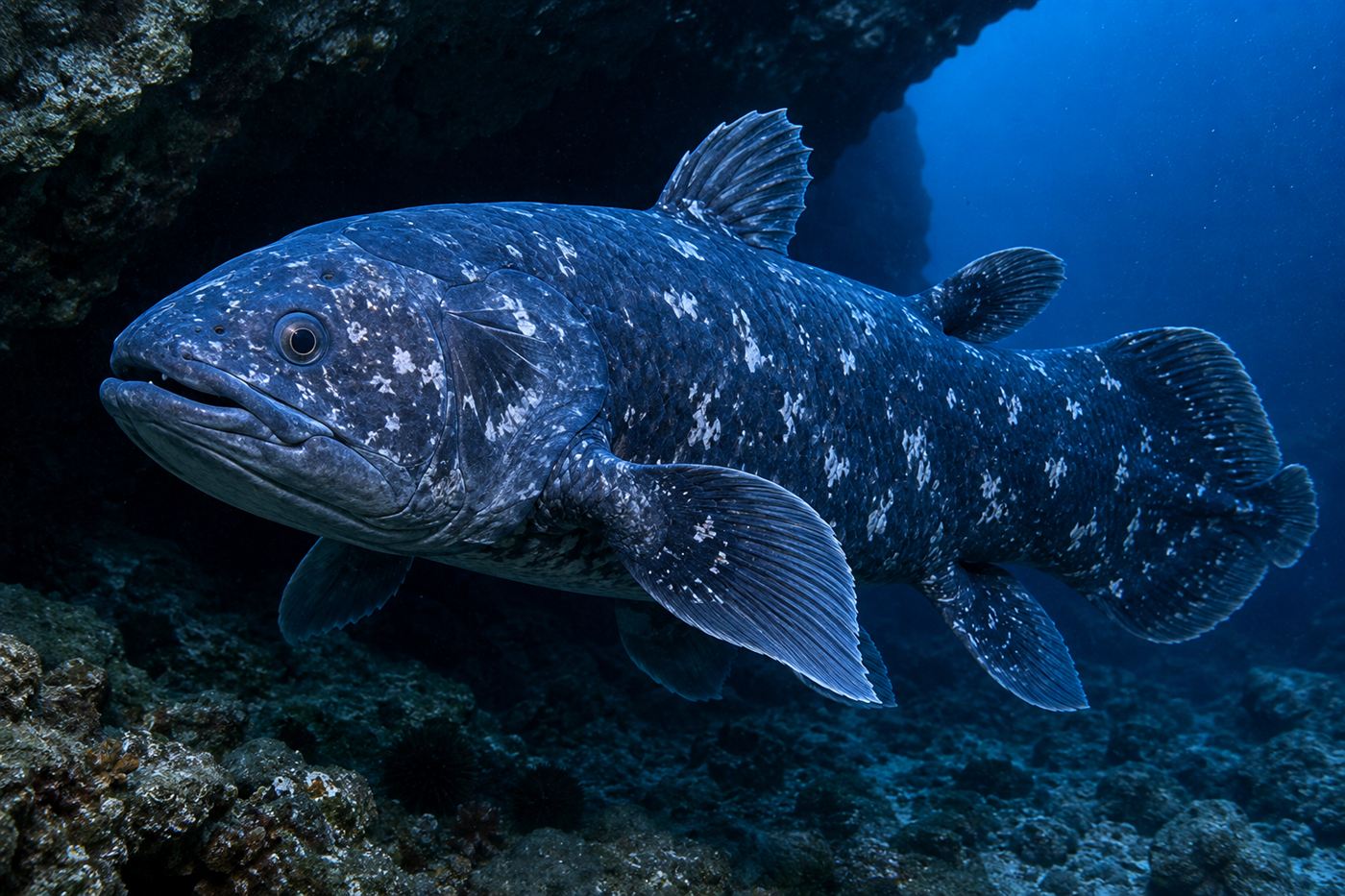
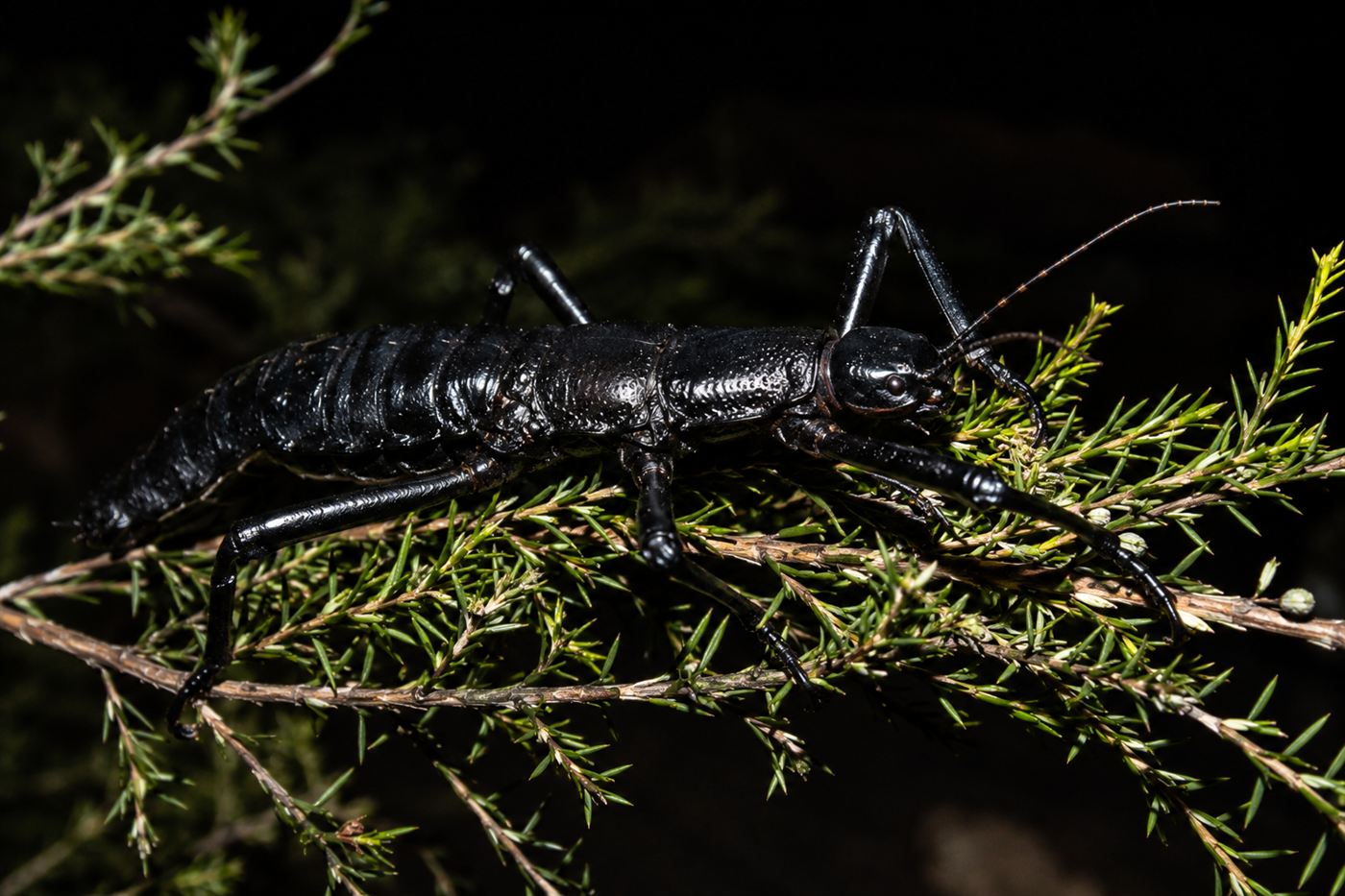
It joins the other creatures that came back from the supposed dead, from the coelacanth hauled up sixty-six million years too late to the tree lobster found clinging to one sea stack, or the tuatara, the reptile older than the dinosaurs.
If a tree from the dinosaur age can hide in a canyon near a major city for that long, what else might still be out there waiting to be found, and should we keep its hiding place secret too? Tell us in the comments.