A half-striped zebra was hunted into extinction and the last one died unnoticed in a zoo, and now South African breeders are conjuring it back from its own living cousins
The quagga looked like a creature half-finished: a zebra at the front, boldly striped, fading into a smooth brown horse at the back. People shot them by the thousand until there were none left, and the last one died in a European zoo in 1883 without anyone quite noticing. More than a century later, a stubborn project in South Africa is trying to bring its strange beauty back.
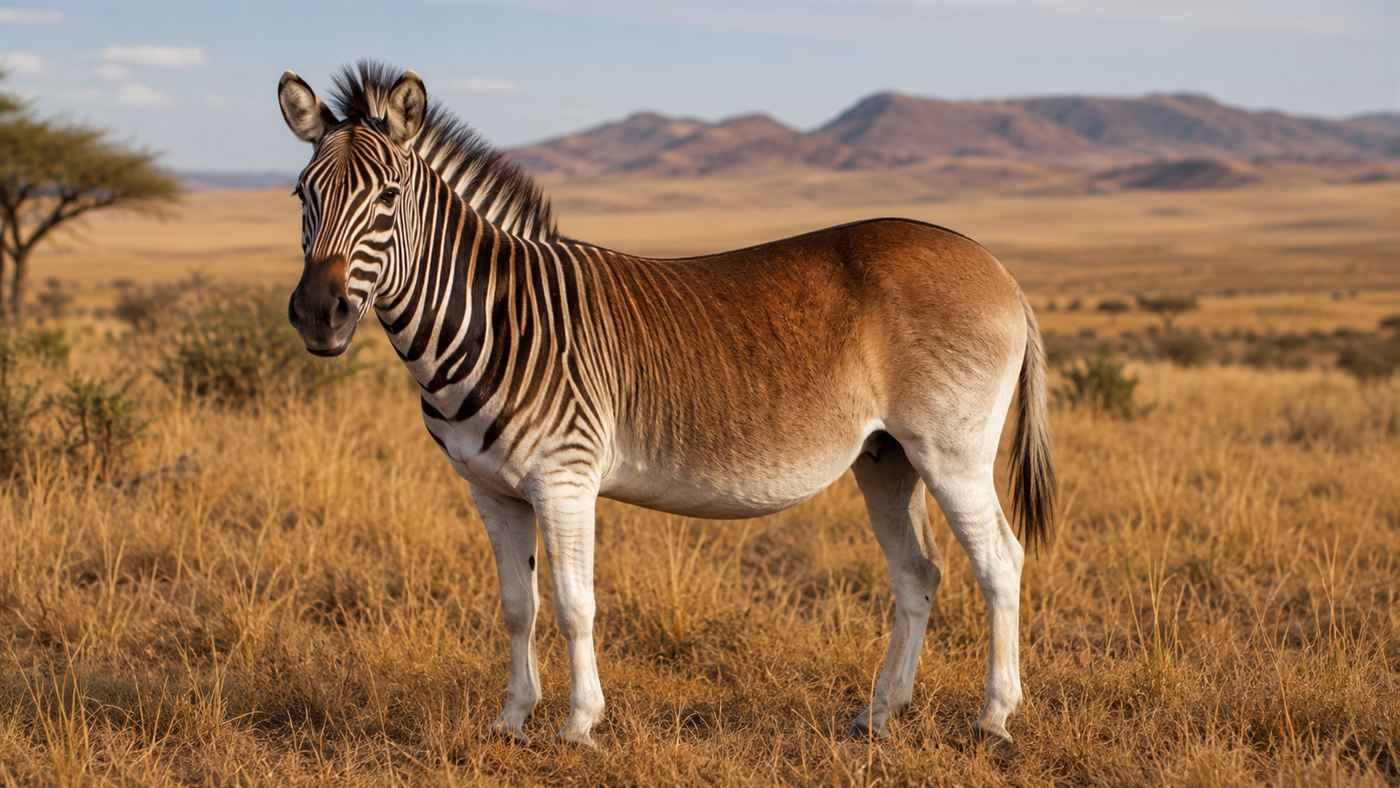
The quagga wore its stripes only at the front, fading to plain brown behind. Illustration: Watts & Wild.
For most of human history the plains of southern Africa swarmed with the quagga, a grazing animal so common that settlers barely thought about it. It was named for the barking call it made, and to European eyes it was an oddity: unmistakably a relative of the zebra, yet wearing its stripes only on the head, neck and shoulders before dissolving into a warm chestnut brown.
That very commonness was its undoing. As farmers spread across the Cape, the quagga was slaughtered in enormous numbers for its meat and hide, and to clear the grass for sheep and cattle. Nobody kept count, and nobody sounded the alarm, because it seemed impossible that something so abundant could ever run out.
How the quagga vanished
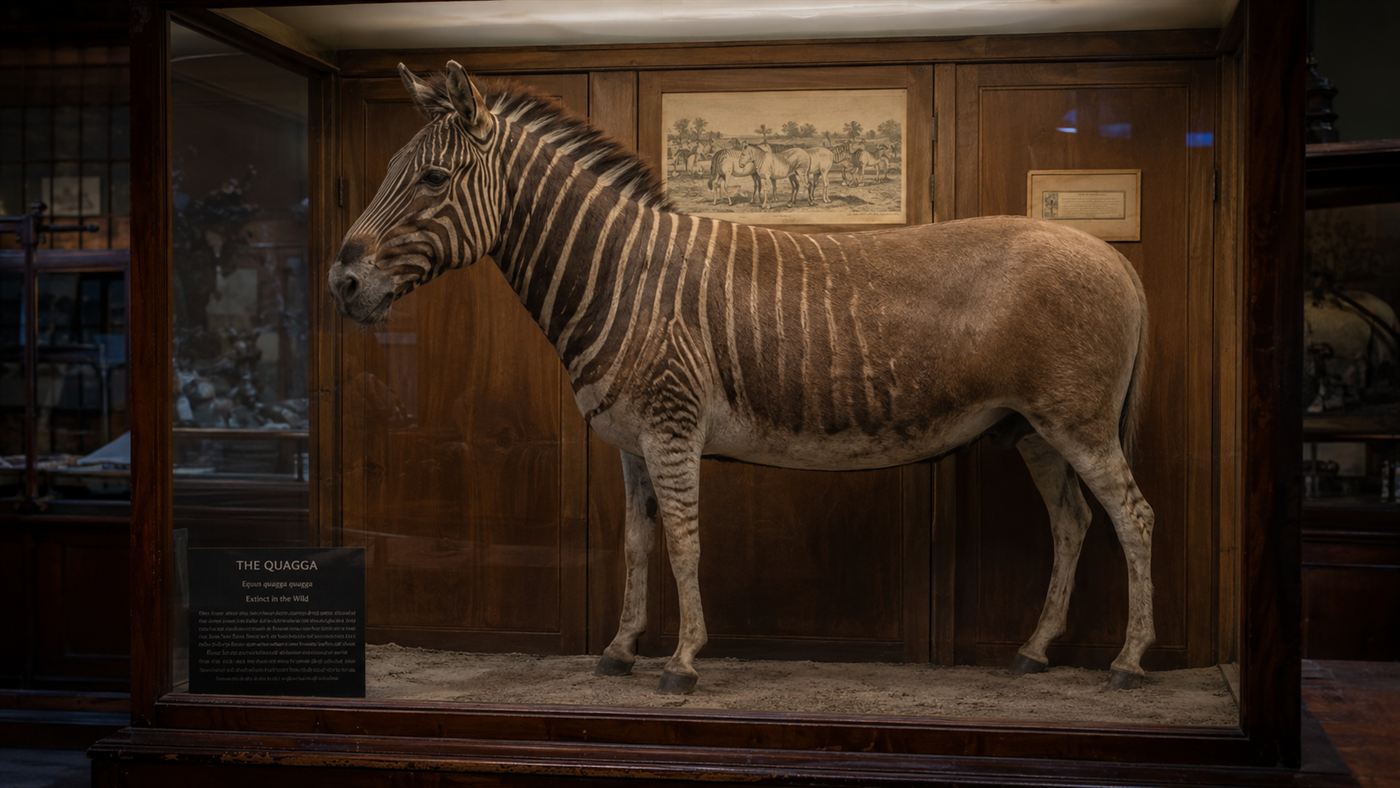
But it did run out, with shocking speed. The wild population collapsed through the middle of the nineteenth century, and by the 1870s the animal had disappeared from the veld entirely. A handful lingered on in European zoos, unrecognised for the last survivors they were, and as Wikipedia records, on 12 August 1883 the final one died in the Artis zoo in Amsterdam.
Only afterwards did the realisation sink in that the species was gone for good. The quagga has the bleak distinction of being one of the first creatures whose extinct status people could date almost to the day, and one of the few animals driven to extinction in modern, photographed times. A small number of mounted skins and skeletons in museums were all that remained of an animal that had once darkened the plains.
The quagga hidden inside living zebras
The story might have ended there, but for a discovery made on those very museum specimens. In the 1980s, scientists managed to extract DNA from a preserved quagga, the first time genetic material had been recovered from an extinct animal, and as The Nature Conservancy has described, what they found changed everything. The quagga was not a separate species at all, but a subspecies of the common plains zebra still grazing across Africa today.
That meant the quagga's genes had not vanished. They were scattered, diluted, through the living population of the plains zebra, which sometimes throws up individuals with reduced striping and browner coats. To a German-born taxidermist named Reinhold Rau, who had remounted a quagga foal and saved its tissue, this suggested something audacious: if the genes still existed, perhaps the animal could be reassembled from them.
Breeding a ghost back to life
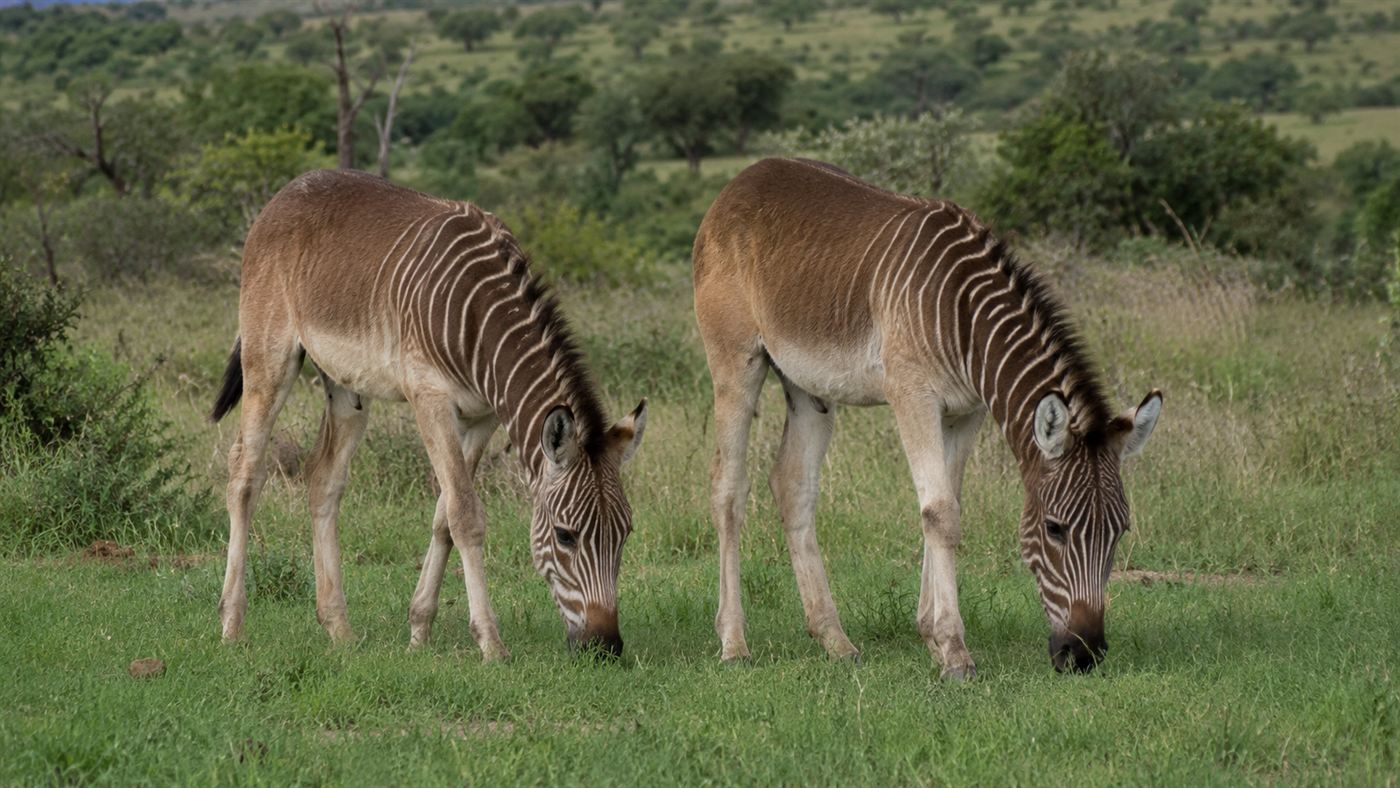
As the Quagga Project explains on its own site, in 1987 Rau launched the effort in South Africa, founded on exactly that idea. The method is not cloning or genetic engineering but old-fashioned selective breeding. The project gathers plains zebras that already show the least striping and the brownest coats, breeds them together, and picks the offspring that look most quagga-like to breed again, generation after generation.
It is slow work, measured in foals and decades, but it works. By the fifth generation the Quagga Project was producing animals with reduced stripes and rich brown bodies that look strikingly like the creatures in those old museum cases. In honour of the man who started it, these animals are called Rau quaggas, living echoes of an animal that the world had written off as gone forever.
The honest catch
Here, though, is where honesty matters. A Rau quagga is not truly the animal that died in Amsterdam. It is a plains zebra bred to resemble the quagga, a careful copy of an appearance rather than a resurrection of a lost genome, and critics argue it is closer to a costume than a comeback. The project is recreating a look, not undoing an extinction in any strict sense.
There is a deeper point too. We do not know how much of the real quagga was more than skin deep, whether it behaved differently, lived in different places, or carried adaptations that no amount of selective breeding for coat colour will bring back. The Quagga Project is a genuine and moving attempt to heal an old wound, but it is also a reminder that extinction is mostly a one-way door, and that look-alikes are the best we can usually hope for.
Why chasing a lost zebra is worth it
Even with those caveats, there is something powerful in the effort. The quagga was erased by sheer carelessness, killed off before anyone valued it, and the project to bring its image back is partly an act of atonement for that. The Rau quaggas now grazing on South African reserves are a standing argument that we should not let the next common animal slip away unnoticed.
Whether or not you count it as true de-extinction, the sight of a quagga-like foal on the plains where the original once ran is a strange kind of redemption. It cannot undo what muskets and indifference did in the 1800s, but it can keep the memory of the quagga alive, and remind us that abundance today is no guarantee of survival tomorrow.
A whole animal was wiped out by carelessness, and now people are patiently breeding its likeness back from its living cousins. Does a bred-back look-alike count as bringing the quagga back, or is the real animal gone for good? Tell us in the comments.
Related reading: The fish thought extinct for 66 million years that turned up alive in a fishing net.