A giant insect the size of a hand was wiped out by rats and thought extinct for 80 years, until climbers found a few survivors on a single bush on a sea cliff
The Lord Howe Island stick insect, nicknamed the tree lobster, is a heavy black insect as long as your hand. Rats ate it to extinction a century ago, and for 80 years it was given up for lost. Then a tiny colony was found surviving on the loneliest rock in the sea, Balls Pyramid.
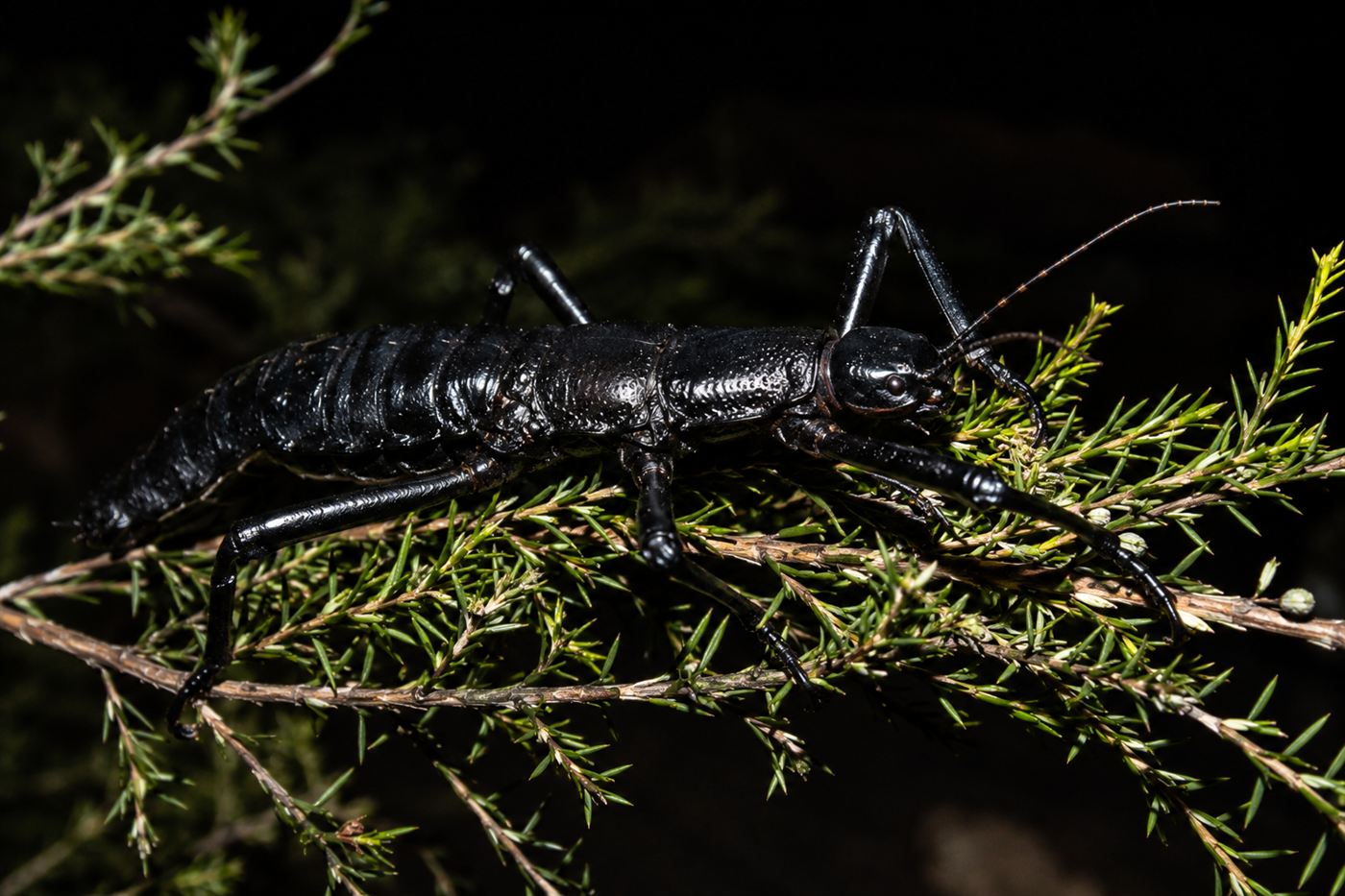
The tree lobster, a hand-sized stick insect once thought extinct for 80 years. Illustration: Watts & Wild.
The tree lobster is not a creature most people would want to find crawling across their pillow. Properly called the Lord Howe Island stick insect, it grows up to about 13 centimetres long, glossy black and heavy, more like a small lizard than a bug. A century ago it swarmed across Lord Howe Island, a speck of land in the sea between Australia and New Zealand. Then, almost overnight, it vanished.
Its disappearance, and its astonishing return, is one of the strangest survival stories in nature, and it hangs on a single bush growing on a spike of rock in the open ocean.
The tree lobster, or Lord Howe Island stick insect, is a large flightless insect once common on Lord Howe Island. Rats from a 1918 shipwreck ate it to extinction there, and it was presumed gone until 2001, when a colony of fewer than 30 was found surviving on the nearby sea stack of Balls Pyramid.
The Lord Howe Island stick insect, the size of a hand
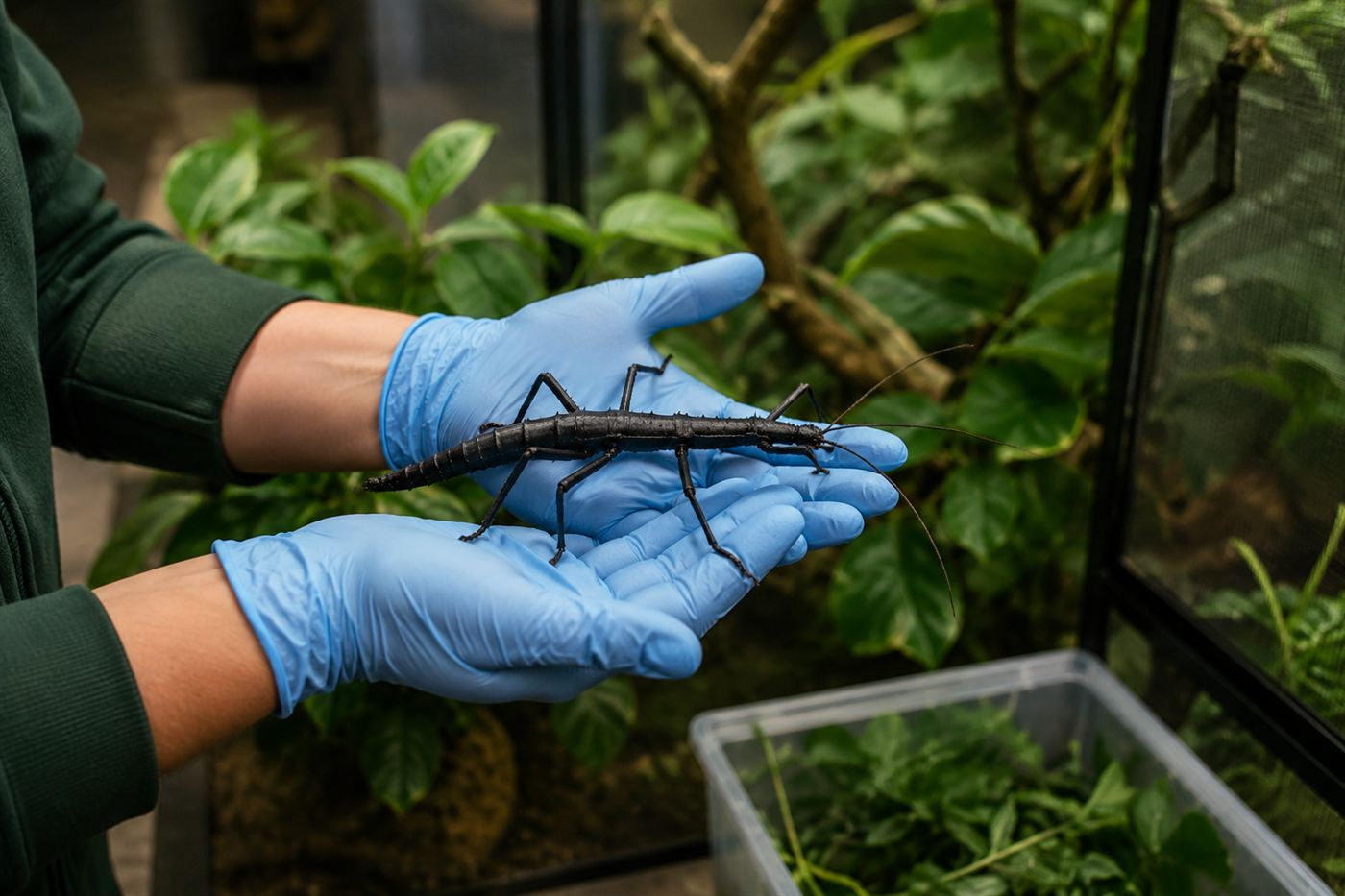
At full size, the insect is genuinely startling to hold.
On old Lord Howe Island it was so common that fishermen reportedly used it as bait.
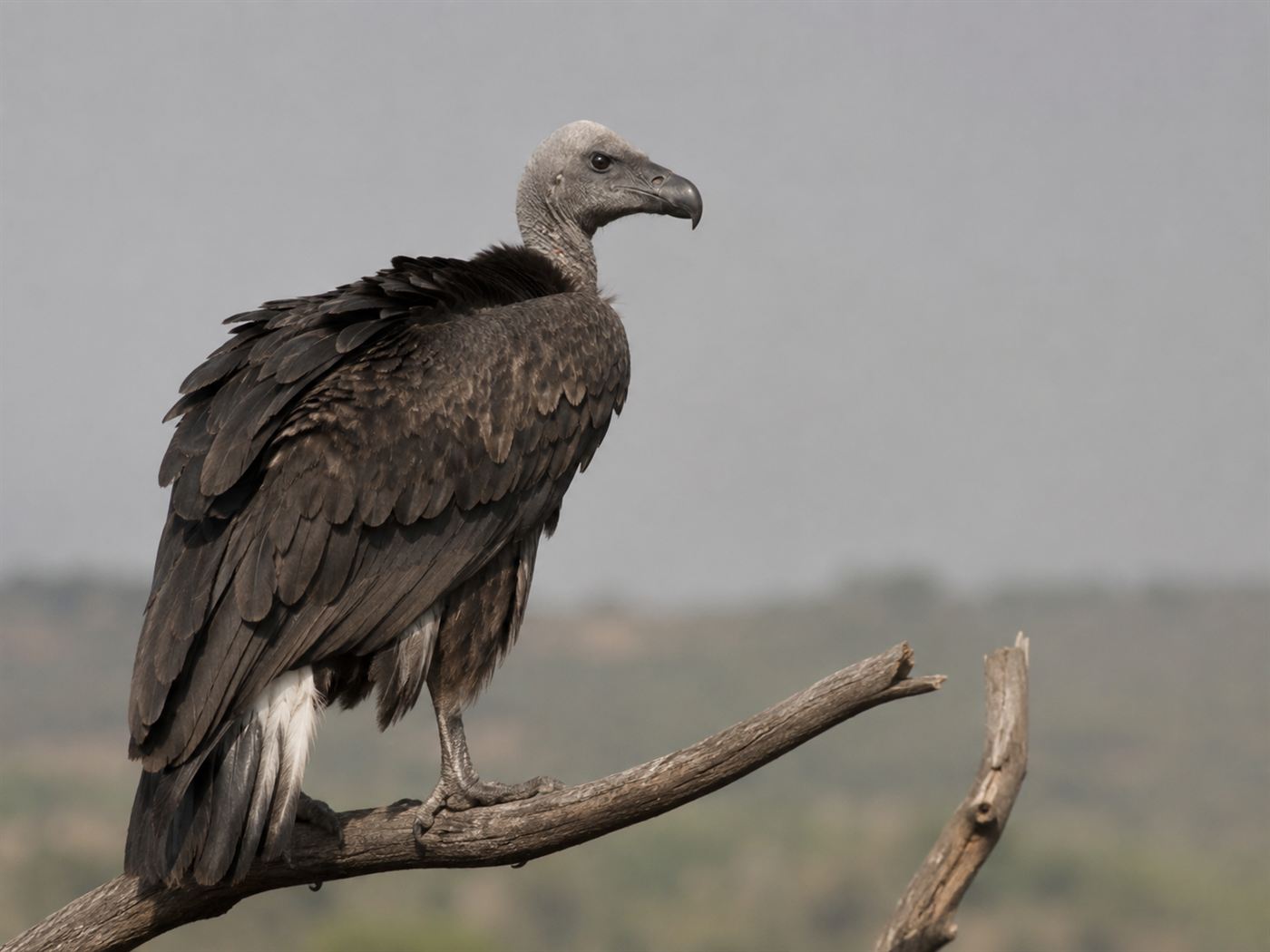
Few people gave a thought to an insect that seemed to be everywhere, much as no one worried about the once-teeming creatures behind the collapse of India's vultures.
That sense of safety in numbers turned out to be an illusion.
Death by shipwreck
The disaster arrived in 1918, aboard a sinking ship.
A supply steamer ran aground on Lord Howe, and black rats poured ashore from the wreck.
The rats found the fat, flightless, ground-dwelling insects an easy and plentiful meal.
Within a couple of decades the insect had vanished from the island completely, and by the 1960s it was formally written off as extinct.
It was the oldest, grimmest story in island ecology, a unique animal erased by an invader that arrived by accident.
A light on the loneliest rock
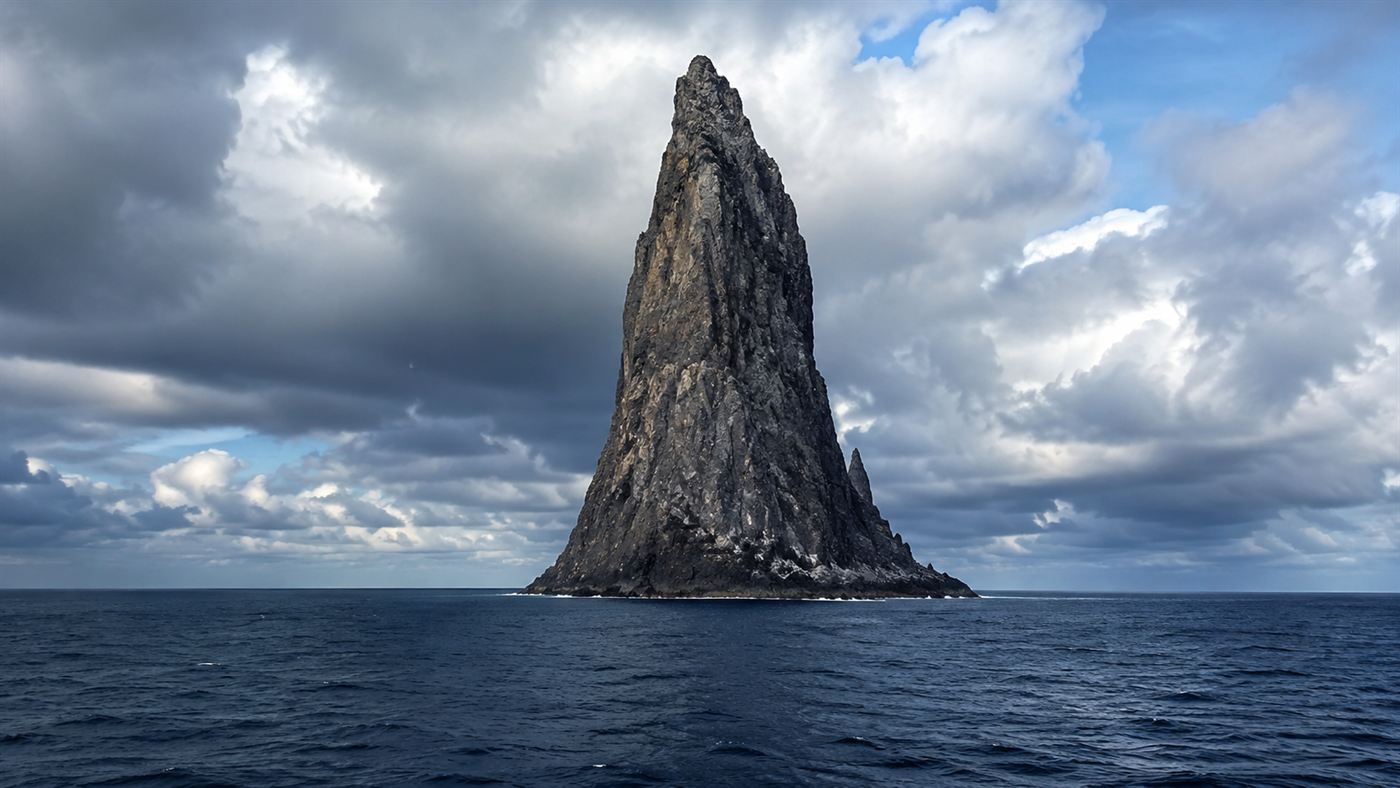
The twist came from a jagged blade of stone far out at sea.
Balls Pyramid is the worn-down core of a volcano, a sheer spike rising more than 500 metres straight out of the ocean, about 25 kilometres from Lord Howe.
Climbers had occasionally reported seeing what looked like large insect droppings on its lower slopes.
By torchlight they found them, a colony of fewer than 30 giant insects living under one melaleuca bush, hundreds of metres up a rock in the middle of nowhere.
Adam, Eve and a zoo
Saving the species came down to a handful of insects and a great deal of luck.
In 2003 the team carefully collected two breeding pairs, and one pair went to Melbourne Zoo.
When the female, nicknamed Eve, fell gravely ill, a keeper nursed her back to health with a hand-mixed syrup of calcium and nectar.
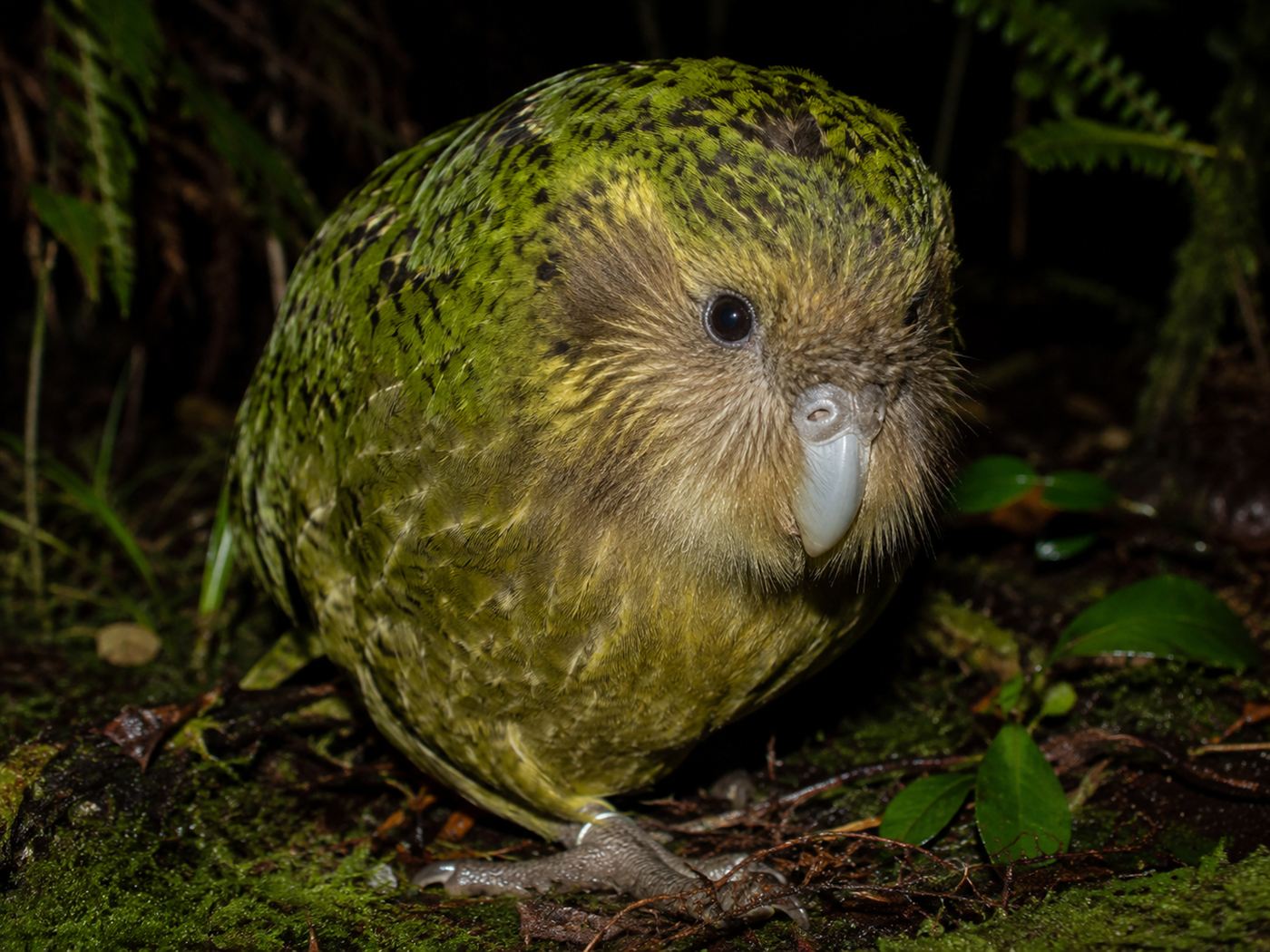
From that single pair, the zoo bred first hundreds and then thousands of the insects, much as Kakapo numbers were nursed up bird by bird in New Zealand.
Almost the entire living population today descends from those few survivors on the rock.
Bringing them home
The real goal was always to put the insect back on Lord Howe itself.
That meant first dealing with the rats that had caused the catastrophe in the first place.
In 2019 the island ran a huge programme to wipe out its rodents, clearing the way for the tree lobster to return.
Captive-bred insects and eggs are now being readied to repopulate the island where they once swarmed.
A species erased by a shipwreck may yet walk its home ground again.
The honest catch
It is a real good-news story, but it is neither finished nor safe.
The insect is not truly rescued, just kept alive in zoos while its wild future is still being worked out.
Almost the entire population descends from two females, so its genetic diversity is alarmingly thin.
The rescue also depended on poisoning every rat on an inhabited island, a drastic step with real costs and critics.
Calling the tree lobster saved is premature, because what it has really been given is a second chance.
For now, the rarest insect in the world is no longer a single colony clinging to one bush above the sea.
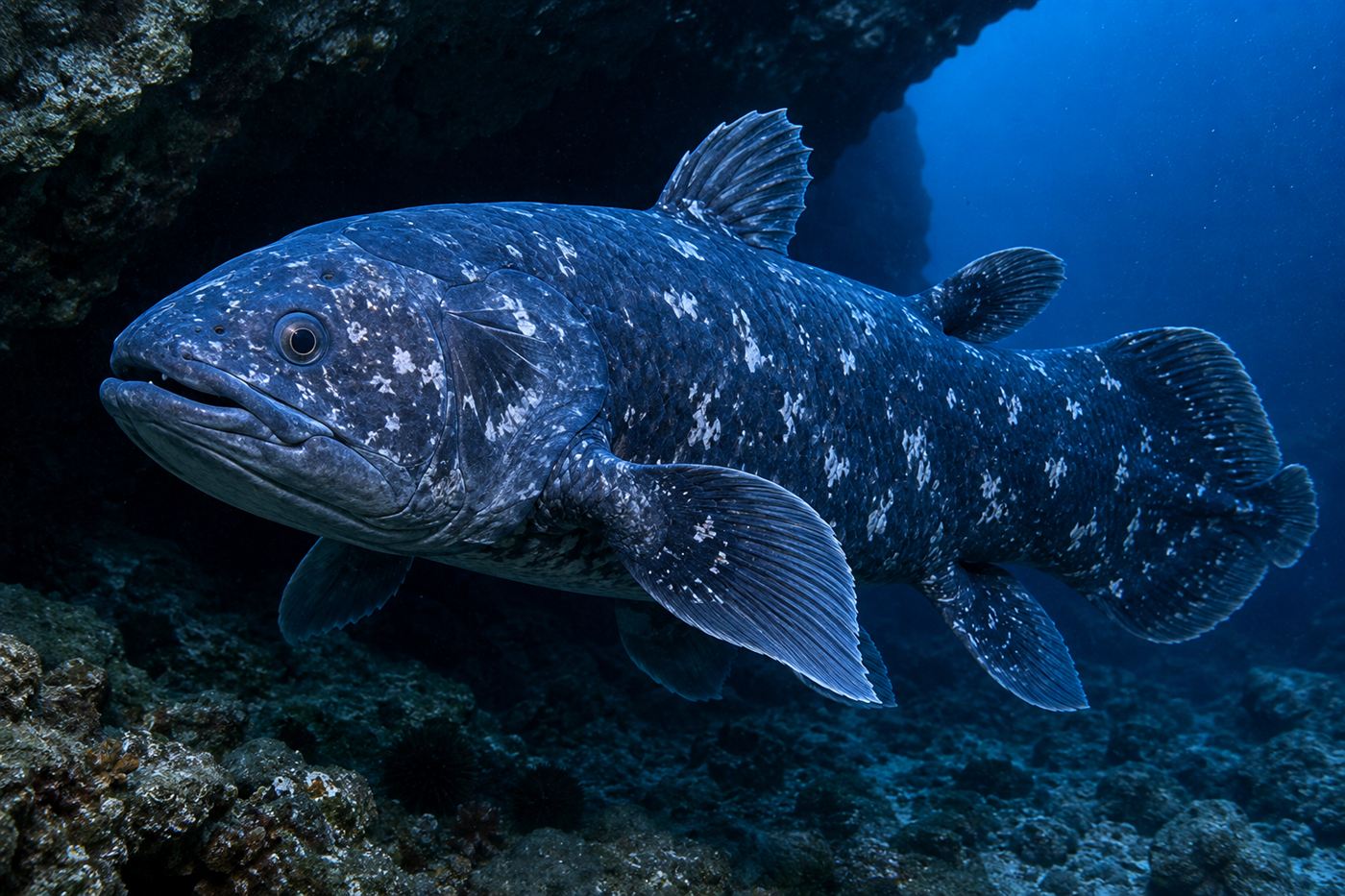
It is thousands strong in captivity, waiting for a home swept clean of the rats that once ate it into oblivion, a comeback every bit as unlikely as the return of the coelacanth.
Is it worth poisoning an entire island of rats to bring back one insect? Tell us what you think in the comments.