Forty years after the world's worst nuclear disaster emptied the land of people, the Chernobyl exclusion zone has filled up with wolves, bears and wild horses, as if nature hit a reset button
Chernobyl was the worst nuclear accident in history, and the land around it was abandoned by people in 1986. Four decades on, Chernobyl exclusion zone wildlife has quietly turned that radioactive ground into one of the largest animal havens in Europe, roamed by wolves, bears and rare wild horses, with a handful of old people still living among them.
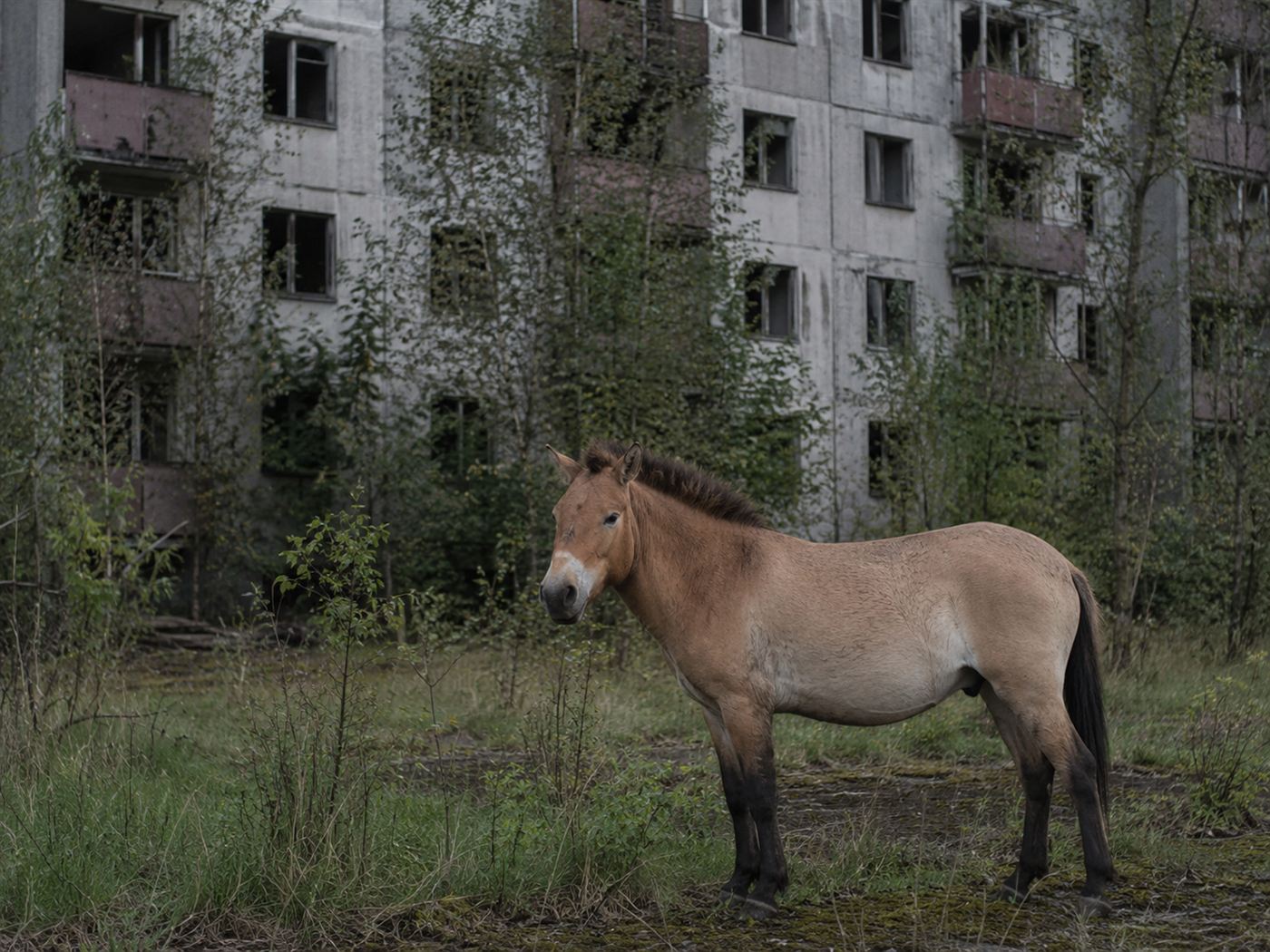
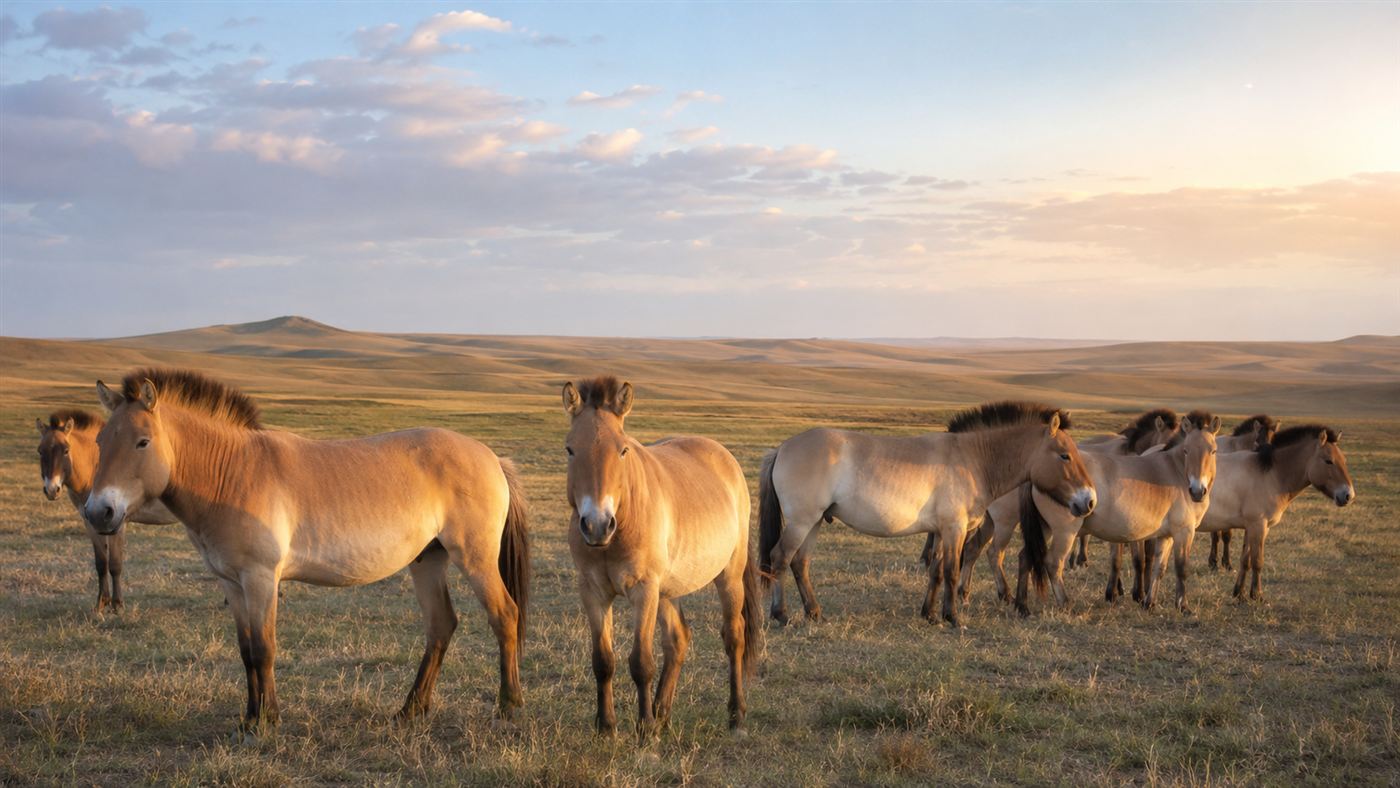
Wild Przewalski's horses now graze the radioactive land people fled. Illustration: Watts & Wild.
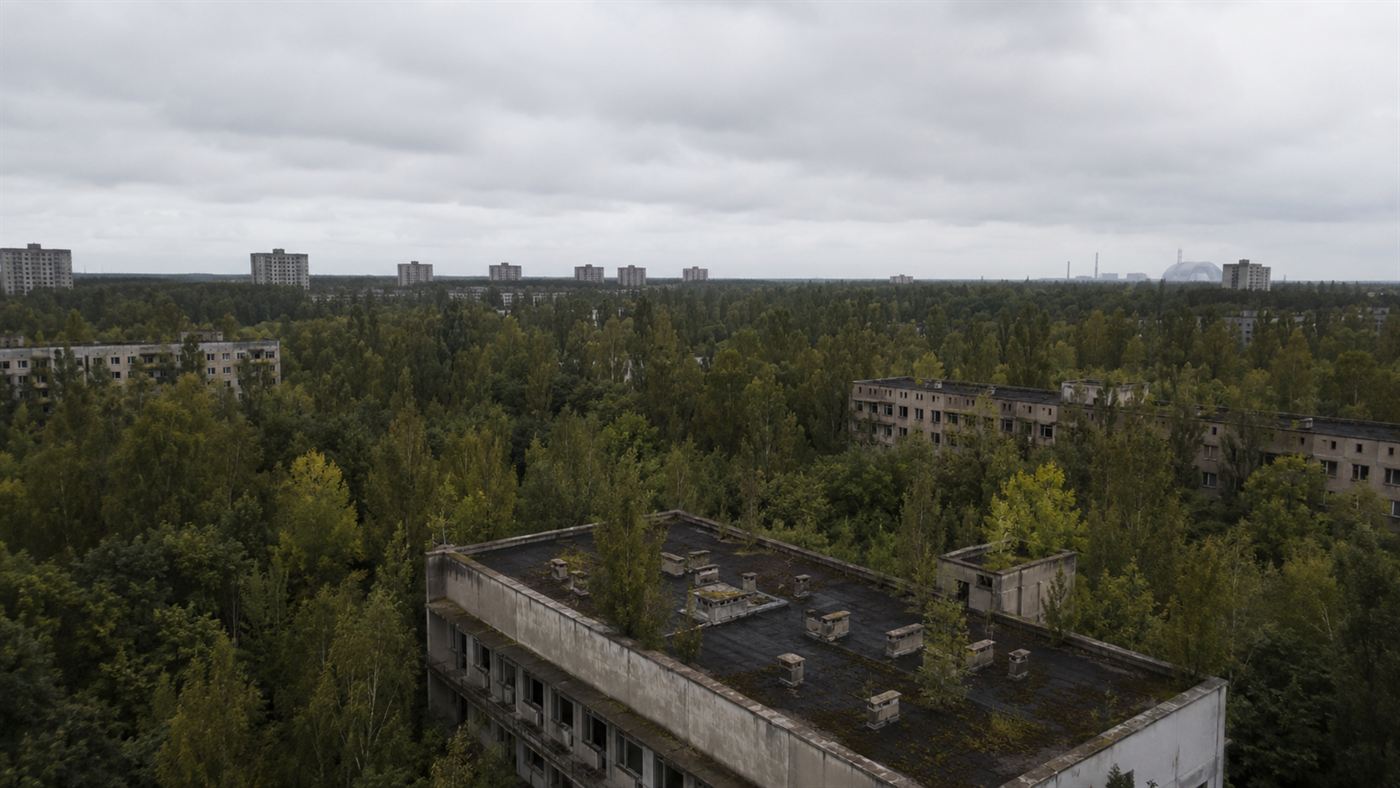
Chernobyl is a name that still means catastrophe. When a reactor there exploded in April 1986, it threw radiation across Europe and forced the permanent evacuation of an area roughly the size of a small country. Almost no one has lived there legally since. And that, it turns out, was the best thing that ever happened to the local wildlife.
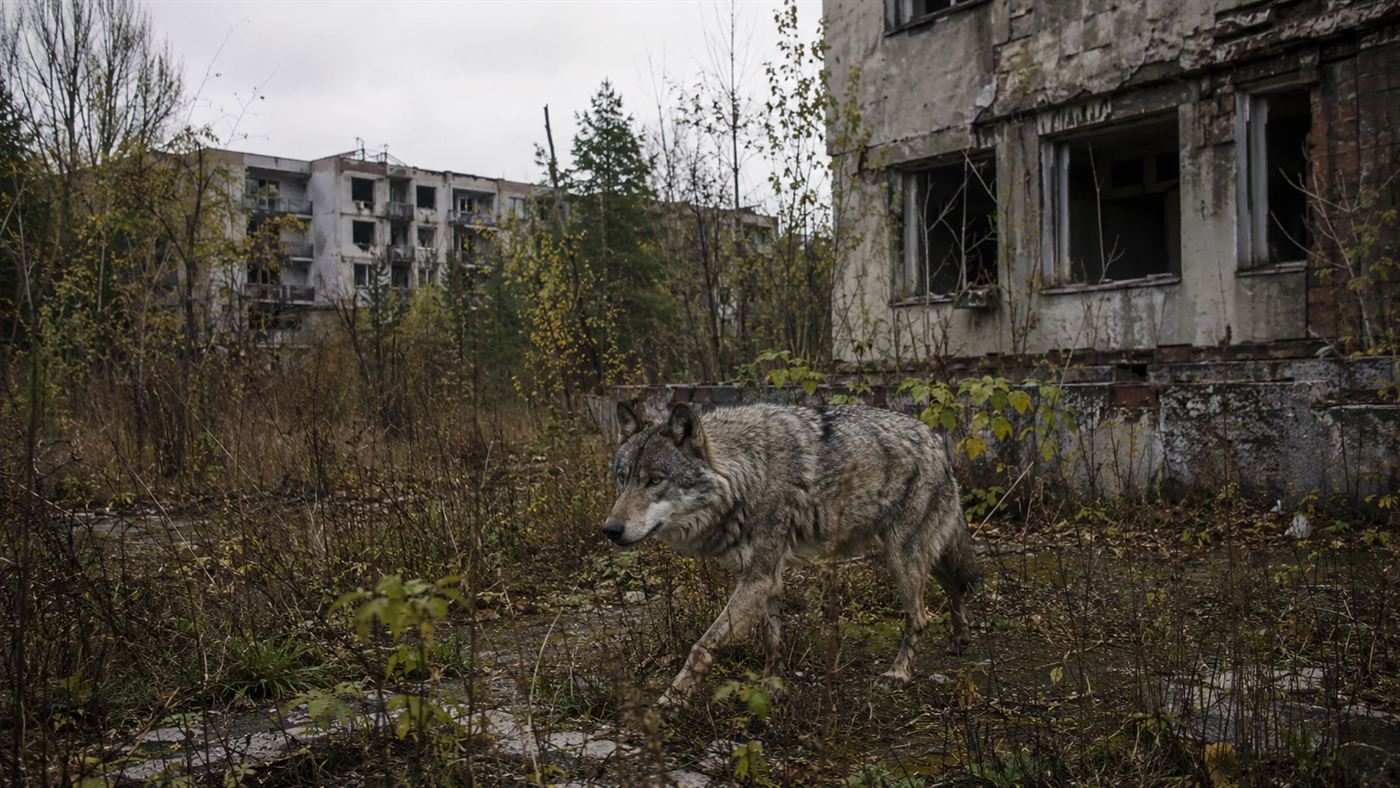
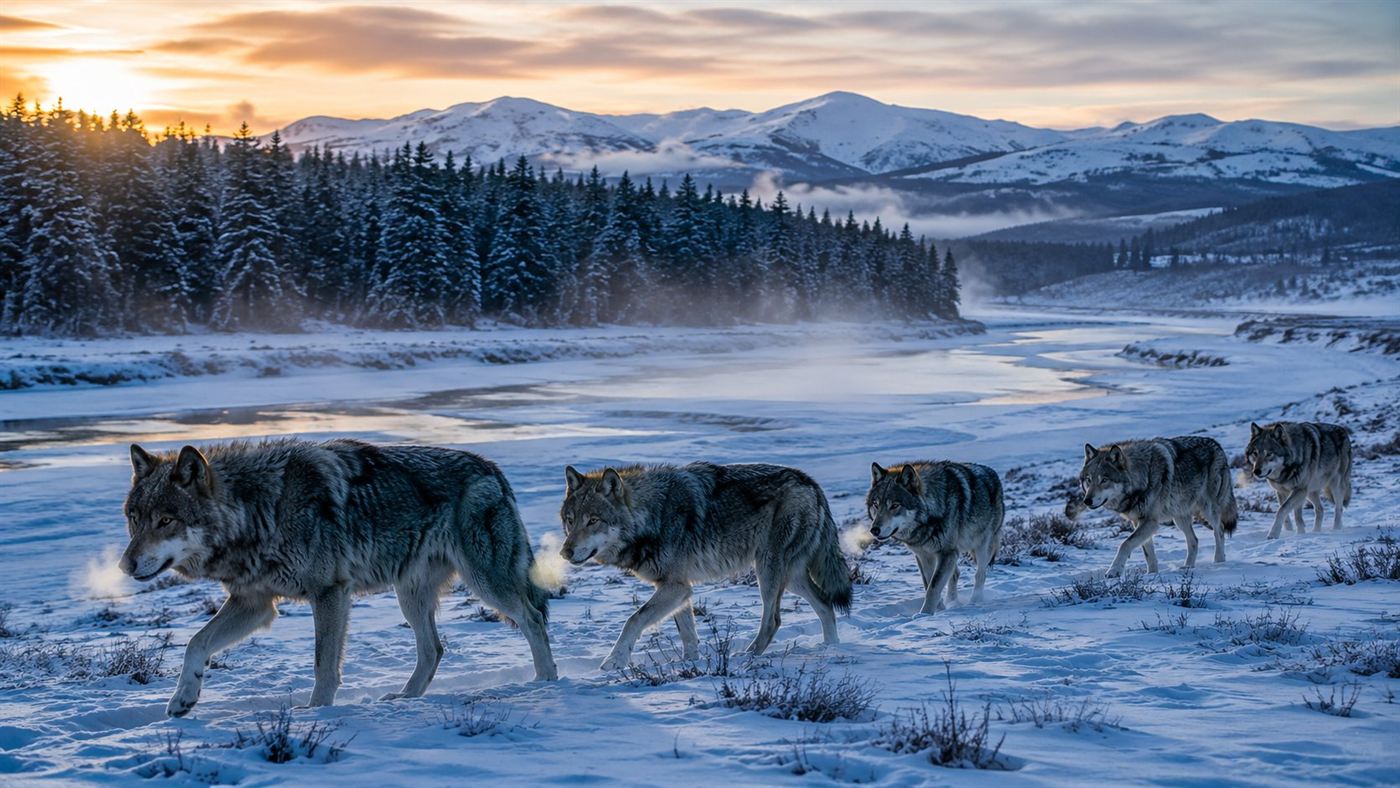
With the people gone, the animals moved in. The forests around the dead reactor are now prowled by wolves, lynx and brown bears that had not been seen for a century, and on the open ground graze herds of wild Przewalski's horses. Scientists who expected a poisoned wasteland instead found one of the richest wildlife refuges on the continent.
The Chernobyl exclusion zone is a roughly 2,600-square-kilometer area sealed off after the 1986 nuclear disaster because of radiation. With humans gone, it has become an accidental wildlife haven, home to wolves, lynx, brown bears, moose and rare Przewalski's horses. Studies suggest the absence of people matters more to large animals than the radiation does.
How Chernobyl exclusion zone wildlife took over a nuclear wasteland
The simple answer is that we left, and almost nothing else does as much damage as we do. The same surprise plays out underwater, where old oil rigs have become some of the richest fish habitats on Earth once we stopped fishing around them.
Once the towns were evacuated, there were no more roads being driven, no farming, no hunting and no construction across thousands of square kilometers.
Brown bears returned to the area for the first time in over a hundred years, and more than 200 species of birds have been recorded.
It is the same lesson taught by the wolves of Yellowstone and by Britain's rewilded Knepp estate, that wild animals come back fast when people simply step aside.
Only here, nobody planned it, and the fence that protects the wildlife is the radiation itself.
The wild horses that moved into the houses
The strangest residents of the zone are its horses.
Przewalski's horses are a stocky, wild species from the Mongolian steppe that had gone extinct in the wild and survived only in captivity, much like the lab-bound northern white rhino.
In 1998 a small group was released into the Chernobyl zone as an experiment, on the bet that the empty grassland would suit them, and they have multiplied ever since.
As Euronews reported, hidden cameras have now caught the horses sheltering inside the abandoned barns and houses of the zone, using the ruins to escape weather and biting insects.
One researcher described the whole place as nature performing a factory reset.
Wild horses bedding down in the bedrooms of an evacuated town is about as vivid an image of that reset as you could ask for.
Does the radiation even matter?
This is where Chernobyl gets genuinely strange and scientifically heated.
You would expect animals to be scarcest where the contamination is worst, but for large mammals that pattern barely shows up.
Surveys have found that the distribution of big animals across the zone has no clear relationship to local radiation levels, suggesting the harm from people, roads, farms and guns, outweighs the harm from the fallout.
That does not mean the radiation is harmless, and this is the core of a long fight between researchers.
Some studies of birds and insects report real damage, smaller brains, cataracts, tumors and shorter lives, while the large-mammal surveys keep finding thriving populations.
The honest reading is that the zone is booming despite its radiation, not because of it, simply because the alternative, us, was worse.
The people who never left Chernobyl
For all the talk of an empty zone, it was never quite empty of humans.
After the evacuation, a few hundred mostly elderly people quietly returned to their old villages, refusing to abandon the land where they were born.
Known as the samosely, the self-settlers, they grew their own food and lived alongside the returning wolves and boar, technically illegally, on radioactive ground.
Officials largely looked the other way, reasoning that people in their seventies and eighties had little to fear from slow radiation damage.
Their numbers have dwindled to a tiny handful now, the last human thread in a landscape that has mostly gone back to the animals.
Then the war came back
The accidental paradise got a brutal reminder that history is not finished with this place.
When Russia invaded Ukraine in 2022, its troops drove straight through the exclusion zone on the way to Kyiv and seized the old power plant.
Soldiers dug trenches and fortifications into the most contaminated ground of all, the so-called Red Forest, kicking up radioactive dust, and military activity set off fires in the woods.
As Live Science reported, camera traps showed the animals changing their behavior during the fighting, moving less and shifting their daily rhythms.
The zone had survived a meltdown, only to find people, and their wars, pressing back in.
The honest catch
It is tempting to tell this as a feel-good story about nature healing, and that would be too easy.
Chernobyl is not proof that radiation is good for wildlife, and individual animals there do carry real damage in their bodies.
What it proves is something more uncomfortable, that an entire ecosystem can be better off poisoned and abandoned than clean and full of us.
The recovery is also fragile, dependent on the zone staying sealed, which the 2022 invasion showed can change overnight.
And none of it undoes the human tragedy of 1986, the lives lost and the towns that will stay empty for centuries.
The animals of Chernobyl are not a happy ending so much as a hard mirror held up to what we do to the rest of the world.
The grey wolf that filled the zone is part of a broader comeback across the continent. Without any reintroduction program, European wolf packs walked back into Belgium, France and the Netherlands after a century's absence, on their own terms.
Chernobyl is the closest thing we have to an experiment in what the world does the moment we leave it alone.
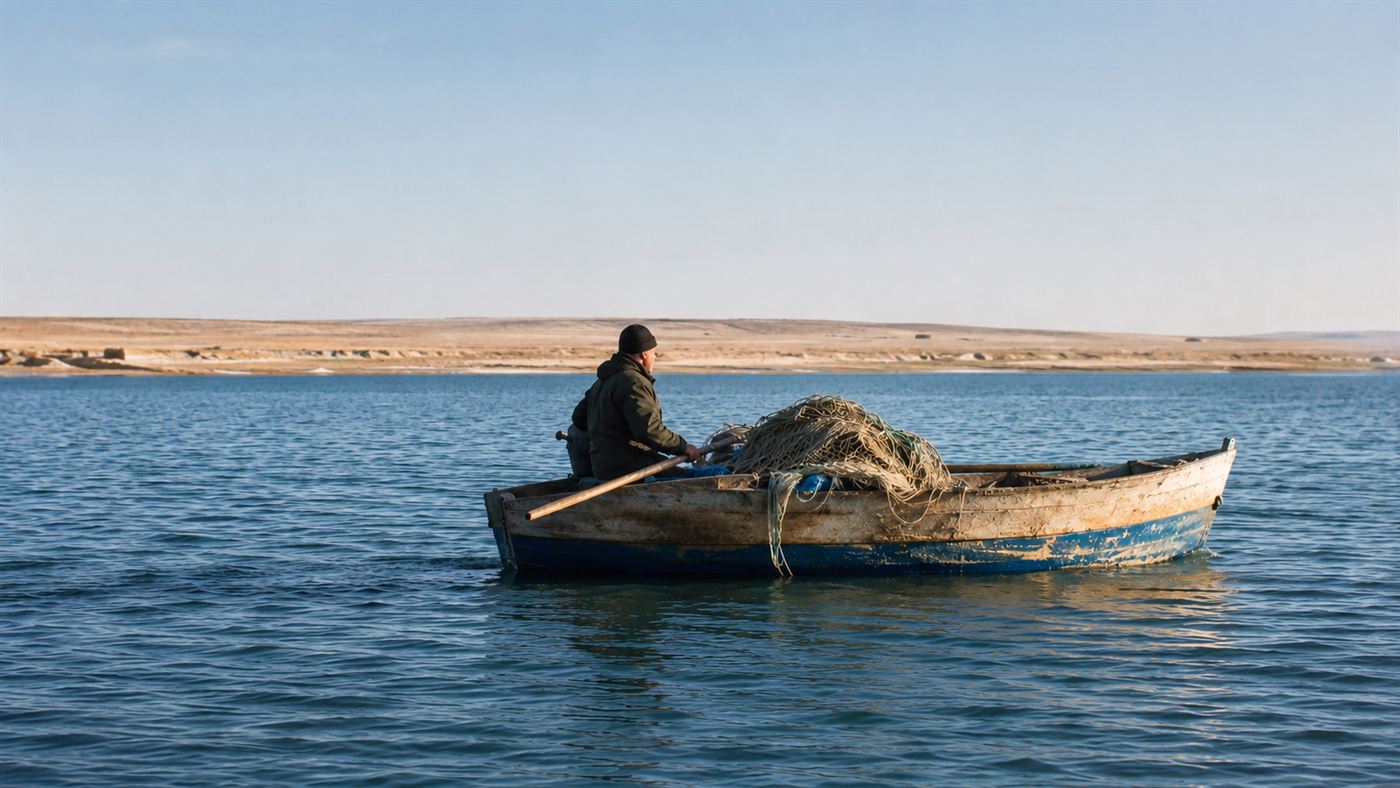
The answer, written in wolf tracks and wild horses sheltering in ruined kitchens, is that it comes roaring back, the same resilience that refilled the dead waters of the North Aral Sea once the people changed course.
If a place this poisoned can become a wildlife haven the moment people leave, what does that say about how heavily the rest of us weigh on the natural world? Tell us in the comments.
More from Watts & Wild
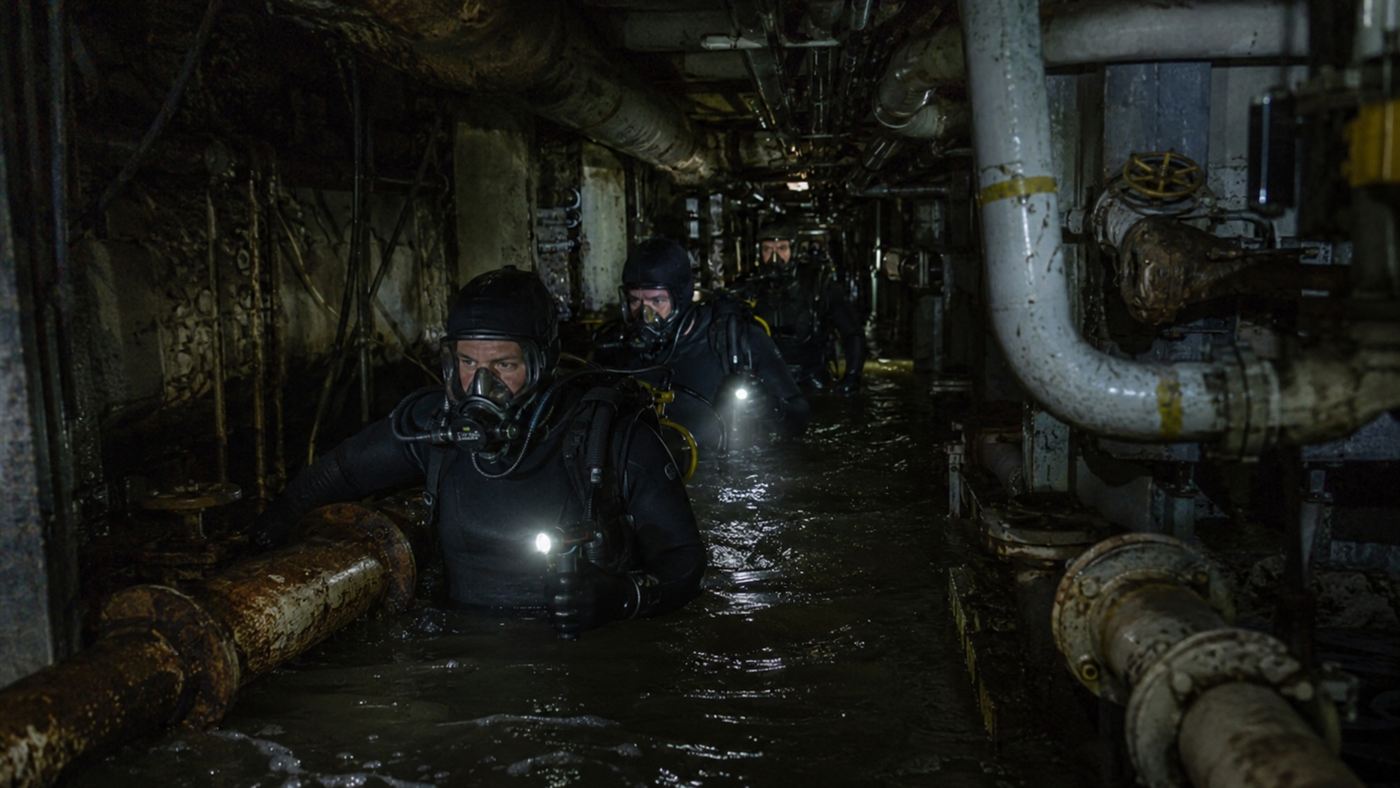 The three Chernobyl divers who drained the reactor
 The last truly wild horse on Earth went extinct in 1969 and has been returning to Mongolia from twelve zoo survivors ever since.
 Yellowstone's wolves reshaped the rivers
 Knepp, the farm that rewilded itself
 The lab race to save the northern white rhino
 A dam brought the North Aral Sea back