A couple gave up on their failing Sussex farm and let it run wild, and twenty years on white storks are nesting over England for the first time in 600 years
Charlie Burrell and Isabella Tree were going broke trying to farm heavy Sussex clay. So around the year 2000 they did something their neighbours thought was madness: they pulled down the fences, sold the machinery, and let the land go. Two decades later, Knepp is Britain's most famous rewilding project.
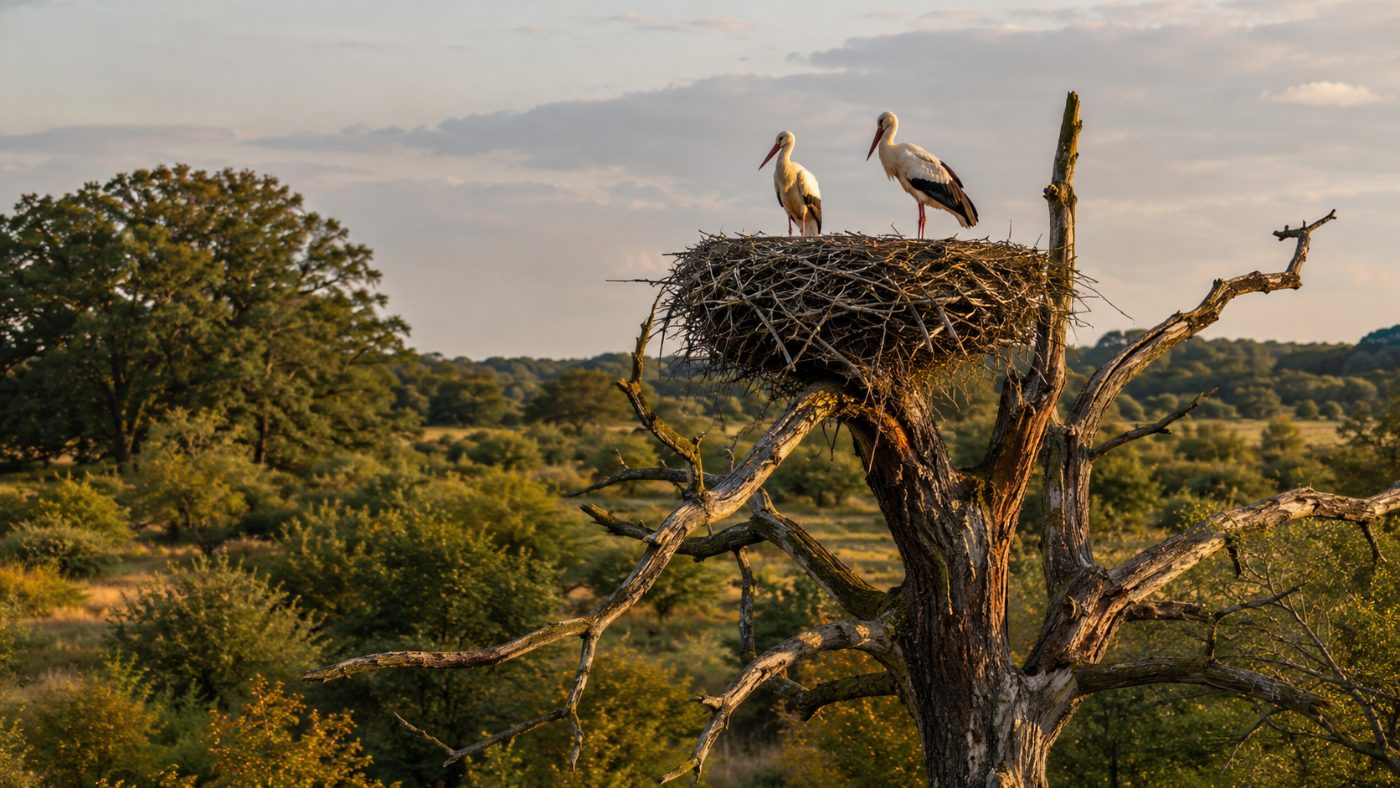
White storks nest on the old oaks of Knepp, the first to breed in Britain in roughly 600 years. Illustration: Watts & Wild.
For most of the twentieth century, the story of British farmland ran one way: drain it, fence it, plough it, push it harder. Charlie Burrell tried exactly that on the estate he inherited at Knepp, in West Sussex, and the heavy clay beneath it beat him. After years of losses, he and his wife, the writer Isabella Tree, made a decision that sounded less like agriculture and more like surrender: they would stop fighting the land and hand it back to nature. That gamble became the Knepp rewilding project, and the storks now nesting overhead are its most improbable result.
What happened next has become one of the most quietly radical experiments in Europe. By 2020, white storks were raising chicks at Knepp, the first to breed in the wild in Britain in around six centuries. By 2024 the colony was booming. The farm that could not turn a profit had become a place that turns out wildlife.
A farm that would not pay
Knepp is about 1,400 hectares of former arable and dairy land sitting on stubborn Sussex clay, soil that bakes to concrete in summer and turns to porridge in winter. Through the 1990s the couple poured money and modern methods into it and still lost, year after year, competing on ground that was never suited to intensive farming in the first place.
Around the turn of the millennium they gave up the unequal fight. They sold the dairy herd and the farm machinery, paid down what they could, and began to imagine the estate not as a business to be optimised but as a landscape to be released. The first step was simply to stop, and then to watch what the land wanted to do on its own.
Letting the land take the wheel
Rewilding at Knepp is not gardening for wildlife. As Countryfile has described, the couple looked at how they could use the estate radically differently: they took out the internal fences, broke up the old Victorian field drains so water could spread and pool again, and let scrub and thorn move in where neat crops had been.
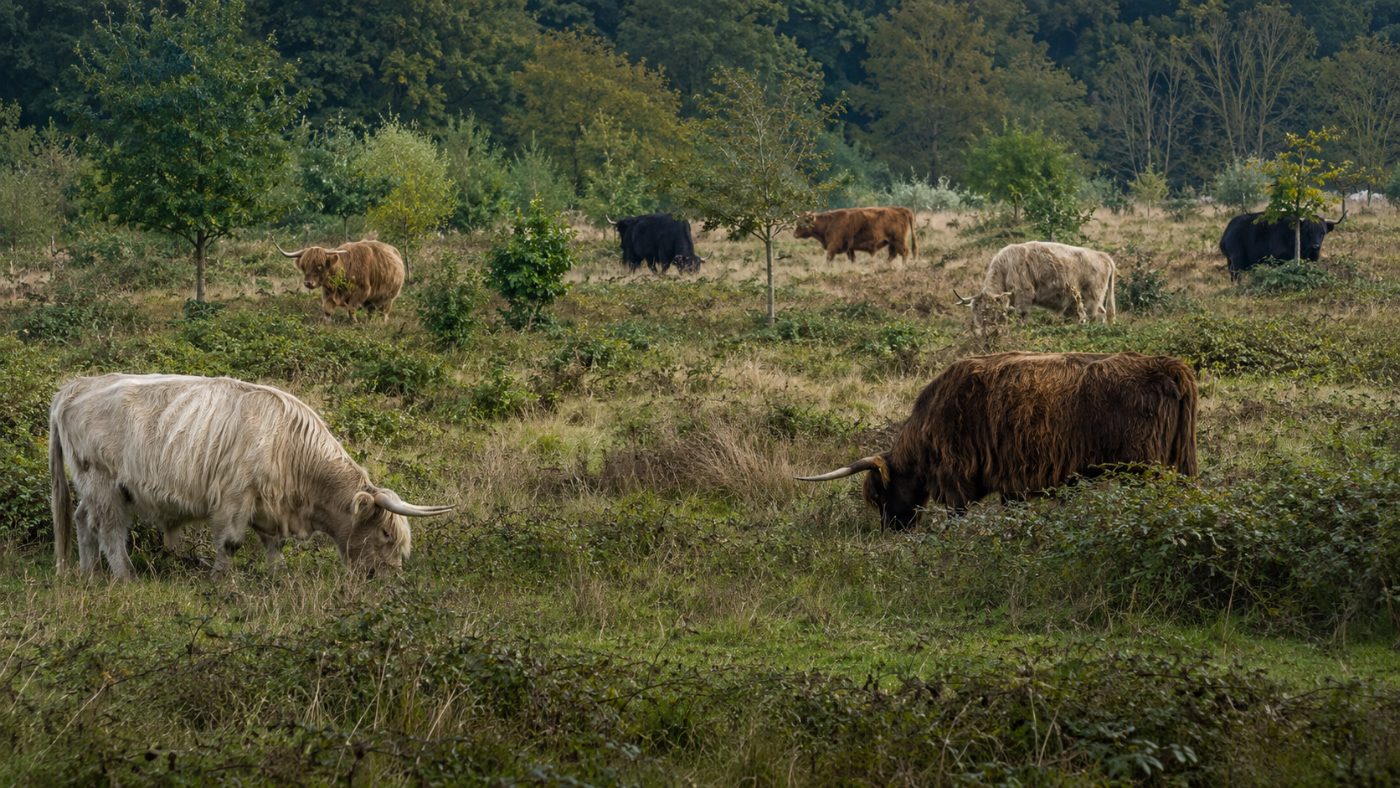
Then they brought in the animals. Old English longhorn cattle, Tamworth pigs, Exmoor ponies and red and fallow deer were released to roam freely, standing in for the wild grazers, rooters and browsers that vanished from Britain long ago. Their messy, unpredictable feeding is the engine of the whole thing. Tree's key insight was that prickly scrub is not a weed to be cleared but a nursery, the thorny midwife that shelters young oaks until they can stand on their own.
The wildlife came back fast
The speed of the recovery surprised even the people running it. Within years Knepp had become one of the most important breeding sites in Britain for nightingales and a national stronghold for the rare purple emperor butterfly. Turtle doves, a bird in freefall almost everywhere else in the country, started calling again from the scrub.
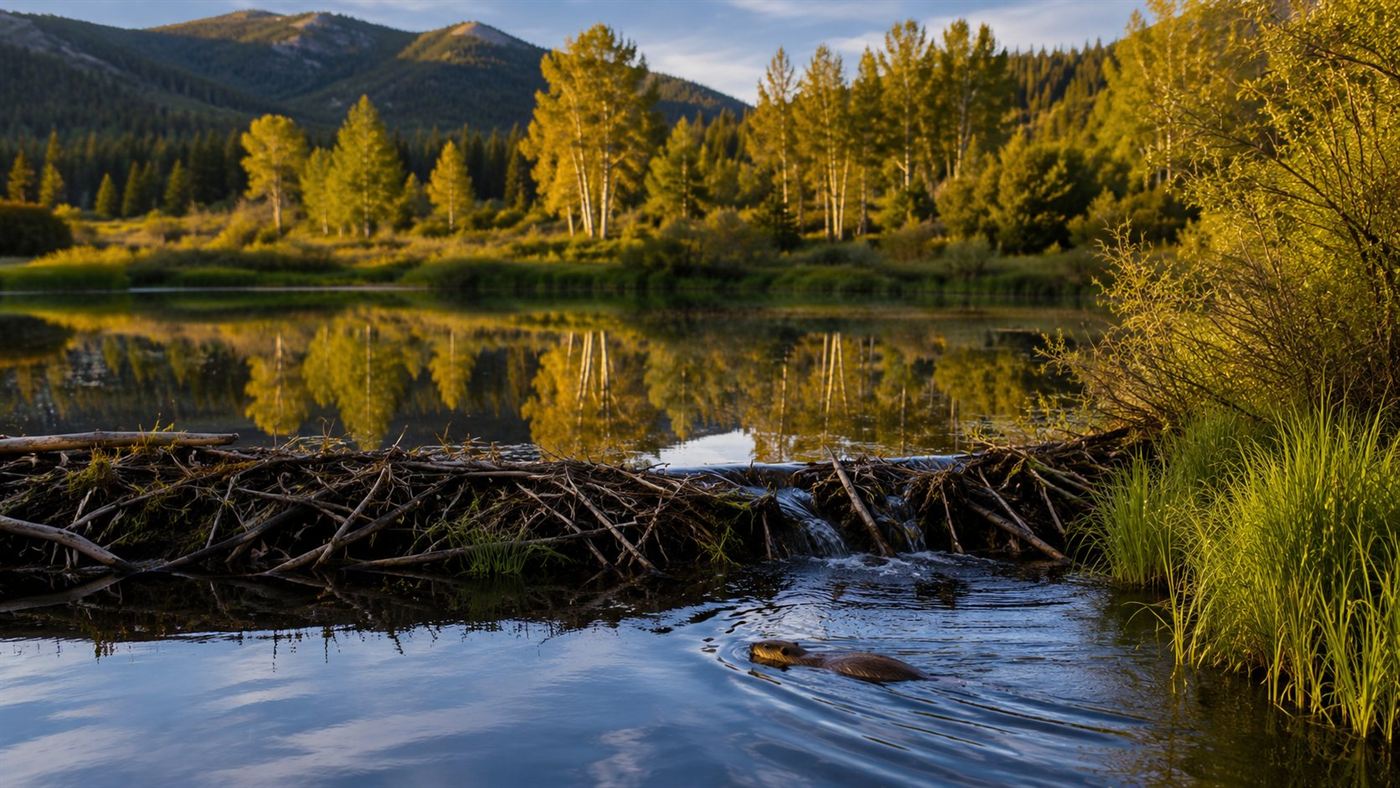
The list kept growing: rare bats, slow-worms, all five British species of owl, and in time beavers, the first living wild in Sussex in some 400 years, set to work damming the streams. None of it was planted or stocked like a zoo. It arrived because the conditions were finally right, which is the entire point of rewilding.
How the Knepp rewilding brought storks back
The headline act is the white stork. Once a familiar bird across medieval Europe and a fixture in folklore, it had not bred in Britain for centuries. Beginning in 2016, Knepp joined the Roy Dennis Wildlife Foundation, Warsaw Zoo, Cotswold Wildlife Park and neighbouring landowners to bring it back, releasing birds and building the conditions for them to settle.
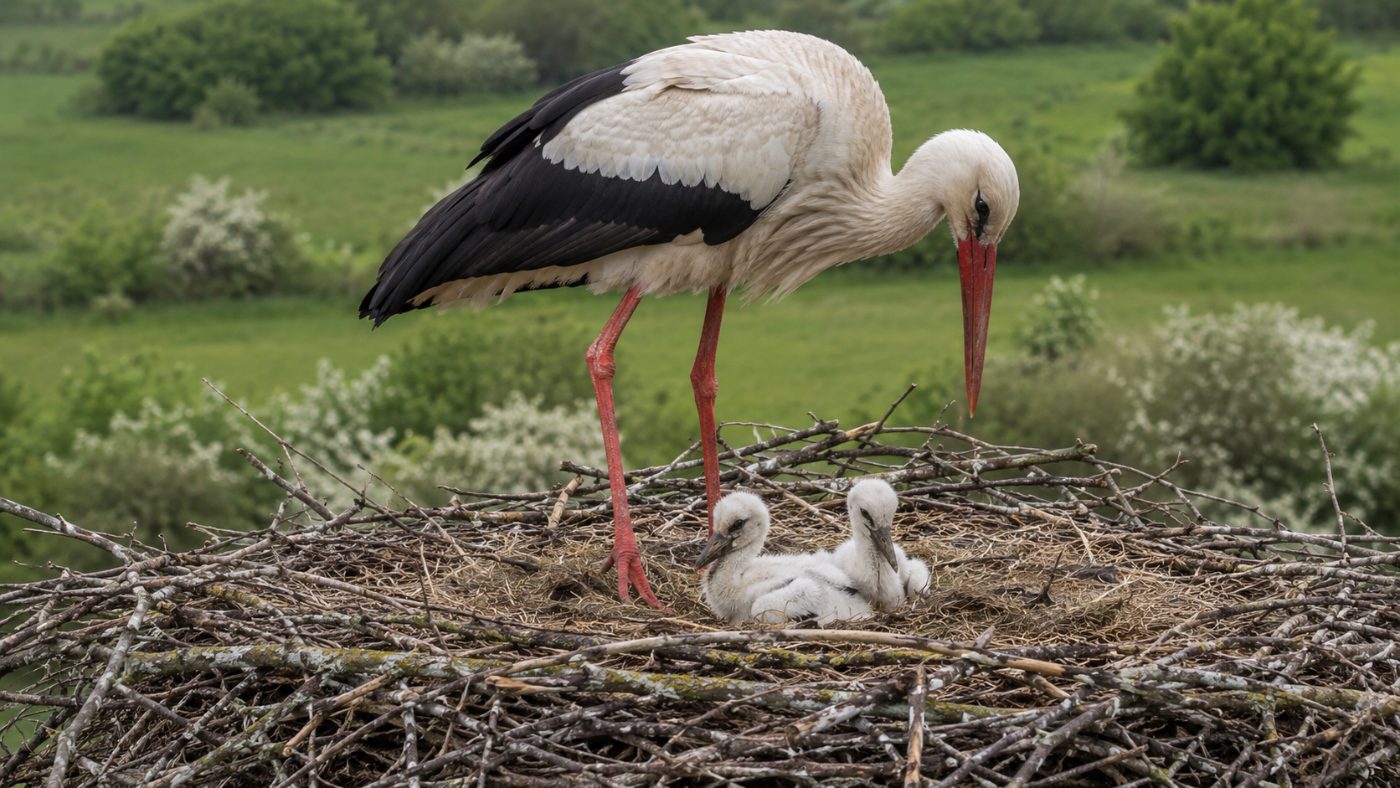
In 2020 the first chicks fledged. Then the numbers climbed. As Rewilding Britain notes, the project aims for 50 wild breeding pairs in southern Britain by 2030, and the 2024 season blew past expectations, with storks laying about 90 eggs across 20 nests and a record 53 chicks fledging. Most striking of all, some of the young storks raised at Knepp have already flown south, survived for years, and come back as adults to nest where they hatched.
From red ink to a new kind of business
Rewilding did something the intensive farm never could: it paid. As CNN reported, the once polluted and dysfunctional estate has become a haven for wildlife, and also a business, earning its keep through wildlife safaris, glamping, and the sale of free-roaming, pasture-fed meat rather than commodity crops.
The idea spread well beyond one estate. Tree's book Wilding turned Knepp into a household name and was made into a documentary film, Burrell went on to chair Rewilding Britain, and farms and landowners across the country now make pilgrimages to Sussex to see what letting go actually looks like. Knepp stopped being a farm and became a proof of concept.
The honest catch
It is easy to romanticise, so the caveats matter. Knepp could afford to stop farming because it is a large estate that found new income in tourism and premium meat, an option a tenant farmer on a small holding simply does not have. Some neighbours were furious in the early years, worried that weeds, ragwort and pests would spill over their fences from the wilderness next door.
There is a bigger question underneath, too. Britain still has to grow food somewhere, and land given over to scrub and storks is land not growing wheat, so rewilding at scale runs straight into the argument over how a crowded country feeds itself. The storks and beavers were reintroduced and are managed, not spontaneous miracles. Knepp is a genuine triumph, but it is a model that fits some places and some pockets, not a single answer for all of them.
A failing farm was handed back to nature, and storks now circle over Sussex for the first time since the Middle Ages. Would you let good farmland go wild to bring back birds and beavers, or does a crowded country need every field it has growing food? Tell us what you think in the comments.
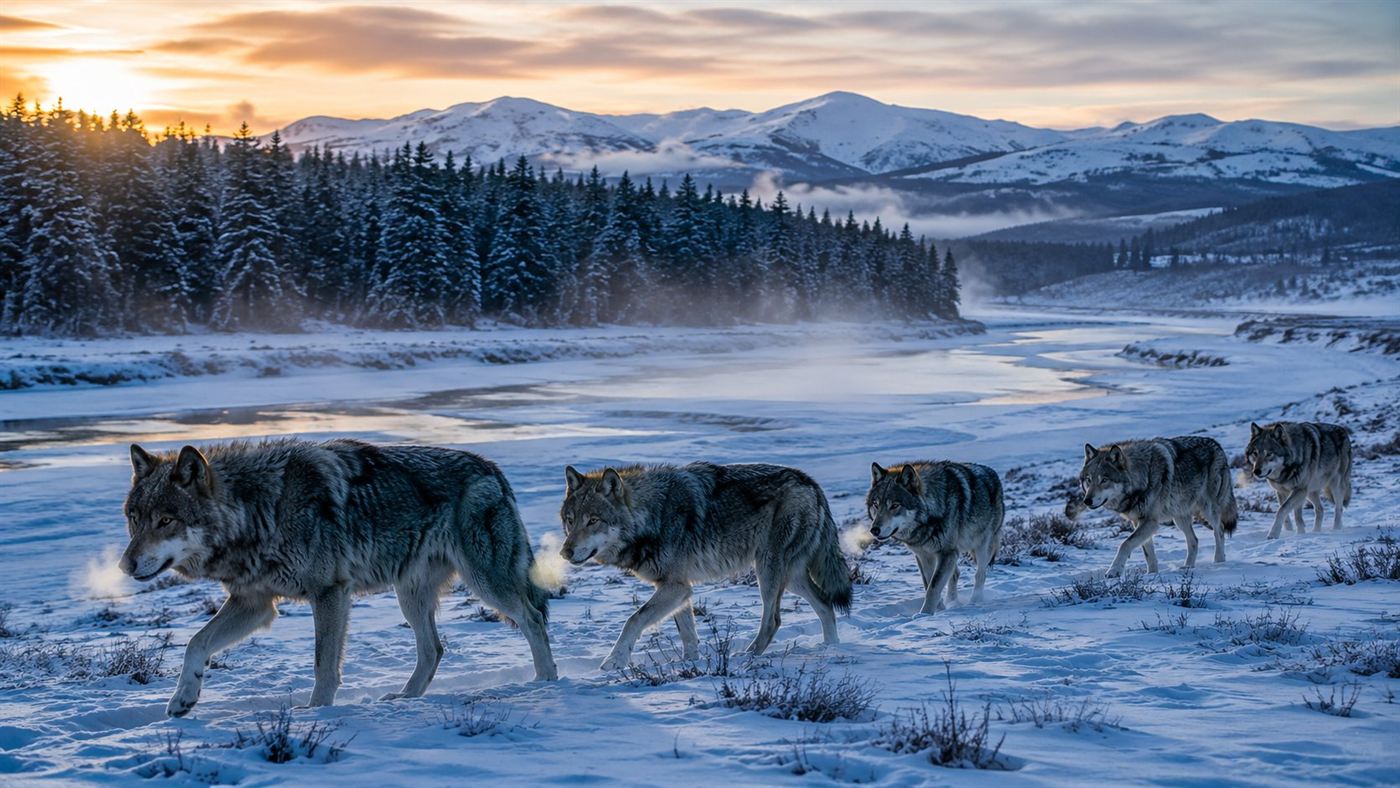
Related reading: Yellowstone put wolves back after 70 years, and the predators reshaped the rivers themselves.