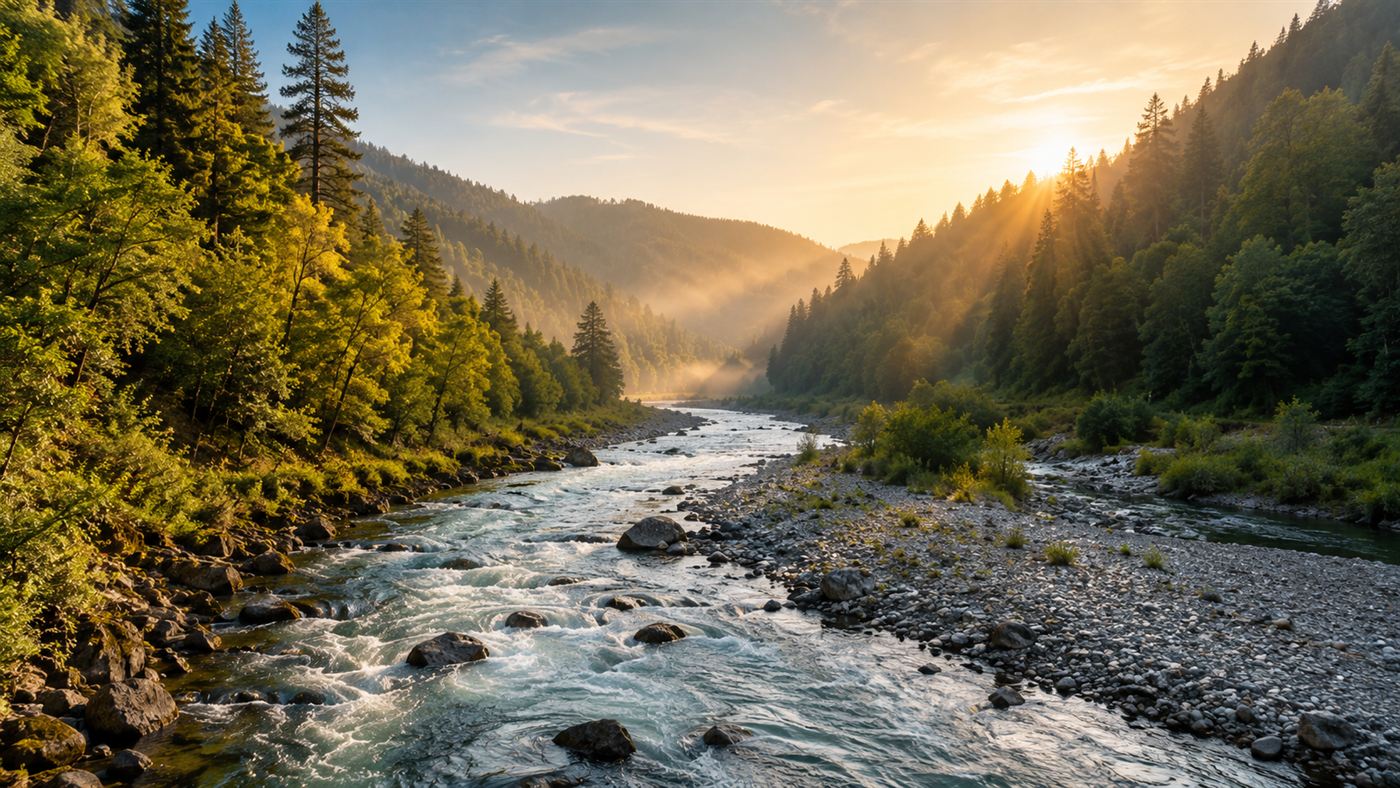
Wolves vanished from western Europe for a century, then in 2012 they walked back from Germany without anyone's help and are now breeding in France, Belgium and the Netherlands
The last wolf in Belgium was shot in 1897. The last breeding grey wolf pair in Germany disappeared in 1904. No reintroduction program was ever launched for western Europe. The grey wolf walked home anyway, one animal at a time, and the continent is still deciding what to do about it.
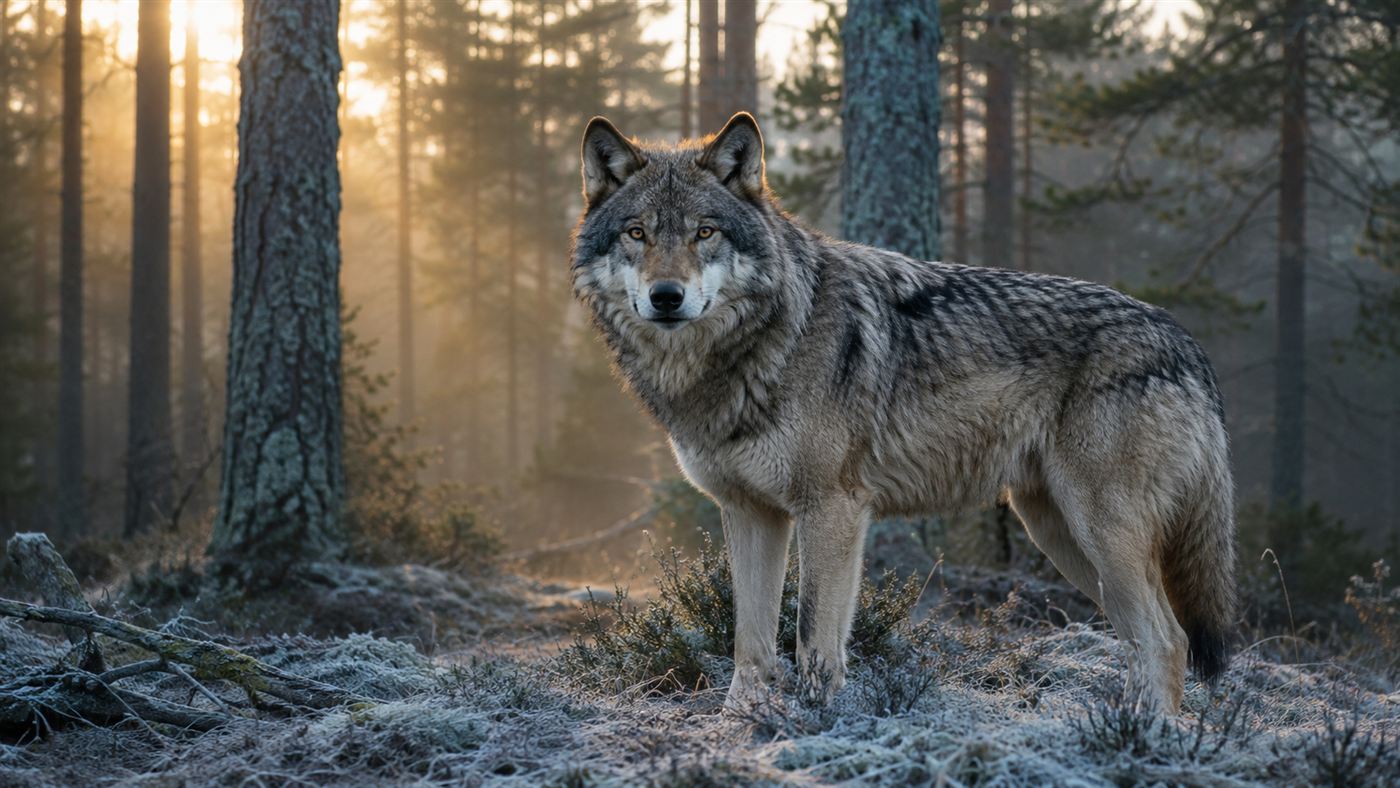
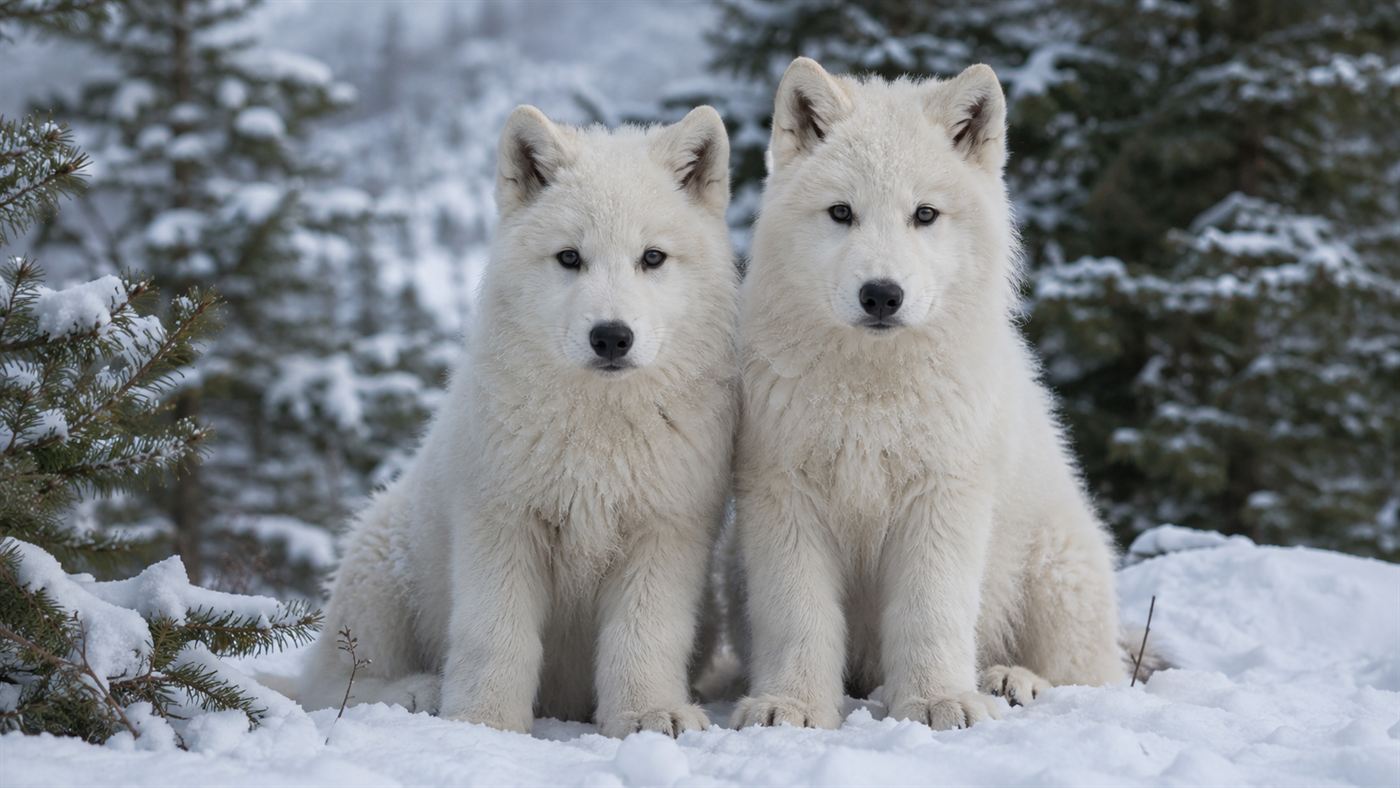
The grey wolf was eliminated from most of western Europe by the early twentieth century and returned without human help. Illustration: Watts & Wild.
In February 2012, Belgian wildlife authorities confirmed what camera traps in the forest near the German border had already revealed: a grey wolf had crossed into Belgium for the first time in 115 years. The animal was a young male who had dispersed from a pack in Lower Saxony, northern Germany, walking hundreds of kilometres through farmland, motorway corridors and rewilded forest margins to reach Belgian territory. No one had planned for him to arrive. No European wolf reintroduction scheme covered Belgium. He had simply come on his own.
The Belgian wolf was not an isolated case. He was the latest in a slow, remarkable movement that had been building for decades. Grey wolf packs had returned naturally to Germany in 2000, the first confirmed breeding pair since 1904. From there, wolves dispersed further west. France, which had received its first wolves from Italy in the early 1990s, recorded more than 1,000 animals by 2023. The Netherlands confirmed its first grey wolf in 2015 and had established breeding packs by 2019. Western Europe, which had spent a century without wolves, was filling back up.
The European wolf (Canis lupus lupus) is the grey wolf subspecies native to continental Europe. Hunted to local extinction across most of western Europe by the early twentieth century, the species has recolonized Germany, France, Belgium, the Netherlands and other countries through natural dispersal from surviving populations in Italy and Eastern Europe. No reintroduction program drove the recovery. France alone had an estimated 1,000 grey wolves as of 2023, organized in more than 100 wolf pack territories.
How a century of hunting removed the grey wolf from western Europe
The disappearance of the European wolf was not an accident.
It was policy.
Across France, Germany, Belgium and the Netherlands, governments paid bounties for dead wolves throughout the 1800s.
Farmers and landowners organized systematic hunts, and wolves were shot, trapped and poisoned until the populations were simply gone.
The process took less than a century in most countries.
France's last wolf pack in the Alps disappeared around 1930, with a few stragglers surviving into the 1940s in the Massif Central.
Germany's last breeding pair was confirmed dead in 1904.
The Belgian wolf was shot in 1897.
The argument for elimination was straightforward: wolves killed livestock, and livestock was the rural economy.
The wolf's recovery from this position was not inevitable.
In the United States, restoring grey wolves to Yellowstone National Park required a decade of legal battles, political opposition, and the deliberate capture and transport of wolf packs from Canada.
In western Europe, nobody did any of that.
The grey wolf came back on its own.
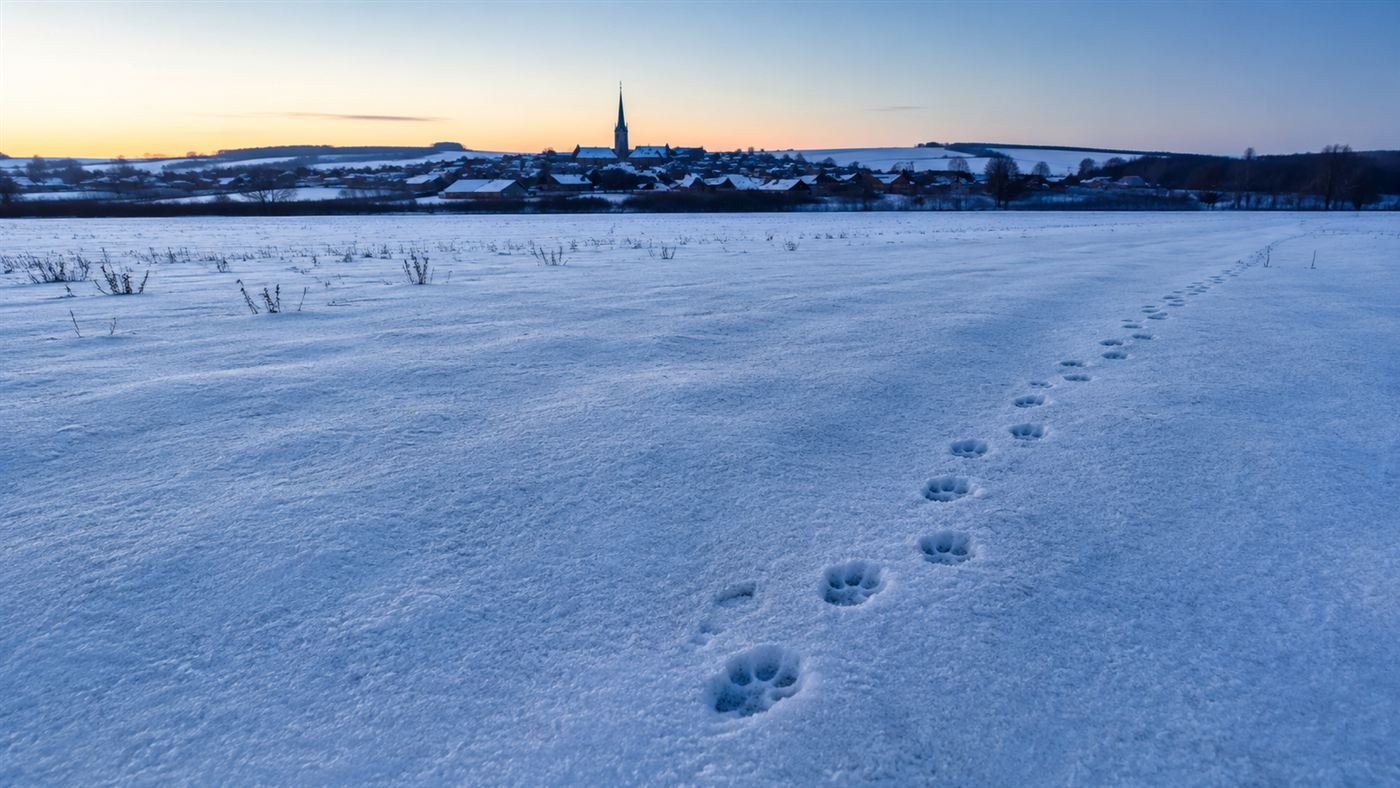
The Italian Apennine wolf pack that started the reconquest of a continent
The source of the European wolf's return was a small, isolated population that survived in the Apennine Mountains of central Italy.
By the 1970s, fewer than 100 wolves remained in Italy, concentrated in the remote mountains south of Rome.
Italy passed national wolf protection legislation in 1971, ending bounty hunting.
The grey wolf population began to recover slowly.
By the late 1980s, Italian wolves had reached northern Italy and were crossing the Alps into France.
The first confirmed wolf in France in decades was documented in the Mercantour National Park in 1992, traced by DNA to the Italian Apennine population.
From France, wolves dispersed into Switzerland.
From Eastern Europe, a separate movement was also underway.
Poland had maintained a wolf population throughout the twentieth century, and by the 1990s, as forests recovered from decades of communist-era mismanagement, Polish wolf packs had begun expanding westward.
German grey wolves arrived from this eastern source: the wolf pack that established itself in Saxony in 2000, the first breeding pair in Germany in nearly a century, was of Polish origin.
The two streams, Italian wolves moving north through France and Eastern wolves moving west through Germany, were filling the map of western Europe with wolf pack territories that had been empty for generations.
The rewilding was happening without any rewilding program.
Naya and the wolves that followed her into Belgium
Belgium's wolf story became personal in 2018, when a GPS-collared female wolf dispersed from Germany and established herself in the Flemish Campine heathland north of Antwerp.
Conservationists named her Naya.
She was the first resident grey wolf in Belgium since the nineteenth century, and her movements were tracked daily by Belgian wildlife researchers.
Naya found a mate, the male wolf August, and in 2019 the pair produced Belgium's first confirmed wolf litter in over 100 years.
Then Naya disappeared.
Wildlife authorities searched for months.
Her GPS collar eventually led them to a location where her body was found in 2021, shot.
A Belgian farmer was later convicted of illegally killing her.
But the wolf pack she helped establish survived.
By 2025, Belgium had multiple grey wolf packs, and the animals had expanded into territory across Flanders and Wallonia.
The wolf that was a singular event in 2012 had become a landscape species again.
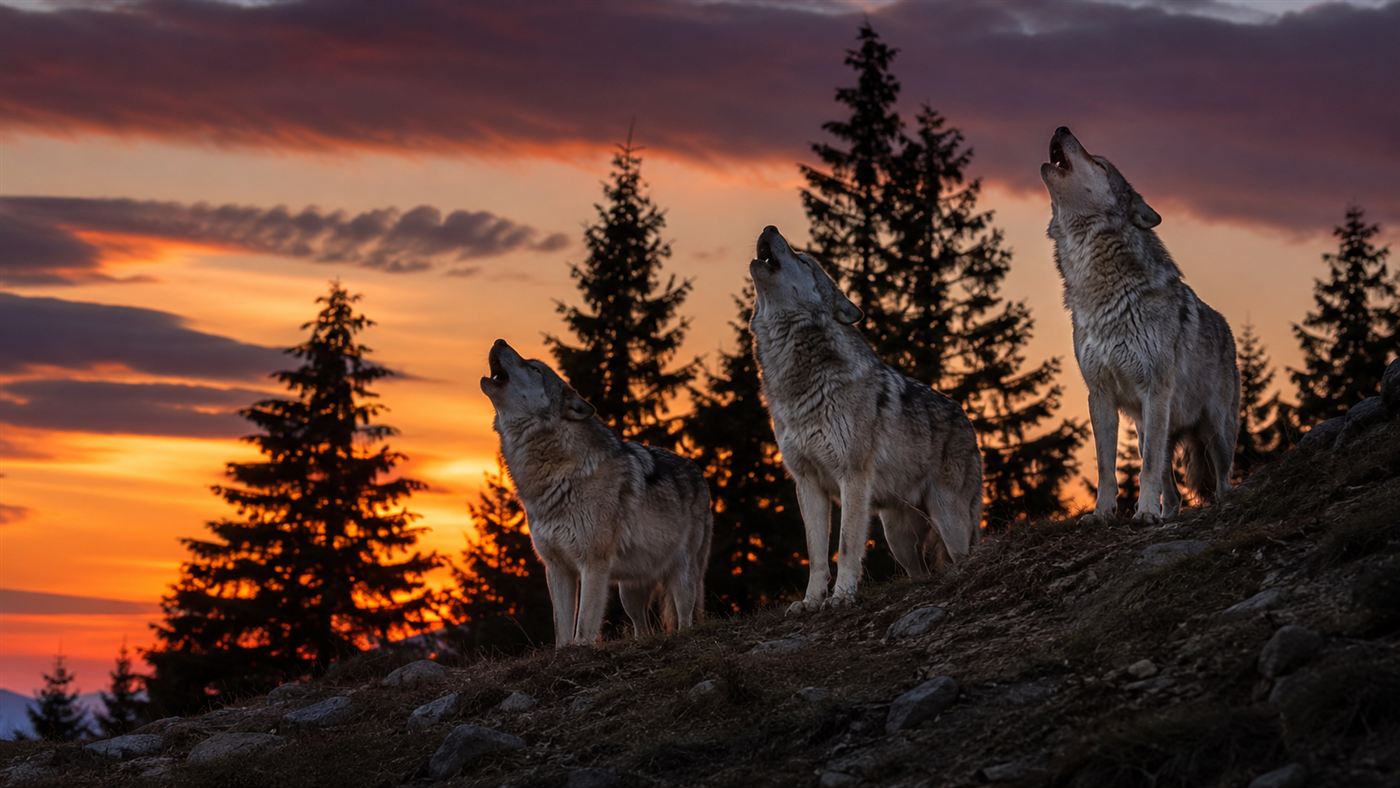
Where European wolf packs now breed across the continent
By 2024, the Large Carnivore Initiative for Europe estimated more than 17,000 grey wolves across the continent, the highest number in at least a century.
Germany had approximately 1,300 wolves in 2024, spread across 200 confirmed wolf pack territories.
France had roughly 1,000 wolves in more than 100 wolf pack territories, mostly in the Alps and Massif Central.
The Netherlands had moved from zero wolves to established breeding packs within a decade.
Denmark, Luxembourg and even parts of northern Spain had confirmed wolf recolonization.
The rate of expansion has surprised even conservationists who study wolf pack dispersal.
Wolves are long-range animals: a young male or female dispersing from its birth pack can travel 500 to 1,000 kilometres looking for new territory.
The European motorway network, which might seem like a barrier, often functions as a corridor, with wolves following road verges and crossing at night.
Rewilding of former agricultural margins, where land has returned to scrub and young forest, has provided stepping stones between isolated wolf pack territories.
The species is filling space it lost in the nineteenth century at a rate that no one predicted.
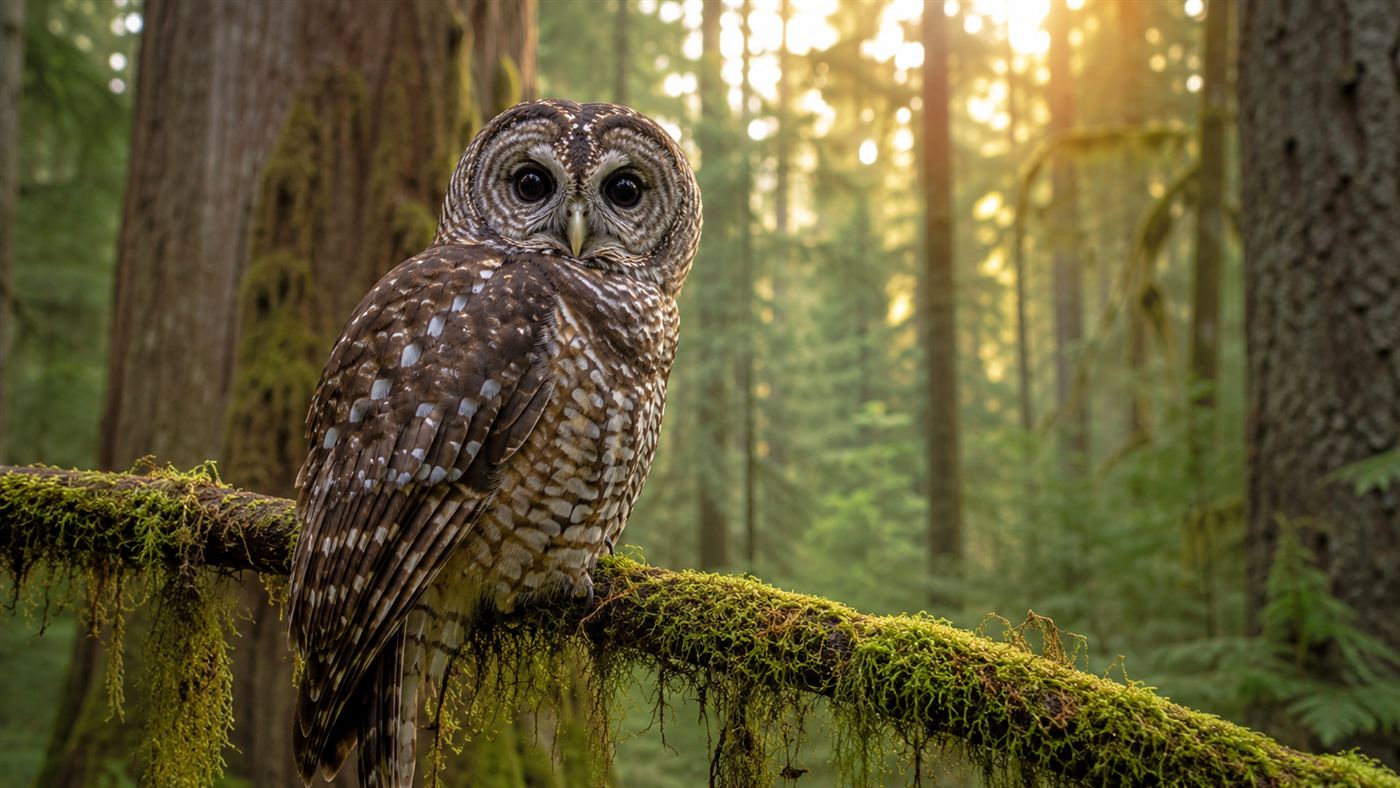
Similar patterns of species returning to reclaimed habitat are visible in ecosystems where human pressure eases, whether it is salmon re-entering rivers freed from a century of dams or the northern spotted owl holding territory in old-growth forest once protected from loggers.
Hunting pressure can do more than shift where animals live; it can rewrite what they look like. In Mozambique, decades of civil-war ivory poaching selected so heavily against tusked elephants that half the female elephants born in Gorongosa National Park today carry no tusks at all, a genetic shift that would have taken millennia under natural selection.
The honest catch
The return of the European wolf is not uniformly welcomed.
Farmers across France, Germany and Belgium have watched wolf packs kill livestock at a scale that was not seen for generations.
French sheep farmers in the Alps have reported losing hundreds of animals per year to grey wolf predation, despite compensation programs and the gradual adoption of livestock guardian dogs.
In 2023, the European Commission proposed downgrading the grey wolf's protection status under the Bern Convention from "strictly protected" to "protected," a move that would allow individual countries to authorize lethal control.
The proposal was backed by European Commission President Ursula von der Leyen, whose pony was reportedly killed by a wolf near her home in Lower Saxony in 2022.
The change was voted through in late 2024, giving EU member states the legal basis to cull wolf packs that repeatedly attack livestock.
The European wolf's return is also not a pure rewilding success without complications.
The grey wolves now in Belgium, France and the Netherlands are not returning to a pristine wild landscape.
They are navigating a continent of intensive agriculture, motorways, suburban sprawl and fragmented forest patches that bears little resemblance to the habitat their ancestors used.
Livestock guardian dogs, electric fencing and herding practices that European farmers largely abandoned during the wolf-free century have had to be relearned.
The wolf's return is genuinely good news for ecosystem health: wolf pack predation on deer and wild boar reduces overgrazing of forest margins, which in turn allows vegetation to recover, which reduces erosion and improves water quality.
But it is returning to a human landscape, and the negotiation between the grey wolf and the people who share that landscape is still very much in progress.
The European wolf did not ask permission.
It simply walked home.
Whether it gets to stay is a political question as much as a biological one.
The European wolf did in western Europe what no conservation program managed to do in the same period: it recolonized a continent it had been driven from, wolf pack by wolf pack, without any human planning.
The result is an ongoing negotiation between grey wolf packs and the farmers, herders and governments of countries that spent a century engineering the animal's absence.
The grey wolf walked back into western Europe on its own terms. Do you think Europe should make space for it, or has the continent changed too much to accommodate wolf packs alongside modern farming?
Tell us what you think in the comments below.