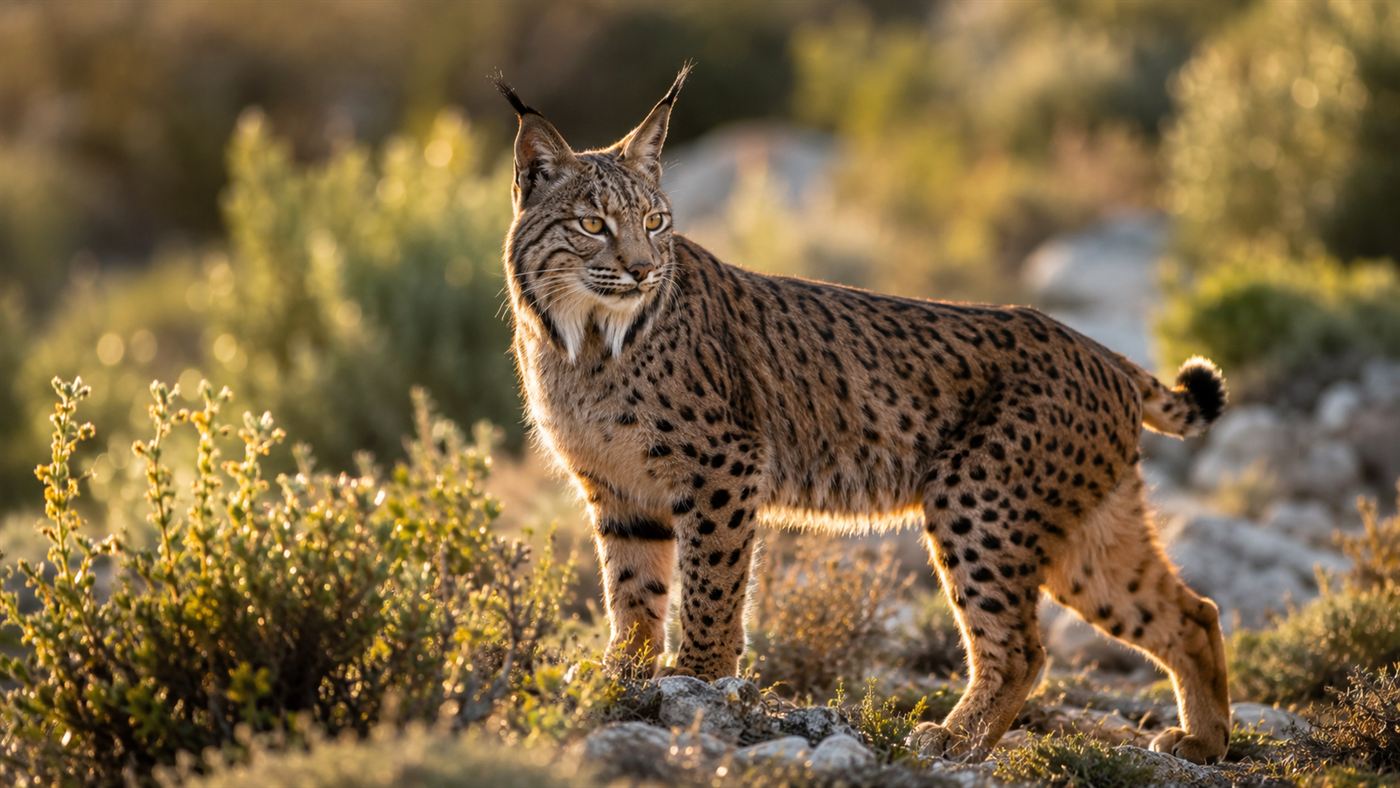
Scientists released just 14 wolves into Yellowstone in 1995, and the predators reshaped the elk, the forests, and eventually the very paths the rivers carve through the valley
It is one of the most famous stories in modern nature: the idea that Yellowstone wolves changed rivers. A handful of predators, returned to the park after 70 years gone, set off a chain reaction that reached all the way down to the water. The story is real, mostly, and the honest version is even more interesting than the myth.
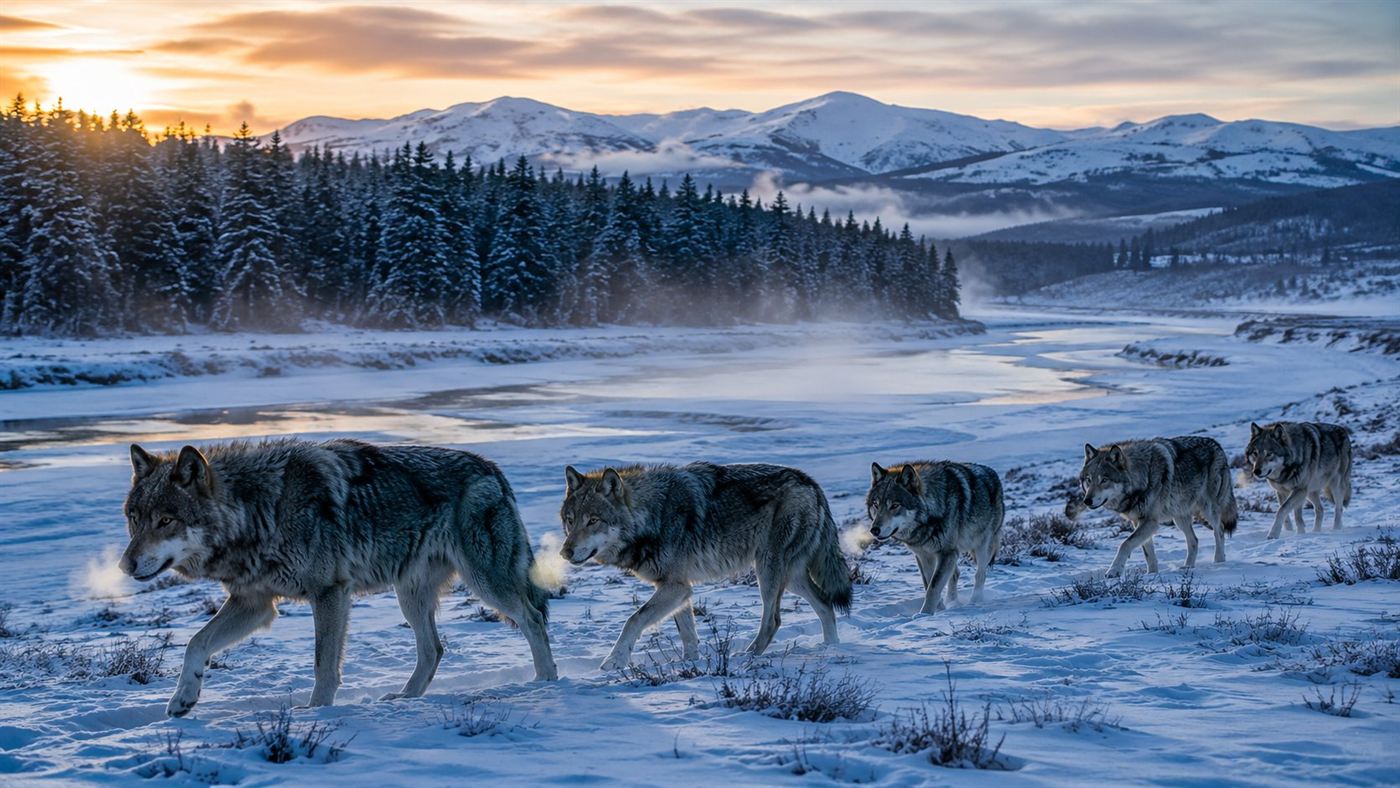
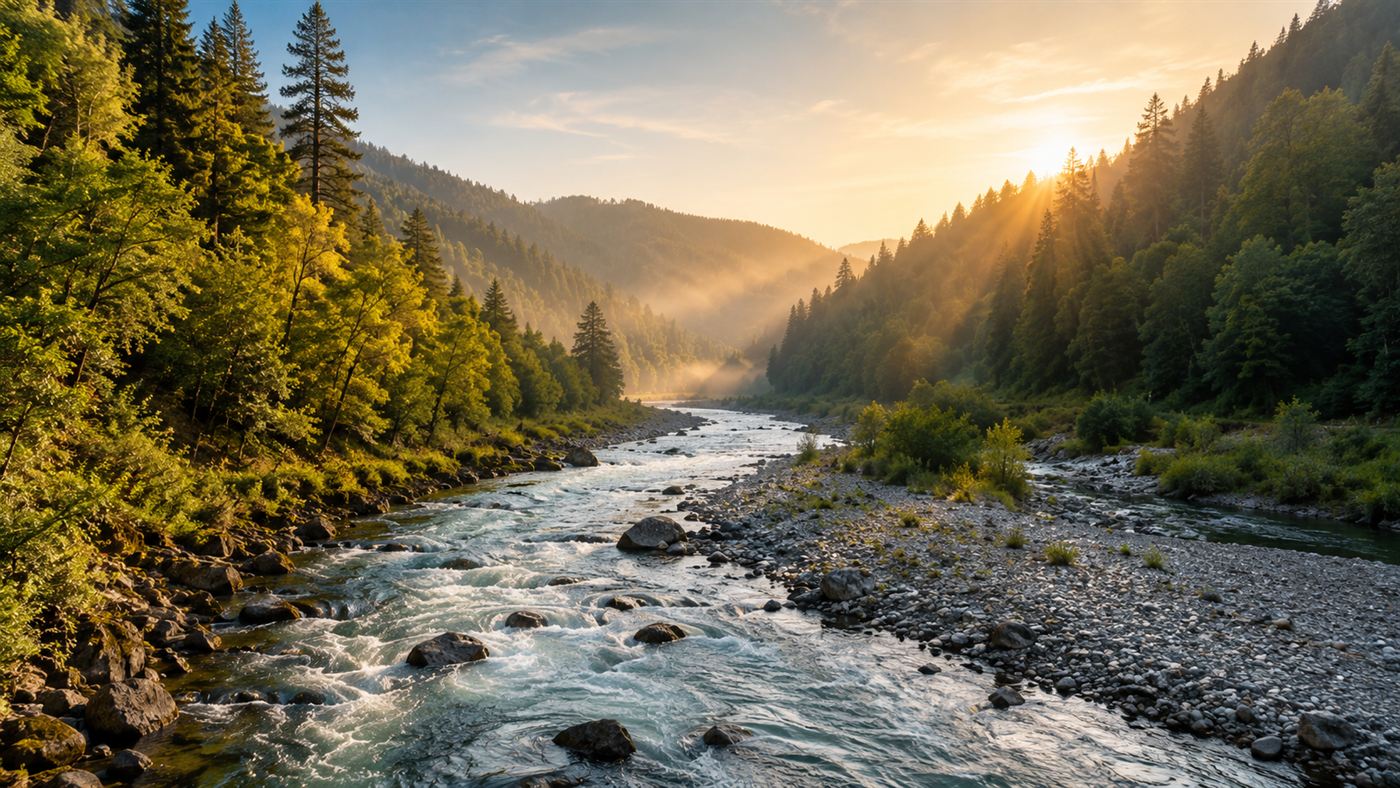
Fourteen wolves in 1995 became one of the most studied rewilding experiments on Earth. Illustration: Watts & Wild.
In the winter of 1995, biologists opened a set of crates in Yellowstone National Park and let 14 gray wolves step out onto ground their kind had not walked in around 70 years. Wolves had been hunted out of the park by the 1920s, and for most of a century Yellowstone ran without its top predator. Another 17 wolves followed in 1996.
What happened next became one of the most repeated stories in conservation. As National Geographic has documented, the return of the wolves triggered a trophic cascade that rippled through the whole ecosystem, changing not just the animals but, the story goes, the rivers themselves. It is a genuinely remarkable case, and it has also been stretched into a myth, so it is worth walking through what really happened.
The chain reaction the wolves set off
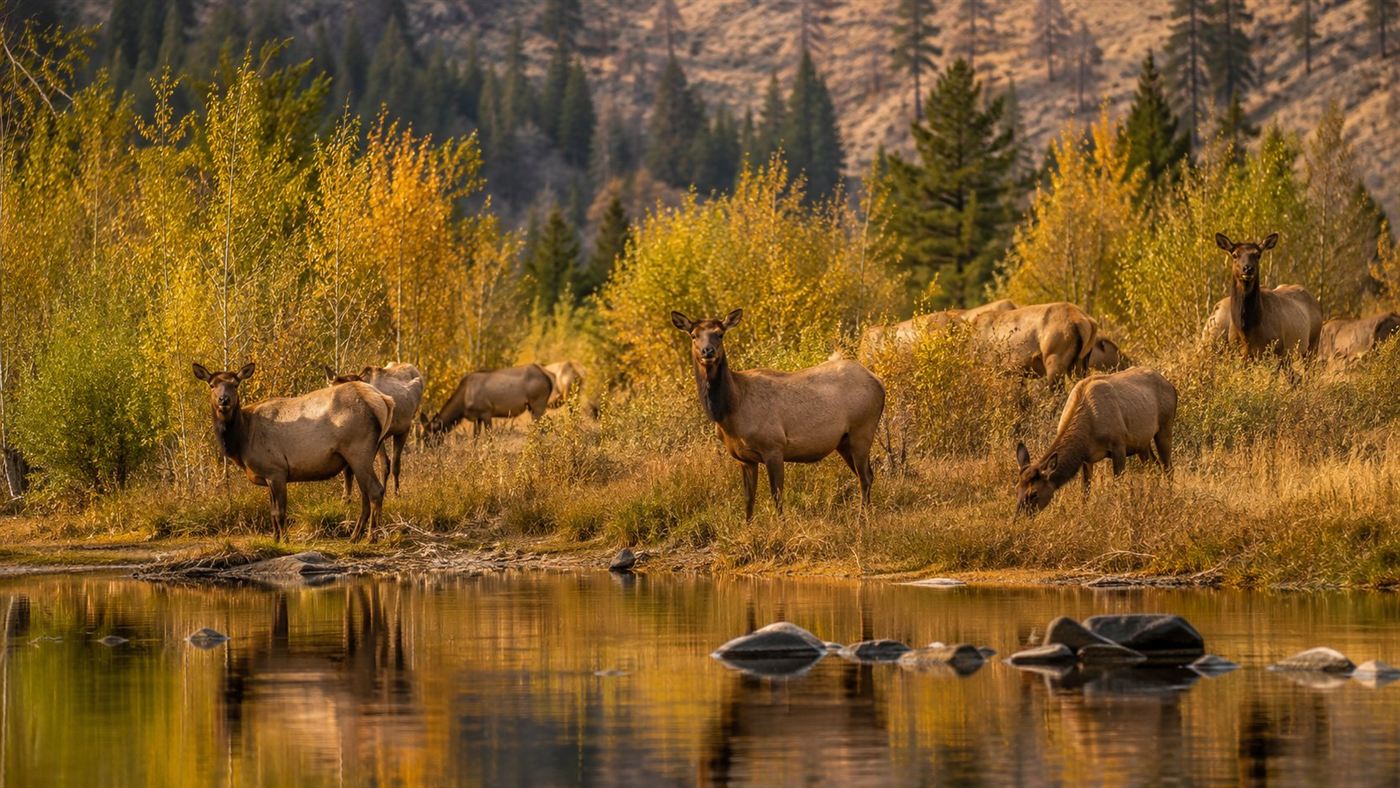
For 70 years without wolves, Yellowstone's elk had it easy. Their numbers were high and, crucially, they could graze wherever they liked, including lingering for long stretches along streams and rivers, browsing young willow and aspen down to nothing. With no predator to fear, the elk reshaped the riverbanks just by standing still and eating.
The wolves changed the math of that behaviour. Work by ecologist William Ripple and colleagues at Oregon State University described how the predators regulated elk numbers and, just as importantly, pushed the survivors to avoid the open, risky ground along the water. Elk that did not want to be cornered by a pack stopped spending so long in the valleys and gorges where escape was hard.
How Yellowstone wolves changed rivers
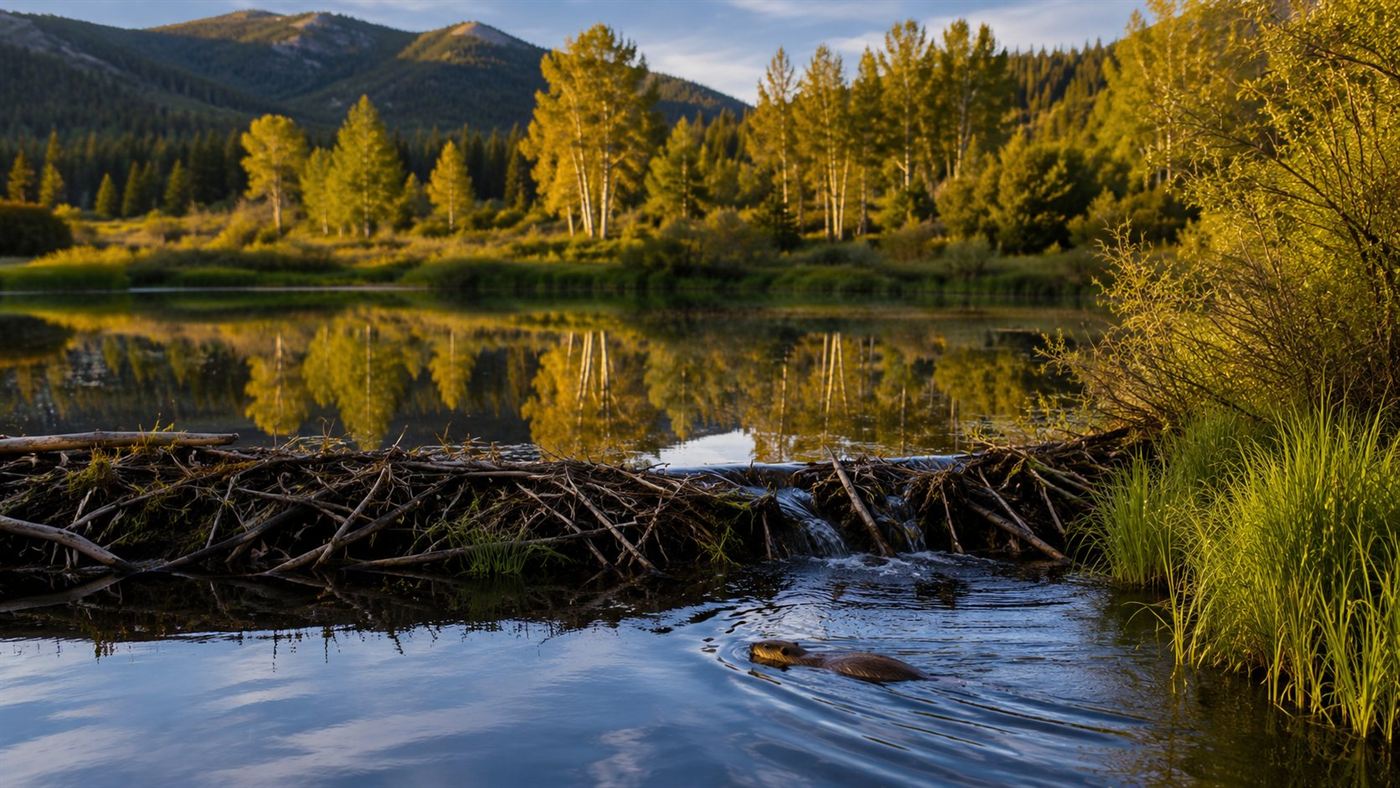
Once the elk eased off the riverbanks, the willow and aspen they had been eating got a chance to grow back. Taller, denser streamside vegetation does something concrete: its roots bind the banks, the shade cools the water, and the recovering thickets bring back beavers, whose dams slow and spread the flow. Stronger banks and slower water mean a river that erodes less and meanders more gently.
That is the sense in which wolves can be said to change rivers. Not directly, of course, but through a long chain: fewer and more cautious elk, then recovering trees, then steadier banks and busier beavers, then a different-shaped channel. It is a beautiful illustration of how a single missing species can echo all the way through a landscape.
The part the famous video left out
Here is the honest catch, and it is the part that usually gets dropped. The viral version of this story, the one set to soaring music, makes it sound as though 14 wolves single-handedly rebuilt Yellowstone. The science is more cautious. As reporting on the research has laid out, many ecologists argue the wolf effect, while real, has been overstated, and that other forces were changing Yellowstone at the same time.
Bears, cougars, drought, a changing climate, and human hunting outside the park all pushed on the elk too, and recovery along the rivers has been patchy rather than total, strong in some valleys and weak in others. The wolves were one powerful actor in a crowded story, not a magic switch. Pretending otherwise actually sells the real science short.
Why the truer story is the better one
Stripped of the hype, Yellowstone is still extraordinary. It remains one of the clearest large-scale demonstrations anywhere that a top predator shapes far more than the animals it hunts, and that removing one can quietly unravel a landscape over decades. That is a profound idea, and it does not need exaggeration to land.
What the wolves really gave us is a measuring stick. Because scientists watched Yellowstone so closely before and after 1995, we can argue about exactly how strong the cascade was, and that argument is the science working as it should. The simple version says wolves changed the rivers. The truer version says wolves helped change the rivers, alongside a whole cast of other forces, and that is a far more useful thing to know.
Fourteen wolves walked out of their crates in 1995 and, one way or another, the shape of Yellowstone's valleys has been shifting ever since. Does it change how you feel about the story to learn the wolves shared the credit, or is the simple version close enough to true? Tell us what you think in the comments.
Related reading: California brought beavers back to its rivers after 70 years, and in two seasons one family rebuilt a wetland no agency could afford to dig. See also how the red wolf, declared extinct in the wild, is clinging on in one Carolina refuge. See also how the Elwha River roared back to life after its dams were torn down.