Scientists fought for three decades to save the northern spotted owl from chainsaws, then a bigger, bolder cousin arrived from the East and did what the loggers never could
The bird that shut down Pacific Northwest logging camps became the symbol of an era, but three decades of old-growth protection turned out to be not enough. In August 2024, the US government approved a plan to shoot more than 450,000 owls to try to save one species from another.
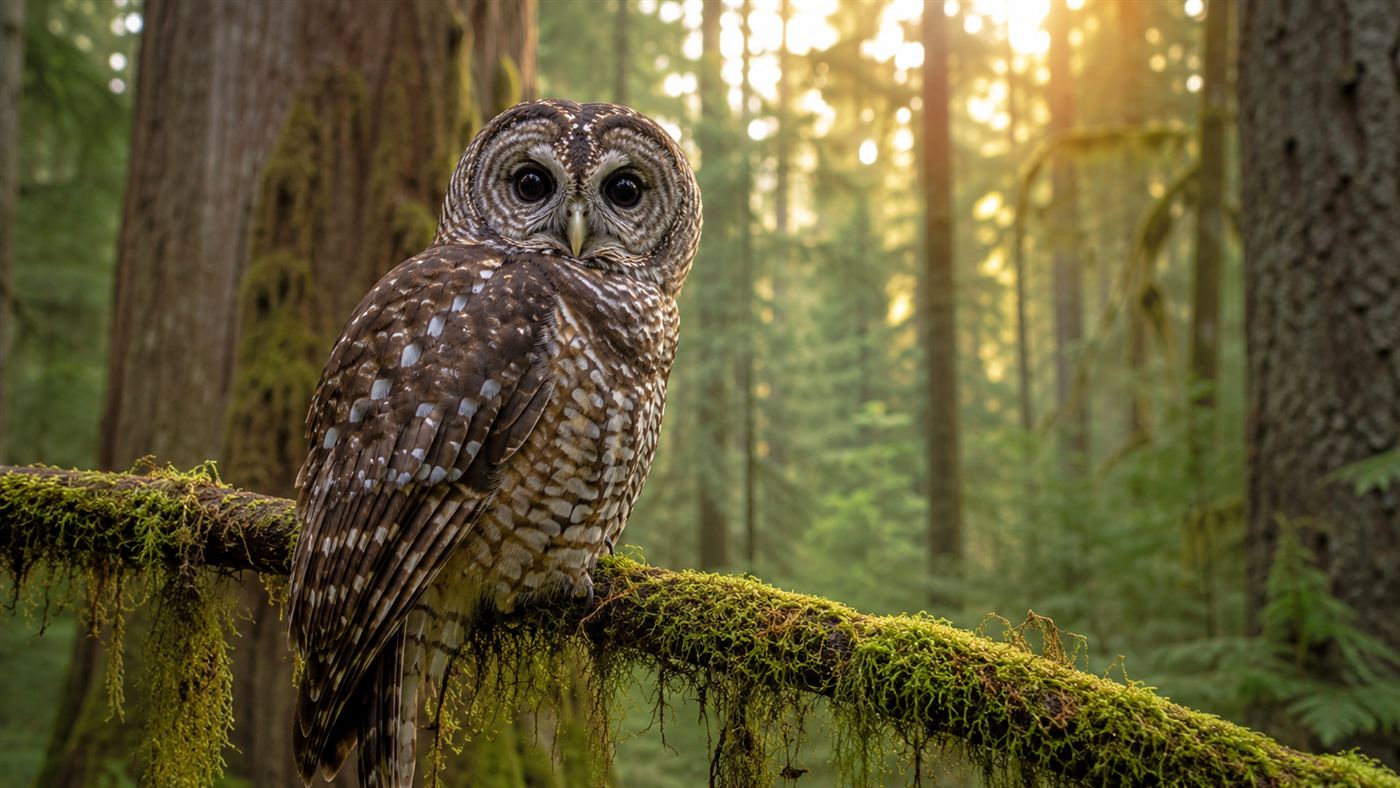
The northern spotted owl depends on centuries-old Pacific Northwest old-growth forest that takes centuries to grow. Illustration: Watts & Wild.
The northern spotted owl became the most politically divisive bird in American history on June 23, 1990, when the US Fish & Wildlife Service listed it as threatened under the Endangered Species Act. Overnight, millions of acres of old-growth forest across Washington, Oregon and California became legally protected habitat, sawmill towns erupted in protests, and bumper stickers appeared across the Pacific Northwest reading "Spotted Owl: Good With BBQ Sauce."
The 1994 Northwest Forest Plan, brokered under the Clinton administration, cut federal logging by 80 percent across the three-state range and placed 24.5 million acres of old-growth forest under long-term protection. The northern spotted owl, by every measure, should have been recovering. It was not. Its population has fallen by more than 75 percent since 1995, and US Geological Survey researchers now warn the species may have only a decade left in much of its range.
The northern spotted owl (Strix occidentalis caurina) is a medium-sized Pacific Northwest raptor that nests only in centuries-old old-growth forest. Now considered an endangered bird under international conservation criteria, it has lost more than 75 percent of its population in three decades, leaving fewer than 2,200 known pairs across Washington, Oregon and California. The primary cause is no longer the chainsaw.
Why saving the forest was not enough to save the northern spotted owl
The Northwest Forest Plan succeeded on its own terms.
Federal logging in Washington State dropped by more than 98 percent.
The old-growth forest held.
The spotted owl kept disappearing anyway, and by the late 2000s biologists had identified why.
The barred owl (Strix varia), a larger, more aggressive species native to eastern North America, had crossed the continent and moved into the Pacific Northwest.
Barred owls are not particular.
They eat nearly anything, nest in younger stands of trees, and tolerate logged and disturbed land that the northern spotted owl avoids entirely.
In a direct contest for old-growth forest territory, the spotted owl almost always loses.
By the time wildlife biologists fully grasped the scale of the problem, barred owls had occupied the entire range of the northern spotted owl, displacing breeding pairs that scientists had tracked for decades.
The endangered bird that was supposed to benefit from the largest habitat protection effort in Pacific Northwest history was being quietly driven out by an animal it had never shared territory with before.
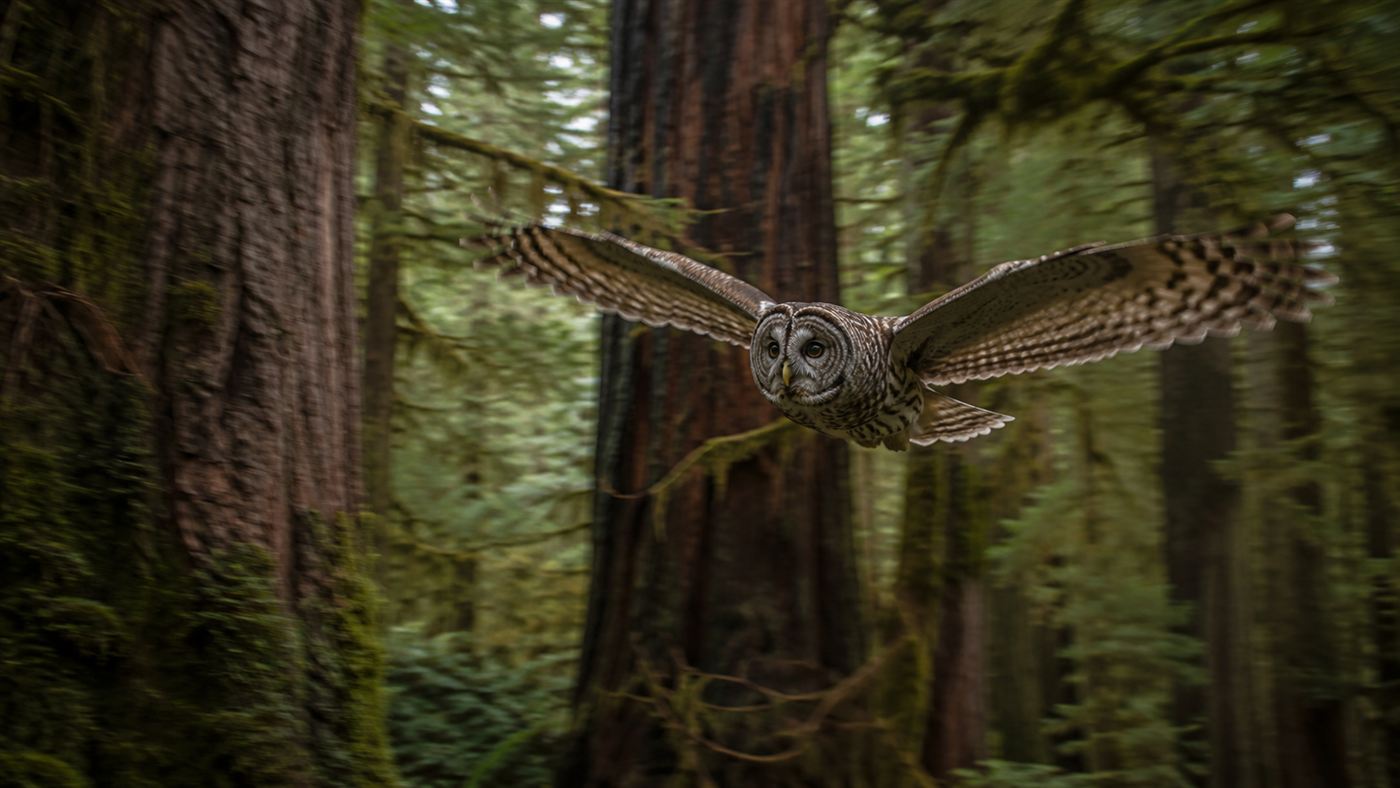
How a bird from the East Coast ended up in Pacific Northwest old-growth forest
The barred owl's westward expansion was not a natural event.
It was a byproduct of European settlement of North America.
For most of the continent's history, the treeless Great Plains acted as a natural barrier that kept eastern forest birds east of the Mississippi.
Then settlers planted millions of trees across the prairies, suppressed the wildfires that kept the grasslands open, and eliminated the bison that had maintained open habitat for millennia.
What had been an impassable gap for forest birds became a corridor of connected woodland stretching from the Great Lakes to the Pacific Northwest.
The first confirmed barred owl records in western Washington date to 1972.
By the 1990s they were breeding across the Pacific Northwest, and by the 2010s they had reached the southern end of the northern spotted owl's California range.
This expansion happened alongside, but entirely independent of, the logging war.
Environmental lawyers were winning protections for old-growth forest in federal courts while the barred owl was quietly taking up residence in that same protected territory.
The barred owl invasion is one of the clearest examples of how a conservation victory can be overtaken by consequences no one anticipated, a pattern also visible in the Klamath River, where removing four dams restored salmon habitat but also set off ecological changes that took years to understand.
What the plan to shoot 450,000 owls actually involves
In August 2024, the US Fish & Wildlife Service published the Barred Owl Management Strategy, a 30-year program calling for the lethal removal of more than 450,000 barred owls from old-growth forest habitat across parts of Washington, Oregon and California.
The method is deliberate and very specific.
Trained wildlife professionals play recorded barred owl calls inside spotted owl territories.
When a barred owl approaches in response, it is shot.
Public hunting is not permitted.
Lead ammunition will not be used.
The projected cost is $1.35 billion over 30 years, roughly $3,000 per bird removed.
Wildlife managers describe it as a holding action, not a solution.
The goal is to slow the barred owl invasion enough to give the northern spotted owl breathing room while scientists develop longer-term approaches, which may include reproductive suppression agents or targeted habitat management.
The US Senate voted 72 to 25 in late 2025 to reject a Congressional resolution that would have blocked the program, and pilot removals are now under way across all three states.
It is among the most unusual conservation programs the country has attempted: killing nearly half a million individuals of one species to give another a recovery window similar to the one that took mountain gorillas four decades of intensive protection.
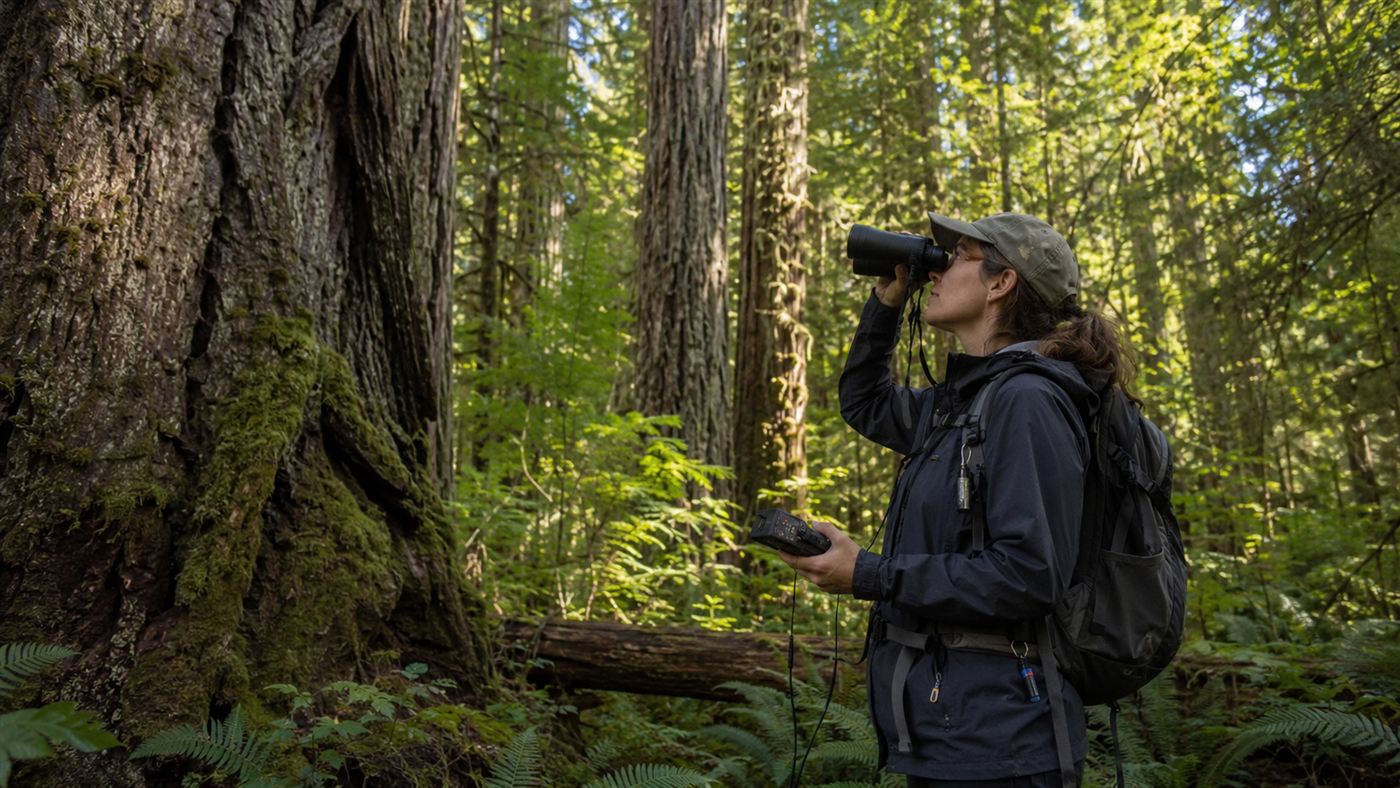
Is there any way to save an endangered bird without removing half a million of another?
The question troubles even biologists who support the removal program.
Critics argue that lethal control is a patch on a systemic problem the Pacific Northwest has not yet addressed.
The barred owl population across the three-state range now numbers in the hundreds of thousands.
Removing up to 16,000 per year requires sustained effort across millions of acres of remote old-growth forest.
Supporters point to a 2021 USGS-led pilot study in four areas where removing barred owls led to spotted owl populations stabilizing or recovering for the first time in years.
The effect was real and measurable.
The current removal program will test whether that result scales.
There are no comfortable alternatives.
Relocating hundreds of thousands of barred owls is not biologically or logistically feasible.
Reproductive suppression agents that could work across wild terrain do not yet exist in any deployable form.
Doing nothing, most population models agree, means the northern spotted owl is functionally gone from Washington State within about a decade.
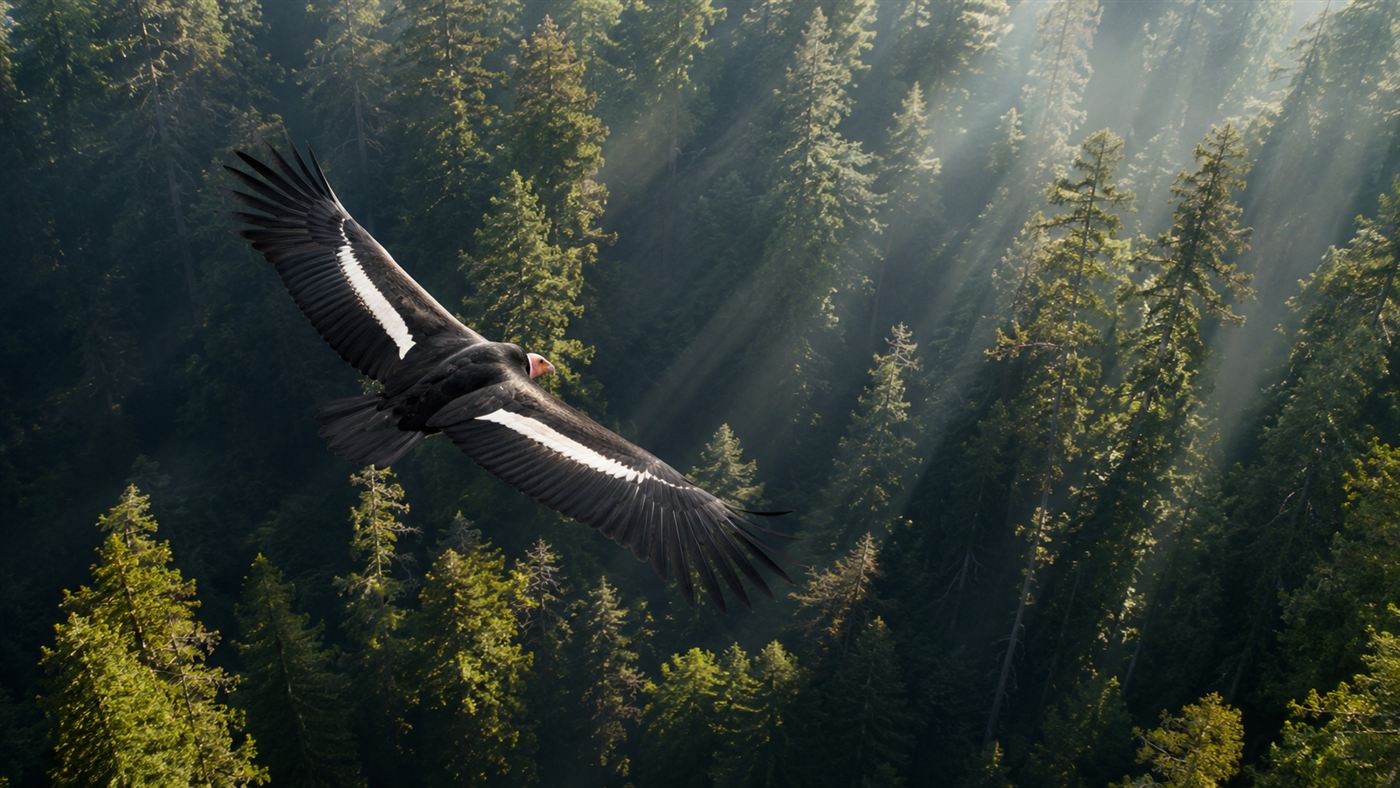
The dilemma is not entirely unlike the one that confronted scientists in 1987, when they concluded that saving the California condor from extinction required capturing every last wild bird.
Most biologists called that the worst decision they had ever been forced to make.
It worked.
The honest catch
The barred owl removal program did not arrive in a neutral landscape.
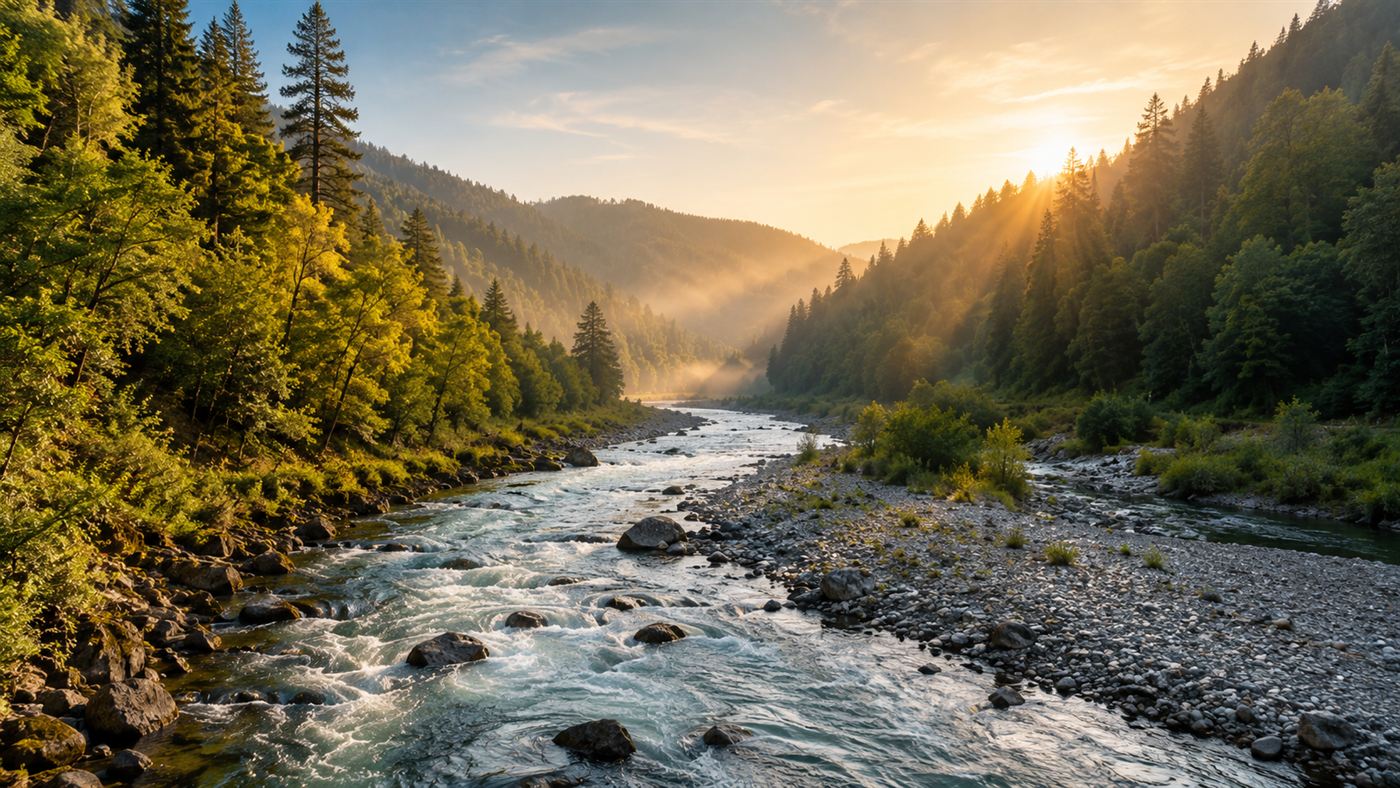
The Pacific Northwest old-growth forest being defended for the northern spotted owl has been shaped for decades by fire suppression, industrial logging, and climate-driven drought.
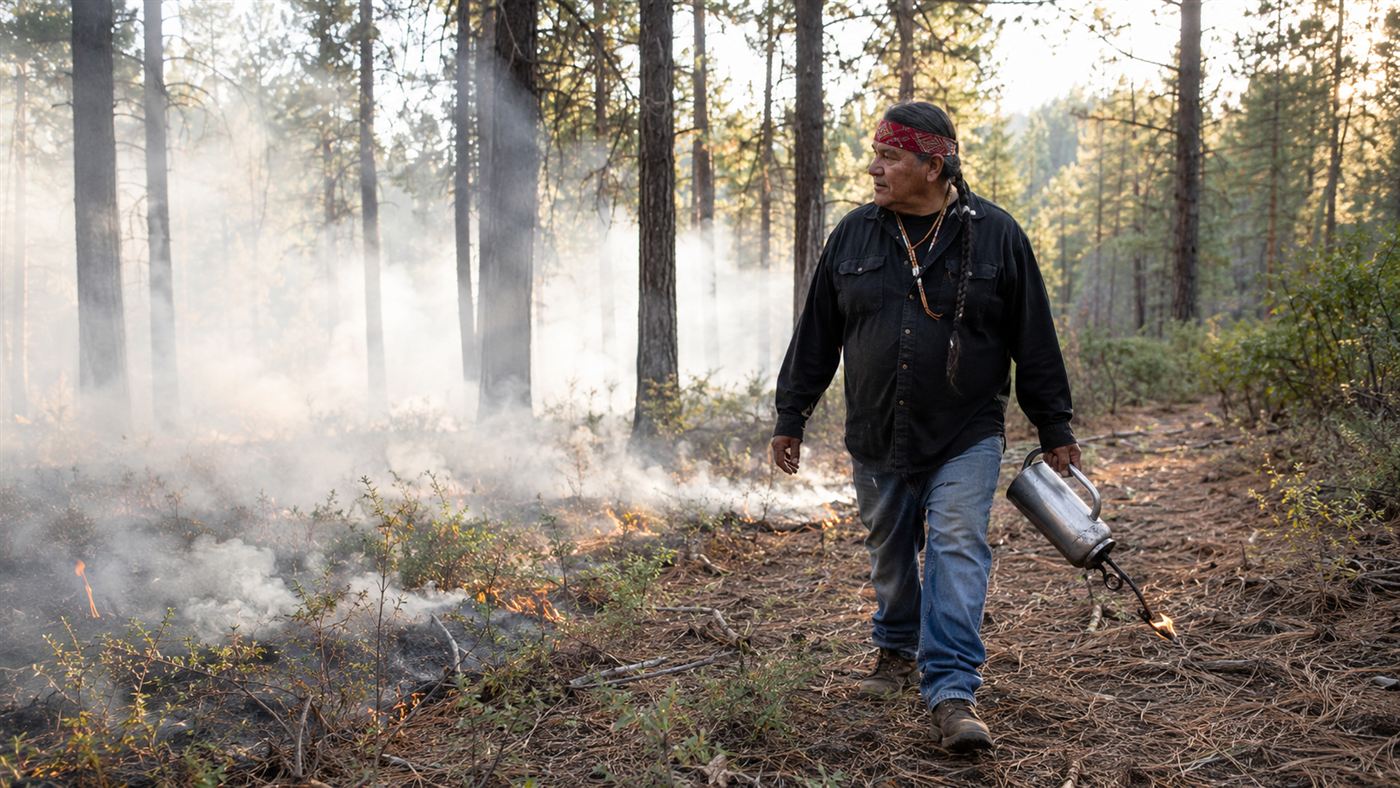
Indigenous land management practices, including the controlled burns described in the Karuk and Yurok cultural fire traditions that long predated federal suppression policy, kept forests more resilient for thousands of years before those practices were curtailed.
In 2025, the Trump administration proposed opening more federal old-growth forest to timber harvest, a proposal that conservation groups argued would strip away the habitat the barred owl removal program is designed to protect.
Defending old-growth habitat while simultaneously removing a competitor is an expensive way to hold a line that keeps shifting.
It is also worth being clear about what the numbers mean in practice.
Fewer than 5,000 northern spotted owls remain across three states.
The US government plans to kill 450,000 barred owls in their name.
The barred owl did not choose to cross the Great Plains.
It followed the corridors humans created when settlers planted trees across the prairies and suppressed the fires that had kept that land open for centuries.
The invasion is, in a very direct sense, a downstream consequence of decisions made long before anyone knew the spotted owl existed.
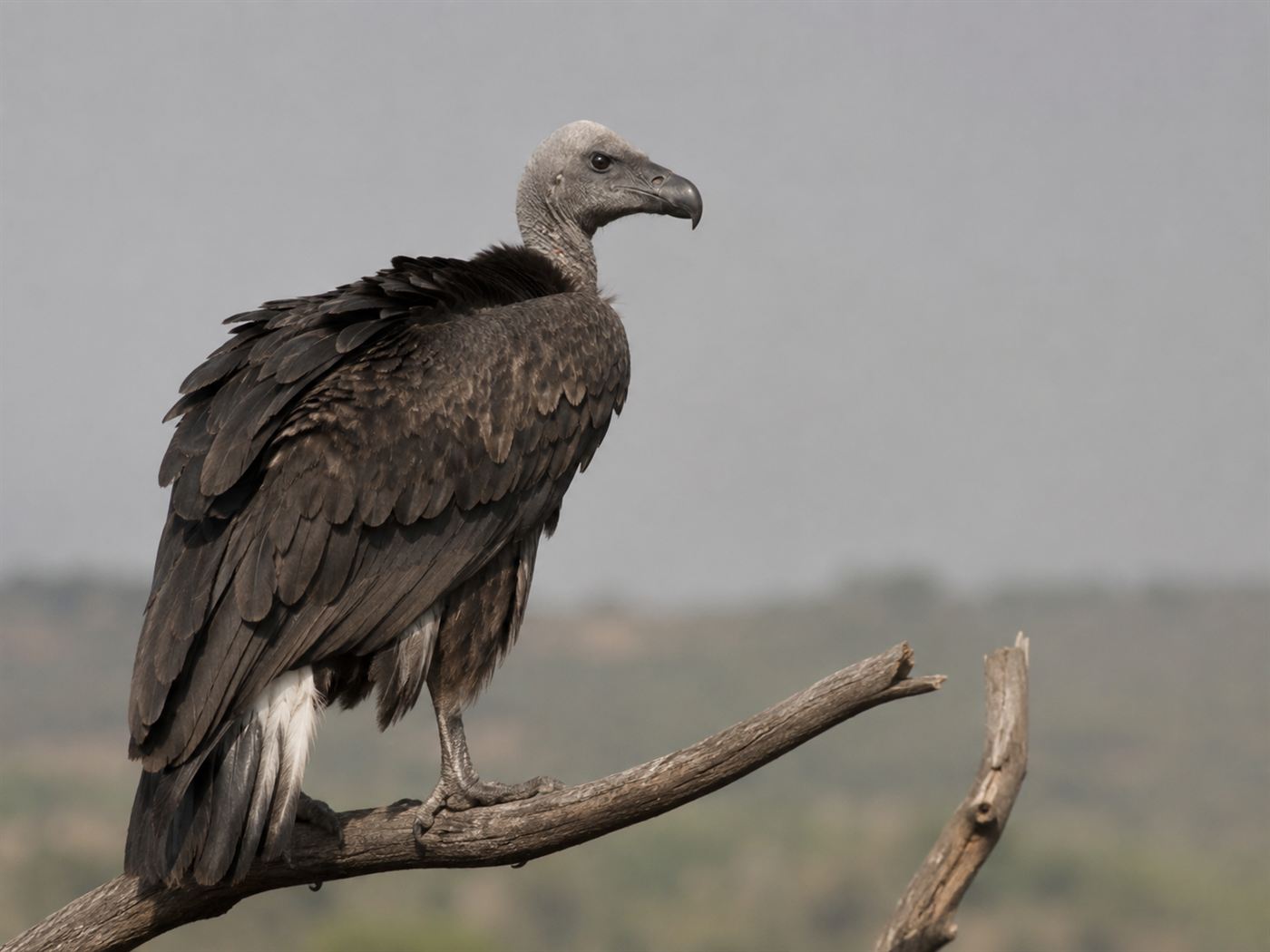
Where the collapse of India's vulture population from a single cattle drug cascaded into an estimated half a million human deaths, the loss of the northern spotted owl from Pacific Northwest old-growth forest would remove a top predator from an ecosystem already under pressure from drought, wildfire and invasive species.
The removal program is not an admission of defeat.
It is a calculated bet that the math of two competing owls, one that can only nest in centuries-old old-growth forest and one that can nest almost anywhere, can be tilted enough to matter.
Three decades of legal victories saved the old-growth.
Whether they also saved the endangered bird that started those battles is still an open question.
The northern spotted owl may be the most expensive bird in American history to protect.
Three decades of legal battles saved the old-growth forests of the Pacific Northwest.
A 30-year shooting program is now the bet that they can also save the endangered bird that started those battles.
Do you think shooting 450,000 barred owls to save the northern spotted owl is the right call, or has too much ground been lost to make it work?
Tell us what you think in the comments below.