New Zealand almost lost its kakapo when only 51 were left in 1995, now the flightless parrot has hatched over 100 chicks in its biggest breeding season on record
The kakapo is the world's only flightless parrot: a fat, moss-green, night-living bird that boomed its way to the very edge of extinction. In the summer of 2026, on a handful of predator-free islands, the kakapo breeding season turned into the biggest anyone has counted since the records began.
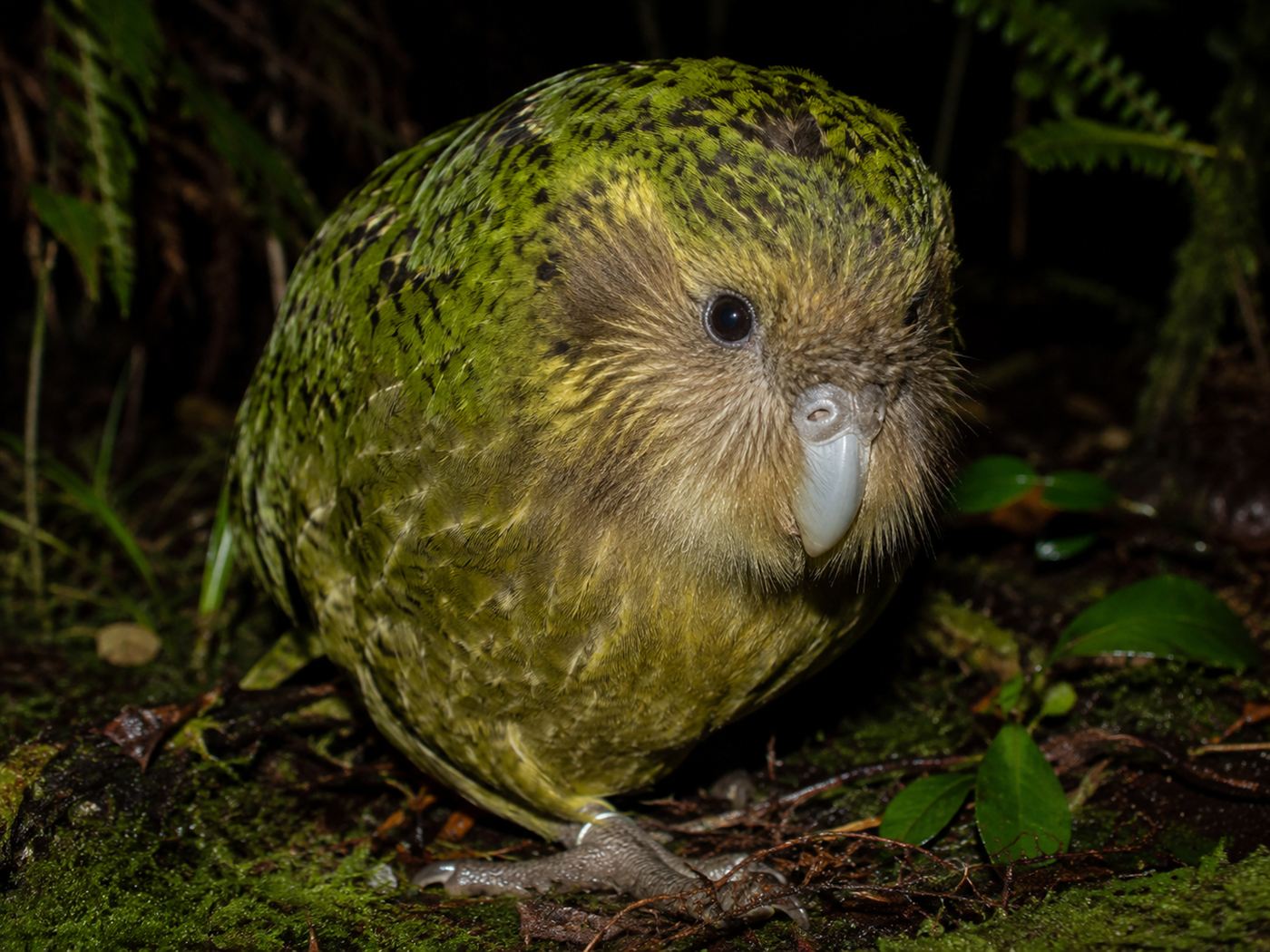
The kakapo is the heaviest parrot on Earth and cannot fly, which is exactly why it nearly disappeared. Illustration: Watts & Wild.
A kakapo is a strange thing to meet. It is the size of a bowling ball, it cannot fly, it smells faintly of honey and old books, and on a good night a male will puff himself up like a feathered balloon and boom into the dark for hours to call in a mate. For most of the twentieth century, that booming was the sound of a species going quietly extinct.
Then came the summer of 2026. As RNZ reported, more than 100 kakapo chicks hatched across New Zealand's predator-free islands this season, and by late March the team had confirmed the hundredth, sailing past the previous record. The bird the world nearly lost now has a problem almost no one saw coming: too many chicks, and nowhere safe to put them all.
The kakapo is a large, flightless, nocturnal parrot found only in New Zealand. Introduced predators cut it to just 51 known birds by 1995. An intensive recovery program has since lifted the population above 230, and in the summer of 2026 the critically endangered parrot hatched more than 100 chicks, its biggest breeding season on record.
How did the kakapo nearly go extinct?
The kakapo evolved on islands with no ground predators, so it never learned to fear them.
Its whole survival strategy is to freeze and trust its camouflage, melting into the moss until the danger passes.
That works beautifully against a hawk hunting by sight.
It is useless against a rat, a cat or a stoat hunting by smell, and those animals all arrived with people.
Polynesian and then European settlers brought dogs, cats, rats and stoats, and the bird, which had no defense and bred slowly, all but vanished.
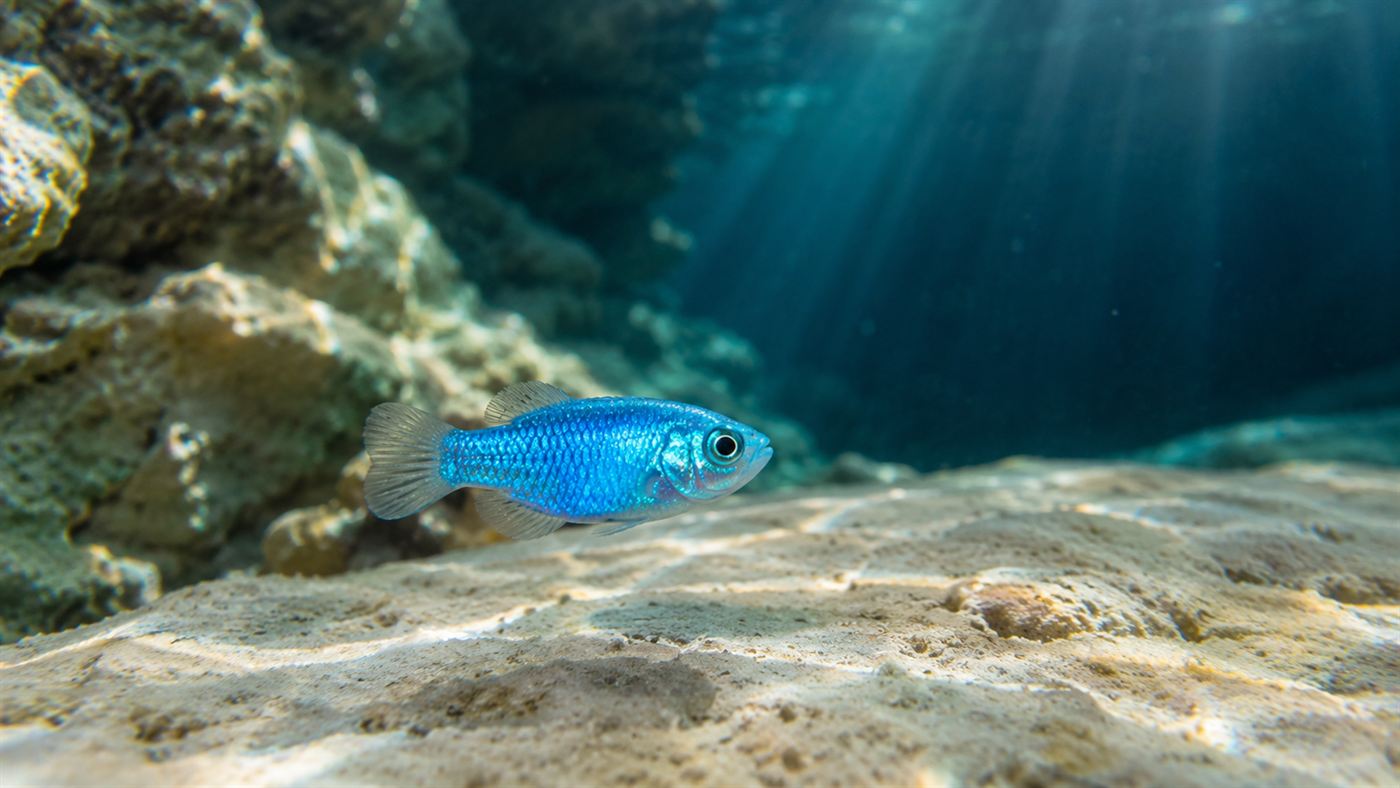
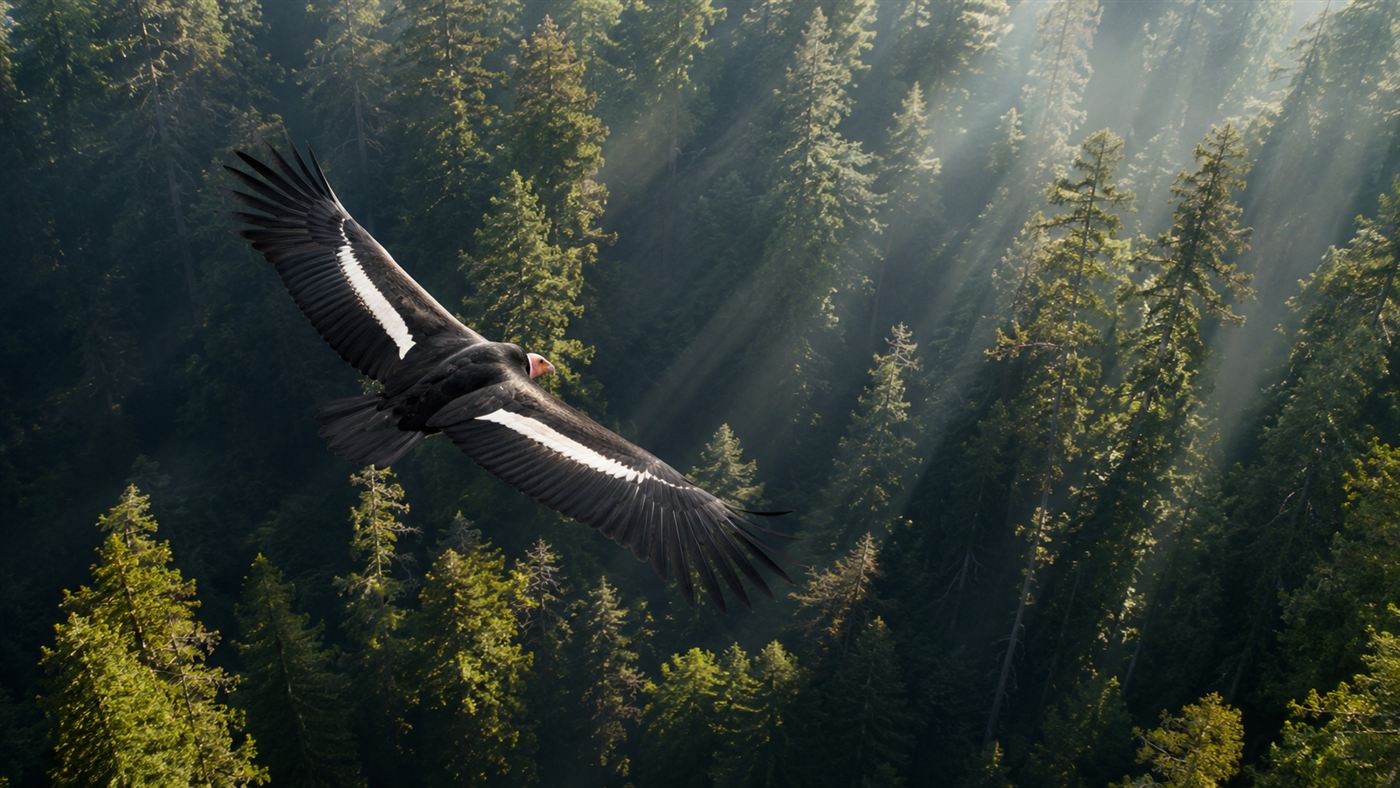
By the 1970s many scientists assumed it was already gone, much as the last wild California condors were eventually rounded up into captivity to stop a free fall.
Then in 1977 a population was found clinging on in the south of Stewart Island / Rakiura, only for feral cats to start picking it apart.
The conservationist Don Merton, who had already pulled the Chatham Island black robin back from a single breeding female, led an operation to catch the survivors and carry them to islands swept clean of predators.
One of them was a lone old male named Richard Henry, the last kakapo from the mountains of Fiordland, whose genes were so precious that the team built much of the recovery around him.
By 1995 the entire known population of this flightless parrot had fallen to just 51 birds, most of them ageing males.
A kakapo breeding season that runs on a single tree
The kakapo does not breed every year, and it does not breed on any schedule a human can set.
It breeds when the rimu, a native conifer, throws down a heavy crop of fruit, which happens only once every two to four years.
Somehow the birds sense the green fruit forming months ahead and time their entire breeding season to it.
When the signal comes, the males gather and compete in what biologists call a lek.
Each male digs a shallow bowl in the earth and booms, a deep throbbing call he can repeat thousands of times a night for weeks, loud enough to carry for kilometers across the island.
Females walk in, choose a male, mate, and then raise the chicks entirely on their own.
All of that makes a kakapo breeding season a rare and fragile thing, which is why a good rimu year is treated by the recovery team as a once-in-a-lifetime chance.
The University of Auckland's Professor Jacqueline Beggs, who chairs the Kakapo Recovery Group, said the heavy rimu crop pointed to the best breeding season since records began in 1977, with the team hoping for chicks from all of its breeding-age females.
Every kakapo has a name and a smart transmitter
There is no truly wild population left any more, only an intensely managed one.
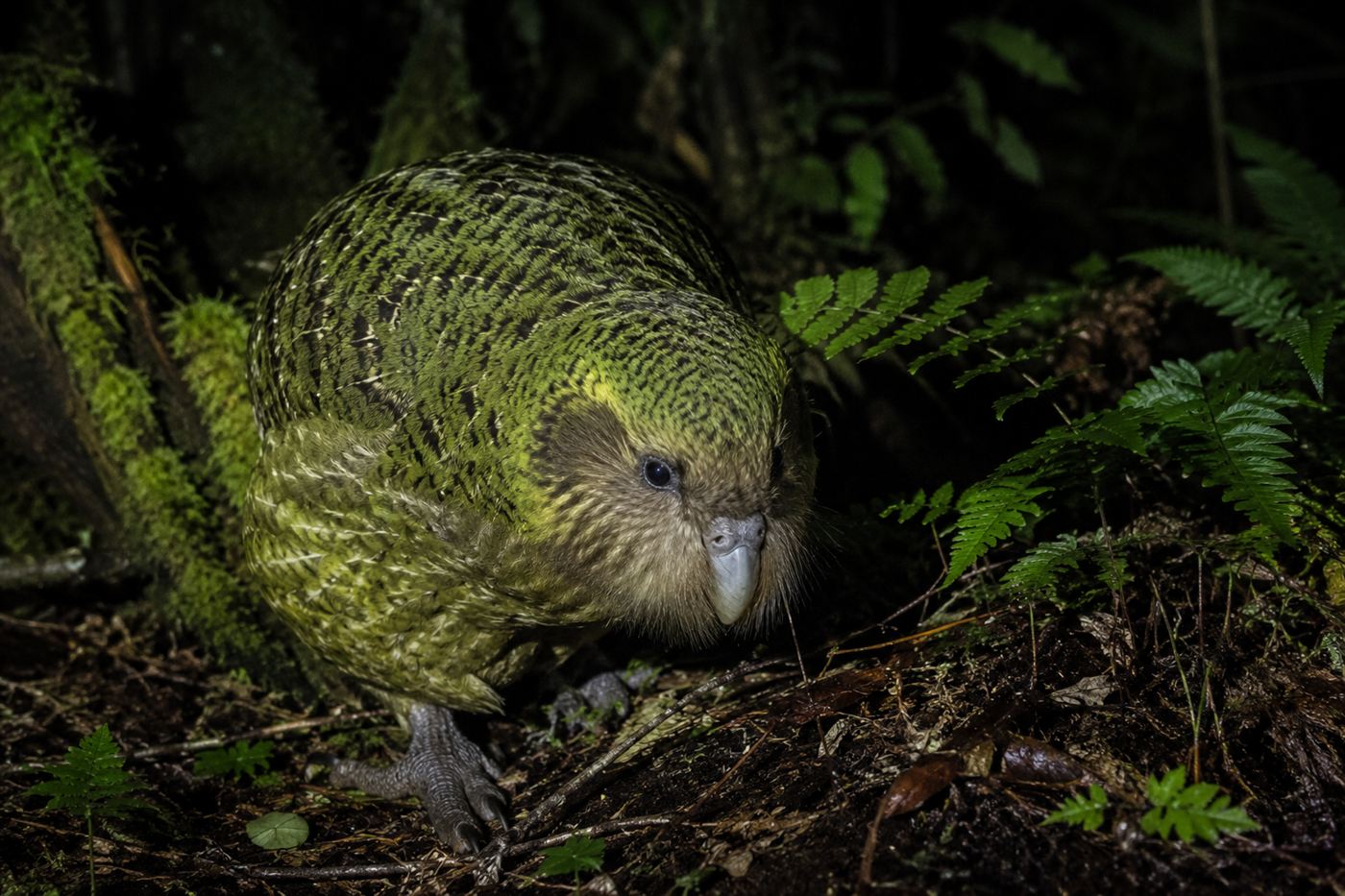
Every single living kakapo has a name and wears a smart radio transmitter, and the islands are wired with receivers that log where each bird wanders and who mates with whom.
During the breeding season the team even slips "smart eggs", sensor-packed dummies, under the females so they can lift fragile real eggs for incubation and return them without the mother noticing.
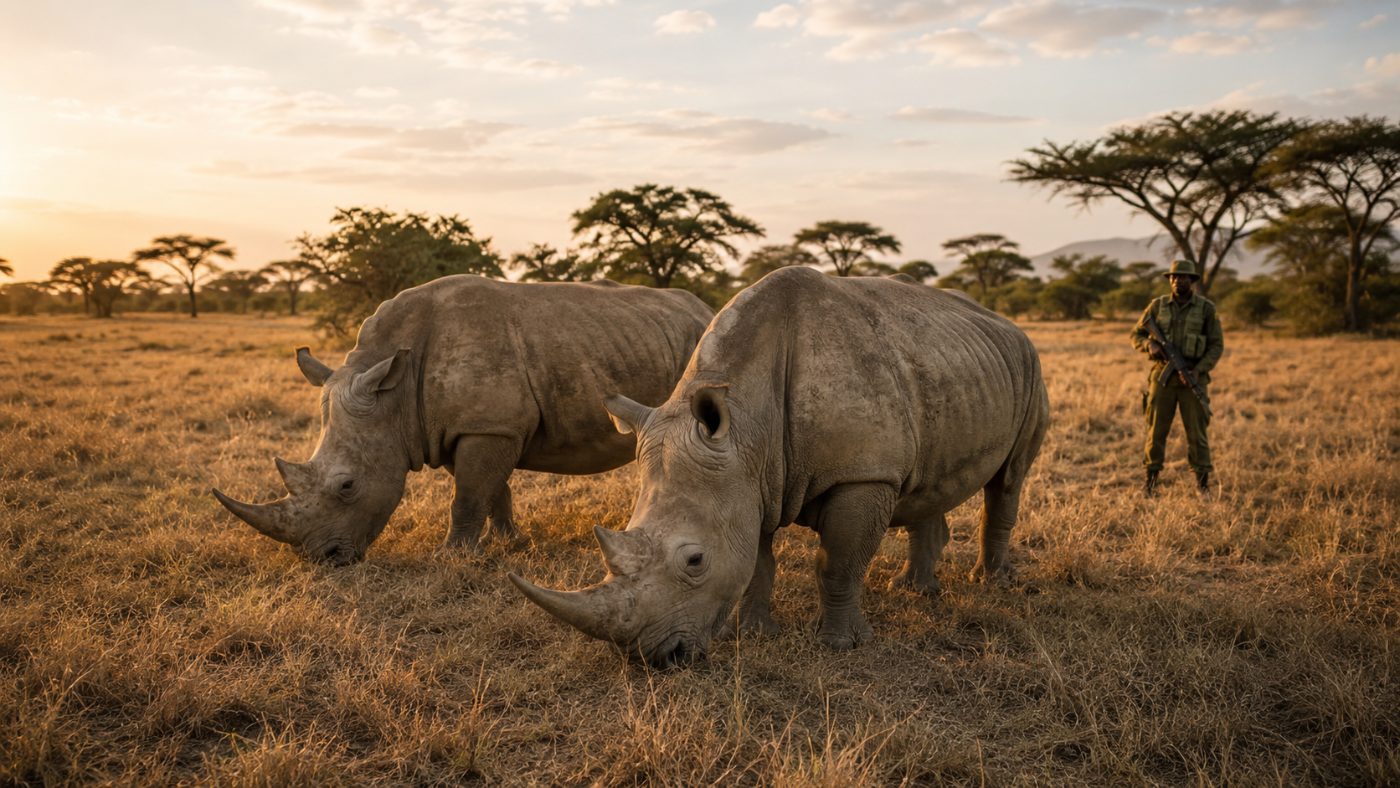
The recovery team has leaned on artificial insemination for more than a decade to push genes from under-represented males through the tiny population, the same impulse that drives scientists racing to save the last two northern white rhinos in a lab.
In one world first, rangers flew kakapo sperm across Whenua Hou / Codfish Island by drone, cutting a delivery that took hours on foot down to under ten minutes.
It speeds up the process, kakapo manager Deidre Vercoe said of the drone runs, hopefully making the insemination more effective.
Science advisor Andrew Digby, who has spent years on the program, has likened the operation less to birdwatching than to running an intensive care unit for an entire species.
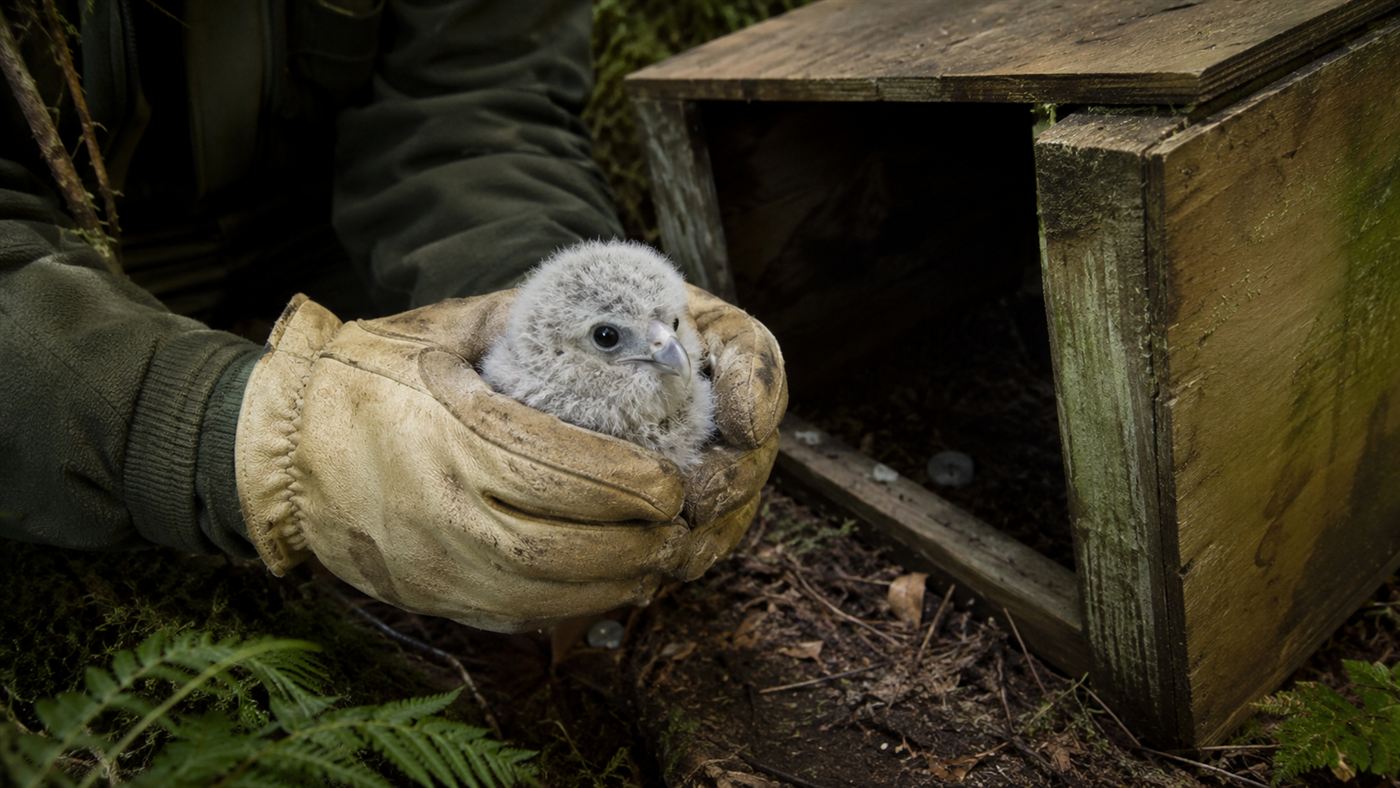
Chicks that fall behind are hand-reared, weighed nightly, and flown to Auckland Zoo or the Dunedin Wildlife Hospital the moment they need a vet.
More than 100 chicks in one summer
The numbers from the 2026 season are staggering for a critically endangered bird that almost ceased to exist.
More than 100 chicks hatched across three predator-free islands, Whenua Hou / Codfish Island and two sites in Fiordland, with around 78 females nesting.
The previous record, set in 2019, produced 73 fledglings, so 2026 did not merely beat the record, it rewrote it.
By late March the Department of Conservation confirmed the hundredth chick and called the summer officially the biggest breeding season on record.
It has not been painless, with at least seven chicks lost and others treated at the Dunedin Wildlife Hospital, one of them revived by CPR after a hard start.
A chick is only counted as an adult once it reaches 150 days old, so the final tally will not be locked in until the middle of the year.
Even so, the recovery has carried the total kakapo population to roughly 235 adult birds, up from that grim floor of 51.
Rangers like Sarah Manktelow and the rest of the team have spent the season moving between nests around the clock, weighing chicks and topping up the underfed ones by hand.
Why are predator-free islands running out of room?
Here is the strange place the bird has reached: it is being saved so well that it is running out of safe ground.
The predator-free islands that have held the species for decades, Whenua Hou chief among them, are close to full.
A record crop of chicks is wonderful right up until you have to find each one an island with no rats, cats or stoats on it, and those islands are nearly all spoken for.
In 2023, for the first time in about 40 years, the flightless parrot returned to the New Zealand mainland.
Ten males were moved to Sanctuary Mountain Maungatautari, a forest reserve ringed by a predator-proof fence, in a partnership with Ngai Tahu, the South Island iwi who are the birds' guardians.
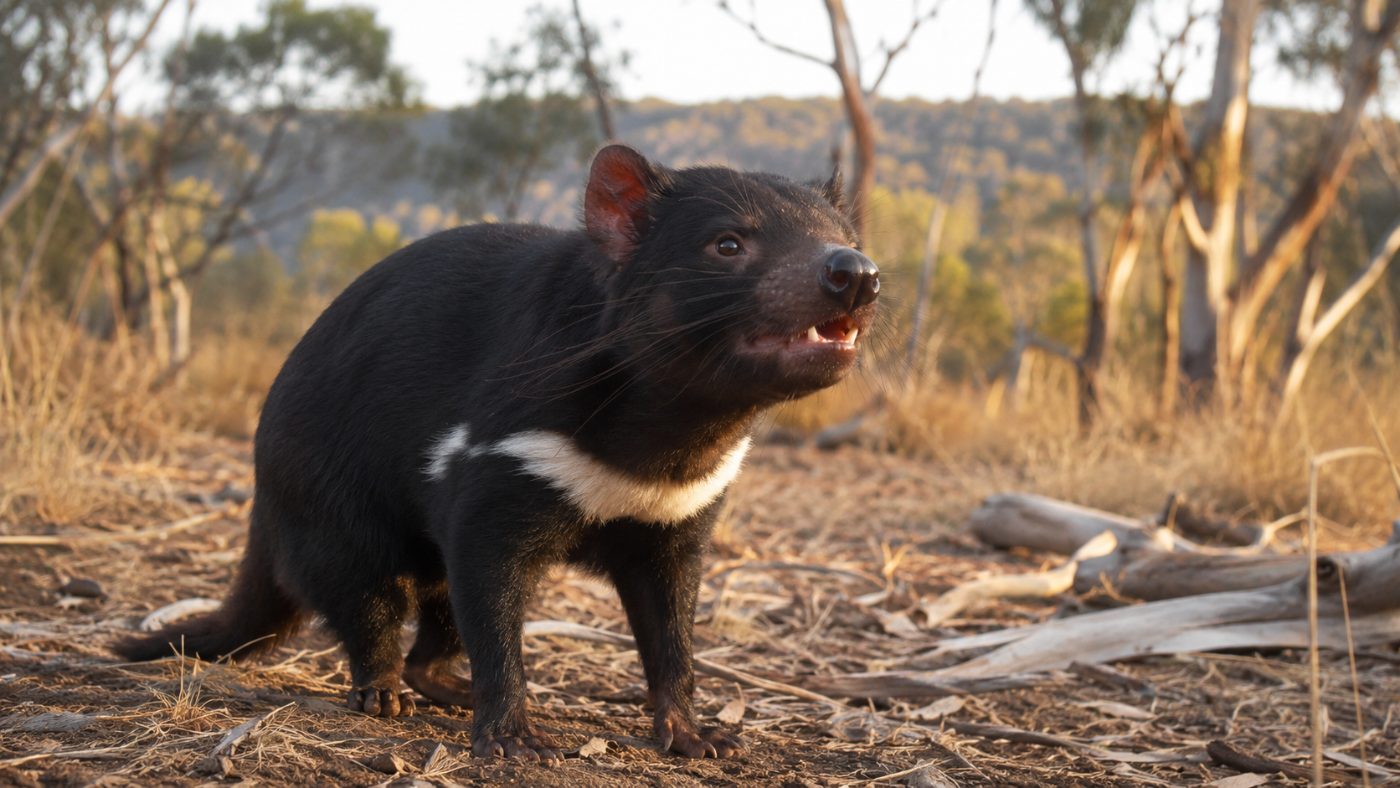
It was both a milestone and a quiet admission that the islands alone can no longer hold a growing flock, the same wall that forced Tasmanian devils back onto mainland Australia behind a fence.
The long bet is far bigger, a plan to clear introduced predators from much larger areas, including Stewart Island / Rakiura itself, which would hand the kakapo back a whole wild homeland instead of a string of crowded refuges.
For now, every record season makes the housing problem more urgent, not less.
The honest catch
None of this means the kakapo is safe, and it is worth being honest about how fragile the win still is.
The whole population descends from a few dozen founders, so its gene pool is dangerously shallow, and a large share of kakapo eggs, often around 40 percent, are infertile.
That inbreeding leaves the birds open to disease, as in 2019 when a fungal infection called aspergillosis swept the islands and killed several of them during another big breeding season.
The flightless parrot is also not, in any honest sense, a wild animal right now.
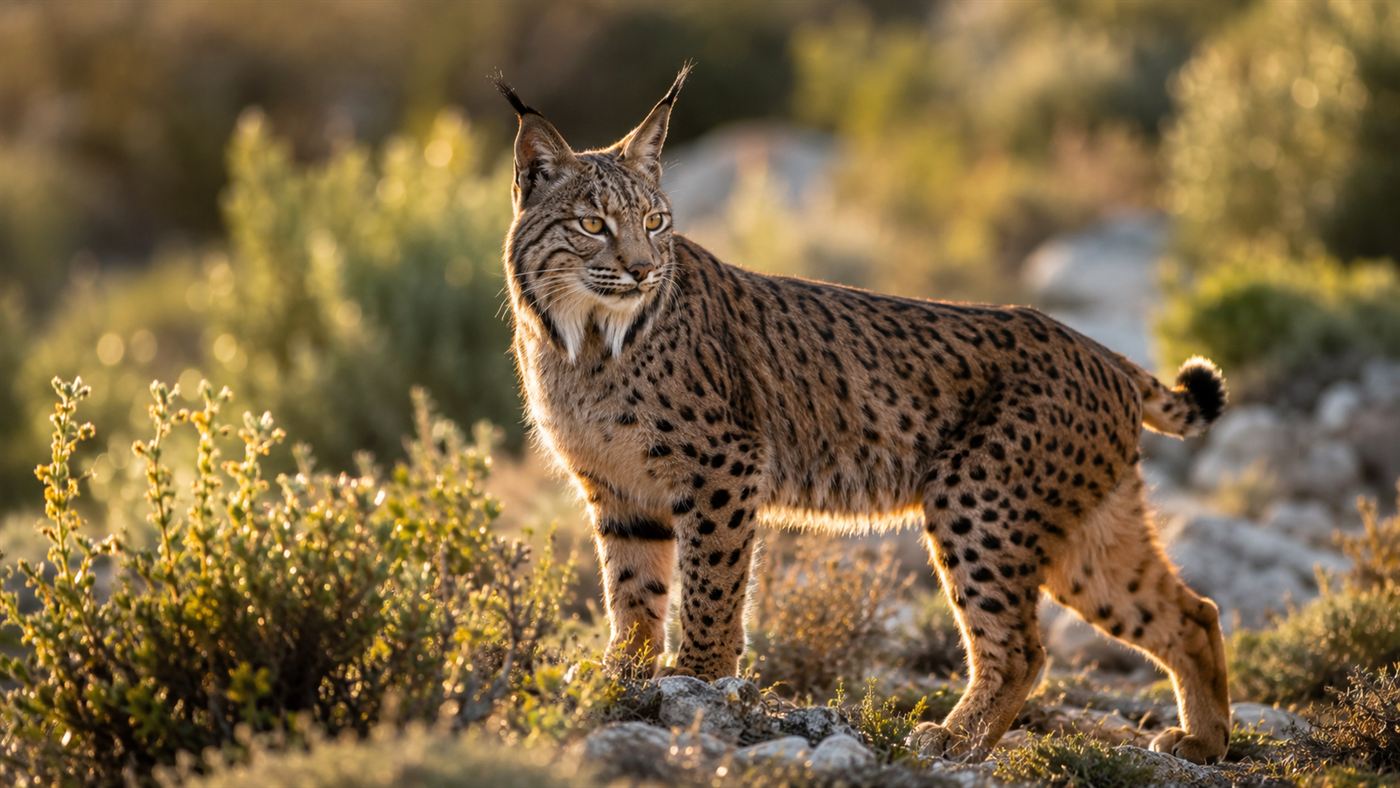
It survives because people feed it, track it, inseminate it, candle its eggs and rush its chicks to hospital, much like the hands-on effort that hauled the Iberian lynx off the endangered list.
The deepest limit is space, because without huge new predator-free areas a critically endangered parrot that breeds in bursts of 100 chicks will keep slamming into the same wall.
Saving the kakapo, in other words, is not a finished story but a permanent commitment.
For a critically endangered bird that was written off as good as gone, a hundred fluffy chicks in a single summer is close to a miracle, and it happened because a small group of people refused to let go.
It also raises a hard question that conservation keeps running into as its rare wins pile up.
If a species can only survive inside a fenced, fed, micromanaged bubble, watched over bird by bird forever, is that a real recovery or a permanent rescue? Tell us what you think in the comments.