Down to fewer than 30 inbred cats with kinked tails and failing hearts, the Florida panther was saved from extinction by an audacious act of mixing in the genes of Texas cougars
By the early 1990s, the Florida panther was quietly dying of its own family tree. Fewer than 30 remained, so inbred that many had crooked tails, holes in their hearts, and failing fertility. The rescue that saved them was as bold as it was controversial: bring in eight cats from Texas and let nature mix the deck.
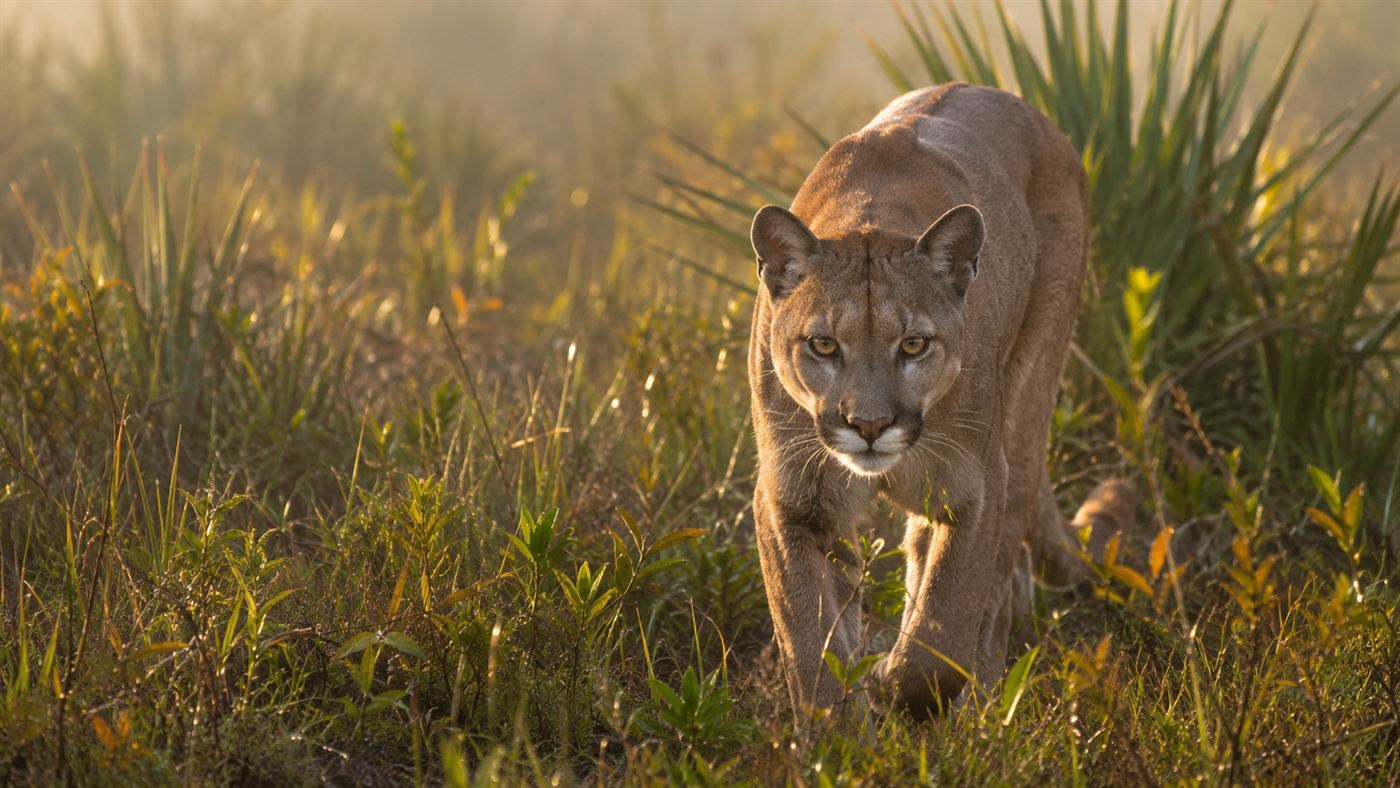
The Florida panther is the last breeding cougar east of the Mississippi. Illustration: Watts & Wild.
The Florida panther is the last of the eastern cougars, the only breeding population of the big cat left anywhere east of the Mississippi River. It once roamed the whole Southeast, but hunting and the paving-over of its habitat squeezed it down into the swamps and pine of South Florida, around the Everglades and Big Cypress. By the time anyone thought to save it, the population was not just small, it was genetically doomed.
A species trapped in too small a gene pool starts to fail from the inside, and the Florida panther had been failing for decades. Its salvation would come from a decision that made some biologists deeply uneasy, and that has since become a landmark in how we rescue vanishing animals.
The short version: By the 1990s the Florida panther had been below 30 animals for two decades, and inbreeding was causing kinked tails, heart defects, and infertility. In 1995 biologists released eight female Texas cougars into Florida. They bred with the panthers, the defects fell sharply, and the population climbed toward roughly 200.
A gene pool collapsing in on itself
When a population stays tiny for long enough, relatives inevitably breed with relatives, and harmful recessive traits that would normally stay hidden start showing up everywhere. In the Florida panther the damage was grimly visible. As Florida's wildlife agency documents, decades of inbreeding produced kinked tails, cowlicks, and worse, the outward signs of development gone wrong.
The hidden problems were deadlier. Studies from 1990 to 1995 found that about 21 percent of panthers had atrial septal defects, literally holes in the heart, and that a staggering 63 percent of males had undescended testicles, crippling the population's ability to reproduce. Sperm quality was poor and getting worse. This is inbreeding depression in textbook form, a species slowly strangling its own future, and left alone the panther had perhaps a couple of decades before it winked out entirely.
The Texas gamble that saved the Florida panther
The fix required thinking about the cat's deep past. Before highways and fences carved up the continent, Florida's panthers and the cougars of Texas belonged to one vast, connected population that freely interbred. Restoring a little of that lost connection, biologists reasoned, might restore the lost diversity. So in 1995 the US Fish and Wildlife Service made its move and released eight female Texas cougars into South Florida.
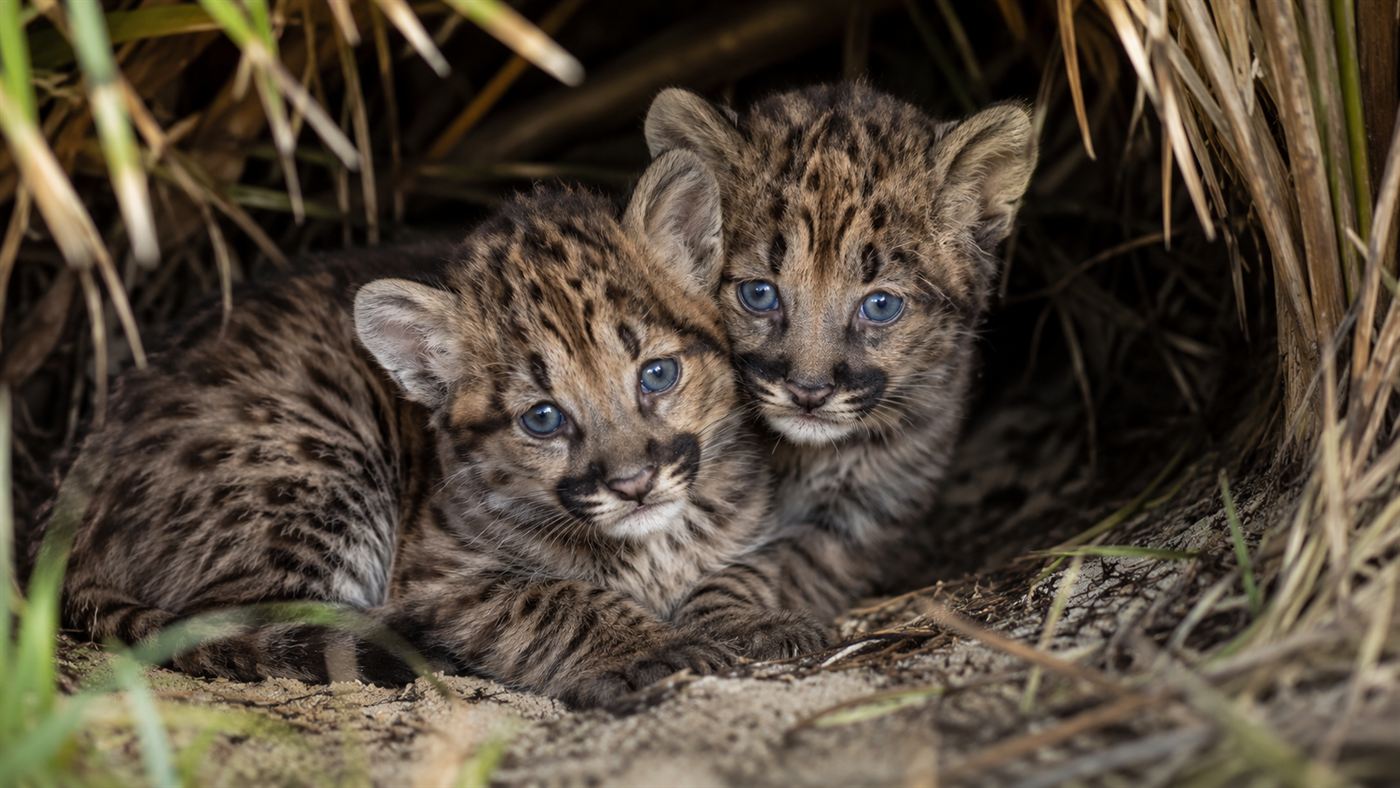
It was a genuine gamble with a beloved and legally protected animal, and not everyone approved. As National Geographic reported, the hybrid offspring soon began helping the rare cat rebound. Five of the eight Texas females bred with Florida males, and their kittens carried a healthier mix of genes than any Florida panther had in generations. The Texas cougars had done in a few years what the isolated population could never do for itself, and it echoes other last-ditch rescues of animals cornered by their own small numbers, like the red wolf and the northern elephant seal.
It worked, and the numbers prove it
Three decades on, the results are hard to argue with. The visible and hidden defects that had plagued the cats fell dramatically. As Live Science summarized the research, the Texas genes rescued the Florida panther from extinction, at least for now. Atrial septal heart defects dropped from around 21 percent of panthers before the rescue to about 7 percent in animals studied from 2013 to 2018, and undescended testicles in males plunged from 63 percent to just 3 percent.
The population followed the health. From fewer than 30 animals, the Florida panther has climbed to an estimated 120 to 230 adults and subadults, often rounded to about 200. Crucially, recent genetic studies found the rescue worked by boosting diversity without erasing the panther's own ancestry, laying to rest the worst fear, that mixing in Texas cats would simply replace the Florida panther with a generic cougar. It is one of the clearest proofs anywhere that genetic rescue can pull a species back from the brink.
Why the Florida panther still is not safe
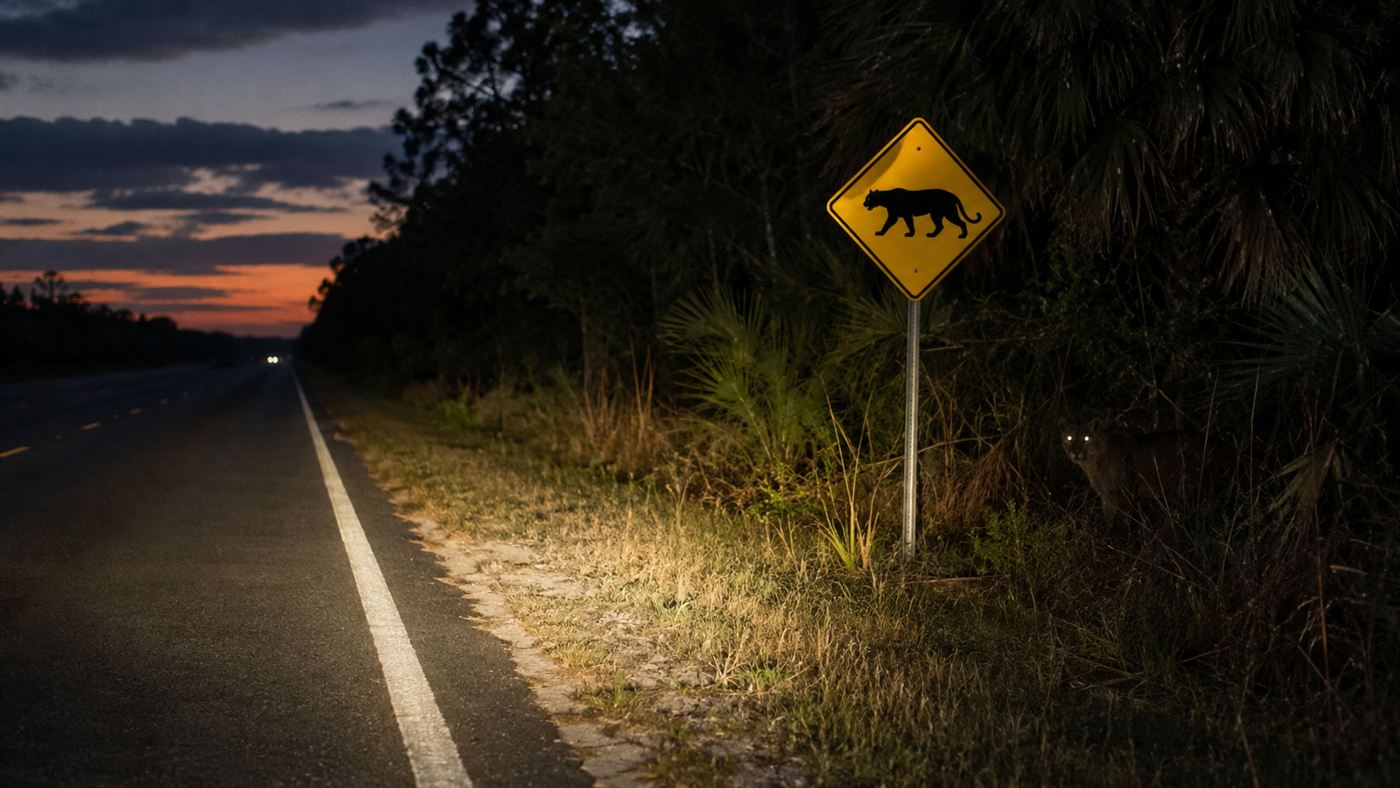
A comeback is not the same as a happy ending, and the panther's grip remains precarious. Its single biggest killer today is not disease or inbreeding but the automobile, with cars and trucks striking and killing dozens of panthers on Florida's fast-growing roads every year, often more than are born in some seasons. As South Florida keeps sprawling, the cats are squeezed into ever-tighter space, and most breeding females remain penned south of the Caloosahatchee River, unable to spread north into the habitat they need.
That is why the next phase of saving the endangered species is less about genetics and more about geography: wildlife underpasses beneath highways so panthers can cross safely, and protected corridors linking South Florida to the rest of the Southeast. A genetically healthy panther still dies if it cannot find room to live, and giving it that room is now the harder, slower fight, the same corridor-and-crossing battle playing out for wildlife across the country.
The honest catch
The genetic rescue deserves its fame, but it should be understood for what it is: a brilliant intervention, not a permanent cure. Some conservationists were uneasy from the start about deliberately mixing subspecies, worried it blurred what a Florida panther even is, and while the science has largely eased that fear, the philosophical question it raised, how far we should reengineer a species to save it, has not gone away.
And the fix is not self-sustaining. A population of a couple hundred cats in an isolated pocket will drift back toward inbreeding over time unless it is either actively managed with more introductions or, far better, reconnected to a wider world of wild cougars it can breed with naturally. The Texas gamble bought the Florida panther a future it had lost. Keeping that future will take roads it can cross, land it can roam, and the patience to protect both. The cat is alive because people were bold once. It will stay alive only if they stay committed.
A big cat that was dying of its own inbreeding was pulled back from the edge by borrowing genes from a cousin two states away. Was mixing in Texas cougars a brilliant rescue or a step too far in reengineering a wild species, and where would you draw the line? Tell us what you think in the comments.
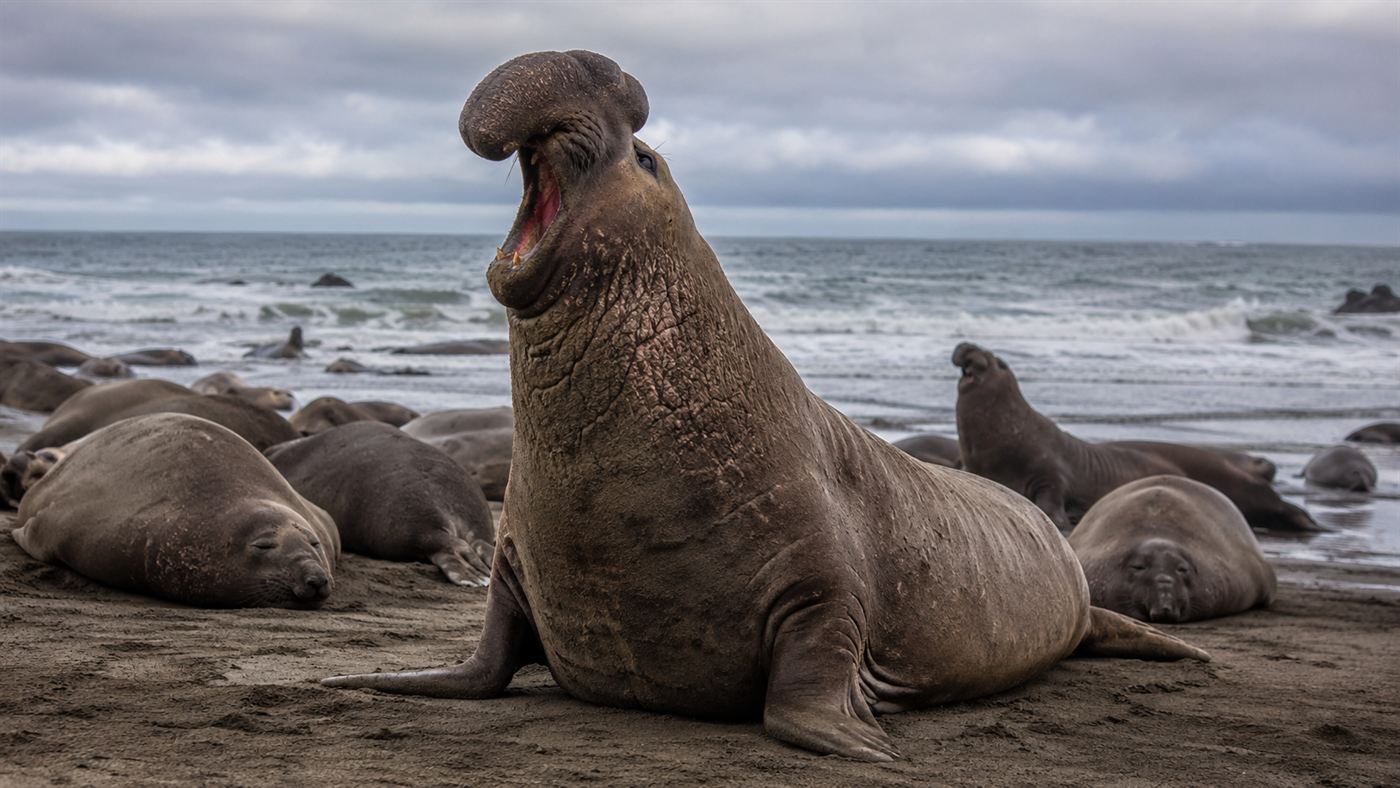
Related reading: The northern elephant seal came back from about 20 animals, but with a genetic scar that never healed.
More from Watts & Wild
More in Energy & the Wild →


Maria covers heavy industry, mega-builds, and the natural world where energy and engineering meet wildlife, for Watts & Wild.