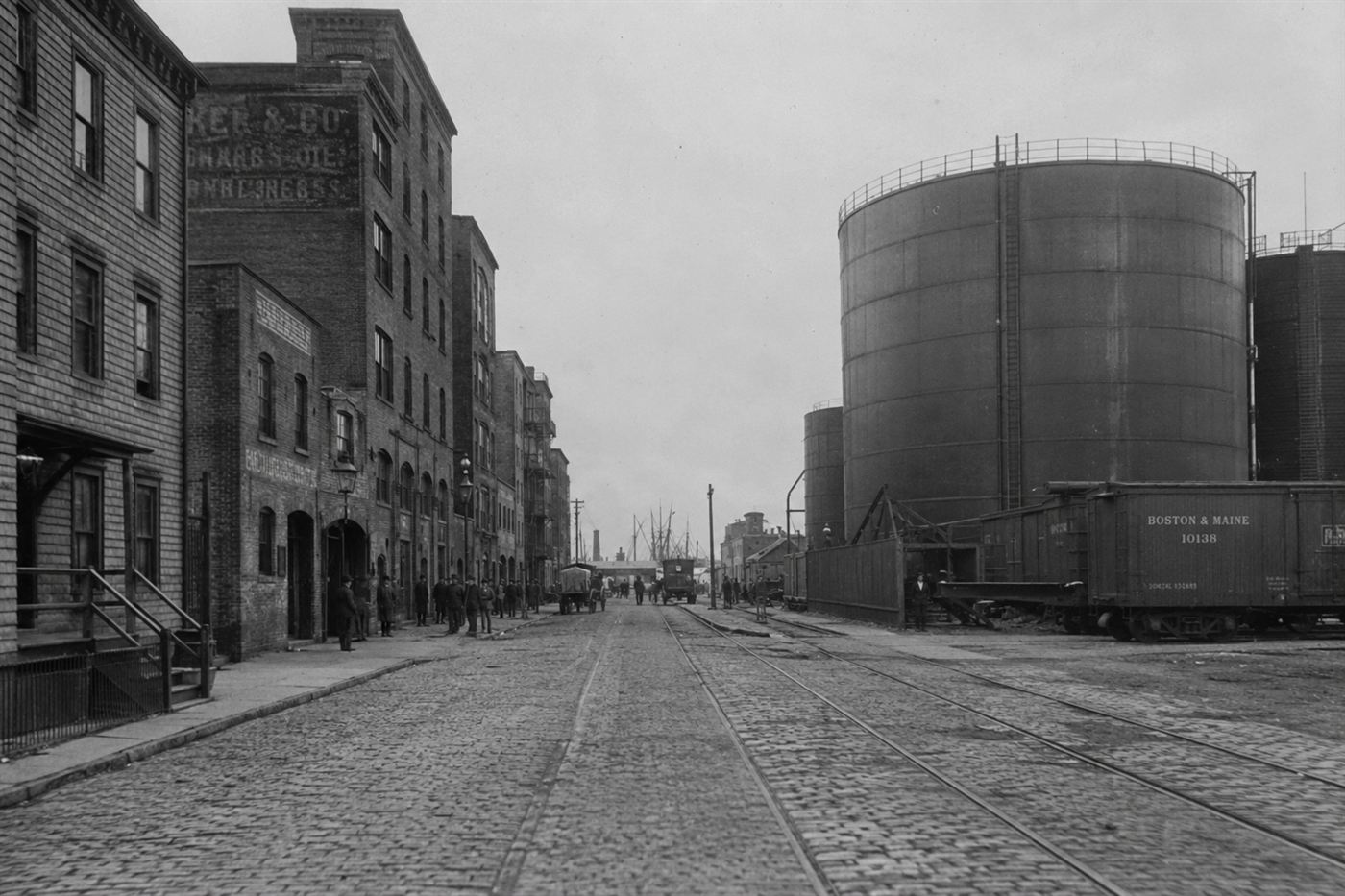
The Great Molasses Flood struck Commercial Street at roughly 12:30 in the afternoon on January 15, 1919. The tank that failed stood about 50 feet tall and 90 feet across, built in 1915 by the United States Industrial Alcohol Company on a waterfront lot in Boston's North End. It held molasses that would be distilled into industrial alcohol and, during the First World War, into munitions. At the moment it gave way, it was nearly full: 2.3 million gallons of thick brown syrup at a temperature slightly warmer than the January air around it.
The tank did not simply leak. The seams blew apart all at once, and the molasses surged out at an estimated 35 miles per hour. The initial wave reached 15 to 25 feet high. It knocked a section of the elevated railway off its supports, demolished a fire station, flattened wooden tenements, picked up freight cars, and rolled through the streets with enough force to pin people against walls and hold them there as the viscous mass cooled around them.
The Boston Molasses Flood killed 21 people and injured 150 more. Among the dead were a ten-year-old girl, several workers eating lunch in a nearby freight shed, and city paver Timothy Quirk. Horses working the streets drowned. Rescue workers who arrived within minutes could not move through the knee-deep syrup. A Red Cross nurse described wading through brown liquid while trying to reach a man she could hear calling out but could not locate in the dark mass.
Why did the Boston Molasses Flood tank fail?
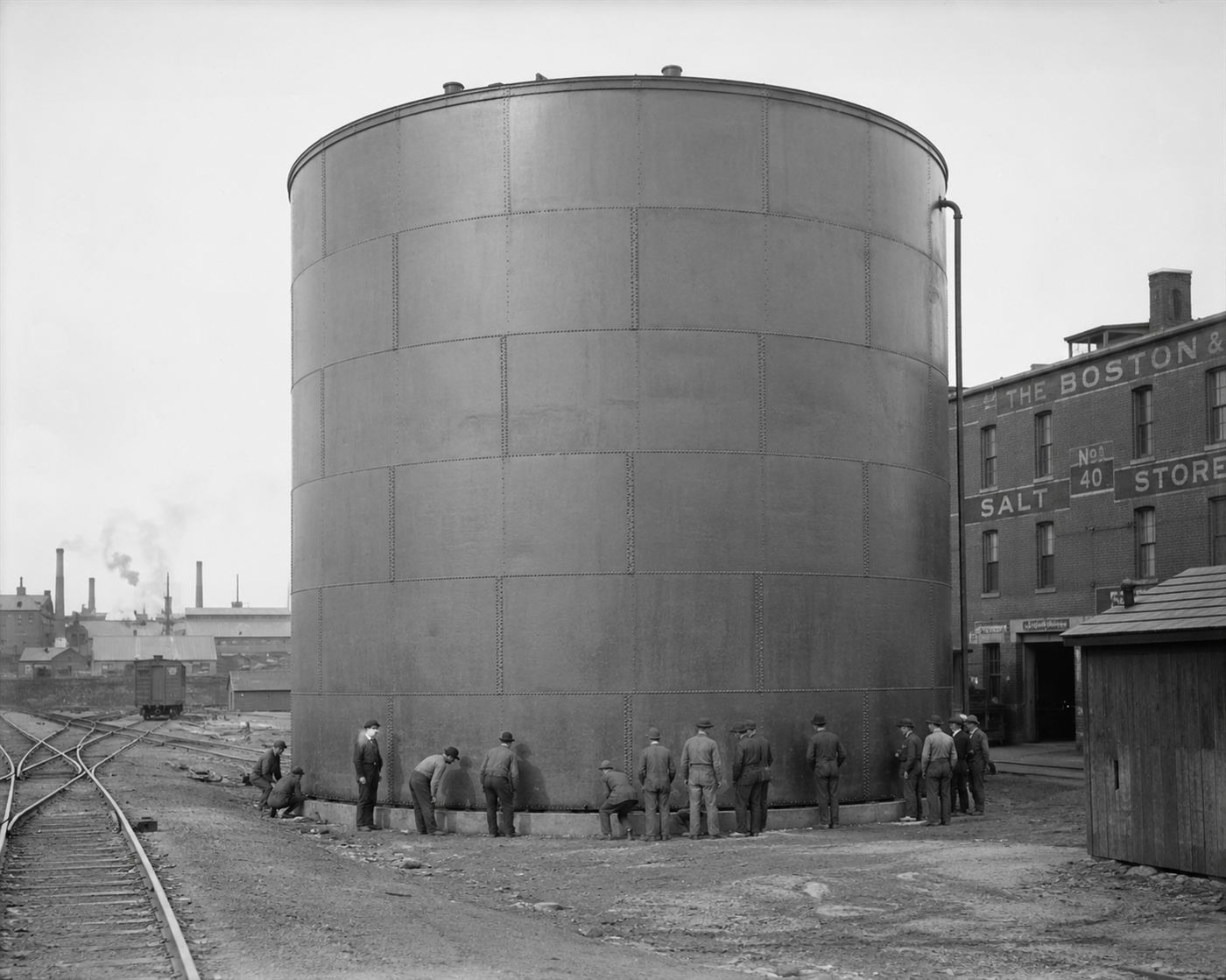
The molasses tank at 529 Commercial Street had been built in six weeks in 1915, during a period when wartime demand for industrial alcohol was accelerating faster than construction standards could keep pace with.
Arthur Jell, the treasurer of the United States Industrial Alcohol Company who oversaw the build, had no engineering background.
The tank walls were built thinner than engineering standards required for a structure of that volume and height.
The problems were visible almost from the start.
The molasses tank leaked from its seams so regularly that local children made a habit of coming to Commercial Street to lick the sweet residue off the base.
Residents of the North End reported hearing the structure groan on warm days as the molasses expanded and the steel flexed under the pressure.
The company received written warnings from engineers who believed the tank was unsound.
USIA painted the tank brown to conceal the stains from constant leakage.
No independent structural review was ever commissioned.
On the day the Great Molasses Flood happened, temperatures had risen from near-freezing overnight to about 40 degrees Fahrenheit.
The molasses warmed slightly, expanded inside the tank, and the seams gave way simultaneously.
How did the molasses wave destroy the North End?
The wave hit like a wall.
A section of the Boston Elevated Railway that passed above Commercial Street buckled and fell to the street below.
Engine Company 31 of the Boston Fire Department, whose building stood a few hundred feet from the molasses tank, was engulfed.
Firefighter George Layhe drowned in the molasses inside the building.
Wooden tenements along the street were pushed off their foundations.
Freight wagons and delivery horses were carried by the surge and swept into the harbor.
Photographs taken in the hours after the North End disaster show streets covered in thick brown liquid with structural wreckage jutting out at odd angles, looking less like an industrial accident and more like the aftermath of a river flood in a city center.
Rescue operations lasted for days.
Workers brought in salt water from the harbor to thin the molasses, and sand to absorb it.
The North End smelled of molasses for weeks after the Great Molasses Flood.
Some residents reported the smell persisting for months, and for decades afterward, Bostonians claimed the neighborhood still carried a faint sweetness on hot summer days.
Why did the company blame anarchists for the molasses disaster?
United States Industrial Alcohol had a ready explanation: a bomb.
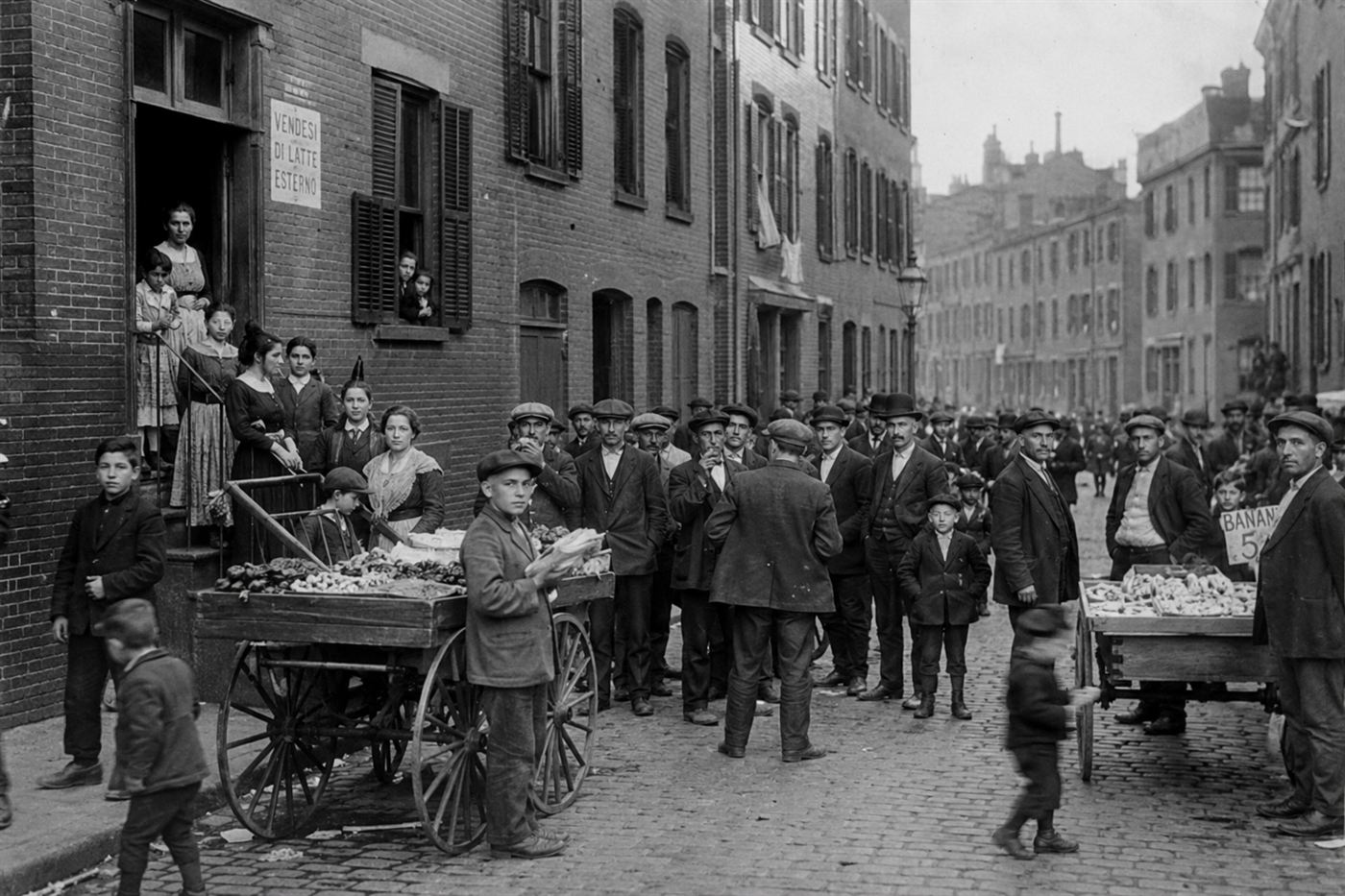
The North End in 1919 was a heavily Italian neighborhood, and Italian anarchists had been active across the United States in the months surrounding the end of the First World War.
The year 1919 would become notorious for labor unrest and political bombings, including a mail bomb campaign in April and a coordinated attack in June that targeted the homes of politicians and judges in eight cities.
USIA's lawyers argued that someone had placed a bomb at the base of the molasses tank.
The company pointed to a letter that had allegedly been sent to a local anarchist newspaper warning of an attack on the plant.
This argument allowed USIA to frame the Boston Molasses Flood as terrorism rather than negligence, and the victims as casualties of a political movement rather than of corporate shortcuts.
The claim also carried an implicit suggestion: the Italian immigrant community of the North End bore some responsibility for what had happened to it.
It was a convenient argument.
It was also false.
How did the class action lawsuit establish negligence?
More than a hundred plaintiffs joined the case against USIA, making it one of the earliest class action lawsuits in Massachusetts history brought against a corporation for industrial negligence.
The case was assigned to an auditor named Hugh Ogden, a former judge.
Ogden spent the next six years hearing testimony.
The proceedings generated roughly 45,000 pages of documentation and included testimony from nearly 3,000 witnesses.
He examined the tank's engineering specifications, the original construction contracts, the records of complaints the company had received, and the testimony of engineers who had studied the wreckage after the Boston Molasses Flood.
In 1925, Ogden issued his finding.
The molasses tank had failed because it was structurally inadequate.
The walls were too thin for the volume of industrial alcohol and molasses they were required to hold under pressure.
The rivets were insufficient in number and placement.
The tank had never been properly tested before being filled.
Ogden found no evidence of a bomb and no credible evidence of anarchist involvement.
The company paid approximately $628,000 in settlements.
Arthur Jell, the man who had overseen construction without engineering credentials, was never criminally charged.
USIA paid what it negotiated and continued operating.
What did the Great Molasses Flood change about industrial safety?
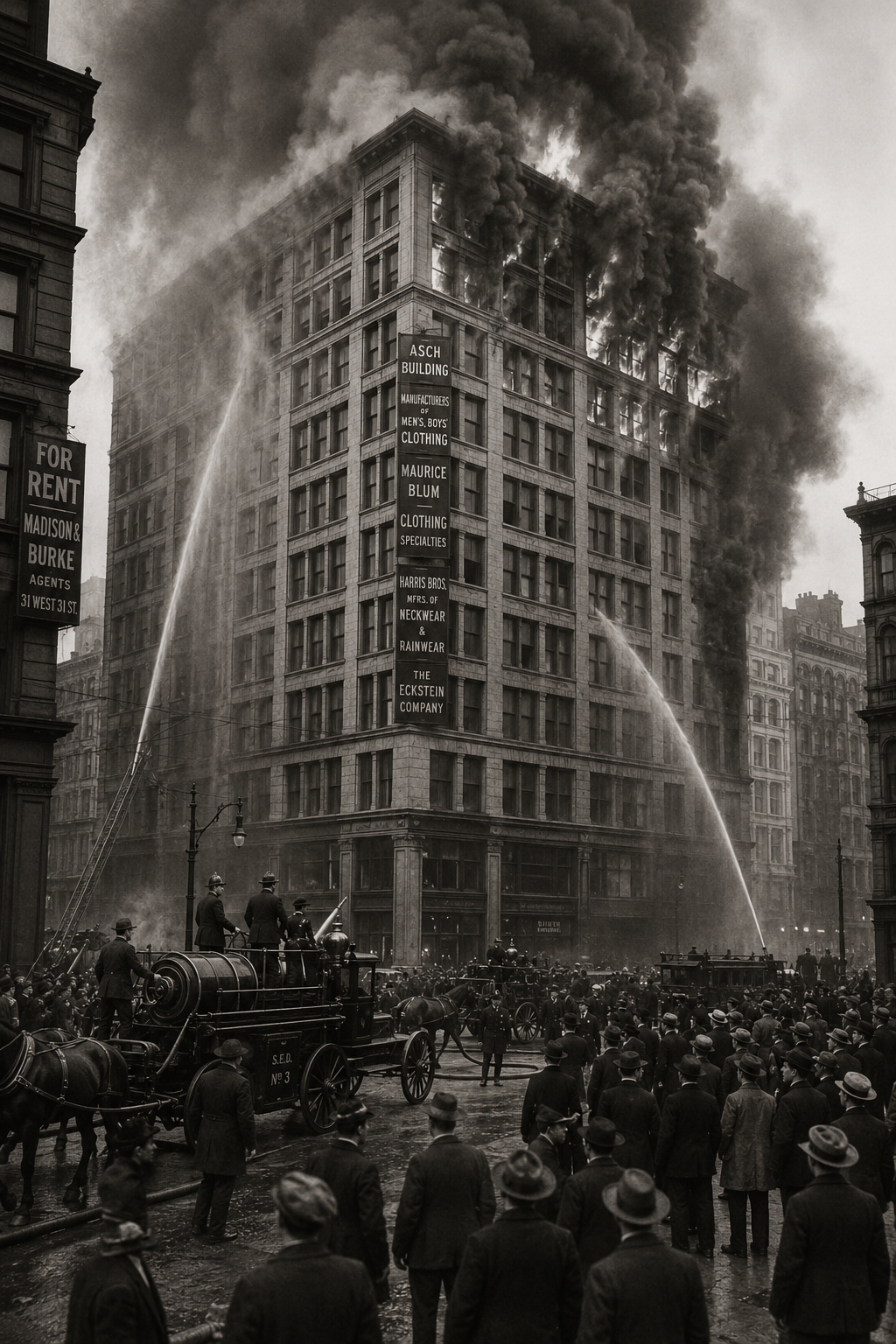
The Boston Molasses Flood case did not transform American industrial regulation the way the Triangle Shirtwaist fire of 1911 had accelerated labor law reform.
But it established a legal principle: a company that builds a large structure and places it in a populated area carries an obligation to ensure that structure is sound, and the obligation does not disappear because the disaster is inconvenient to explain.
The state of Massachusetts began requiring engineering inspections of large storage tanks after 1919.
The city of Boston eventually required permits and structural review for any new large-scale industrial installation in residential neighborhoods.
These changes came too late for the residents of the North End.
But they set a pattern that other jurisdictions followed in the decades after the Great Molasses Flood.
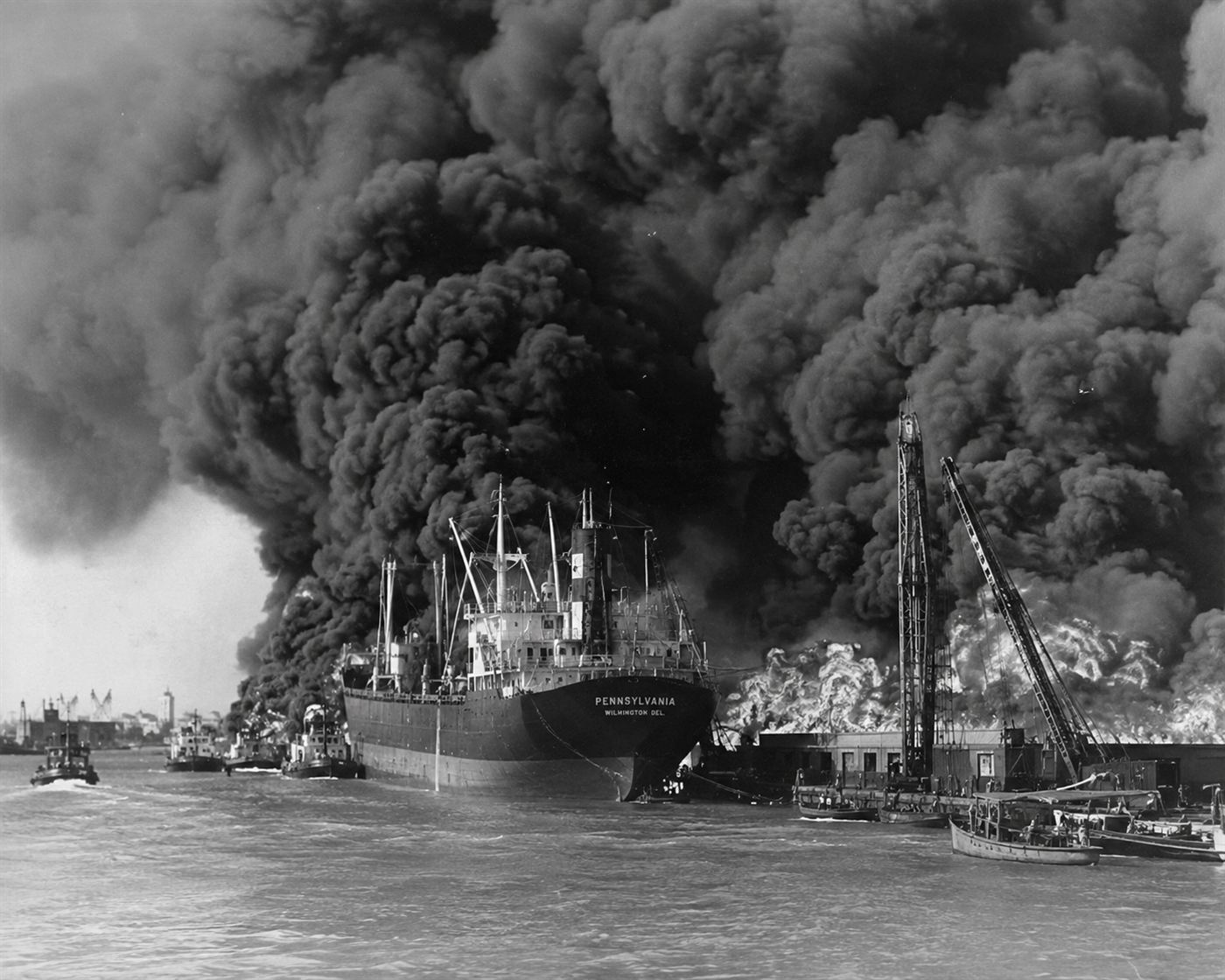
Similar questions about who bears the risk of industrial operations sited near housing would resurface when Union Carbide built its pesticide plant inside the residential districts of Bhopal in 1969, and again when ammonium nitrate fertilizer was loaded onto a ship docked next to a populated Texas waterfront in 1947.
The honest catch
The anarchist theory was not invented from nothing.
The political climate in the United States in early 1919 was genuinely volatile.
Galleani anarchists had been planting bombs in American cities.
The North End had a population that included some individuals with anarchist sympathies.
A warning letter about the USIA plant was real, though its source and true intent were never clearly established.
What USIA did was take a plausible-sounding alternative explanation and use it to delay accountability and redirect suspicion onto the people who had been harmed.
The molasses tank had also been flagged by engineers inside the company who believed it was unsound.
Those warnings were documented and then set aside.
The victims of the Boston Molasses Flood received settlements that averaged a few thousand dollars each.
The case took six years from the day of the disaster to Ogden's finding, and the company paid what it negotiated.
No one was jailed.
The site at 529 Commercial Street in the North End is now a small park near the waterfront.
There is a plaque.
It does not mention the industrial alcohol, the warnings that were ignored, or the six years the company spent pointing at anarchists.
The dancing plague of 1518 gets dismissed as hysteria; the Boston Molasses Flood gets remembered as an oddity. Both were situations where people in authority chose an explanation that protected the people with power and left the people without it to deal with the consequences.
The industrial alcohol that USIA was producing in the North End was not for the North End.
The hazard was.
When a company builds something dangerous next to where people live, what standard of proof should it have to meet before a regulator allows it to operate? Leave a comment below.