On December 6, 1917, Vincent Coleman stayed at his telegraph key in Halifax to warn a passenger train that the burning ship nearby carried ammunition and was about to destroy half a city
The Halifax explosion of December 6, 1917, killed approximately two thousand people, injured nine thousand, and leveled the entire north end of the city. The blast, caused by a collision between a French munitions ship and a Belgian relief vessel in the harbor's narrow channel, was the largest man-made explosion in history up to that date. Vincent Coleman, a railway dispatcher, is the one person most credited with preventing the death toll from being even higher.
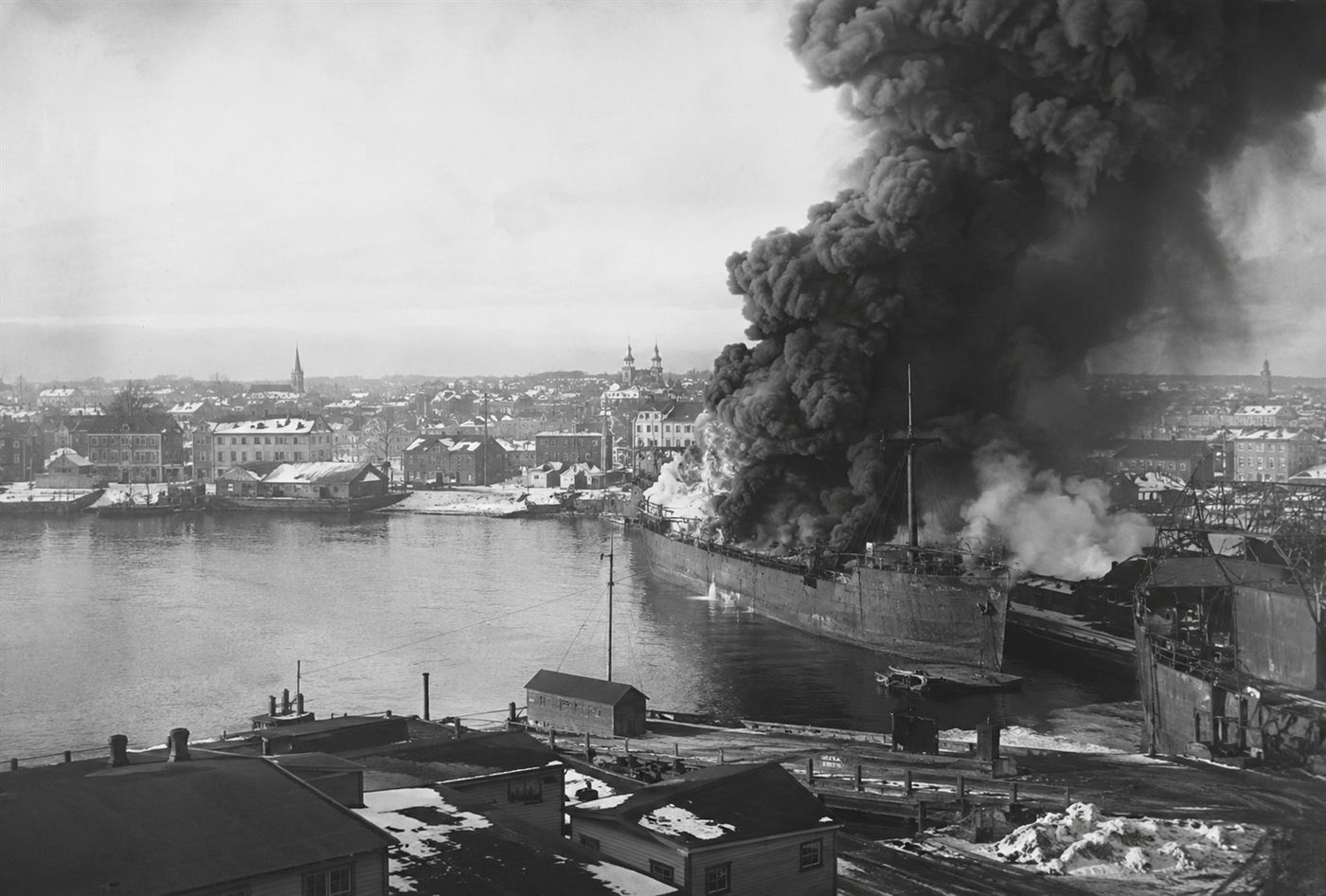
At 8:45 AM on December 6, 1917, the French cargo ship SS Mont-Blanc was moving through the Narrows, the channel connecting Halifax Harbour to Bedford Basin, when it collided with the SS Imo, a Norwegian vessel chartered by the Commission for Relief in Belgium. The Mont-Blanc was loaded with 2,900 tons of picric acid, 200 tons of TNT, 35 tons of benzol, and 10 tons of gun cotton, all bound for the war in France. The collision ignited a fire in the benzol barrels on the deck.
The crew of the Mont-Blanc knew what was happening and what it meant. The captain, Aim Gaspard Le Medec, ordered the crew to abandon ship and row to the Dartmouth shore. They made it. The ship, burning and drifting, came to rest against Pier 6 in Halifax. Crowds gathered on the waterfront and on the Richmond hillside above the pier to watch the spectacular fire. Some of them were close enough that the Halifax explosion killed them before they could have realized what was about to happen.
The Halifax explosion occurred at 9:04:35 AM. The blast flattened everything within a radius of about half a mile. Windows were shattered 80 kilometers away. The explosion created a tsunami wave that washed over the waterfront. A pressure wave knocked people off their feet across the city. A column of white smoke rose 3.5 kilometers into the air. The Halifax explosion remains one of the largest accidental explosions in human history.
How the SS Mont-Blanc and the SS Imo came to be in the same channel at the same time
The Halifax explosion began with a navigational disagreement that followed from the wartime chaos in the harbor.
Halifax in 1917 was one of the busiest ports in North America.
It was the primary North Atlantic staging point for Allied convoys crossing to Britain and France during World War One.
The harbor was filled with ships, and the traffic control systems that would normally govern their movement were strained and improvised.
The SS Mont-Blanc, a French munitions ship, had arrived from New York on December 5.
Because it was carrying such dangerous cargo, it had not been allowed into the inner harbor.
It was waiting in the outer anchorage overnight and entered the Narrows on the morning of December 6, 1917, heading for Bedford Basin where it would join a convoy.
The SS Imo was going in the opposite direction, leaving Bedford Basin to pick up humanitarian relief supplies.
Both ships were on the wrong side of the channel for the direction they were traveling.
A series of misread signals, last-minute course corrections, and the sluggishness of large ships trying to maneuver in a narrow waterway brought them together.
The collision at about 8:45 AM was relatively minor in terms of physical damage to the ships.
It was what it ignited that mattered.
What Vincent Coleman did when he heard the Mont-Blanc carried ammunition
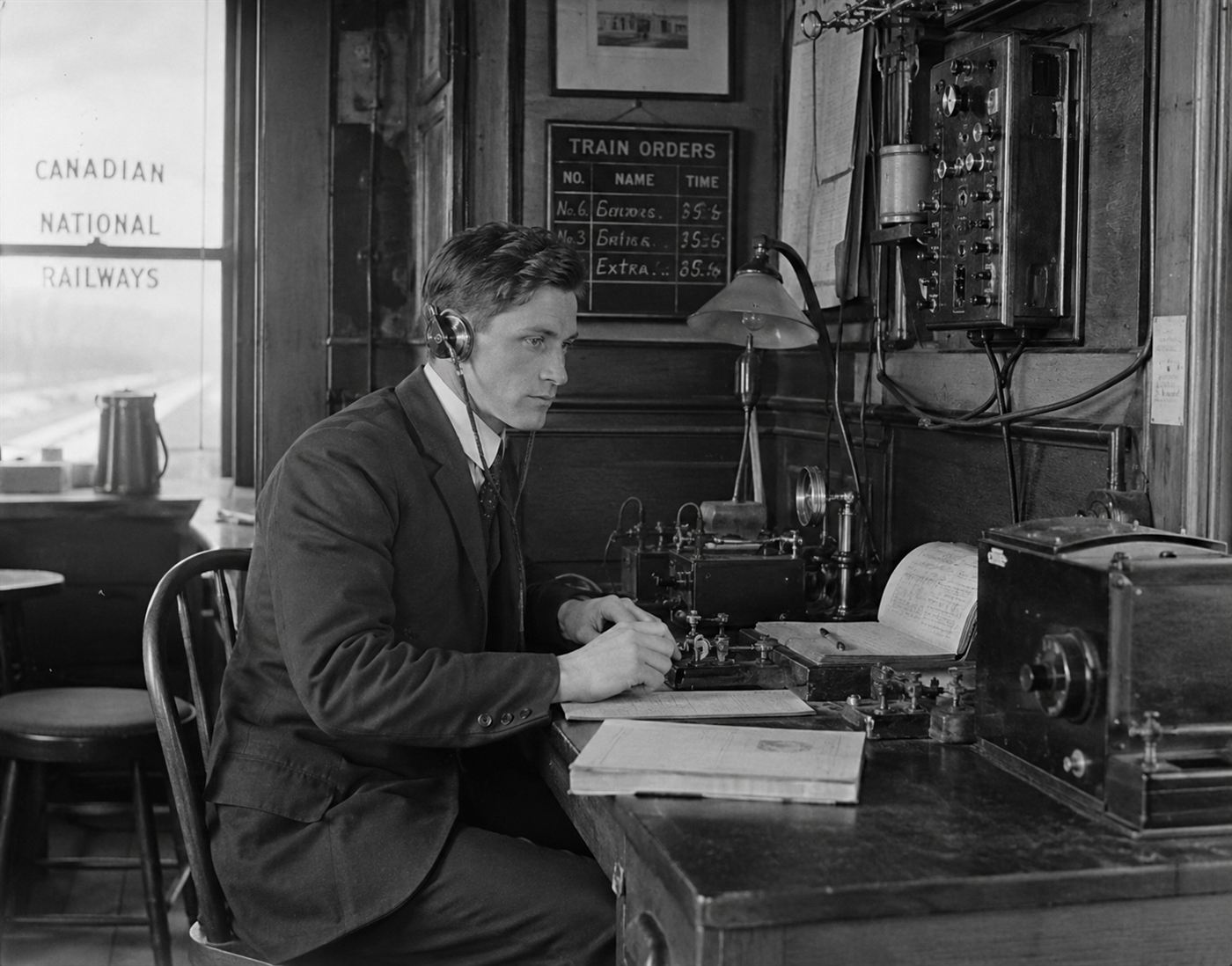
Vincent Coleman was a dispatcher for the Canadian Government Railways at the Richmond Yards in the north end of Halifax, just a few hundred meters from where the Mont-Blanc was burning at Pier 6.
After the collision, Coleman and a colleague, William Lovett, walked toward the waterfront to see what was happening.
A sailor from the Mont-Blanc, running from the harbor, shouted a warning at them: the ship was carrying ammunition and was about to explode.
Lovett and Coleman turned and ran.
Then Coleman stopped.
He knew that a passenger train from Truro, carrying between 300 and 700 passengers, was due to arrive at the Richmond station within minutes.
He went back to his dispatcher's office and sat down at his telegraph key.
The message he sent, tapped out in Morse code while the Mont-Blanc burned less than 500 meters away, read: "Hold up the train. Ammunition ship afire in harbor making for Pier 6 and will explode. Guess this will be my last message. Good bye boys."
The train from Truro stopped in Rockingham, short of the Richmond station.
It was outside the zone of total destruction when the Halifax explosion occurred.
Vincent Coleman was killed at his desk by the blast.
He was 46 years old.
What the Halifax explosion of 1917 destroyed and how many people it killed
The Halifax explosion destroyed the entire north end of the city of Halifax in less than one second.
The Richmond district, where the explosion occurred, was a densely packed working-class neighborhood of wooden houses, factories, schools, and churches.
Most of the buildings in Richmond were simply gone.
The Halifax explosion killed approximately 2,000 people.
More than 9,000 were injured.
Six thousand people were left homeless in the middle of a Nova Scotia winter.
The blast sent debris from the Mont-Blanc flying across the city.
The anchor shank of the ship was found on the Dartmouth shore, 3.2 kilometers away.
A piece of the Mont-Blanc's cannon, a 90-millimeter deck gun, was found 5.5 kilometers away in Dartmouth.
The blast wave shattered windows in a radius of 80 kilometers, and the detonation was heard as far away as Prince Edward Island, 220 kilometers north.
Schools were destroyed while children were inside them.
People who had gone to their windows to watch the burning ship were blinded when the glass exploded inward at the moment of detonation.
A tsunami wave driven by the blast swept over the waterfront, carrying debris and bodies further inland.
The Halifax explosion was followed that evening by one of the worst blizzards in the city's history, complicating the rescue effort and killing survivors who had been left exposed in the ruins.
How Boston and Massachusetts responded and why Nova Scotia still sends a Christmas tree
Word of the Halifax explosion reached Boston within hours.
Massachusetts sent a relief train to Halifax on the evening of December 6, just hours after the blast, carrying doctors, nurses, medical supplies, and food.
The Massachusetts relief effort was the fastest and largest organized outside response to the Halifax explosion.
The city of Boston and the state of Massachusetts contributed significantly to the emergency medical care and rebuilding efforts in the months that followed.
The relationship between Nova Scotia and Massachusetts that grew from the Halifax explosion led to a lasting tradition.
Since 1971, the Province of Nova Scotia has sent a large Christmas tree to the city of Boston every year as a formal thank-you for the help provided in 1917.
The tree is lit in a public ceremony in Boston Common each December.
The tradition has continued for more than fifty years, making the Halifax explosion's legacy visible in a downtown Boston park every winter.
The connection between the Halifax explosion and the Boston Christmas tree is one of the less-told aspects of the disaster, but it is one that makes the human cost of the event tangible in a way that casualty figures alone cannot.
Like the Texas City firefighters who died responding to a harbor fire involving dangerous cargo thirty years later, the two thousand people killed in Halifax had no warning, no protection, and no way to know that the burning ship visible from the waterfront was about to change their city forever.
The honest catch
The Halifax explosion story is often told as a straightforward account of heroism and tragedy, and that framing is largely deserved.
But some of the details are contested or complicated.
The legal liability for the Halifax explosion was disputed for decades.
A series of judicial inquiries and appeals produced contradictory findings about which ship was at fault for the collision.
The first inquiry, by Judge Arthur Drysdale, blamed the Mont-Blanc and its captain.
An appeal court reversed this finding, dividing blame between the two ships.
The Privy Council in London, then the final court of appeal for Canadian cases, found neither ship fully at fault.
The shipping companies involved were never held fully liable for the damage.
The exact number of people Vincent Coleman's telegraph message saved is unknown and probably unknowable.
The train he warned was carrying somewhere between a few hundred and several hundred passengers, depending on which historical account you read.
The precise death toll from the Halifax explosion itself is also uncertain, with estimates ranging from about 1,700 to more than 2,000.
The wartime context shaped everything about how the Halifax explosion was handled: information was suppressed in the immediate aftermath to avoid giving the enemy intelligence about the harbor, relief operations were complicated by military priorities, and the full story did not emerge for years.
As in Bhopal, where a chemical disaster unfolded in part because information about hazardous materials was not shared with those who needed it, the cargo manifest of the Mont-Blanc was not publicly known to the people working and living near Pier 6.
The Mont-Blanc was not flying a red flag to indicate it was carrying explosives, which was required by the rules of the time.
Whether this was an oversight or a deliberate precaution against making the ship a target in a wartime harbor is not clear from the historical record.
What is clear is that Vincent Coleman knew what the ship was carrying because a sailor shouted it at him while running away.
And that he went back.
The Halifax explosion happened because two ships collided in a harbor full of wartime traffic and one of them was carrying the equivalent of a small nuclear weapon's worth of conventional explosive. Vincent Coleman's name is on a plaque at the Richmond station site. The train he saved is remembered. The 2,000 people who died are not remembered individually, in the way that single acts of heroism allow for. Does the math of disaster always work out that way?
More from Watts & Wild
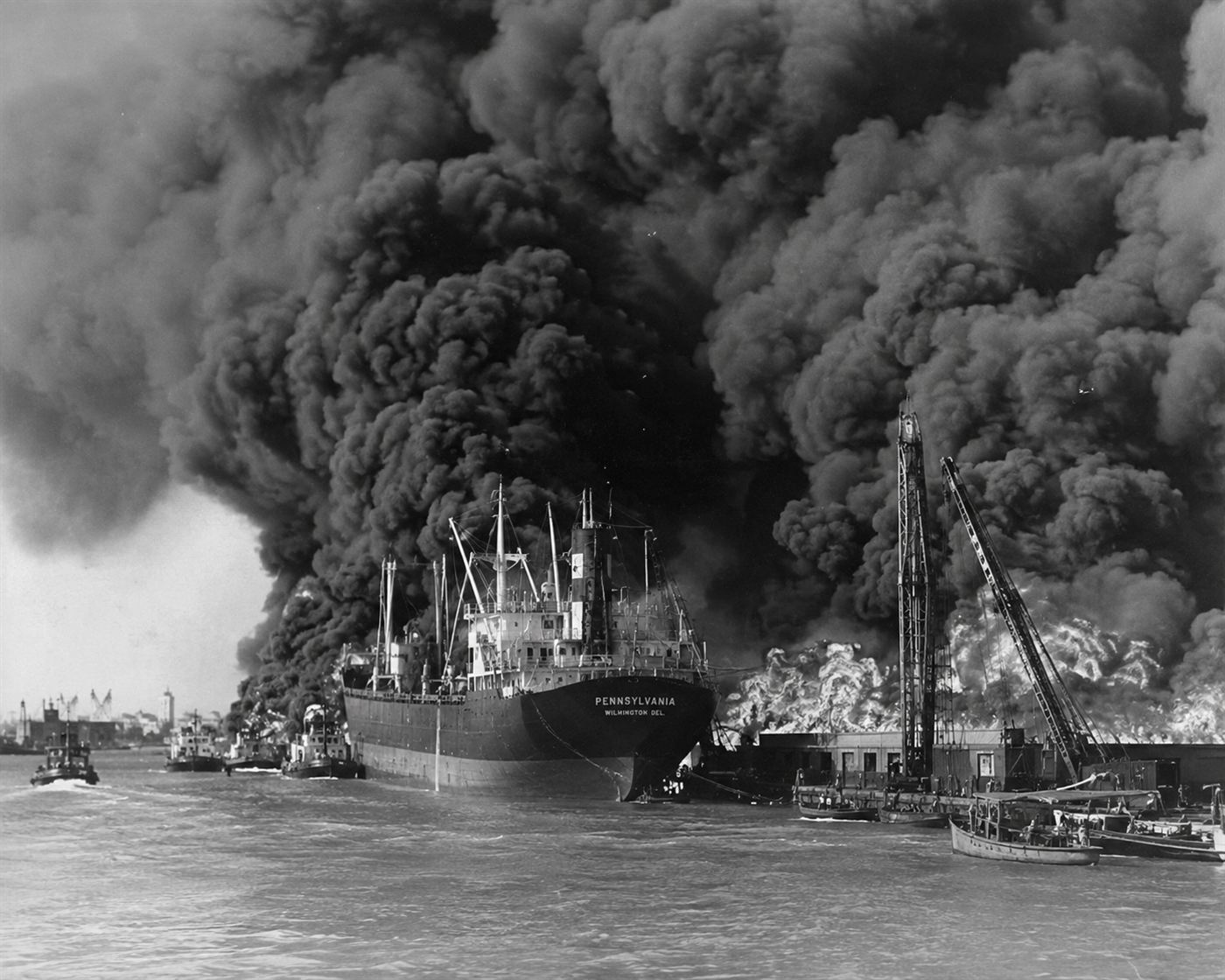 In 1947 the entire volunteer fire department of Texas City walked toward a burning cargo ship not knowing it held 2,300 tons of ammonium nitrate. The ship exploded and killed all 28 firefighters.
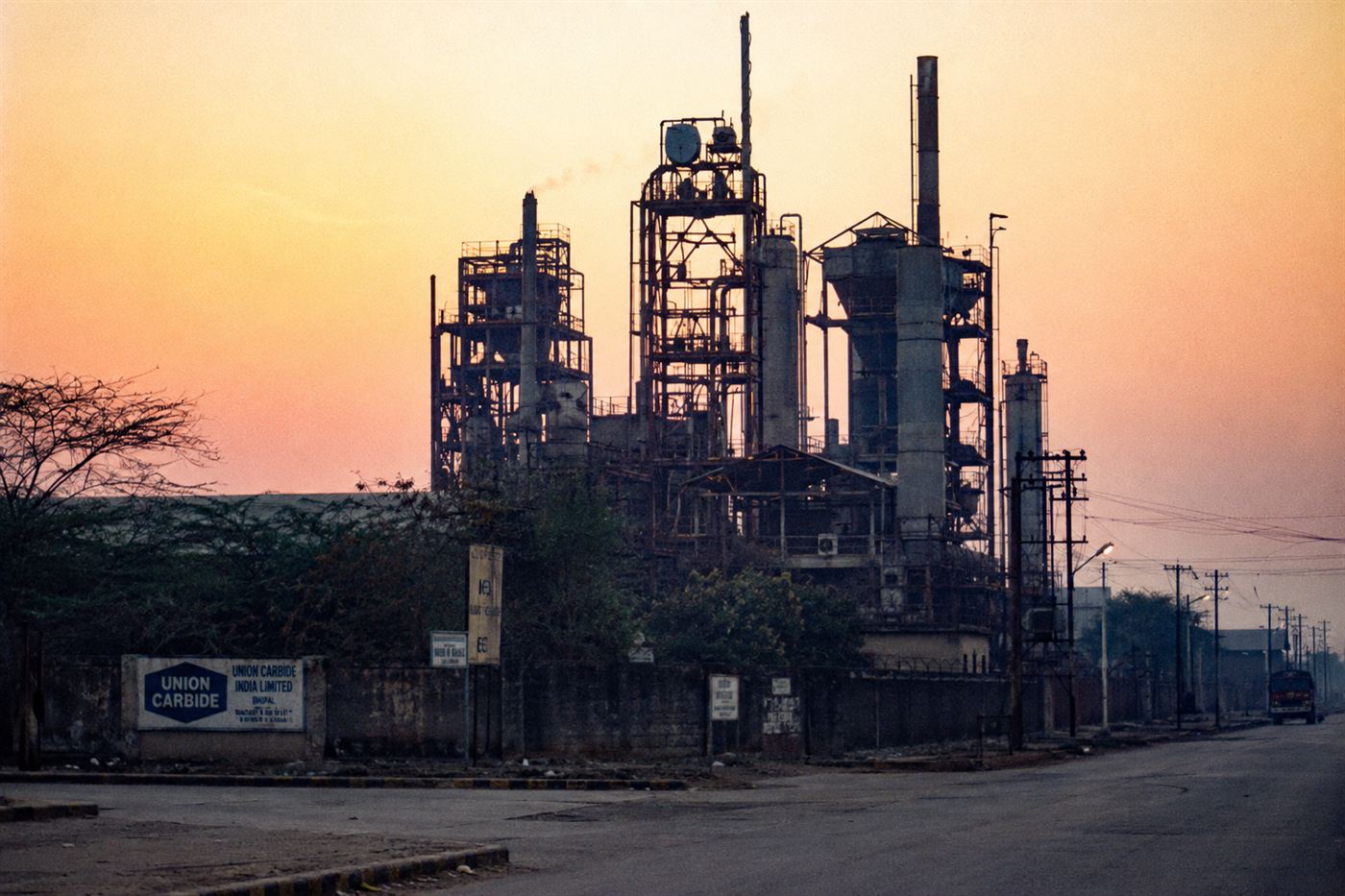 In December 1984 a Union Carbide pesticide factory in India leaked thirty tons of toxic gas over sleeping neighborhoods and killed at least fifteen thousand people.
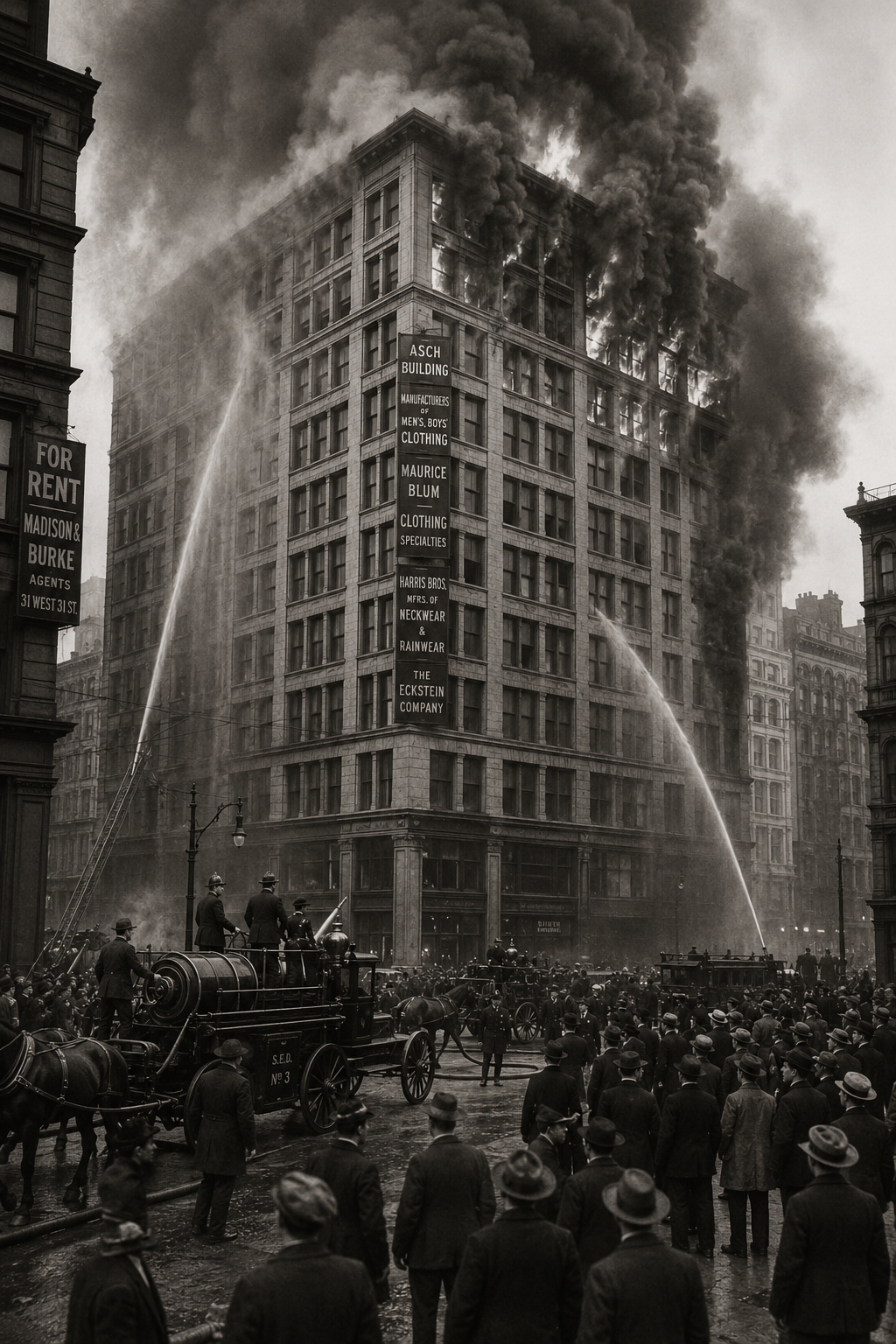 In 1911 a Manhattan garment factory fire killed 146 workers in eighteen minutes. The owners were acquitted and collected more from insurance than they lost.
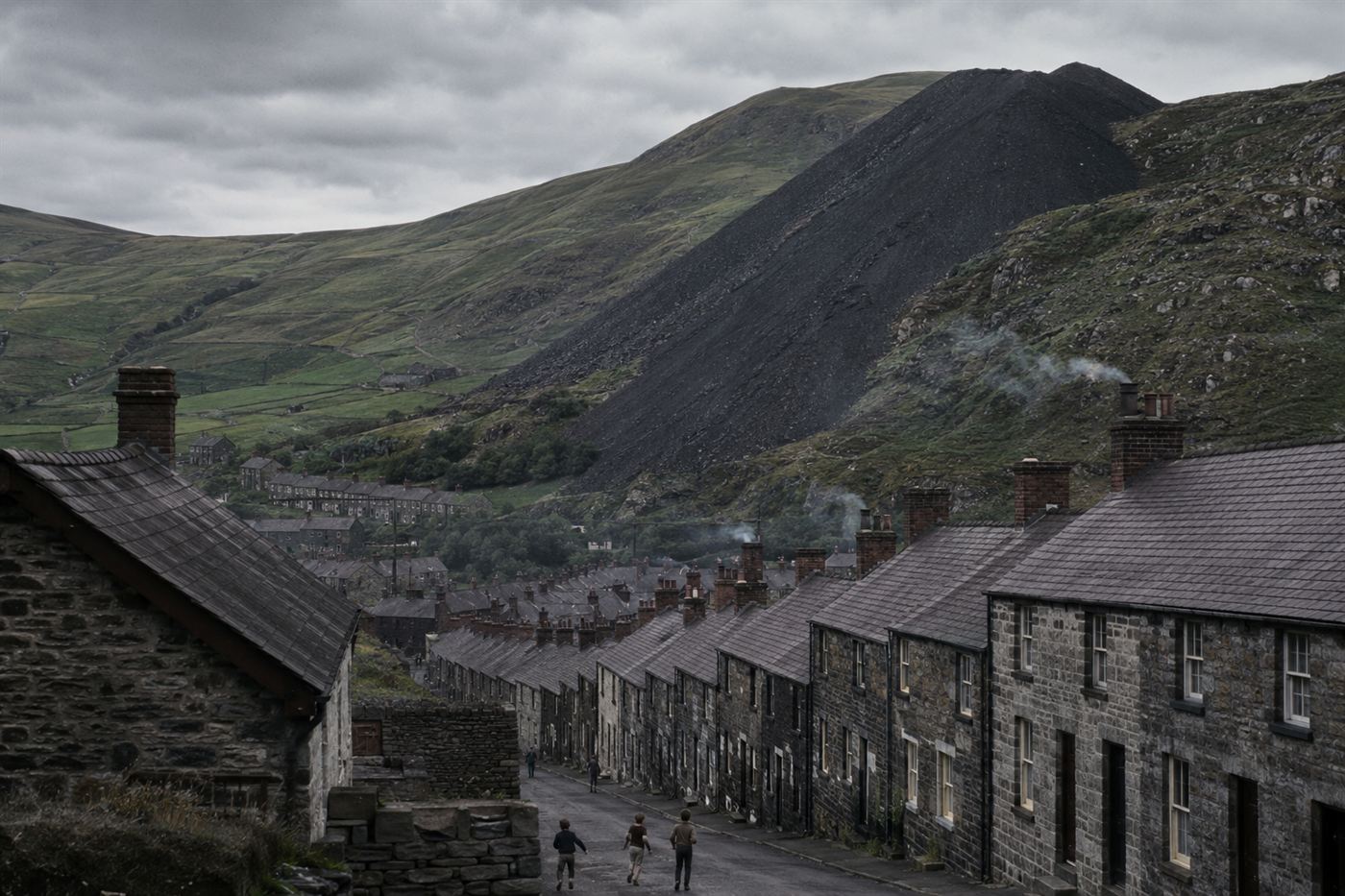 Residents of Aberfan warned for years that the coal tip above their village would kill someone. When it buried a school and killed 116 children, no one went to prison.