The most photographed slot canyon on Earth is a beautiful death trap, and the very floods that carved its glowing walls once killed eleven people under a clear blue sky
You have seen it a thousand times without knowing its name: the smooth orange walls, the shaft of light falling like something holy. What almost no one sees in those photographs is that the canyon is a drain, and in 1997 it filled without warning while the sky above stayed calm and blue.
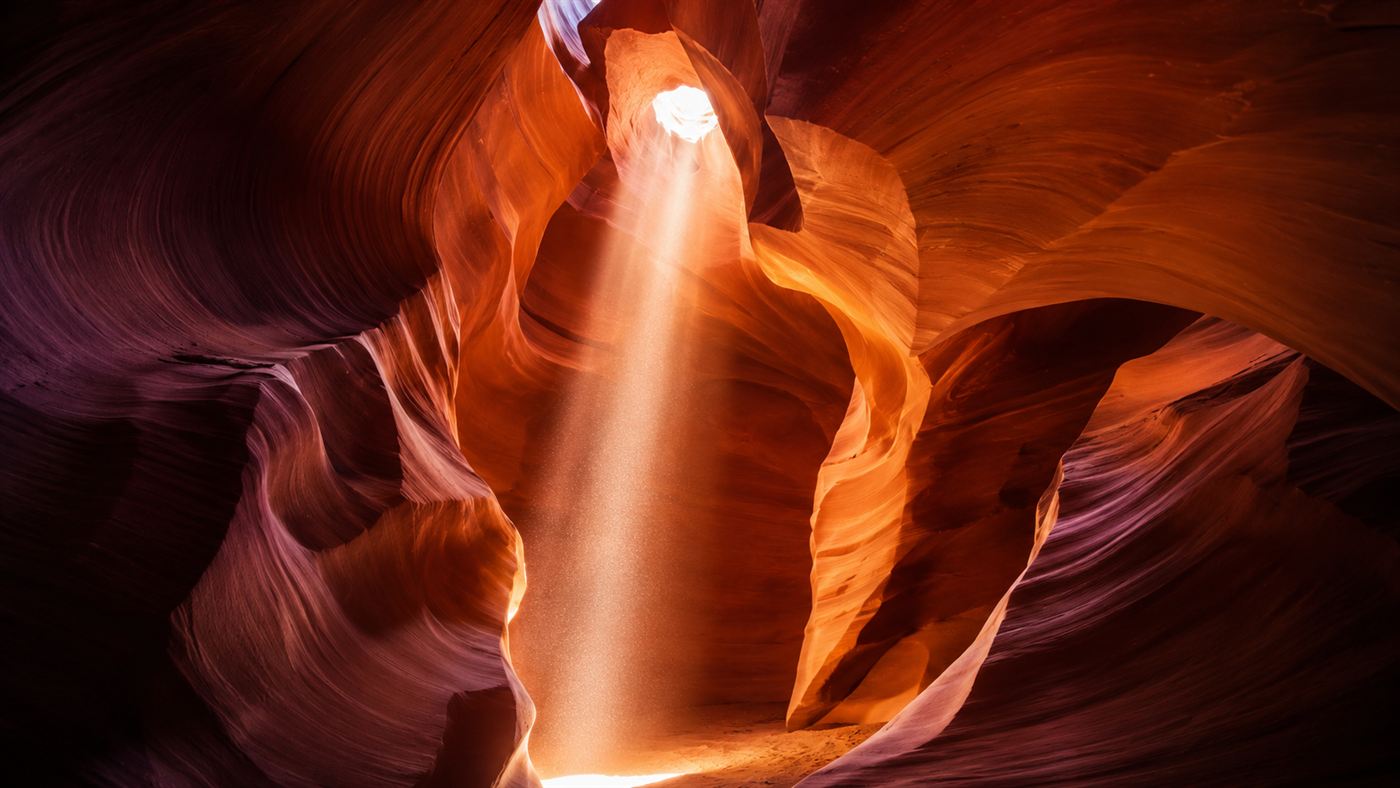
Antelope Canyon's glowing walls draw photographers from all over the world. Illustration: Watts & Wild.
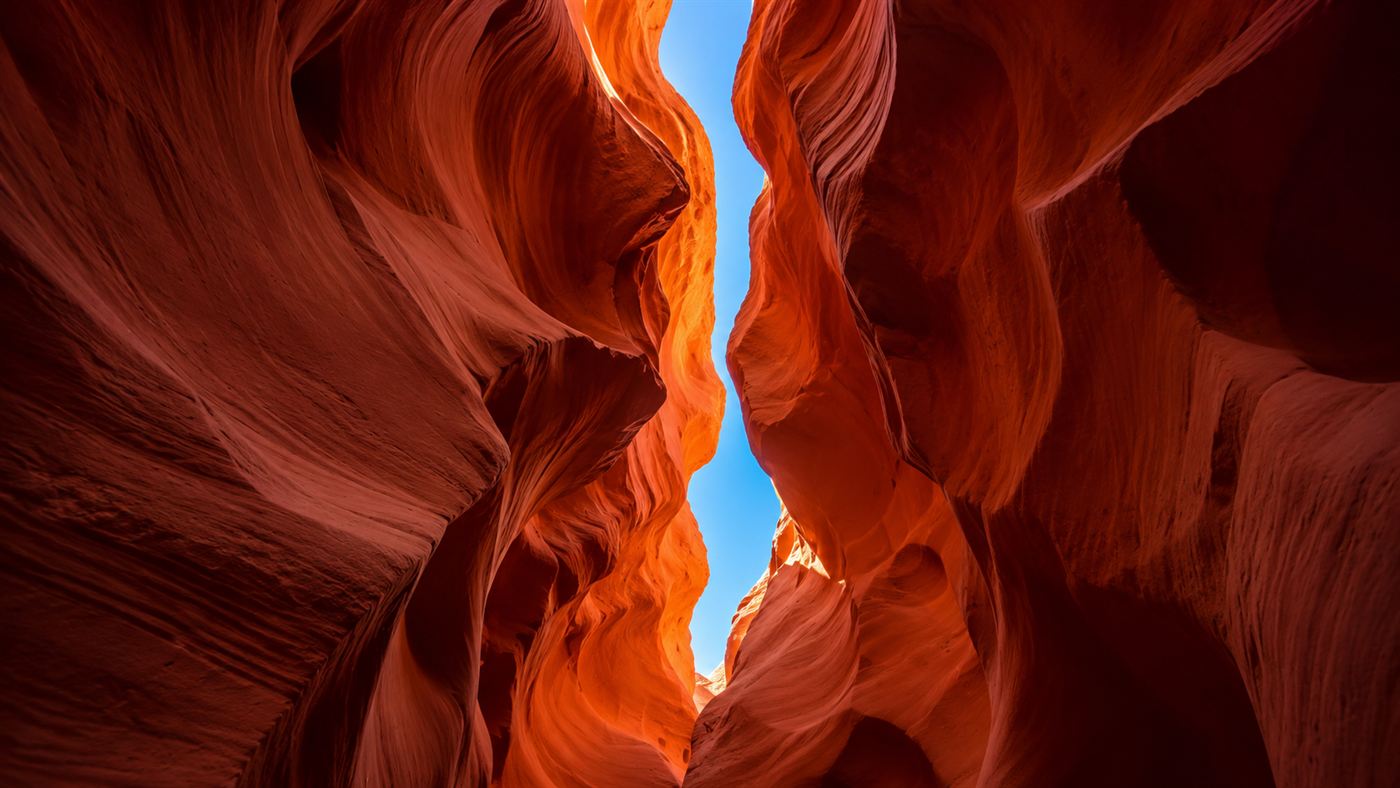
Near the town of Page, Arizona, on Navajo Nation land, there is a crack in the desert floor so narrow that in places you can touch both walls at once. Above, the ground is flat scrub. Below, the sandstone curls and glows in waves of orange and violet, lit by sunlight that filters down from a slot of sky far overhead. It is Antelope Canyon, and it may be the most photographed piece of rock on the planet.
People travel across the world to stand in it. The light beams that pour through at midday have become a kind of pilgrimage for photographers, and the images fill screensavers, calendars and phone wallpapers everywhere. Most of the people admiring them have no idea that the canyon has a body count.
The short version is that the beauty and the danger are not two different things. The same force that sculpted those flowing walls is the one that killed eleven visitors on a summer afternoon in 1997, and it gave them almost no warning at all.
How a slot canyon is really made
A slot canyon is not carved slowly by a gentle stream. It is cut by violence, by sudden torrents of water and grit that come tearing through a narrow gap and scour the stone a little deeper each time. The soft sandstone gives way, the walls polish smooth, and over thousands of years you get those famous curving shapes.
In other words, the canyon is beautiful precisely because it floods. Every graceful line in the rock is a record of water that once roared through with enough power to move boulders. To love the shape of Antelope Canyon is to admire the handiwork of the very thing that makes it lethal.
The day a flood filled Antelope Canyon
On August 12, 1997, a group of eleven tourists, many of them visiting from abroad, went down into Lower Antelope Canyon with a guide. The sky over the canyon was fine. But miles upstream, out of sight, a thunderstorm had dumped heavy rain onto the desert, and all of that water was already funnelling toward the same narrow slot.
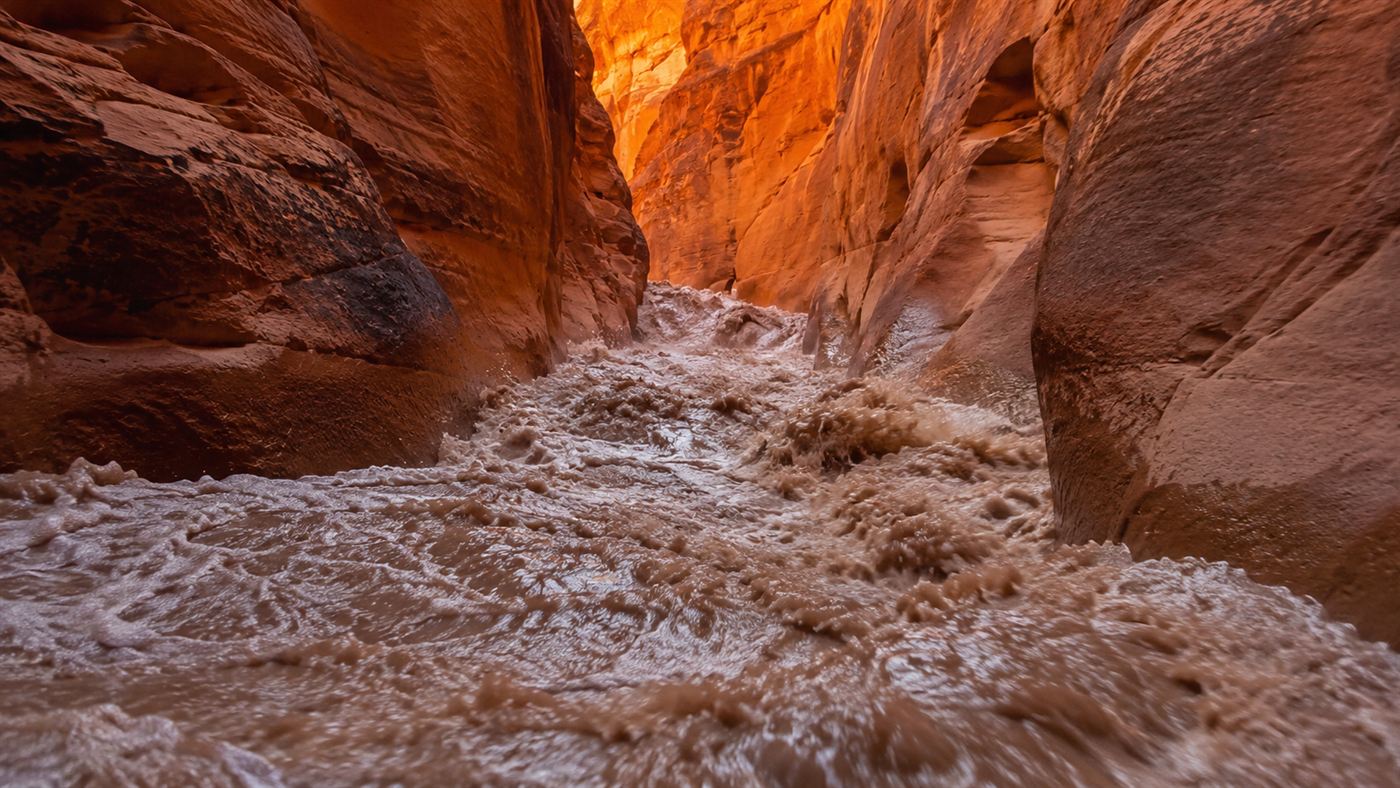
With little more than a distant roar as warning, a wall of muddy water surged through the canyon. In such a tight space there is nowhere to climb and no way to outrun it. The flood swept the group off their feet in seconds and carried them down the canyon, and when it was over, only one person was still alive.
The one who lived
The lone survivor was the tour guide, Francisco Quintana. The force of the water stripped the clothes from his body and battered him against the stone, yet somehow he managed to hold on and climb clear as the flood raged past. He lived, badly hurt, while every one of the visitors in his care was lost.
Rescuers spent days searching the canyon and the washes below it. Some of the bodies were carried far downstream, and not all of them were ever fully recovered. For a place so associated with serenity and light, the 1997 disaster left a wound that the Navajo Nation and the town of Page have never really forgotten.
Why did a clear sky turn deadly?
The cruelty of a flash flood in this landscape is that the threat is invisible from inside the canyon. The rain that kills you can be falling ten or twenty miles away, on ground you cannot see, while you stand in dappled sunlight admiring the walls. By the time the water reaches you, it is already a moving flood, not a warning.
After 1997, the way people visit changed a great deal. Tour operators installed fixed metal ladders and cargo-net systems for fast escape, and the canyon is now entered only with Navajo guides who monitor upstream weather and radar. Upper and Lower sections both run on tightly controlled tours, and a distant storm is now enough to close the canyon for the day.
The honest catch
It is comforting to think of the 1997 flood as a freak event, a stroke of terrible bad luck in an otherwise safe wonder. That is not quite honest. Antelope Canyon did not turn dangerous that day; it has always been a flood channel, and the danger was never separate from the appeal. The stone is lovely because the water is merciless.
There is a quieter catch too. In the years since, the canyon has become more controlled and, at the same time, far more crowded, its glowing walls turned into a backdrop for endless photographs. The safety is real and welcome, but it can hide the plain fact underneath the beauty. A slot canyon is a place the desert built to move water, and standing inside one will always mean trusting a sky you cannot fully see.
The picture on your screen may be the same canyon that drowned eleven people under a clear sky. Would you still walk into a place so beautiful once you knew what carved it? Tell us what you think in the comments.
Related reading: the Boston molasses flood, another wave that arrived faster than anyone could believe. See also the sailing stones of Death Valley that move on their own, and the Yosemite firefall that looks like the cliff is pouring lava.