On March 25, 1911, 146 garment workers died in eighteen minutes in a Manhattan factory fire, the owners were acquitted, and the 26-year-old social worker who watched them jump from the windows became Roosevelt's Secretary of Labor
The Triangle Shirtwaist fire of March 25, 1911 was over in eighteen minutes. Isaac Harris and Max Blanck, who owned the factory, were acquitted. Their insurance payout exceeded the value of everything they lost. A young social worker named Frances Perkins watched the fire from Washington Square Park and never forgot what she saw.
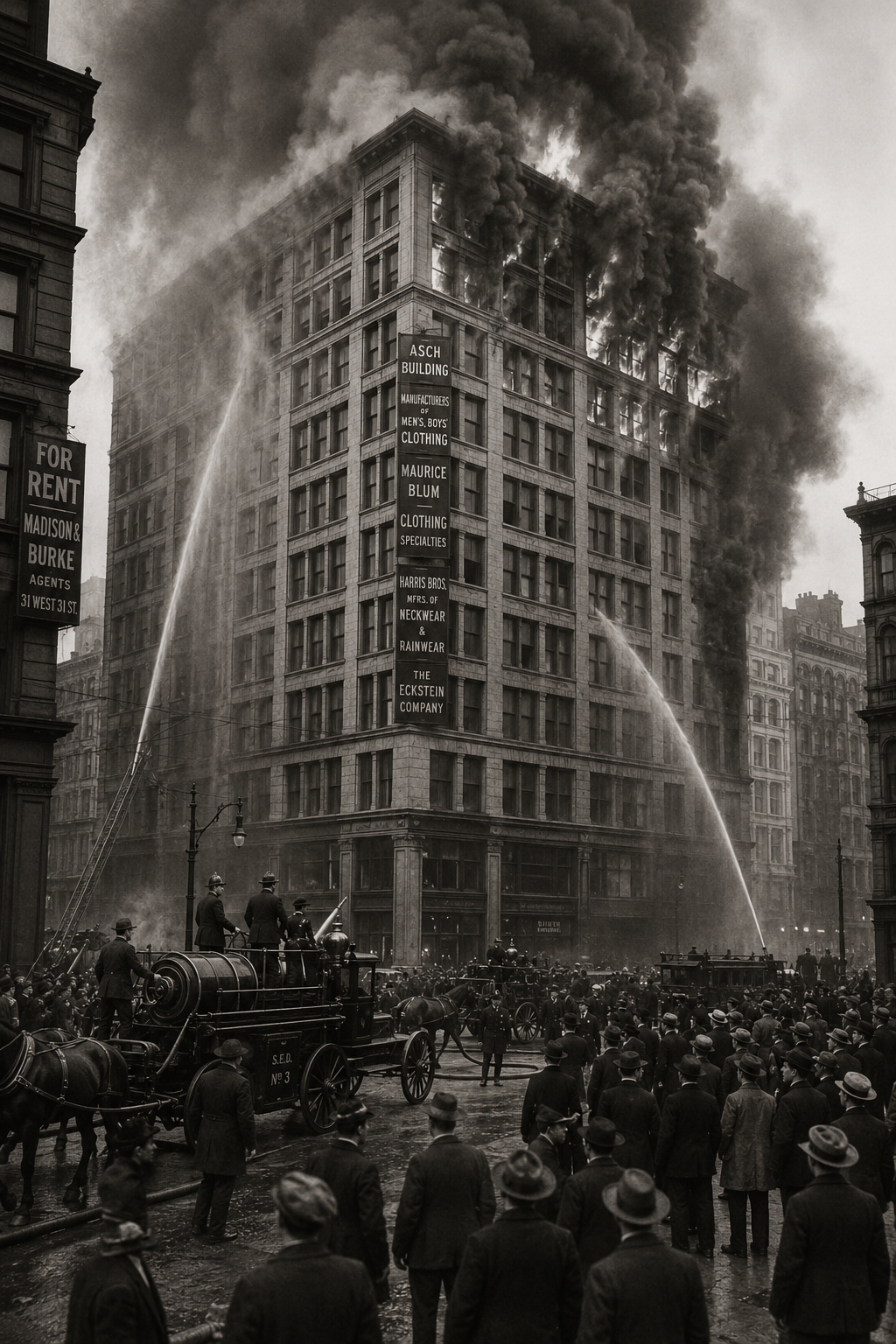
On a Saturday afternoon in March 1911, a fire began on the eighth floor of the Asch Building at 23-29 Washington Place in Greenwich Village. The Triangle Waist Company occupied the eighth, ninth, and tenth floors. About 500 workers were at their stations when the fire started, most of them young Jewish and Italian immigrant women, many of them teenagers. The Triangle Shirtwaist fire was over in eighteen minutes. By the time it was out, 146 people were dead.
The owners of the Triangle Waist Company were Isaac Harris and Max Blanck. They were known in the garment industry as the Shirtwaist Kings. After the fire, Harris and Blanck were charged with first and second degree manslaughter. On December 27, 1911, a jury acquitted them on all charges. They collected from their insurance company roughly sixty thousand dollars more than the documented value of their losses. The fire had, in accounting terms, been profitable.
The Triangle Shirtwaist fire killed 146 workers in a single New York City building, burned through a garment factory with inadequate fire escapes, and resulted in no criminal convictions. It also produced, in the decade that followed, the most sweeping package of labor law reform in American history. The connection between those two facts runs through a young woman named Frances Perkins, who was standing in Washington Square Park when the fire broke out and watched workers jump from the upper floors to their deaths on the sidewalk below.
How the Triangle Shirtwaist fire started on the eighth floor
The exact cause of the Triangle Shirtwaist fire was never definitively established.
The most likely origin was a fabric scrap bin on the eighth floor where someone had discarded a cigarette or a match.
The Triangle Waist Company made women's blouses, and the floors were covered with fabric scraps, tissue paper patterns, and the residue of months of production.
The fire spread almost instantly once it found that material.
Workers on the eighth floor saw the fire first and most of them escaped down the Greene Street staircase to the street.
A telephone operator on the eighth floor called up to the tenth floor and warned the owners and the executives there, who mostly escaped to the roof and were helped across to the roof of the New York University building next door by law students.
No one called the ninth floor.
The ninth floor had about 260 workers at the time the Triangle Shirtwaist fire began, the most of any floor.
By the time the workers on the ninth floor knew what was happening, the fire had reached them from below and blocked the Greene Street staircase.
Why the locked fire door on the ninth floor mattered
The Triangle Waist Company had two staircases.
The Greene Street staircase on the west was the main fire escape route, but it was burning.
The Washington Place staircase on the east was the other option.
Survivor testimony at the trial of Harris and Blanck established that the door to the Washington Place staircase on the ninth floor was locked at the time of the Triangle Shirtwaist fire.
The owners locked that door to prevent workers from taking unauthorized breaks and to stop petty theft, a common practice in garment factories of the era.
With the Washington Place door locked and the Greene Street staircase burning, the options for garment workers on the ninth floor were the fire escapes and the elevators.
The fire escape on the Washington Place side buckled under the weight of people on it and collapsed.
One elevator operator, Joseph Zito, made repeated trips to the ninth floor, carrying twelve people at a time until the elevator shaft filled with smoke.
Survivors later described people dropping onto the roof of the elevator car from above when the elevator could no longer reach the ninth floor.
The New York City Fire Department's longest ladders reached to the sixth floor of the Asch Building.
The Triangle Waist Company occupied the eighth, ninth, and tenth floors.
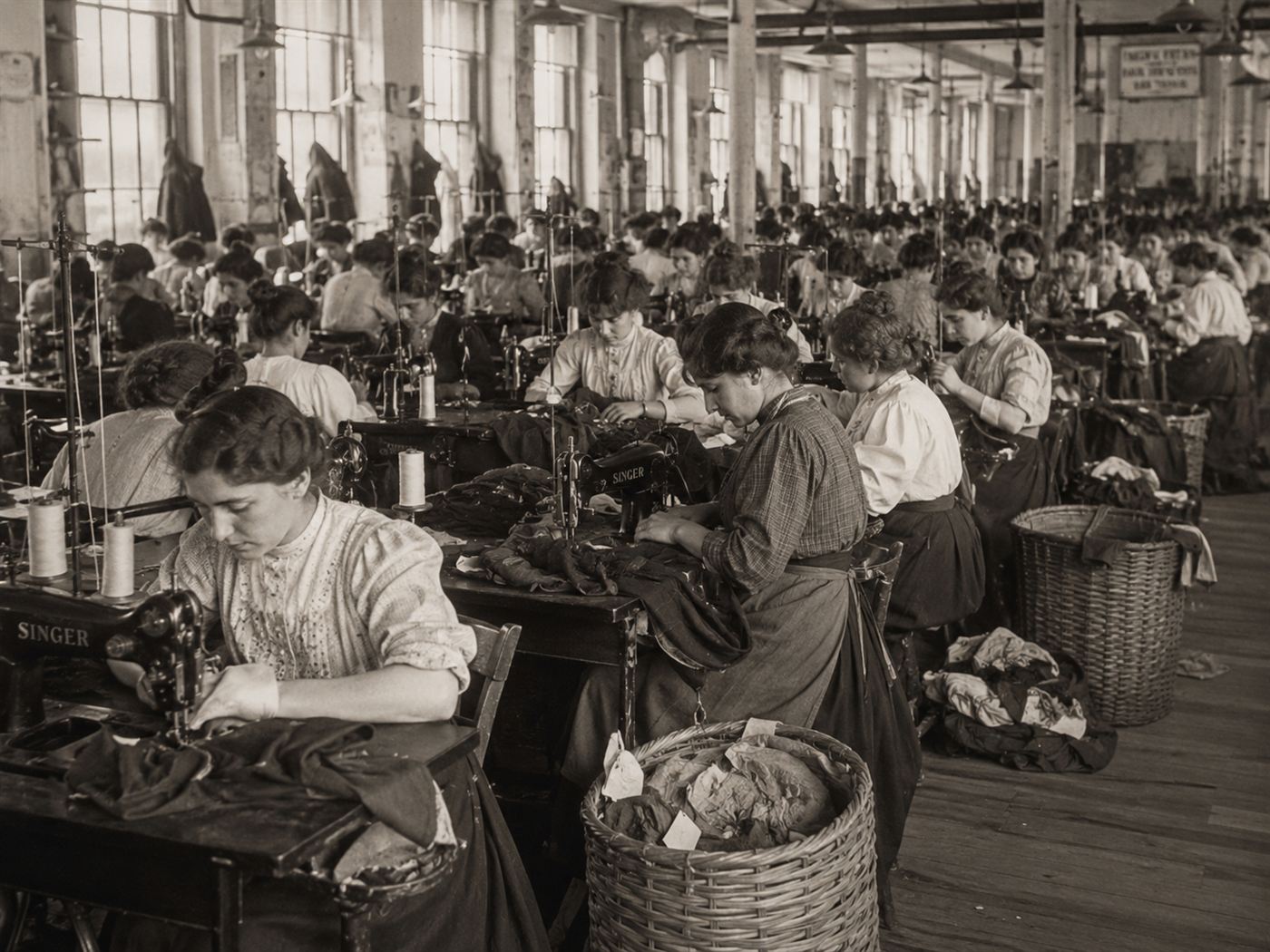
What happened on the sidewalks of Washington Place
The Triangle Shirtwaist fire was in its early minutes when people began to jump.
The Washington Place sidewalk below was crowded with onlookers when the first workers appeared at the windows of the ninth floor.
Some jumped in pairs, holding hands.
Firefighters spread a life net on the sidewalk but the force of bodies falling from nine floors up tore through it.
Frances Perkins was 26 years old and had come to Washington Square Park for tea at a friend's apartment on the north side of the square.
She heard the fire trucks and ran toward the building.
She arrived in time to watch workers jump from the upper floors.
Fire hoses reached the eighth floor but not the ninth, where most of the deaths from the Triangle Shirtwaist fire occurred.
By 4:57 PM, roughly eighteen minutes after the fire began, it was extinguished.
The final death toll from the Triangle Shirtwaist fire was 146 workers: 123 women and 23 men.
Sixty-two people escaped by reaching the roof and crossing to the NYU building.
The youngest victim was 14 years old.
How Isaac Harris and Max Blanck walked free
The trial of Isaac Harris and Max Blanck began in December 1911.
The prosecution's case rested on the locked fire door to the Washington Place staircase on the ninth floor.
The defense attorney, Max Steuer, was one of the most skilled trial lawyers in New York.
He cross-examined survivor witnesses so relentlessly that several broke down on the stand, leading jurors to question the reliability of testimony that was simply the product of trauma.
The jury acquitted Harris and Blanck because the prosecution could not prove that the two men knew, at the moment of the Triangle Shirtwaist fire, that the Washington Place door was locked.
Nineteen civil suits were filed against the owners and settled in 1913 for seventy-five dollars per victim.
The insurance payment to Harris and Blanck for the losses from the Triangle Shirtwaist fire came to about $60,000 above the documented value of what they had lost.
In 1913, Harris and Blanck were caught again with a locked door in another factory.
They were fined twenty dollars.
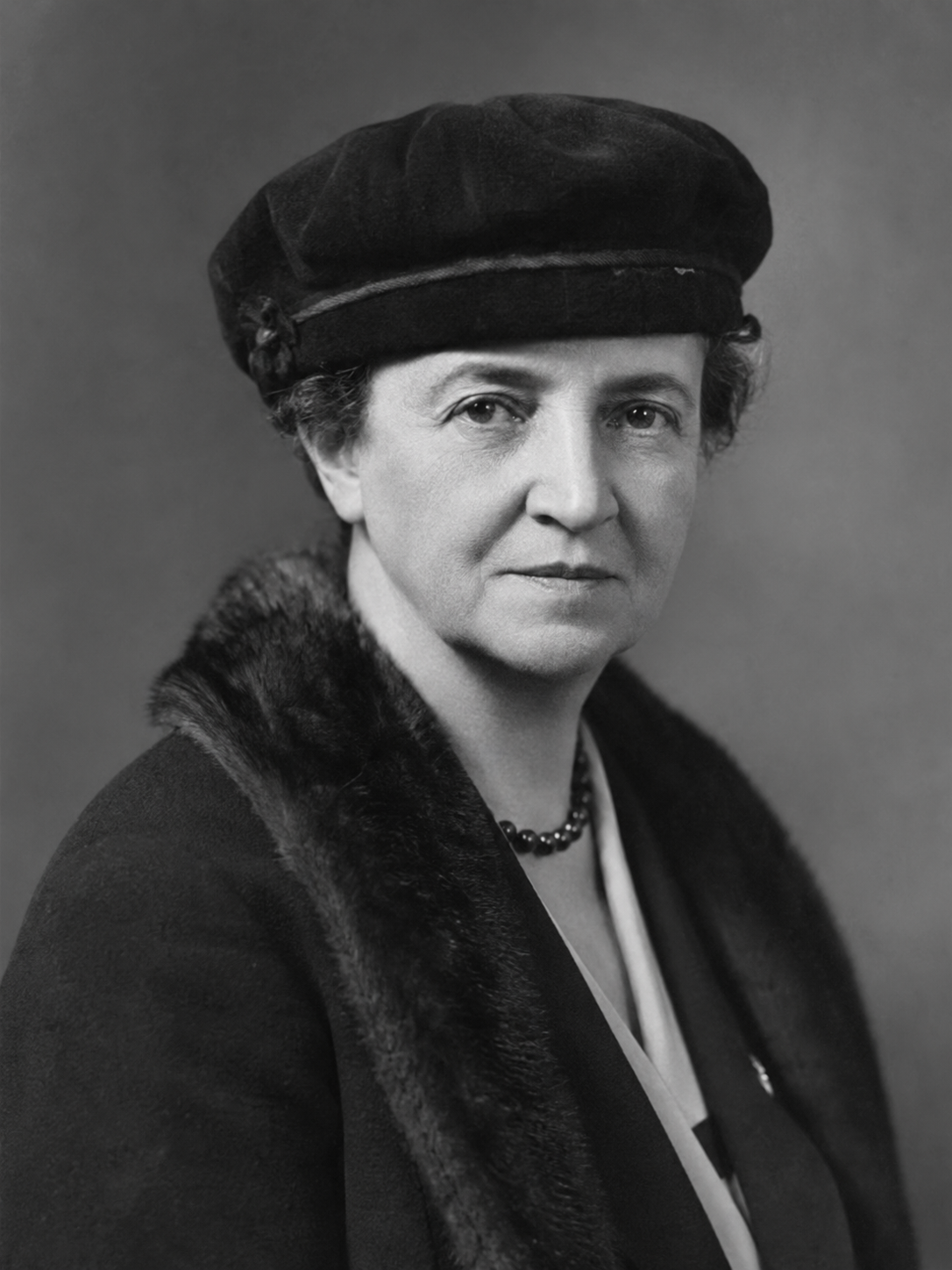
The woman who watched from Washington Square and what she did next
Frances Perkins did not forget what she saw from the sidewalk outside the Asch Building on March 25, 1911.
She went on to work as an investigator for the New York Factory Investigating Commission, established in the months after the Triangle Shirtwaist fire, which spent four years examining conditions in factories across the state.
The commission was led by Robert Wagner and Al Smith, two New York state legislators who would go on to national prominence.
Between 1911 and 1914, New York passed more than fifty new labor laws covering fire safety, maximum working hours, minimum wages for women and children, and protections for garment workers.
Frances Perkins became the industrial commissioner of New York under Governor Franklin Roosevelt.
When Roosevelt became president in 1933, she became Secretary of Labor, the first woman to serve in a United States presidential cabinet.
She held the position for twelve years, the longest tenure in the department's history.
In those twelve years she helped design and enact the Social Security Act, the Fair Labor Standards Act, unemployment insurance, the minimum wage, and the forty-hour workweek.
She later described the Triangle Shirtwaist fire as the moment when the New Deal began.
Every American who has ever collected Social Security or been paid overtime or worked a forty-hour week is living, in some part, in the world that Frances Perkins built after watching garment workers jump from the ninth floor of the Asch Building.
The honest catch
The Triangle Shirtwaist fire is often described as a story of pure corporate villainy, and Harris and Blanck were not good people.
But the acquittal of Isaac Harris and Max Blanck was not a legal outrage in the way the verdicts in some of these cases were.
The jury genuinely could not establish, beyond reasonable doubt, that the two men knew the Washington Place door was locked at the moment of the fire.
Workers on the ninth floor gave conflicting testimony about the door.
The standard of proof required for a criminal conviction is demanding, and it should be.
Locking factory doors to prevent theft was also common practice across the garment industry at the time, not a unique act by these two owners.
The labor law reforms that followed the Triangle Shirtwaist fire were real and significant, but they did not prevent the continued exploitation of garment workers, which continued in American sweatshops for decades and continues today in the global supply chains that produce the clothes sold in American stores. Three decades later, locked and blocked exits killed hundreds again in the Cocoanut Grove nightclub fire.
The fire escape that collapsed on the Washington Place side of the Asch Building on the day of the Triangle Shirtwaist fire had been inspected and certified as adequate by the city of New York.
The same pattern that appeared in Johnstown in 1889, where warnings were ignored and no one with power faced consequences, repeated itself in New York in 1911 and would repeat itself in Bhopal in 1984 and in China in 1975.
Frances Perkins understood something important about why that pattern keeps repeating.
She said the Triangle Shirtwaist fire made clear that workers would never be safe unless the people who made the rules about factories were people who had actually seen what factories did to workers.
The owners had never watched anyone jump from a window.
The Asch Building still stands at 23-29 Washington Place in New York City. It is now owned by New York University and used as a university building. There is a plaque. How long do you think it takes for a preventable death to become historical context rather than an ongoing failure?
Related reading: the Iroquois Theatre fire, an earlier disaster whose blocked exits helped drive the same safety reforms.
More from Watts & Wild
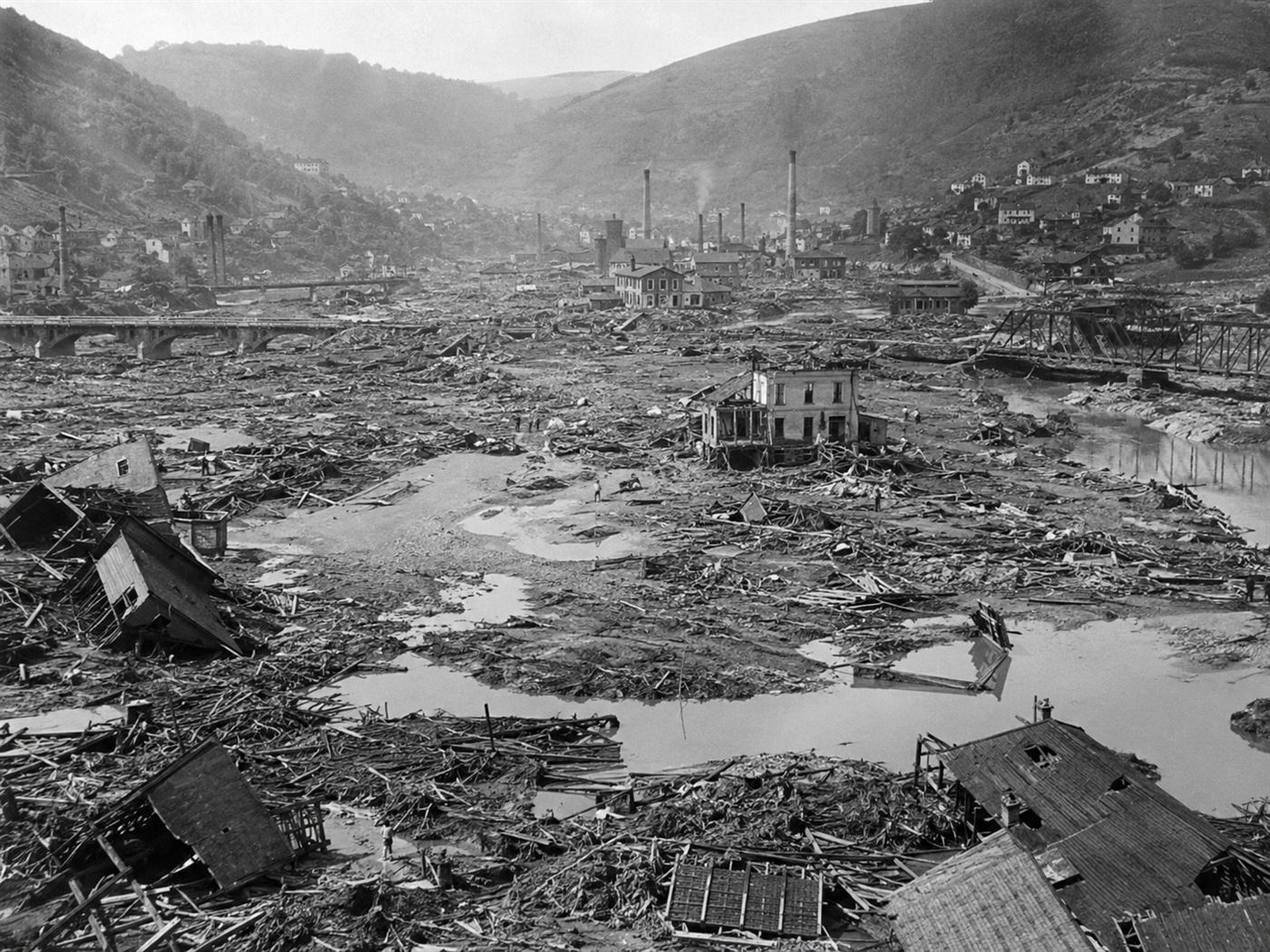 In 1889 a private fishing club stripped a dam of its safety systems and killed 2,209 people. Nobody was prosecuted.
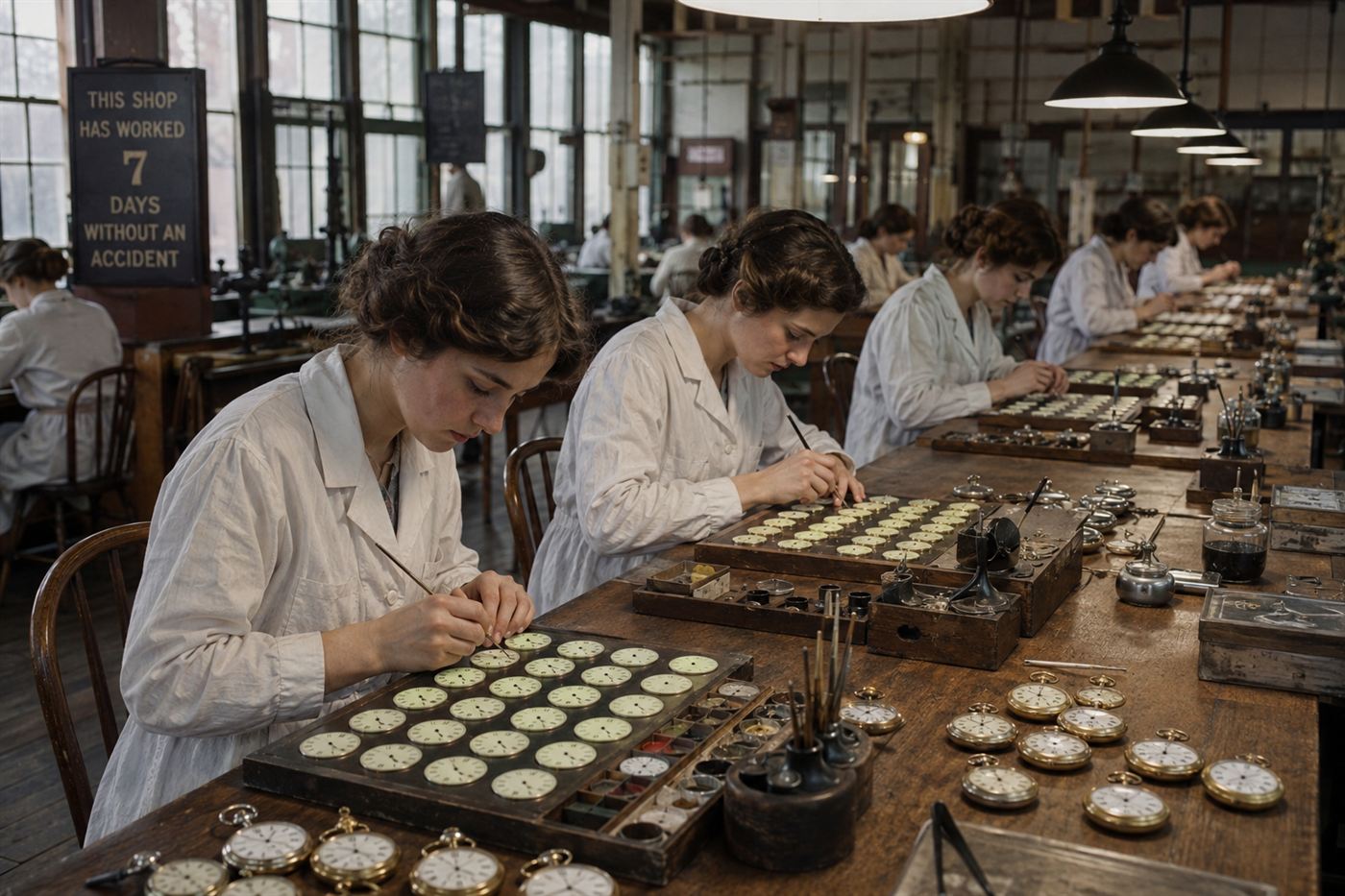 Young women at a New Jersey watch factory were told to point their brushes with their lips. They were told radium was safe.
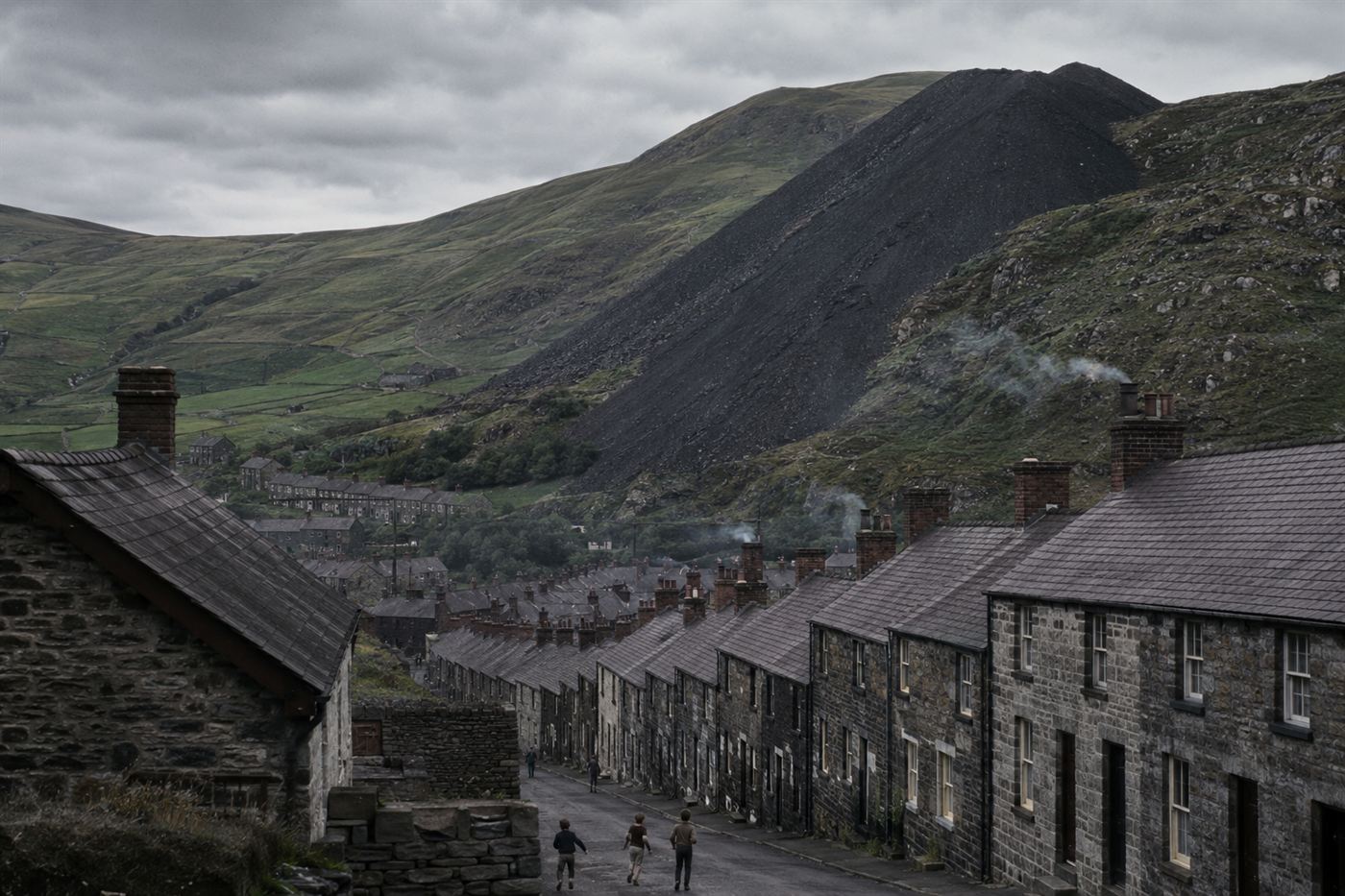 Aberfan residents had warned for years that the coal tip above their village would kill someone. In 1966 it killed 116 children.
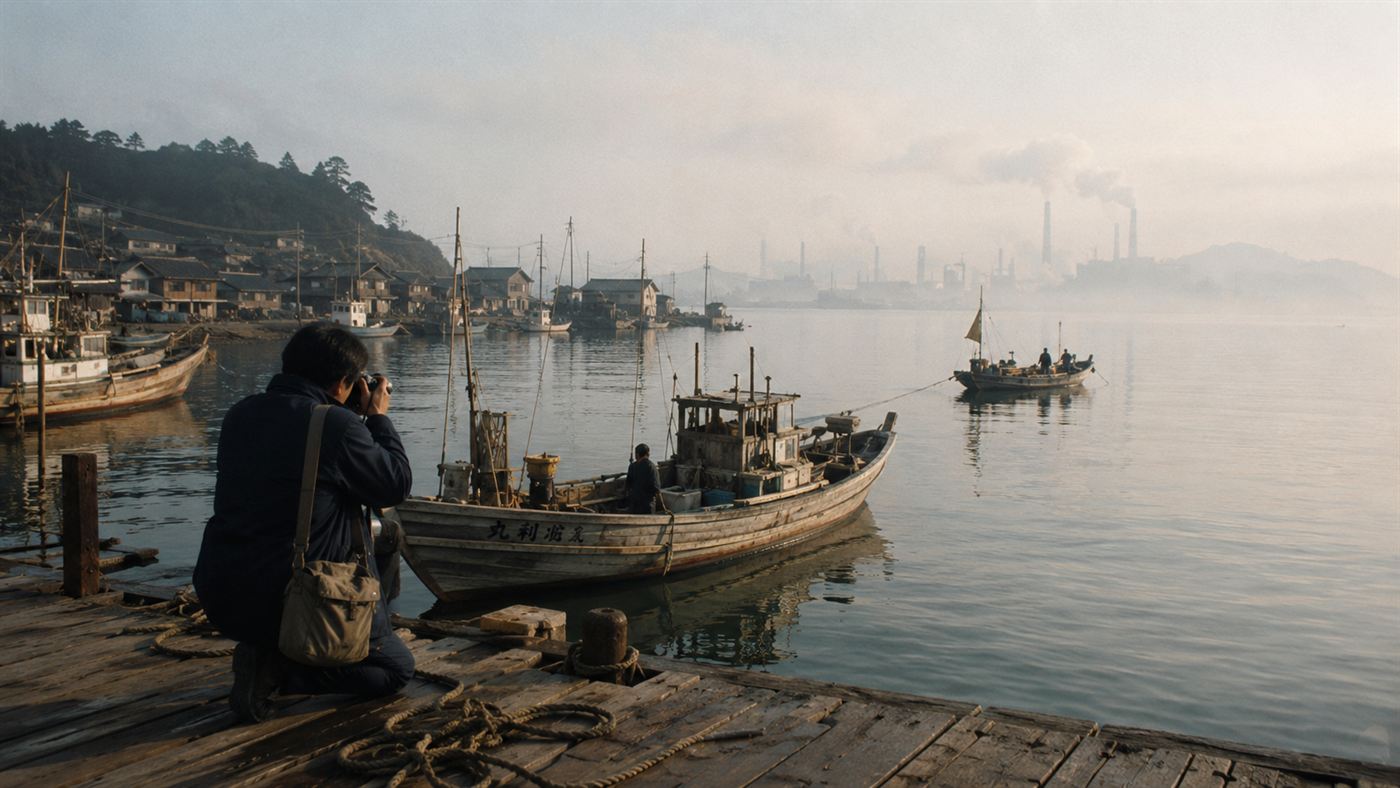 A Japanese company knew its mercury was killing a fishing city and suppressed its own researcher's proof for nine years.
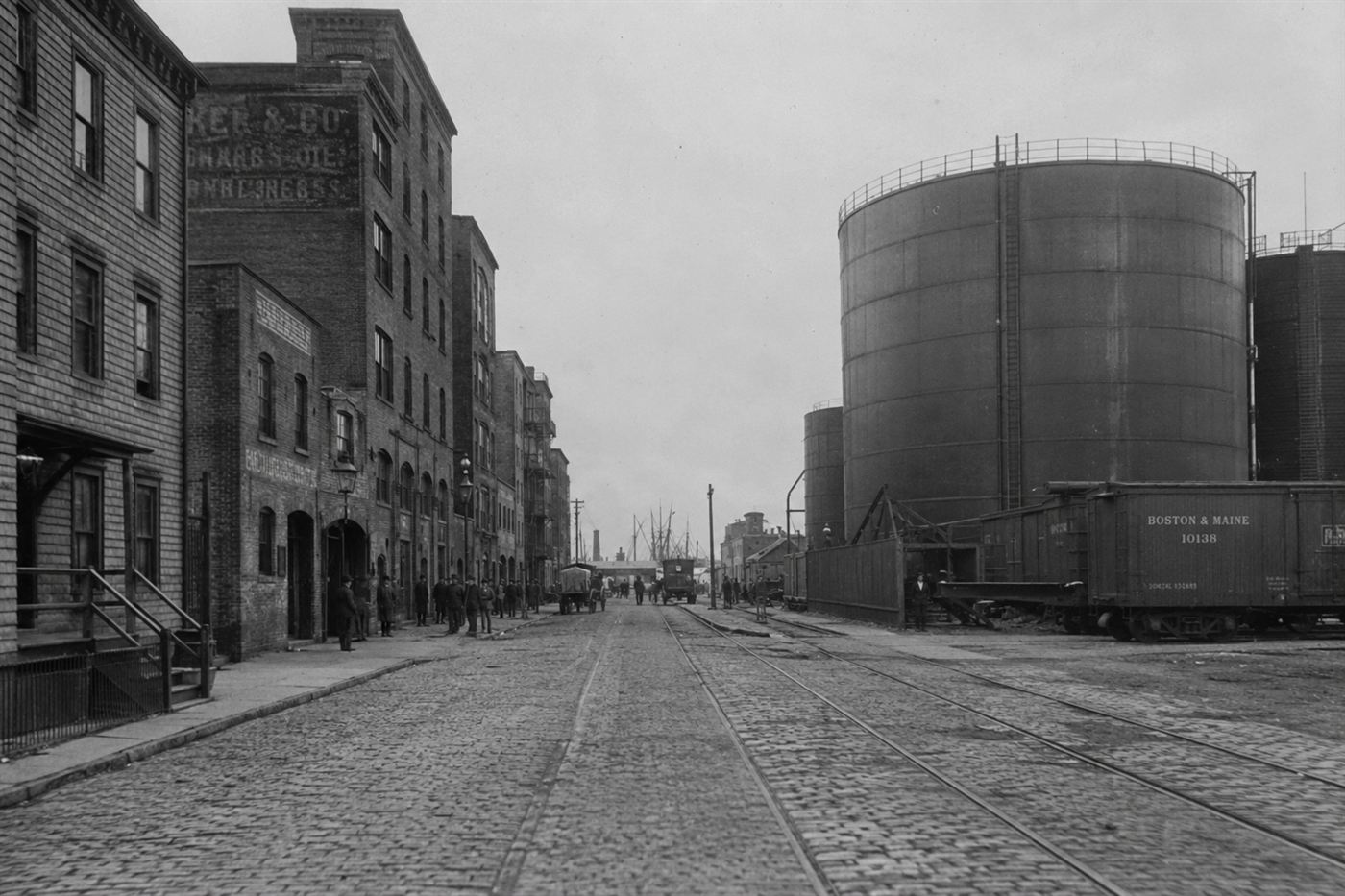 In 1919 a five-story molasses tank burst in Boston and swept 21 people to their deaths. The company spent six years blaming anarchists.