In December 1984 the Bhopal gas disaster killed fifteen thousand people overnight in India, Union Carbide's CEO was arrested, posted bail, flew home, and was never brought back
The Bhopal gas disaster of December 2-3, 1984 released around thirty metric tons of methyl isocyanate from a Union Carbide pesticide factory over the sleeping neighborhoods of Bhopal, India. At least fifteen thousand people died. The company's CEO, Warren Anderson, flew to India, was arrested, posted bail, and left the country the same day. He died in 2014 in Florida, at the age of 92, having never faced trial.
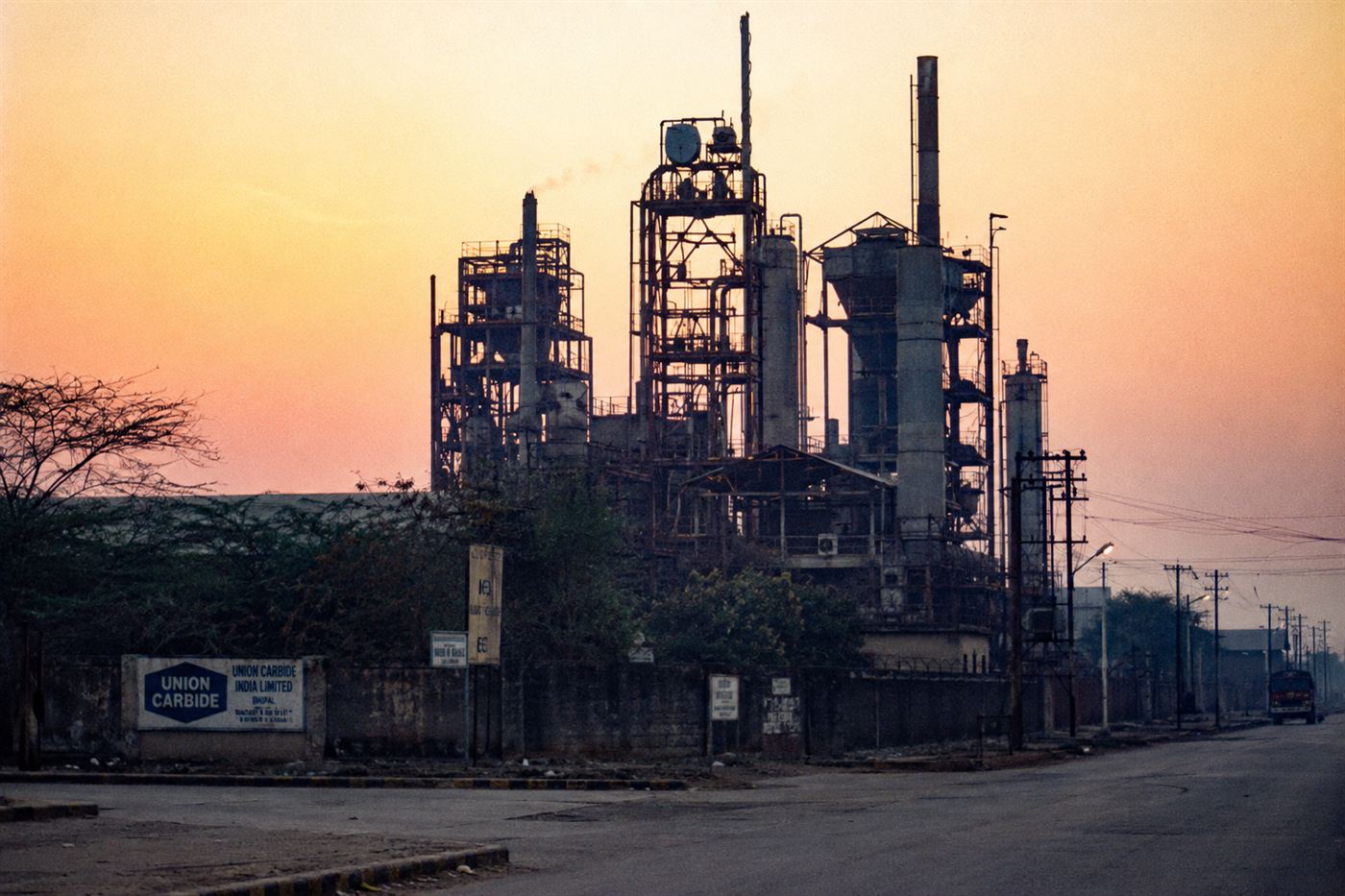
Shortly after midnight on December 3, 1984, water entered tank E-610 at the Union Carbide India Limited pesticide factory on the northern edge of Bhopal. The tank held methyl isocyanate, a highly toxic intermediate used to make the pesticide Sevin. The water triggered a runaway exothermic reaction. Pressure built inside the tank until the safety valve failed. Around thirty metric tons of methyl isocyanate and reaction byproducts vented into the cold night air over Bhopal, Madhya Pradesh.
The gas was heavier than air and settled into the low-lying neighborhoods immediately south of the plant. Those neighborhoods, J.P. Nagar and Chola Kenchi and Old Bhopal, were densely packed with the poorest residents of the city, many of them squatters who had built homes near the factory for its employment. Most of them were asleep. Most of them had no idea that Union Carbide had stored tens of tons of one of the most acutely toxic industrial chemicals in the world a few hundred meters from their doors.
The Bhopal gas disaster killed at least fifteen thousand people in the days, months, and years that followed the leak, with some estimates placing the total above twenty-five thousand. Around five hundred thousand people were exposed to toxic gases that night. The site of the factory has never been fully cleaned up. Survivors and their children continue to show elevated rates of cancer, respiratory illness, neurological damage, and birth defects four decades later. Union Carbide paid $470 million in a 1989 civil settlement, which came to roughly $550 per victim. Nobody went to prison.
How the Bhopal gas disaster began in tank E-610
The Union Carbide factory in Bhopal had been struggling for years before the Bhopal gas disaster.
The plant had been built in the 1970s to manufacture pesticides for India's Green Revolution agriculture, but by the early 1980s the Indian pesticide market had softened and the facility was running at a loss.
Cost-cutting measures had reduced the workforce and deferred maintenance.
Several safety systems at the Bhopal plant were non-functional or under repair on the night of the gas leak.
The refrigeration unit that was meant to keep the methyl isocyanate tanks cool had been shut down months earlier.
The scrubber that was meant to neutralize any escaping gas was offline for maintenance.
The flare tower that was meant to burn off escaping gas was also out of service.
When water entered tank E-610 that night, there was nothing to stop what happened next.
The exact mechanism by which water entered the tank has been disputed for forty years.
The Indian government and most independent investigators concluded that the water entered through routine washing of pipes connected to the tank, a procedurally improper practice that had become common at the underfunded facility.
Union Carbide argued that a disgruntled employee introduced water deliberately, a claim that has never been proven and is widely disputed by engineers who have analyzed the evidence.
By around 12:30 AM on December 3, 1984, residents near the Bhopal plant were waking up coughing, their eyes burning, unable to see or breathe.
What methyl isocyanate does to a person who breathes it
Methyl isocyanate is the chemical most acutely responsible for the Bhopal gas disaster's death toll, though its exact mechanism of toxicity was not fully understood even by the doctors who treated the victims that night.
The gas attacks the eyes, the respiratory tract, and the skin on contact.
Exposure causes the eyes to shut involuntarily, the lungs to fill with fluid, and the airways to constrict.
Victims of the Bhopal gas disaster described waking to a burning sensation and the smell of bitter almonds or chili peppers, being unable to open their eyes, running without being able to see where they were going, and hearing people falling around them in the dark.
The cold air that night helped keep the methyl isocyanate dense and low to the ground, concentrating it in the lanes where people lived.
Hamidia Hospital in Bhopal was overwhelmed within hours of the gas leak.
Thousands of patients arrived with burning eyes, difficulty breathing, and frothy or bloody fluid coming from their mouths and noses.
The doctors did not know what chemical had been released.
Union Carbide initially refused to confirm to Indian medical authorities what gas had leaked from the Bhopal plant, saying only that it was methyl isocyanate and providing no specific treatment guidance.
The chemical is so toxic that even very brief exposure to concentrations of a few parts per million can be lethal.
A generation of survivors from the Bhopal gas disaster continues to suffer from chronic lung disease, damaged immune systems, and elevated cancer rates.
How Warren Anderson was arrested in Bhopal and left the same day
Warren Anderson was the chairman and CEO of Union Carbide Corporation when the Bhopal gas disaster occurred.
On December 7, 1984, four days after the gas leak, Anderson flew to India.
He was arrested at the Bhopal airport on charges of culpable homicide, criminal negligence, and violation of environmental laws.
He was released on bail of 25,000 rupees, roughly $2,100 at the time.
He promised to return to India for trial.
He flew back to the United States the same day.
He never returned.
The Indian government attempted to extradite Warren Anderson multiple times over the following decades.
The United States government declined each request, citing procedural grounds.
In 1991, an Indian court declared Anderson a fugitive from justice.
He was never arrested again.
Warren Anderson retired from Union Carbide in 1986.
He lived quietly in the Hamptons and in Florida.
He died on September 29, 2014, at the age of 92, in Vero Beach, Florida.
His death was not announced publicly.
Indian news organizations learned of it several weeks later.
Eight Union Carbide India executives were convicted by an Indian court in 2010 of death by negligence and sentenced to two years in prison each, with fines of around $2,000.
Most of them were in their seventies or eighties and were almost immediately released on bail.
What the settlement paid and what the site looks like now
In 1989, the Indian Supreme Court approved a settlement between the Indian government and Union Carbide of $470 million to compensate all victims of the Bhopal gas disaster.
The settlement released Union Carbide from all civil and criminal liability in India.
Activists and survivors protested that the amount was far too low and that the terms extinguished claims before the full extent of the health damage was known.
The $470 million came to roughly $550 per victim.
In 2001, Dow Chemical Company acquired Union Carbide.
Dow immediately stated that it would not accept any additional liability for the Bhopal gas disaster, arguing that the 1989 settlement had resolved all legal obligations and that the Bhopal plant site was a matter for the government of Madhya Pradesh, not for Dow.
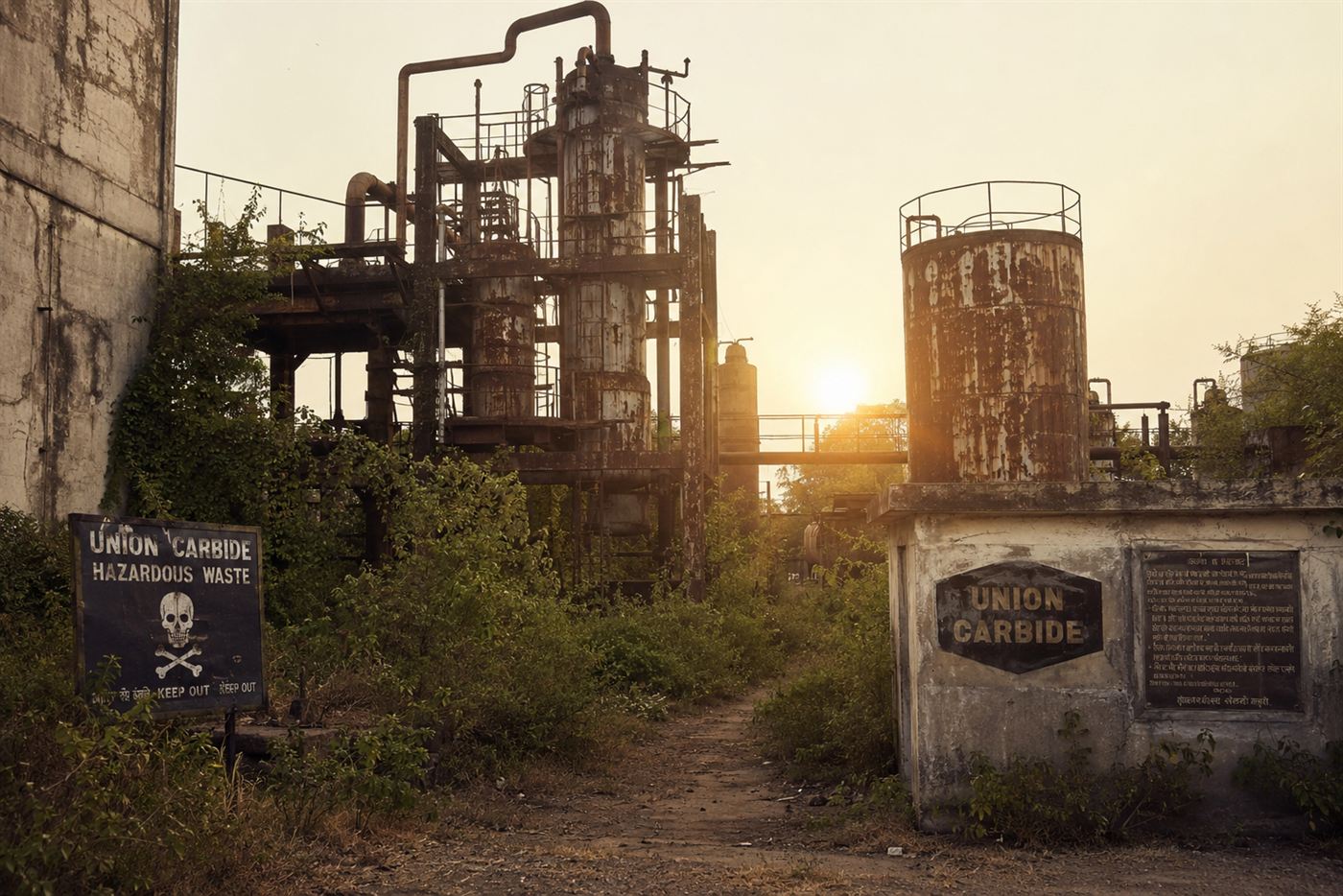
The abandoned Union Carbide factory site in Bhopal contains tens of thousands of tons of toxic waste.
Independent testing has found contaminated soil and groundwater in the neighborhoods surrounding the plant, including pesticide residues, heavy metals, and organic solvents.
Residents of communities near the plant site have documented elevated rates of cancer, skin disease, and neurological disorders that they attribute to ongoing contamination from the factory.
Dow Chemical, now part of Dow Inc. after a 2017 merger, continues to deny responsibility for site remediation.
The two women who fought for twenty years and why they kept going
Rashida Bee and Champa Devi Shukla both lost family members to the Bhopal gas disaster in 1984.
Bee lost five family members.
Both women suffered lasting health damage from the gas leak themselves.
Neither had formal education or previous experience with activism when they began organizing other Bhopal gas disaster survivors in the 1990s.
They founded the Bhopal Gas Peedit Mahila Stationary Karmchari Sangh (the Bhopal Gas Affected Women Stationery Employees Union) and then the Bhopal Gas Peedit Mahila Purush Sangharsh Morcha, organizations that pursued compensation, medical care, and site cleanup through legal action, street protests, and international advocacy.
In 2003, Bee and Shukla walked from Bhopal to New Delhi, nearly 800 kilometers, to demand that Dow Chemical be required to clean up the contaminated factory site.
In 2004, they were awarded the Goldman Environmental Prize, the most prestigious award in environmental activism, specifically for their two decades of sustained effort on behalf of Bhopal gas disaster survivors.
They used the prize money, $125,000 each, to open a clinic in Bhopal for the children of gas disaster survivors, many of whom were showing health effects despite having been born years after the leak.
The Sambhavna Trust Clinic, founded by a different set of Bhopal activists in 1995, continues to provide free medical care to gas disaster survivors and their descendants today.
More than forty years after the Bhopal gas disaster, the question of who is responsible for cleaning the factory site has still not been resolved.
The honest catch
The Bhopal gas disaster is sometimes presented as a straightforward story of corporate murder, and in broad outline the facts support a damning verdict: a company cut costs on safety, its product killed tens of thousands of people, and the person most responsible died in comfort in Florida.
But some of the facts are genuinely disputed.
The immediate cause of the water entering tank E-610 was never conclusively determined.
Union Carbide's sabotage theory was rejected by most investigators, but the Indian government's own investigation was also incomplete.
The question of how much the parent company in the United States (as opposed to the Indian subsidiary) knew about the safety failures at the Bhopal plant is harder to answer than it looks.
Warren Anderson's departure from India was apparently facilitated by the government of Madhya Pradesh, which arranged his transport from the guesthouse where he was held, raising questions about the official version of events.
The same pattern that appeared in New York in 1911, where the owners of a factory where workers died were not convicted because the specific knowledge required for criminal liability could not be proven, repeated itself in Bhopal in 1984.
And as in Minamata, where a Japanese company suppressed evidence of mercury poisoning for years, the corporate response to the Bhopal gas disaster was to minimize, delay, and deny.
The $470 million settlement was approved by the Indian Supreme Court over the protests of survivors and their lawyers.
The court later expressed regret about the settlement amount.
Dow Chemical's position that it bears no responsibility for the Bhopal site is legally defensible under the terms of the acquisition but morally incoherent: the company profited from Union Carbide's assets while rejecting its liabilities.
The Bhopal gas disaster happened because poor people were living next to an industrial facility they had no power to inspect, regulate, or escape from.
That is still the situation for hundreds of millions of people living near factories in countries where regulators are underfunded and corporate accountability is weak.
The abandoned Union Carbide factory in Bhopal is still there. The contamination is still spreading. Dow Chemical's market capitalization is more than $30 billion. How much of that is built on the assumption that some disasters are simply too expensive to fully account for?
More from Watts & Wild
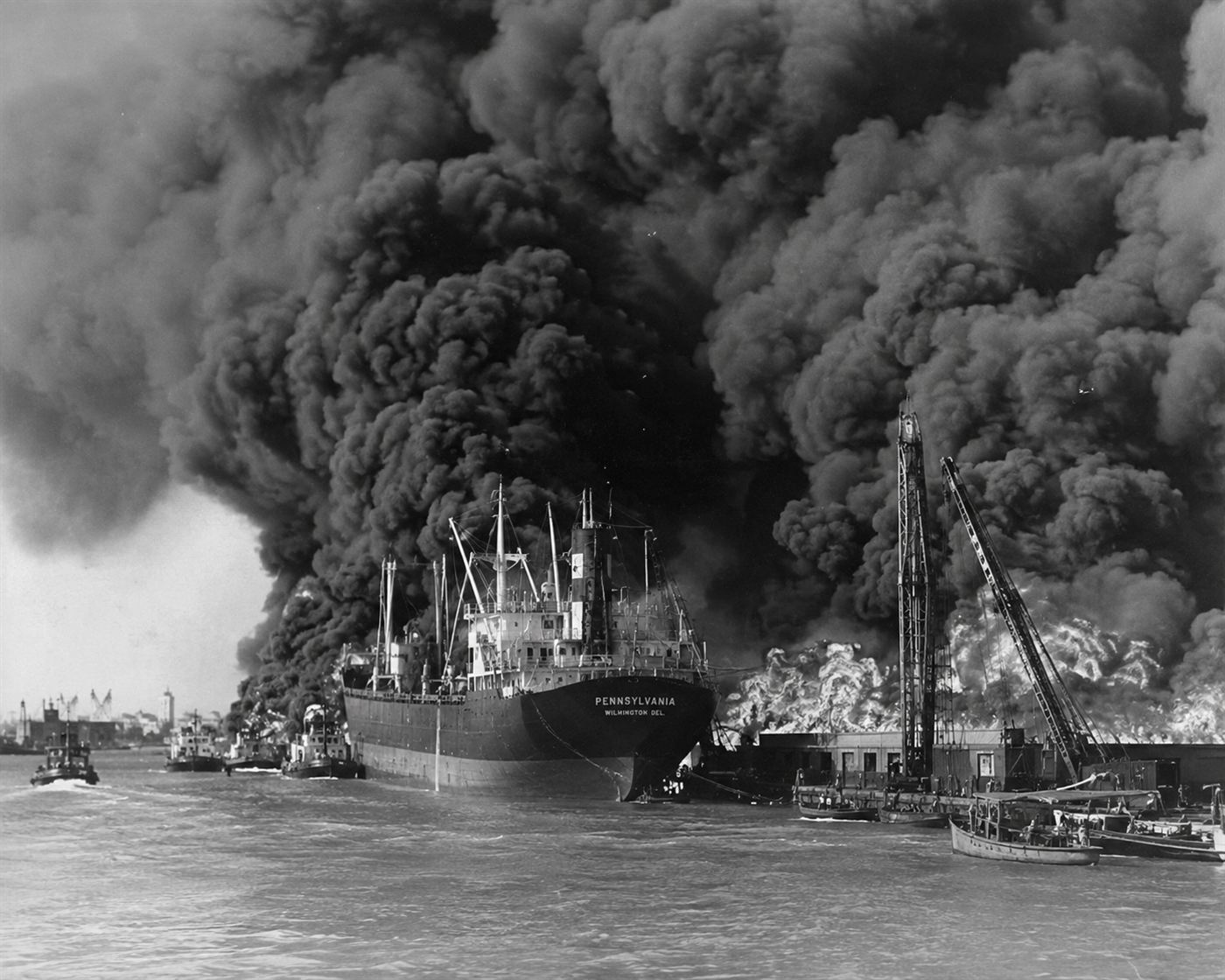 In 1947 the entire volunteer fire department of Texas City walked toward a burning cargo ship not knowing it held 2,300 tons of ammonium nitrate. The ship exploded and killed all 28 firefighters.
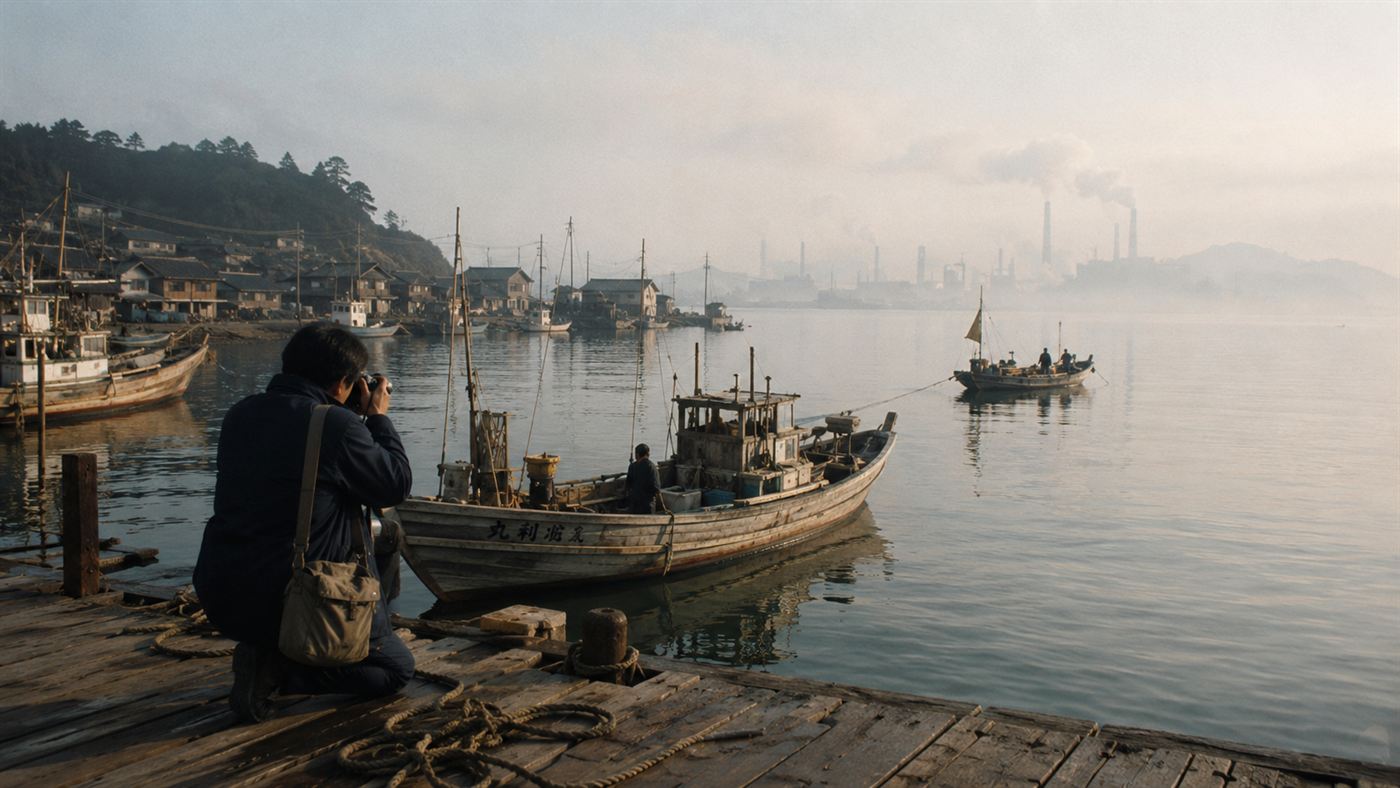 A Japanese company confirmed in 1959 that its mercury was killing a fishing city. It suppressed its own researcher's proof and kept dumping for nine more years.
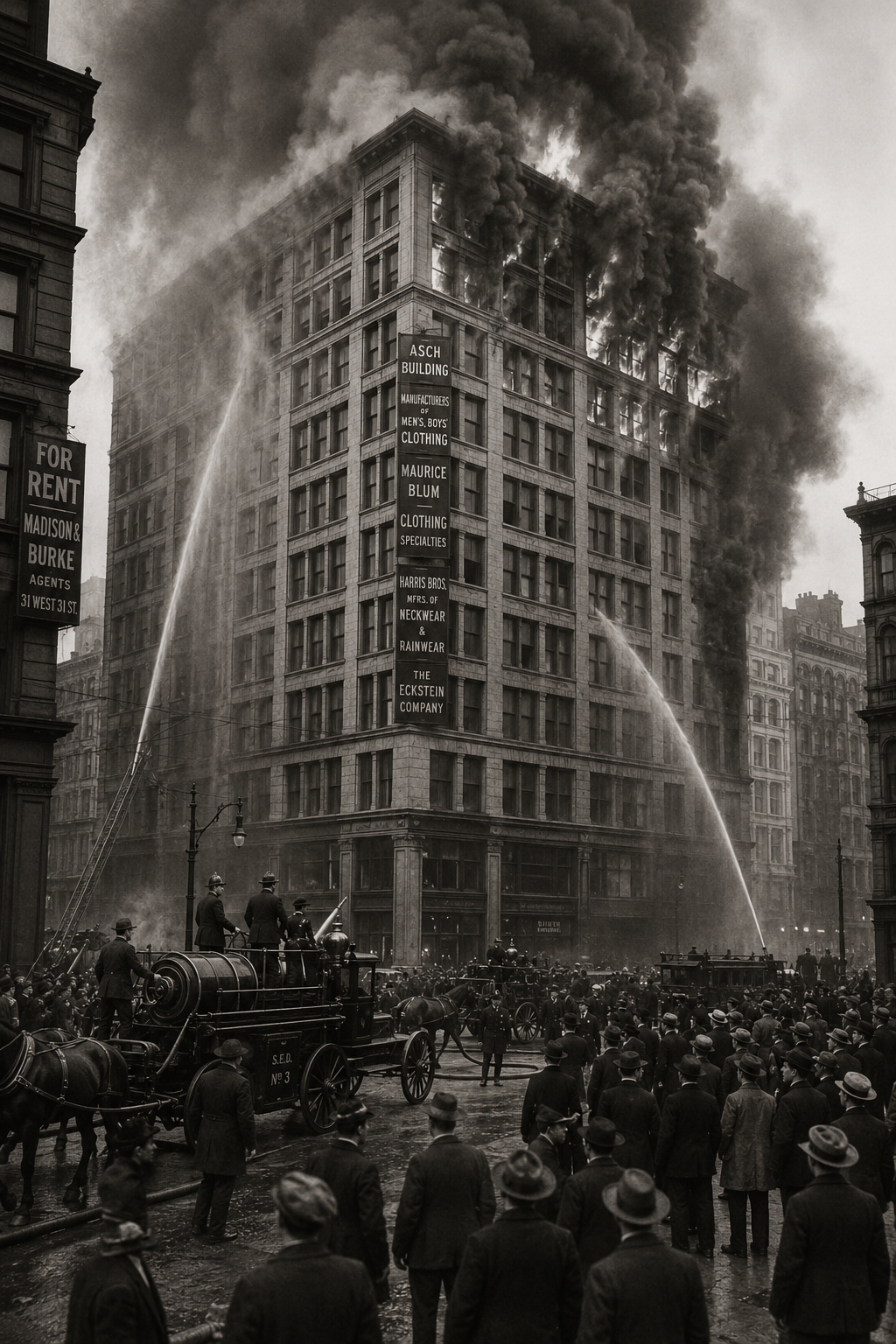 In 1911 a Manhattan garment factory fire killed 146 workers in eighteen minutes. The owners were acquitted and collected more from insurance than they lost.
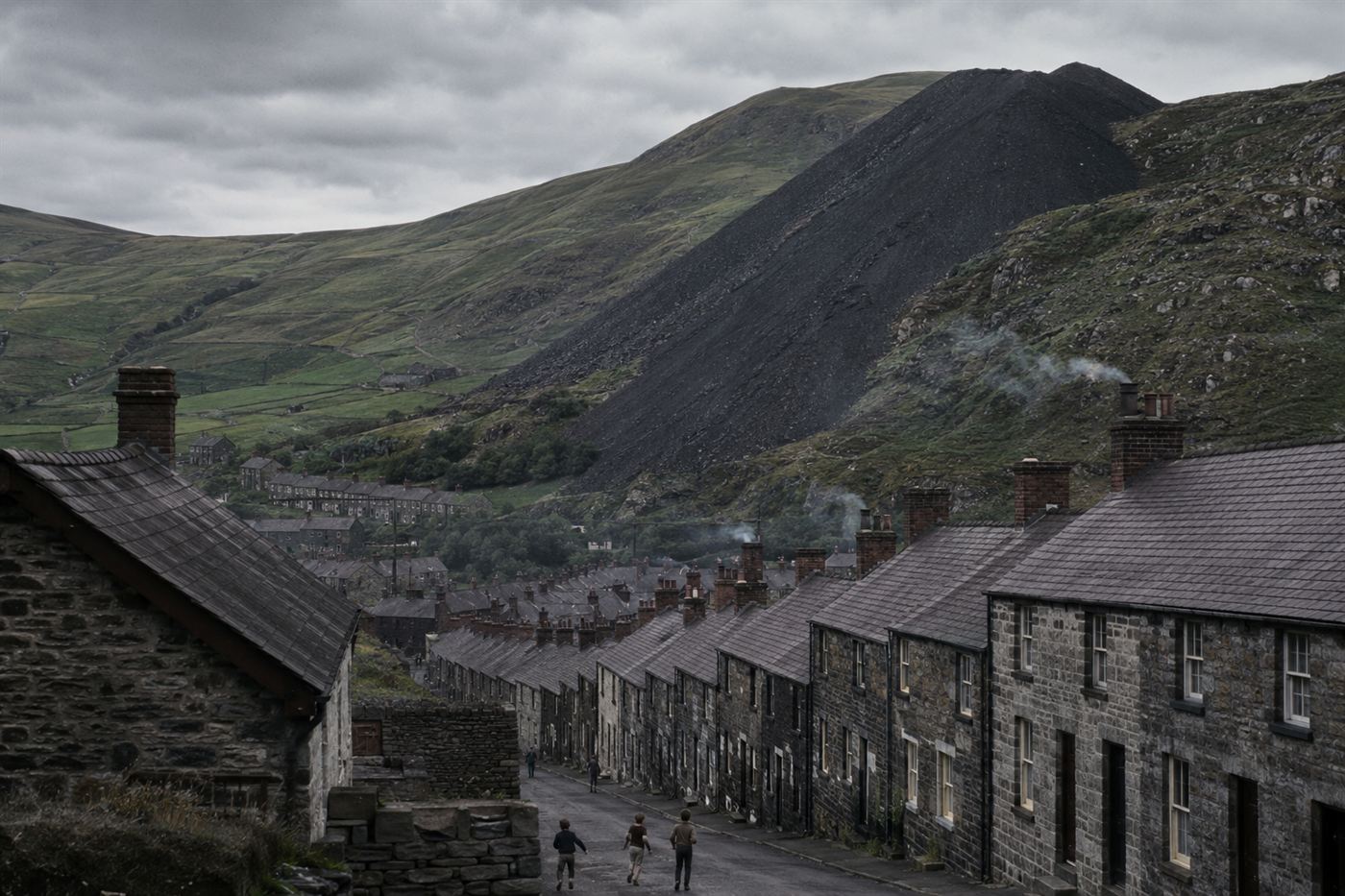 Residents of Aberfan warned for years that the coal tip above their village would kill someone. When it buried a school in 1966 and killed 116 children, no one went to prison.
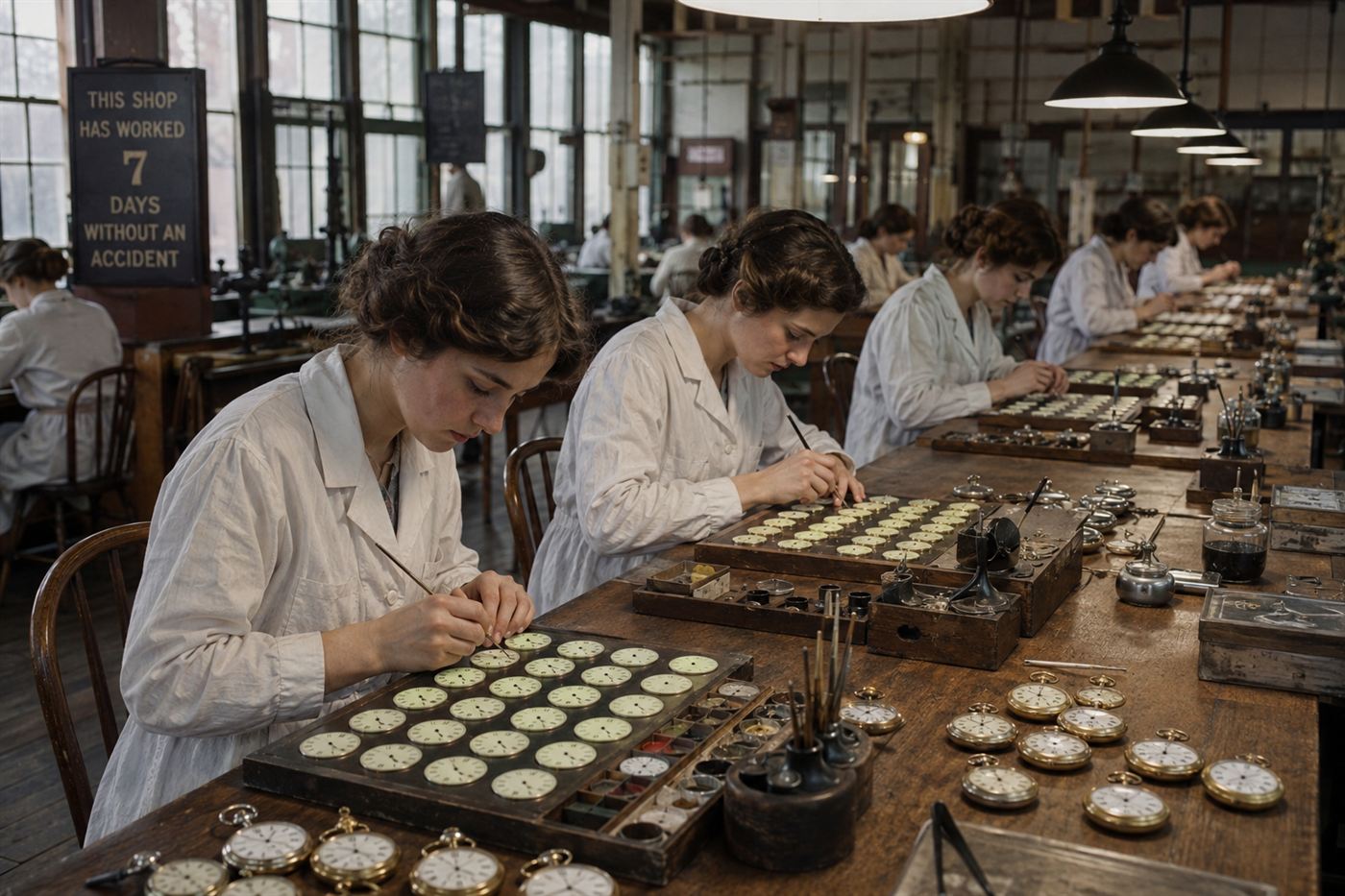 Young women at a New Jersey watch factory were told licking their brushes was safe. Their jaws were crumbling before anyone admitted the truth.