In 1814 a giant brewery vat burst and sent a wave of a million litres of beer crashing through a London slum, drowning eight people, most of them at a child's wake
It sounds like a joke until you learn who died. On an autumn afternoon in Georgian London, a brewing vat the size of a house split open and a tidal wave of dark beer tore through one of the poorest districts in the city. By the time it stopped, eight people were dead, and almost all of them were women and children.
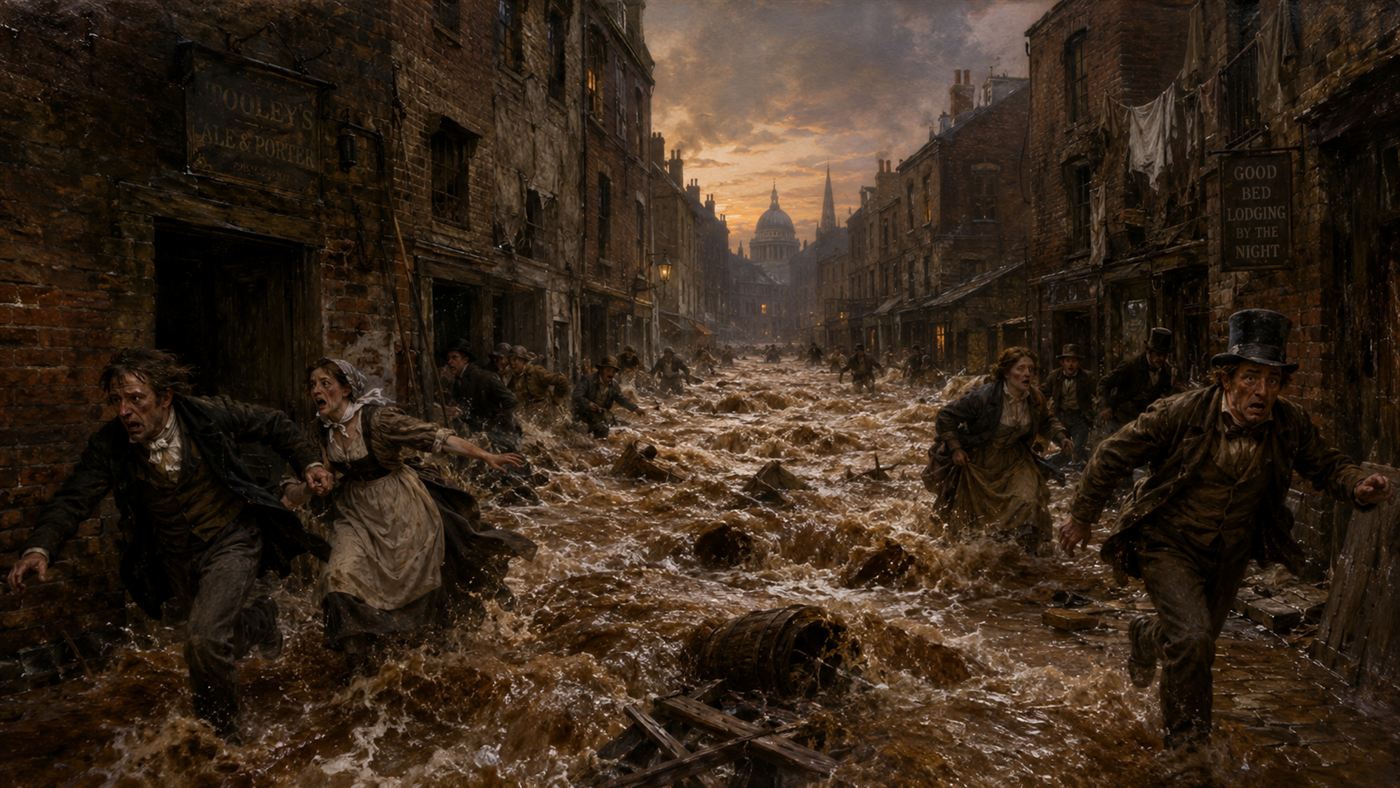
A wave of porter, not water, tore through the slums of St Giles in 1814. Illustration: Watts & Wild.
The London Beer Flood of 1814 is one of those events that sits awkwardly between the absurd and the genuinely tragic, and it deserves to be remembered for both. It is funny, in a grim way, that a person could be killed by a flood of beer. It is not at all funny that the people killed were the city's poorest, drowned in their own homes by the carelessness of a giant industry that towered, quite literally, over their heads.
To understand how it happened, you have to picture how beer was made at the time.
What was the London Beer Flood?
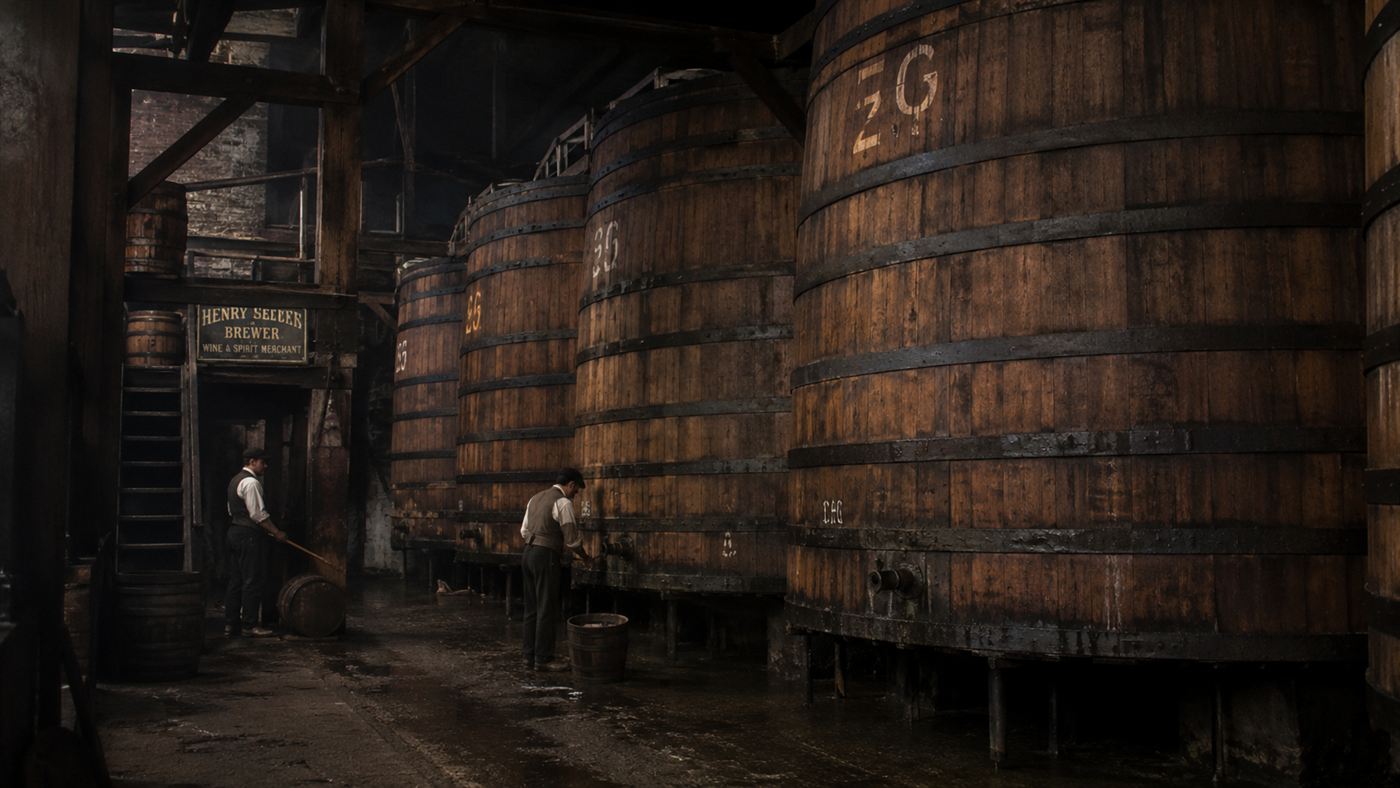
In the early nineteenth century, London's great breweries competed partly on the sheer size of their storage vats. Porter, the dark beer of the day, was aged for months in colossal wooden tanks, and brewers built them ever larger as a point of prestige. At Meux & Co's Horse Shoe Brewery, near what is now Tottenham Court Road, stood vats more than 22 feet tall, each holding a small lake of fermenting beer, bound together by enormous iron hoops.
On 17 October 1814, one of those iron hoops slipped off a vat. A brewery employee noticed, but was reportedly told it was nothing to worry about. A short while later, the weakened vat ruptured under the immense pressure of the liquid inside, and the force of it tore apart neighbouring vats as well. In moments, somewhere between 128,000 and 323,000 gallons of porter, well over a million litres, exploded out of the brewery in a single surge.
A wall of porter
The released beer smashed through the back wall of the brewery and erupted into the surrounding streets as a wave several feet high. This was no gentle spill. A flood of liquid that size carries enormous force, enough to flatten walls, sweep adults off their feet and crush whoever it caught against the brickwork.
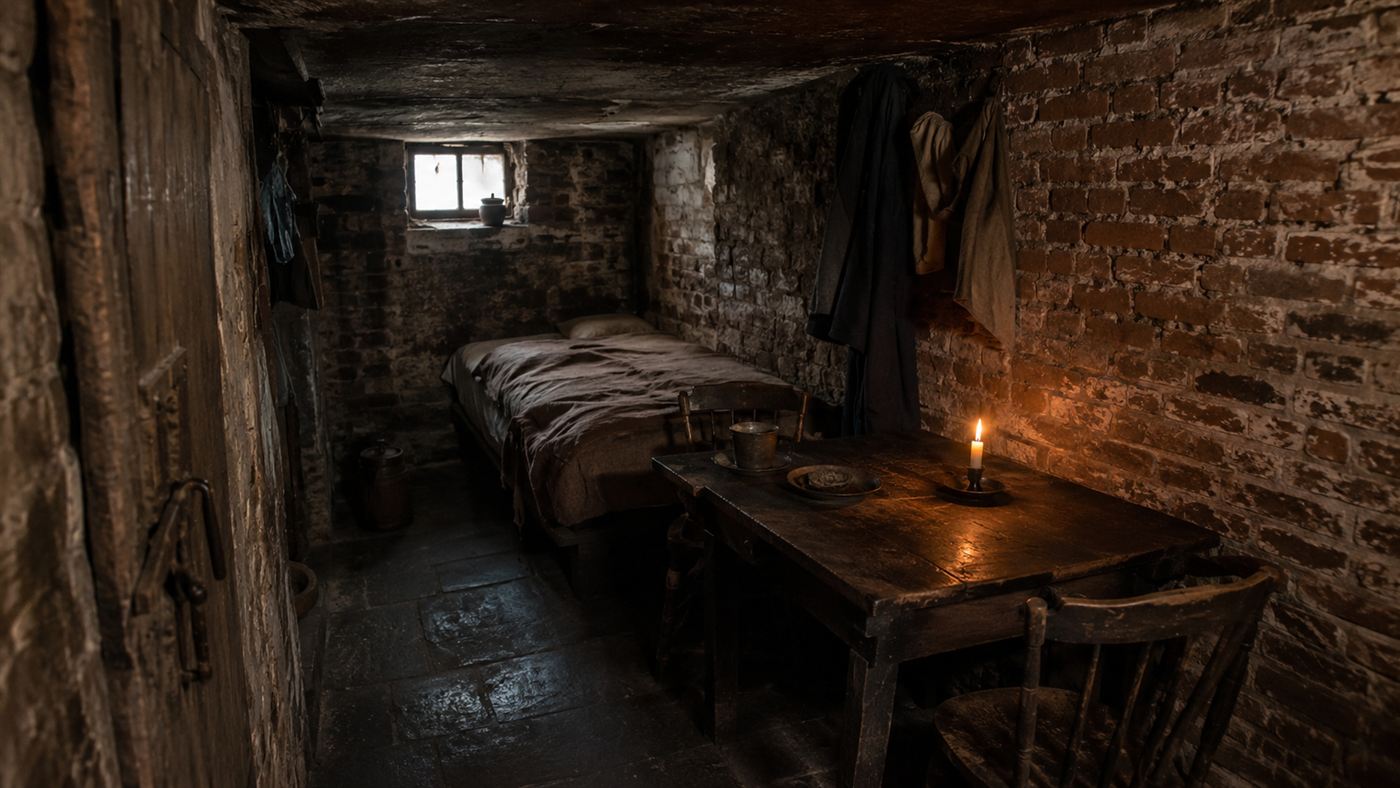
And it surged straight into the worst possible place: the St Giles rookery, one of London's most notorious and overcrowded slums. Here, whole families lived packed into single rooms, many of them in basements dug below street level. When a wave of beer poured through those streets, it did not splash harmlessly past; it poured downward into the cellars where people lived, with no way out.
Eight deaths in the cellars
The eight people who died were all women and children, and the details are heartbreaking. The single worst loss happened at a wake. An Irish family living in the rookery had gathered to mourn a two-year-old boy who had died days earlier, and the room was full of relatives and neighbours paying their respects. The wave of beer poured into that basement and drowned five of the mourners where they sat, turning a funeral into a mass grave.
Other victims were caught in flooded rooms or buried under the rubble the wave knocked down. In the chaotic hours afterwards, crowds pressed in to gawp, and the brewery had to be guarded. For the families of St Giles, the disaster was not a quirky news story; it was the sudden, senseless death of their children and mothers under a torrent of someone else's product.
Was anyone to blame?
By the standards of the time, no. The matter went before a coroner's jury, which examined the deaths and the burst vat and reached a now-infamous conclusion. The jury ruled that the victims had died "casually, accidentally and by misfortune," in effect an act of God, and nobody at the brewery was held responsible or punished.
If anything, the brewery came out ahead. Meux & Co had been nearly ruined by the loss of so much beer and the damage to its premises, but it successfully applied to the authorities for a rebate on the excise tax it had already paid on the destroyed porter. The company was effectively reimbursed for the very beer that had just killed eight of its neighbours. It is hard to imagine a starker illustration of whose interests the law of the day protected.
The honest catch
The flood has gathered some colourful legends that are worth puncturing. The most popular is that hordes of locals rushed out to scoop up and guzzle the free beer, and that some later died of alcohol poisoning. There is little solid evidence for a drunken free-for-all or for deaths from drinking the beer; the eight confirmed victims drowned or were crushed, they did not drink themselves to death. It is a more comfortable story to imagine people felled by their own greed than to sit with the truth, which is simply that poor families were killed in their homes.
It is also fair to say this was an accident born of an era, not a uniquely wicked act. Industrial safety as we understand it barely existed, and giant wooden vats were standard, trusted technology. The horror of the beer flood is less about villainy than about a society that built enormous, dangerous machines right on top of its most vulnerable people and simply assumed nothing would go wrong.
Why the London Beer Flood still matters
For all its strangeness, the disaster left a real mark on engineering. The failure of those vast wooden tanks helped push the brewing industry, over the following years, to abandon giant wooden vats in favour of lined concrete and, later, steel vessels that could safely hold such pressures. A bizarre tragedy quietly made the world's breweries a great deal safer.
And it endures as a small, sharp parable. It is the moment industry literally drowned its neighbours in its own product, then collected a tax rebate and moved on, and that image says more about the early industrial age than any statistic could. The London Beer Flood is remembered as a curiosity, but underneath the dark comedy is a very old, very serious question about who pays the price when the machines we build are too big to fail safely.
A flood of beer killed eight people, the law called it an act of God, and the brewery got its money back. How many "freak accidents" are really just the predictable result of building something too big and trusting it too much? Tell us what you think in the comments.
Related reading: A century later in Boston, a wave of molasses did almost exactly the same thing, killing 21 people in a flood of syrup, or the great horse manure crisis that buried Victorian cities and then simply vanished.