The Englishman who broke through the last wall of chalk to shake a French worker's hand had just ended Britain's 8,000 years as an island
Forty metres below the bed of the English Channel, a miner named Graham Fagg knocked out the last lump of chalk and reached his hand into France. On the other side, Philippe Cozette gripped it. With that handshake the Channel Tunnel joined Britain to the European mainland by dry land for the first time since the last Ice Age.
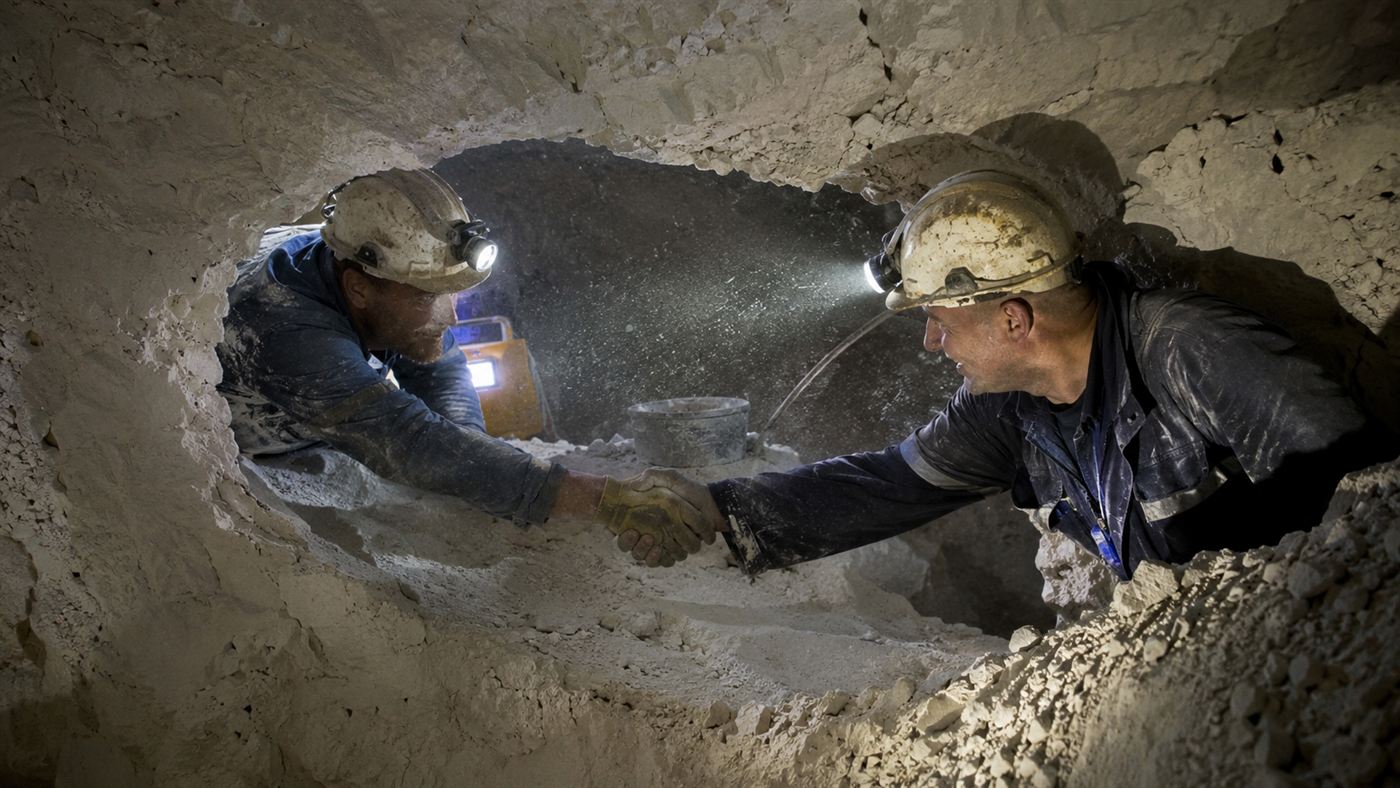
The 1990 breakthrough: two crews meet 40 metres under the seabed. Illustration: Watts & Wild.
It happened on 1 December 1990. As MoneyWeek has recounted, the Channel Tunnel was being dug from both ends at once, English crews boring east and French crews boring west, and the whole project depended on the two narrow bores meeting in the middle of the sea floor with almost no error. When the final gap was small enough to break by hand, Fagg, a tunnel-boring-machine operator whose name had literally been drawn from a hat, was chosen to be the man who punched through.
The two men shook hands, then took turns climbing through the hole between the countries. For a few minutes there was no border down there, just dusty miners grinning at each other in the lamplight. As TunnelTalk recalled on the anniversary of the breakthrough, Fagg and Cozette stayed friends for years afterward, and Fagg visited the Frenchman's home near Calais more than once.
What the Channel Tunnel actually is
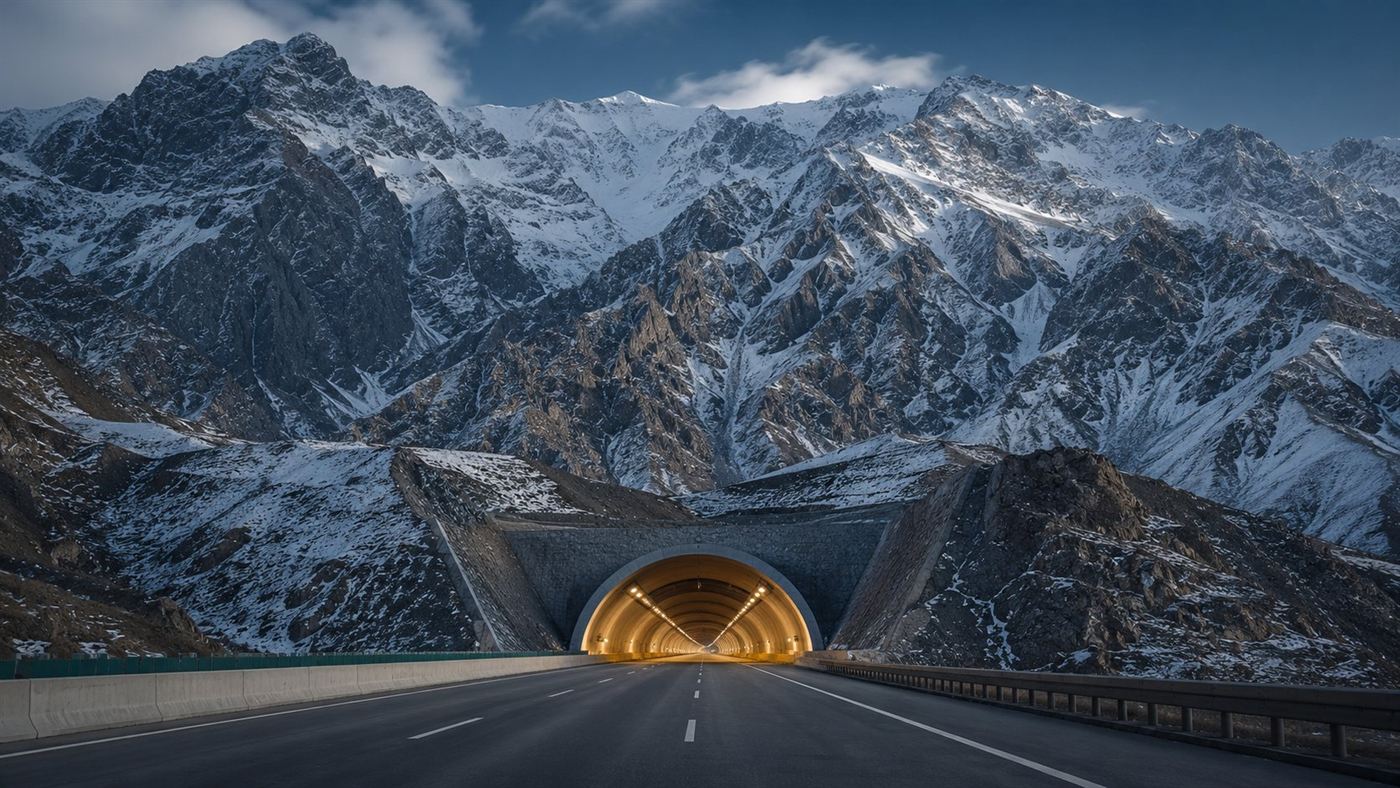
The finished link is not one tunnel but three, running side by side: two big rail tunnels for trains and a smaller service tunnel between them for access and safety. End to end it stretches 50.5 kilometres, and 37.9 of those kilometres run under the sea, which is still the longest undersea stretch of any tunnel in the world, while the longest road tunnel of all runs under the mountains of Norway.
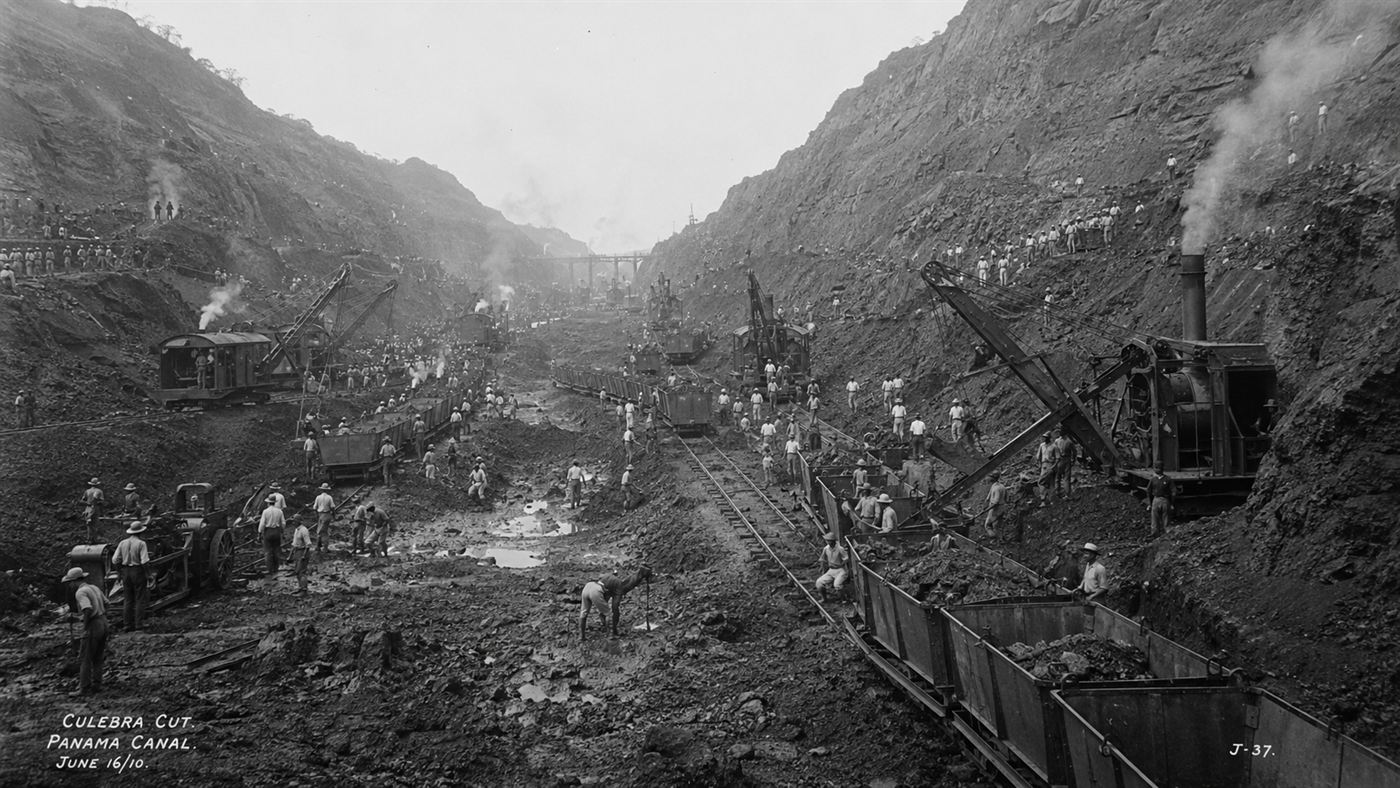
The diggers got lucky with geology. Beneath the Channel lies a band of soft, fairly waterproof rock called chalk marl, easy to bore and slow to leak. The crews followed that layer like a seam, sometimes 75 metres below the seabed, using eleven huge tunnel-boring machines and a workforce of around 13,000 people who chewed through the rock at up to 76 metres a day.
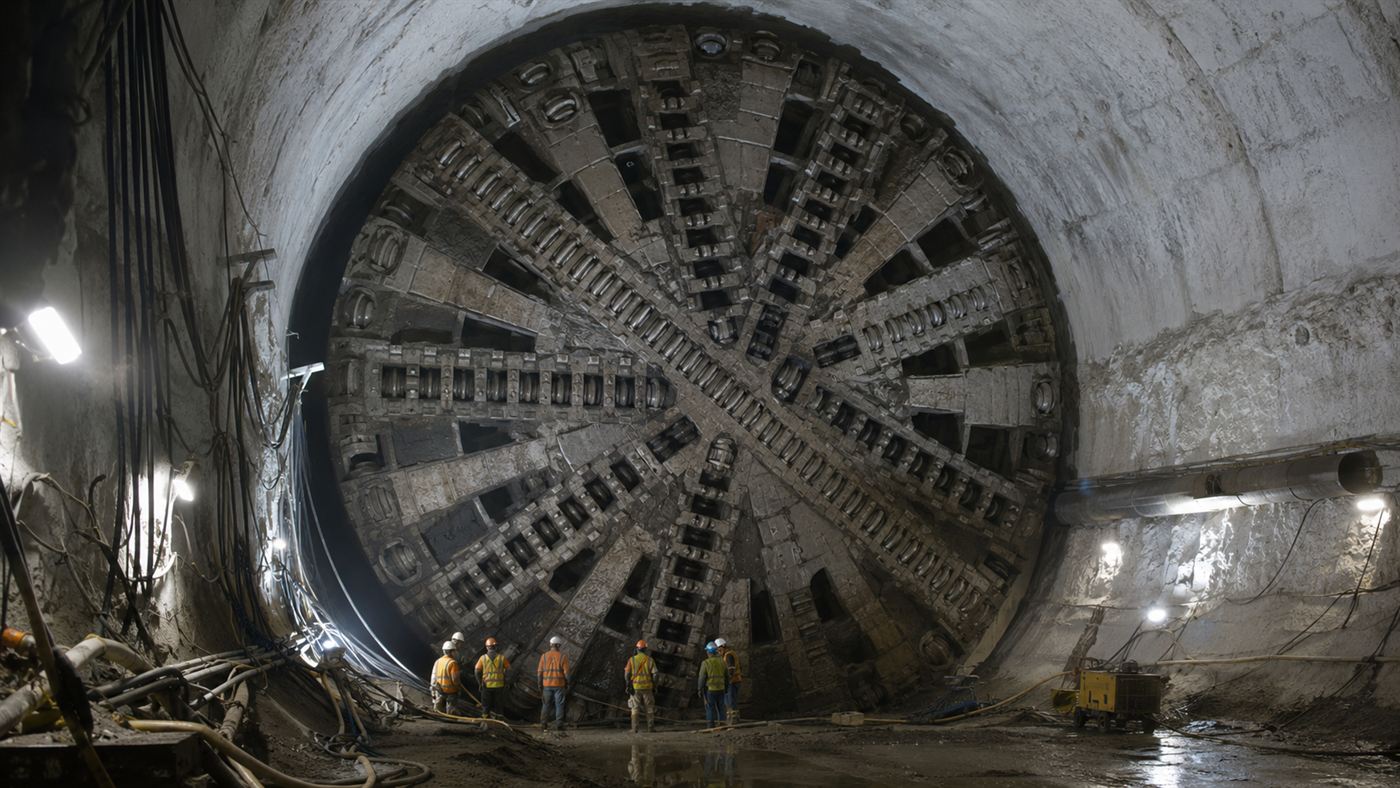
The machines buried under the sea
Here is the detail almost nobody knows. When the English boring machines finally met the French ones head-on, there was no way to reverse them out through 20-odd kilometres of finished tunnel. They were too big to retrieve. So the English engineers solved it with a strange piece of engineering theatre: they steered their worn-out machines sharply downward, off the route, and entombed them in concrete beneath the tunnel floor.
The French machines were dismantled and hauled back up in pieces, but at least one English boring machine is still down there, sealed forever in the rock under the middle of the Channel. It dug the last stretch of its own grave.
The cost, the deaths, and the long fight
None of this came cheap or clean. The tunnel was built with private money, and it ran roughly 80 percent over budget at about 4.65 billion pounds, a sum that nearly ruined the investors who backed it. Queen Elizabeth II and President François Mitterrand opened it formally on 6 May 1994, riding through in matching ceremony.
Eleven workers were killed building it, most of them on the British side and most in the early months, and safety campaigners argued the deaths were largely avoidable. The handshake makes a lovely photograph, but the thing it sealed was paid for in money no one expected to spend and lives that did not have to be lost.
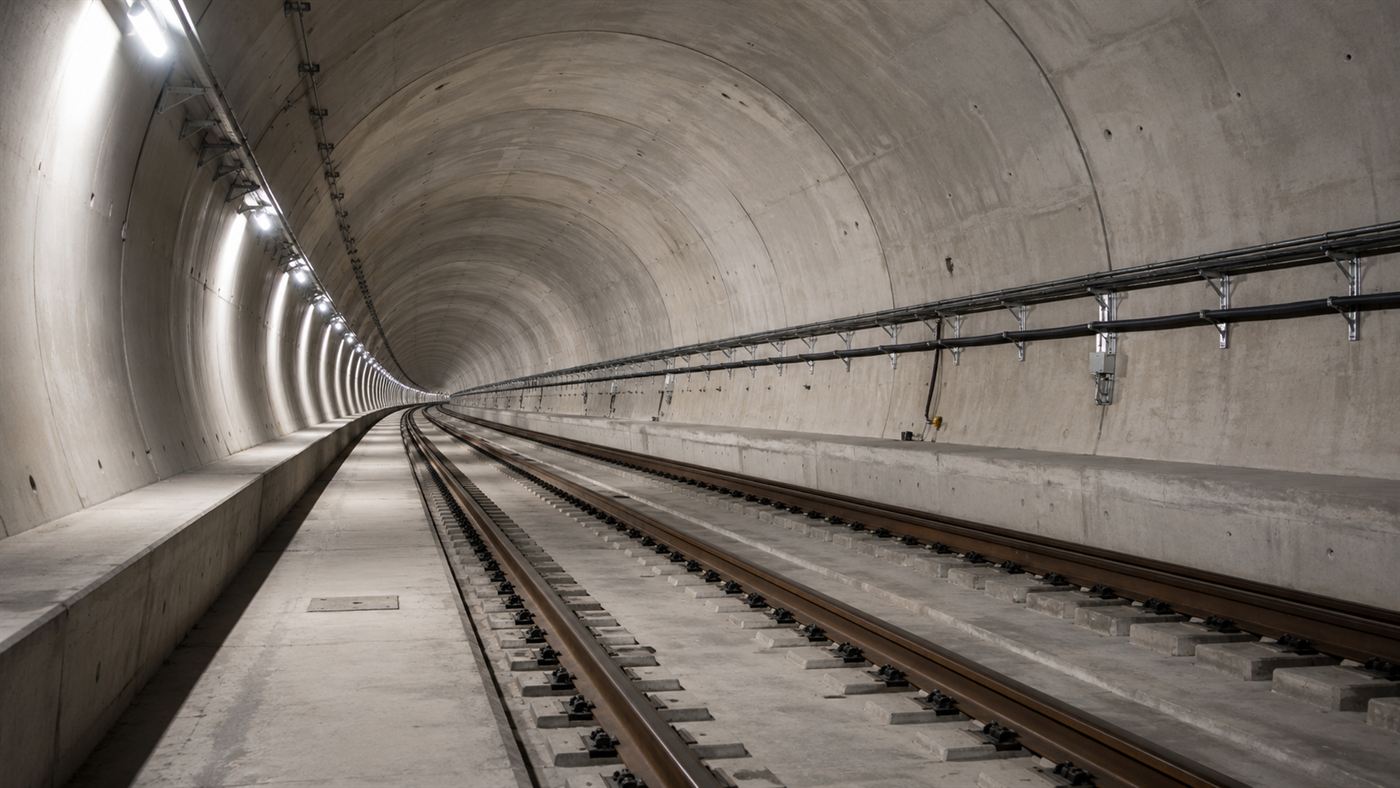
How deep under the sea is the Channel Tunnel?
At its lowest the route sits about 75 metres below the seabed, and the 1990 breakthrough itself happened roughly 40 metres down. The crews stayed inside the chalk marl layer the whole way, which is why a tunnel under open sea could be dug at all without it flooding.
How many workers died building the Channel Tunnel?
Eleven people died during construction. Most were British workers killed in the first year or so of digging, in crushing and machinery accidents that campaigners and, later, prosecutors said should never have happened. It remains a sombre footnote to one of the century's great builds.
The honest catch
The romance of the moment deserves a little cold air. The famous handshake was partly staged for the cameras, since survey probes had already pierced the gap before Fagg ceremonially broke it open. And history has a sharp sense of humour: as Euronews reported, Graham Fagg, the man whose hand symbolically reunited Britain with the continent, later became a firm supporter of Brexit and voted to leave the European Union. The tunnel he dug still carries trains between the two every day, indifferent to which way the politics blow.
Two miners shaking hands in the dark under the sea ended Britain's 8,000 years of isolation, and one of them later voted to pull away again. Is the Channel Tunnel the boldest thing Britain and France ever built together, or a marriage they keep regretting? Tell us what you think in the comments.
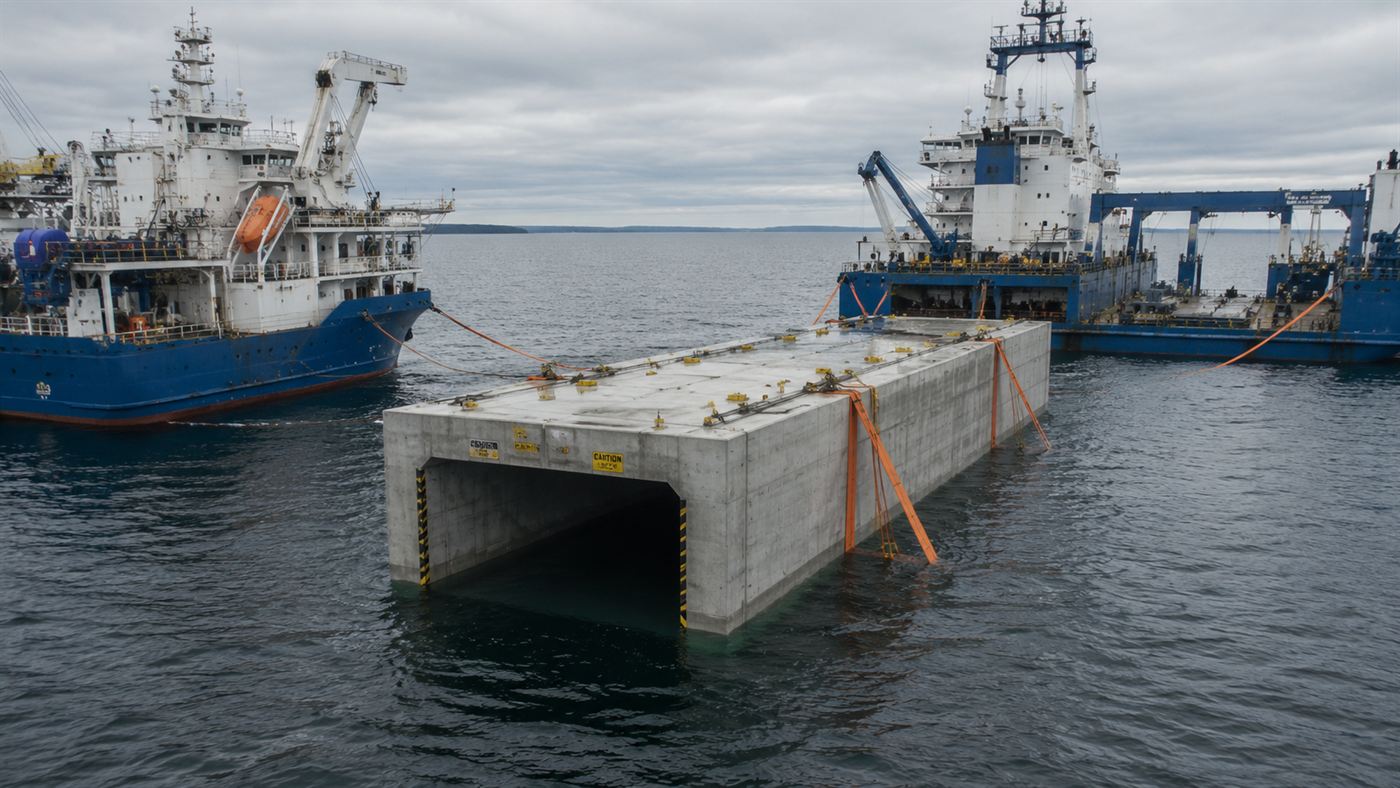
Related reading: A newer mega-tunnel between Denmark and Germany takes a completely different approach, sinking giant prefabricated tubes onto the seabed.