America declared the red wolf extinct in the wild in 1980, then brought it back to one North Carolina refuge, where new wild pups just proved the fight is not over
The red wolf is the only wolf that belongs to America alone, and it came within a whisker of vanishing forever. Declared extinct in the wild in 1980, it was hauled back from the edge one captive litter at a time. Today only a few dozen run free, all in a single corner of North Carolina, and every new pup is a small act of defiance.
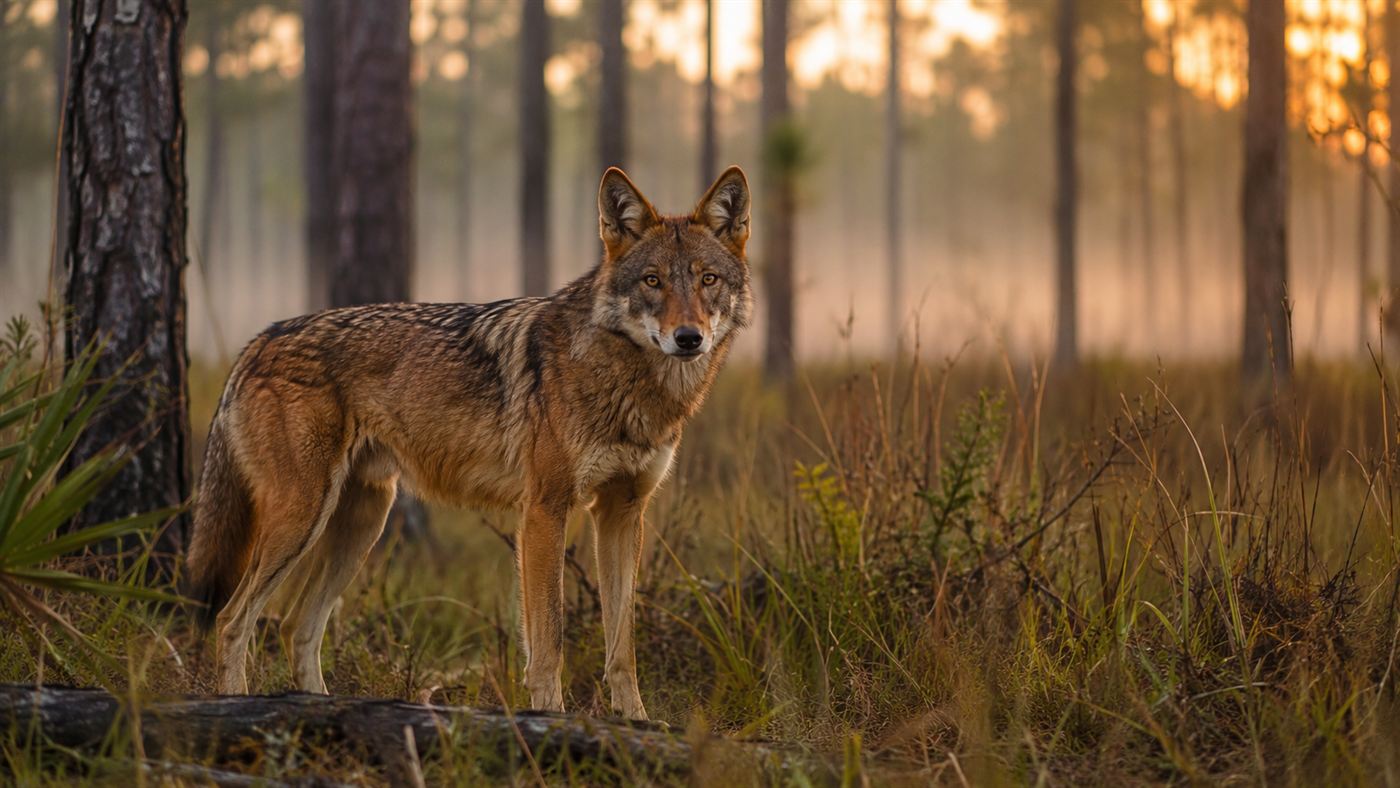
The red wolf, leaner and more russet than its gray cousin, survives in the wild in just one place on Earth. Illustration: Watts & Wild.
The red wolf is one of the most endangered animals in the world, and almost nobody outside the American Southeast has heard of it. Slighter than a gray wolf, with a rusty coat and long legs, it once roamed from Texas to the Atlantic. By the 1970s, trapping, shooting, and vanishing forests had reduced it to a last scattering of animals clinging on along the Gulf Coast, and the government made a drastic decision.
As the US Fish and Wildlife Service recounts, biologists made the wrenching call to declare the red wolf extinct in the wild in 1980, capturing the very last free animals to save the species in captivity. Out of hundreds of canids trapped, only 14 were pure enough to become the founders of everything that came after. Every red wolf alive today descends from those 14.
The short version: The red wolf, the world's most endangered wolf, was declared extinct in the wild in 1980 and rebuilt from just 14 founders. Reintroduced to North Carolina in 1987, the wild population peaked near 120, then crashed to around 20. As of 2025 roughly 30 survive in the wild, and new pups are keeping the comeback alive.
The wolf America erased, then chose to save
The red wolf's decline is a familiar American story told at high speed. As the Southeast was cleared, drained, and settled, the wolf was shot and trapped as vermin, and its forests were carved into farms and towns. By the time anyone thought to protect it, the wild animal was already genetically dissolving, interbreeding with coyotes moving in from the west because there were too few red wolves left to find each other.
Pulling the last individuals into captivity was a gamble that looked a lot like surrender. But it worked well enough to matter. Over the next few years, careful breeding grew those 14 founders into a small, stable captive population, enough that biologists could start dreaming about the once-unthinkable next step: putting wolves back into the wild.
The one place on Earth red wolves run wild
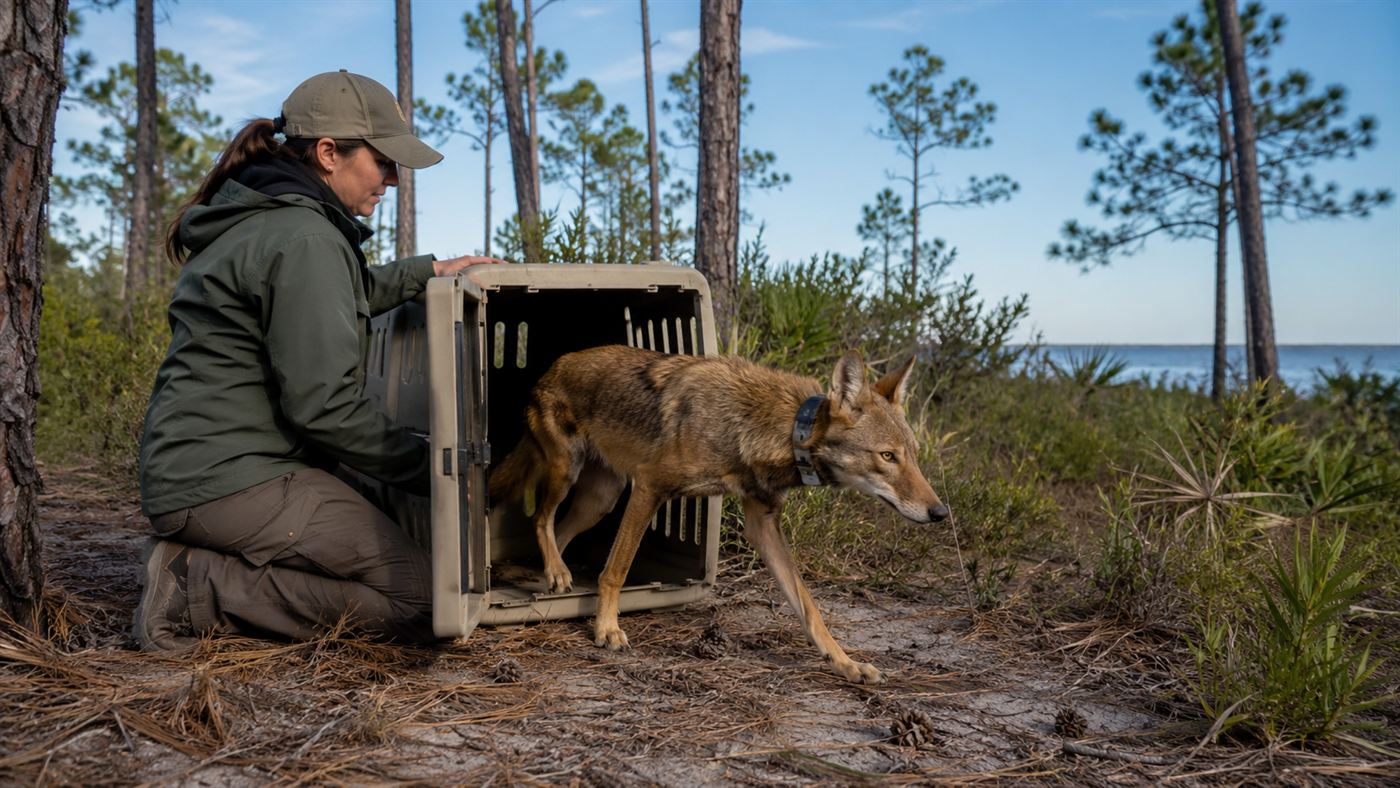
In 1987 that dream became real. Wolves raised in captivity were released into the North Carolina coastal plain, centered on the Alligator River National Wildlife Refuge, a landscape of pocosin swamp, pine, and farm fields near the Outer Banks. It was the first time a large carnivore declared extinct in the wild had been deliberately restored to it, a model later echoed for other lost species around the world.
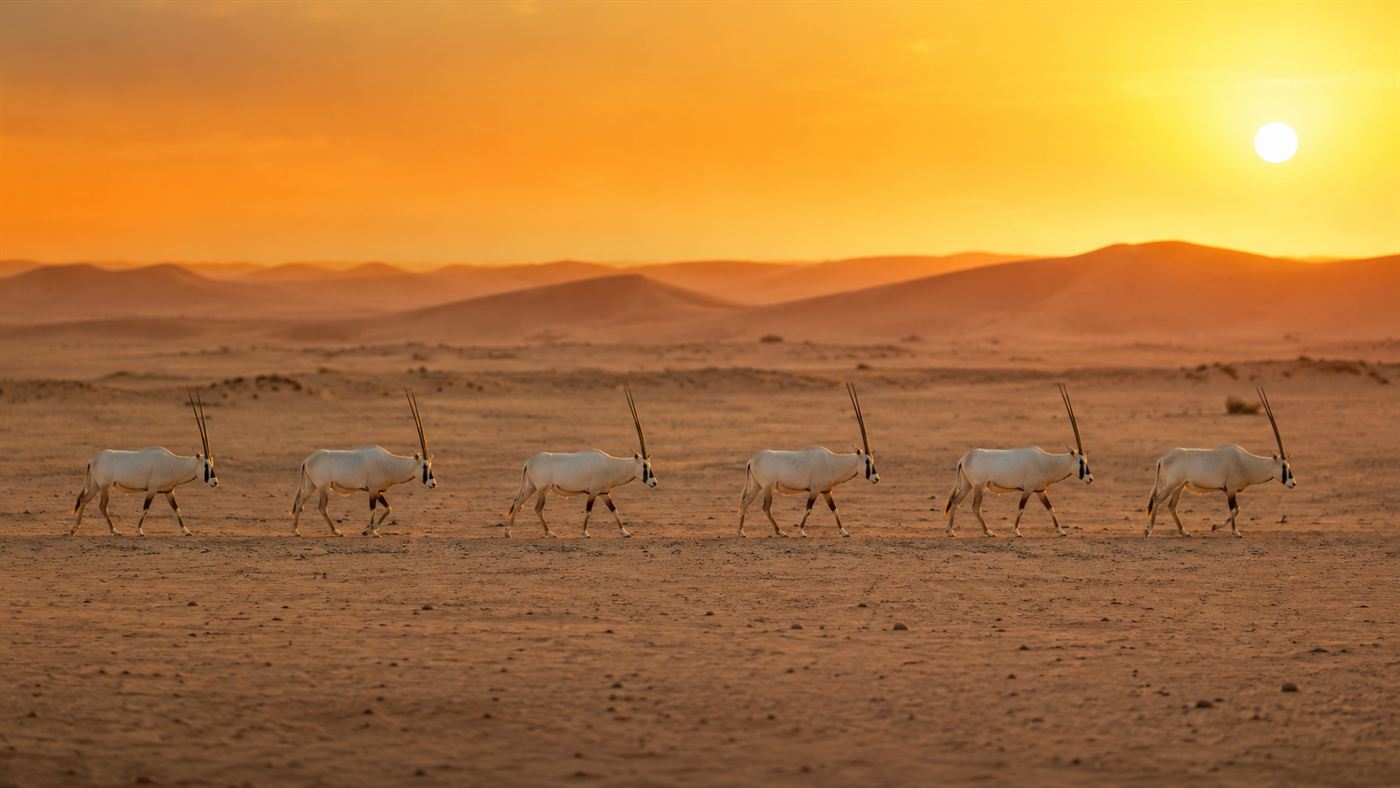
For a while it flourished. The wild population climbed through the 1990s and early 2000s to somewhere around 120 wolves, spread across five counties, and the red wolf became a quiet conservation success story. That refuge remains the only place on the planet where these wolves live free, which is exactly what makes their situation so precarious, because all the eggs of an entire species sit in one fragile basket. The same knife-edge dependence on a single stronghold haunts other rescues, like the Arabian oryx brought back from being extinct in the wild.
How the comeback nearly collapsed
Then the graph turned and fell off a cliff. From that peak near 120, the wild population crashed through the 2010s to roughly 20 animals or fewer, one of the steepest declines of any protected species in the country. The causes were almost entirely human. Wolves were shot, often by people who mistook them for coyotes, and struck by cars on the rural highways that thread the refuge.
At the same time, the program itself faltered. Coyote interbreeding kept diluting the wild gene pool, and the Fish and Wildlife Service, caught between angry landowners and conservation lawsuits, pulled back on releases for years, letting the wild pack wither. A wolf recovery effort that had been a point of pride nearly died of neglect and controversy, and the endangered species it protected came within a few animals of blinking out in the wild all over again.
How cross-fostering is rebuilding the red wolf
The last few years have brought the first real reasons for hope since the crash. As Coastal Review has reported, biologists have been heartened by a run of recent successes, including a burst of new births. In the spring of 2025, 16 wild pups arrived in four litters in northeastern North Carolina, and at least 10 were still surviving months later, a strong showing for a population this small.
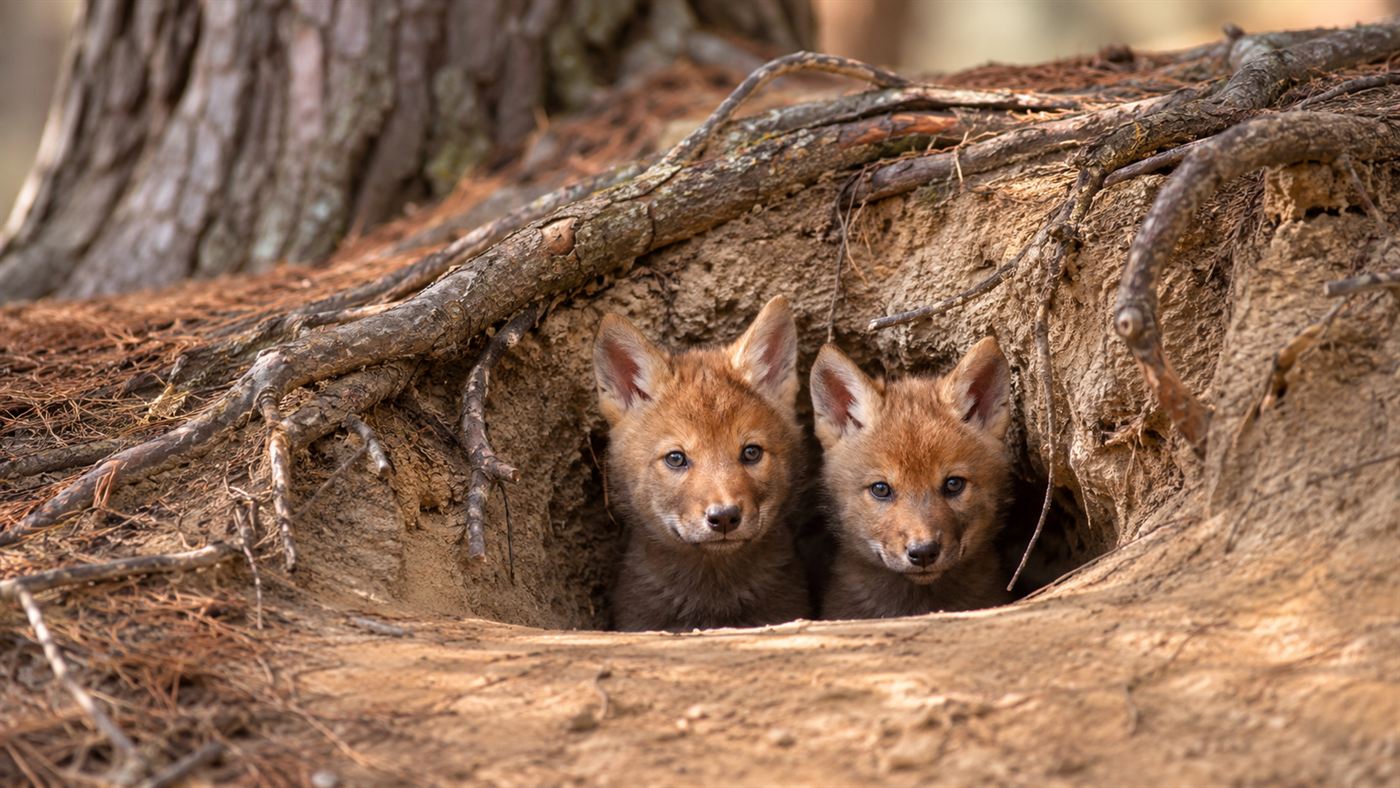
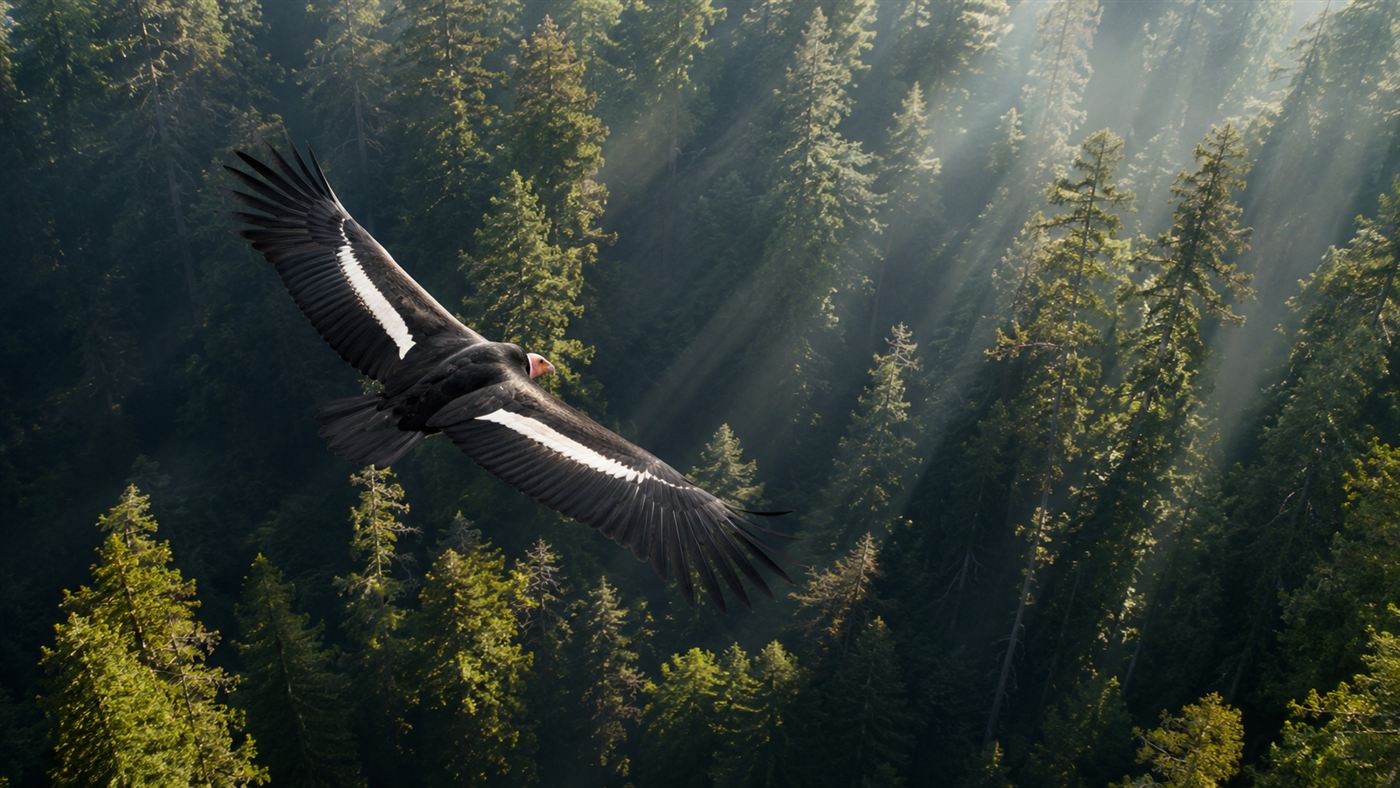
The most exciting move is a technique called cross-fostering, which is exactly as bold as it sounds. Biologists slip captive-born pups into a wild den at just the right age, and the wild mother raises them as her own, injecting fresh genes into the free population without anyone having to release a grown wolf. In April 2025 the program pulled off its first successful red wolf cross-foster, swapping pups between a captive litter and a wild one. Behind the wild animals stands a safety net of roughly 280 red wolves in some 50 breeding facilities, the reservoir the whole recovery draws on. It is the same patient, hands-on rescue work that saved the California condor from the very brink.
The honest catch
None of this means the red wolf is safe, and it would be dishonest to pretend otherwise. Around 30 wild animals is still a terrifyingly thin margin, small enough that a single bad year of shootings or a run of road deaths could undo a decade of gains. The threat of coyote interbreeding never really goes away, and it takes constant, expensive management just to keep the wild wolves genetically distinct.
The politics are just as fragile as the biology. The program has swung back and forth for years with lawsuits, landowner resistance, and shifting federal priorities, and another reversal could stall the releases again. What the recent pups prove is not that the red wolf has been saved, but that it still can be, if the people who decide these things keep choosing to try. For a species that has already been declared gone once, that flicker of a wild future is worth fighting for.
A wolf America once declared gone is still out there, barely, raising pups in a single Carolina refuge because people refused to let it disappear. Is a species worth this much effort and money when only 30 remain in the wild, or is saving the red wolf exactly the kind of fight that defines us? Tell us what you think in the comments.
Related reading: How bringing back a single predator changed the course of Yellowstone's rivers.
More from Watts & Wild
More in Energy & the Wild →

Maria covers heavy industry, mega-builds, and the natural world where energy and engineering meet wildlife, for Watts & Wild.