For a century two dams strangled one of America's greatest salmon rivers, until the largest dam removal in the country's history tore them down and the fish came roaring back
America spent a hundred years learning to build dams. This is the story of the time it did the opposite, deliberately tearing two of them out of a wild river to see if a broken ecosystem could heal. What happened next was faster and more hopeful than almost anyone dared predict.
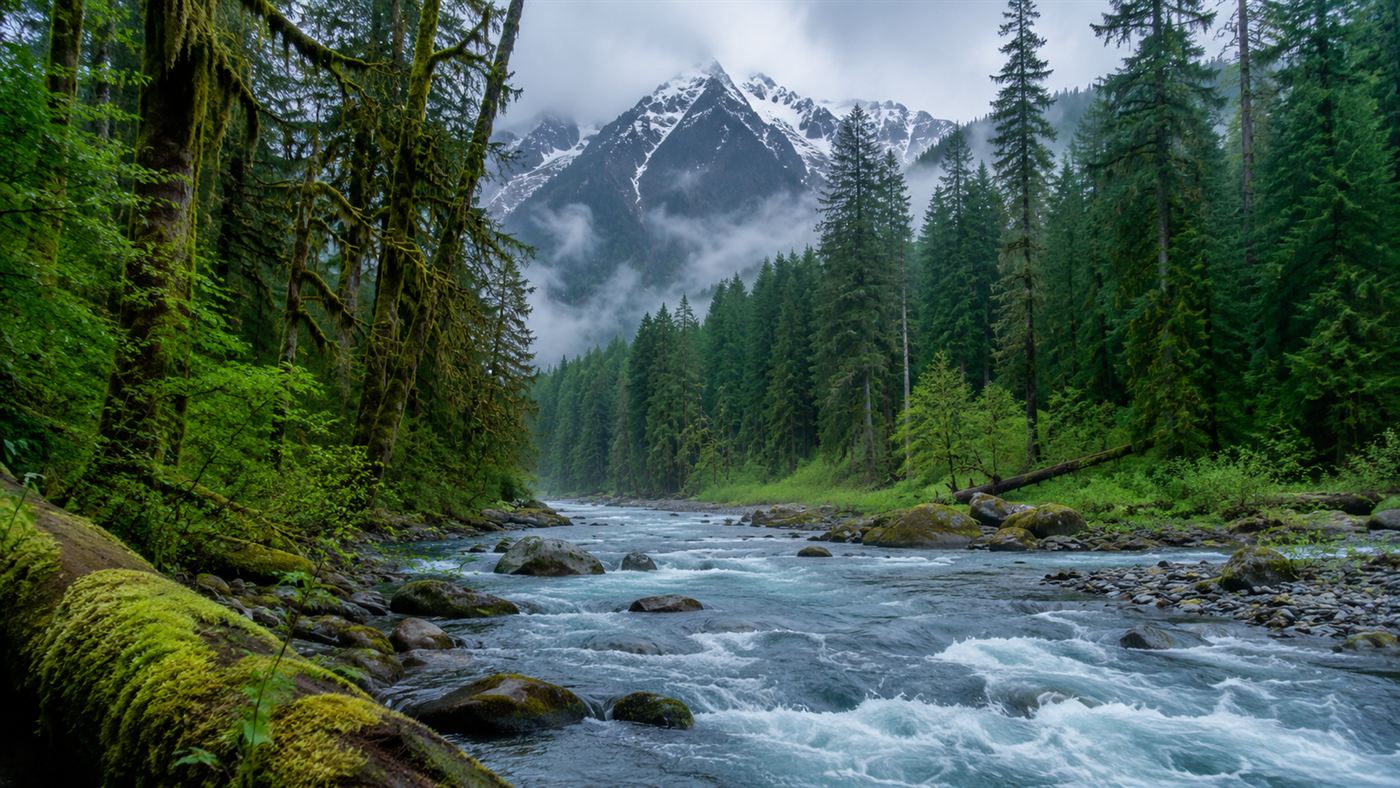
The Elwha River flows from Olympic National Park to the sea, now unblocked. Illustration: Watts & Wild.
On the Olympic Peninsula in Washington State, the Elwha River tumbles out of steep, forested mountains and runs to the sea. A century ago it was one of the most spectacular salmon rivers on the West Coast, its water thick each year with returning fish, including legendary chinook said to grow past a hundred pounds.
Then, in the early 1900s, two dams were thrown across it to make electricity, and neither was built with any way for fish to get past. Overnight, salmon were locked out of most of the river, and a run that had fed people and wildlife for thousands of years collapsed to a fraction of its old glory.
The short version of this story is a rare one in the history of big engineering: a mistake that was actually undone. After decades of pressure, the United States tore both dams down in the largest removal of its kind ever attempted, and a river many had written off began, almost at once, to come back to life.
Why the Elwha River lost its salmon
The two dams were the Elwha Dam, finished in 1913, and the taller Glines Canyon Dam upstream, completed in 1927. They powered mills and towns and were, for their time, useful pieces of infrastructure. But they had a fatal flaw for the fish: no ladders or passages, so salmon swimming up from the ocean simply slammed into a wall of concrete.
With more than nine tenths of the watershed suddenly out of reach, the river's famous runs crashed. The dams also trapped the gravel and sand the river naturally carried, starving the beaches and the estuary downstream. For the Lower Elwha Klallam Tribe, whose culture and survival were woven around the salmon, the loss was not just ecological but deeply personal.
The fight to bring the dams down
Taking a dam out is far harder, politically, than putting one in. The idea of removing the Elwha dams gathered force over many years, driven above all by the Lower Elwha Klallam Tribe, who never stopped pressing for the river and the salmon to be restored, alongside scientists and conservation groups.
In 1992 Congress finally passed a law authorising the federal government to buy the dams and take them out, with the explicit goal of restoring the whole ecosystem. Even then it took years of planning and money, but the principle had been settled: this was a river worth freeing, and the dams, by now old and relatively small, were worth losing.
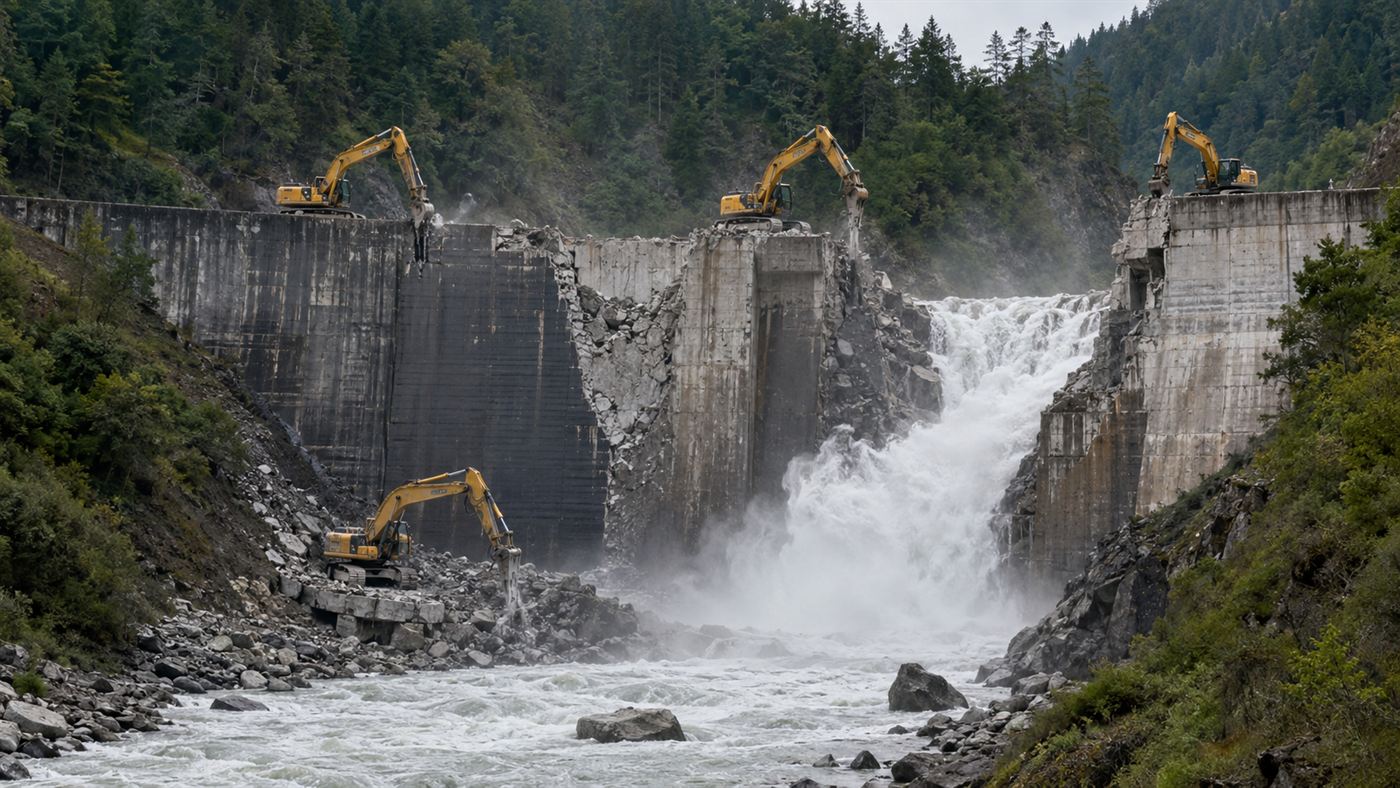
The biggest dam removal in American history
The demolition ran from 2011 to 2014 and became the largest dam removal ever carried out in the United States. Engineers took the two dams down slowly and in stages, careful not to release everything at once, because behind them the Elwha River had stored something enormous and unstable: decades of trapped sediment, tens of millions of cubic yards of it.
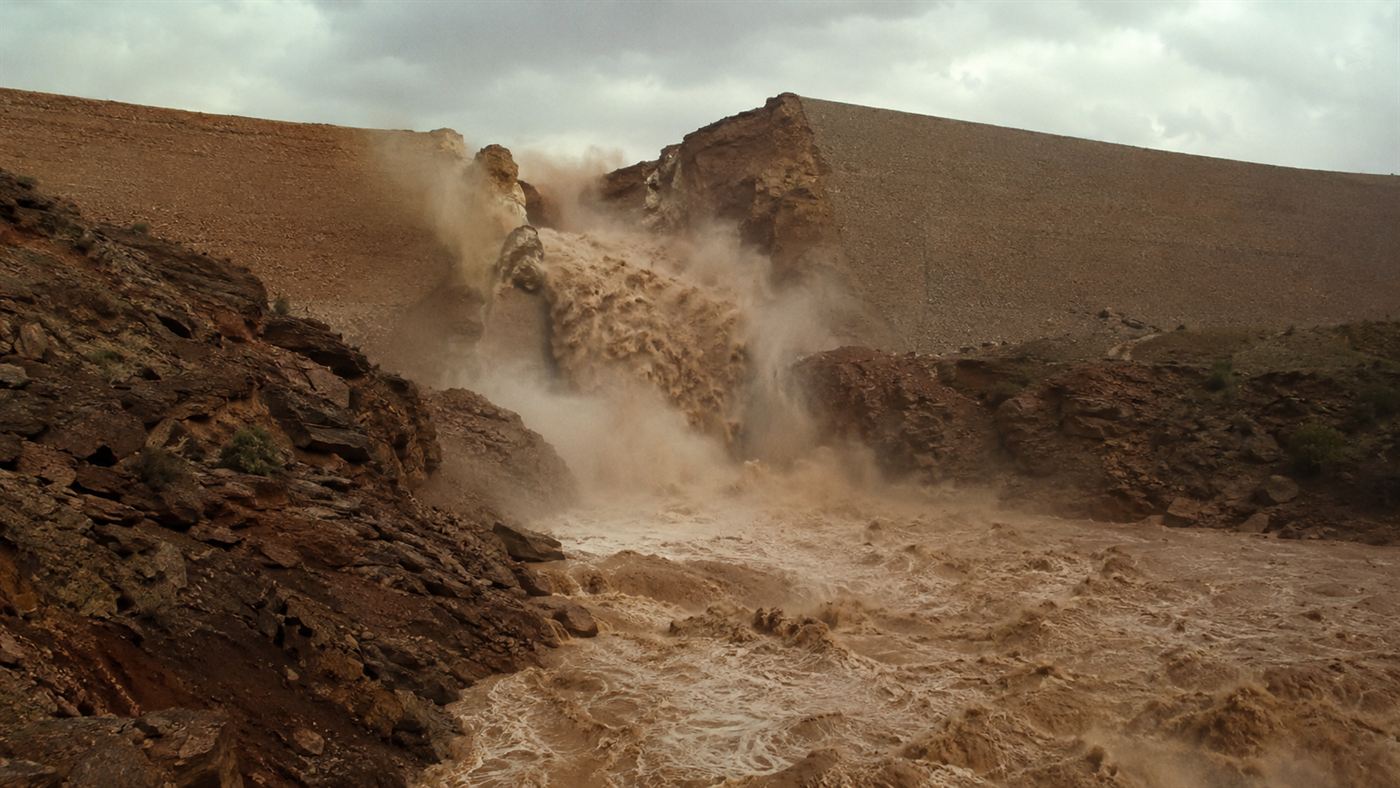
As the barriers came down, that stored sediment began to move again, turning the water brown for a while and rolling downstream toward the coast. It looked alarming, but it was exactly what the river needed. That same sediment would soon rebuild the beaches and the river mouth that the dams had been starving for a hundred years.
Did tearing down the dams actually work?
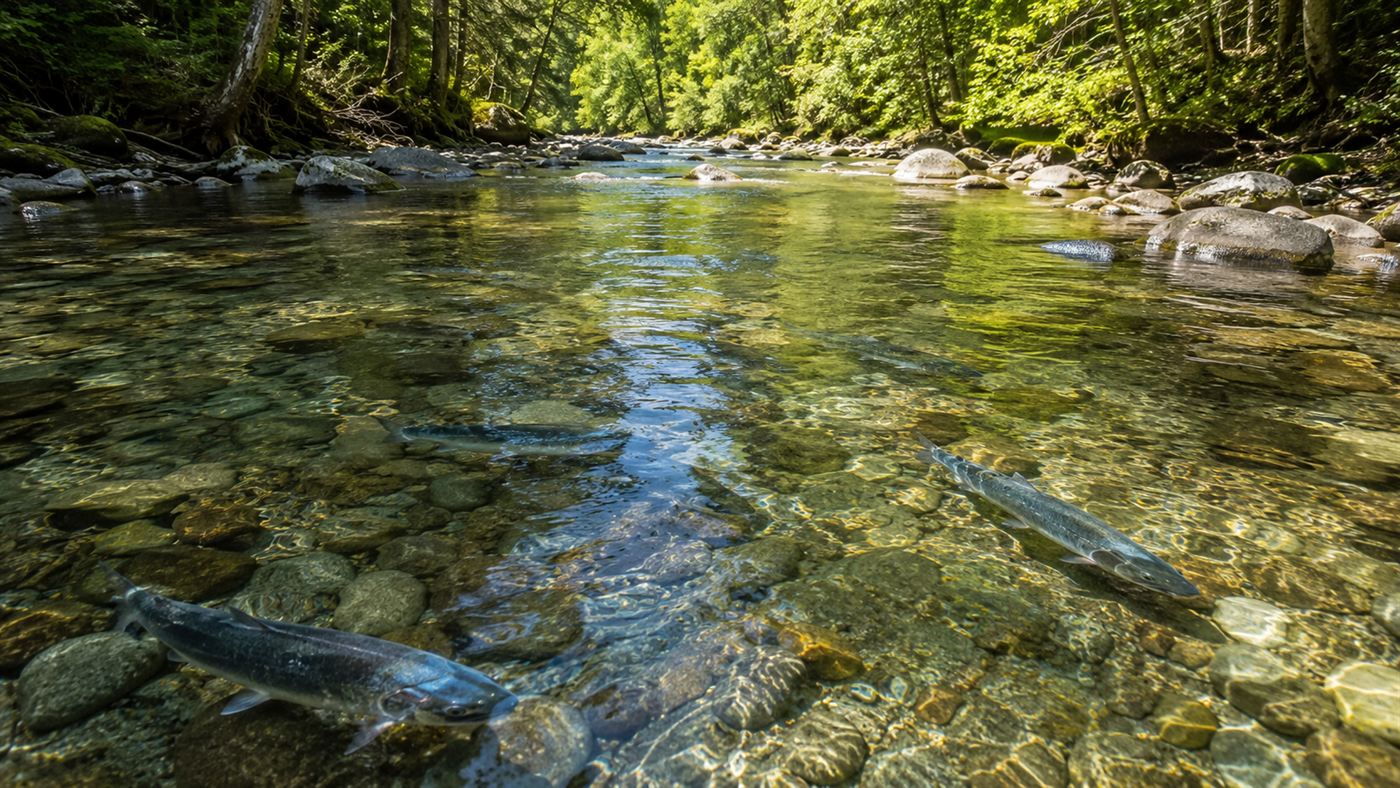
Remarkably quickly, yes. Within months and then years, salmon and steelhead pushed up past the old dam sites into stretches of river their ancestors had not seen in a century. The reborn flow of gravel and sand rebuilt the estuary, new sandbars and beaches appeared at the coast, and birds and other wildlife followed the returning fish.
On the drained beds where the reservoirs had stood, plants moved back in with surprising speed, turning grey flats of old silt into green meadows and young forest. Scientists who had expected a slow, uncertain recovery instead watched a landscape stitch itself back together in front of them, faster than the cautious forecasts had promised.
The honest catch
It would be too easy to turn this into a fairy tale, and the truth deserves a little care. The recovery has been real and remarkable, but it is not finished; some fish species have surged while others are rebuilding more slowly, and the Elwha River, altered for a century, does not become pristine in a decade. Restoration is a long process, not a switch.
It is also worth saying that this is not an argument against every dam. The Elwha dams were old, comparatively small, and sat on an extraordinary salmon river inside Olympic National Park, which made removing them a rare and clear win. What the Elwha River really proves is not that all dams are evil, but something more hopeful: that some of our biggest mistakes can be undone, and that nature, given the chance, is astonishingly eager to return.
A river left half dead for a hundred years came surging back within a few short seasons, simply because we finally got out of its way. If nature can rebound this fast when we let it, where else should we be tearing down the walls we built? Tell us what you think in the comments.
Related reading: how returning wolves to Yellowstone even reshaped its rivers. See also the Kaibab deer, a lesson in how badly nature can go wrong when we meddle, and the Teton Dam, a very different story of a dam that came down. See also the Keokuk Dam, which drowned a wild rapids to make power a century ago.