For decades, eerie voices have read endless numbers over the radio, and almost no one will say why
Spin the dial of a shortwave radio late at night and you may stumble onto something deeply strange: a flat, mechanical voice calmly reading out groups of numbers, on and on, to no one in particular. These are the numbers stations, and they are almost certainly the sound of spies receiving their secret orders.
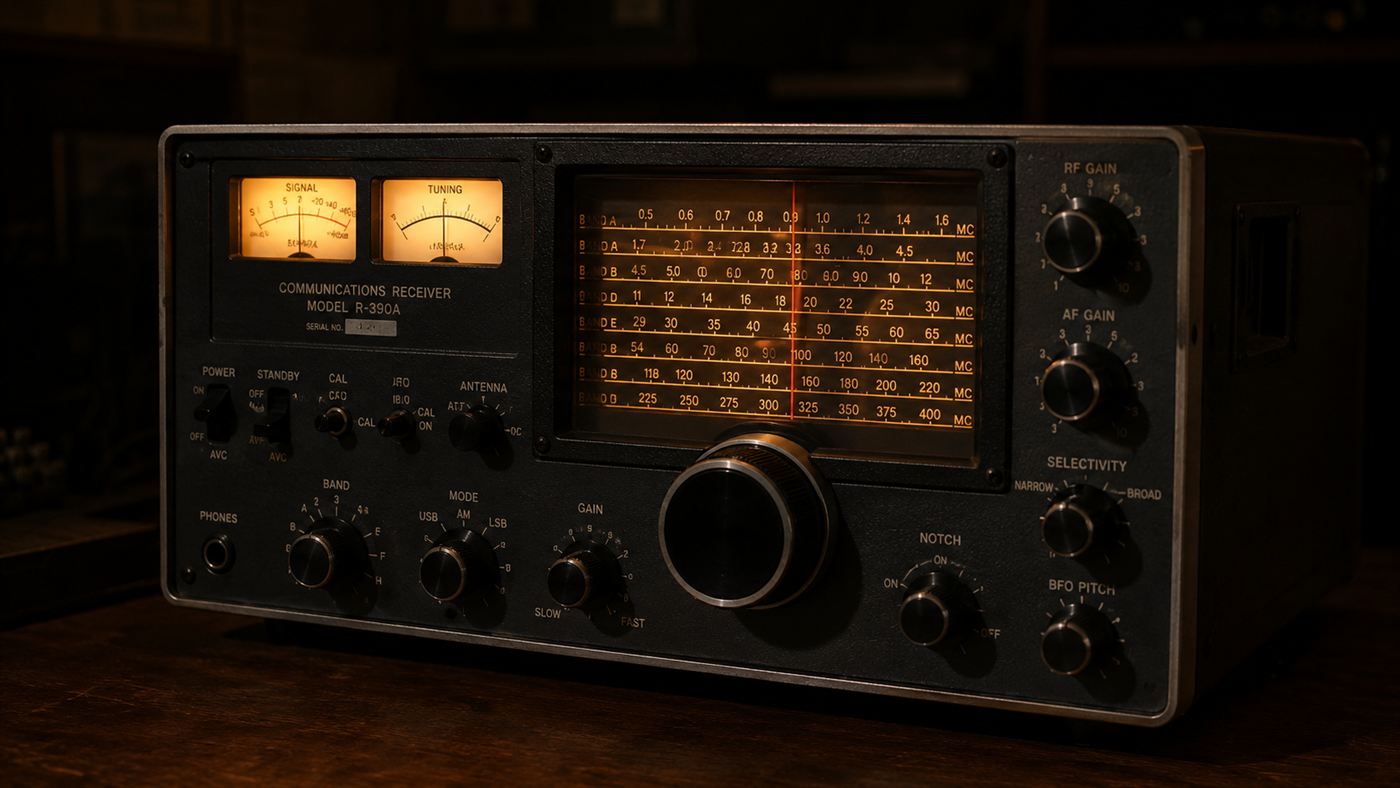
Anyone with a cheap shortwave set can listen in; only the right spy can understand. Illustration: Watts & Wild.
There are few things in the modern world as openly mysterious as this. Anyone can hear the broadcasts, governments will not officially explain them, and yet they have been going on for the better part of a century. The numbers stations are one of the last great secrets you can tune into for free, hiding in plain sight on the public airwaves.
They are also a perfect little lesson in how the oldest technology can sometimes be the most secure.
What numbers stations actually broadcast
The format is eerily consistent. A station comes to life at a scheduled time, often opening with a snatch of music, a chime or a buzzing tone to grab attention, then a voice begins reading numbers, usually in groups of four or five, sometimes for many minutes. The voice is frequently female, oddly calm and slightly robotic, and it may repeat the same blocks of numbers before signing off into silence.
To a casual listener it sounds like nonsense, or something out of a nightmare. But the structure, the schedules and the sheer effort behind these powerful transmitters all point to a serious purpose. The numbers are not random; they are a message, locked behind a code that the broadcasters are confident no one but the intended listener can open.
The unbreakable code
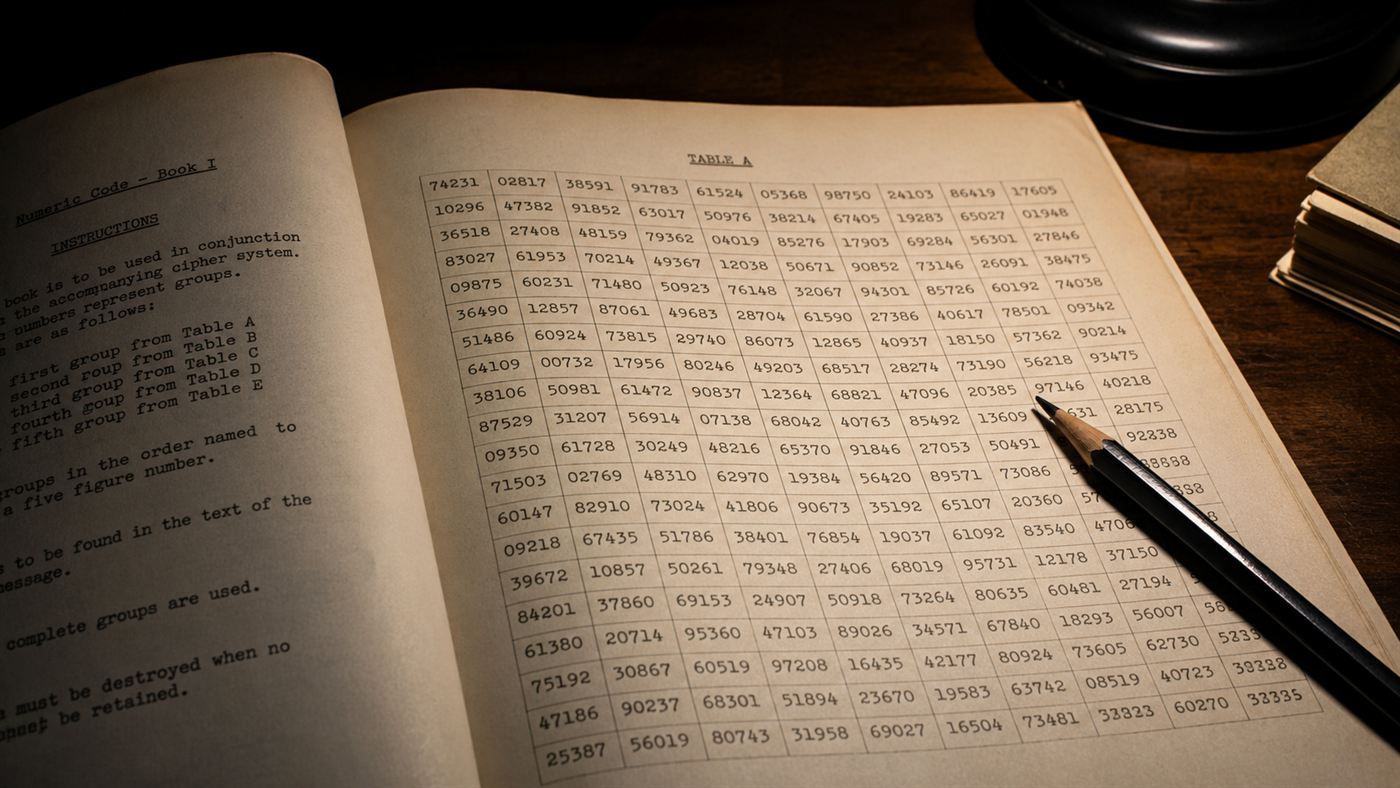
The secret of the numbers stations is an old and beautiful piece of cryptography called the one-time pad. The spy carries a booklet of random numbers, a copy of which the agency also holds, and each page is used only once and then destroyed. By combining the broadcast numbers with their matching page, the spy turns the gibberish into a real message, and because the key is truly random and never reused, the code is mathematically impossible to crack.
That is the genius of the system. It does not matter that anyone on Earth can hear the broadcast, including every intelligence agency listening in. Without the matching pad, the numbers are just noise forever. A method invented long before computers remains, when used correctly, more secure than almost anything a modern hacker could break.
The Buzzer that never stops
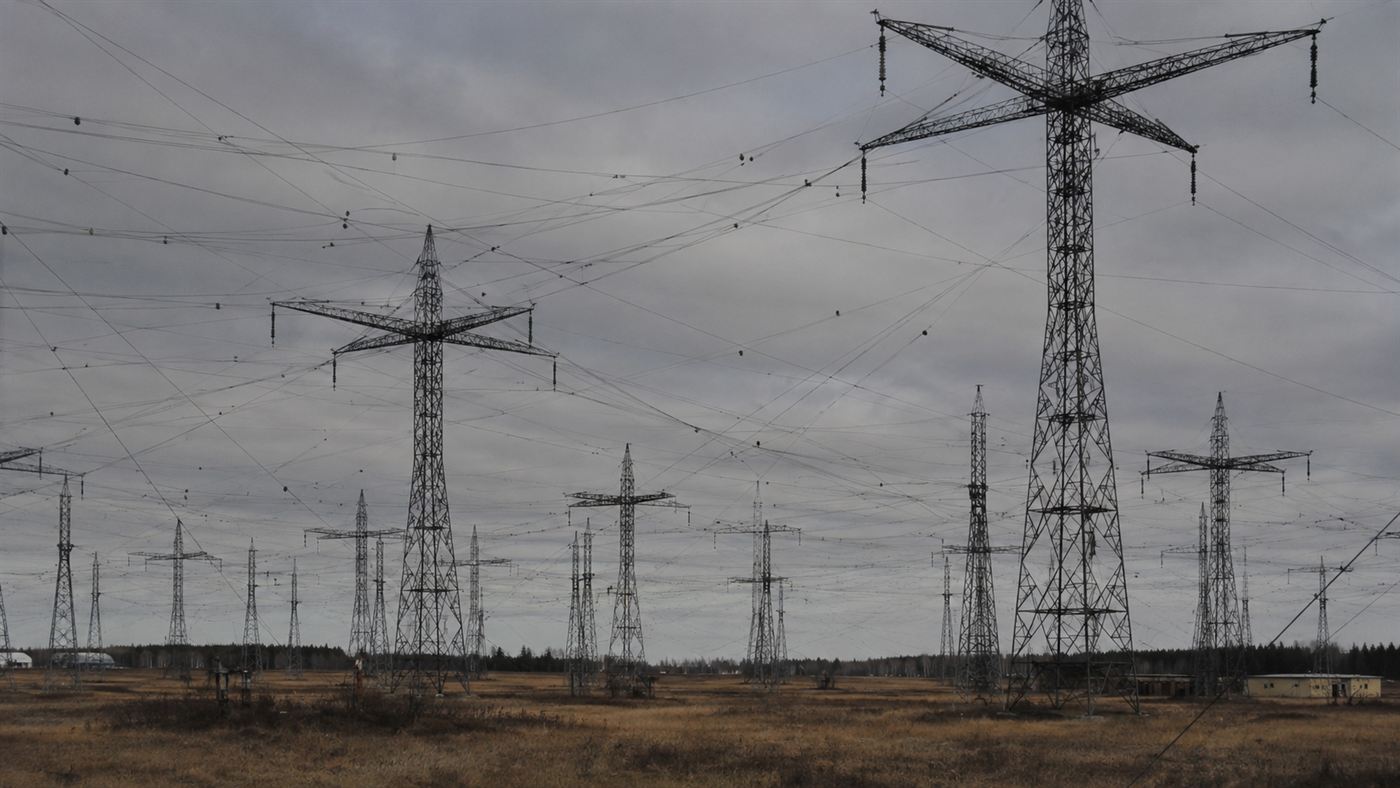
The most famous of these signals barely reads numbers at all. On a frequency of 4625 kHz sits a Russian station nicknamed the Buzzer, officially UVB-76, which has broadcast a monotonous, repeating buzz, around the clock, since the late 1970s. Every so often the buzzing stops and a Russian voice breaks in to read a short string of names and numbers, before the drone resumes as if nothing happened.
No one outside the Russian military has ever explained exactly what the Buzzer is for. The most common theories are that it is a military channel kept permanently open, or part of a command system, with the endless buzz simply marking that the channel is alive. Radio enthusiasts around the world listen to it day and night, and the rare voice messages set off waves of speculation each time. It is the sound of a secret that refuses to end.
What are numbers stations?
Stripped of the mystery, a numbers station is just a radio transmitter, a script of coded numbers and a schedule. Some are now legendary among listeners, such as the British station nicknamed the Lincolnshire Poacher, which announced itself with a few bars of an English folk tune before a calm voice read its blocks of figures. Believed to have been run by British intelligence, it broadcast for decades from Cyprus before finally falling silent in 2008.
For all their cloak-and-dagger reputation, the stations have always operated in the open, daring the world to listen without being able to understand. That mix of total exposure and total secrecy is exactly what makes them so unsettling, and so addictive to the people who chase them across the dial.
Are numbers stations still active?
Some certainly are, and the reason they survive in the age of the internet is the most interesting part of all. Sending a spy an email or a message leaves a trail: an address, a server, a record that can be traced back. A shortwave broadcast leaves nothing, because the spy only has to own an ordinary radio and tune in at the right time, with no account, no signal sent back and no way to prove who was even listening.
Shortwave signals also bounce off the upper atmosphere and travel right around the planet, so a single transmitter can reach an agent on the far side of the world. In a strange way, the numbers stations are a reminder that newer is not always safer, and that somewhere out there, a calm voice may still be reading numbers into the dark, meant for one person who knows exactly what they mean.
A calm voice reading numbers to a spy who may be sitting in any country on Earth, hidden by a code no computer can break, is espionage at its most quietly chilling. Is there something comforting, or something sinister, about secrets this old still humming away on the public airwaves? Tell us what you think in the comments.
Related reading: the Voynich manuscript, a 600-year-old book written in a script that no one has ever managed to read. See also Hedy Lamarr, the film star who co-invented the radio trick behind WiFi, or the Max Headroom hijack, the masked figure who seized two TV stations and was never caught.