A brilliant engineer built a screaming-fast electric sports car by hand in a California workshop, the carmakers ignored it, and it quietly gave birth to Tesla
In 1997, while the big carmakers were calling electric cars slow and pointless, a small firm in California unveiled the tzero, a hand-built electric sports car that could humble petrol rivals from a standstill. Almost nobody bought one. But the people who drove it went away and founded Tesla.
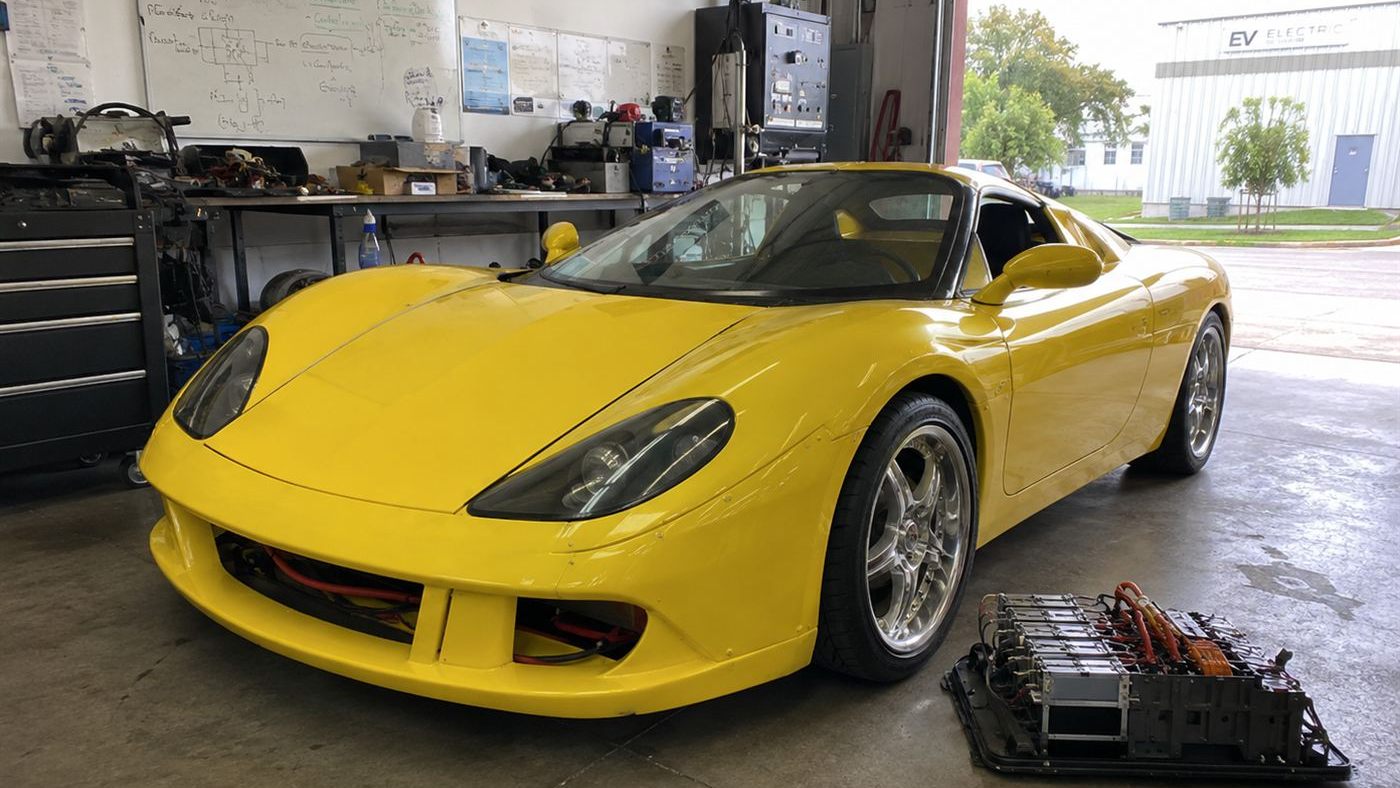
The tzero, a garage-built electric sports car ahead of its time. Illustration: Watts & Wild.
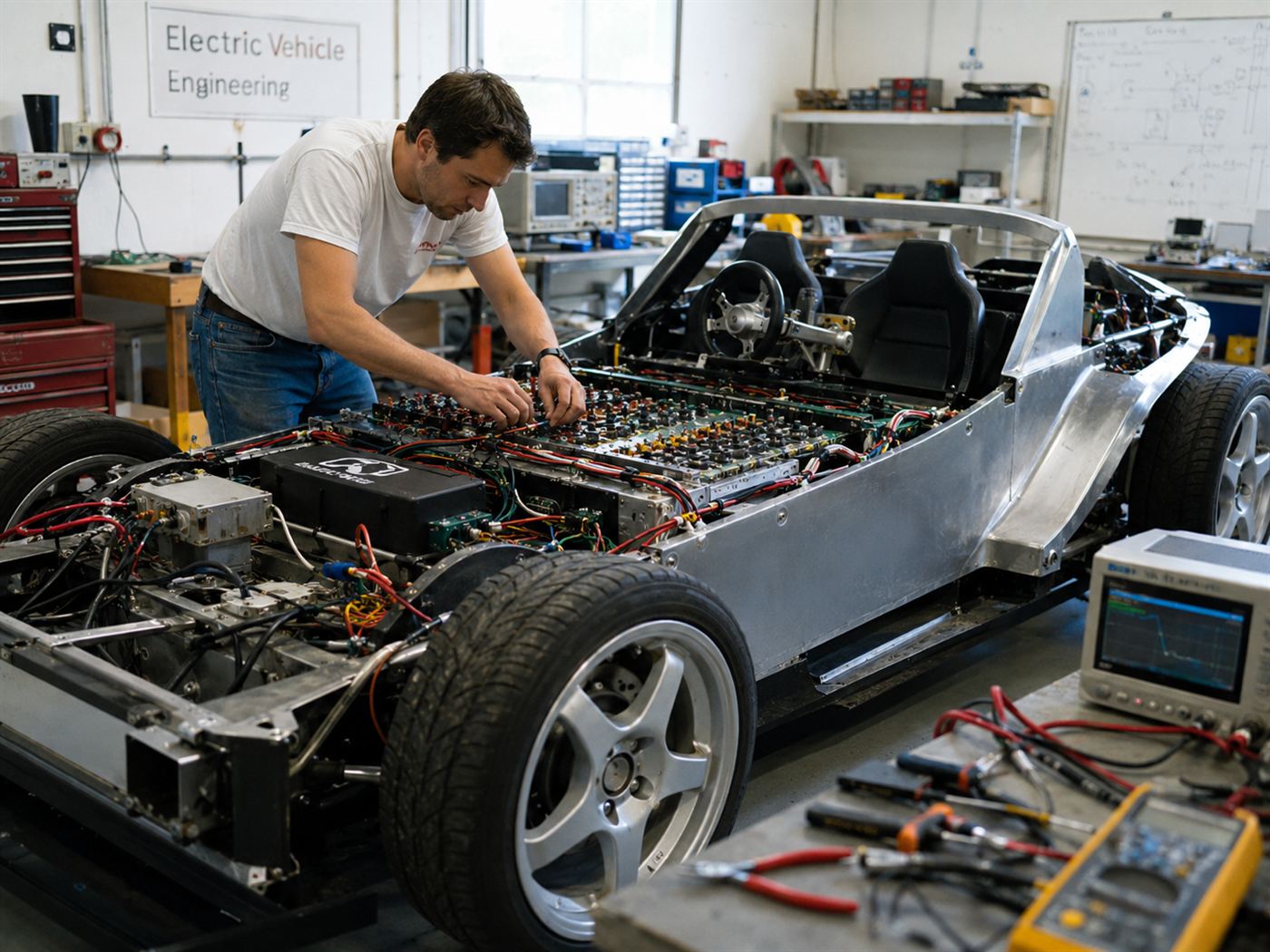
The man behind it was Alan Cocconi, an engineer with a gift for power electronics and a stubborn belief that electric cars could be thrilling rather than dreary. He had worked on the prototype that became General Motors' famous EV1, and when that path frustrated him, he set up his own small company, AC Propulsion, to keep building. There, with a tiny team, he made the car the big companies would not.
It was called the tzero, and it broke the rules about what an electric car was supposed to be.
How the tzero outran every other EV
At the time, the public image of an electric car was a slow, apologetic box. The tzero was the opposite. As the Petersen Automotive Museum notes, the tzero was a lightweight two-seat sports car with around 200 horsepower that could sprint to 60 miles an hour in roughly four seconds, quick enough to embarrass plenty of petrol sports cars of the day. It used the instant torque of an electric motor to do what no golf-cart stereotype could, the same trick that let a homemade electric Datsun called the White Zombie beat muscle cars at the drag strip.
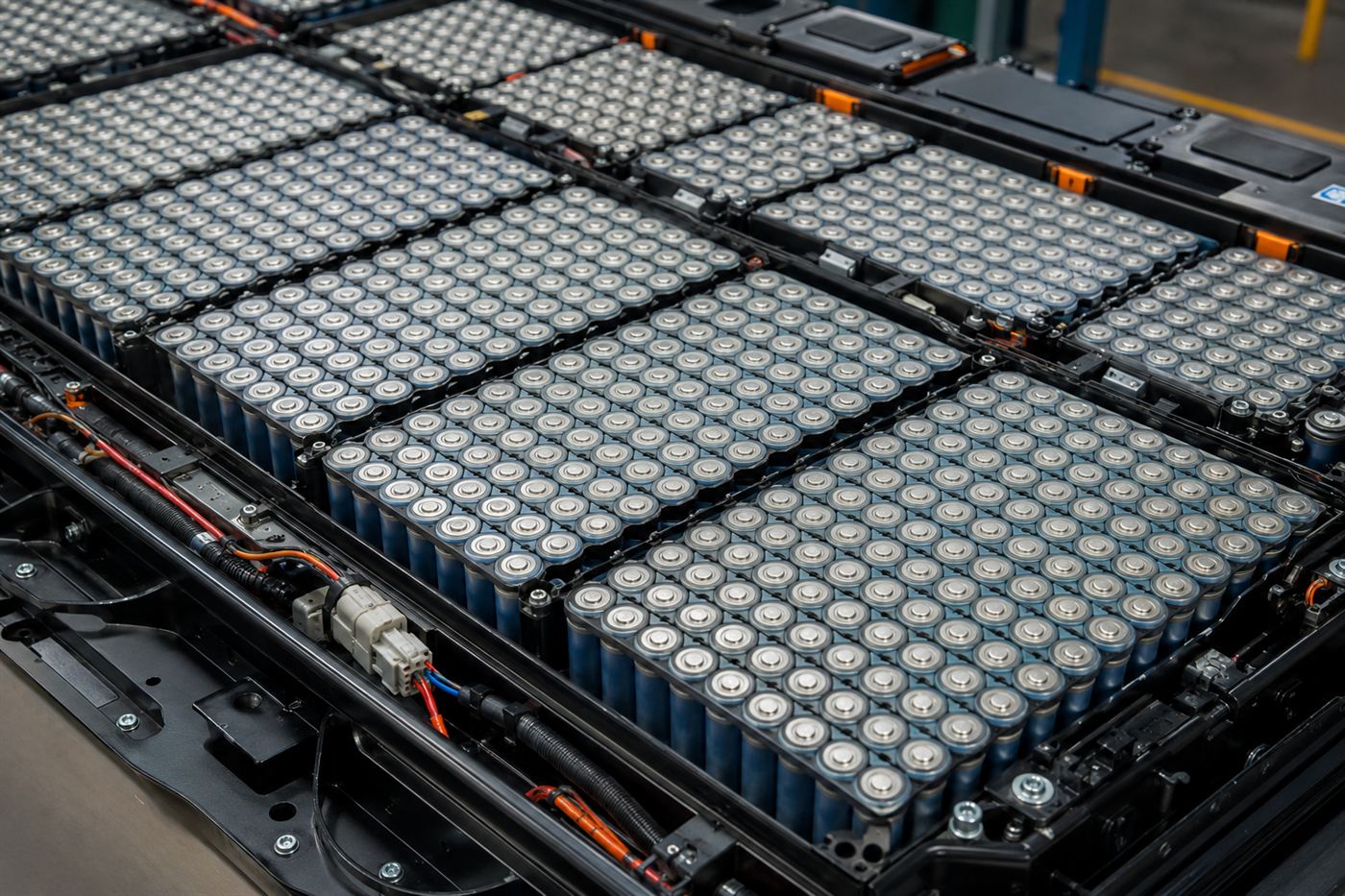
Cocconi's second masterstroke was the battery. The early car used heavy lead-acid cells, but he later rebuilt it around thousands of small lithium-ion cells, the same kind found in laptops. As CleanTechnica recounts, that lithium tzero could travel more than 300 miles on a charge, a range that made the usual complaint about electric cars suddenly look beatable. The idea of building a car battery from commodity laptop cells would go on to define the modern electric car.
The man Detroit ignored
Here is the twist that makes the story sting a little. Cocconi and his partner Tom Gage had, in effect, built a working prototype of the desirable electric car the whole industry insisted was impossible, and they could not interest the industry in it. AC Propulsion was a workshop, not a factory, and Cocconi was happier engineering than running a car business. Only a tiny handful of tzeros were ever made.
What they did have was a car that changed minds the moment people drove it. The tzero became a kind of travelling proof, a way of showing sceptics, in about four seconds flat, that an electric car could be something you actually wanted.
Did the tzero inspire Tesla?
It did more than inspire it; it more or less lit the fuse. Two entrepreneurs, Martin Eberhard and Marc Tarpenning, drove the lithium tzero and were electrified by it, and when Cocconi and Gage declined to put the car into production themselves, the pair decided to do it for them. As CNBC reports, that test drive helped set in motion the founding of Tesla, and Elon Musk's own decision to back electric cars came after experiencing AC Propulsion's technology.
They borrowed the tzero to pitch Silicon Valley investors, Musk among them, and the company they built, Tesla, put its first car on sale in 2008. The original Tesla Roadster was, in plain terms, the tzero idea made real and manufacturable, its hand-built parts swapped for a proper production body. A car almost nobody had heard of had become the seed of the most valuable car company in the world, built by a founding team that included the now-forgotten Ian Wright, who later left to electrify garbage trucks. One of those original Roadsters went on to an even stranger fate, becoming the first car ever launched into deep space.
The honest catch
The tidy version, "a garage genius invented the electric car and Tesla stole the glory," is too simple and a bit unfair to everyone. Cocconi chose not to mass-produce the tzero; he was a brilliant engineer who did not want to run a giant manufacturing business, and turning a hand-built prototype into millions of reliable cars is a colossal, separate achievement that took enormous capital and effort. Tesla's success was about execution as much as inspiration. One garage tinkerer who did go on to build the company himself was Mate Rimac, the Croatian who started with an electric BMW and ended up running Bugatti.
It is also worth remembering how many hands the modern electric car passed through. The lithium battery chemistry came from other inventors, the broader EV revival had many parents, and Cocconi himself drew on years of earlier work, including the GM prototype. The tzero was a crucial spark, not a lone miracle, and Cocconi went on to pour his talent into electric aircraft rather than chase the car business.
Why a garage car still matters
The tzero matters because it shows how often the future arrives early, in a workshop, in the hands of someone who cares more about the idea than the money. Everything the world later decided it wanted from an electric car, real speed, real range, real desirability, was sitting in that little California shop years before the market caught up.
The big carmakers looked at it and shrugged. A few outsiders looked at it and saw what was coming. How many other world-changing machines do you think are sitting unbuilt in a workshop somewhere right now? Tell us in the comments.
Related reading: The quiet scientist who invented the lithium battery that powers almost every modern device, and did it in his 50s.