Ian Wright helped found Tesla and then walked away, ending up not in supercars but in the unglamorous business of electrifying garbage trucks, where the fuel savings are biggest
Everyone knows the names attached to Tesla. Almost nobody knows Ian Wright, one of its co-founders, who left early and made a stranger, smarter bet: that the future of electric vehicles was not a sleek sports car, but the garbage truck rumbling down your street.
Ian Wright went from co-founding Tesla to chasing the least glamorous EV of all, and the one that saves the most fuel. Illustration: Watts & Wild.
Ian Wright is the Tesla co-founder history mislaid. A New Zealand-born engineer, he was one of the five people legally recognised as founders of the company that reshaped the car industry, yet his name almost never comes up. He left within about a year, long before the money and the fame arrived, and went off to prove a point about electric power that the rest of the world is only now catching up to.
His story is a useful corrective to the myth that the electric revolution is all about beautiful, fast, expensive cars. Ian Wright started out believing exactly that, and then the numbers changed his mind. The most important electric vehicle, he decided, was the one nobody wants to look at.
Ian Wright is one of the five people legally recognised as co-founders of Tesla, alongside Martin Eberhard, Marc Tarpenning, Elon Musk and JB Straubel. He left after about a year and founded Wrightspeed, which builds electric powertrains, eventually focusing on garbage trucks because that is where electrification saves the most fuel.
Ian Wright, the forgotten co-founder of Tesla
In the early 2000s, when Tesla was a handful of people and a wild idea, Ian Wright was right there at the start with founders Martin Eberhard and Marc Tarpenning. An accomplished engineer, he helped push the young company toward the high-performance approach that would define the first Roadster, the notion that an electric car could be genuinely thrilling rather than a worthy compromise.
But he did not stay. Ian Wright left Tesla after roughly a year, well before the Roadster reached customers and long before the company was worth anything like a fortune. The other founders rode Tesla to history; Wright stepped off the rocket early to chase his own version of the future, which is why he became the answer to a trivia question rather than a household name.
The fastest car nobody would fund
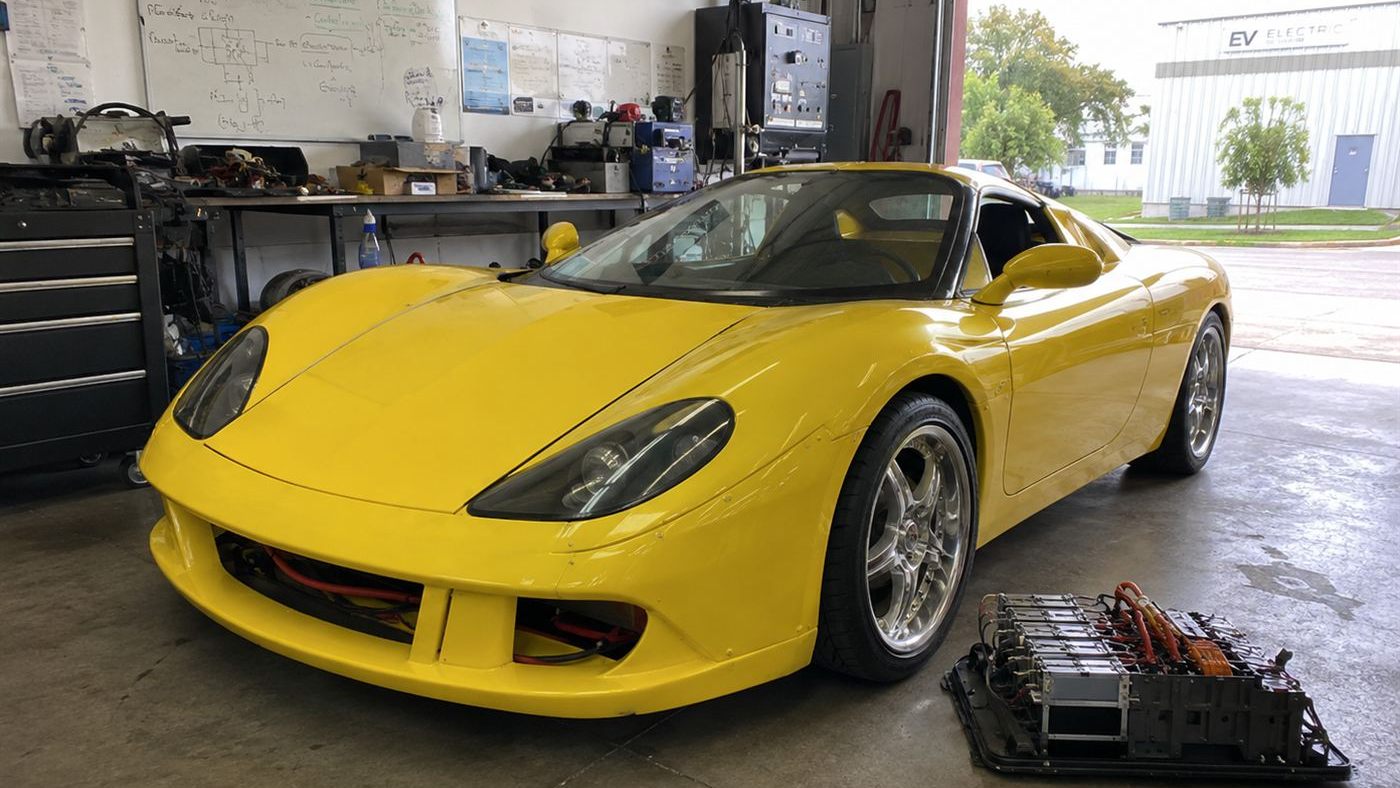
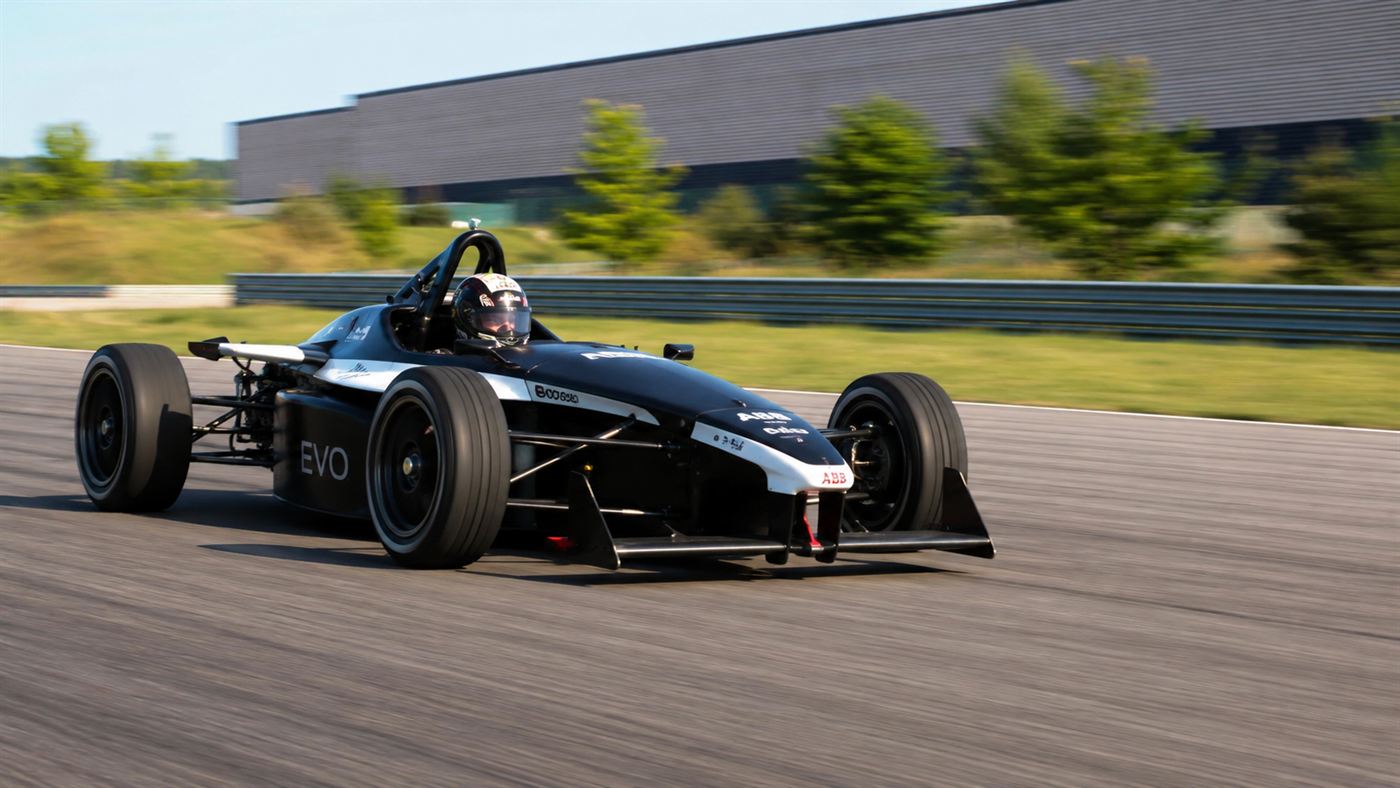
In 2005 he founded Wrightspeed and built a statement on wheels: the X1, a stripped-down street-legal electric prototype that could sprint from zero to 60 miles per hour in around 2.9 seconds, quick enough to humiliate the supercars of the day. It was meant to do for Wright what the tzero and the Roadster had done for others, to prove that electric meant fast.
The trouble was the business case. Investors looked at a niche of a few hundred ultra-rich buyers and balked, and Wrightspeed could not raise the money needed to turn the X1 into a real product. Wright had built a brilliant toy and run straight into the wall that has stopped many an electric powertrain dream: a great car is not the same as a great business.
Why garbage trucks beat sports cars
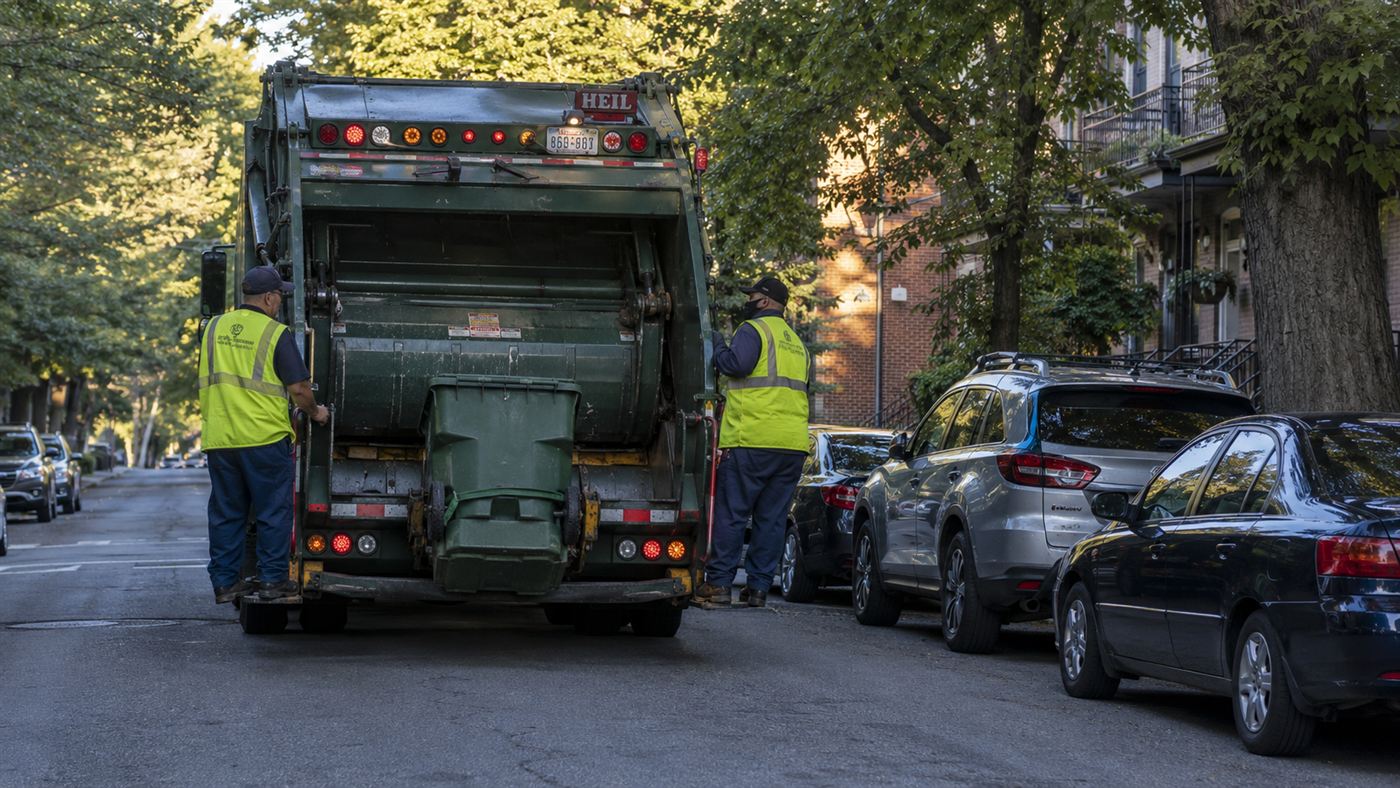
So Wright did something unusual for a Silicon Valley founder: he followed the math instead of the glamour. He worked out that the vehicle with the most fuel to save is not a sports car, or even a family sedan, but the humble garbage truck. The figures are startling. A typical American garbage truck gets only about three miles per gallon, stops and starts roughly a thousand times a day, and burns through something like 55,000 dollars of fuel a year, with another 30,000 dollars going on maintenance, much of it brakes.
That makes garbage trucks close to the perfect electric vehicle. All those stops mean an electric drivetrain can claw back huge amounts of energy through regenerative braking instead of wasting it as heat, and the dreadful fuel economy means even partial electrification saves serious money. Electrifying one garbage truck can cut more fuel use than electrifying dozens of cars, which is exactly the kind of unglamorous, high-impact maths that excited Ian Wright and, unlike the supercar, attracted real investment.
A turbine in the trash truck
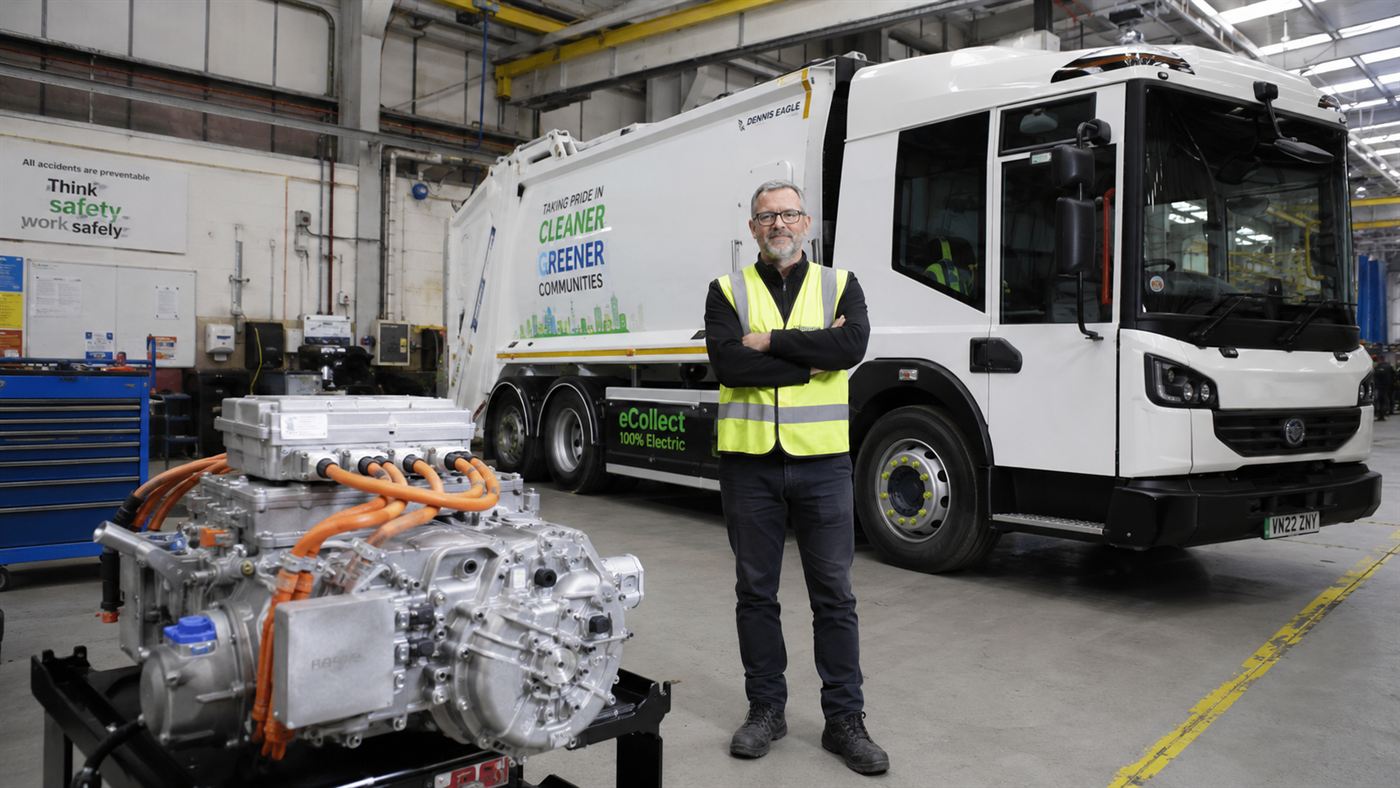
The machine Wright built to do it is wonderfully odd. Wrightspeed's system, called the Route, is a range-extended electric powertrain: electric motors drive the wheels, but instead of relying only on a huge, heavy battery, a small gas turbine on board acts as a generator to keep the batteries topped up on long routes. That turbine will happily burn natural gas, diesel, or biodiesel, sidestepping the range and weight problems that plague battery-only heavy trucks.
It is a pragmatic, almost stubborn piece of engineering, designed to be retrofitted into existing garbage trucks and delivery vans rather than waiting for a perfect all-new electric fleet. Where Tesla chased the dream car, Ian Wright chased the dull, dirty, money-losing workhorses of the road, on the logic that fixing the worst polluters first does the most good. It is the opposite of sexy, and arguably more useful.
The honest catch
It would be neat to end with the forgotten founder triumphant, but the truth is messier. Wrightspeed has had a hard road; the heavy-truck business is brutal, the turbine-based electric powertrain proved complicated and costly to perfect, and the company has had to downsize and refocus rather than conquering the market. Being right about the idea is not the same as winning with it.
His "co-founder" label deserves a small footnote too. Ian Wright is one of five recognised Tesla founders thanks to a 2009 legal settlement, but he was an early employee and engineer who joined after the company was started, not a founder from day zero, and he left quickly. None of that undoes the real insight at the heart of his story. While the world fixated on glamorous electric cars, one of Tesla's own founders quietly pointed at the garbage trucks and said, that is where the carbon and the savings really are. He may yet turn out to have been the most clear-eyed of them all.
A Tesla co-founder walked away from supercars to electrify garbage trucks because that is where the fuel really burns. Is fixing the ugliest, dirtiest vehicles first the smarter way to go electric? Tell us in the comments.
Related reading: The handmade electric sports car in a small California workshop that quietly lit the fuse that became Tesla.