Mate Rimac was mocked for turning an old BMW into an electric racer in his garage at 18, and now he builds the fastest car on Earth and runs Bugatti
Mate Rimac was an 18-year-old in Croatia when his old BMW's engine blew up, so he rebuilt it as an electric car in his garage and got laughed at. Fifteen years later, his company builds the fastest production car in the world and owns Bugatti.
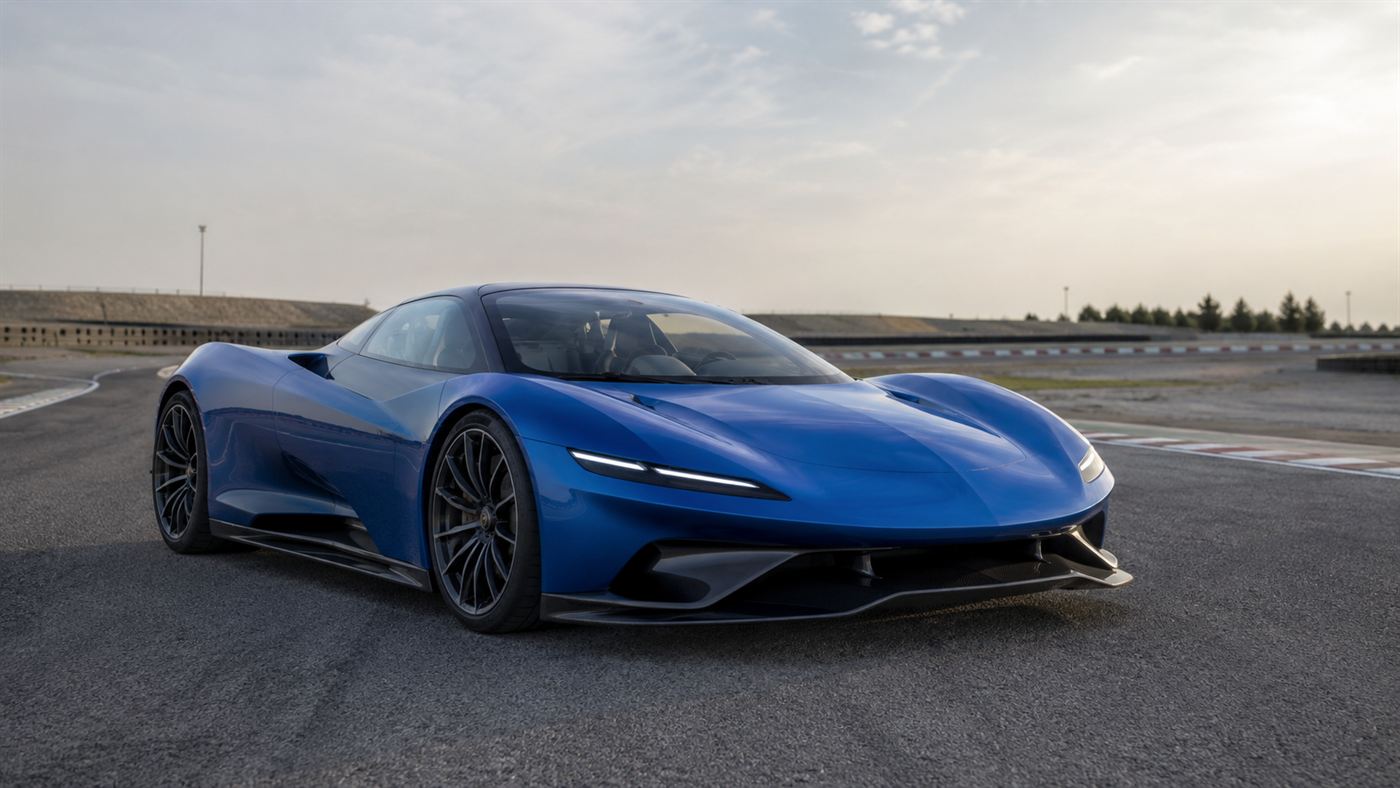
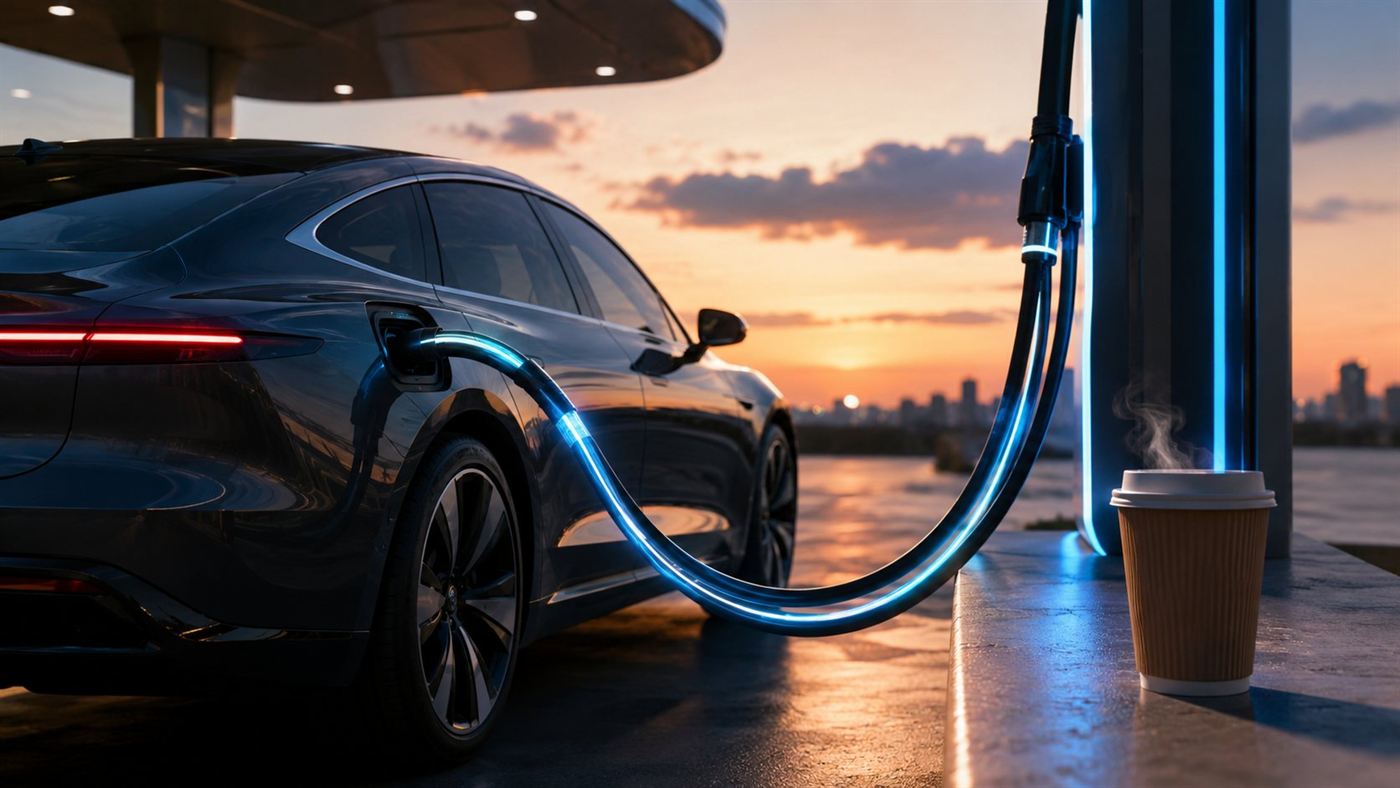
The Rimac Nevera, the electric hypercar that began with a teenager's broken BMW. Illustration: Watts & Wild.
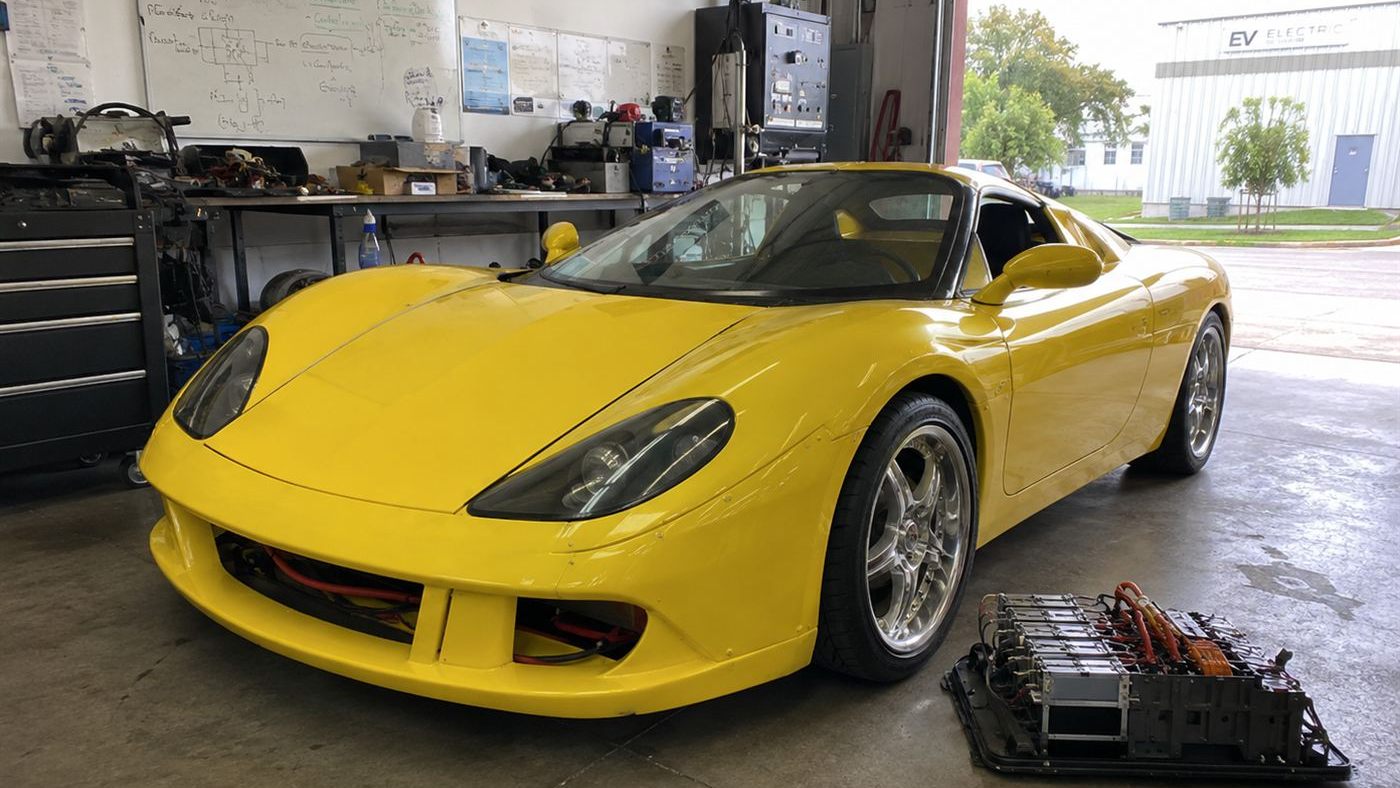
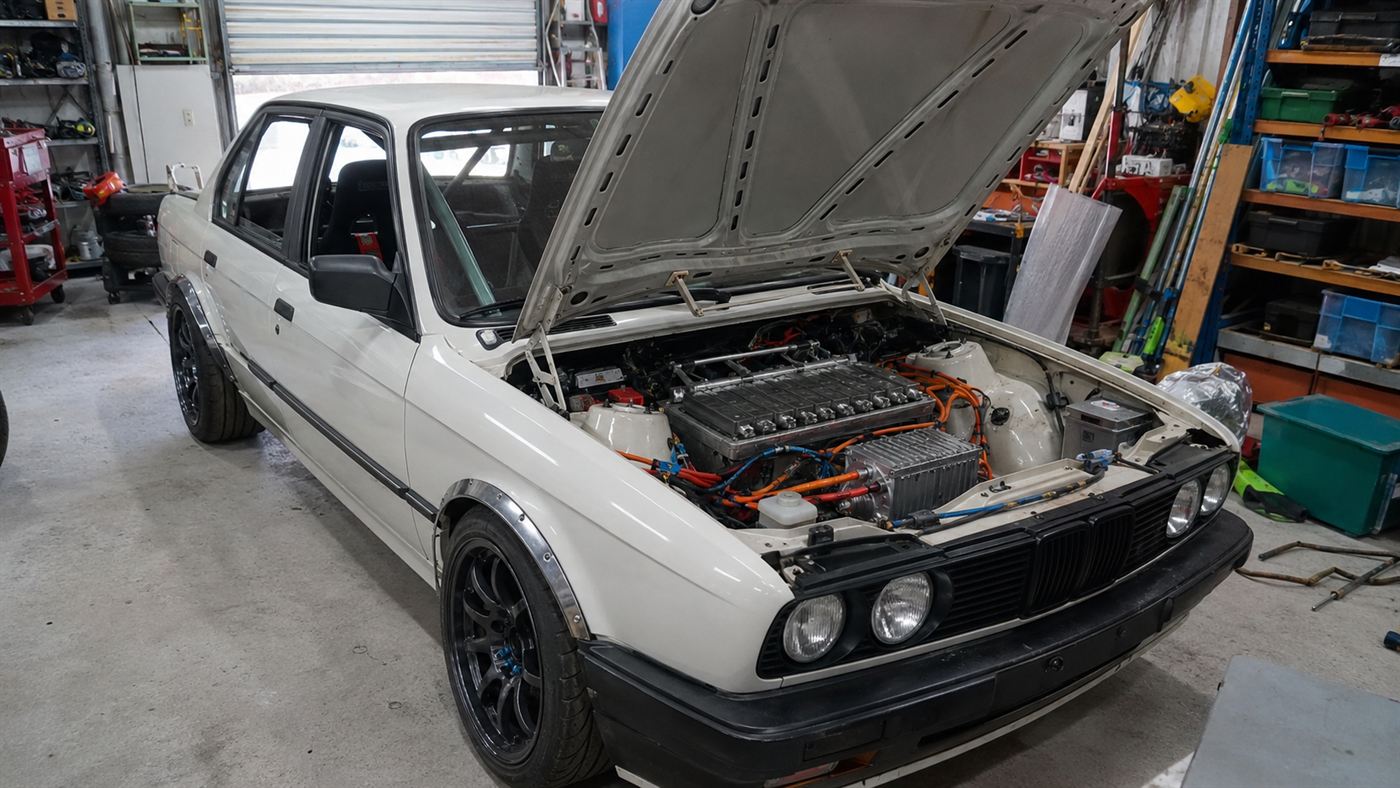
Mate Rimac did not set out to humiliate the supercar establishment; he just had a broken BMW. In 2006, at 18, the Croatian teenager bought a battered 1984 BMW E30 to go racing, and when its petrol engine exploded on the track, he made a decision his friends found ridiculous. Inspired by his hero Nikola Tesla, he decided to rebuild the car to run on electricity, by hand, in his own garage.
The result, a homemade electric BMW he nicknamed the Green Monster, was supposed to be a punchline. Instead it started smashing records. As BMWblog has chronicled, by 2011 the converted E30 held five Guinness and FIA world records as the fastest-accelerating electric car, with around 600 horsepower and a sprint to 100 km/h in well under four seconds. The "washing machine," as rival racers had sneered, was beating petrol cars off the line.
Who is Mate Rimac? Mate Rimac is a self-taught Croatian engineer and entrepreneur who founded Rimac Automobili in 2009 after converting an old BMW into a record-breaking electric racer. His company builds the Nevera, the world's fastest production electric car, and in 2021 took over the French brand Bugatti.
The garage electric car that beat petrol
The Green Monster was not a styling exercise; it was a brutally fast machine built out of stubbornness. Mate Rimac taught himself the electronics, the battery management, the motor control, learning by failing in a country with almost no electric-car industry to lean on. When the records came, on a military runway near Zagreb, they were not a stunt. They were proof that a kid with a soldering iron understood something the giants of the car world were still ignoring.
That gap is the whole story. In the late 2000s, serious people still treated electric cars as slow, dull and a little embarrassing. Rimac's grubby BMW, screaming silently down a runway and rewriting the record books, was an early, very loud argument that electric did not have to mean boring. He had stumbled onto the future a few years before most of the industry admitted it existed.
From a hobby to Rimac Automobili
In 2009, Rimac turned the obsession into a company, Rimac Automobili, founded in Sveta Nedelja near Zagreb and run, at first, out of that same garage with a handful of engineers. Money was scarce and credibility scarcer; a Croatian startup promising to out-engineer Ferrari sounded like a fantasy. Two years later, at the 2011 Frankfurt motor show, the tiny team unveiled the Concept One, billed as the world's fastest production electric car.
Only eight Concept One cars were ever built, and the project nearly broke the company more than once. But it did something more valuable than sell in volume: it announced that this garage outfit could design and build a complete electric hypercar from the ground up, motors, batteries and software included. That capability, not the handful of cars, was the real product.
The Nevera: 1,914 horsepower and 1.85 seconds
The car that made the world pay attention was the Rimac Nevera, shown in production form after years of development. It uses four electric motors, one at each wheel, producing a combined 1,914 horsepower. That hurls it from 0 to 60 miles per hour in about 1.85 seconds and on to a top speed near 258 miles per hour, figures that put it among the fastest-accelerating road cars ever made, electric or otherwise.
For context, those numbers humble the most exotic petrol hypercars from Ferrari, Lamborghini and McLaren. A car designed and built in Croatia, by a company that began with a dead BMW, now sets the benchmark the entire performance-car world measures itself against. The electric hypercar stopped being a curiosity and became the thing to beat.
How a kid from Croatia ended up running Bugatti
The strangest twist came in 2021. Volkswagen, which owned the legendary French marque Bugatti, agreed to fold it into a new company, Bugatti Rimac, with Mate Rimac himself as chief executive. The maker of the petrol-powered, multimillion-euro Bugatti Veyron and Chiron, the ultimate symbols of the combustion supercar, would now be steered by the man who had been mocked for building an electric BMW in his shed.
It is hard to overstate how unlikely that is. In little more than a decade, Rimac went from a teenager ridiculed at a Croatian race track to the boss of one of the most prestigious names in automotive history, still in his early thirties. The apprentice did not just join the masters; he was handed the keys to their temple.
Why carmakers buy from Mate Rimac
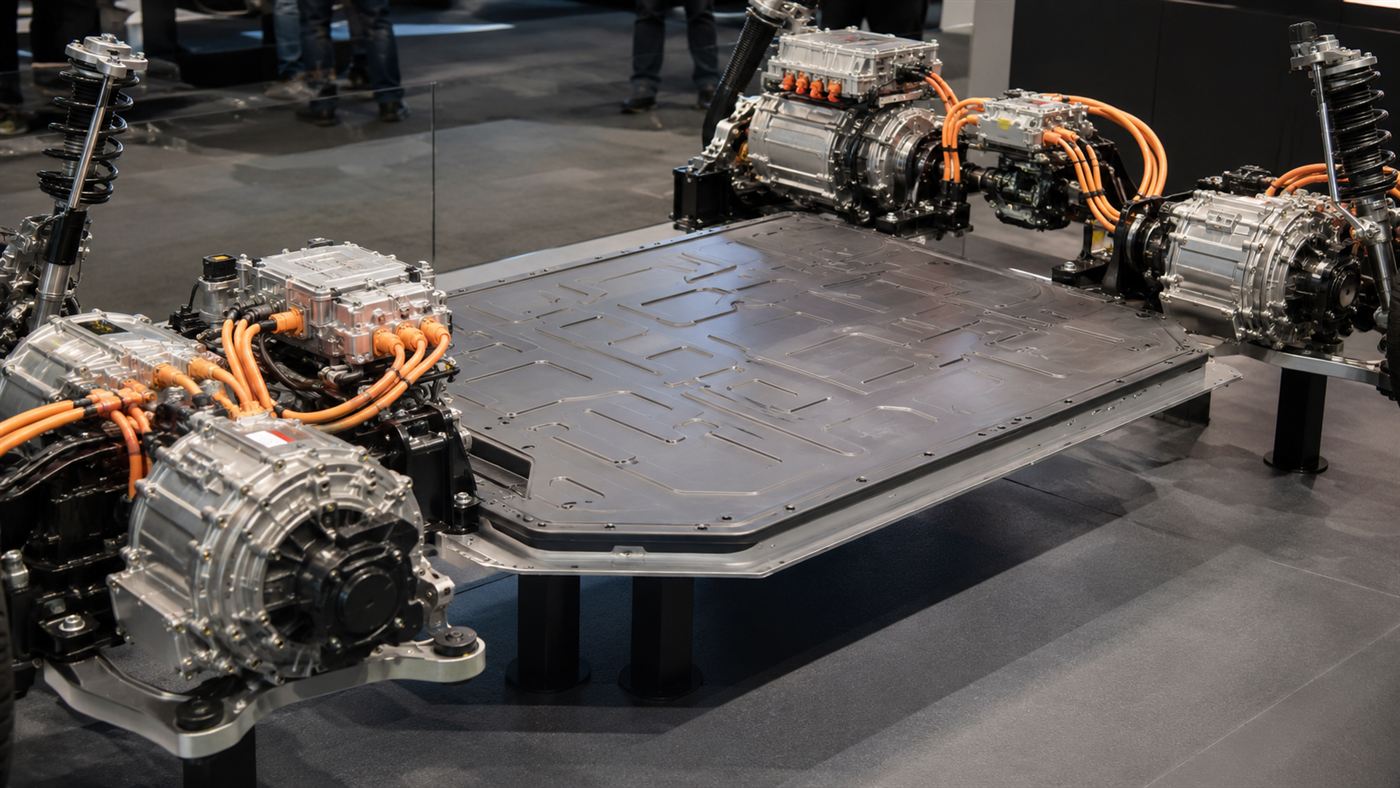
Here is the part the horsepower headlines tend to bury. Rimac's most important business is not selling a handful of hypercars to billionaires; it is selling electric guts to other carmakers. The batteries, motors, inverters and control software the company perfected on its record-chasing cars are now supplied to established manufacturers, and giants including Porsche and Hyundai have invested heavily and poured billions into the operation.
In that light, the Nevera is really a rolling laboratory and a billboard. Every record it sets advertises the engineering that Mate Rimac actually sells by the crate to companies that build far more ordinary cars. The garage tinkerer turned out to be sitting on exactly the technology the whole industry suddenly needed.
The honest catch
It is worth keeping the fairy tale honest. A 2-million-euro hypercar built in numbers you can count is a toy for the ultra-rich, and the eye-watering performance figures are, in large part, marketing for the components business behind them. The romance of the lone garage genius is real, but Rimac also got where he is by raising enormous sums from Porsche, Hyundai, Goldman Sachs and others, the opposite of going it alone.
None of that dims the achievement. Rimac built world-beating electric machines years before the established giants took the idea seriously, in a country nobody expected it from, starting with a soldering iron and a wrecked BMW. Whether Bugatti Rimac can turn that into a lasting, profitable business is the open question. But the part where a mocked teenager ended up holding the fastest car on Earth and the keys to Bugatti already happened.
A teenager laughed out of a Croatian race track for building an electric BMW now makes the fastest car on the planet and runs Bugatti, before turning thirty-five. Does Rimac's rise convince you the future of the supercar is electric, or is it still a rich person's toy? Tell us what you think in the comments.
Related reading: The garage-built electric sports car that convinced the founders of Tesla it could be done.