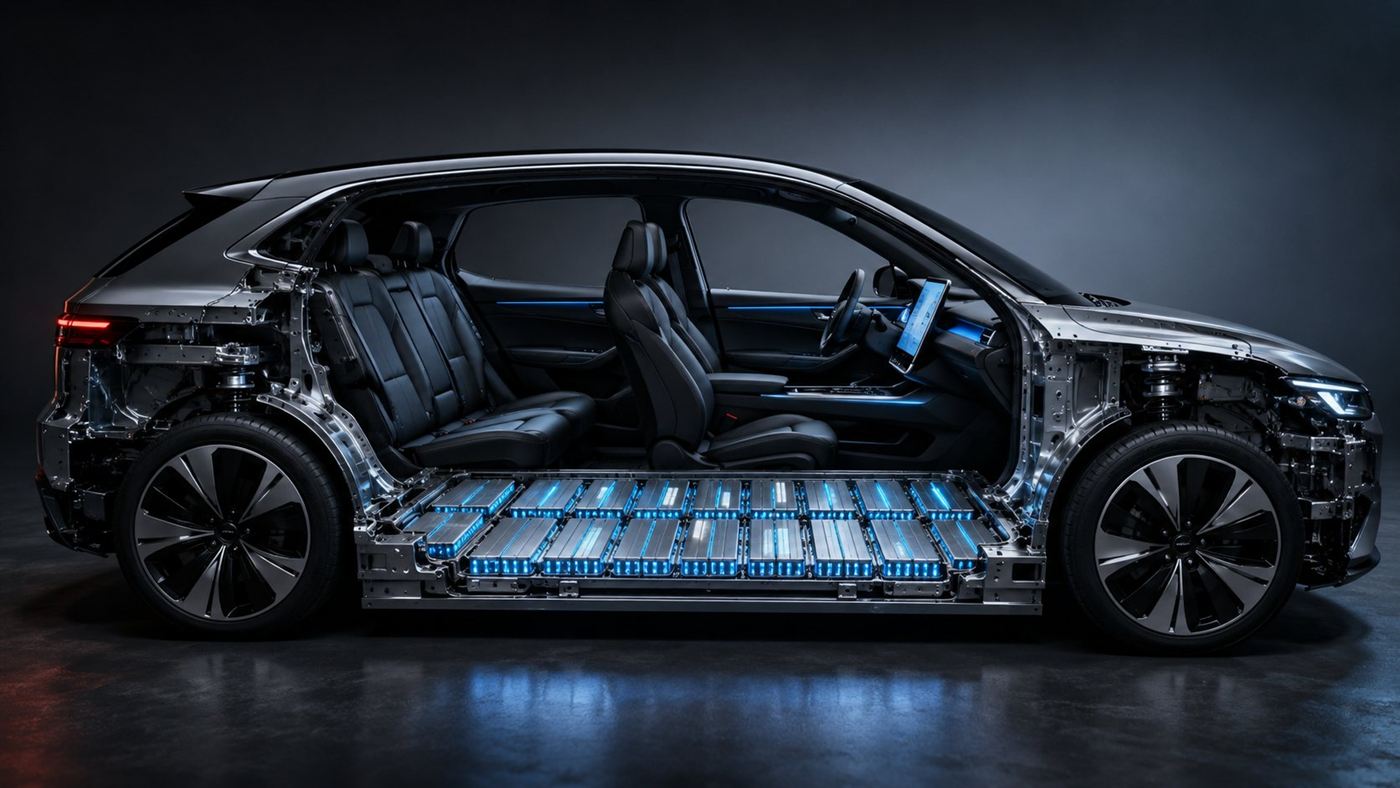
In 1974 an engineer built a hybrid that doubled the mileage and cut emissions to a tenth, and a single government official killed it on principle
Long before the Toyota Prius, an American engineer named Victor Wouk built a working hybrid car that used far less fuel and put out a fraction of the pollution. The United States government had paid him to try, then refused the result. The idea sat on a shelf for twenty years.
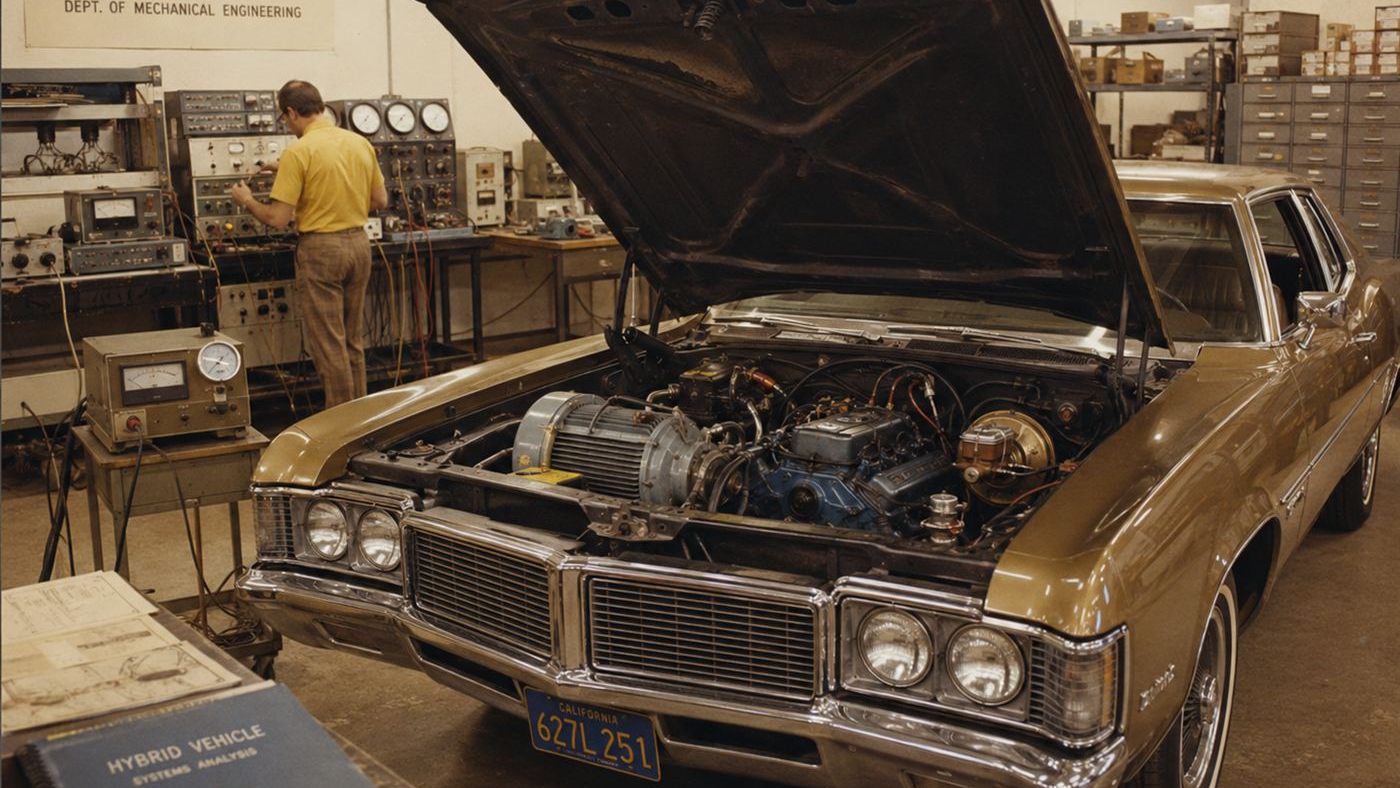
Victor Wouk's hybrid Buick Skylark, decades ahead of its time. Illustration: Watts & Wild.
Victor Wouk was an electrical engineer with a sharp mind and, as it happens, a famous surname. He was the younger brother of the novelist Herman Wouk, the author of The Caine Mutiny and The Winds of War. Victor's own talent was for power electronics, the unglamorous art of turning one kind of electric current into another, and in the early 1970s he became convinced that a car could run cleaner by marrying an electric motor to a small engine.
The timing looked perfect. American cities were choking on smog, and the new Environmental Protection Agency launched a Clean Car Incentive Program to fund vehicles that could cut pollution. Wouk's proposal for a hybrid was accepted in 1971, and he set out to prove that the concept could work in a normal, full-sized American car rather than some cramped experiment.
How Victor Wouk built the first modern hybrid
Wouk and his collaborators put around 300,000 dollars of effort into converting an ordinary 1972 Buick Skylark. Into it went a 20-kilowatt electric motor working alongside a compact Mazda rotary engine, the two sharing the work so that the car could be efficient in the city and capable on the open road. It was, in effect, the first full-size modern hybrid, decades before the idea became familiar.
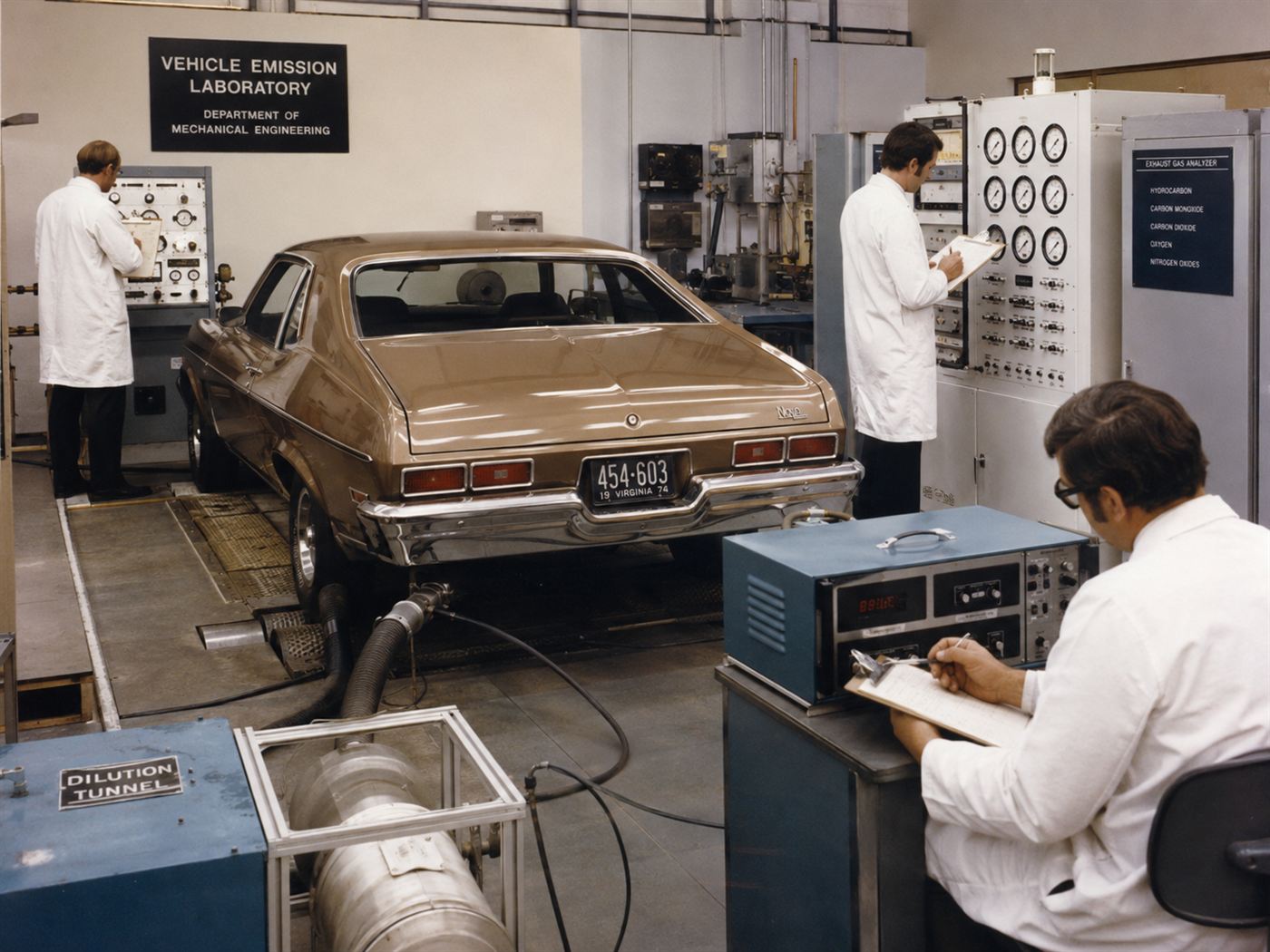
And it performed. As The New York Sun noted in his obituary, Wouk's hybrid Skylark prefigured today's hybrids, and when it was tested at the EPA's own emissions laboratory in Ann Arbor, Michigan, the numbers were striking. The car more than doubled the fuel economy of the standard Skylark, and its emissions came in at only around nine percent of those from a typical gasoline car of the day.
The official who said no on principle
Then came the wall. Instead of a green light, Wouk got months of correspondence and doubt. As Smart Mobility London recounts, an EPA official acknowledged that the hybrid had better fuel economy and lower emissions, but was simply opposed to the hybrid approach, and the agency declined to back it further. The very program meant to encourage clean cars had produced one and then turned away from it.
For Wouk it was crushing. He believed the rejection was unfair, the work of a biased decision dressed up in process, and the fight drained him. In his own words, by 1976 he was so disgusted that he gave up the project. The first practical modern hybrid was quietly shelved, not because it failed, but because the people who asked for it would not take it.
Was Victor Wouk proved right?
He was, though he had to wait most of his life for it. Wouk never really let go, spending the following decades writing articles and letters insisting that hybrids were the sensible way forward, often to people who were not listening. He had been right too early, which in engineering can be just as lonely as being wrong.
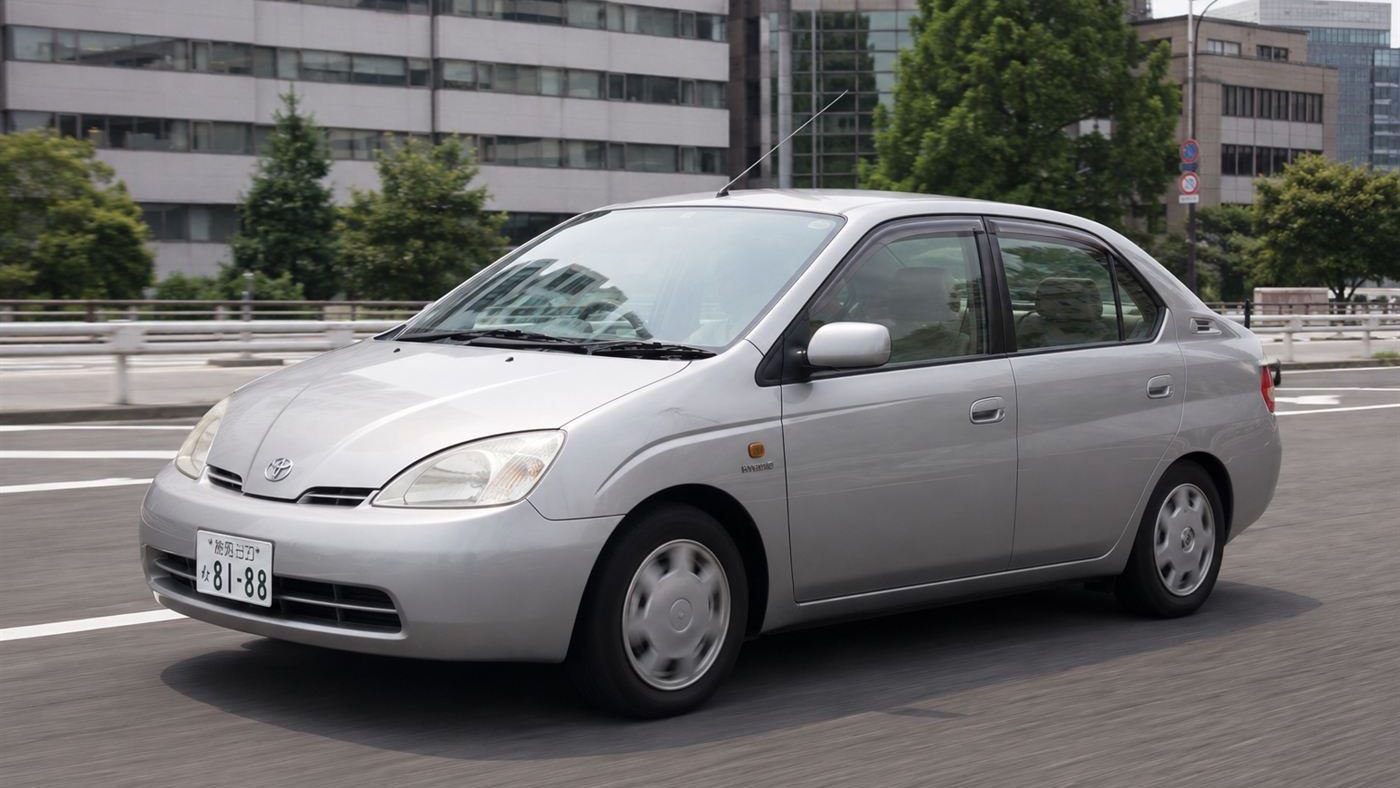
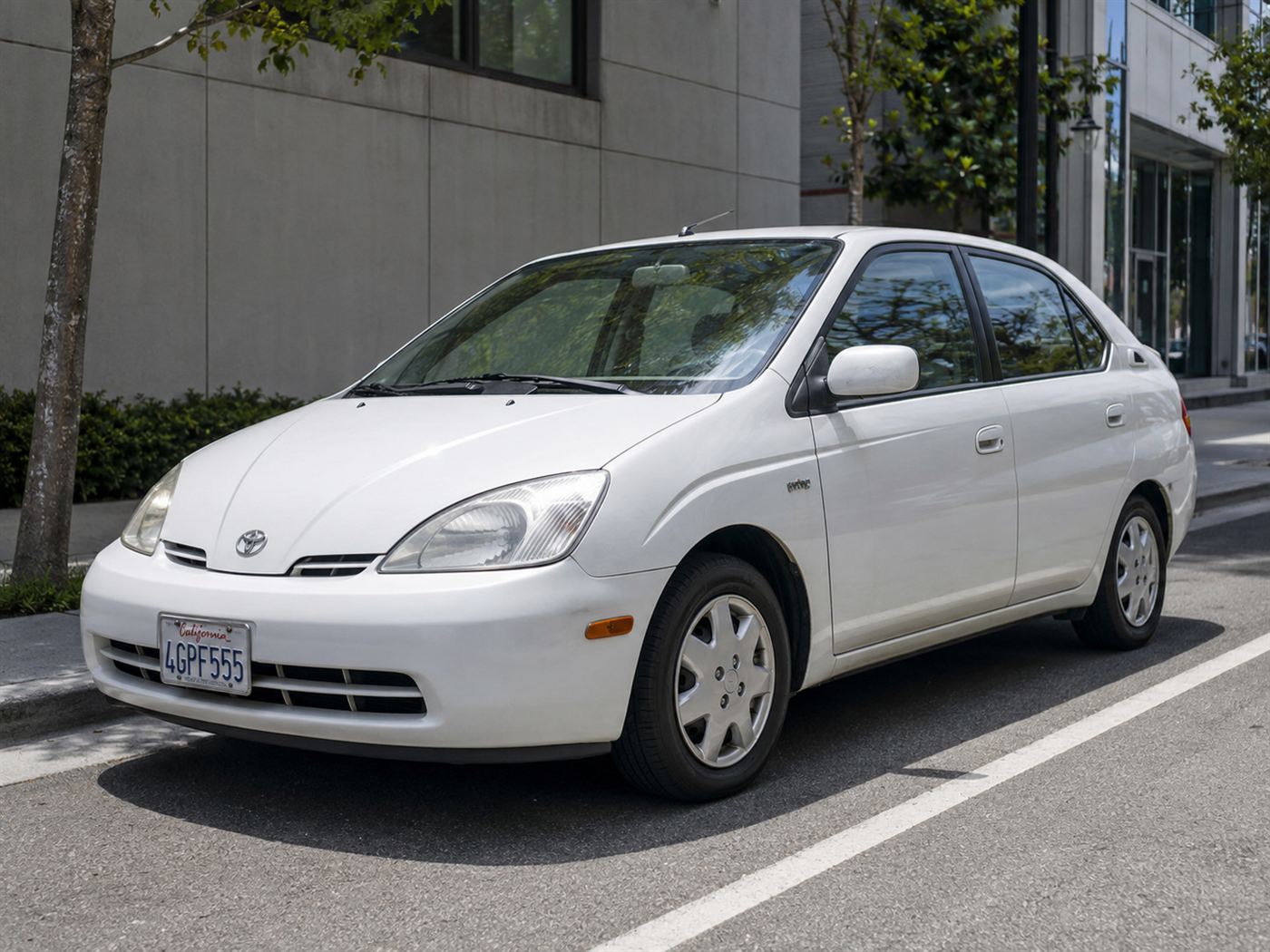
Then in 1997 the Toyota Prius arrived and quietly proved his whole argument, going on to sell in the millions and to make "hybrid" a household word. As Columbia College Today describes, Wouk came to be called the godfather of the hybrid, and he was gratified enough by the Prius to buy a white one himself. He died in 2005, having lived to see the idea he was refused become ordinary.
The honest catch
A few things keep this from being a simple tale of one villain and one hero. Wouk's car was not the first hybrid ever; that idea goes back to Ferdinand Porsche around 1900. What Wouk built was the first practical, full-size modern hybrid, which is a more precise and still impressive claim. And his prototype, however clever, was a one-off, a long way from something a factory could build by the thousand.
The bureaucrat-as-villain version is also Wouk's own bruised account. The official had genuine doubts about reliability, cost and whether the strange rotary-engine car really met the terms of the bid, so the refusal was stubborn and short-sighted rather than simply corrupt. The deeper truth is less satisfying but more useful: good ideas can be killed by honest caution as easily as by malice, and being right early is no protection at all.
Why a buried prototype still matters
The story lands because it shows how close we can come to a better path and still miss it. The mileage and emissions figures from that Skylark in 1974 were good enough to matter, and a different decision might have put efficient hybrids on American roads a generation sooner, during the very years of oil shocks and smog that made them most needed.
Instead the world waited. If a working clean car can be built and then refused, how many other good ideas are sitting in someone's garage right now, waiting twenty years for their moment? Tell us in the comments.
Related reading: Before Porsche meant roaring engines, a young Ferdinand Porsche built an electric car and then the world's first hybrid in 1900.