In 1914 Edison and Ford promised the world a cheap electric car for everyone, then it quietly vanished and gasoline ruled for a century
More than a hundred years before Tesla, the two most famous men in American industry teamed up to build an affordable electric car. The Edison Ford electric car was announced in the newspapers, backed by a brand-new battery, and meant for the masses. Then it slipped away, and the gasoline age rolled on.
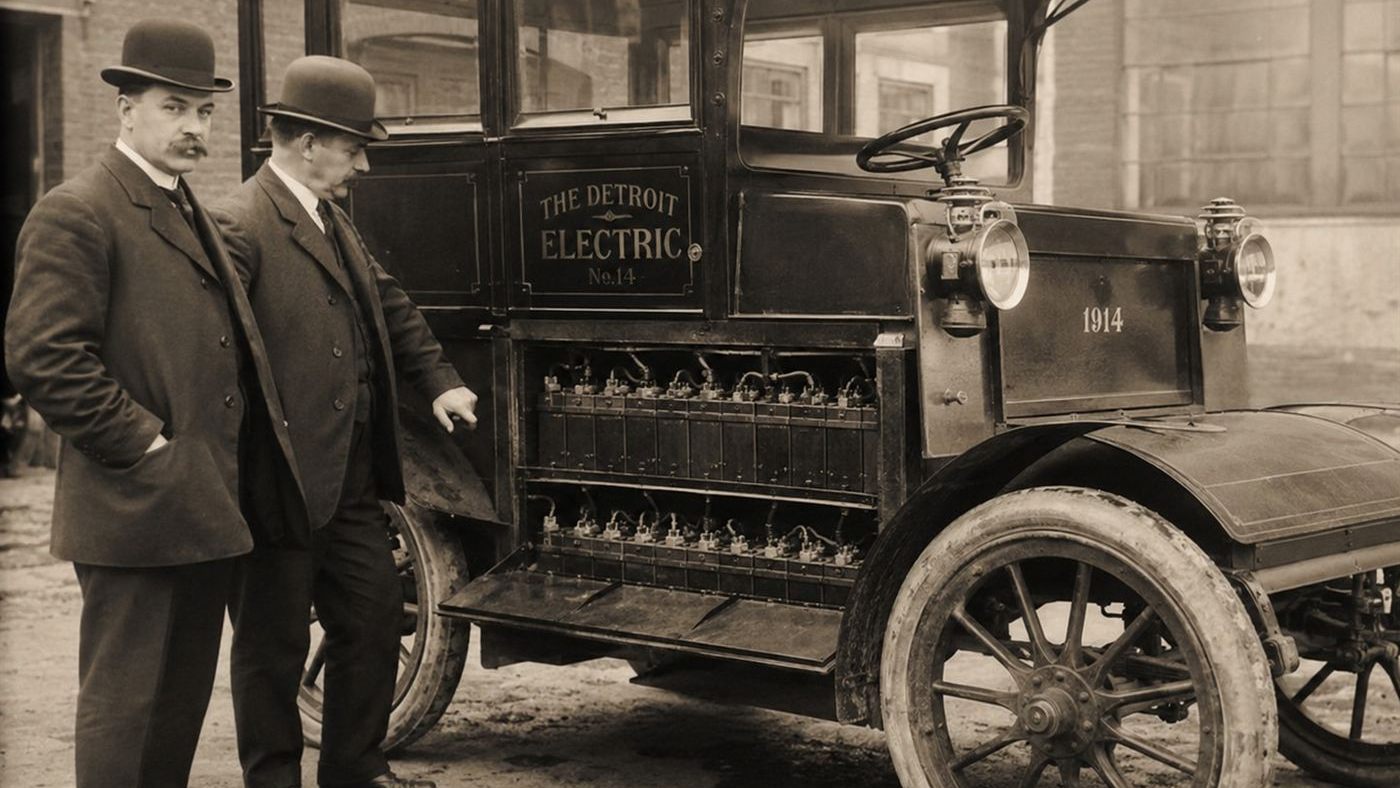
The 1914 dream: a cheap electric car from Edison and Ford. Illustration: Watts & Wild.
It helps to remember how close the race once was. In the early 1900s, electric cars were not a fringe idea at all; they were quiet, clean and easy to drive, popular in cities and especially with people who did not want to wrestle a hand crank to start a petrol engine. The motorcar's future genuinely hung between electricity and gasoline, and two friends thought they could tip it toward electricity.
Those friends were Thomas Edison and Henry Ford. Ford had idolised Edison since working as a young engineer, and the older inventor had become both a hero and a close companion. By 1913 Ford was a colossus thanks to the Model T, and Edison had spent years perfecting a new kind of battery. Together they decided the world was ready for an electric Ford.
What was the Edison Ford electric car?
The plan was bold and public. As Hagerty recounts, from late 1913 Ford and his staff ran a publicity campaign, and reports appeared in the Wall Street Journal and the motoring press that Ford was building an inexpensive electric car to sell alongside the Model T. In a 1914 interview, Edison amplified it, and Ford spoke of years of joint work and experimental cars already built, with the way "clear to success".
This was not a vague daydream. The two had real prototypes and a real strategy: use Ford's genius for cheap mass production and Edison's new battery to put an electric car within reach of ordinary buyers, exactly the combination that, decades later, would finally make electric cars take off. For a moment in 1914, it looked as if the future had arrived early.
The battery that promised everything
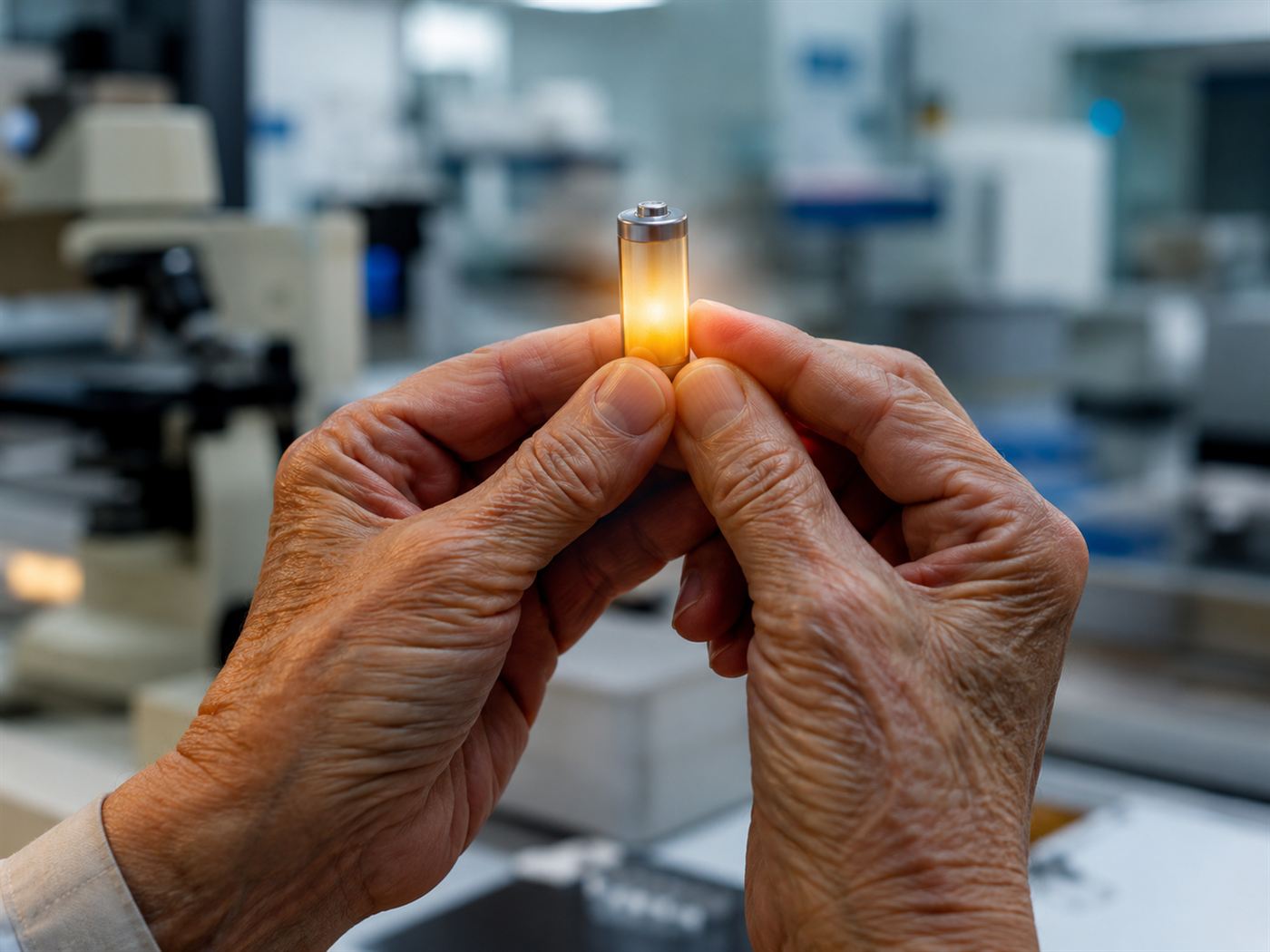
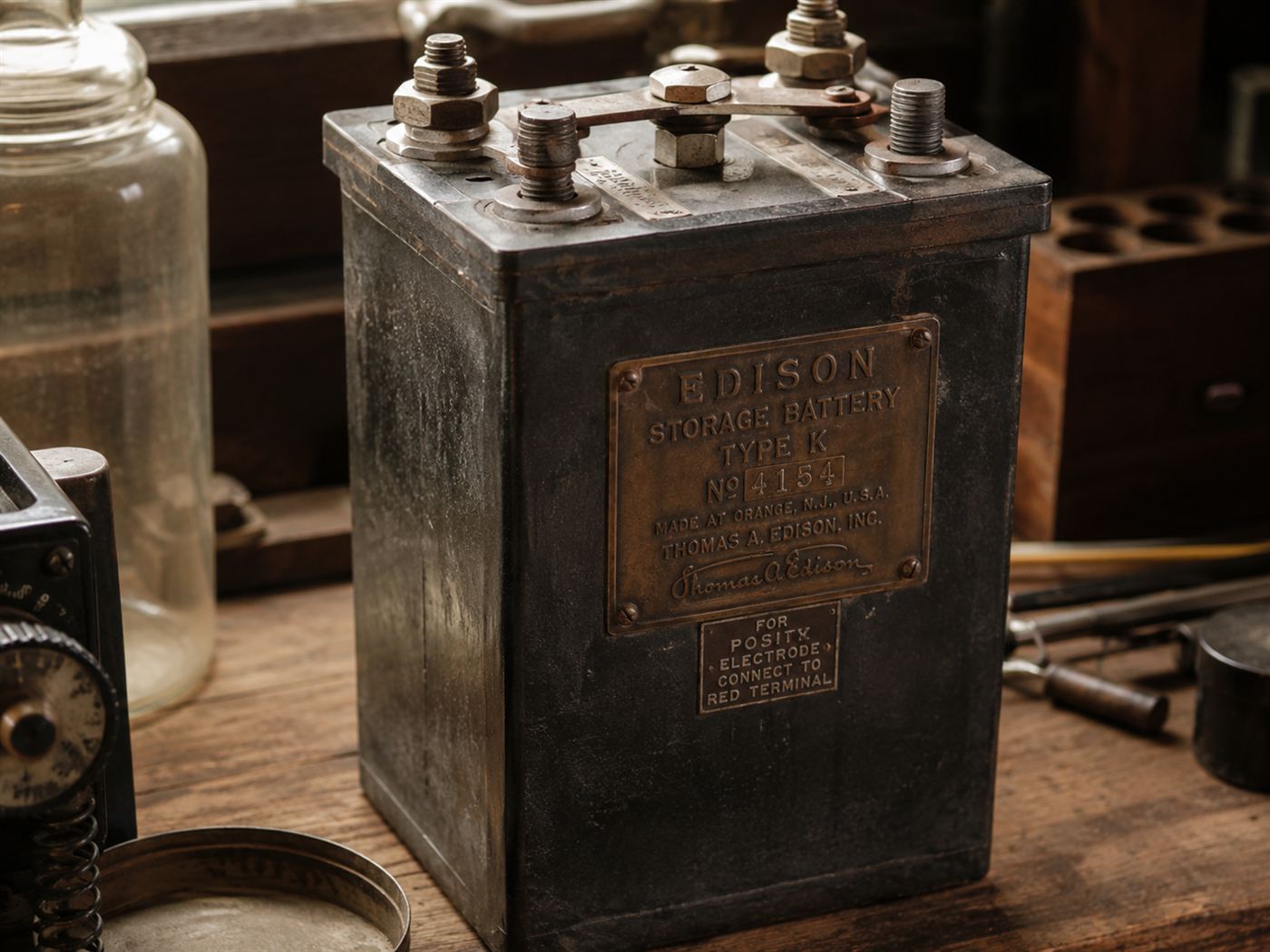
Everything rested on Edison's pride and joy, the nickel-iron battery. As Open Culture notes, the nickel-iron battery was far more durable than the lead-acid batteries of the day, able to survive many more charge and discharge cycles. It was tough, long-lived and, Edison believed, the key that would unlock the electric car. On paper, it was a genuine breakthrough.
In a car, though, its flaws were fatal. As Jalopnik explains, the nickel-iron battery had high internal resistance, which meant it charged slowly, could only deliver a limited current at a time, and stored too little energy for its weight. A battery that lasts for years is no use if it cannot push a car along briskly or be recharged in a reasonable time, and this one was also heavy and expensive. The very chemistry meant to win the race was holding the car back.
Why the Ford electric car failed
Add it all up and the electric Ford never had a clear road. The battery could not deliver the performance buyers wanted, and it cost too much. Ford is reported to have sunk something like 1.5 million dollars into the effort before walking away, a huge sum that bought experiments and headlines but no car on a showroom floor.
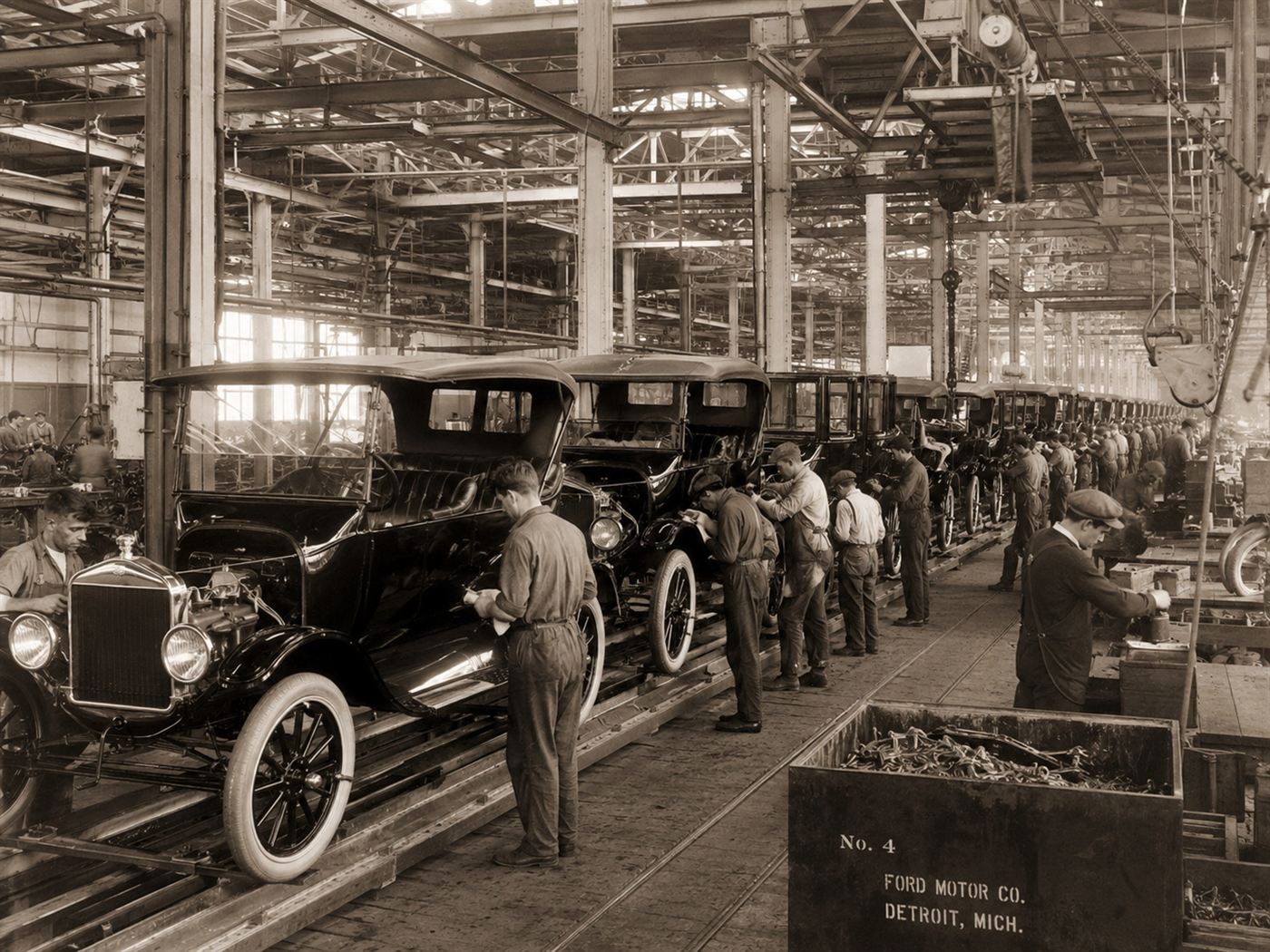
The world around the project was turning against it, too. Petrol was cheap and getting cheaper, the Model T was pouring off the assembly line at prices an electric could not match, and in 1912 the electric self-starter had arrived, removing the dreaded hand crank that had been the gasoline car's worst feature. The single biggest advantage electric cars held over petrol had just been wiped out. Gasoline won, and it would keep winning for the rest of the century.
The honest catch
It is tempting to frame this as a tragedy, two geniuses thwarted on the brink of a clean-car revolution, but the truth is more tangled. A good deal of the 1914 announcement was publicity, and how complete or roadworthy the prototypes really were is genuinely unclear. The electric Ford may have been more promise than product, which is part of why so little of it survives.
The popular idea that Edison and Ford "killed the electric car" is also too neat, and a little unfair. The real killers were structural: dirt-cheap gasoline, the unbeatable economics of the mass-produced Model T, and the electric starter that erased the petrol car's main drawback. Edison's battery had honest limits, not sabotaged ones, and Ford, who made his fortune on gasoline cars, was hardly a frustrated electric crusader. The car failed for ordinary reasons, which is somehow more sobering than a conspiracy.
Why a lost car still matters
The Edison Ford electric car is worth remembering because it shows the electric car is not a new idea that finally worked, but an old idea that had to wait for its technology to catch up. Everything Ford and Edison wanted, an affordable, mass-produced electric car for ordinary people, is exactly what the world is building now, just with batteries they could only dream of.
They had the vision and the ambition in 1914. What they lacked was the lithium-ion future. If the battery had been good enough back then, do you think we would have spent the last century on electric roads instead of petrol ones? Tell us in the comments.
Related reading: Sixty years later, another engineer built a clean car the system refused, until the Prius proved him right.