A rusty 1972 Datsun rebuilt in a garage as an electric drag car, the White Zombie, has spent decades beating Vipers and muscle cars off the line years before Tesla made electric cars cool
It looks like the saddest car at the track, a plain old economy coupe with peeling paint. Then the light goes green and the White Zombie vanishes, leaving a roaring V8 supercar staring at its tail lights. This is the homemade electric sleeper that has been embarrassing petrol for thirty years.
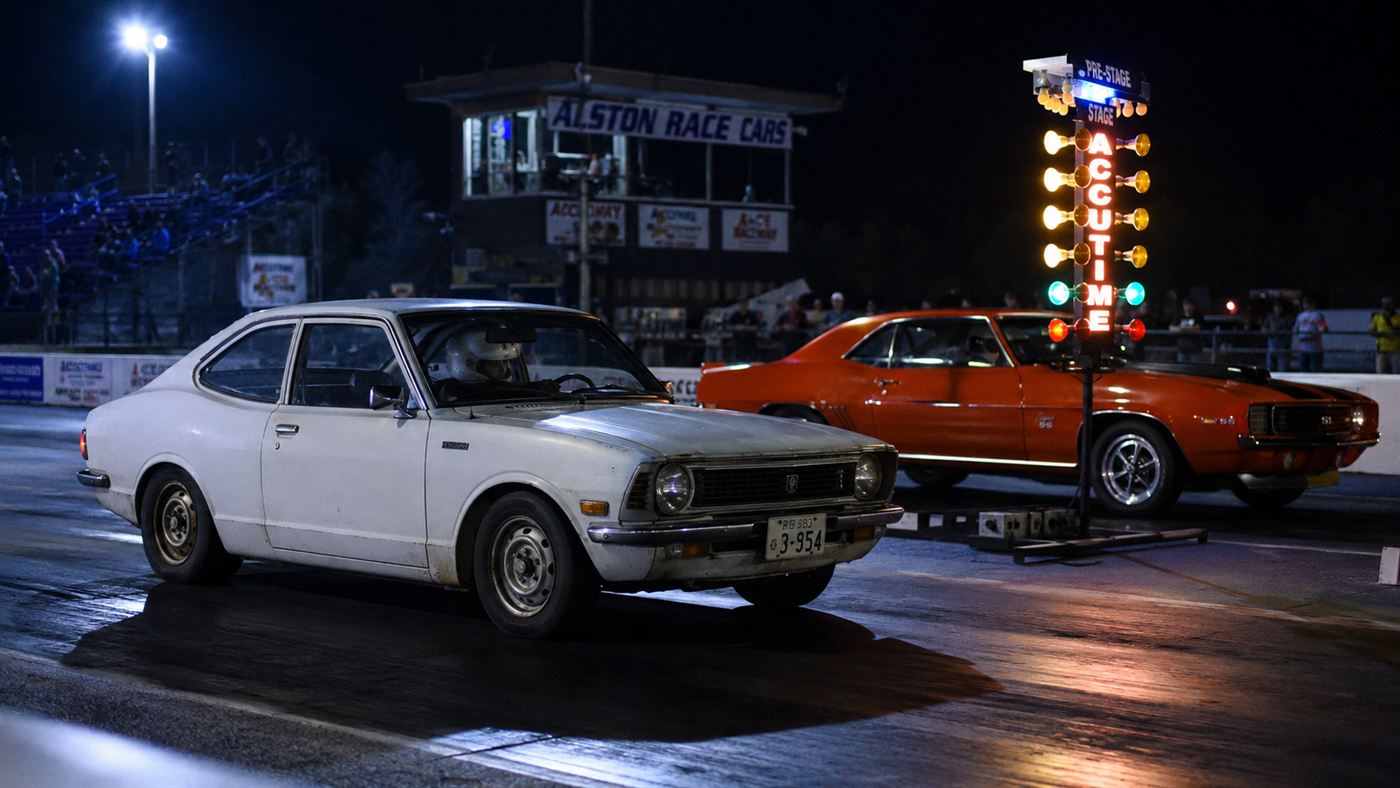
It is meant to look harmless. The White Zombie is a deliberately plain old Datsun hiding a brutal electric drivetrain. Illustration: Watts & Wild.
The White Zombie is the best argument that electric cars were fun long before they were fashionable. It is a 1972 Datsun 1200, one of the humblest economy cars Japan ever exported, rebuilt over decades by an Oregon enthusiast into a battery-powered monster that demolishes muscle cars at the drag strip. It has been doing this since the 1990s, as Car Talk has chronicled, a full generation before Tesla taught the public that "electric" and "quick" belong in the same sentence.
What makes the story so satisfying is the disguise. The car is kept looking like a tired old beater on purpose, a classic sleeper, so that the driver of some snarling Dodge Viper rolls up to the line, sees a rusty Datsun 1200, and assumes an easy win, right up until the silent little coupe disappears in a blur. Behind the wheel for all of it has been a Portland legend named John Wayland.
White Zombie is an electric drag car built by John Wayland from a 1972 Datsun 1200. Disguised as a plain old economy car, it became famous for beating muscle cars and supercars at the strip, and in 2010 it became the first street-legal electric car to run a quarter mile in under 11 seconds.
How John Wayland built the White Zombie
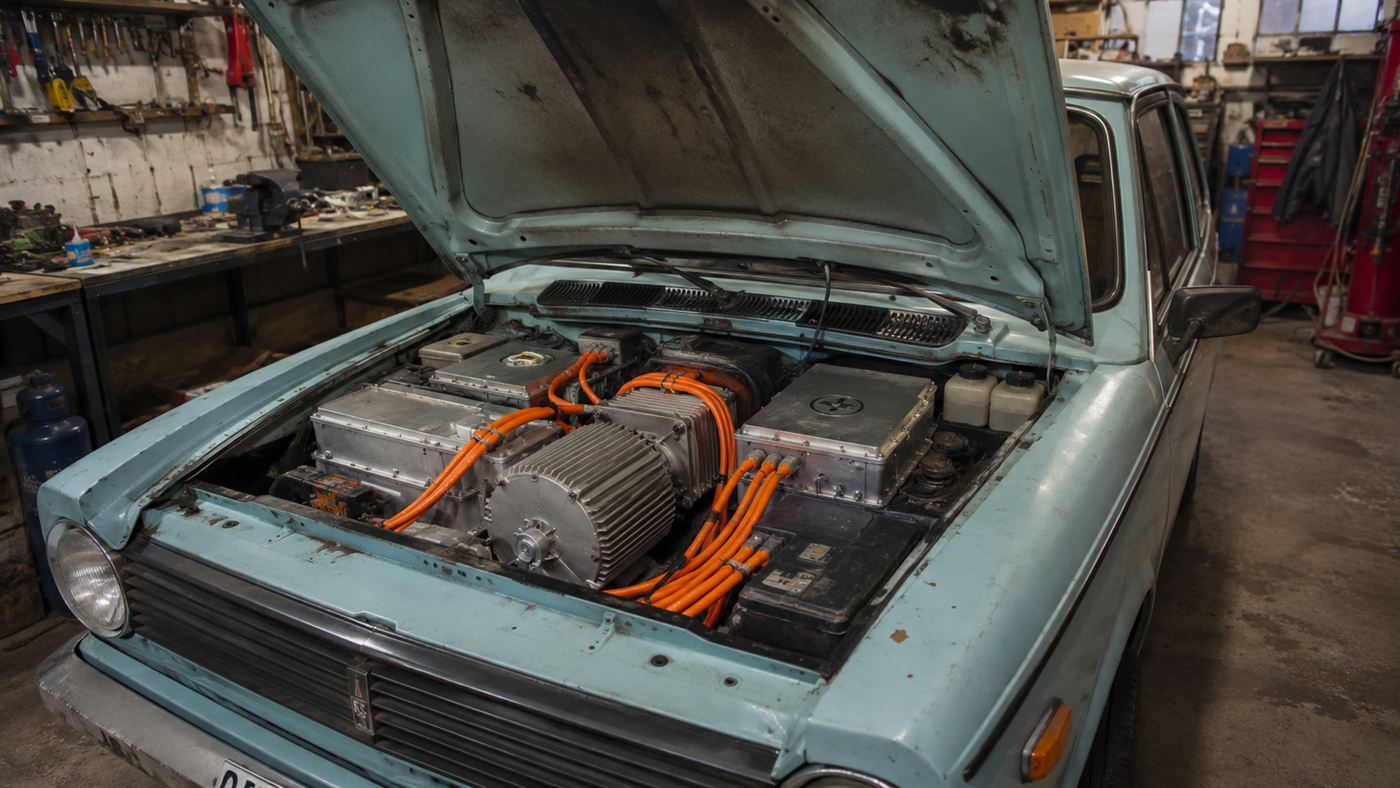
John Wayland was an electric-vehicle obsessive in Portland, Oregon, long before that was a normal hobby. He gutted a cheap, light Datsun 1200 and crammed it with electric drive, the perfect canvas because the car weighed almost nothing to begin with and electric motors deliver their full twisting force the instant they spin. Where a petrol engine has to rev up to make its power, the White Zombie hits hardest at zero, which is exactly what wins a drag race.
Over the years John Wayland and his collaborators kept upgrading it, eventually fitting twin custom motors and a famously tough motor controller, the Zilla, built by an engineer named Otmar Ebenhoech. Later came lithium battery packs in place of the older lead and nickel chemistries. The result was a car that could throw down launches violent enough to lift its front wheels, all from a chassis that still wore its dowdy 1970s bodywork.
Why they call him Plasma Boy
Building a high-voltage drag car in your own shop is not without incident, and John Wayland has the nickname to prove it. In 1998, as the Electric Vehicle Discussion List recounts, he dropped a brass bar across the top of the car's 336-volt battery pack, creating a dead short so violent that it formed a glowing blue ball of plasma that ate part of the car. He walked away, the legend grew, and from then on he was known in the EV world as Plasma Boy.
That blend of danger, humour, and obsession is the soul of early electric drag racing. This was a grassroots scene of garage builders, not corporations, and Wayland was one of the ringleaders of early electric drag racing, helping found the National Electric Drag Racing Association to give these homemade machines a place to compete. Long before any marketing department discovered "instant torque," these hobbyists were living it a quarter mile at a time.
The day an electric car ran a 10-second quarter mile
The headline achievement came in 2010, when the White Zombie became the first street-legal electric car to run a quarter mile in under 11 seconds, recording, as the Datsun 1200 Club documents, a pass of about 10.4 seconds at roughly 117 miles per hour. To put that in muscle-car terms, that is genuine supercar territory, achieved by a four-decade-old economy car in near silence.
The launch numbers are even more startling than the quarter mile time. At its sharpest the car could reach 60 miles per hour in something close to 1.8 seconds, a figure that, at the time, embarrassed almost anything you could buy. For years the joy of electric drag racing in this car was watching expensive metal get beaten, again and again, by a thing that looked like it should be delivering newspapers.
The proof that arrived too early
The deeper meaning of the White Zombie is in its timing. Through the 1990s and 2000s, the public image of an electric car was a slow, dorky appliance, something you drove because you had to, not because you wanted to. A homemade Datsun 1200 beating Corvettes quietly demolished that idea years before a single Tesla reached a customer.
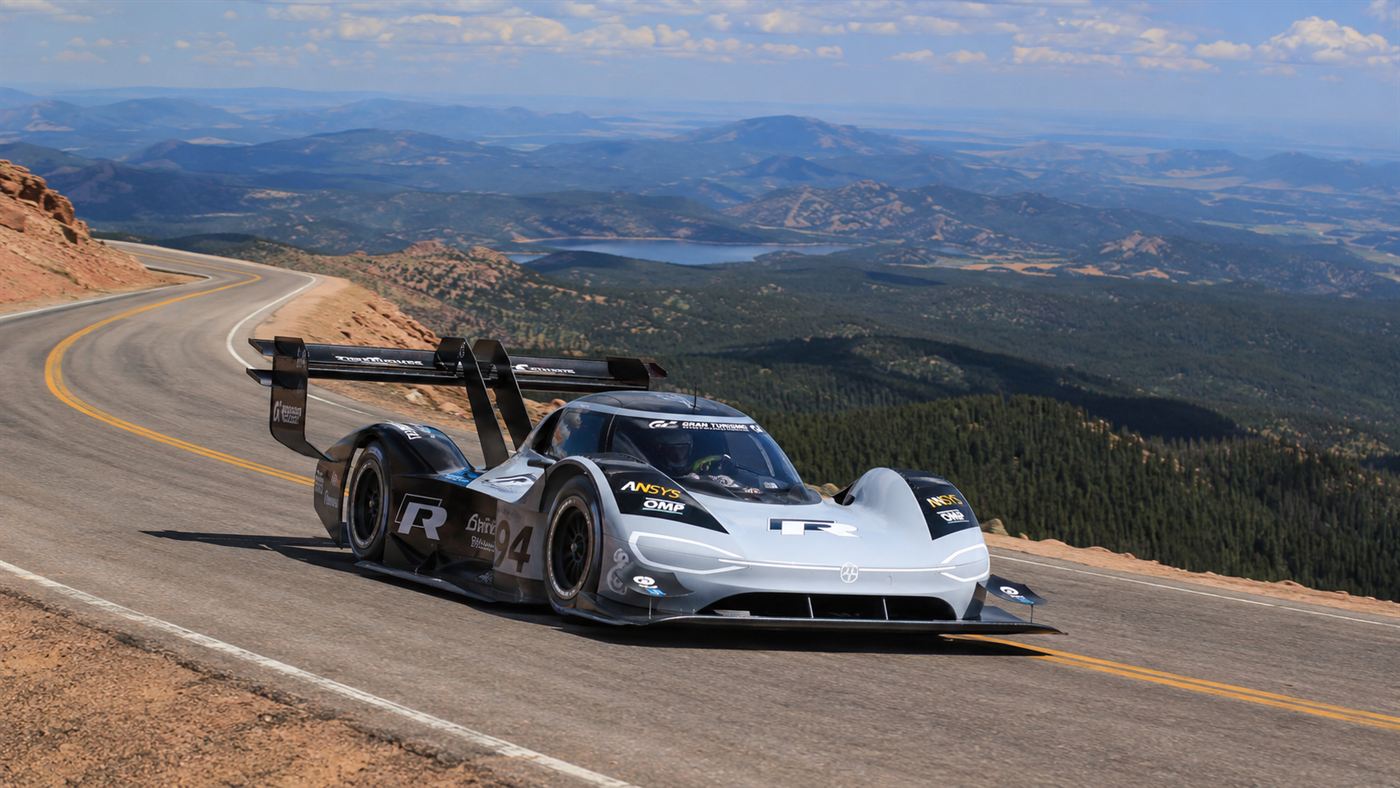
It belonged to a whole underground of believers, the same kind of stubborn tinkerers who built the hand-made tzero that helped inspire Tesla, all insisting that electric could be thrilling. The mainstream took a long time to catch up, but when electric performance cars finally arrived and started rewriting records at places like Pikes Peak, the people who had watched John Wayland race were not even slightly surprised.
The honest catch
It is worth keeping this in proportion, because a drag car is a specialist tool, not a miracle commuter. The White Zombie is built to be devastating in a straight line for about ten seconds, and that is all; it is not designed for range, comfort, or cornering, and its "street legal" status is more of a fun technicality than a claim that you would want to drive it to work. The breathtaking acceleration comes in short, heat-limited bursts that would melt things if sustained.
It is also a one-off, endlessly modified labour of love, not a product anyone could buy, so it proves what is possible rather than what is practical. But that was always the point of electric drag racing for this crowd. The White Zombie never needed to be sensible. It only needed to line up next to something loud and expensive, wait for the lights, and remind everyone watching that the quiet car had been the quick one all along.
A homemade electric Datsun was beating supercars while the world still thought electric meant slow. Does a garage-built sleeper like this impress you more than a million-dollar electric hypercar? Tell us in the comments.
Related reading: A Croatian who electrified a junkyard BMW in his garage now builds the fastest accelerating car on Earth and owns Bugatti.