China built a dam and called it indestructible, silenced the engineer who warned it would fail, and in August 1975 it drowned more than 170,000 people in a single night
The Banqiao Dam in Henan Province, China, was nicknamed the Iron Dam for its supposed invincibility. On August 8, 1975, it became the site of the deadliest dam collapse in recorded history. The engineer who had warned it would fail had been silenced twenty years earlier for questioning the party line on hydraulic engineering.
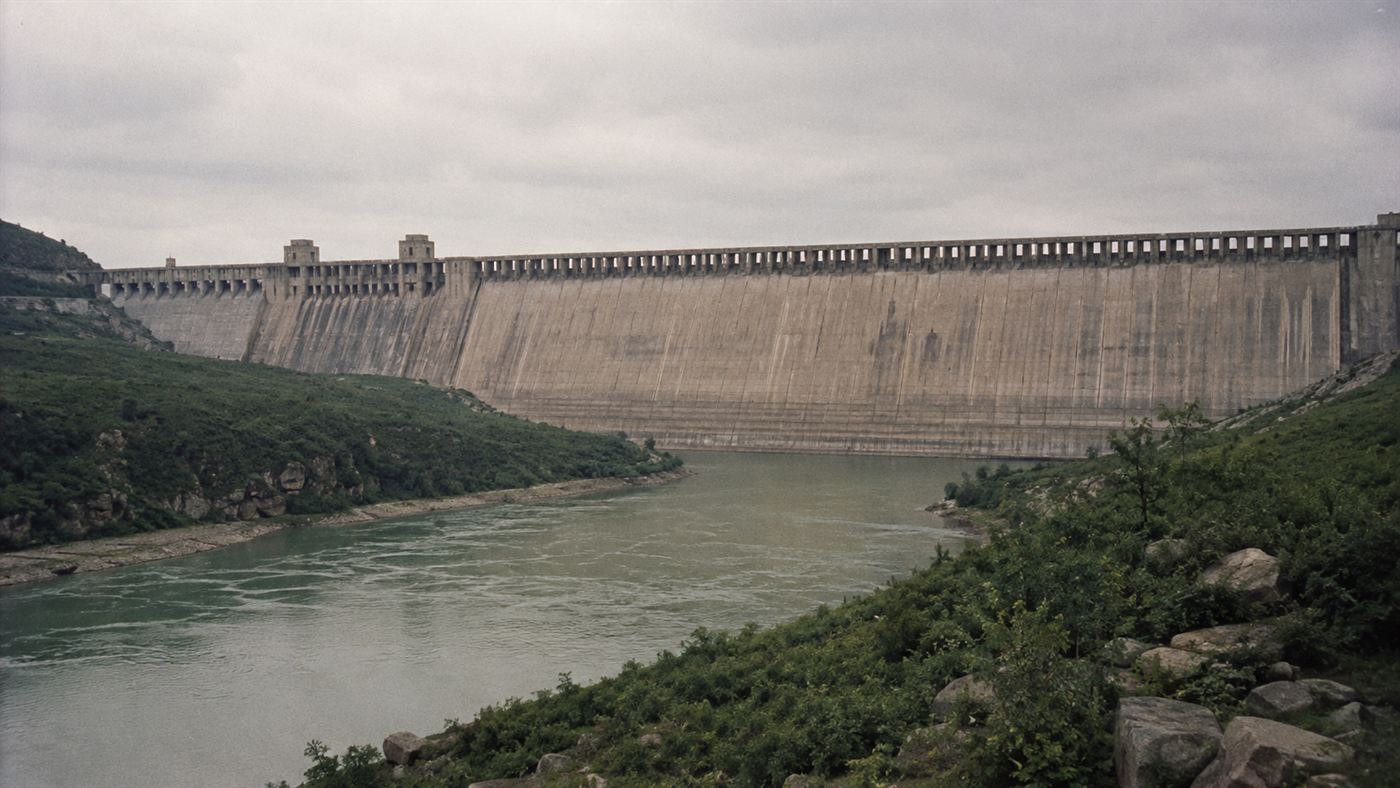
The Banqiao Dam on the Ru River was completed in 1952. The dam's official name was "Iron Dam." When it collapsed in August 1975 it released 600 million cubic meters of water in six hours. Illustration: Watts & Wild.
The Banqiao Dam sat on the Ru River in Henan Province, part of a network of dams and reservoirs built across central China in the early 1950s to control flooding and generate hydroelectric power. It was a concrete arch dam, designed by Soviet engineers, completed in 1952 and upgraded in the years that followed. The government called it the Iron Dam, a name that implied the structure was beyond failure. The people who lived in the villages downstream had no reason to doubt it. The Banqiao Dam collapse in August 1975 would prove that confidence catastrophically wrong.
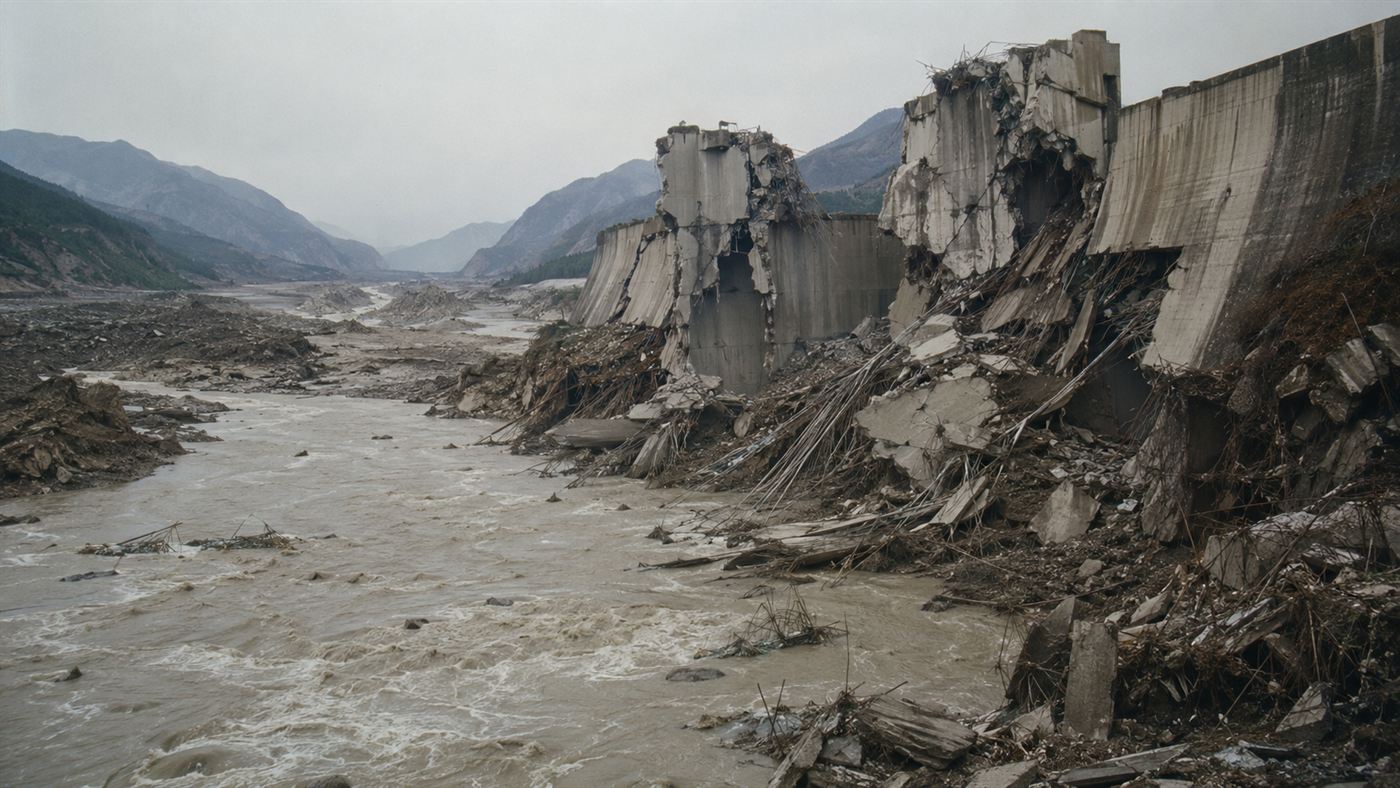
At 1am on August 8, 1975, the Banqiao Dam failed. The concrete arch ruptured. Six hundred million cubic meters of water, held for years behind the dam wall, poured into the Ru River valley. The flood wave that emerged was described by survivors as a wall of water ten kilometers wide and seven meters high, moving at fifty kilometers per hour. It was dark. Most of the people downstream were asleep. The 1975 China flood that followed the dam failure would kill more than 170,000 people and destroy more than ten million homes.
The Banqiao Dam in Henan Province collapsed on August 8, 1975, after Typhoon Nina dropped the equivalent of a year's rainfall in three days. The dam failure triggered a chain reaction in which 62 dams across the region collapsed in sequence. The resulting dam collapse released a flood wave that destroyed hundreds of villages across Henan. Chinese authorities classified the disaster for thirty years. The death toll of more than 170,000 makes it the deadliest dam collapse in recorded history.
Why did China build the Banqiao Dam and who warned it was dangerous?
The dam-building campaign of the early 1950s was a central project of the People's Republic under Mao Zedong.
Henan Province was prone to flooding, and the Ru River had caused catastrophic damage for centuries.
Soviet engineers arrived to design the new dams, bringing expertise and a set of hydrological assumptions calibrated to rivers in the Soviet Union rather than to the extreme monsoon rainfall patterns of central China.
The Banqiao Dam was completed in 1952 and was initially praised as a model of socialist engineering.
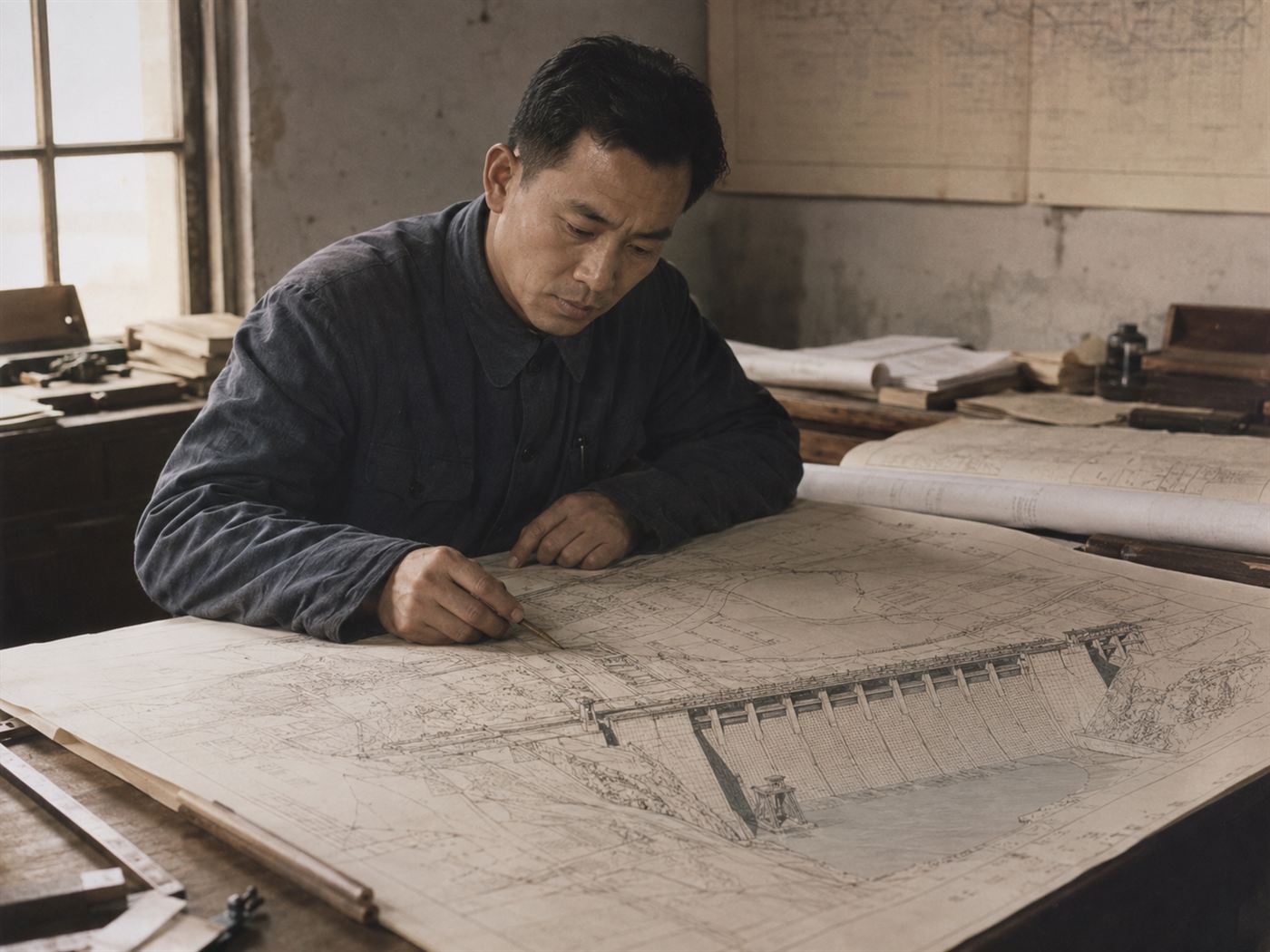
A hydraulic engineer named Chen Xing was one of the people involved in the design process, and what he saw troubled him.
Chen Xing studied the calculations behind the Banqiao and dozens of other dams being built across Henan and concluded that the flood capacity specifications were dangerously low.
He argued that the dams had been designed for rainfall events that fell far short of what the region's meteorological record actually showed was possible.
He submitted his concerns in 1954, warning that 62 of the dams under construction or recently completed in Henan had structural defects or inadequate spillway capacity.
The response was not a review of the engineering.
The response was a political label.
Chen Xing was named a "right deviationist," a designation in Maoist political vocabulary that meant he was an enemy of the revolutionary program, a doubter of socialist achievement.
In the political climate of the mid-1950s, and especially after the Anti-Rightist Campaign of 1957, this label ended careers and could end lives.
Chen Xing was removed from dam work and was not in a position to continue raising concerns.
The dams stayed as they were.
What happened when Typhoon Nina arrived in August 1975?
Typhoon Nina formed over the western Pacific in late July 1975 and tracked westward into China.
When it reached Henan Province it stalled, blocked by a high-pressure system to the north, and spent three days dumping water over the mountains and rivers above the Banqiao reservoir.
In other words, the real storm delivered more than three times the rain in four times the time period of the design maximum.
The reservoir behind the Banqiao Dam filled rapidly.
As August 7 turned into August 8, the water level was approaching the top of the dam and the spillways were at maximum capacity.
Officials at the Zhumadian Water Resources Bureau, led by a man named Zhao Zizheng, understood what was happening and made frantic attempts to contact the authorities with power to authorize additional relief measures.
The problem was that the typhoon had cut the telephone lines.
Radio communications were intermittent.
Zhao Zizheng managed to send telegrams warning of the impending failure, but the window for action had closed.
The Banqiao reservoir overtopped just after midnight.
Within minutes the dam wall failed.
What happened after the Banqiao Dam collapse on August 8, 1975?
The collapse of the Banqiao Dam sent 600 million cubic meters of water surging down the Ru River valley.
It triggered a chain reaction across the dam network that Chen Xing had warned about two decades earlier.
Within hours, 62 dams in the Huai River basin had collapsed in sequence, each failure adding its water to the flood wave below.
The wave that hit the downstream villages was ten kilometers wide and moved at a speed that gave people almost no time to react.
Many villages had no warning at all.
The dam collapse struck at 1am, when most people were asleep.
Survivors described walls of water appearing in the darkness, houses disappearing, people swept away before they could find higher ground.
The military was eventually deployed to rescue survivors stranded on rooftops and in trees, some of whom waited for days in the floodwater before help arrived.
The physical destruction from the 1975 China flood covered an area of approximately 12,000 square kilometers.
More than 10 million people were directly affected.
More than 10 million homes were destroyed.
The total death toll from the Banqiao Dam failure has never been precisely established, for reasons that have as much to do with political calculation as with the difficulty of counting in the chaos.
The most widely cited figure is around 170,000 dead, with some estimates reaching 240,000 when deaths from disease and famine in the aftermath of the flood are included.
The scale made it the deadliest dam failure in the documented history of hydraulic engineering.
The Vajont Dam disaster in Italy in 1963, which also occurred because engineers ignored geological warnings and killed nearly 2,000 people, is often cited as the defining case study in dam engineering failures, but the Banqiao Dam killed at least a hundred times as many people and remained almost unknown in the West for decades.
Why did China suppress the Banqiao disaster for thirty years?
The government of the People's Republic classified the Banqiao Dam disaster almost immediately after it occurred.
No Chinese newspaper carried the story.
No television or radio broadcast described the scale of the failure.
Foreign correspondents in Beijing were not told.
The 1975 China flood was simply not reported as news.
The reasons were straightforward: the dam collapse was a catastrophic failure of a centerpiece infrastructure project, carried out under the direction of the party, celebrated as proof of socialist engineering, and named after a metal that was supposed to be unbreakable.
Acknowledging that the Iron Dam had failed would have required acknowledging that Chen Xing had been right, that the engineers who dismissed him had been wrong, that the political campaigns that silenced his warnings had contributed directly to the death toll, and that the Great Leap Forward's pressure to build fast and build large had compromised the safety of millions of people downstream.
The government instead produced an internal assessment of lessons learned, which was classified, and a reconstruction effort that was also largely conducted away from outside observation.
The dam failure first came to meaningful international attention in the 1990s, primarily through the work of researchers and journalists who pieced the story together from survivor accounts and from the limited documentary record that was beginning to surface.
A partial official account was published in 2005, when China's then-Minister of Water Resources acknowledged the disaster in a report on flood control history.
Chen Xing was formally rehabilitated after the disaster.
His warnings were acknowledged as correct.
He spent years afterward working to improve dam safety in China and died in 2015 at the age of 92, knowing that what he had tried to prevent had happened exactly as he had feared.
What happened to the Banqiao Dam and China's dam-building since 1975?
The Banqiao Dam was rebuilt.
A new structure was completed on the same site in 1993, designed to much higher flood-capacity standards and equipped with improved spillways and early warning systems.
The reconstructed Banqiao Dam is a functional piece of infrastructure.
China's dam-building program did not stop after the 1975 disaster.
It continued and expanded, culminating in the construction of the Three Gorges Dam on the Yangtze River, the largest hydroelectric dam in the world, completed in 2003 and generating 22,500 megawatts of electricity.
China has invested heavily in dam safety since 1975, partly because the disaster left a lasting impression on the engineering community even when it could not be discussed publicly.
The country now operates some of the world's most advanced flood forecasting and dam monitoring systems.
Many of the engineers who came of age after 1975 knew, through quiet channels and family memory, what had happened at Banqiao, even when it was not in any newspaper.
The dam failure shaped a generation of hydraulic engineers who understood what the official record did not say.
For more on the human consequences of mega-engineering, see our Industry section.
The honest catch
The death toll of the Banqiao Dam disaster will never be precisely established.
The most credible estimates range from 85,000 to 240,000, a gap that reflects both the genuine difficulty of counting in the chaos of the 1975 China flood and the deliberate suppression of documentation that might have allowed a more accurate accounting.
The 170,000 figure commonly cited is a midpoint estimate, not a confirmed count.
The Chinese government has never published a full accounting of the disaster, and it is unlikely that one will be forthcoming.
The reconstruction of the Banqiao Dam and the broader improvements to dam safety in China since 1975 are real and significant.
But the lesson that comes most easily from the dam collapse story, that bad engineering kills people, may be the wrong lesson to carry away.
The engineering was not the primary cause of the deaths.
The primary cause was a political system that treated technical dissent as ideological deviation, that silenced Chen Xing not because his calculations were wrong but because they were inconvenient, and that then suppressed the evidence of the consequences for thirty years.
The same dam with the same design flaws, but with an engineering culture that was free to raise safety concerns, might have been modified before Typhoon Nina arrived.
That is the harder lesson and it does not travel easily from one political system to another.
The pattern is not unique to any political system.
What varies is how loudly the pattern can be discussed afterward.
If the political cost of raising a safety concern is high enough, engineers will stop raising them. The Banqiao Dam failure happened because someone calculated that the political risk of being wrong about a dam was lower than the political risk of being right about one. Where else is that calculation being made today?
Tell us in the comments.
More from Watts & Wild
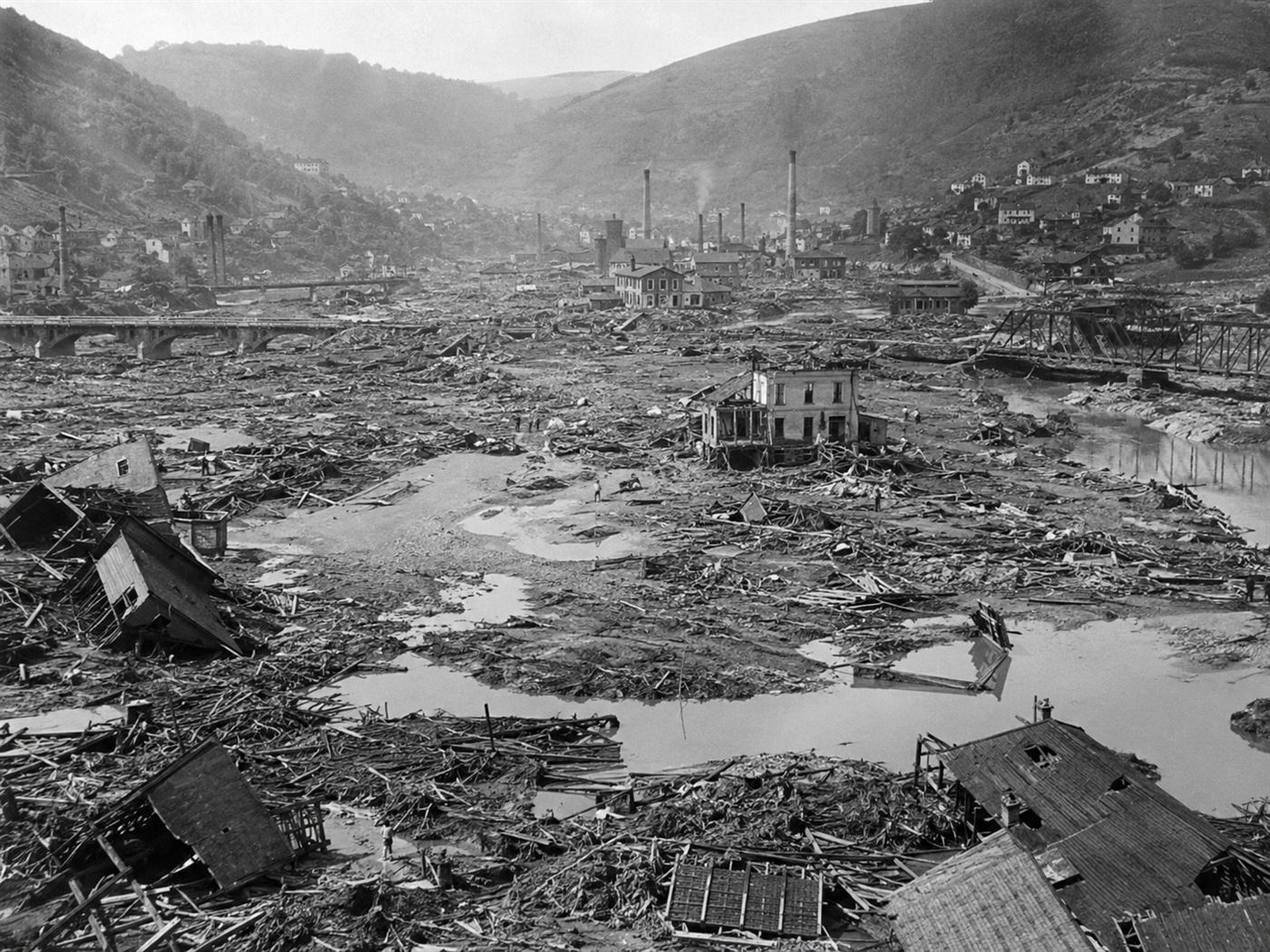 In 1889 a private fishing club owned by Andrew Carnegie and Henry Clay Frick stripped a Pennsylvania dam of its emergency drainage pipes and left it to fail, killing 2,209 people. Nobody was prosecuted.
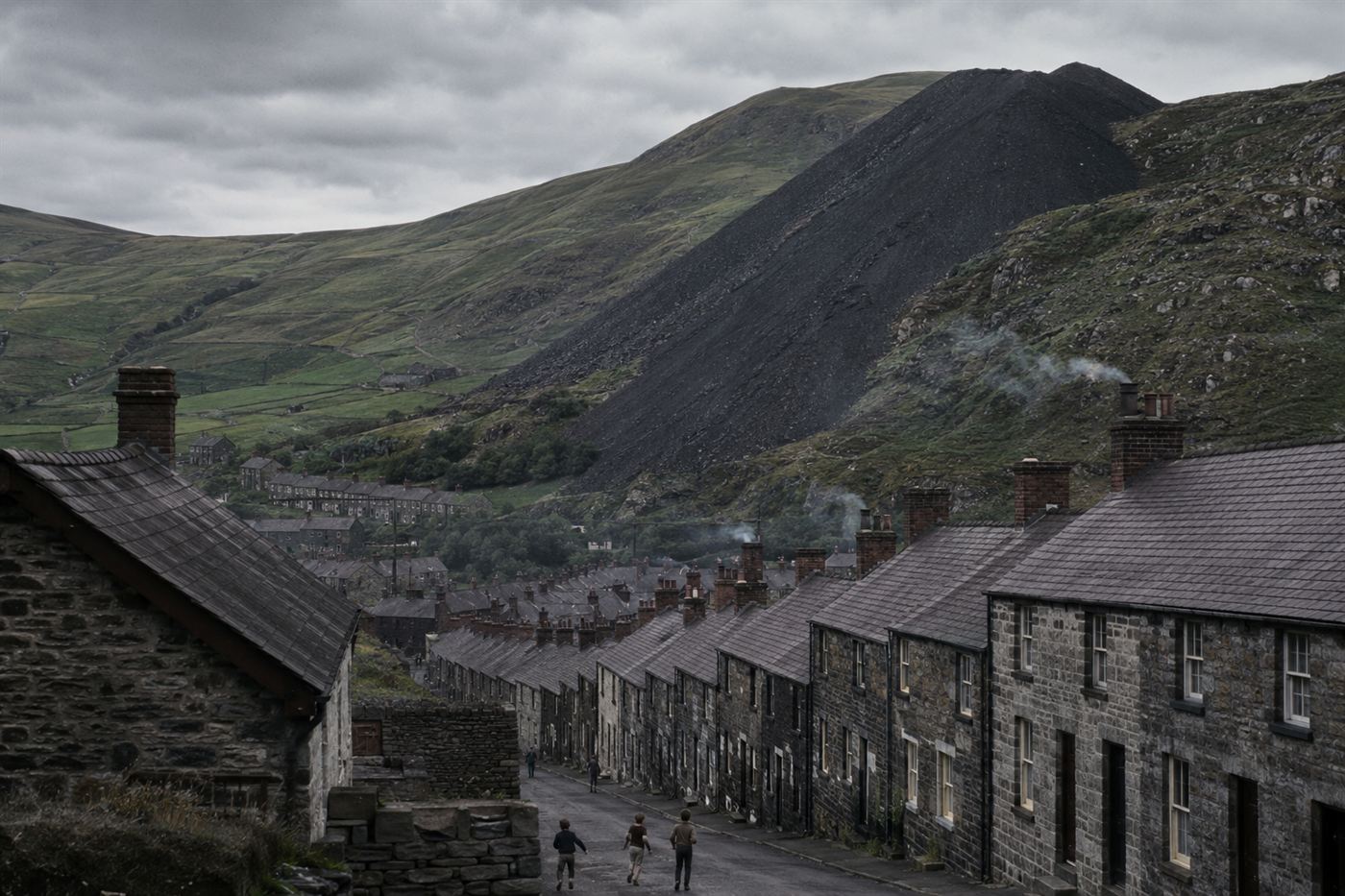 A Welsh village warned for years that the coal tip above their school would slide. In 1966 it did, killing 116 children. No one was prosecuted.
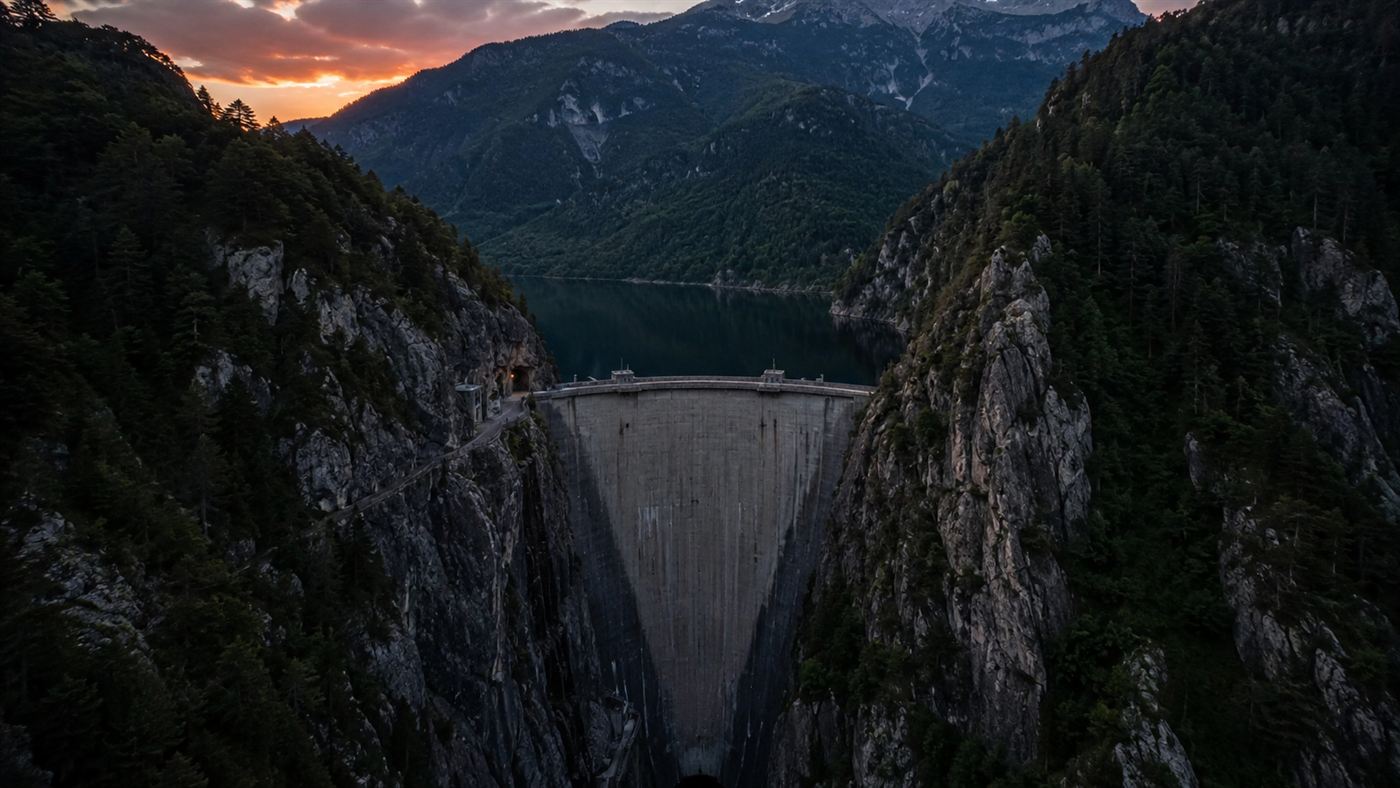 Italy's Vajont Dam killed 2,000 people in 1963 because engineers ignored a warning about the unstable mountain above the reservoir
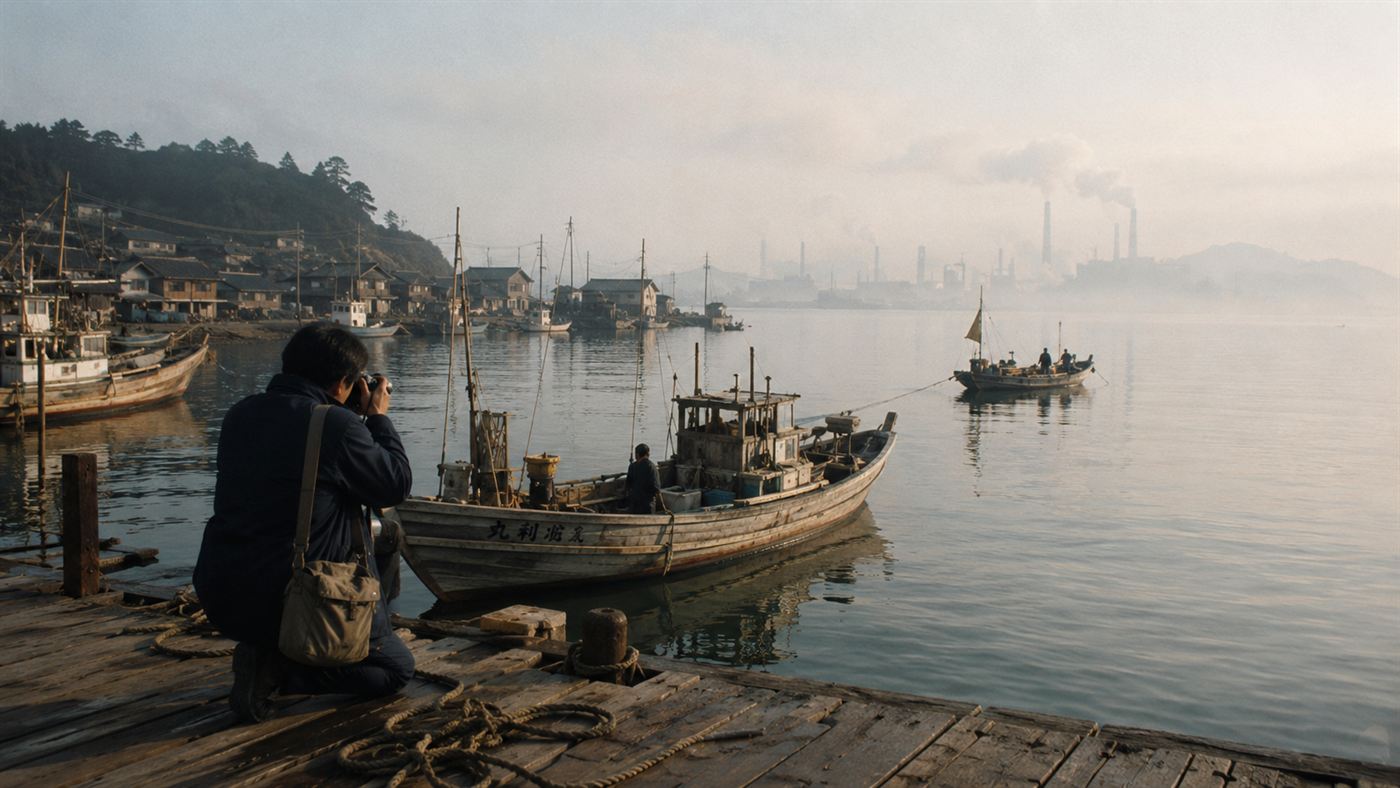 A Japanese company knew its mercury was killing a fishing city and suppressed its own researcher's proof for nine years
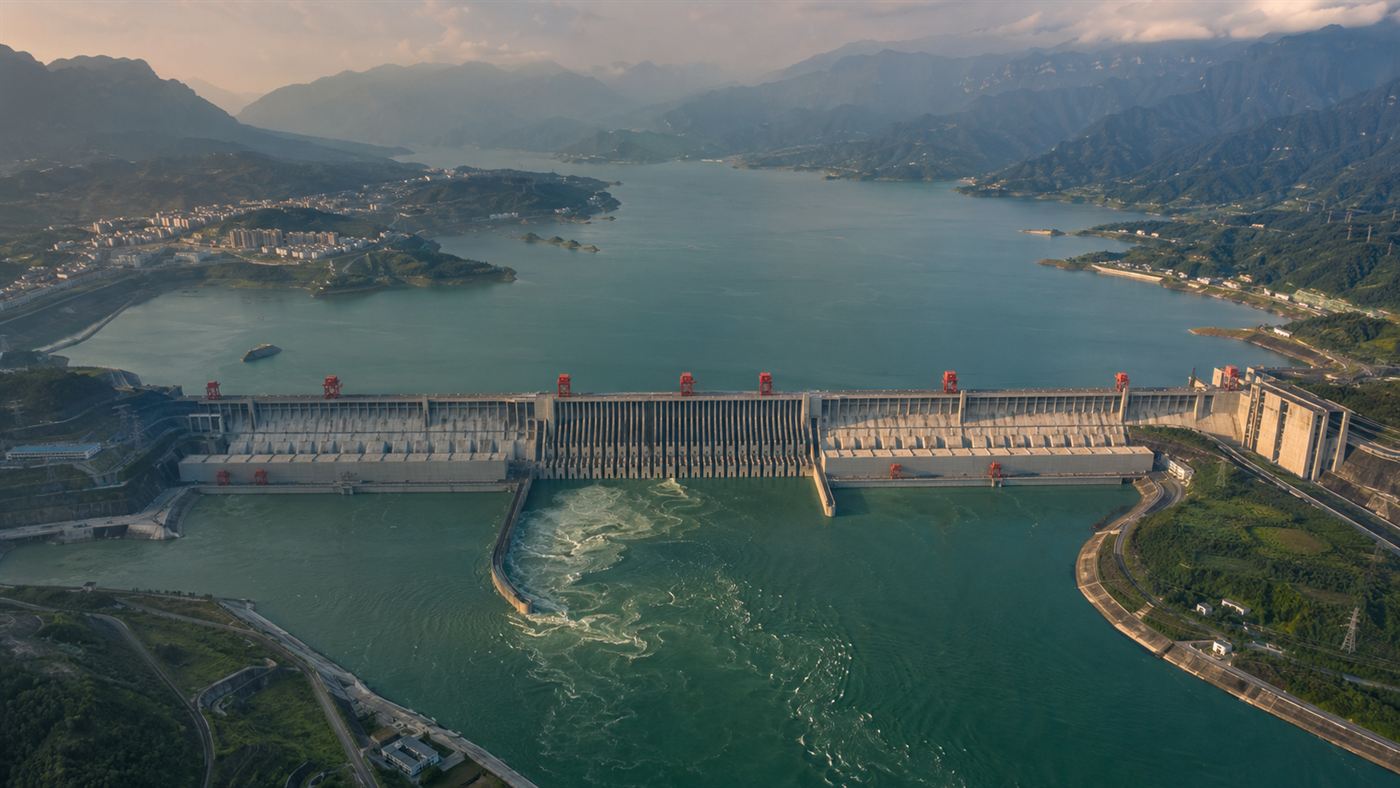 The Three Gorges Dam displaced 1.2 million people, slowed Earth's rotation, and shifted the planet's axis by two centimeters
 Soviet cotton irrigation drained the world's fourth-largest lake