A brand-new theatre sold to the public as absolutely fireproof became the site of the deadliest building fire in American history, and quietly rewrote the way every exit is built
It was a gleaming new palace, packed for a holiday matinee with families and children, and it carried a proud promise: it could not burn. Within fifteen minutes that promise had become one of the darkest ironies in American history, and out of the loss came the safety rules we now barely notice every time we leave a room.
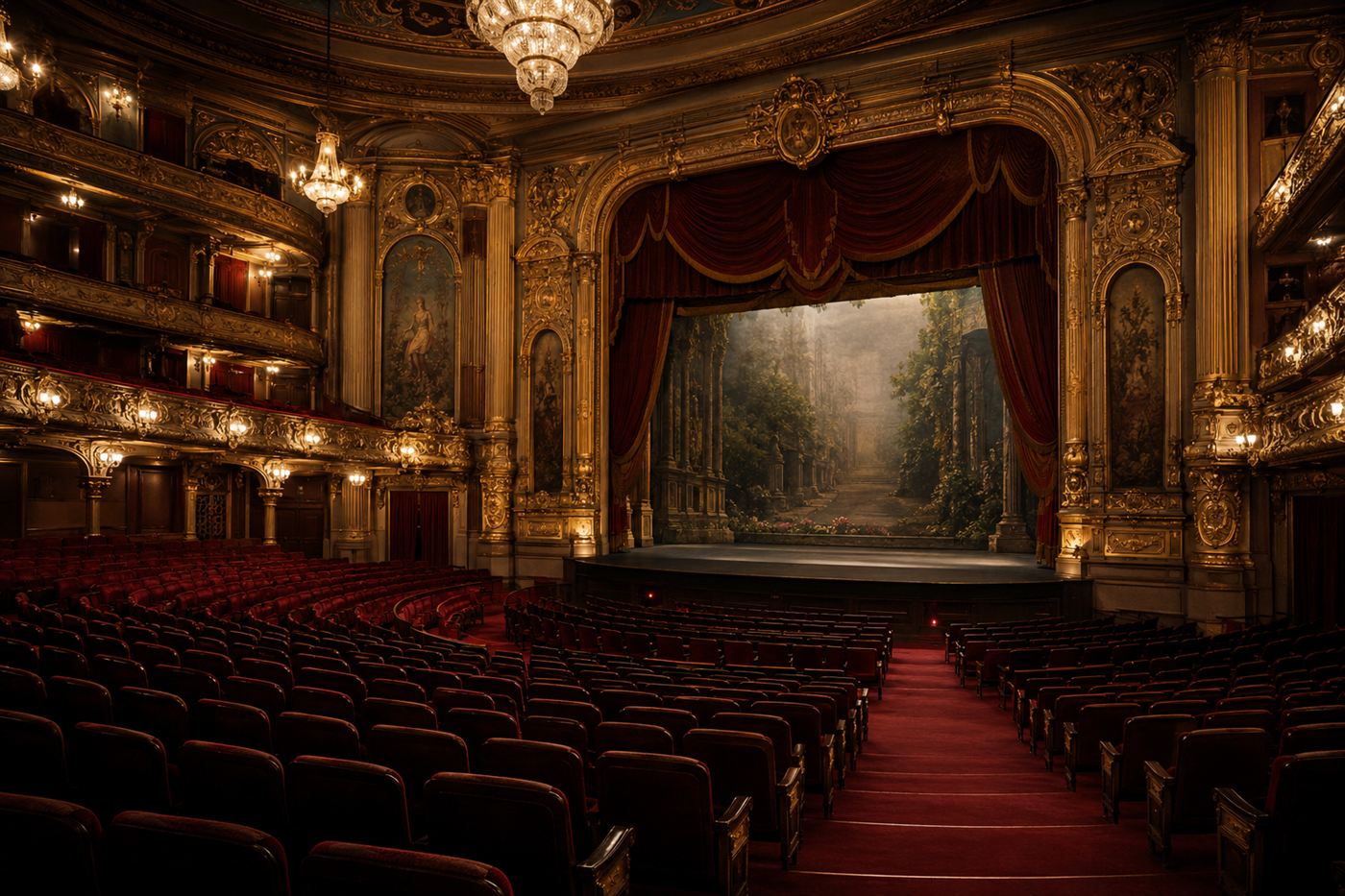
The Iroquois Theatre was a lavish new showplace advertised as unburnable. Illustration: Watts & Wild.
On 30 December 1903, the newly opened Iroquois Theatre in Chicago was crammed far beyond its seats for a holiday performance, its aisles and standing room filled largely with women and children on a school-break afternoon. The theatre was only weeks old, richly decorated, and had been advertised to a trusting public as absolutely fireproof.
Early in the show, a spark from a stage light set a piece of gauzy scenery alight high above the stage. In an ordinary theatre it might have been contained, but here a series of failures turned a small fire into a catastrophe, and in roughly a quarter of an hour some six hundred people were dead.
The short version is grimly simple. The building lived up to its billing and barely burned, but almost everything meant to protect the people inside failed at once, and the Iroquois Theatre became the deadliest single-building fire the country has ever seen.
The night a fireproof building betrayed its promise
The claim of being fireproof was, in a cruel technical sense, true. The Iroquois Theatre was built so that its structure would not be consumed, and indeed the shell survived the blaze largely intact. What the boast quietly ignored was everything flammable inside it, and everything a panicking crowd would need in order to get out alive.
When the scenery caught, the heavy asbestos fire curtain that was supposed to drop and seal the stage off from the audience snagged partway down and stuck. Then a stage door was opened, and a great gust of superheated air and flame surged out under the stalled curtain and rolled across the packed seats, turning escape into a desperate race.
Why the Iroquois Theatre became a death trap
The escape routes were where the true horror lay. To stop people sneaking in, many of the exit doors had been locked or curtained over and were impossible to find in the smoke and the dark. Some of the exit doors that could be reached opened inward, so the crush of bodies pressing against them held them shut.
There was more, and all of it made things worse. There were no illuminated exit signs to guide the crowd, no fire alarm to summon help quickly, no sprinklers, and no properly working hoses. Fire escapes were incomplete, and in the panic hundreds were trapped at doors that would not open, in a building that its owners had sworn could never harm them.
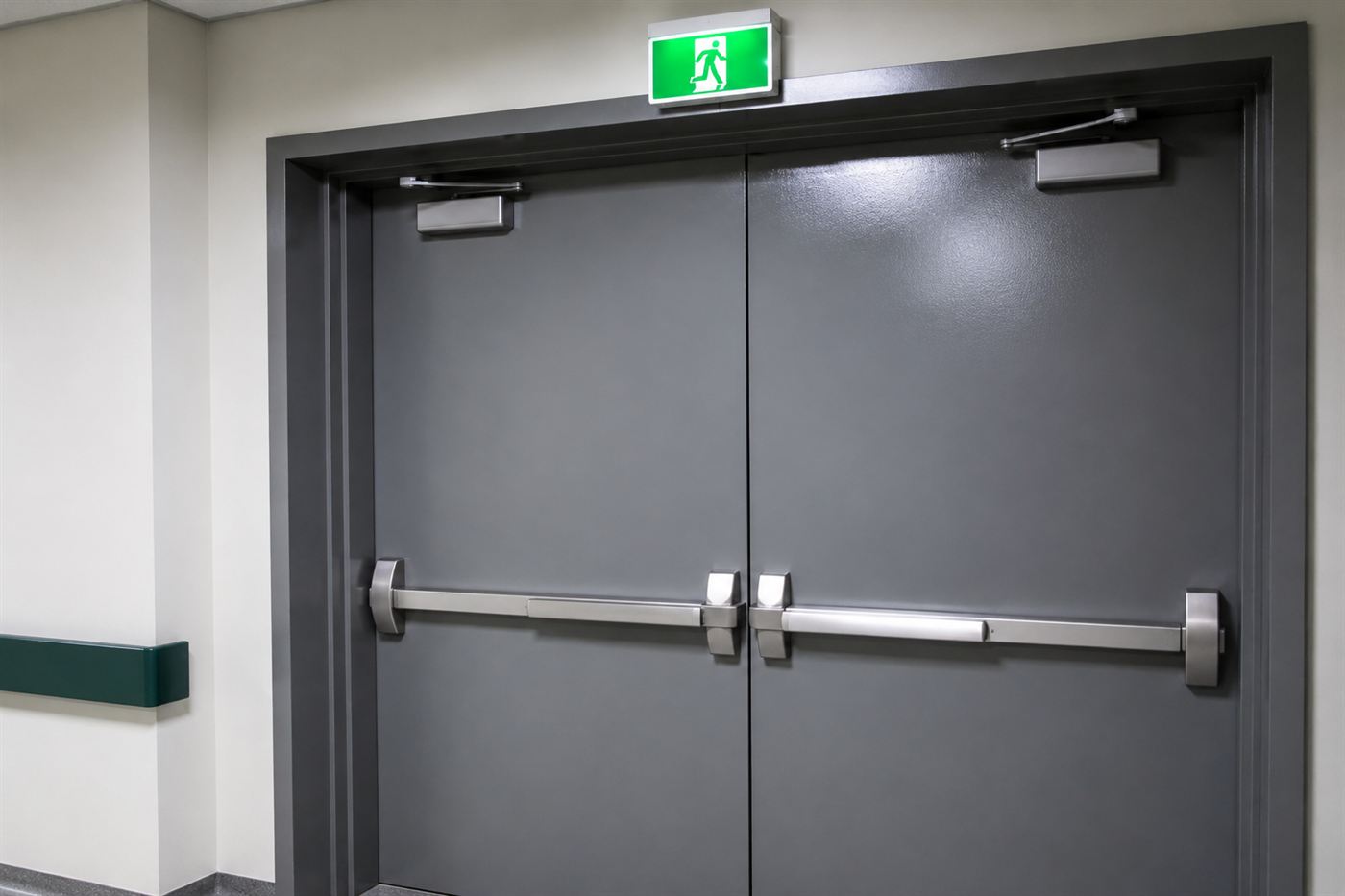
The exits that were born from the disaster
The scale of the loss forced a reckoning that reached far beyond Chicago. In the years that followed, cities and building codes were rewritten around a single, hard-won principle: that a crowd must always be able to get out, quickly and without special knowledge, even in darkness and panic.
From that principle came the features we now take completely for granted. Public doors were required to open outward, so a pressing crowd would force them open rather than jam them shut. Exits had to be marked with lit signs, kept unlocked and unobstructed during shows, and fitted with the push bar that opens a door with a simple shove, no handle or key required.
How was a fireproof theatre so deadly?
Looking back, the answer is that safety had been treated as a property of the building rather than a promise to the people. The owners could truthfully say the Iroquois Theatre would not burn to the ground, and they had spent on marble and gilt while skimping on the dull, unglamorous business of getting an audience out in an emergency.
That is the shift the disaster forced. Real fire safety, it turned out, was not about fireproof walls but about exits, alarms, a fire curtain that actually worked and doors that actually opened. The lavish theatre had confused looking safe with being safe, and hundreds of people paid for the difference.
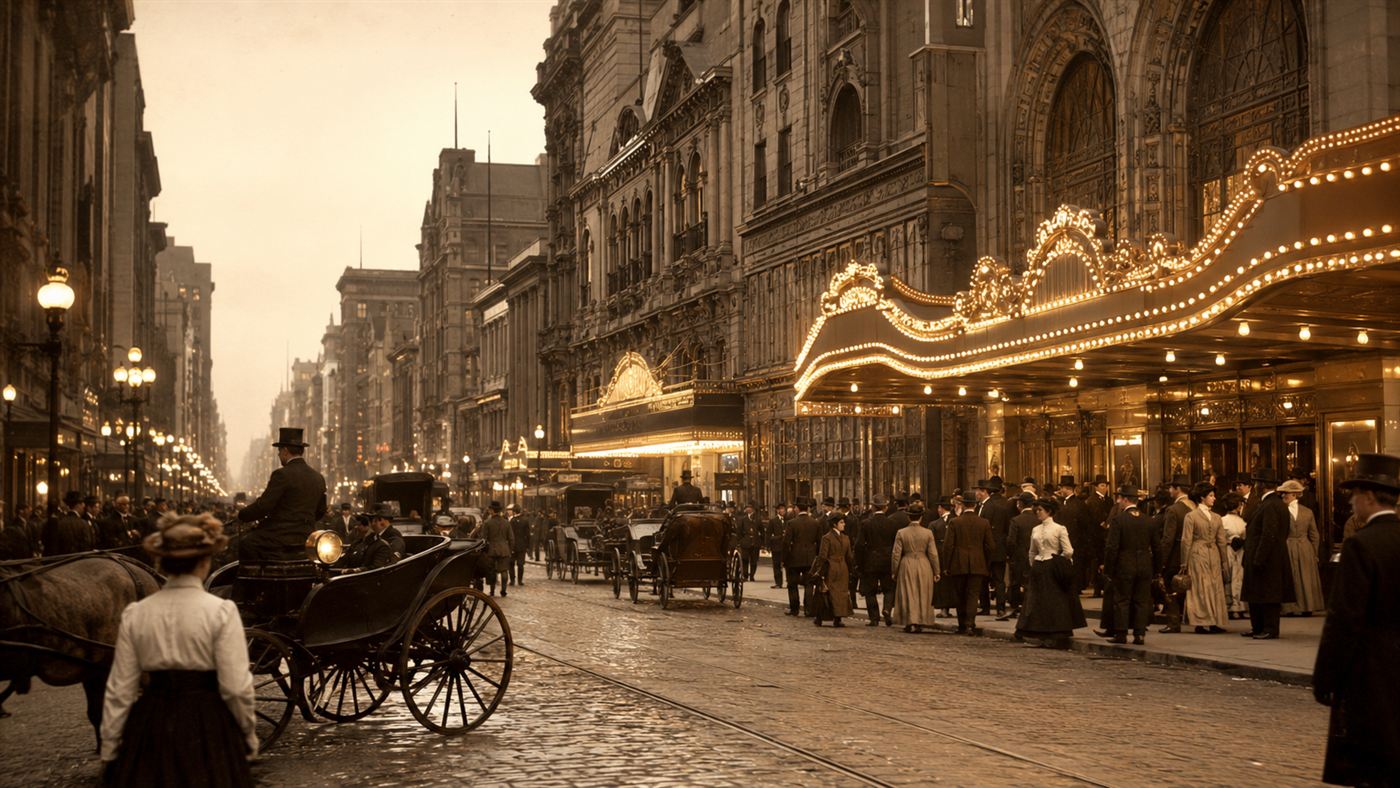
The honest catch
It is tempting to say that this one fire gave us modern fire safety, and that overstates a messier truth. Reform came in waves and was driven by a string of disasters, the Iroquois Theatre among the worst but not the only one, and change was often slow, resisted and uneven. No single tragedy flipped a switch from careless to safe.
It is also worth being honest about justice, or the lack of it. Despite the outrage and the indictments that followed, essentially no one was ever convicted over the deaths, and it was the pressure of public horror far more than any courtroom that pushed the new rules through. The lit sign glowing over the nearest door is a quiet memorial, a reminder that the plainest safety features we ignore were written, in the end, in loss.
A building that could not burn still took six hundred lives, because the people who built it had confused a fireproof shell with a safe place to be, and the exits you never think about are the answer the world wrote afterward. When you next spot a lit exit sign or push a bar to open a door, does it change how you see those small, everyday things? Tell us what you think in the comments.
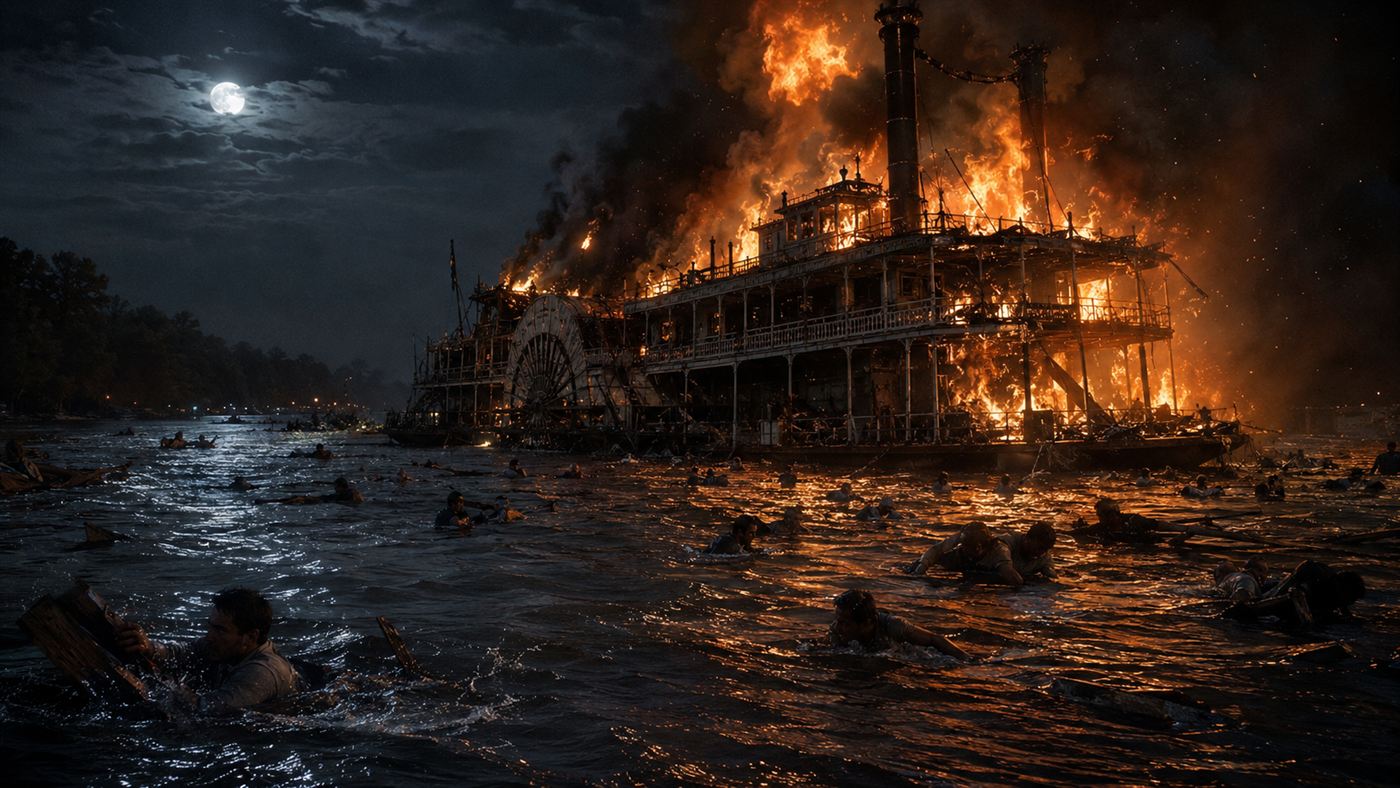
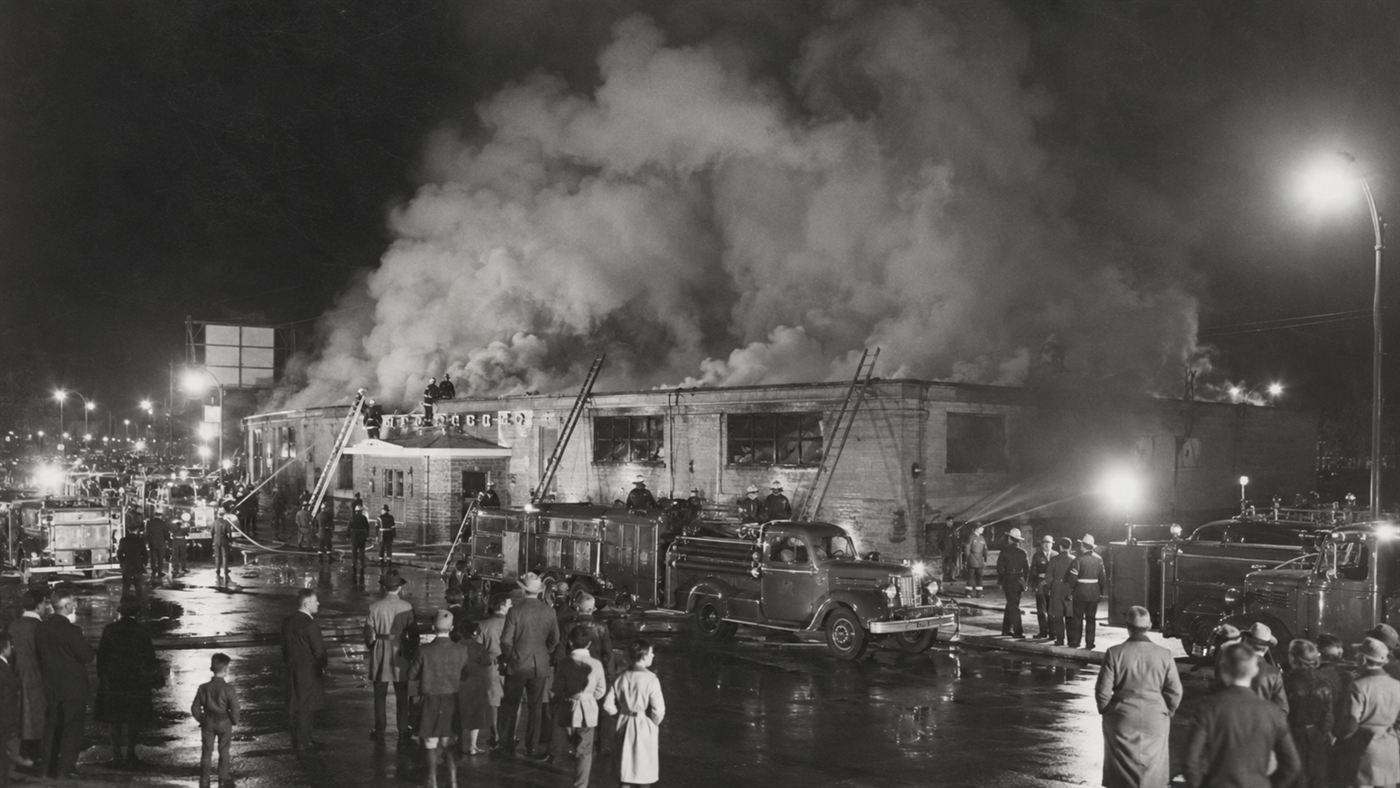
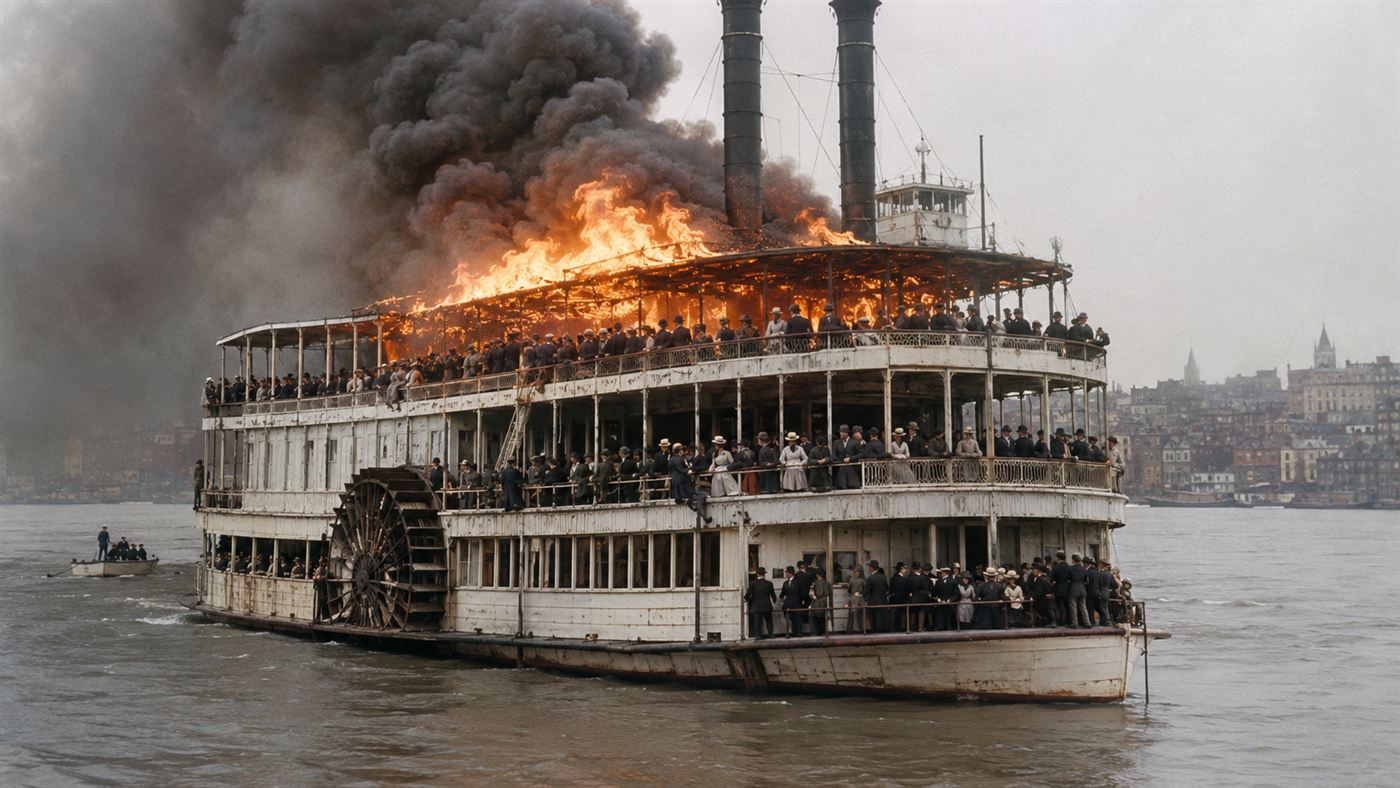
Related reading: the Triangle Shirtwaist fire that forced America to protect its workers. See also the Cocoanut Grove nightclub fire and the reforms it brought, and the General Slocum, a steamboat disaster of blocked escape. See also the Hartford circus fire, where the tent itself had been soaked in fuel.