On May 31, 1889, a dam owned by a private fishing club whose members included Andrew Carnegie burst above Johnstown, Pennsylvania, and killed 2,209 people in minutes
The South Fork dam above Johnstown, Pennsylvania, had been modified by a private club of wealthy industrialists and left without its emergency drainage system. On May 31, 1889, it failed during heavy rain. Nobody who owned the dam was ever prosecuted, and nobody paid a cent in court-ordered damages.
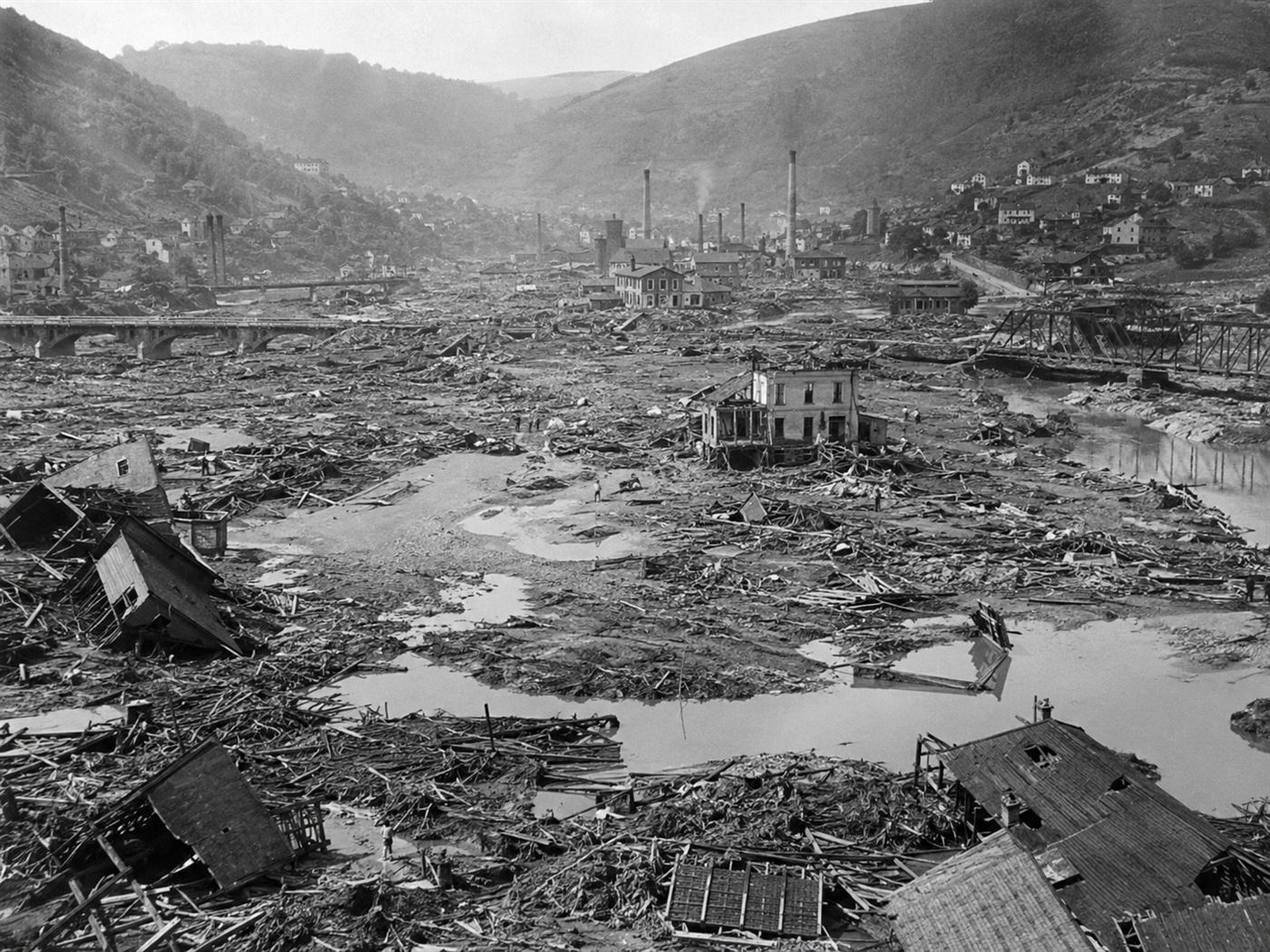
The Johnstown flood of 1889 began at 3:10 PM on May 31. The South Fork dam, fourteen miles upstream from Johnstown, had been overtopped by rainwater for hours. The earthen dam had no functioning emergency drainage system to lower the reservoir. By early afternoon the water was running over the top of the dam, and by mid-afternoon the dam failed completely. About twenty million tons of water swept down the Conemaugh Valley.
The flood reached Johnstown in roughly thirty-five minutes. It came as a wall of water estimated between thirty-five and sixty feet high, carrying with it everything the water had collected on the way: houses, trees, freight cars, barbed wire, and the bodies of people and animals from upstream. Johnstown had been warned. Most people had not left.
The Johnstown flood killed 2,209 people, making it the deadliest peacetime disaster in United States history at the time. The South Fork dam that failed had been owned since 1879 by the South Fork Fishing and Hunting Club, a private retreat for some of the wealthiest men in Pennsylvania, including Andrew Carnegie, Henry Clay Frick, and Philander Knox. No member was ever prosecuted. No court ordered them to pay a dollar in damages. Andrew Carnegie donated a public library to Johnstown and never visited.
What the South Fork Fishing and Hunting Club did to the dam
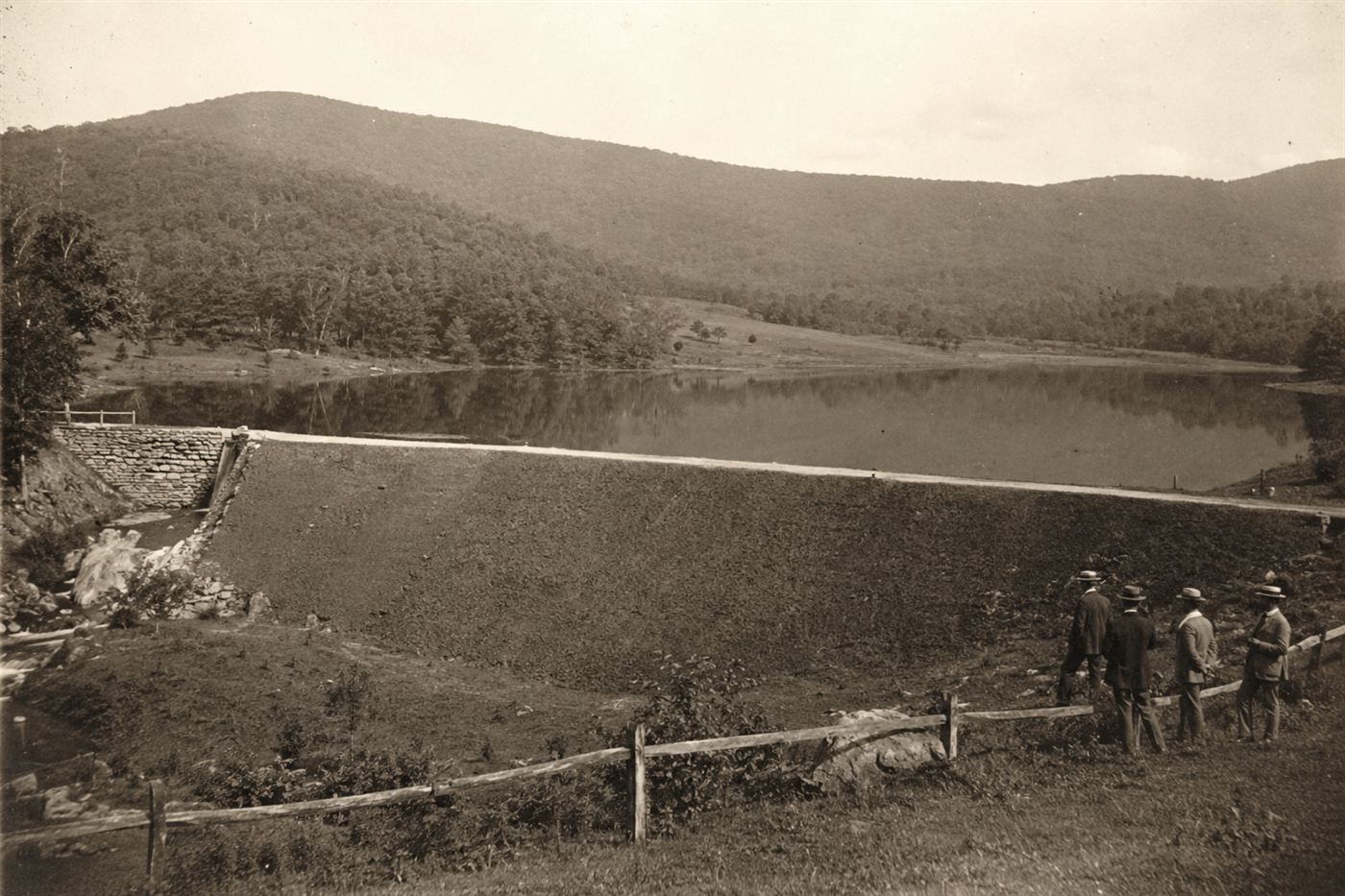
The South Fork dam had been built by the Pennsylvania Railroad in the 1840s as a reservoir for the canal system.
When the canal era ended, the dam fell into disrepair and was sold several times before the South Fork Fishing and Hunting Club bought it in 1879 to create a private lake.
The club hired workers to repair and modify the South Fork dam.
The most consequential change was removing the original cast iron discharge pipes that ran through the base of the dam.
These pipes were the emergency system: they allowed water to be drained from the reservoir if the level rose too high.
The pipes were sold for scrap.
They were never replaced.
The club also lowered and widened the crest of the dam to allow a road across it, reducing the dam's height by an estimated two feet and therefore reducing the volume of water it could safely contain.
A fish screen was placed at the spillway to prevent trout from escaping the reservoir downstream.
Over time this screen collected debris and reduced the spillway's effectiveness precisely when it was most needed.
Engineers who examined the South Fork dam in the years before the dam failure warned the club that it was inadequate for a reservoir of that size.
The club took no action.
Why the warning did not save Johnstown
Johnstown sat in a flood-prone valley and had flooded many times before the dam failure of 1889.
In the days before May 31, a severe storm system moved through western Pennsylvania, dropping six to eight inches of rain in roughly twenty-four hours in the hills above the city.
Workers at the South Fork dam watched the reservoir rising through the night and into the morning.
A man named John Parke, a civil engineer working for the club, rode a horse down the valley to warn communities that the dam was likely to fail.
He delivered warnings to Western Union telegraph operators, who sent messages downstream.
The warnings reached Johnstown.
The sheriff of Cambria County read a telegraph warning aloud from the steps of a downtown hotel.
Most residents of Johnstown did not leave.
The flood had been predicted so many times before, for so many minor floods that had never killed anyone, that the specific warning on May 31 did not carry the weight it should have.
When the Johnstown flood arrived at 4:07 PM, the people who had stayed in their homes had less than ten minutes' notice.
What the Johnstown flood of 1889 did to a city in ten minutes
The Johnstown flood wave was not water alone.
The dam failure released the accumulated debris of everything upstream: whole houses, factory equipment, trees, railroad cars and locomotives, and tons of barbed wire from a factory in Cambria.
The wall of water and wreckage was estimated at between thirty-five and sixty feet high when it hit downtown Johnstown.
It traveled at roughly forty miles per hour.
Buildings that had been standing for decades were swept off their foundations within seconds.
The Cambria Iron Works, the backbone of Johnstown's economy, was destroyed.
People who managed to reach high ground watched the city they had lived in for their entire lives disappear under a brown mass in less than ten minutes.
The Johnstown flood killed 99 entire families, with no survivors.
Many of the 2,209 dead were never identified.
A hundred and twenty-four women were widowed and 198 children were orphaned.
The youngest victim was a six-week-old infant.
The fire at the Stone Bridge
After the Johnstown flood wave passed, the current carried most of the debris toward the Stone Bridge, a solid stone arch railway viaduct at the downstream edge of the city.
The debris piled up against the Stone Bridge and formed a massive logjam dozens of feet deep and nearly a mile long.
Trapped inside this dam of wreckage were thousands of people who had been swept away but were still alive, clinging to floating timbers or trapped in the compressed mass of material.
Sometime in the evening, the debris caught fire.
The exact cause was never determined: overturned stoves, oil from freight cars, or simply the friction of compressed wood and metal.
About eighty people who had survived the Johnstown flood died in the fire that burned through the night.
Rescuers on the banks could hear people screaming inside the burning pile but could not reach them in time.
What Andrew Carnegie did and did not do after the dam failure
Andrew Carnegie was among the wealthiest men in the United States in 1889, and he was a member of the South Fork Fishing and Hunting Club that owned the dam.
After the Johnstown flood, Carnegie contributed substantial sums to the relief effort, including funds for immediate aid and for reconstruction.
He also donated money to build a public library in Johnstown, which opened in 1891 and still stands today as the Carnegie Free Library of Johnstown.
Andrew Carnegie never visited Johnstown after the dam failure.
He never publicly acknowledged any responsibility for the South Fork dam or its modifications.
Henry Clay Frick, who was president of the South Fork Fishing and Hunting Club, organized some of the private relief donations from club members.
No member of the club faced criminal charges.
Civil lawsuits filed against the club were dismissed.
Pennsylvania courts held that the dam failure was an act of God, a natural catastrophe that could not have been reasonably foreseen.
The same logic had been applied to protect wealthy industrialists in other disasters of the Gilded Age, and it would continue to be applied for decades.
How Clara Barton made the Johnstown flood matter beyond Johnstown
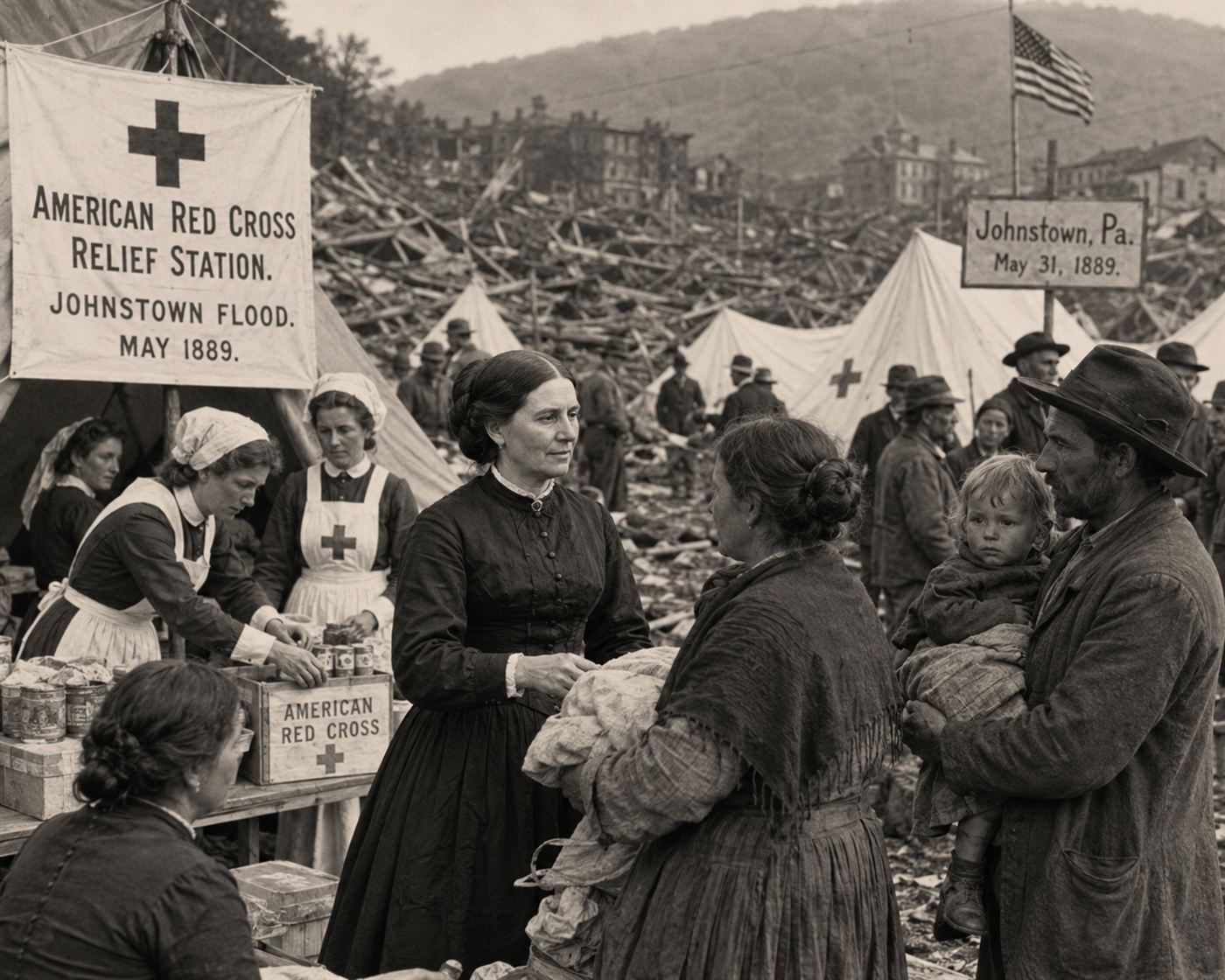
Clara Barton arrived in Johnstown on June 5, 1889, five days after the Johnstown flood, at the age of 67.
She brought the American Red Cross with her and stayed for five months.
At the time, the American Red Cross was a relatively new organization that had primarily responded to international disasters.
The Johnstown flood became its first large-scale domestic operation.
Clara Barton and her team set up hotels and warehouses to distribute food, clothing, and supplies to survivors.
They built six prefabricated hotels that housed families through the winter.
The operation received about $3.7 million in donations from across the United States and from foreign countries, including Japan and Hungary.
Clara Barton's response to the Johnstown flood established the template for American disaster relief organizations: a trained, organized presence that could sustain relief operations for months, not days.
The lesson she took from Johnstown was that disasters required long-term commitment, not just immediate charity.
The honest catch
The rainfall above Johnstown on May 30 and 31, 1889, was genuinely extraordinary.
Between six and eight inches fell in roughly twenty-four hours, a volume that would have stressed any reservoir in western Pennsylvania.
Some of the engineers who examined the South Fork dam later acknowledged that even a properly maintained dam might have failed under those conditions.
The dam failure was not purely the result of negligence.
The extreme rainfall was a real contributing factor.
The South Fork Fishing and Hunting Club had also spent money on repairs to the dam in the years before the Johnstown flood, even if those repairs were inadequate.
What cannot be explained away is the removal of the discharge pipes.
The cast iron pipes were the emergency system that gave operators a way to lower the reservoir in a crisis.
They were sold for scrap, and nothing replaced them.
When the water rose on May 31, the dam's operators had no way to reduce the pressure.
The same pattern appeared in China in 1975, when the Banqiao dam collapsed in Henan Province after engineers' warnings were systematically ignored and the dam failed in a typhoon, killing more than 85,000 people.
In both cases, the engineers who warned of the danger were not the ones who made the decisions.
In both cases, the decisions that removed safety capacity were made by people who would not be standing downstream when the water came.
The South Fork Fishing and Hunting Club members continued to be among the most powerful industrialists in American history.
The pattern of powerful institutions ignoring warnings until people die, and then facing no legal consequences, is not something that ended in 1889.
Andrew Carnegie built libraries in thousands of towns across the United States after Johnstown. He never built one in a city where his own dam had killed 2,209 of the residents. How do you think history should weigh that?
Related reading: the Great Mississippi Flood of 1927, the biggest river disaster in American history, which drowned an area the size of New England.
More from Watts & Wild
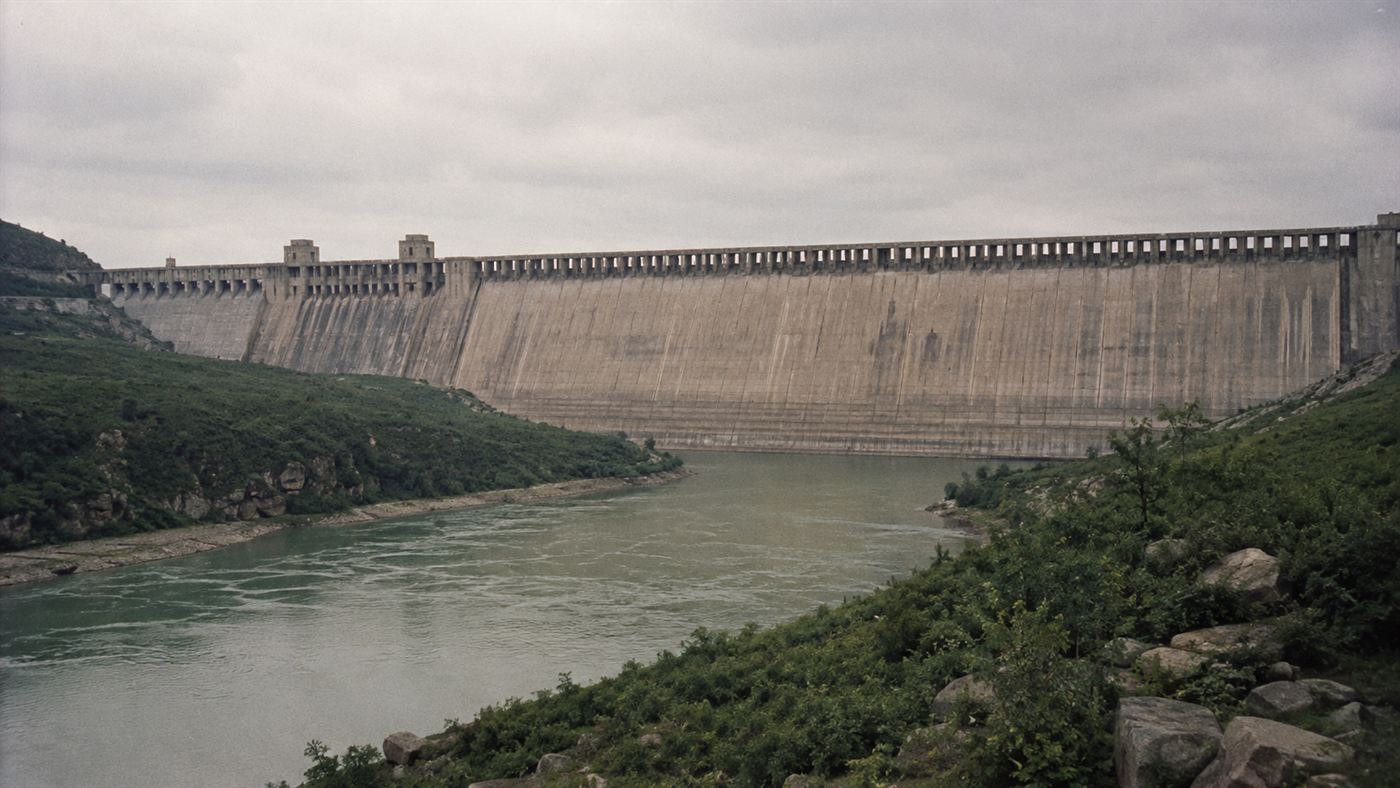 In China in 1975, engineers warned that 62 dams were unsafe. The man who said so was called a rightist and silenced. Then 85,000 people died.
 In Aberfan in 1966, a coal tip buried a school and the government took money from the disaster fund to remove the other tips
 On Piper Alpha in 1988, a permit left in a filing tray killed 167 men in the North Sea
 At Vajont in 1963 a landslide hit a reservoir and sent a wave over the dam, killing 2,000 people. The dam survived. The warnings had not been heeded.