A Japanese fishing city watched its people lose the ability to walk, talk, and hold their children, and the company causing it with mercury had known for years
Minamata disease first appeared in April 1956 in a Japanese fishing city where families had eaten fish from the same bay for generations. It would kill thousands and leave tens of thousands more with permanent neurological damage from mercury poisoning. The company that caused it had already traced the source to its own factory.
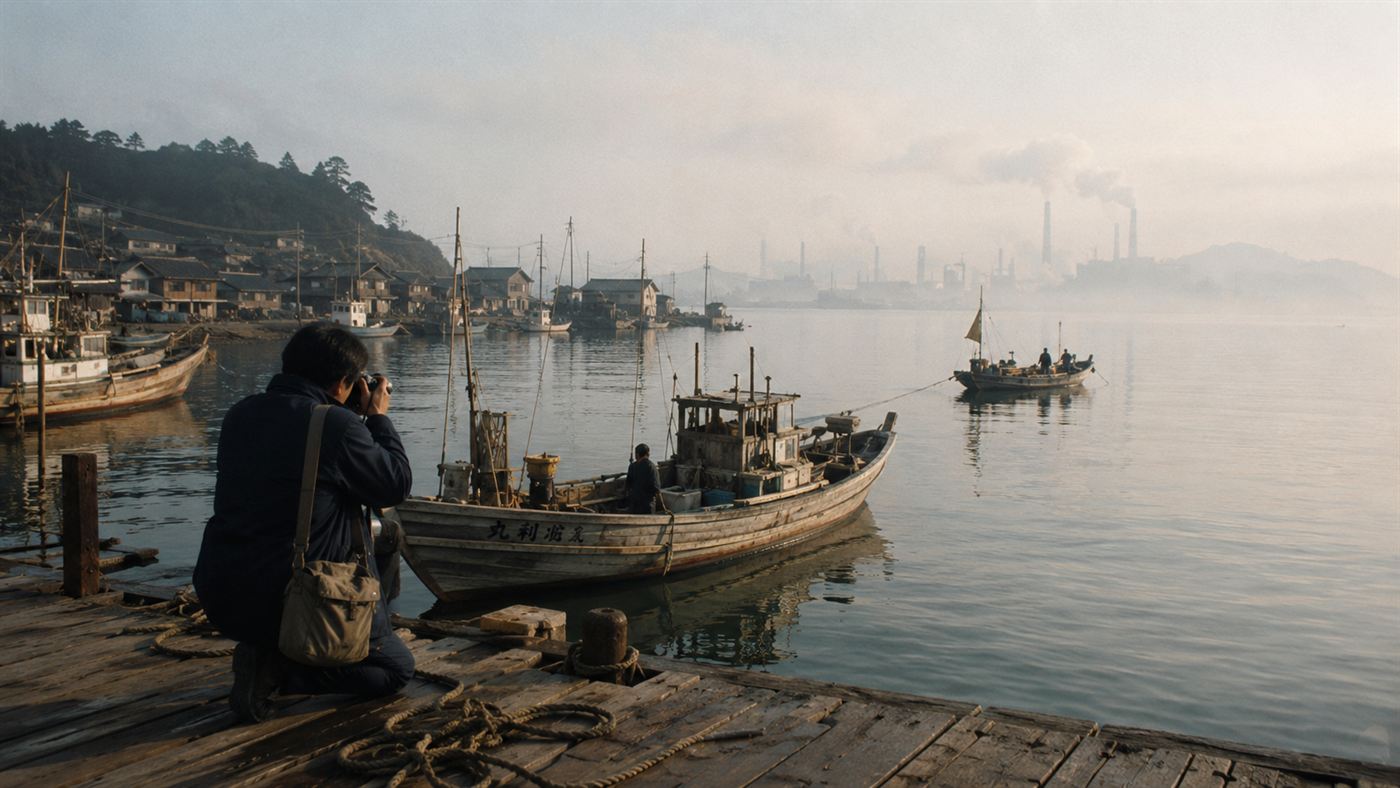
Minamata was a fishing city that built its life around the bay. The factory at the edge of that bay turned its greatest resource into the source of the worst industrial poisoning in Japanese history. Illustration: Watts & Wild.
Minamata disease announced itself through the cats. They convulsed, staggered in circles, and threw themselves into the sea. Locals called it the dancing disease of cats and assumed the animals had simply gone wild. Nobody connected it to the Chisso Corporation factory at the edge of the bay, or to the fish the whole city had been eating every day for years.
On April 21, 1956, a five-year-old girl named Toshiko Uemura was admitted to the Chisso factory hospital in Minamata, a coastal fishing city in Kumamoto Prefecture on the southern Japanese island of Kyushu. She could not walk properly. She could barely speak. Within weeks her younger sister arrived with the same symptoms. Doctors reported an epidemic of an unknown disease of the central nervous system. The methylmercury causing it had been draining from the Chisso Corporation's acetaldehyde plant into Minamata Bay since at least 1932.
Minamata disease is severe neurological damage caused by methylmercury poisoning. Between 1932 and 1968, Chisso Corporation discharged methylmercury into Minamata Bay, where fish and shellfish concentrated the toxin in their tissue. Fishing families who ate them absorbed it into their nervous systems. At least 2,265 people died and more than 10,000 were officially certified as victims of mercury poisoning.
How did an entire city lose the ability to walk?
The symptoms arrived with the cats.
Minamata was a tight fishing community on Kyushu's southern coast, where families had drawn their livelihood from the same bay for generations.
In the early 1950s, cats in the harbor districts began stumbling and convulsing.
Some walked in circles.
Some threw themselves into the sea.
Locals called what they were seeing the dancing disease of cats.
By 1956, the same symptoms were reaching people.
Arms and legs went numb.
Vision narrowed to a tight tunnel.
Speech slurred.
People who had been fishing, farming, and raising children began losing control of their own bodies.
Handwriting became unreadable.
In the most severe cases, patients entered violent convulsions, fell into coma, and did not come back.
The fishermen's diet was the source.
Fish and shellfish from Minamata Bay were pulling methylmercury out of the water and concentrating it in their tissue through a process called bioaccumulation.
Families who ate those fish at every meal had been building up mercury poisoning in their nervous systems without knowing it.
The longer they had lived beside the bay, the higher the dose.
The cats had eaten the fish too.
What Chisso Corporation knew and chose to hide
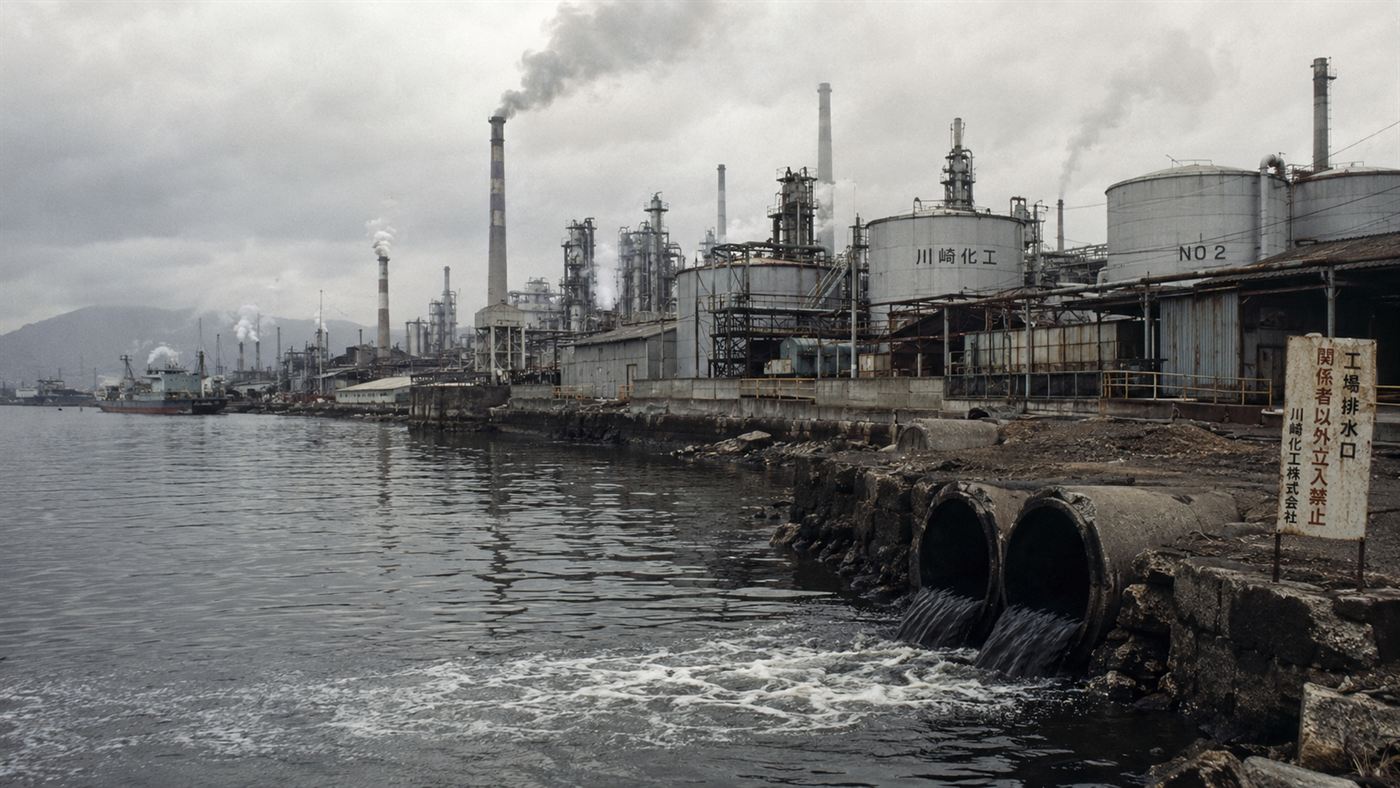
The Chisso Corporation had been operating an acetaldehyde plant in Minamata since 1932.
Acetaldehyde production, used in the manufacture of plastics and pharmaceuticals, generates inorganic mercury as a byproduct.
At Chisso's plant, that byproduct was converted in the reaction vessel into organic methylmercury and discharged untreated into Minamata Bay through a canal at Hyakken Harbour.
By the late 1950s, Dr. Hajime Hosokawa, the director of the Chisso factory hospital, was running experiments to find the cause of the disease.
In October 1959, he fed factory discharge directly to a cat.
The cat developed Minamata disease.
He informed Chisso Corporation management of the result.
Management instructed him to stop the research.
The experiment was never published.
The discharge into the bay continued for nine more years.
The same year, Chisso negotiated a settlement with victim families.
The payments were described in the agreement as mimai-kin, a phrase meaning sympathy money rather than compensation.
The distinction was deliberate: accepting compensation would have meant accepting legal responsibility for the mercury poisoning.
Families who signed gave up their right to future claims.
They did not know that Chisso Corporation already had internal proof linking their illness to the factory.
The company also installed a device called a cyclator, presenting it publicly as a system to purify the wastewater before discharge.
The cyclator removed almost nothing from the effluent.
It was announced as a solution.
Industrial pollution was not yet a legal category in Japan.
There was no mechanism for holding a company responsible for contaminating shared water.
Chisso Corporation was Minamata's largest employer and, in the way that company towns work, effectively its government.
The same logic had governed Henry Ford's Amazon rubber empire, where company authority and local welfare were assumed to be the same thing, until the consequences of that assumption became impossible to ignore.
The photographs that changed what the world could ignore
In 1971, American photojournalist W. Eugene Smith and his wife Aileen Mioko Smith moved to Minamata.
They were not visiting.
They rented a house in the city, joined the victims' community, and spent three years documenting the disease and the people living with its consequences.
Their photographs appeared in Life magazine in June 1972 and in a book, Minamata, published in 1975.
The image that was reproduced most widely shows a mother, Ryoko Uemura, bathing her daughter Tomoko in a traditional wooden bath.
Tomoko had been born with congenital Minamata disease, her nervous system damaged before birth because her mother had eaten fish from the bay while pregnant.
The mother had shown few symptoms.
The daughter could not speak, could barely move, and needed complete care for every function of her life.
The photograph became one of the most discussed images in the history of environmental journalism.
It did what large numbers and legal arguments could not do on their own: it made the scale of the mercury poisoning visible as a single human life.
The Smiths paid a price for being there.
In January 1972, at a protest outside the Chisso factory gate, a group of company workers and hired men attacked W. Eugene Smith.
He was beaten severely and lost the sight in one eye permanently.
The photographs were published anyway.
The story reached an international audience at a specific moment.
The United Nations Conference on the Human Environment had taken place in Stockholm in June 1972, and a global conversation about industrial pollution and its consequences was already underway.
Minamata entered that conversation with a name and a face, joining a short list of disasters where engineers and executives had been warned and chose to continue, including the geologists who told Vajont Dam's builders that Monte Toc was moving, and were ignored until the mountain fell into the reservoir.
How victims spent decades getting the law to catch up
The first verdict came in March 1973.
The Kumamoto District Court found Chisso Corporation liable for Minamata disease, ruling that the company had been negligent in allowing methylmercury discharge to continue after the link had been established.
The court ordered compensation payments to certified victims.
It was one of the first rulings in Japan to hold a corporation legally responsible for industrial pollution damage to public health.
The certification process that followed became its own source of suffering.
Japan created a system to formally identify Minamata disease victims, requiring applicants to prove both their exposure and the specific neurological damage caused by mercury poisoning.
Advocacy groups documented case after case of people who had lived beside the bay for decades, eaten the fish their whole lives, and been denied certification because their symptoms did not match the criteria exactly.
As of the 1990s, more than 10,000 people had been officially recognized as victims.
Organizations representing applicants estimated the real number of people affected by mercury poisoning from Minamata Bay was far higher.
Some estimates placed the total above 50,000.
The gap between the damage caused and the people officially counted bears comparison to how Nauru mined itself into poverty, where decades of phosphate extraction reshaped the lives of an entire population but the full accounting of who was harmed and how much has never been agreed upon.
Lawsuits over denied certifications continued into the 2000s.
Chisso Corporation was reorganized in 2011, separating its chemical operations into a new entity called JNC Corporation while keeping the compensation obligations in a separate fund.
The payment mechanism continues.
Some victims received their certifications only in old age, long after the disease had already taken the years they might otherwise have lived differently.
What Minamata disease changed about pollution law worldwide
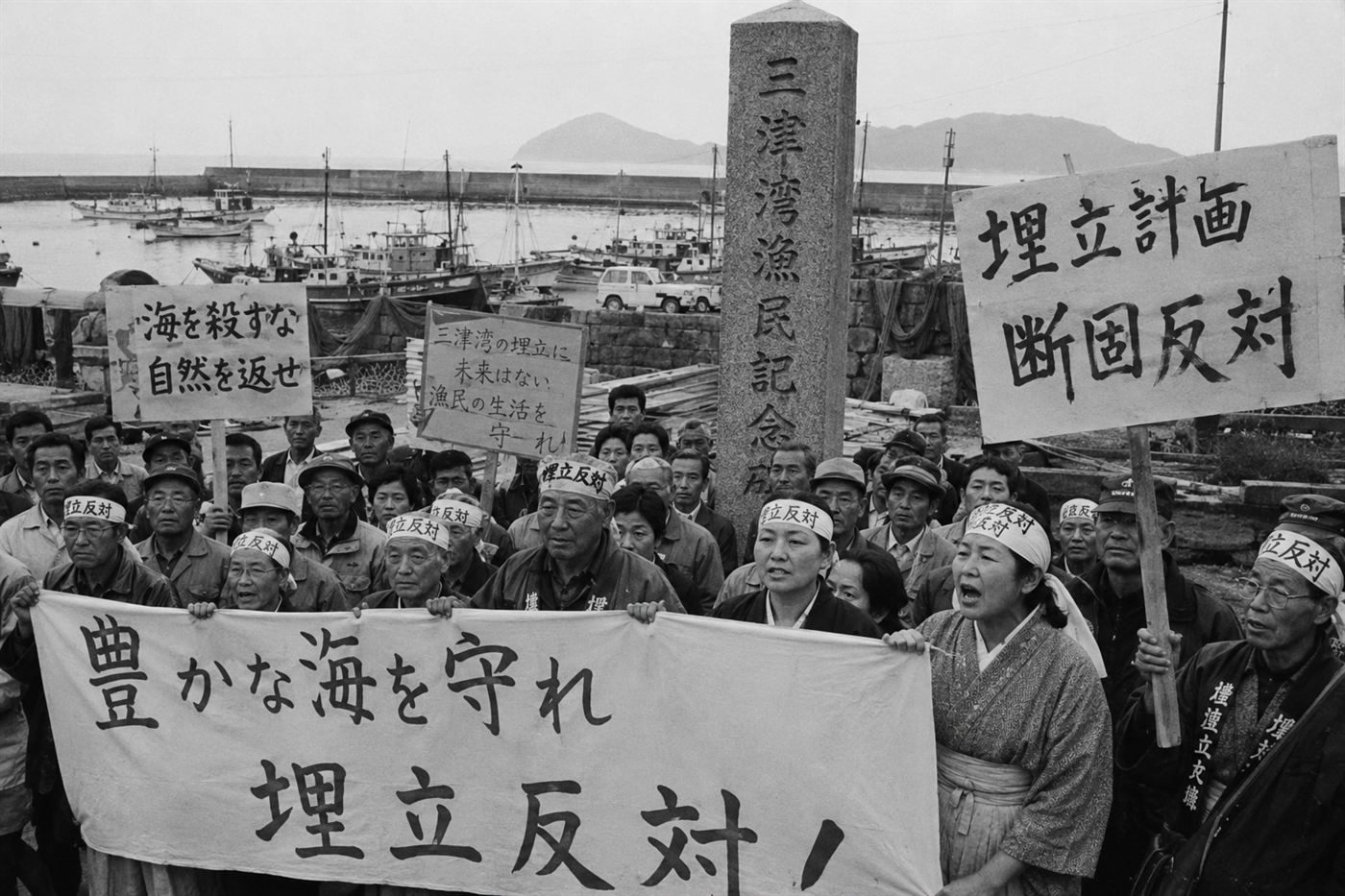
Japan rewrote its environmental legislation in the early 1970s as a direct result of Minamata disease and a cluster of other industrial pollution disasters from the same period.
New laws created legal frameworks for corporate liability, regulatory control over discharge into water and air, and formal recognition of mercury poisoning and other chemically caused illnesses as categories of actionable harm.
The changes made industrial pollution a matter of law rather than informal tolerance.
The name traveled further still.
In 2013, the United Nations adopted the Minamata Convention on Mercury, an international treaty targeting the production, trade, and use of mercury in industrial processes.
The convention is named after the city as explicit acknowledgment of what uncontrolled industrial methylmercury can do to a population that depends on shared water for its food.
As of 2025, more than 140 countries have ratified it, committing to phase out mercury-containing products and reduce mercury emissions from coal combustion and manufacturing.
Minamata Bay itself has been cleaned.
Between 1977 and 1990, the most contaminated sediment was dredged and sections of the bay were capped with a concrete seabed liner.
Fish from the bay are tested regularly and sold commercially again.
The city maintains an environmental museum, a memorial park, and promotes environmental tourism as part of its identity, the place where the worst industrial pollution disaster in Japanese history happened becoming the place that teaches the lesson.
For more stories like this one, see our Industry & Mega-Builds section.
The honest catch
The cleanup of Minamata Bay is real, but the concrete cap covers sediment that still contains methylmercury.
Monitoring continues.
Some researchers argue that the containment approach, while practical, leaves a long-term risk if sediment is disturbed by earthquakes, storms, or future dredging projects.
The official victim count remains disputed.
The Japanese government certified approximately 2,265 deaths and recognized more than 10,000 people as Minamata disease victims.
Advocacy groups have argued for decades that the certification criteria were drawn too tightly and that the real number of people affected by mercury poisoning from the bay is substantially higher.
Tens of thousands of certification applications were rejected.
JNC Corporation, the successor to Chisso Corporation, is still operating and continues to pay compensation from a dedicated fund.
The company that caused the disease did not go bankrupt or dissolve.
It restructured and survived.
The Minamata Convention on Mercury has real limits.
Small-scale gold mining, one of the largest remaining sources of mercury poisoning globally, is nominally covered by the treaty, but enforcement varies enormously across the countries where the practice is most widespread.
The World Health Organization estimates that methylmercury exposure remains a significant global health concern, particularly in communities near artisanal gold mining operations and in populations with high fish consumption in contaminated waterways.
Japan's Ministry of the Environment has published extensive documentation of the Minamata case as a reference for industrial pollution policy, including the timeline of Chisso's internal knowledge.
The treaty is a better document than the world it governs.
Does a corporation that concealed evidence of mercury poisoning for nine years, while families signed away their legal rights without knowing the company already had proof, deserve to survive by paying compensation from a restructured fund, or should industrial pollution on this scale mean the end of the company?
Tell us in the comments.
Also see: The Bagger 288, the largest land vehicle ever built, dug lignite for decades and swallowed a German village to do it. And: In 1976 a chemical factory in northern Italy released dioxin over a small town, covered children in lesions, and then sent its contaminated waste on a nine-month disappearance across Europe.
More from Watts & Wild
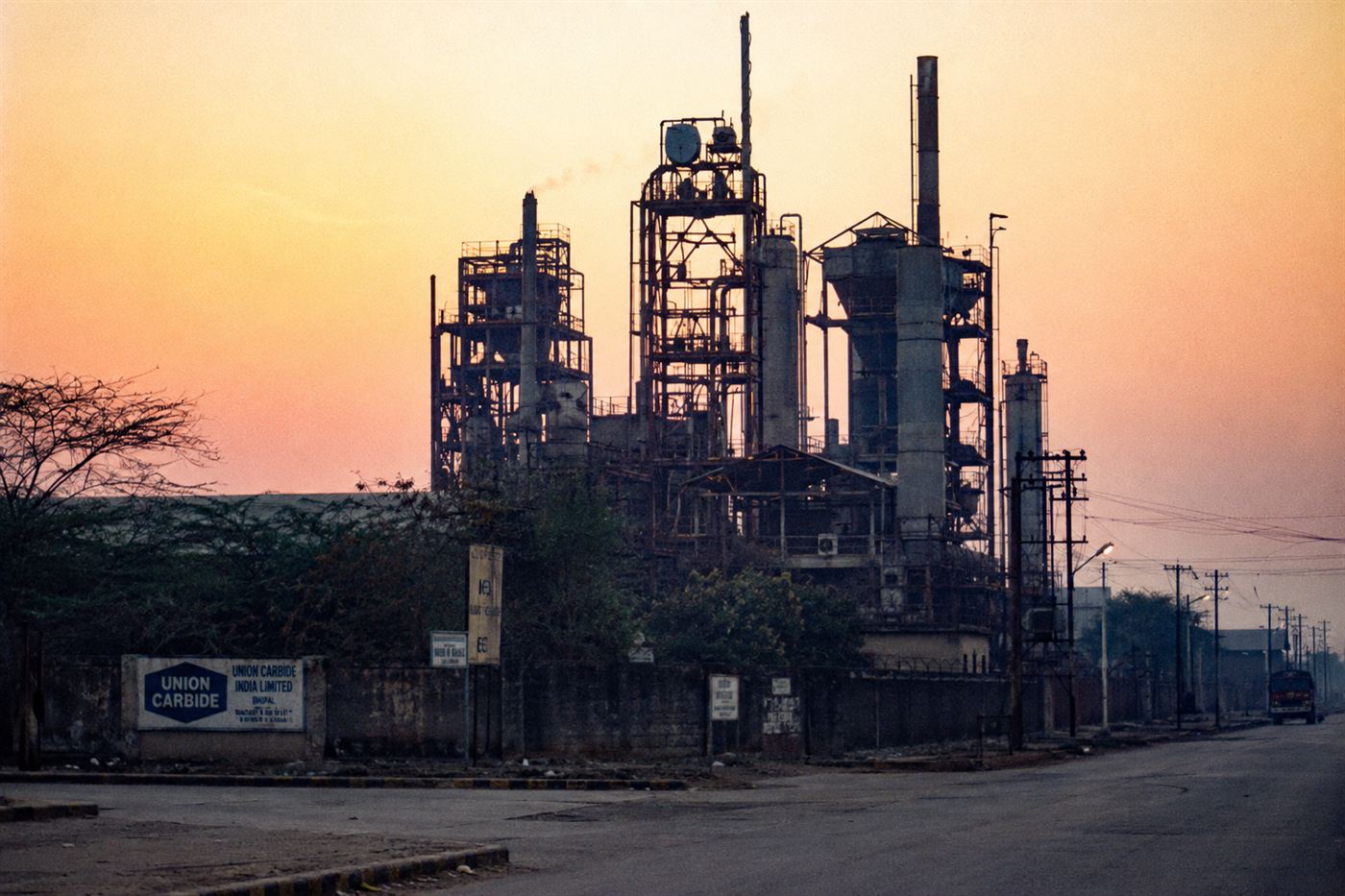 In December 1984 a Union Carbide pesticide factory in India leaked thirty tons of toxic gas over sleeping neighborhoods, killed at least fifteen thousand people, and the CEO was arrested, bailed, and flew home the same day.
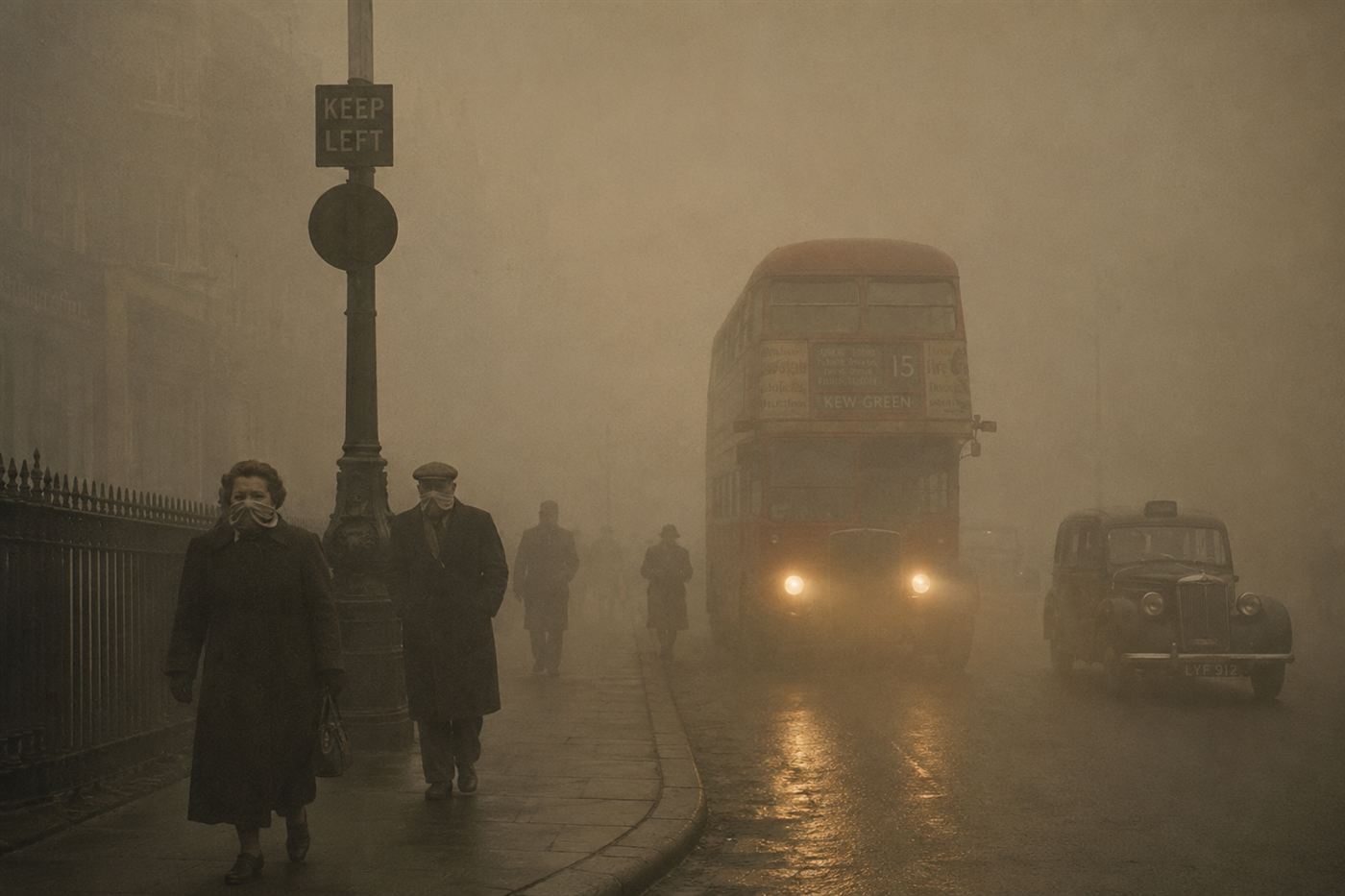 The Great Smog of 1952 killed 12,000 Londoners in five days and the government hid the toll for years
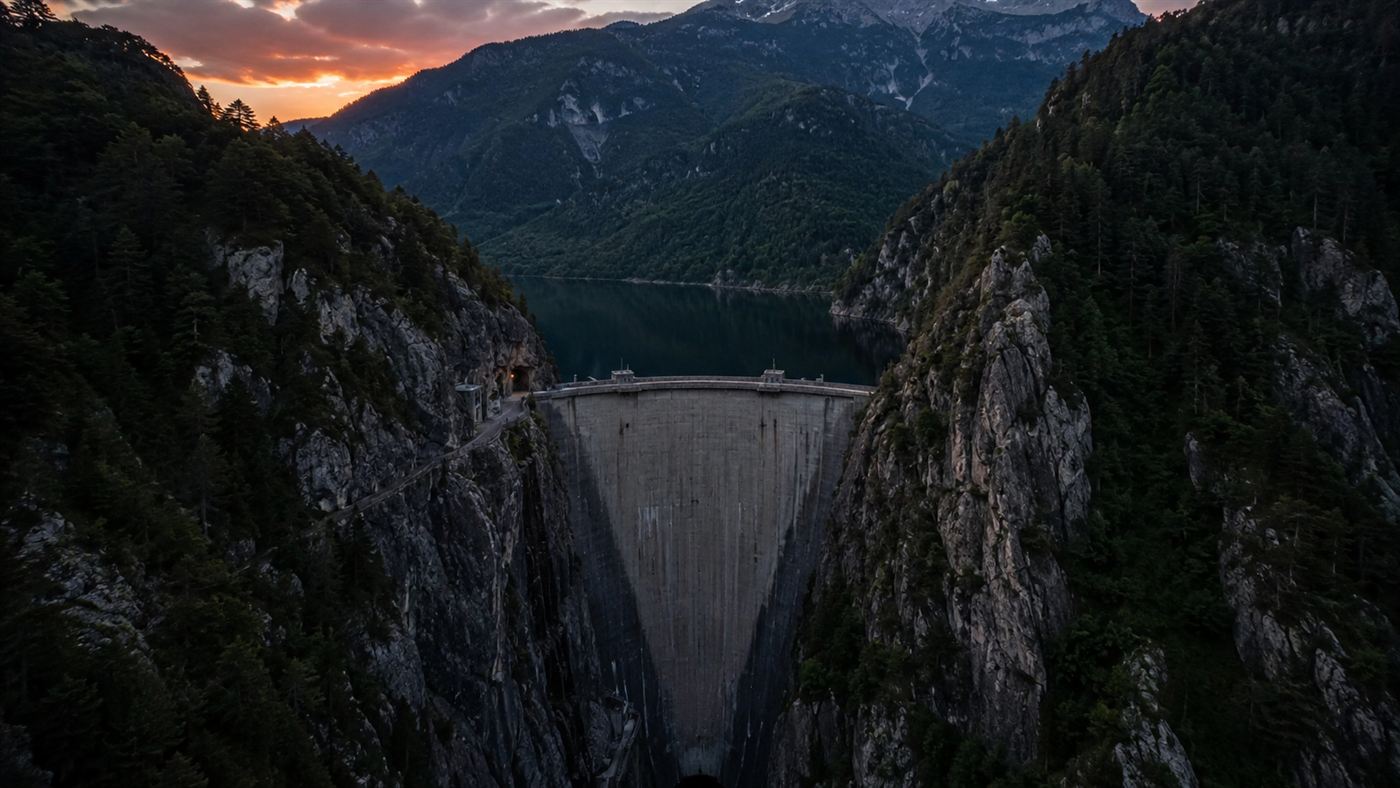 The engineers who ignored a moving mountain before Vajont Dam killed two thousand people
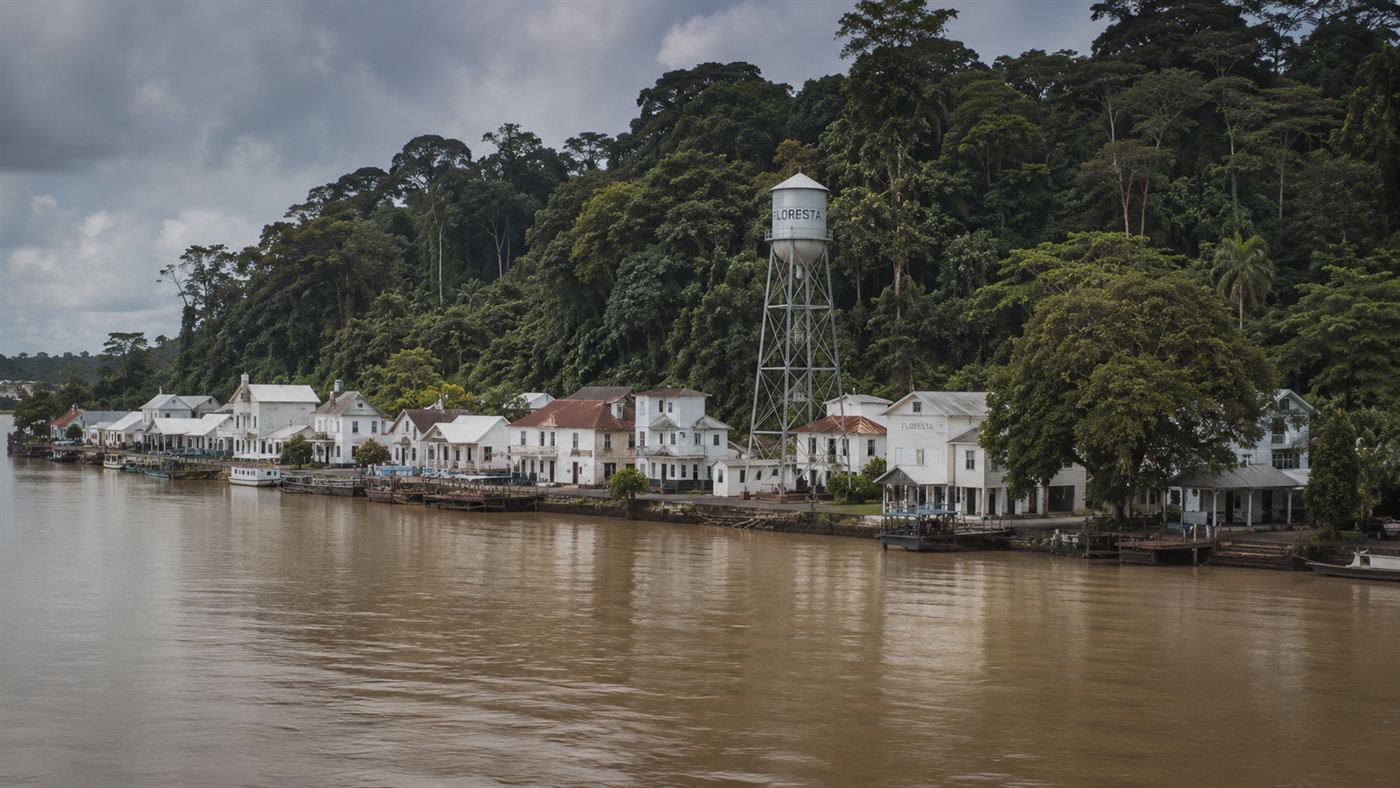 Henry Ford bought ten thousand square kilometres of Amazon and built a Michigan town that never worked
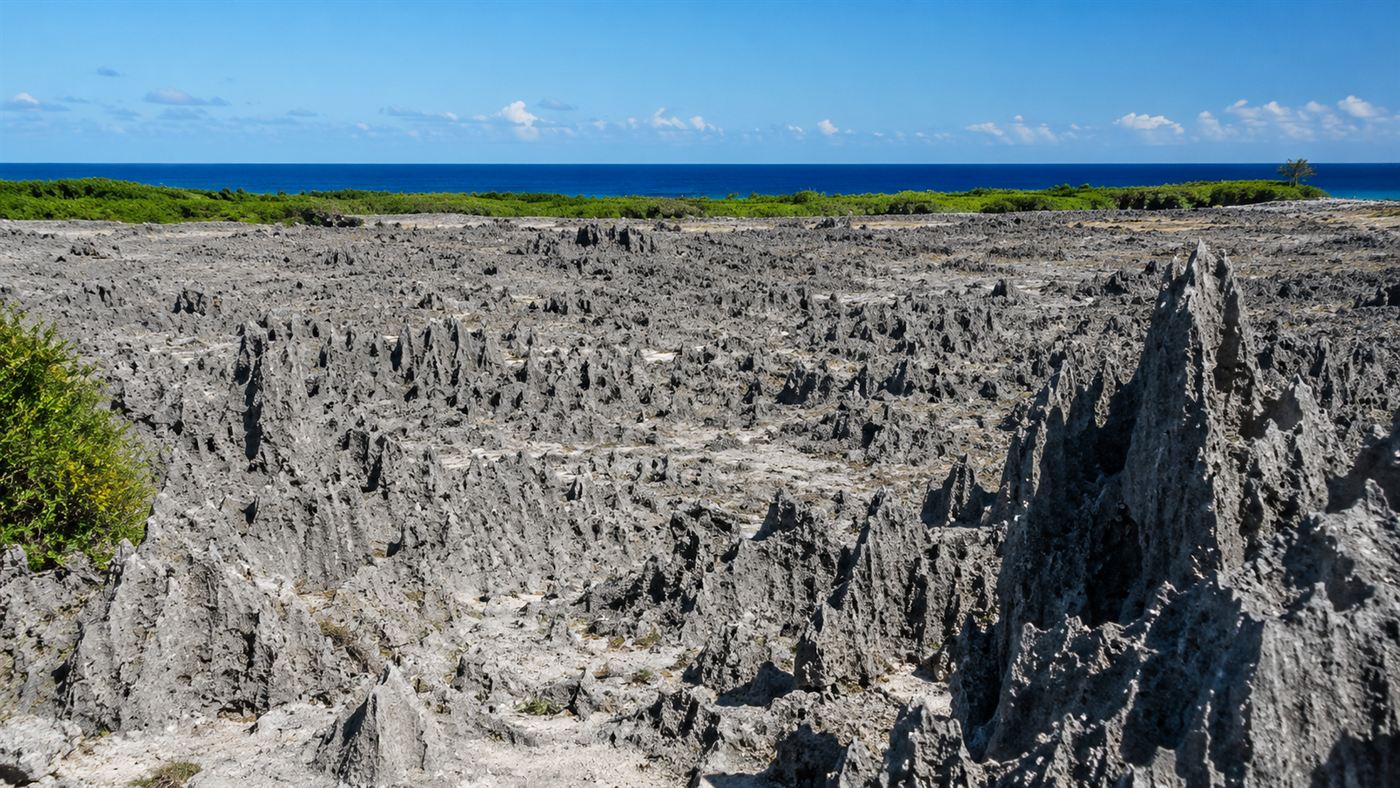 Nauru had one of the highest incomes per capita on Earth, then it mined itself into poverty