A 336-mile power cable buried under a lake and a river now lights up a fifth of New York City
In 2026, one of the largest clean-energy projects in the United States switched on, and almost no one can see it. The Champlain Hudson Power Express is a giant electricity cable running hundreds of miles from Canada to New York City, and nearly all of it is a giant power cord buried where no one can look at it.
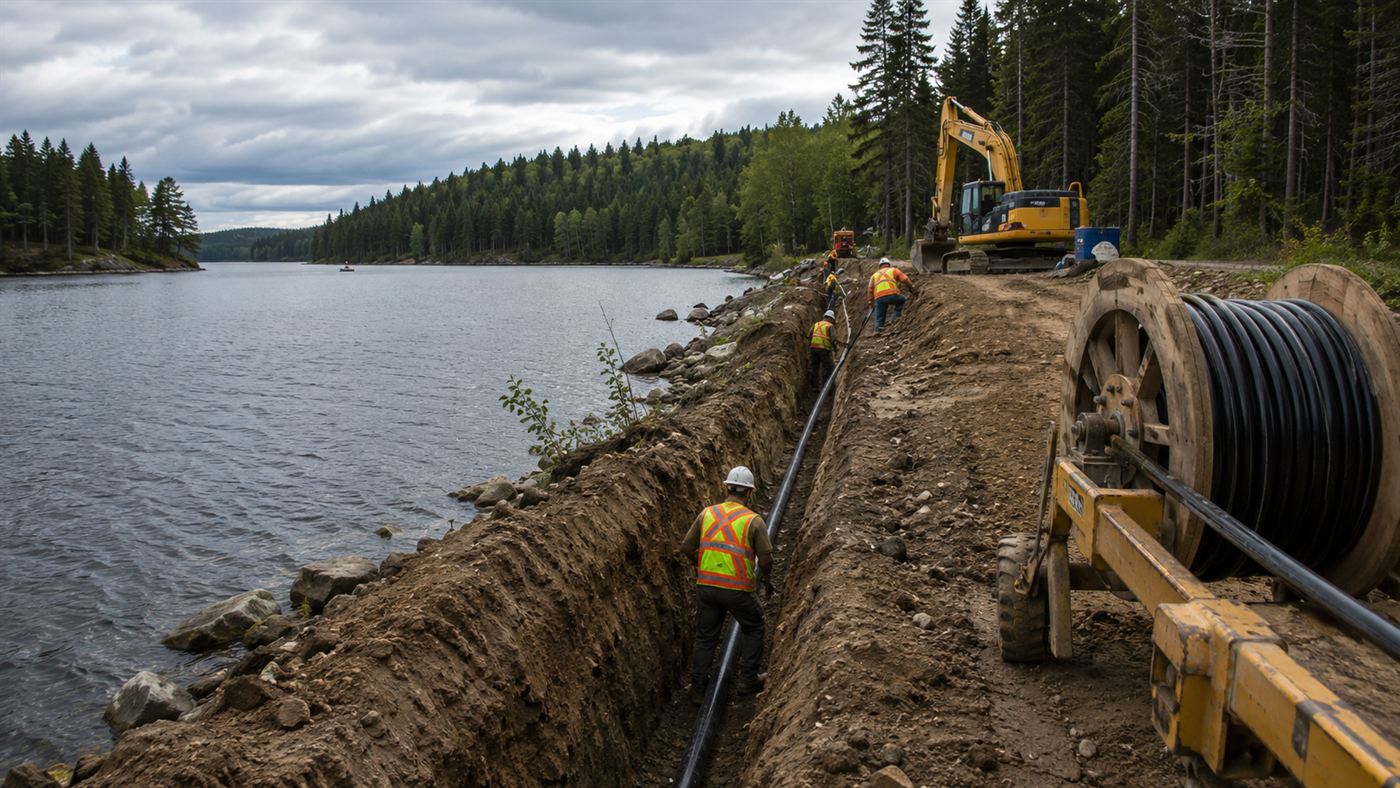
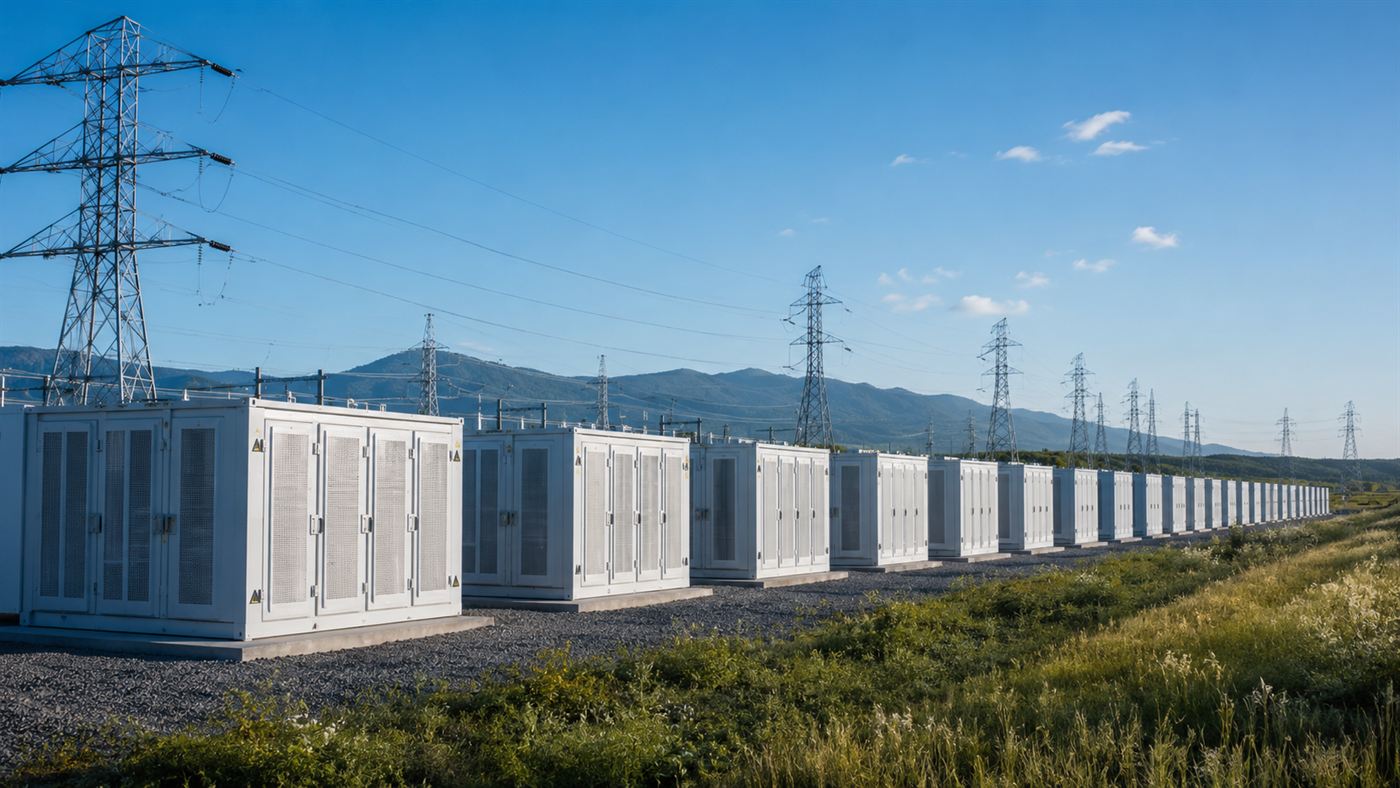
Most of the line is buried in a trench underground and underwater, out of sight. Illustration: Watts & Wild.
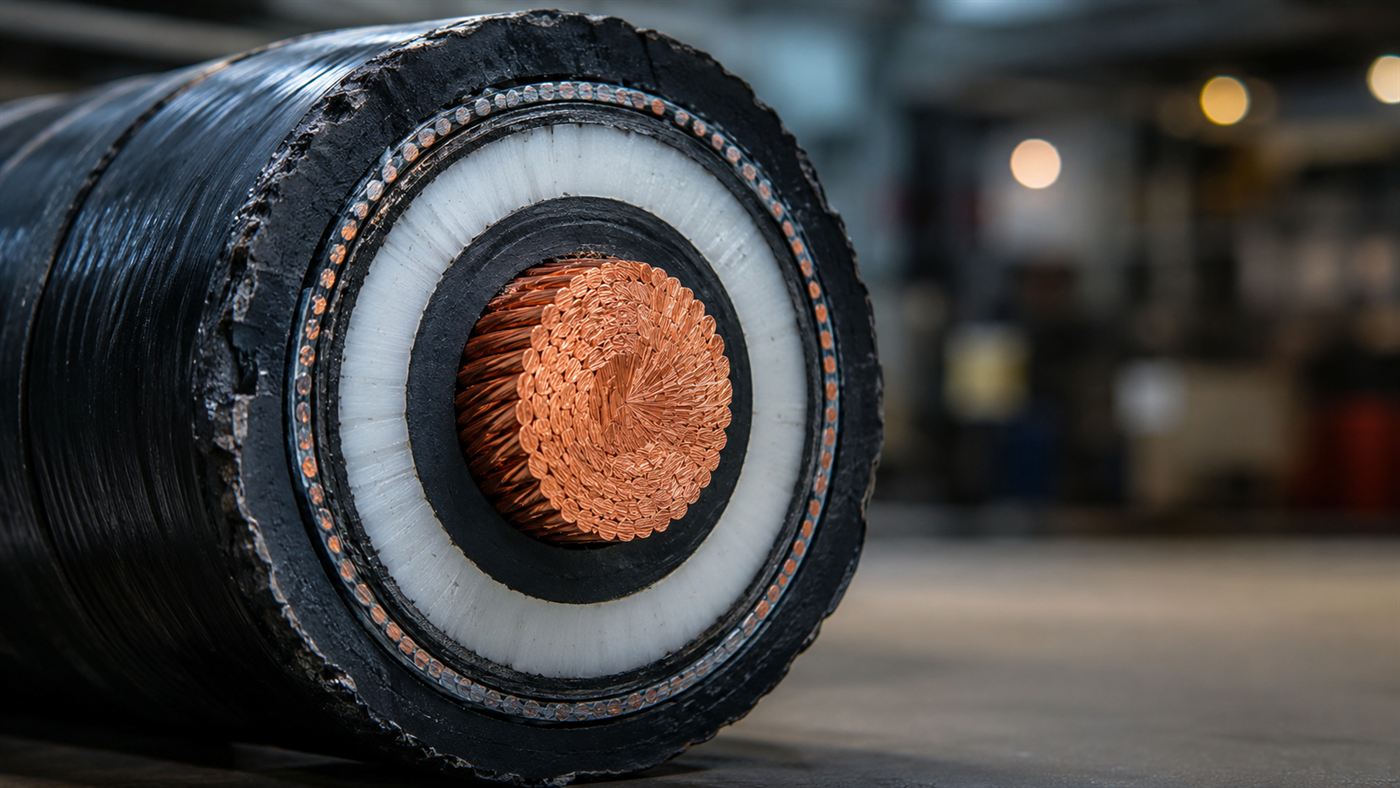
The line runs 336 miles from the Canadian border down to Queens, and it is the longest fully buried transmission line in North America. It began commercial operation in 2026 after more than a decade of planning and construction, and it carries a serious load: about 1,250 megawatts of electricity, enough to cover roughly a fifth of everything New York City uses.
That power is not made in the city. It comes from the dams of Hydro-Quebec, across the border in Canada, and travels south under Lake Champlain, along rail and highway corridors, and finally beneath the Hudson River into the largest city in the United States. It is a partnership years in the making between a developer, Transmission Developers, and the Canadian utility.
The short version is that a huge stream of clean electricity is now flowing quietly under the water and the ground into New York, and the most remarkable thing about it may be that you would never know it was there.
Why the Champlain Hudson Power Express is buried
The choice to hide the whole line was deliberate and clever. Big overhead transmission lines, strung on tall steel towers, are among the most hated things to build in a crowded region. They spark years of lawsuits from towns and landowners who do not want a march of pylons across their view, and that opposition has strangled countless clean-energy projects.
By running its cable underground and along the beds of a lake and a river, the project sidestepped much of that fight. There are no towers to see, no forests cut into corridors, just a buried cable following routes people already accept, like railways and roads. It cost more to bury, but the wire is the easy part; the permits are the mountain, and burying it moved the mountain.
Where the power comes from
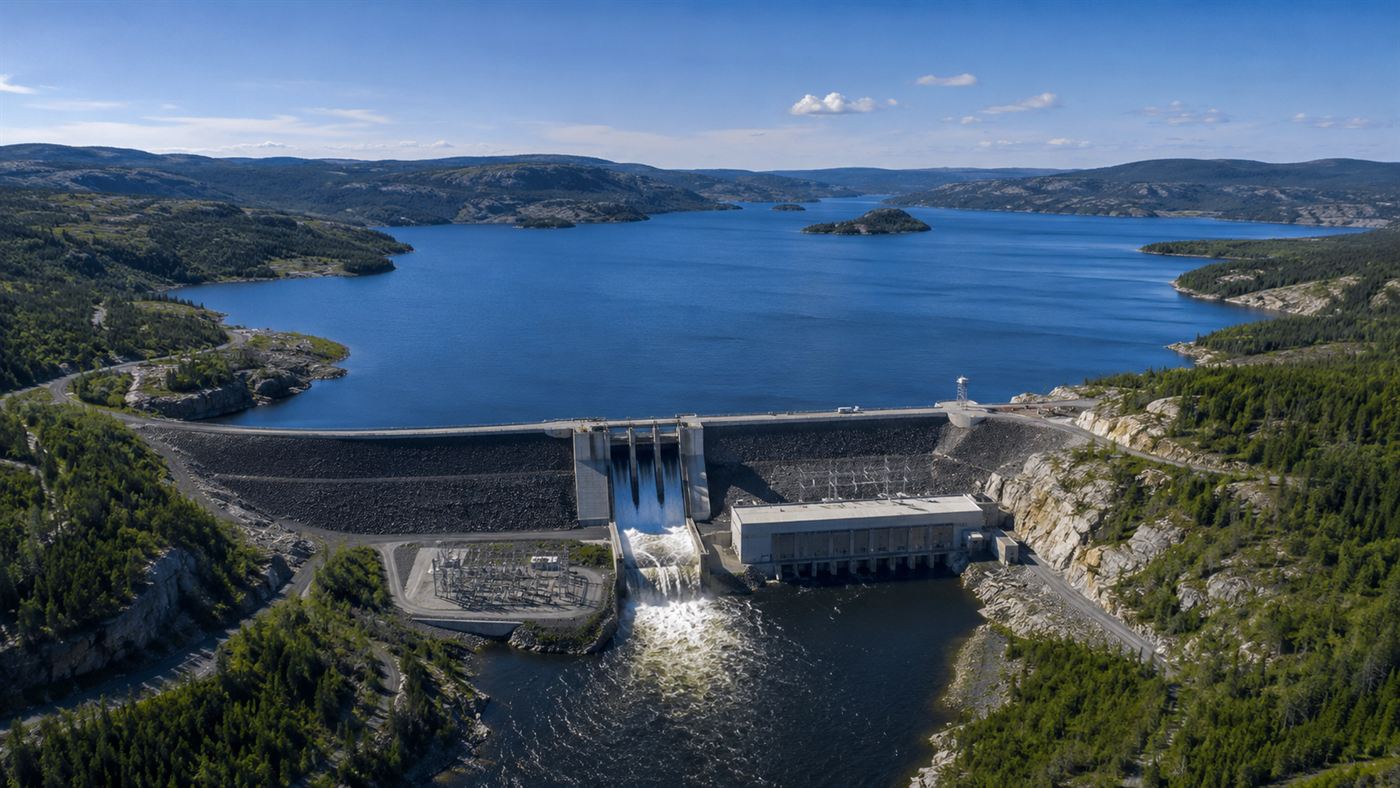
The electricity itself is Canadian water. Hydro-Quebec runs some of the largest hydroelectric dams on Earth, generating cheap, low-carbon power from rivers in the far north, often more than the province itself can use. Selling that surplus south to a hungry, high-priced market like New York is good business for Canada and clean supply for the city.
For New York, the appeal is obvious. The city has leaned heavily on gas-fired plants, some of them old and dirty and sitting in neighbourhoods that have breathed their fumes for decades. A steady river of imported hydropower can push some of those plants toward retirement, cutting both carbon and local pollution in one stroke.
Is importing clean power a real fix?
It genuinely helps, but it is worth being clear-eyed. The city is not generating this energy itself; it is buying it from another country, which trades one kind of dependence for another and sends the money and the jobs of power generation across the border. A cable is a lifeline, and lifelines can be cut, disputed or repriced.
There is also the source to reckon with. Giant hydroelectric dams are low-carbon, but they are not free of harm. Building them floods enormous areas, disrupts rivers and fish, and has often drowned the lands of Indigenous peoples, and the reservoirs behind them can release methane. Clean at the plug does not always mean clean all the way back to the water.
The honest catch
It is easy to celebrate this as a clean-energy triumph, and in important ways it is one. Delivering 1,250 megawatts of low-carbon power into a fossil-heavy city, without a single new overhead tower, is a real environmental win, and the engineering of a buried line this long is genuinely impressive.
But the catch is the story behind the switch. This one link took some fifteen years to go from idea to operation, a reminder that the true bottleneck for clean energy in America is not making the power but moving it, through a maze of permits and objections that can outlast a decade. Fifteen years to bury a single line is a warning as much as a win. If the country is to run on clean electricity, it will need dozens of connections like this, and it cannot afford to spend a generation on each one.
Sources: Industrial Info on the line starting up, Champlain Hudson Power Express, and the Hydro-Quebec project background.
A river of clean power is now sliding invisibly under the Hudson into New York, after fifteen years in the making. Should America be racing to bury more lines like this, even if each one takes a decade and crosses a border? Tell us what you think in the comments.
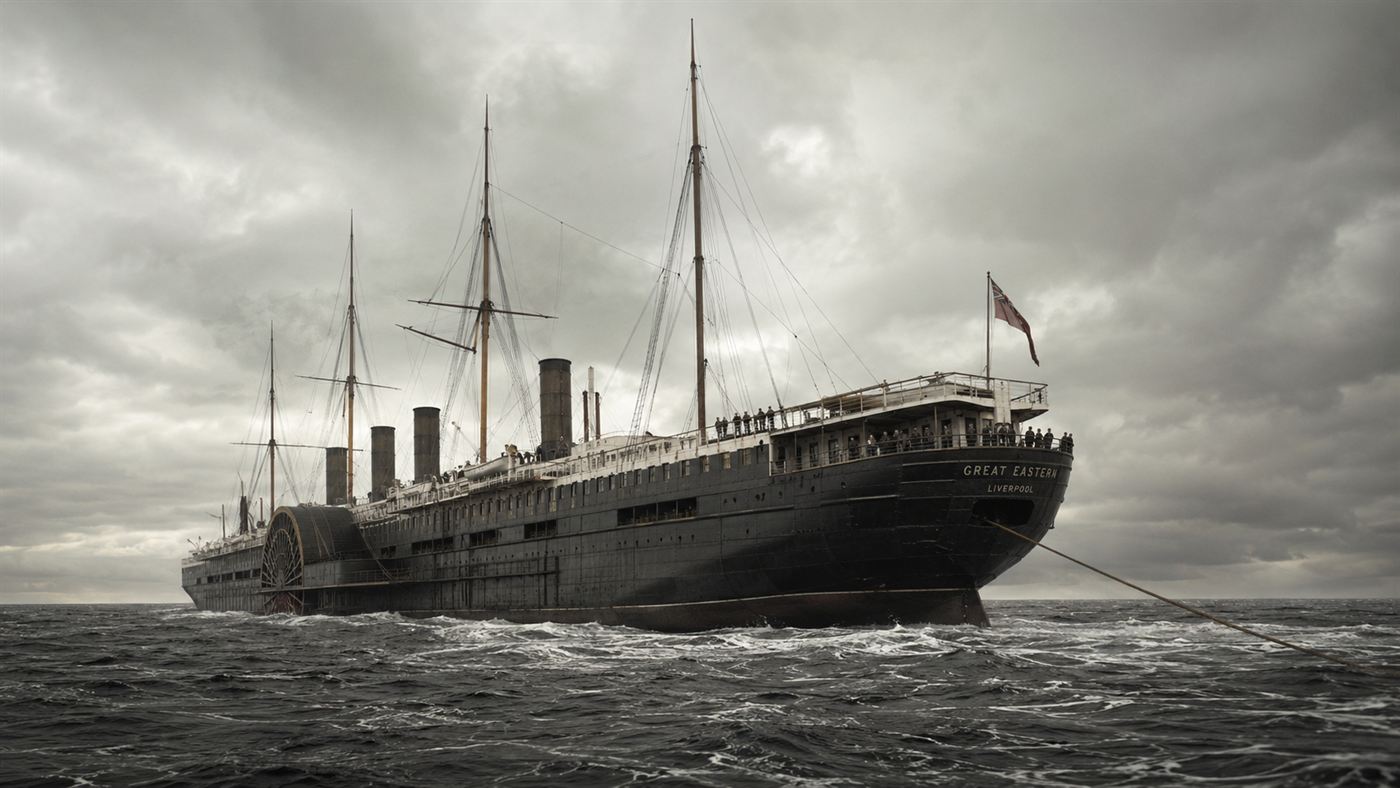
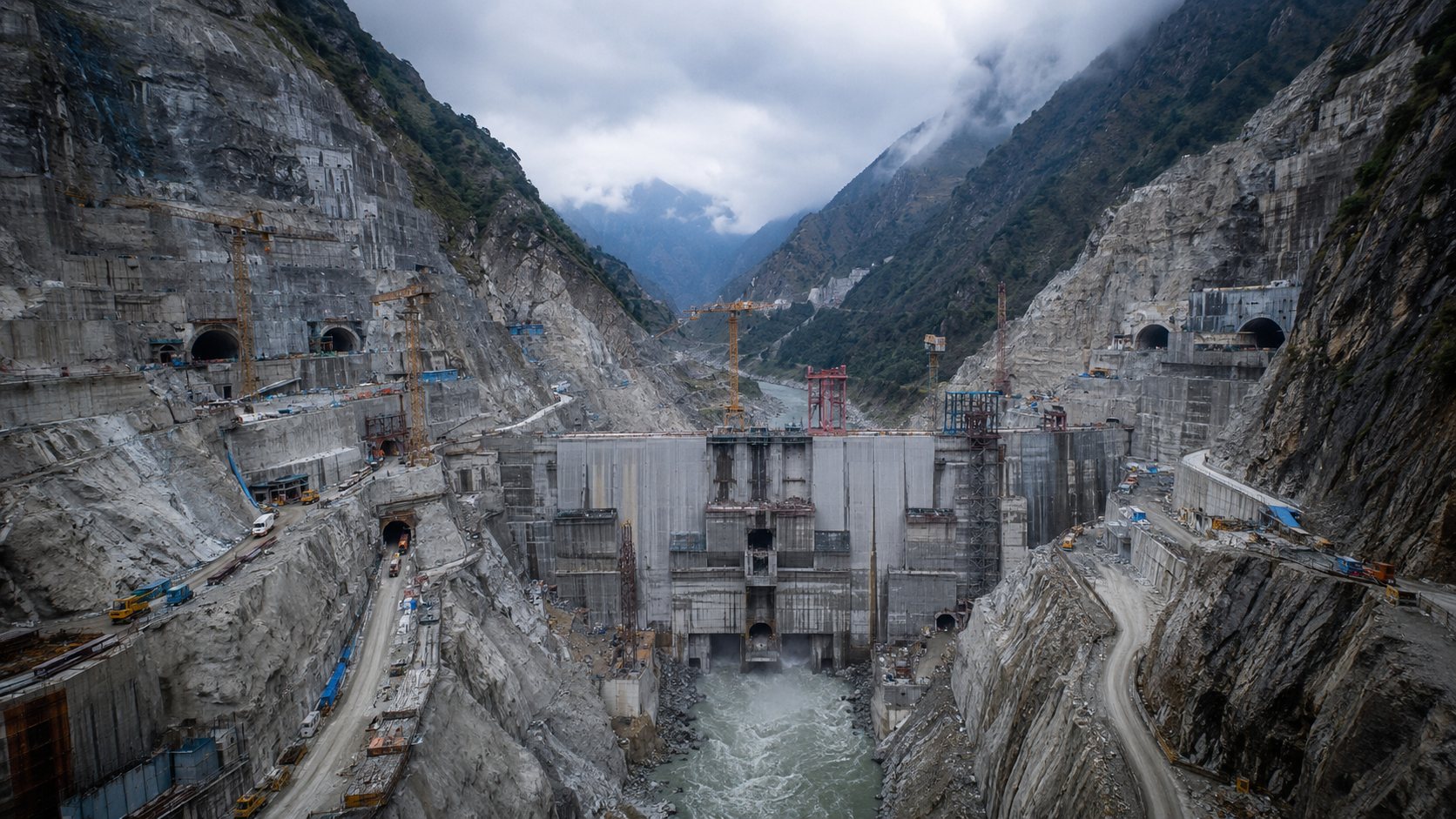
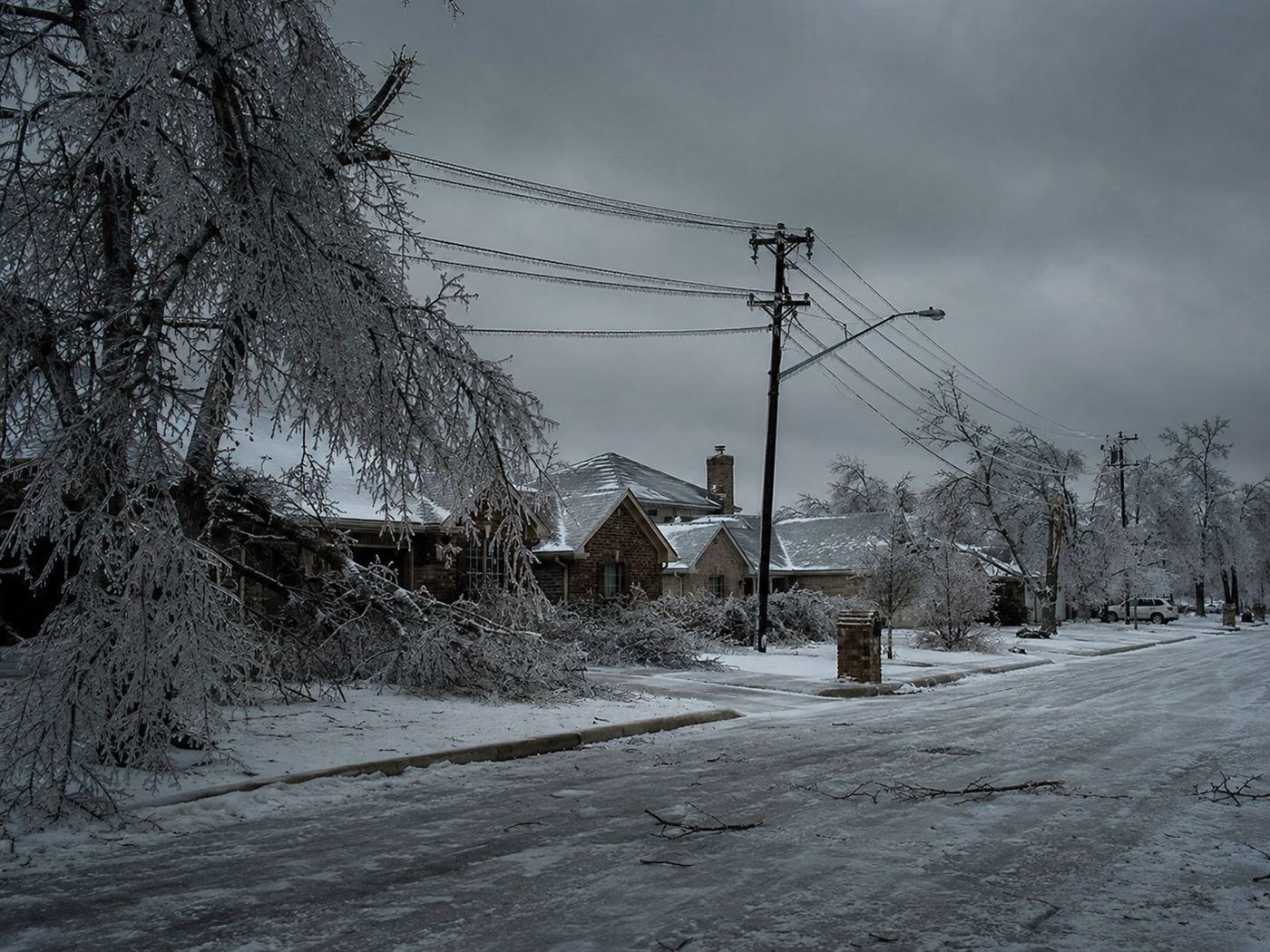
Related reading: the first great cable ever laid under an ocean, to carry messages not power. See also the vast Himalayan megadam being built to generate hydropower, and the Texas freeze that showed how fragile a power grid can be.