On an Arctic island built to outlast any disaster, a vault holds 1.3 million seeds for the end of the world, and the first people to ask for them back were escaping a war
Half a world from anywhere, inside a frozen mountain on a Norwegian island near the North Pole, the Svalbard Global Seed Vault holds more than a million crop seeds, a backup of the food the planet eats. It was built to survive almost anything. Twice now, reality has tested that promise.
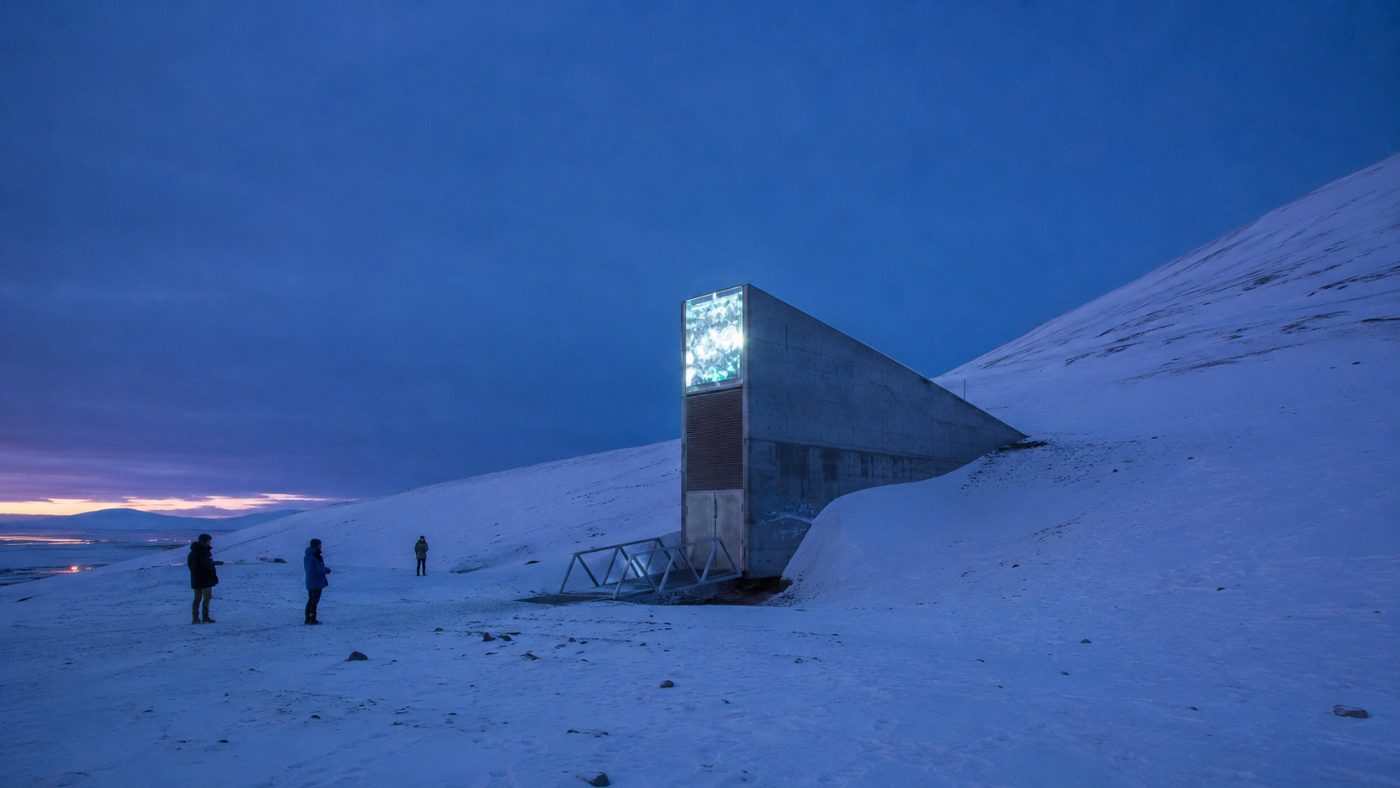
The only visible part of the Svalbard Global Seed Vault is a concrete wedge in the snow. Illustration: Watts & Wild.
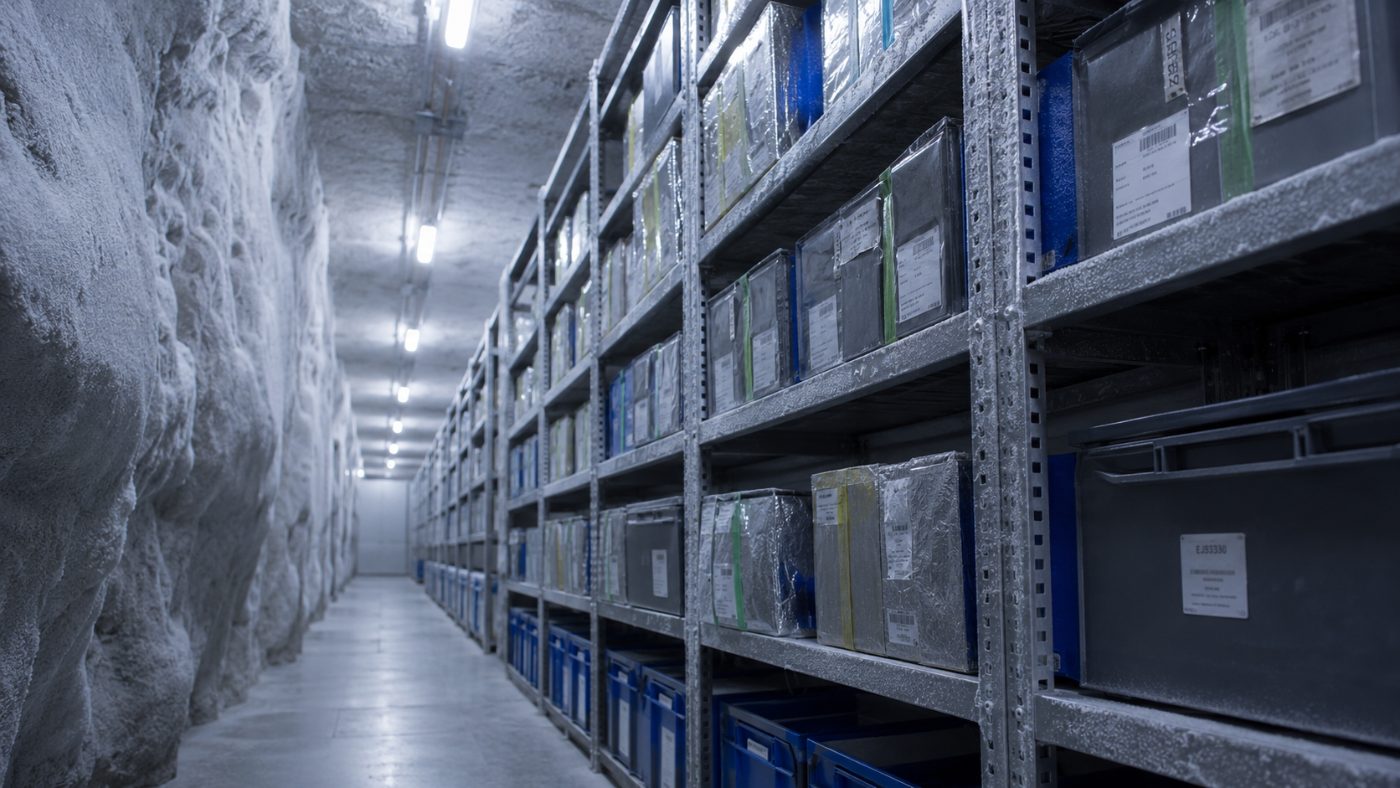
On the island of Spitsbergen, around 1,300 kilometres from the North Pole, a single grey door juts out of a snow-covered mountainside. Behind it, down a long tunnel cut into the permafrost, lies the Svalbard Global Seed Vault, perhaps the most quietly important storeroom on Earth. Inside, kept frozen by the mountain itself, sit more than 1.3 million seed samples drawn from over 6,500 species.
The idea behind it is blunt. Wars, floods, fires, storms and budget cuts wipe out the world's seed banks all the time, and with them the genetic variety of the crops humanity depends on. Svalbard is the backup, a copy of last resort. As the Crop Trust, which helps run the vault, explains, genebanks around the world send duplicates of their seeds to Svalbard so that if an original collection is ever destroyed, the crop itself is not lost with it.
The Svalbard Global Seed Vault holds almost everything we eat
The vault is not a showcase of a few famous crops. It is a sprawling archive of agricultural diversity: tens of thousands of distinct varieties of rice and wheat, but also beans, sorghum, barley, peppers, okra and obscure local landraces that exist almost nowhere else. Each little foil packet is an insurance policy against a future pest or drought we cannot yet name.
Norway paid to build the vault and owns the mountain, but not the seeds. It runs on a deposit-box principle: every genebank keeps full ownership of what it sends, and only that depositor can ever ask for its boxes back. When it opened in 2008, the design had room for 4.5 million samples, a deliberately enormous margin, as if its founders expected the world to keep needing it.
The first withdrawal was a war
For years the vault only ever received. Boxes went in, nothing came out, and the place felt like a tomb for a catastrophe that had not happened yet. Then it did. Syria's civil war engulfed the city of Aleppo, home to a vital genebank run by an international research centre known as ICARDA, which held irreplaceable collections of the dryland crops that feed the Middle East.
Unable to keep working in a war zone, ICARDA in 2015 made the first withdrawal in the seed vault's history, pulling out backups so it could rebuild its collection in Lebanon and Morocco, and a larger withdrawal followed in 2017. Years later it returned freshly grown seeds to the mountain, closing the loop. The doomsday vault's first real use was not an asteroid or a plague. It was people fleeing a war, reaching back into the ice for what they had lost.
Sudan, and a vault that keeps getting busier
What was meant to be a once-in-history event keeps repeating. In February 2025, more than 2,000 seed samples rescued from Sudan's national genebank, threatened by yet another war, were carried up to Svalbard and deposited alongside roughly 12,000 more from genebanks around the world. Months earlier, in October 2024, the vault had taken in over 30,000 new samples from 21 countries in one of its larger deposits.
The grim pattern is the point. The seed vault is filling up not because the world feels safe, but because it keeps losing its genebanks to conflict and disaster, and Svalbard is increasingly the only address that feels permanent.
The man who imagined it
The vault did not appear by magic. It was pushed into existence over decades largely by one stubborn American agriculturalist, Cary Fowler, often called the father of the seed vault, who spent a career arguing that crop diversity was a quiet form of security as important as any army. As The Conversation noted, in late 2024 Fowler and the British scientist Geoffrey Hawtin shared the 500,000 dollar World Food Prize for the work that built it.
The honest catch: even the doomsday vault is not safe from doom
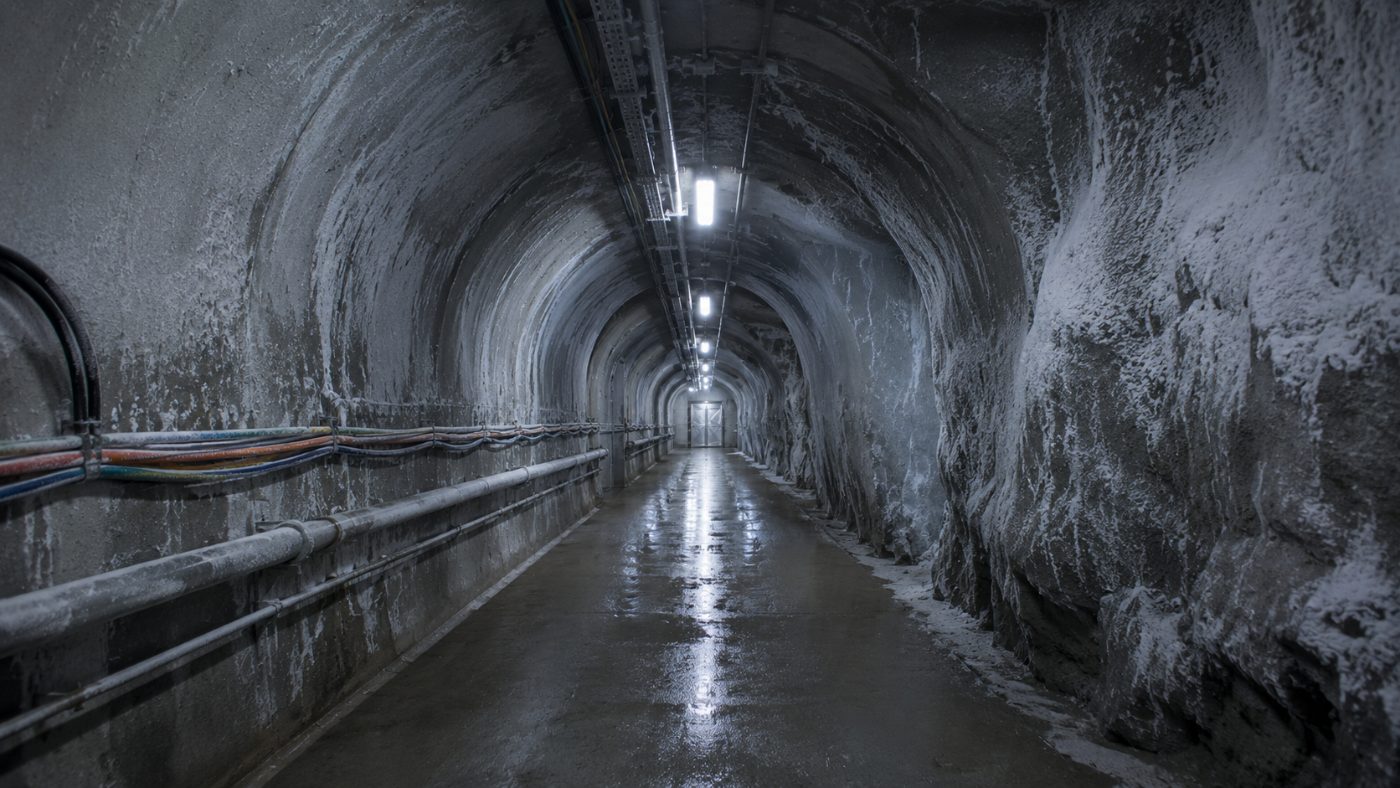
The story has a crack in it, and it appeared in 2017. Unusually warm Arctic temperatures and heavy rain sent meltwater pouring into the vault's entrance tunnel, and headlines around the world announced that the doomsday vault had flooded. It was frightening, but it was not the disaster it sounded like. As Snopes confirmed, the water seeped into the access tunnel and froze, never reaching the seeds, which sit far deeper inside behind several more doors.
Still, it was a warning that landed hard. The vault relies on permafrost, frozen ground, in a part of the planet that is warming several times faster than the global average. A storeroom built to outlast climate catastrophe had been nudged by the early edge of one. Norway responded by spending tens of millions of dollars rebuilding the entrance, waterproofing the walls, pulling heat sources out of the tunnel and digging drainage to keep the meltwater away.
There is a second, quieter limit worth being honest about. Svalbard only stores duplicates of what genebanks choose to send, frozen and untouched. It does not grow the seeds out, does not save the crops still living in farmers' fields, and cannot by itself stop the slow erosion of diversity happening on real farms. It is a backstop, not a cure.
A frozen room full of seeds is humanity quietly admitting it might fail, and choosing to leave its descendants a way back. Do you think a vault of frozen seeds can really rescue a crop after catastrophe, or is the real work keeping those seeds alive in the field? Tell us what you think in the comments.
See also: Finland's Onkalo, the first nuclear waste repository built to keep its message for 100,000 years.