A date seed sat in the ruins of Masada for 2,000 years, then a doctor coaxed it back to life and it grew into a tree that fruits again
The Judean date palm was famous across the ancient world and then vanished, gone for so many centuries that it counted as extinct. Then a single seed, pulled from the desert fortress of Masada and roughly 2,000 years old, was planted in 2005. It sprouted. The tree that grew from it now bears dates again.
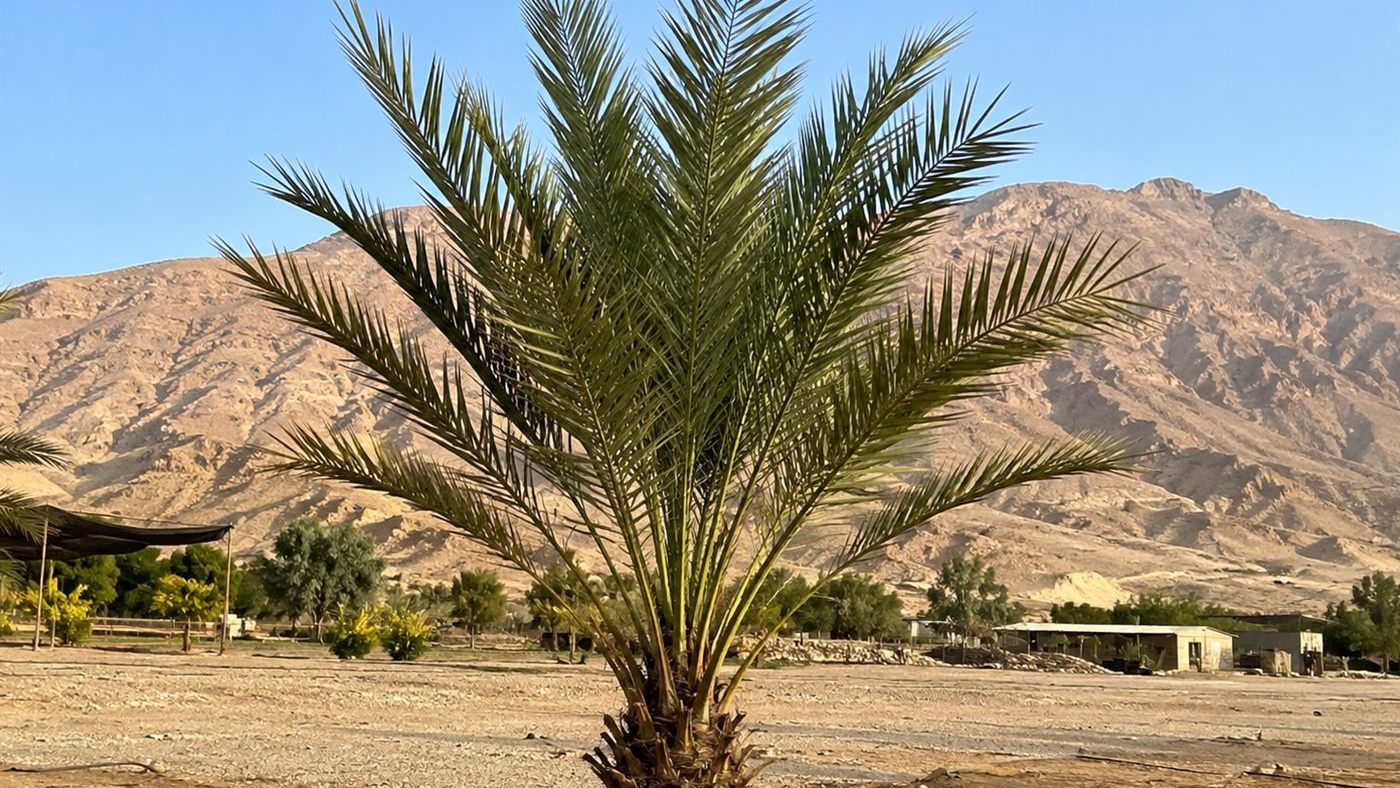
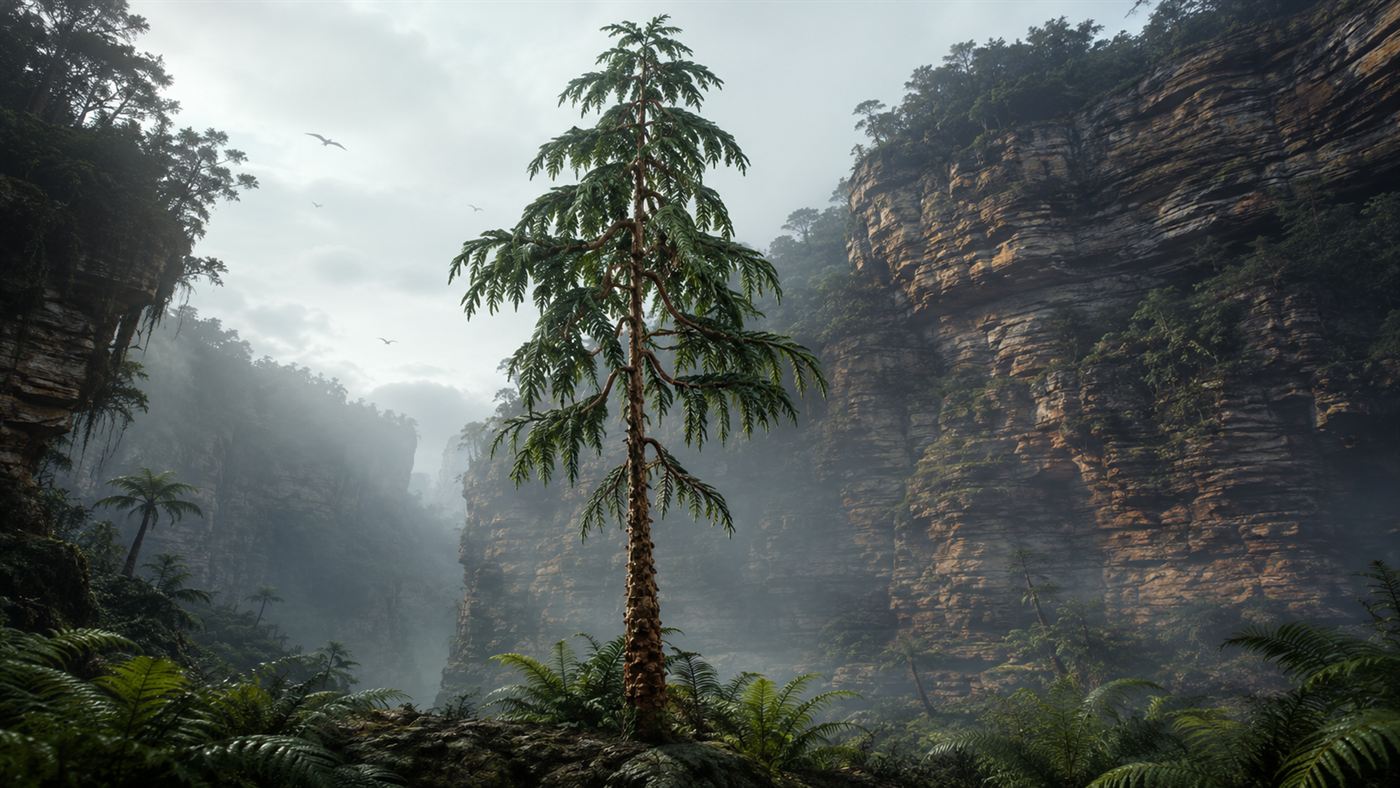
Methuselah, the palm grown from a 2,000-year-old seed. Illustration: Watts & Wild.
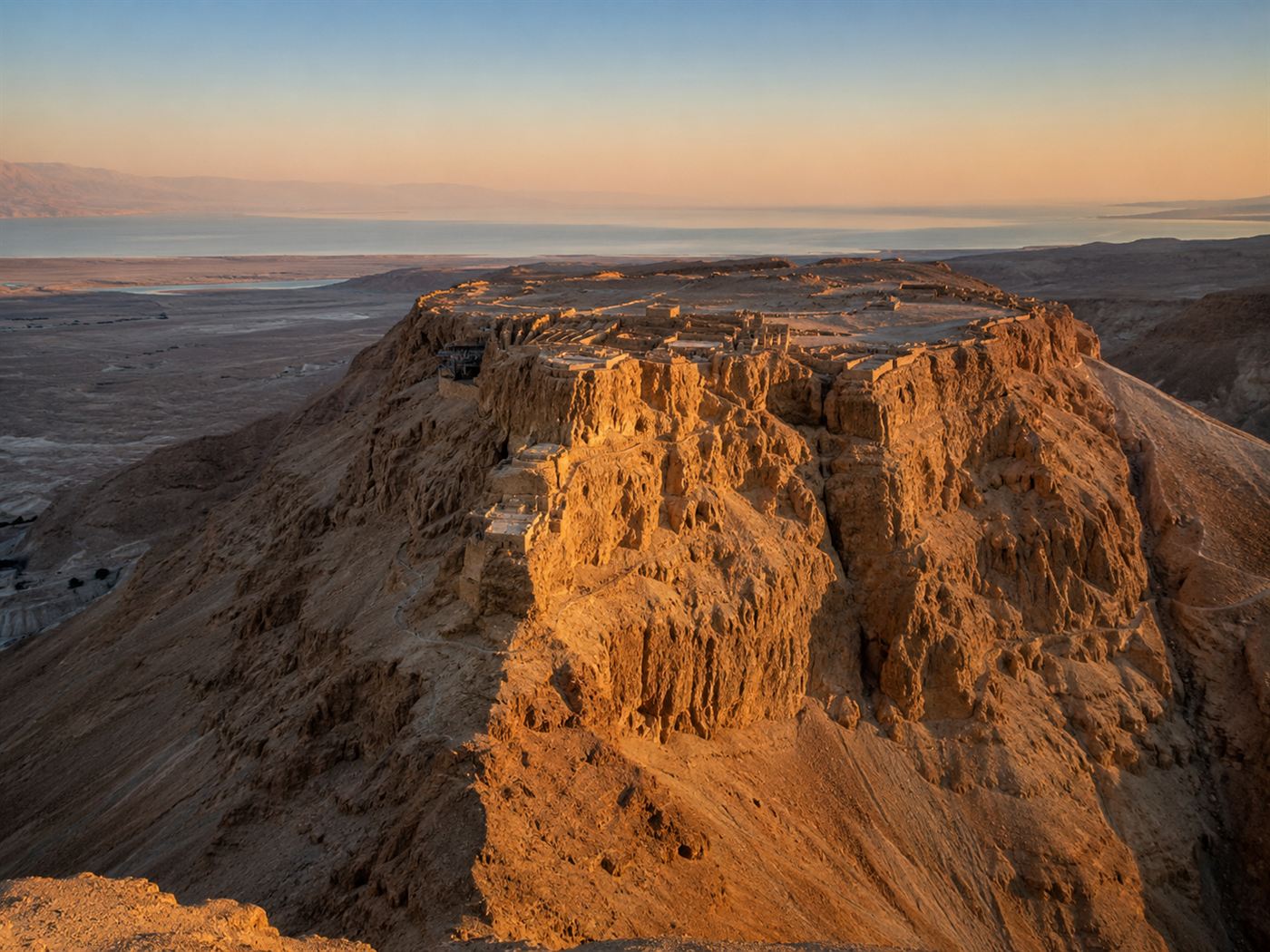
The seed had been waiting a long time for its chance. It was found in the 1960s during the famous excavations of Masada, the cliff-top fortress near the Dead Sea dug by the archaeologist Yigal Yadin, sitting near ancient food stores at the entrance to a palace. For decades it stayed in a drawer, an unremarkable brown pip among the finds, until someone wondered whether anything that old could still be alive.
That someone was Dr. Sarah Sallon, a physician who ran a natural medicine research centre and had become fascinated by the lost plants of the ancient Near East. She wanted to know if seeds from archaeological digs might be coaxed back to life, and the long-extinct date palm of Judea, praised in old texts for its fruit and shade, was the prize she had in mind. She handed a few of the Masada seeds to an expert who could actually try.
How the Judean date palm vanished
To feel the weight of this, it helps to know what was lost. The Judean date palm was not just any tree. In antiquity the date groves of the Jordan valley were renowned, their fruit prized for sweetness and even for medicine, and the palm became a symbol of the region. But war, upheaval and centuries of changing agriculture wiped the old cultivated variety out, and by the modern era it survived only in writing and on ancient coins.
That is what makes the seed so striking. It was not a relic of a tree that still grows down the road. It was the last physical trace of a plant the world had let slip away entirely, a living instruction set for something nobody alive had ever seen fruit.
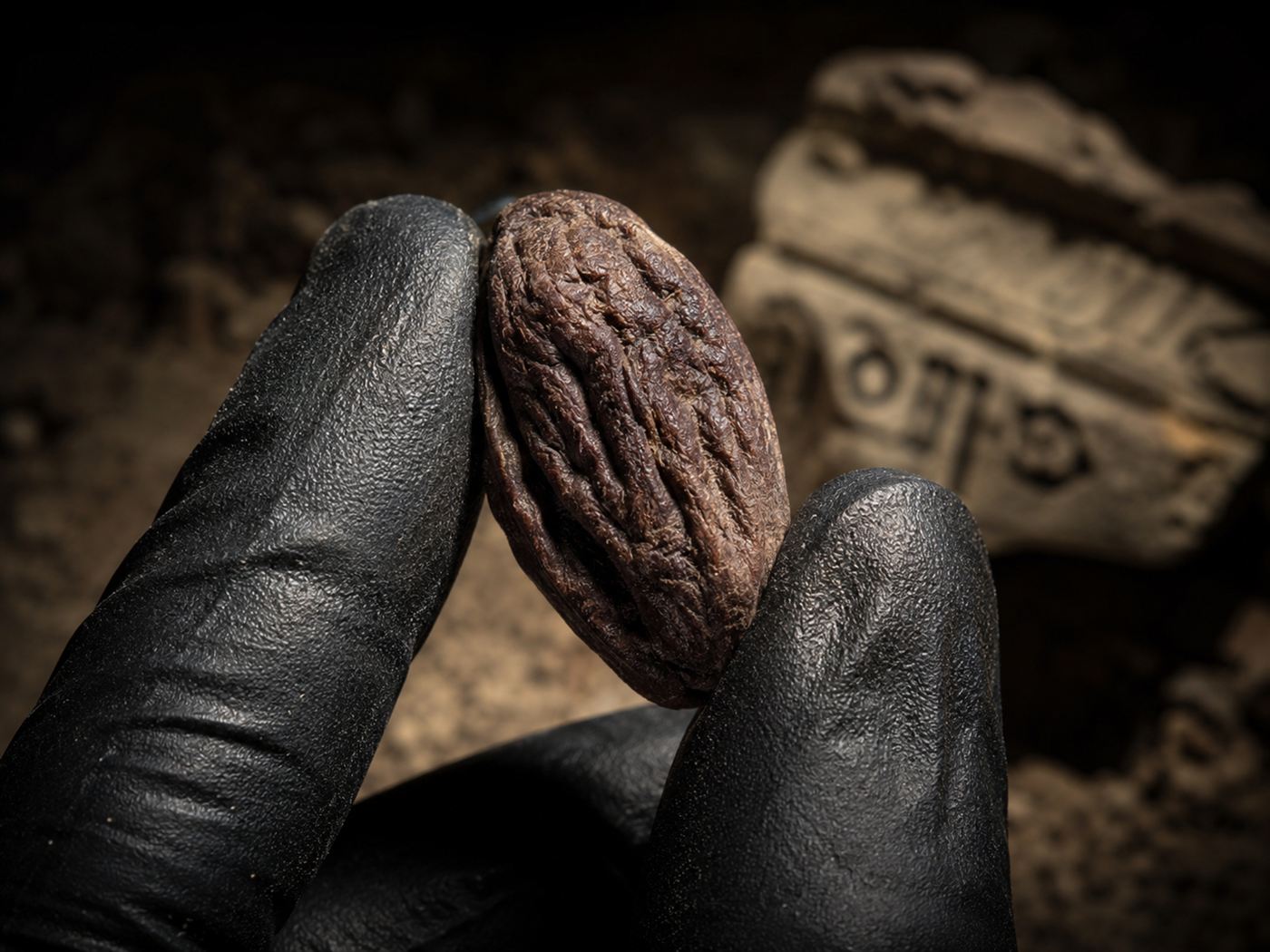
A 2,000-year-old seed wakes up
The job of reviving it fell to Dr. Elaine Solowey, an expert in desert agriculture at the Arava Institute. Her method was almost comically low-tech. As the Arava Institute describes, she gently rehydrated the seed in a common baby-bottle warmer and then treated it with fertiliser and growth hormone, not expecting much. In March 2005, against the odds, it germinated.
The radiocarbon dating put the seed at around 2,000 years old, which made it the oldest seed ever known to sprout, a record later logged by Guinness. The seedling was named Methuselah, after the longest-lived figure in the Bible, and it kept growing into a healthy palm. As National Geographic reported, it was eventually replanted at Kibbutz Ketura, where it thrived, a living thing that had begun, in seed form, when the Roman Empire still ruled Judea.
Did the Judean date palm produce fruit again?
Here the story gets even better. Methuselah turned out to be male, so on its own it could never make dates. Undeterred, Sallon and Solowey went back to the ancient seeds and germinated more, growing a small family of palms from 2,000-year-old stones, including females with names like Hannah and Adam.
In 2015 Methuselah's pollen was used to fertilise Hannah, and in September 2020 Hannah did what no Judean date palm had done in two millennia: she bore fruit. People tasted dates from the lost variety again, described as subtly sweet with a hint of honey. Genetic work published in Science Advances showed these revived palms carry traces of both eastern and western date varieties, a clue to how the famous Judean groves were bred in the first place.
The honest catch
It is a wonderful story, and it is worth telling carefully. The trees themselves are not 2,000 years old: only the seeds were. Methuselah and the others sprouted in our century, ordinary young palms grown from extraordinary old seeds, so the headline image of an ancient tree resurrected is a little misleading. What is genuinely old is the genetic line they revive.
There is no miracle of cloning here either, just patient horticulture, the right hydration, a bit of hormone and a great deal of luck that the embryo inside had survived. And while it is fair to say the Judean date palm has been brought back, it has been brought back as a handful of trees in cultivation, not as the great groves that once filled the valley. The revival is real, but it is a beginning, not a restoration.
Why a resurrected palm matters
Even with the caveats, it is hard not to be moved. A seed slept through the fall of empires, the rise of new religions and 2,000 years of human history, and then woke up and grew. It is a reminder that life can be astonishingly patient, and that seeds are tiny time capsules holding the blueprint for whole lost worlds.
It also hints at something practical, that the genetic diversity of plants we think we have lost may sometimes be recoverable, if we are careful with what we dig up. If a 2,000-year-old seed can come back, what else might be waiting in a museum drawer to be brought to life? Tell us in the comments.
Related reading: Deep inside an Arctic mountain, a frozen vault guards almost every food crop on Earth against the end of the world.